
Reviewed · WELLINGTON TOURS
Zealandia Small Group Eco Wildlife Night Tour
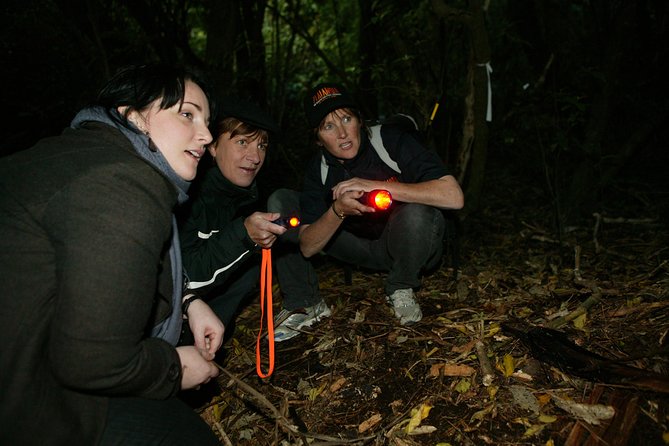
At Zealandia, darkness changes the whole visit. The exhibition introduces extinct moa and Haast’s eagle, then your guide leads you through the fenced sanctuary by red torchlight, listening for birds and searching the ground for kiwi, tuatara, weta, frogs, and glowworms. A lucky group may see several kiwi, including a young bird.
I like the small group size, capped at 12, because it gives the guide and spotter room to work without turning the walk into a crowd. I also like the conservation story: your ticket supports a 550-acre native sanctuary where rare species live in a protected setting, not behind zoo glass.
The main caution is the weather. The walk lasts about two and a half hours, and Wellington nights can be cold, wet, windy, and muddy. Kiwi sightings are never promised, so book this for the night walk and the wider wildlife experience, not for a guaranteed bird encounter.
Key points at a glance
- Kiwi searches after dark: Guides and spotters may find little spotted kiwi moving through the sanctuary, sometimes only a few feet away.
- A 550-acre protected valley: Zealandia’s predator-proof fence helps native birds, reptiles, frogs, insects, and plants survive in a safe habitat.
- Extinct giants in the exhibition: Interactive models of the moa and Haast’s eagle explain what once lived in New Zealand.
- Red torches are supplied: The low red light helps you see without disturbing the animals as much as bright white light.
- A real two-and-a-half-hour walk: You need sturdy shoes, warm layers, and enough comfort to walk in low light for the full tour.
- Strong guide-led spotting: Guides such as Rebecca, Autumn, Claire, Will, and Mary have helped groups find kiwi and explain the sanctuary’s conservation work.
Why Zealandia is best after sunset
Daytime Zealandia is about birdsong, views, and seeing the sanctuary at a relaxed pace. At night, the place feels more focused. Your eyes adjust to the dark, the red torches appear as small points of light, and every rustle in the undergrowth becomes worth investigating.
The point is not to race from one animal to the next. Your guide may pause to listen for a call, inspect a tree hollow, or shine a torch toward a slow-moving reptile. You might see a tuatara sitting motionless, a weta tucked into cover, or a glowworm shining in the dark. The pace gives you time to notice small things that are easy to miss during a daytime walk.
The sanctuary is home to native species that are difficult to spot in ordinary city parks. The experience works because Zealandia protects them inside a predator-proof fence and gives them room to behave naturally. You are not walking through a traditional animal enclosure with guaranteed viewing points. That makes sightings less certain, but it also makes each encounter feel earned.
More Wildlife Tours in Wellington:
- Small Group Daytime 2-Hour Eco Wildlife Tour at Zealandia
★ 5.0 · 223 reviews - Zealandia – Twilight Guided Eco Wildlife Tour
★ 5.0 · 63 reviews - Clearwater Wildlife Tours (small group 10max) Otago Peninsula
★ 5.0 · 531 reviews
Starting with moa and Haast’s eagle
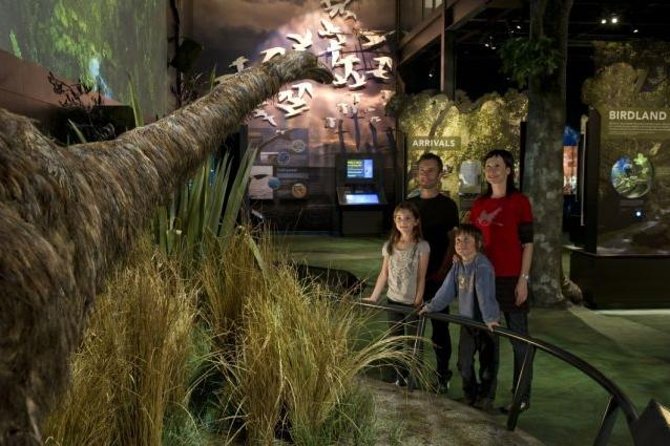
The tour begins inside the visitor centre with a short film and an introduction to Zealandia. You then explore Zealandia: The Exhibition before heading outdoors.
This opening matters because New Zealand’s wildlife story is not just a list of unusual birds. It is a story of isolation, large flightless species, introduced predators, and a long effort to restore native life. The exhibition helps you understand that context before you enter the sanctuary.
The lifelike moa model is one of the clearest highlights. Moa were giant flightless birds that once lived across New Zealand. The model gives you a sense of their scale in a way that a label or drawing cannot. The display also presents Haast’s eagle, a powerful predator that hunted large birds before disappearing along with the world it depended on.
A light and sound presentation traces at least 1,000 years of change. It links the extinct animals to the conservation work happening outside the doors. I like this sequence because the exhibition is not treated as a separate museum stop. It prepares you to see the sanctuary as part of a much longer story.
Walking into Sanctuary Valley
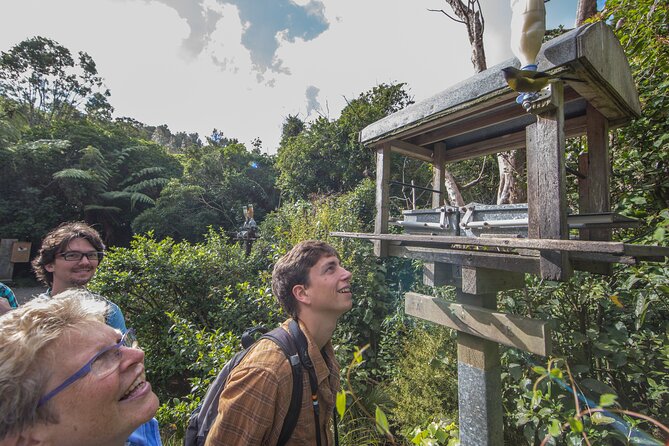
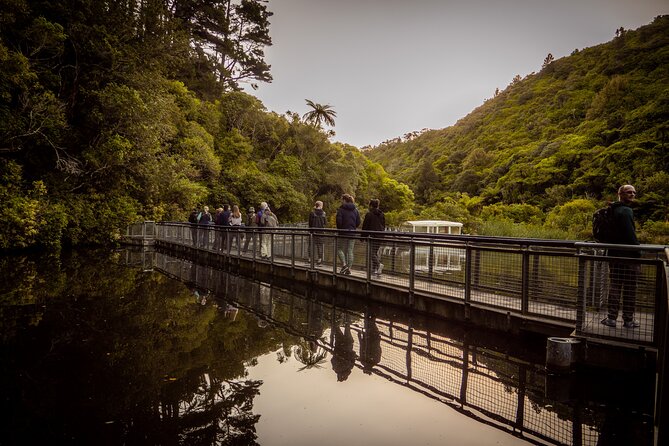
After the indoor introduction, your guide leads the group through the sanctuary. The outdoor portion takes place in the Sanctuary Valley, which covers about 550 acres, or 225 hectares.
You receive a torch, with red-light torches used for the night walk. You may also be given a radio receiver, as one group described, so you can hear the guide while moving along the trail. A bag check takes place before entry into the protected area. These small steps support Zealandia’s effort to keep the sanctuary safe from threats and reduce disturbance to the animals.
The walk begins around dusk, so you may start while there is still some light. That gradual change is useful. You can get your bearings before the trail becomes fully dark, then watch the sanctuary shift into its night rhythm.
Your guide and an assisting spotter work together. One person explains the habitat, calls, and conservation work while another keeps watch for movement in the bushes, along the path, or near water. This two-guide setup is especially helpful when the group is trying to locate a low, fast, or well-hidden animal.
What you might see in the dark
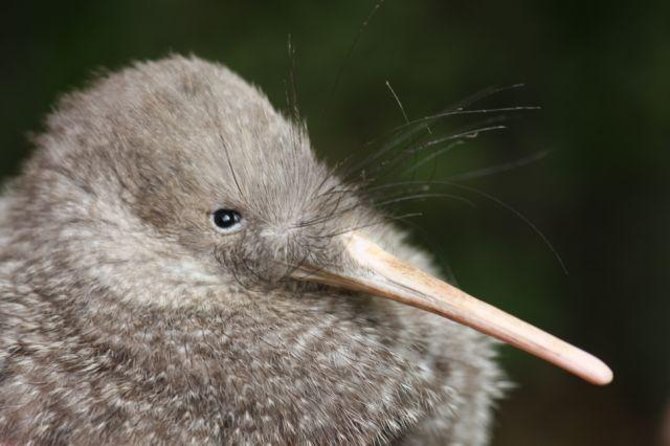
Kiwi are the main draw, and the little spotted kiwi is one of the species people hope to find. The birds are elusive, so no guide can promise a sighting. Still, the night tour gives you a strong chance because you are looking at the time when kiwi are active.
Sightings can be surprisingly close. One group saw a kiwi less than a metre away as it moved along a drainage ditch. Another found one on the grass near the start of the walk, apparently unconcerned by the quiet group nearby. Other outings have produced three, four, or even five kiwi, including a young bird.
You should still set your expectations correctly. Some nights may produce one kiwi, while others may produce none. The guide will continue searching, but this is a sanctuary, not a show with animals released on a schedule. Follow instructions carefully, keep your voice low, and never use a camera flash. A flash can frighten the birds and spoil the sighting for everyone.
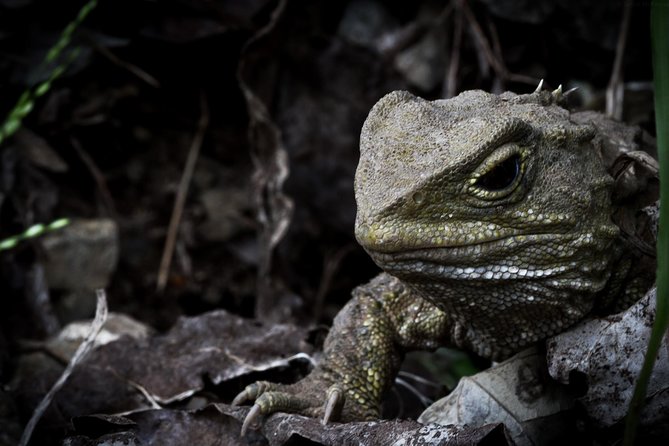
Tuatara are another major prize. These ancient reptiles often sit still enough for a careful guide to locate them. Groups have seen several in one evening, sometimes around ten. Their stillness makes them easy to overlook, which is why the guide’s trained eye adds real value.
You might also encounter weta, New Zealand’s large native insects. They can look startling under a red torch, especially when you first notice their long legs and heavy body. Glowworms add a softer sight, appearing as tiny points of light in dark areas.
Other possible sightings include kaka, takahe, Maud Island frogs, Hamilton frogs, shags, ducks, eels, lizards, and morepork calls. Not every tour sees all of these, and the exact list depends on weather, timing, and animal movement. The pleasure comes from not knowing what the guide will find around the next bend.
More evening outings in Wellington:
- Zealandia by Night Tour
★ 4.8 · 140 reviews - Oamaru: Penguins Evening Viewing Ticket
★ 4.5 · 682 reviews - Guided Evening Penguin Viewing Otago Peninsula, Dunedin, New Zealand
★ 5.0 · 471 reviews - Tauranga: Evening Glowworm Kayak Tour
★ 5.0 · 311 reviews
Guides make the difference
A good night walk depends on more than the sanctuary itself. In the dark, you need someone who can keep the group together, explain what you are seeing, and find animals that blend into the bush.
Guides named Rebecca, Autumn, Claire, Will, and Mary have led outings described as friendly, patient, and deeply committed to conservation. Claire was praised for finding several kiwi, while Mary located three close-up sightings for one group. Will’s enthusiasm for the work was also clear during a tour that produced four kiwi.
Names can change with the schedule, of course, but the format is consistent: a lead guide explains the sanctuary, while an assistant or volunteer helps scan the trail and manage the group. That second set of eyes is not just a nice extra. It improves your odds of spotting a small frog, a weta under leaves, or a kiwi moving quickly through the dark.
The guides also help set a sensible tone. You are told that sightings are not guaranteed, which is exactly what you need to hear before entering a wildlife reserve. The best guides make the quieter moments worthwhile by explaining calls, plants, habitat protection, and Zealandia’s long-term conservation goals.
Is the two-and-a-half-hour walk too long?
For most people who enjoy nature walks, two and a half hours gives the evening enough time to build. You need time to leave the visitor centre, move through the valley, stop for explanations, wait quietly, and search several habitats.
The walk is not described as especially long in distance, but the combination of uneven ground, low light, and weather can make it feel more demanding. One outing in cold wind felt too long for some people, especially during extended stops. Mud is also possible, so sturdy footwear is more than a polite suggestion.
I would treat the duration as a real part of the booking decision. If you enjoy slow observation, the pauses are useful. If you prefer a brisk walk or dislike standing outside in cold weather, the evening may feel drawn out.
The tour is not recommended for people with limited mobility or difficulty walking for two hours in low-light conditions. Most people can take part, but you should be comfortable on your feet and ready for a trail rather than a paved indoor attraction.
Getting there from central Wellington
Zealandia is about 10 minutes from downtown Wellington by car, at 53 Waiapu Road in Karori. The tour does not include hotel pickup or drop-off, so you need to arrange your own transport.
For the evening visit, a taxi is the practical choice. The sanctuary recommends booking through your hotel concierge or calling Wellington Combined Taxis at 04 384 44 44. Allow enough time to arrive 15 minutes before the start.
The meeting point and ending point are the same. Guides may help arrange a return taxi after the walk, which is useful because you finish after dark. Do not assume you can simply find a taxi waiting outside.
Public transport is available nearby, but the supplied tour information does not give a specific route or late-night timetable. Check your return plan before setting out. A smooth journey home matters more after a cold walk than it does after a daytime museum visit.
What to wear and pack
Zealandia operates in all weather conditions, so dress for the forecast and then add another layer. Wellington weather can change quickly, and the valley may feel colder once you stop moving.
Bring:
- Sturdy walking shoes
- Extra warm layers
- A waterproof jacket
- Clothing you do not mind getting muddy
- A phone or camera without flash use
Torches are supplied, so you do not need to bring your own. Use the provided light as directed, and keep it pointed where the guide indicates. Bright lights and flash photography can disturb wildlife, especially kiwi.
Food and drinks are not included. Plan to eat before the tour or after it, since the experience is built around the exhibition and walking route rather than a meal stop.
Price and what you get for $74.47
At $74.47 per person, this is not the cheapest evening activity in Wellington. It is also more than a basic walk because the price includes entry to the exhibition, the guided sanctuary walk, and supplied torches.
I think the value is strongest if you care about native wildlife and conservation. You are paying for a small group, trained spotting help, access after dark, and the chance to see animals that are rarely visible during ordinary sightseeing. The experience also supports Zealandia’s work protecting endemic species.
The value is less clear if you only want a guaranteed kiwi photograph. No wildlife sanctuary can promise that, and the tour’s own nature means some nights will be more productive than others. You should book it as a guided search in a real habitat, with the possibility of a memorable sighting.
A useful planning note: some ticket holders have been allowed to return to Zealandia the following day for daytime access. Ask when booking if that benefit applies to your ticket. If it does, the price becomes easier to justify because you can experience the sanctuary in both daylight and darkness.
Who should book this night tour?
I would choose this tour if you have at least a passing interest in birds, reptiles, insects, or conservation. It is especially well suited to visitors who want a distinctly New Zealand experience rather than another city attraction.
It suits older children and teenagers because the minimum age is 12. The extinct moa and Haast’s eagle display gives the evening a strong opening, while the outdoor search adds a sense of discovery. Adults who enjoy quiet walks will appreciate the patient pace and careful searching.
You should think twice if you dislike cold weather, mud, or uncertain wildlife sightings. The tour is also a poor fit if you need level paths, bright lighting, or frequent access to indoor shelter.
Should you book Zealandia after dark?
Yes, if you can handle a two-and-a-half-hour walk and accept that nature does not follow a schedule. The chance to see kiwi, tuatara, glowworms, weta, frogs, and other native species in a protected sanctuary is the reason to go.
Book it as one of Wellington’s more unusual evenings, not as a guaranteed kiwi hunt. Arrive early, arrange your taxi home, wear warm waterproof clothing, and keep your camera flash off. If your group gets a close kiwi sighting, you will remember it for years. If you do not, the exhibition, nocturnal sounds, conservation story, and smaller creatures still make the outing worthwhile.
FAQ
How long is the Zealandia Small Group Eco Wildlife Night Tour?
The tour lasts approximately 2 hours and 30 minutes. It includes the exhibition and a guided walk through Sanctuary Valley.
Where does the tour start and finish?
It starts at 53 Waiapu Road, Karori, Wellington 6012, New Zealand, and ends back at the same meeting point.
Is hotel pickup included?
No. Hotel pickup and drop-off are not included. You need to arrange your own transport to and from Zealandia.
How should I get to Zealandia at night?
A taxi is recommended for the evening visit. You can book through your hotel concierge or call Wellington Combined Taxis at 04 384 44 44.
Are torches provided?
Yes. Torches or flashlights are supplied, including red-light torches used to help limit disturbance to wildlife.
What should I wear?
Wear sturdy footwear, extra layers, and a waterproof jacket. The tour runs in all weather conditions, and parts of the route may be cold or muddy.
Is the tour suitable for children?
The minimum age is 12 years. Most people can participate, but the tour is not recommended for anyone with limited mobility or difficulty walking for two hours in low light.
Are kiwi sightings guaranteed?
No. Kiwi and other wildlife live in a natural sanctuary, so sightings are not guaranteed. Guides lead the search and may also find tuatara, weta, frogs, glowworms, kaka, takahe, eels, and other nocturnal species.
Newly listed around Wellington
- Wellington Jewish Heritage sightseeing tour with a kosher lunch★ 5.0 · 5 reviews
- Private Tour in Wellington★ 5.0 · 5 reviews
- Wellington: Lord of the Rings Filming Locations Tour★ 4.0 · 6 reviews
- Star Safari Stargazing Experience, Martinborough★ 5.0 · 6 reviews
- Wellington 90 minute Harbour Cruise★ 5.0 · 6 reviews
- Wharekauhau Heli-lunch from Wellington★ 4.5 · 6 reviews
- Kombucha Rum and Craft Beer Private Tour★ 3.5 · 6 reviews
- Easy Rider Two-Hour Wellington eBike Tour★ 5.0 · 7 reviews
Wellington Tours, compared.

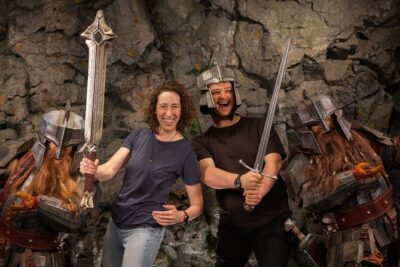
Wellington’s Original LOTR Experience – includes Weta and Lunch
Read our review →
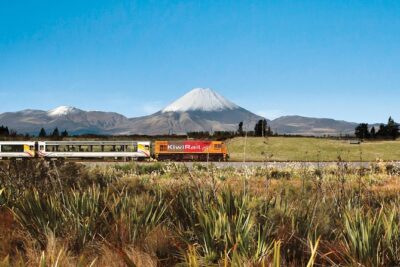
Northern Explorer Train Journey from Wellington to Auckland
Read our review →Browse the lists this tour appears in