
Reviewed · DUNEDIN TOURS
Guided Evening Penguin Viewing Otago Peninsula, Dunedin, New Zealand
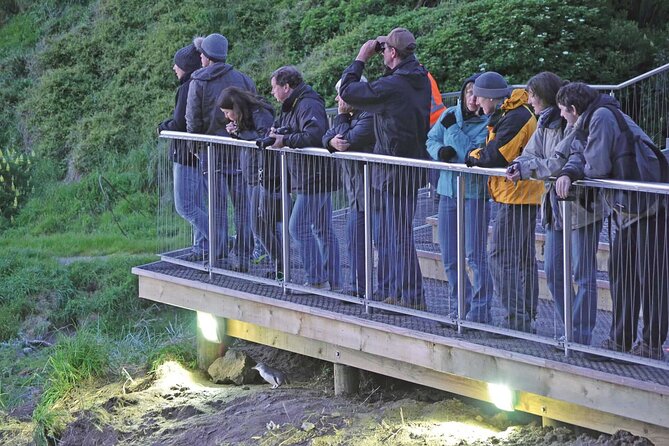
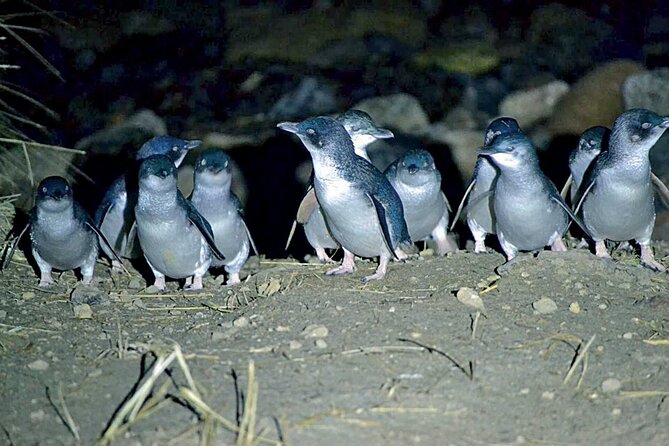
The highlight comes after dusk, when little blue penguins emerge from the sea and hurry toward their nests just a few metres from the viewing platform. You may see only a handful in the quieter months, or close to 200 during the stronger summer season, so patience and timing matter.
I like the close, low-impact viewing and the fact that photography is allowed without flash. I also like the guides’ lively presentation, which combines penguin facts with the human story of the headland. The main drawback is simple: this is an outdoor evening experience on a windy coast, and you need to drive yourself there.
- Penguins pass within a few metres of an open viewing platform.
- Numbers change by season, from roughly 10 to 80 a night in February through August, with up to 200 possible at the best times.
- Guides rotate groups around the platform, giving people different angles and helping everyone see.
- A 300-metre walk includes more than 60 built-in steps, so you need to walk unaided.
- No transport is included, and the reserve is about 1 hour and 30 minutes from start to finish.
- Warm, windproof clothing is essential, and umbrellas are not permitted.
A Quiet Beach Return at Otago Peninsula
The Blue Penguins Pukekura evening tour gives you a rare kind of wildlife experience. You are not entering a show arena or watching trained animals perform. You wait beside the shore as wild little blue penguins come home from the ocean, then follow their familiar route toward nesting boxes and burrows.
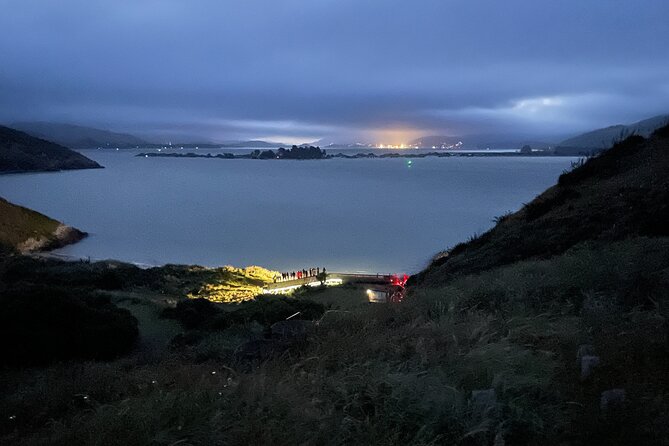
The setting is the Otago Peninsula, at the headland known as Pukekura. The reserve protects the peninsula’s largest little blue penguin colony, and the viewing is designed to keep people out of the penguins’ path. From the platform, you can move around to see the birds from different angles while they pass below or beside you.
That closeness is the reason to make the trip from Dunedin. Little blue penguins are small, quick, and often hard to spot in the open. Here, the guides use the platform, lighting, and careful group movement to give you a clear view without asking the birds to change their behavior.
The experience lasts about 90 minutes. It is short enough to fit into a full day on the peninsula, but late enough that you should plan for a night drive afterward.
What Happens During the 90 Minutes
The evening begins with an introduction rather than an immediate walk to the beach. Allow about 30 minutes for a presentation covering the human history of the headland, Māori occupation before European arrival, the penguins’ life cycle, and the way the reserve operates.
This opening talk gives the beach viewing more meaning. You learn what the penguins are doing and why they gather in groups, instead of simply watching a line of small birds appear from the water. Guides such as Leon and Shane are praised for their humor, energy, and clear explanations, while the wider team helps manage the platform and answer questions.
One small point to keep in mind: the presentation may feel long if you are eager to get outside. One person found that the late finish made the return drive feel more demanding. I would still value the talk, but if your group includes young children or anyone tired after a full day, know that the penguins do not appear on demand.
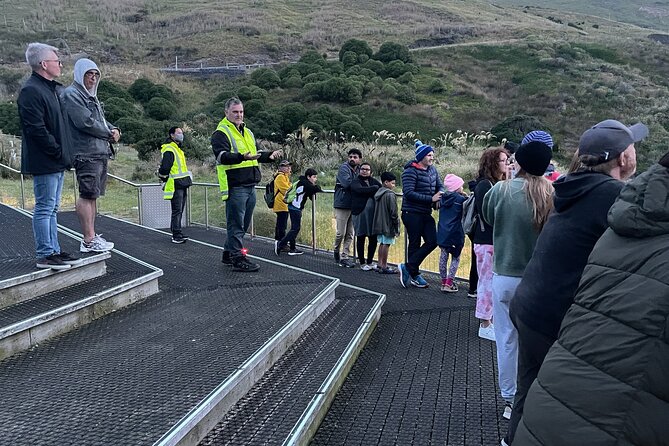
After the introduction, you walk about 300 metres along a gravel path and boardwalk. The route includes more than 60 built-in steps. It is not a long hike, but the uneven surface and steps matter in the dark, especially if the weather is wet or windy.
At the viewing point, the guides position the group and explain what to watch for. Penguins may arrive in small groups, sometimes called rafts, after gathering offshore. The staff point out when a group is coming and rotate people around the platform so you are not stuck behind the tallest person in the group.
That rotation is one of the best practical features of the visit. It gives you changing views and helps people with different heights or camera angles. You should still expect some waiting between arrivals. This is a natural wildlife encounter, not a timed performance.
More penguin and seal encounters:
- Dunedin: Wildlife and Penguin Tour
★ 4.6 · 239 reviews - Otago Peninsula Wildlife Cruise with Monarch
★ 4.5 · 227 reviews - Albatross, seals, and sea birds-Wildlife Cruise
★ 5.0 · 189 reviews
Seeing Up to 200 Little Blue Penguins
Penguin numbers vary sharply during the year. From February through August, the reserve expects about 10 to 80 penguins on a typical night. During the stronger summer period, the total can reach 200, and late spring is especially appealing if you want to see chicks.
November can be a good choice for families and bird lovers because young chicks may be visible around the nesting areas. The supplied details do not promise a particular number on any date, and that is important. You should book this for the quality of the encounter, not as a guarantee of a large count.
Some evenings produce a steady procession. Other nights may be quieter. Even a smaller arrival can be rewarding because the penguins come so close to the platform. The birds move quickly, so pay attention when the guide signals that a group is approaching.
The penguins return after a day at sea, then make their way across the beach and toward their nesting places. You will see natural movement rather than a staged display. They may pause, bunch together, or hurry past. That uncertainty is part of the charm, though it also means you need to be patient.
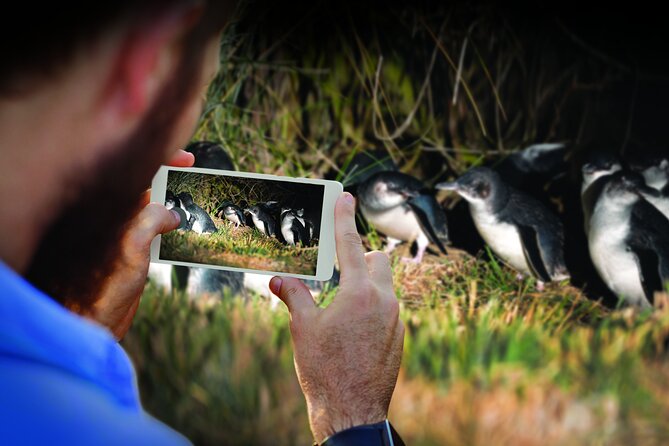
The viewing area has lighting that helps you see the birds after dark. You can take photographs and videos, but flash is not allowed. A phone may record the moment, though the dim conditions and fast-moving penguins can make photography tricky. I would keep your camera ready, then spend most of the time watching with your own eyes.
Other Wildlife Around the Cove
Penguins are the main event, but the Otago Peninsula can bring extra wildlife. Keep watch for fur seals, sea lions, and albatross in the wider area. Sightings are not guaranteed, and the tour is not sold as a dedicated marine mammal or albatross trip.
One evening included two sea lions rough-housing in the surf line as penguins passed nearby. That kind of scene explains why the setting matters. You are watching several wild species use the same coastal space, with no promise about what will appear next.
The guides can add local context as you look out across the cove. Their work is tied to conservation, and the experience is funded by the people who visit. Your ticket therefore supports the reserve’s effort to protect the colony, rather than paying only for a short look at wildlife.
Why the Viewing Platform Works
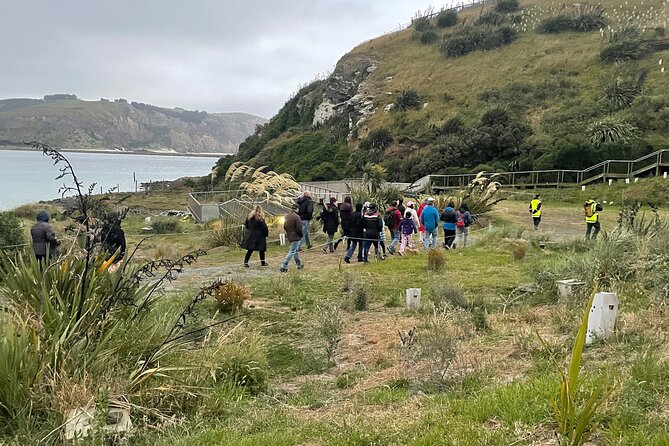
The platform is open, close to the penguin route, and arranged so you can move around. That gives you a better chance of seeing birds from more than one angle. You are not confined to a single fixed seat or forced to view the animals through a distant scope.
The platform also helps protect the penguins. You remain in a designated viewing area instead of walking down onto the beach or crossing the animals’ route. The guides manage movement and keep the group focused on watching quietly.
The maximum group size is 75 people. That is not a small private tour, but the platform rotation helps spread views around. If you prefer a very quiet, one-on-one wildlife outing, this may feel busy. If you want the security of guides and a well-organized viewing system, the group format works well.
The reserve’s approach is a strong point for anyone concerned about animal welfare. You see penguins close up without touching, feeding, calling to, or blocking them. The no-flash rule is another useful safeguard and also keeps the atmosphere calmer.
More evening outings in Dunedin:
- Oamaru: Penguins Evening Viewing Ticket
★ 4.5 · 682 reviews - Tauranga: Evening Glowworm Kayak Tour
★ 5.0 · 311 reviews - Auckland: Night Kayak Tour in Glowing Bioluminescent Waters
★ 4.9 · 259 reviews - Tauranga: Evening Glowworm Kayak Tour
★ 4.8 · 206 reviews
Cold, Wind, and the Night Drive
The weather is the part you need to take seriously. The platform sits in an exposed coastal area, and several visits have been cold, rainy, and windy. Conditions can feel much harsher than they did in central Dunedin earlier in the day.
Wear several warm layers, plus a windproof outer jacket. A waterproof jacket is the safer choice if rain is possible. Umbrellas are not allowed, so do not rely on one for shelter. Warm trousers and sturdy shoes will make the gravel path and steps easier.
Hot coffee and hot chocolate may be available while you watch. They can be welcome on a cold night, but they are a small comfort rather than a substitute for proper clothing.
Plan your evening meal before the tour. The activity can finish late, and you may not want to search for food afterward. Toilets may not be available after the center closes, so consider using facilities before walking down to the platform.
You also need to be comfortable driving back in the dark. The road can feel unfamiliar at night, especially if you are not used to New Zealand roads. It is described as safe, but you should allow extra attention for the return journey and avoid rushing away from the reserve.
Getting There From Dunedin
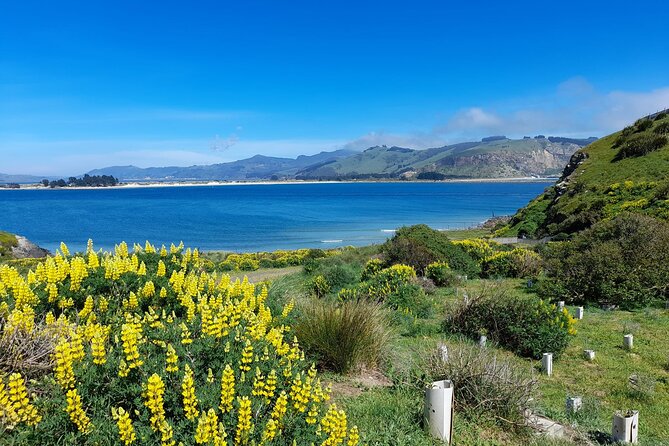
This option is for people with their own transport. The meeting point is Blue Penguins Pukekura, 1245 Harington Point Road, Harington Point 9077. The activity ends at the same place.
No shuttle is included in the $34.13 price. That low price is attractive if you already have a car and are exploring the peninsula, but it is not the full cost of the evening if you need to arrange transport separately.
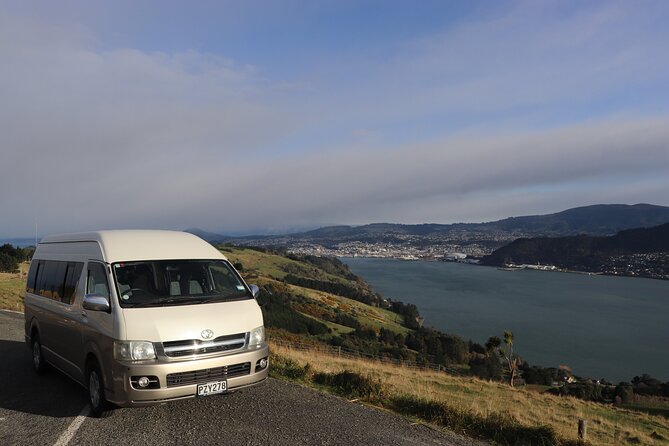
I would combine the visit with other Otago Peninsula sights during daylight, then remain nearby for the evening start. The separate peninsula tour offered by the same provider includes transport and a broader guided experience, but this evening visit is the more focused choice if penguins are your priority.
Check the meeting address carefully before setting out. At night, the reserve and parking area may not be brightly marked. One practical complaint concerned a lack of clear lighting and an exit sign in the parking area. Use your phone’s map before leaving the car, and take your time when departing.
Is $34.13 Good Value?
For an hour and a half of guided wildlife viewing, $34.13 per person is a fair price, especially if you already have your own vehicle. You receive the presentation, conservation context, guided walk, viewing platform, lighting, and access to the reserve.
The value depends on what you expect. If you need guaranteed penguin numbers, this is not a sure bet. In quieter months, you might see as few as 10, and the reserve offers only a 30 percent refund if fewer than five penguins appear. That policy is worth noting when you compare options.
The experience is stronger if you think of the ticket as supporting a protected colony as well as buying admission. You are paying for a carefully managed chance to see wild penguins at close range, not for a manufactured show.
The 4.9 rating from 471 reviews and 99 percent recommendation rate reflect the experience’s main strengths: close views, warm and committed staff, and a clear presentation. The repeated advice to dress warmly is just as important as the praise. The tour delivers best when you arrive prepared for the weather.
Who Will Enjoy This Most?
I would choose this for bird lovers, families with older children, photographers who can work without flash, and anyone wanting an authentic evening on the peninsula. The presentation suits people who enjoy learning how conservation works, not just collecting a quick wildlife photograph.
It is also a good choice if you want to see penguins without a long trek. The walk is only about 300 metres, though the gravel and 60-plus steps make it unsuitable for anyone who cannot walk unaided.
You might reconsider if you dislike cold outdoor waits, have no transport, or need a fully accessible path. The tour specifically requires unaided walking, and the steps are part of the route.
The group size of up to 75 people may not suit someone seeking silence and privacy. Still, the staff rotation around the platform is a smart way to make a larger group fairer for everyone.
Practical Tips for a Better Evening
- Arrive dressed for the coast, not the city. Bring a warm, windproof, waterproof jacket.
- Use the toilet before the center closes.
- Eat before the tour because the finish may be late.
- Do not bring an umbrella. It is not permitted.
- Keep your camera or phone ready, but turn off the flash.
- Listen for the guide’s signal when a raft approaches.
- Expect a wait between groups of penguins.
- Wear shoes suitable for gravel and steps.
- Plan the dark drive back before the tour begins.
- Consider November if seeing chicks is especially important to you, while remembering that wildlife sightings and numbers can vary.
Should You Book the Penguin Viewing Tour?
Book it if you can handle a cold, exposed evening and have your own transport. The chance to watch little blue penguins pass within a few metres, under careful guidance and without flash, is the real reward.
I would be especially tempted during the higher-count summer period, or in November if young chicks are a priority. In February through August, go with more modest expectations, since nightly numbers may range from 10 to 80.
Skip this option if you need transport, cannot manage the gravel path and steps, or want guaranteed large numbers. Otherwise, the price is reasonable, the conservation setting feels genuine, and the staff add real value. Free cancellation is available up to 24 hours before the start time, and poor weather may lead to a new date or full refund. That gives you some flexibility, but the best preparation is still simple: bring warm clothes and let the penguins set the pace.
FAQ
Where does the penguin tour start?
It starts at Blue Penguins Pukekura, 1245 Harington Point Road, Harington Point 9077, New Zealand.
Where does the activity end?
The activity ends back at the same meeting point.
How long does the evening penguin viewing last?
The tour lasts about 1 hour and 30 minutes.
Is transport from Dunedin included?
No. This tour option does not provide transport, so you need your own vehicle to reach the reserve.
How many penguins might I see?
The reserve can see up to 200 little blue penguins during the stronger summer period. From February through August, the expected number is about 10 to 80 per night.
Are photographs allowed?
Yes. Photography and video are allowed, but flash photography is not permitted.
How far do I need to walk?
The route includes about 300 metres along a gravel path and boardwalk, with more than 60 built-in steps.
Can I bring an umbrella?
No. Umbrellas are not allowed, so bring a rain jacket if wet weather is possible.
What happens if the tour is canceled because of weather?
If poor weather causes cancellation, you will be offered another date or a full refund. You can also cancel up to 24 hours before the start time for a full refund.
Newly listed around Dunedin
- Dunedin Private Fullday Tour★ 5.0 · 5 reviews
- Twilight at the Opera★ 5.0 · 5 reviews
- Shared Small Group Dunedin City and Peninsula Scenery Day Tour★ 5.0 · 5 reviews
- Dunedin to Te Anau via the Catlins One Way Small Group Tour★ 5.0 · 6 reviews
- Electric Bike Rental★ 5.0 · 6 reviews
- Private Dunedin & Otago Peninsula Day Tour Up to 4★ 5.0 · 6 reviews
- Dunedin to Queenstown One Way Tour Including Taieri Gorge Train★ 5.0 · 6 reviews
- Clearwater Private Penguin & Wildlife Tour from Port Otago (5hrs)★ 5.0 · 7 reviews
Dunedin Tours, compared.
Clearwater Wildlife Tours (small group 10max) Otago Peninsula
Read our review →
Dunedin Shore Excursion: Small-Group Tour of Dunedin and the Otago Peninsula
Read our review →
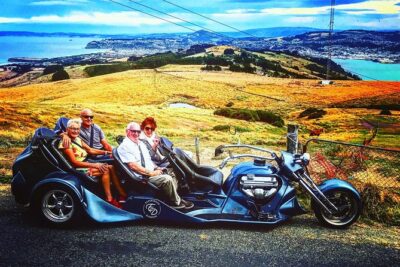
Shore Excursion: V8 Trike, Peninsula and City Tour
Read our review →
Browse the lists this tour appears in