
Reviewed · WELLINGTON TOURS
Zealandia – Twilight Guided Eco Wildlife Tour
Zealandia changes character as daylight fades. You begin among the last daytime birds, then follow a guide into the sanctuary as nocturnal sounds start up. With luck, you may see a kiwi foraging in the dark, but hearing one is also a special New Zealand moment. The timing is the star of this tour.
I like two things right away: the small maximum group of 12 keeps the walk personal, and your ticket includes general admission for the day of the tour or the following day. I also like the hot kawakawa tea served in the forest, a simple touch that feels just right in Wellington’s cool evening air.
The main consideration is that wildlife sightings are never guaranteed. Some groups see kiwi, tuatara, birds, frogs, and lizards. Others hear kiwi but never spot one. You will also walk outside in changeable weather, so sturdy shoes and proper layers matter.
Key points to know before you book
- Twilight brings two wildlife worlds together: You may see daytime birds settling down and nocturnal species beginning to stir.
- Kiwi sightings are possible, not promised: Some groups spot kiwi up close, while others hear their calls in the darkness.
- The group is capped at 12 people: That gives the guide a better chance to point out small creatures and answer questions.
- A second visit is built into the price: Use general admission on the tour day or the following day to explore in daylight.
- Hot kawakawa tea is served in the bush: It adds warmth and a taste of a native New Zealand plant.
- The walk suits reasonably fit walkers: Wear closed, sturdy shoes and carry extra layers plus a waterproof jacket.
Why Zealandia works best at twilight
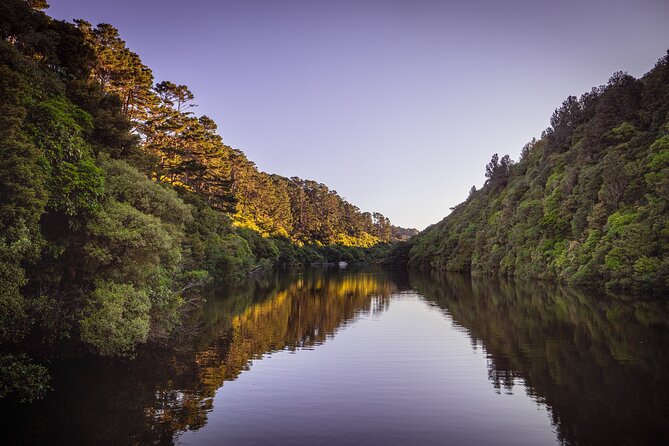
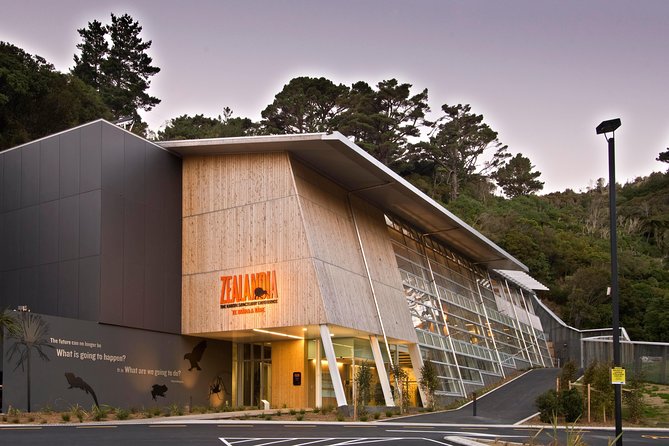
Zealandia Te Māra a Tāne is a wildlife sanctuary in Karori, on the outskirts of Wellington. Its purpose is bigger than a short nature walk. The sanctuary is part of a long effort to restore native plants and animals in a protected valley, and the tour gives you a clear sense of how that work functions.
The evening timing lets you see a changeover. Day-active birds begin to settle, while creatures that prefer darkness start moving. This makes the experience feel less like a standard daytime park visit and more like watching the bush shift from one rhythm to another.
I would not book this tour only for a kiwi photograph. That can happen, and several groups have been lucky enough to see small spotted kiwi feeding with their long bills. But you might instead hear kiwi calls, see tuatara moving through the undergrowth, notice wētā on a tree or path, or listen for ruru, the morepork owl.
That range is the real value. You are not simply ticking off one famous animal. You are learning how a restored native ecosystem functions after dark.
More Wildlife Tours in Wellington:
- Small Group Daytime 2-Hour Eco Wildlife Tour at Zealandia
★ 5.0 · 223 reviews - Zealandia Small Group Eco Wildlife Night Tour
★ 5.0 · 127 reviews - Clearwater Wildlife Tours (small group 10max) Otago Peninsula
★ 5.0 · 531 reviews
Begin with the exhibition and New Zealand’s natural story
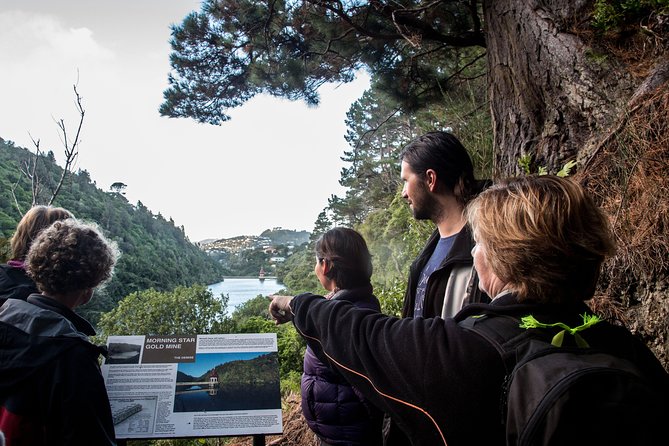
The tour starts around two hours before sunset. Your guide first takes you through Zealandia’s interactive exhibition, where you learn about New Zealand’s unusual natural history and the sanctuary’s 500-year vision.
This introduction matters. New Zealand wildlife evolved for a long time with few land mammals, and many native birds and reptiles developed habits that leave them vulnerable to introduced predators. The exhibition gives you the setting for what you see later, including why fencing, pest control, habitat restoration, and careful monitoring are central to Zealandia’s work.
You should listen closely here, even if you are mainly eager to get outside. The exhibition helps explain why a takahē, tuatara, or kiwi sighting carries more weight than a quick animal encounter in an ordinary park.
The guides are one of the strongest parts of the experience. Oliver, Matt, Chris, Sara, Lind, AJ, Ash, Allison, and Bre have all led highly praised tours at different times, with guests describing them as passionate, patient, clear, and alert to small sounds and movements. Guide assignments can change, but the format gives you a strong chance of having someone who knows both the animals and the conservation work.
Walking through the regenerating valley
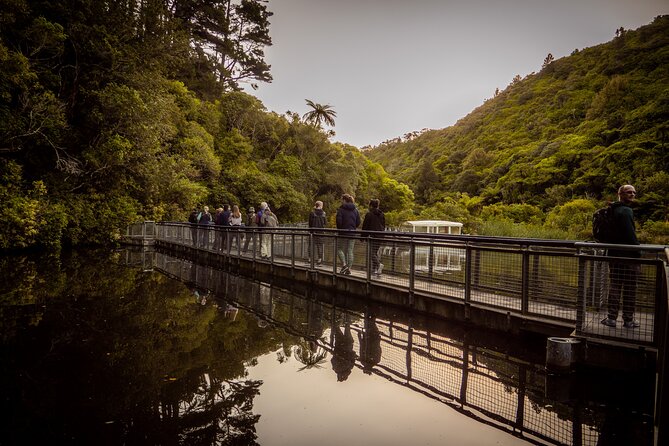
After the exhibition, you head into the sanctuary valley. The route is described as an easy walk, but you still need a moderate level of fitness and stable footing. This is a dusky bush path, not a fully lit city promenade.
At the start, you may see birds that are still active in the fading light. The guides help you identify calls and movements, which is useful because New Zealand forest birds are often easier to hear than see. A good guide can make a quiet pause feel productive rather than empty.
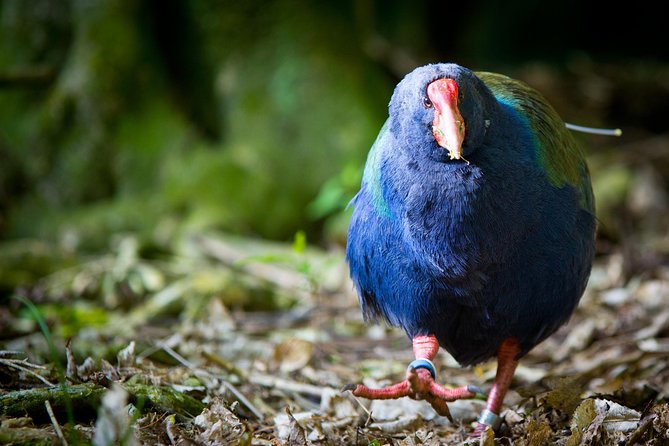
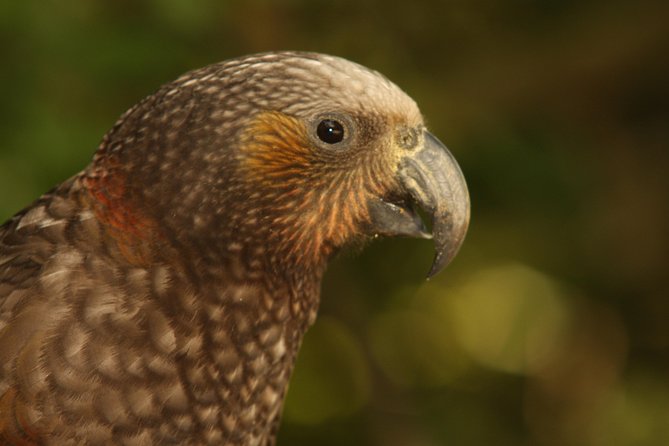
As darkness gathers, the focus shifts. You might encounter wētā, takahē, tuatara, frogs, lizards, and other small creatures. The guides often use patience rather than speed. They stop, scan the vegetation, and listen. That approach is important because much of the wildlife is small, still, or hidden.
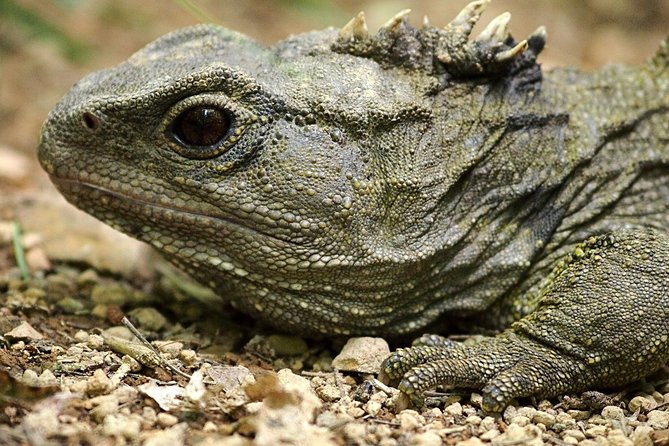
Tuatara can be especially rewarding. They may appear motionless, waiting for food to pass, but at twilight you might catch one moving through the bush. These moments are easy to miss if you rush.
The reserve’s fencing and management also become part of the story. You can see how a protected area is maintained and why the sanctuary needs ongoing care. For me, this adds substance to the walk. You are not just looking at wildlife in a scenic setting. You are seeing a working conservation project.
Kiwi, ruru, and the move into darkness
The most exciting part comes when the nocturnal birds begin to wake. Kiwi and ruru, or morepork, may call from the bush. Hearing a kiwi is a genuine highlight, even if the bird stays out of sight.
A kiwi sighting depends on luck, animal behavior, group patience, and the conditions that night. Some groups see one or two kiwi feeding close by. Others hear mating calls but never get a clear view. The tour does not promise an encounter, and that is worth keeping in mind before you pay for it.
If you do see a kiwi, the moment can be remarkably intimate. The bird’s long bill and ground-feeding behavior make it unlike the familiar birds you have seen during the day. You should follow the guide’s instructions, keep quiet, and avoid expecting a close-up photograph.
The evening can also reward you without a major sighting. Bird calls, insects, reptiles, and the changing sound of the bush create the experience. The guides point out what is happening around you, so a dark path becomes full of small clues.
Patience helps. One of the most useful pieces of advice from the experience is simply to wait and listen. This is not a fast-moving attraction with a guaranteed finale. The sanctuary asks you to pay attention.
A few more Wellington days to compare
- Wellington: Wētā Workshop Guided Tour Ticket
★ 4.7 · 997 reviews - Wētā Workshop Experiences Tour – Wellington
★ 5.0 · 875 reviews - Wellington: Return Cable Car Ticket
★ 4.6 · 714 reviews - Half Day Tour of Wellington
★ 4.5 · 638 reviews
The hot kawakawa tea break
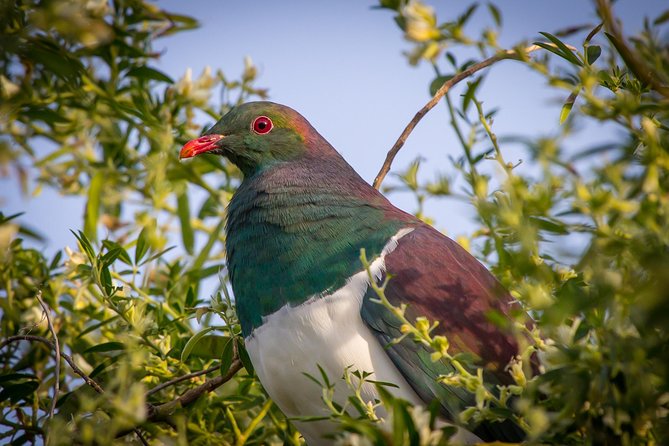
A hot coffee or tea is included, with kawakawa tea served during the tour. Kawakawa is a native New Zealand plant, and the drink gives the stop a local connection rather than feeling like a generic refreshment.
This is also practical. Wellington evenings can turn cool, especially when you are standing quietly in the bush. A warm drink gives you a short pause and helps make the outdoor setting more comfortable.
Food is not included, so eat before the tour if you need a full meal. The tour runs for about two and a half hours, though the sanctuary and exhibition portion is also described as roughly two hours in the schedule. Plan your evening around the longer estimate.
The free second visit adds real value
At $68.26 per person, this is not the cheapest activity in Wellington. The price makes more sense because it includes the guided walk, the exhibition and sanctuary entry, hot kawakawa tea, and general admission for the day of the tour or the following day.
I would use the extra admission for a daylight visit. The twilight walk is best for sounds, nocturnal activity, and the transition between day and night. A daytime visit lets you see the sanctuary at your own pace and appreciate details that are hard to make out in the dark.
You can also plan your timing carefully. The sanctuary closes at 5 p.m. before the evening tour, so you may have a gap if you arrive early and expect to remain inside continuously. One practical approach is to use the included general admission earlier in the day, leave when the park closes, and return for the twilight tour.
The extra ticket is especially helpful for birders and nature lovers. You receive two different versions of Zealandia without paying for two separate standard admissions. It also lowers the pressure to see everything during the guided walk.
Getting to Zealandia from central Wellington
The meeting point is 53 Waiapu Road, Karori, Wellington 6012. Hotel pickup and drop-off are not included, so you need to arrange your own transport.
Public transport is available nearby. The number 2 bus runs to and from downtown and Zealandia, and another option mentioned for reaching the area is the free shuttle from the top of the cable car station. Check the current timetable before setting out, especially for the return trip after dark.
For the evening journey, Zealandia recommends booking a taxi through your hotel concierge or calling Wellington Combined Taxis at (04) 384 44 44. This is sensible if you do not want to wait for a late bus or walk unfamiliar streets at night.
Arrive 15 minutes before the start time. The tour ends back at the meeting point, so you do not need to arrange a second pickup location.
Clothing, weather, and walking conditions
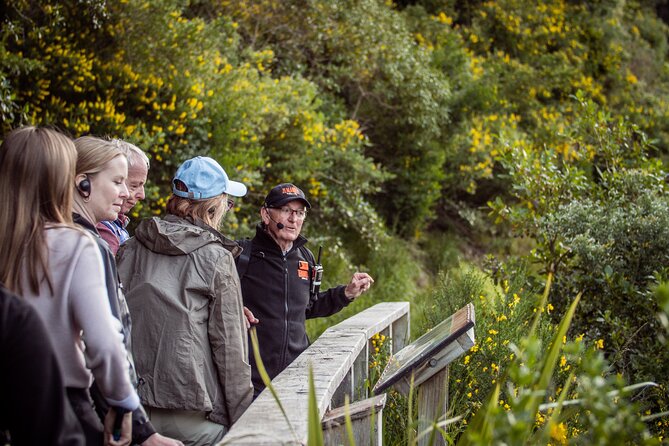
The tour operates in all weather conditions, and the sanctuary can also cancel if conditions are poor. If that happens, you are offered another date or a full refund.
Bring extra clothing and a waterproof jacket. Wellington weather can change quickly, and the combination of evening temperatures and quiet wildlife watching means you may feel colder than expected.
Wear comfortable, closed shoes with good grip. You do not need special outdoor equipment, and bug spray is not considered necessary for this excursion, but sandals and smooth-soled shoes are poor choices.
Children must be accompanied by an adult, and the minimum age is five. The walk is suitable for many families, but young children need to manage a moderately active evening walk and remain quiet when the guide is listening for wildlife.
Who will enjoy this tour most
This is a strong pick for birders, nature lovers, photographers who understand that a sighting is never guaranteed, and anyone curious about New Zealand conservation. It also suits you if you prefer a small group and want a guide to explain what you are hearing and seeing.
The experience is especially useful for a first visit to Wellington. Zealandia offers a clear introduction to native wildlife without requiring a full-day trip away from the city.
You may enjoy it less if you want a fast list of guaranteed animal sightings. The walk includes pauses, darkness, and quiet stretches. Some people will find that peaceful and exciting. Others may prefer a brighter, more predictable attraction.
I would also think carefully about your schedule. The tour starts before sunset and ends after dark, so it works best when you can give the evening to Zealandia rather than squeeze it between dinner reservations or another timed activity.
Is the Zealandia Twilight Tour worth booking?
I recommend booking this tour if you want to experience New Zealand wildlife in a natural setting and can accept that the best moments may be heard rather than photographed. The guides, small group, conservation focus, hot tea, and second admission make the $68.26 price fair.
Book it with realistic expectations. You might see kiwi, tuatara, takahē, wētā, frogs, and lizards. You might hear kiwi and ruru while seeing only a few animals. Either way, the twilight transition gives you something a daytime visit cannot.
Use the extra admission for a daytime visit, arrive early, dress for rain and cold, and arrange your return transport before you set out. With those details handled, Zealandia becomes one of Wellington’s most rewarding nature experiences.
FAQ
Where does the Zealandia Twilight Tour begin?
The tour begins at Zealandia Te Māra a Tāne, 53 Waiapu Road, Karori, Wellington 6012, New Zealand.
How long does the tour last?
The experience lasts approximately two hours and 30 minutes. The scheduled sanctuary and exhibition portion is listed as two hours, so you should plan for the longer estimate.
Is general admission included?
Yes. Your ticket includes general admission to Zealandia on the day of the tour or the following day.
Is food included?
Food is not included. A hot drink is included, specifically coffee, tea, or hot kawakawa tea served during the walk.
Can I see a kiwi?
You may see a kiwi, but sightings are not guaranteed. Some groups see kiwi foraging, while others hear kiwi calls without seeing the birds.
What should I wear?
Wear sturdy, closed footwear, extra layers, and a waterproof jacket. The tour operates in all weather conditions, so dress for changeable Wellington weather.
Is the tour suitable for children?
Children must be accompanied by an adult, and the minimum age is five. Participants should have a moderate level of physical fitness.
How large is the tour group?
The tour has a maximum of 12 participants.
Is transport included?
Hotel pickup and drop-off are not included. Zealandia is near public transportation, and the number 2 bus runs to and from downtown. A taxi is recommended for reaching the sanctuary at night.
Newly listed around Wellington
- Wellington Jewish Heritage sightseeing tour with a kosher lunch★ 5.0 · 5 reviews
- Private Tour in Wellington★ 5.0 · 5 reviews
- Wellington: Lord of the Rings Filming Locations Tour★ 4.0 · 6 reviews
- Star Safari Stargazing Experience, Martinborough★ 5.0 · 6 reviews
- Wellington 90 minute Harbour Cruise★ 5.0 · 6 reviews
- Wharekauhau Heli-lunch from Wellington★ 4.5 · 6 reviews
- Kombucha Rum and Craft Beer Private Tour★ 3.5 · 6 reviews
- Easy Rider Two-Hour Wellington eBike Tour★ 5.0 · 7 reviews
Wellington Tours, compared.
Wellington’s Original LOTR Experience – includes Weta and Lunch
Read our review →
Northern Explorer Train Journey from Wellington to Auckland
Read our review →Browse the lists this tour appears in