
Reviewed · WELLINGTON TOURS
Small Group Daytime 2-Hour Eco Wildlife Tour at Zealandia
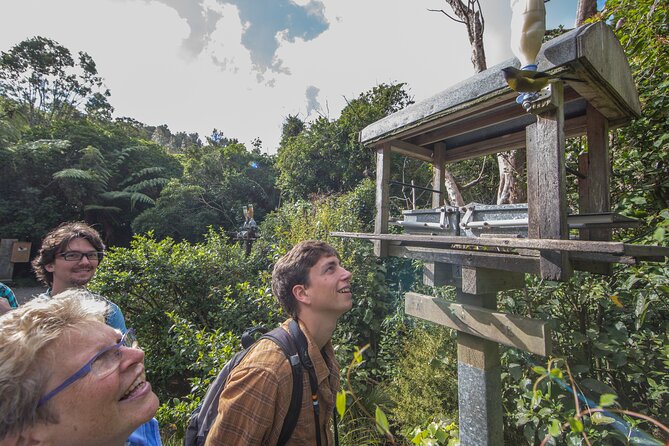
Zealandia gives you a rare chance to hear New Zealand’s native birds in a protected forest only a short trip from central Wellington. Inside the predator-proof fence, your guide helps you spot kākā, tūī, bellbirds, saddlebacks, tuatara, and perhaps the flightless takahē.
I like the small group limit of 12, which makes it easier to ask questions and stop for pictures. I also like the way the guide turns bird calls into part of the experience. You may hear a bird before you see it, then learn exactly what to listen for.
The main consideration is the walking. This is a two-hour outdoor tour on sanctuary tracks, not a sit-down wildlife show. It runs in all weather, and a guest using a mobility scooter may limit which tracks the group can take.
Key points to know before you go
- Rare wildlife in an urban sanctuary: Zealandia protects native species close to Wellington’s city center.
- Two hours with a specialist guide: Guides such as Ruth, Manuela, Oliver, Don, and Matt have led walks praised for clear explanations and real enthusiasm.
- Bird calls matter as much as sightings: Your guide can help identify tūī, bellbirds, hihi, kākā, kākāriki, and other birds by sound.
- Entry is included: The $43.44 price covers admission and the guided walk, making it a useful choice for a short Wellington visit.
- Small groups feel personal: Bookings are capped at 12 people, so there is room for questions and discussion.
- Plan for weather and walking: Arrive 15 minutes early, wear suitable clothing, and expect moderate physical activity.
Why Zealandia feels different from a normal city attraction
Zealandia Te Māra a Tāne is not simply a bird park with animals placed behind glass. It is a fully fenced urban eco-sanctuary built around the long-term restoration of native ecosystems.
That fence is a big part of the story. It helps keep out many introduced predators that have damaged New Zealand’s native wildlife. The result is a protected area where native birds and reptiles can live in conditions closer to those they knew before widespread human settlement and introduced pests.
Your guide explains this work at the visitor center before the walk begins. A short film and exhibition introduce Zealandia’s conservation goals, including its remarkable 500-year vision for restoring the valley. That may sound grand for a two-hour outing, but it gives the walk a clear purpose. You are not just looking for birds. You are seeing one part of a long conservation project.
I find this context useful because it changes what you notice. A tūī is no longer just a pretty bird in a tree. A takahē sighting has more weight when you understand how unusual it is to see a flightless native bird surviving in a protected place.
More Wildlife Tours in Wellington:
- Zealandia Small Group Eco Wildlife Night Tour
★ 5.0 · 127 reviews - Zealandia – Twilight Guided Eco Wildlife Tour
★ 5.0 · 63 reviews - Clearwater Wildlife Tours (small group 10max) Otago Peninsula
★ 5.0 · 531 reviews
Meeting at the visitor center on Waiapu Road
You make your own way to 53 Waiapu Road in Karori, Wellington. The meeting point is the Zealandia visitor center, and you should arrive 15 minutes before the chosen morning or afternoon departure.
The site is close enough to Wellington to work well as a half-day activity, but you still need to allow time for getting there. The experience does not include hotel pickup, drop-off, lunch, food, or drinks.
At the visitor center, you meet your guide and the rest of the group at the ticket desk. This is also where the included admission is handled. A mobile ticket makes the process simple, but you should have your booking ready when you arrive.
The opening presentation is worth paying attention to rather than treating it as a formality. The film and exhibition explain why Zealandia exists, how the predator-proof fence supports the project, and why native birds need protected habitat. Once you leave the building, the forest walk makes much more sense.
The first walk through forest and wetland tracks
After the introduction, the group heads into the sanctuary along a selection of tracks and trails. The route can include forest, wetlands, viewpoints, and feeding stations, with the exact stops shaped by the conditions and what the guide finds along the way.
The setting is one of the tour’s strongest features. Dense vegetation, quiet paths, and bird calls replace the traffic and buildings of Wellington, even though the sanctuary is still within the city. On a clear day, the walk feels peaceful. In drizzle, fog, or wind, it becomes moodier, but the wildlife does not necessarily disappear.
One guide-led walk in wet weather still produced plenty of interest because the guide pointed out birds, plants, and reptiles while explaining the sanctuary’s work. This is why good clothing matters. You do not want a little rain to stop you just as the group reaches a good listening point.
The pace is designed around observation, not distance. Your guide may pause at a viewpoint or ask everyone to remain quiet so the group can listen. Those silent moments are often more useful than rushing from one enclosure or sign to the next.
Meeting New Zealand’s native birds
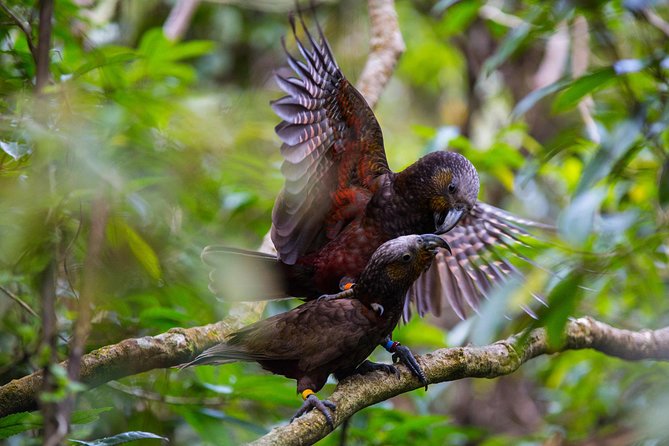
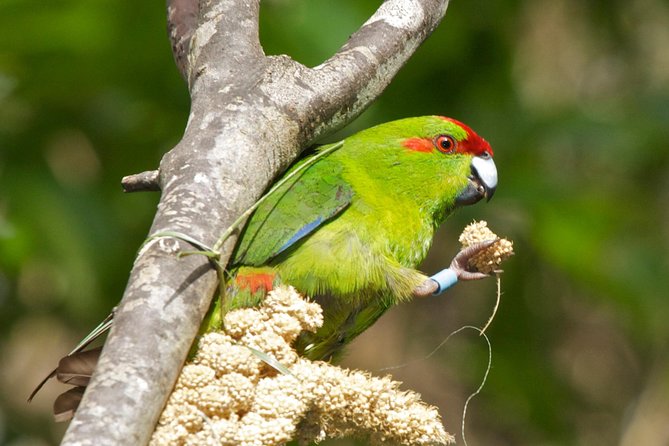
Birds are the main reason to choose the guided walk. Kākā, kākāriki, tūī, tīeke, hihi, and bellbirds are among the species you may see or hear.
Kākā are bush parrots with lively behavior and distinctive calls. Kākāriki are small native parakeets, while tūī and bellbirds provide some of the sounds that make the sanctuary feel so far from an ordinary city park. Tīeke, also called saddlebacks, and hihi are less familiar names for many international visitors, so a guide adds real value here.
You may not see every species listed. Wildlife does not follow an itinerary, and the tour does not promise a fixed number of sightings. That said, guides have a practical advantage over a first-time visitor: they know what calls to listen for and where a bird may be moving.
I especially like the listening side of the walk. One guide can point out a bird by its call before you locate it in the branches. If you walk alone without knowing the sounds, you could pass close to native birds without realizing they are there.
The flightless takahē is one of the most exciting possibilities. It is a rare sight, not a guarantee, so you should treat it as a bonus rather than the measure of a successful tour. The sanctuary’s value remains strong even if your best sightings are more common birds.
More two hour outings in Wellington:
- Easy Rider Two-Hour Wellington eBike Tour
★ 5.0 · 7 reviews - Milford Sound: 2-Hour Small Boat Scenic Cruise
★ 4.8 · 2,561 reviews - 2-Hour Milford Sound Scenic Cruise
★ 5.0 · 1,520 reviews - Whitianga: 2-Hour Cathedral Cove and Volcanic Coast Cruise
★ 4.8 · 816 reviews
Tuatara, geckos, and the smaller discoveries
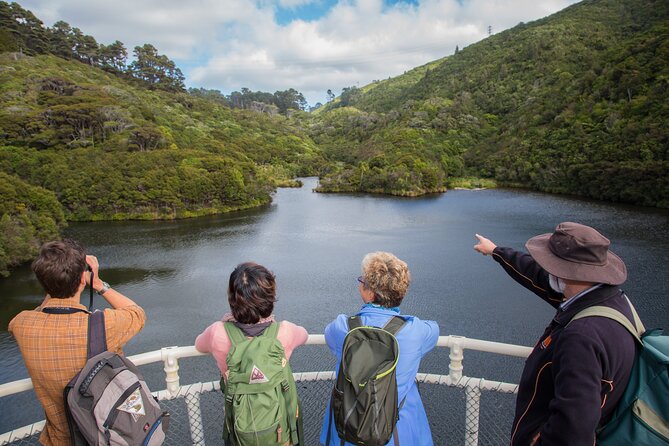
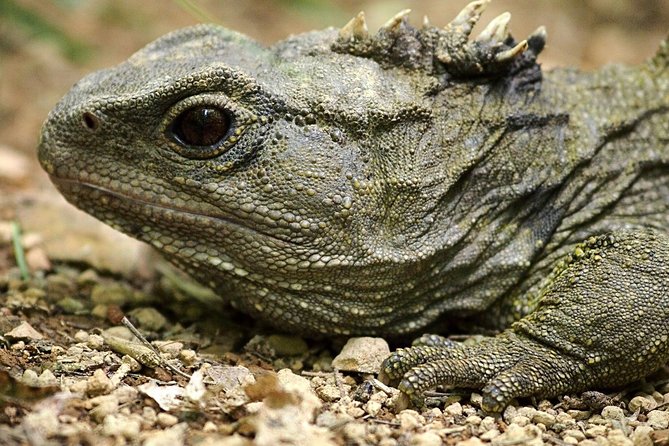
Zealandia also protects reptiles, including tuatara and green geckos. These animals can be harder to spot than birds, so patience helps.
Tuatara are especially memorable because they are unique to New Zealand and represent a very old branch of reptile life. You might see one near a suitable viewing area, but the guide’s explanation is valuable even when the animal stays out of sight.
A past walk produced several tuatara sightings, while another group concentrated mainly on birds and still found the experience rewarding. That range tells you what to expect: wildlife encounters vary, but the guide can help you make more of whatever appears.
The smaller creatures also reward a slower pace. Keep your eyes open around vegetation, track edges, and sheltered spots. Your guide may point out a green gecko or explain how native plants support the animals living in the sanctuary.
This is not a tour built around dramatic action. The pleasure comes from noticing details that are easy to miss, then understanding why they matter.
What the guide adds to the experience
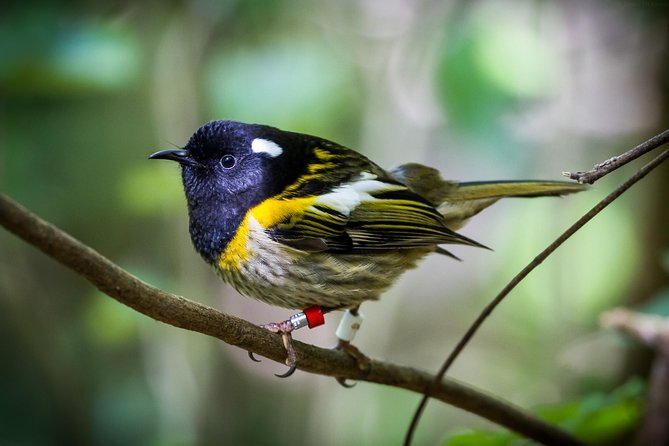
The guide is the difference between a pleasant walk and a useful introduction to New Zealand ecology. Guides including Ruth, Manuela, Oliver, Don, Matt, and Gill have been singled out for their enthusiasm, clear explanations, and strong knowledge of the sanctuary.
You can expect stories about Zealandia’s history, its fence, native plants, bird behavior, and the wider problem of introduced predators. The best guides do not simply name a species. They explain what makes it important and how the sanctuary helps it survive.
The small group format supports that style. With no more than 12 people, you have a better chance to hear the guide, ask questions, and get help locating a bird. A large group would make quiet listening and shared sightings harder.
The guides also appear willing to adjust the walk to the group’s pace. That is helpful for people who want time for photographs or questions. It can also mean that the tour does not cover every track in the sanctuary, especially if someone in the group has limited mobility.
If you are keen on photography, tell yourself to listen first and photograph second. The guide can help you identify a bird, but sudden movement and camera noise may make a sighting harder for everyone.
Walking conditions and accessibility
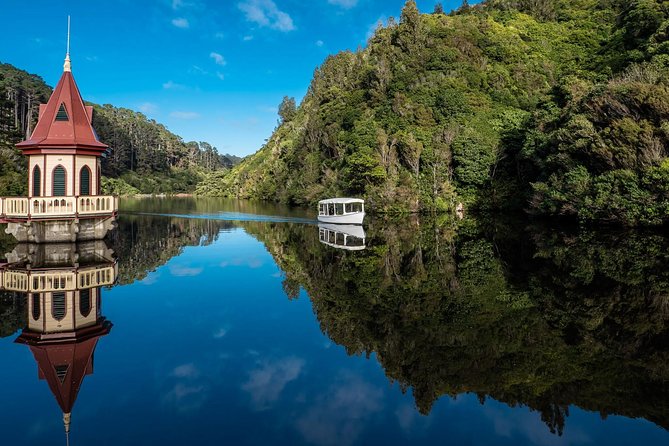
The tour requires a moderate level of physical fitness. You walk for about two hours on sanctuary tracks, and the activity operates in all weather conditions.
The tracks are described as suitable for all ability levels, but that does not mean every path is suitable for every mobility aid. One disappointing experience resulted when a group with a mobility scooter had to stay on routes the scooter could manage. The walk became slower and did not reach as many parts of the sanctuary.
That point is important if anyone in your party has mobility concerns. Contact the provider before booking and ask which route the guided group is likely to use. If you need broader access to the track network, a self-guided visit may give you more control over pace and route.
For most participants, the practical advice is simple: wear shoes suited to walking, bring weather-appropriate clothing, and do not assume Wellington’s city setting means an indoor activity. Photography is allowed, and you will want time to stop.
Children must be accompanied by an adult. Service animal entry should be confirmed with the provider before booking.
How the $43.44 price holds up
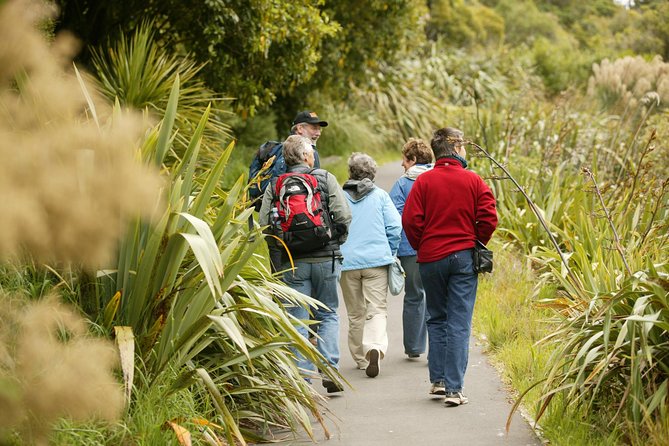
At $43.44 per person, the tour is reasonably priced for a two-hour guided experience because sanctuary admission is included. You are paying not only for entry, but also for someone who can identify calls, spot wildlife, and explain the conservation program.
The value is strongest if you are new to New Zealand birds or have only a short time in Wellington. A self-guided visit may be better for a serious birder who wants to spend hours on particular tracks, but most first-time visitors will get more from the guided introduction.
The guided walk also helps you use your time well. Two hours can pass quickly in Zealandia, and it is easy to miss wildlife if you wander without knowing where to look or what to hear.
Food and drinks are not included. The cafe has received praise for its food, but supplies can vary, and one visit found that coffee had run out. Treat the cafe as a possible convenience, not a guaranteed part of the tour.
Some bookings may provide a ticket that allows you to return independently the following day. That can be excellent value, but check the terms of your specific booking before relying on it.
Morning or afternoon, which should you choose?
Both departure periods provide the same basic format: a two-hour guided walk beginning and ending at Zealandia’s visitor center. The better choice depends on how the experience fits your Wellington plans.
A morning tour gives you the rest of the day for other city activities. It may also suit you if you prefer to begin with a quieter nature walk before spending time in central Wellington.
An afternoon tour can work well after exploring the city, especially if you want a slower activity later in the day. You should still allow enough time to reach Karori and arrive 15 minutes early.
The important point is not to squeeze the tour too tightly between other bookings. The walk ends back at the meeting point, but your return trip and any time at the visitor center will add to the total outing.
Who will get the most from this walk?
I would choose this tour if you want an introduction to New Zealand wildlife without leaving Wellington. It suits families with adult supervision, couples, solo visitors, and anyone who enjoys nature but does not know much about native bird calls.
It is also a good fit for people who care about conservation. The 500-year restoration vision gives the visit a wider meaning, and your admission supports a place built around habitat protection and community education.
Birders should consider it as a starting point rather than a complete birding expedition. You will have expert help, but the walk lasts only two hours and wildlife sightings cannot be guaranteed.
I would be more cautious if you dislike changing weather, need a fully accessible route, or want to explore every track at your own pace. In those cases, confirm access details first or consider visiting independently.
Practical tips for a better Zealandia visit
- Arrive at the visitor center 15 minutes before departure.
- Wear waterproof layers and comfortable walking shoes.
- Bring a camera, but keep quiet when the guide asks the group to listen.
- Ask the guide about bird calls. This can help you continue spotting wildlife after the tour.
- Allow extra time before or after the walk for the exhibition and possible cafe visit.
- Confirm service animal access before booking.
- If you have mobility concerns, ask about the planned route and track surfaces.
- If your ticket appears to include a return visit, verify the validity period in your booking details.
Should you book the Zealandia guided walk?
Yes, if you want to understand Wellington’s native wildlife rather than simply walk through attractive bush. The combination of included entry, a capped group of 12, and guides such as Ruth, Don, Manuela, and Oliver makes the $43.44 price a fair deal.
Book it for the guide’s ability to turn bird sounds into sightings and explain why the sanctuary matters. Skip the guided option only if you strongly prefer independent walking, need a route tailored to mobility equipment, or plan to spend much longer than two hours exploring on your own.
For most visitors, this is one of Wellington’s more worthwhile nature outings. You may leave with a photograph of a kākā or tuatara, but the lasting reward is knowing how to stop, listen, and recognize the native life around you.
FAQ
Where does the Zealandia wildlife tour begin?
The tour begins at the Zealandia visitor center at 53 Waiapu Road, Karori, Wellington 6012, New Zealand.
How long does the guided walk last?
The guided walking tour lasts approximately two hours.
Is Zealandia admission included in the price?
Yes. Entrance fees are included with the experience.
How large is the tour group?
The tour has a maximum of 12 people per booking and a maximum of 12 participants overall.
What wildlife might I see?
You might see kākā, kākāriki, tūī, tīeke, hihi, bellbirds, takahē, green geckos, and tuatara. Sightings are not guaranteed.
Does the tour operate in bad weather?
Yes. The activity operates in all weather conditions, so you should dress appropriately.
Do I need to arrive early?
Yes. You should arrive at the visitor center 15 minutes before the tour begins.
Is hotel pickup included?
No. You must make your own way to Zealandia, and hotel pickup and drop-off are not included.
What is the cancellation policy?
You can cancel up to 24 hours before the experience begins for a full refund. Cancellations or changes made less than 24 hours before the start time are not accepted for a refund.
Newly listed around Wellington
- Wellington Jewish Heritage sightseeing tour with a kosher lunch★ 5.0 · 5 reviews
- Private Tour in Wellington★ 5.0 · 5 reviews
- Wellington: Lord of the Rings Filming Locations Tour★ 4.0 · 6 reviews
- Star Safari Stargazing Experience, Martinborough★ 5.0 · 6 reviews
- Wellington 90 minute Harbour Cruise★ 5.0 · 6 reviews
- Wharekauhau Heli-lunch from Wellington★ 4.5 · 6 reviews
- Kombucha Rum and Craft Beer Private Tour★ 3.5 · 6 reviews
- Easy Rider Two-Hour Wellington eBike Tour★ 5.0 · 7 reviews
Wellington Tours, compared.


Wellington’s Original LOTR Experience – includes Weta and Lunch
Read our review →
Northern Explorer Train Journey from Wellington to Auckland
Read our review →Browse the lists this tour appears in