
Reviewed · ROTORUA TOURS
Whakarewarewa Village Guided Tour
Whakarewarewa is not a staged cultural park. It is an active Māori community where geothermal heat shapes daily life, from cooking corn to bubbling mud pools beside the village paths. A local guide leads you through the village and explains how the Tūhourangi Ngāti Wāhiao people have shared this place with visitors for more than two hundred years.
I like the personal guiding and the chance to see Pohutu Geyser from two viewing platforms without leaving the village. I also like the small but memorable taste of corn cooked in the largest hot pool. The main consideration is time: an hour gives you a strong introduction, but it may feel brief if you want performances, shops, or more detailed cultural history.
Key points to know before you go
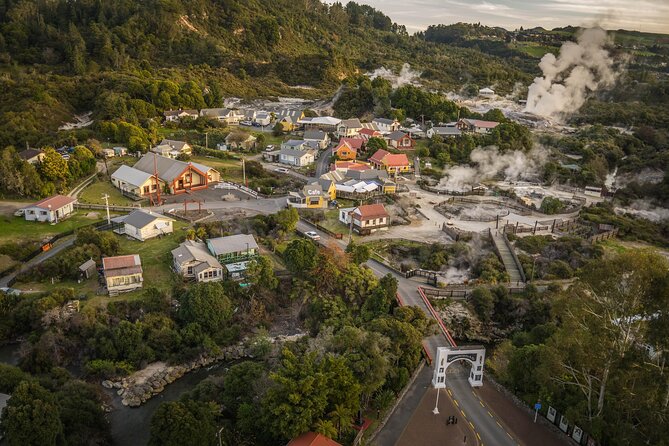
- A real working Māori village: Whakarewarewa remains the home of the Tūhourangi Ngāti Wāhiao people, not simply a recreated historic site.
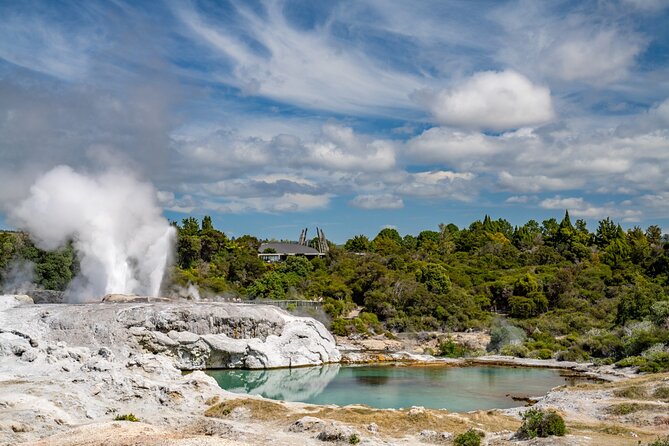
- Geothermal life up close: Expect boiling mud, hot springs, steam, and views of the famous Pohutu Geyser.
- Local guides make the difference: Guides such as Philip, Daniel, Kylie, and village-born hosts have brought personal stories and humor to the walk.
- The tour lasts about one hour: You return to the same entrance, with some time to look around afterward if your schedule allows.
- Try geothermal cooking: A piece of corn on the cob is included, cooked in the village hot pool.
- Performances may be separate: Cultural singing and shows may take place at set times and may require an additional ticket, so check the timing before you book.
Entering a village shaped by fire and water
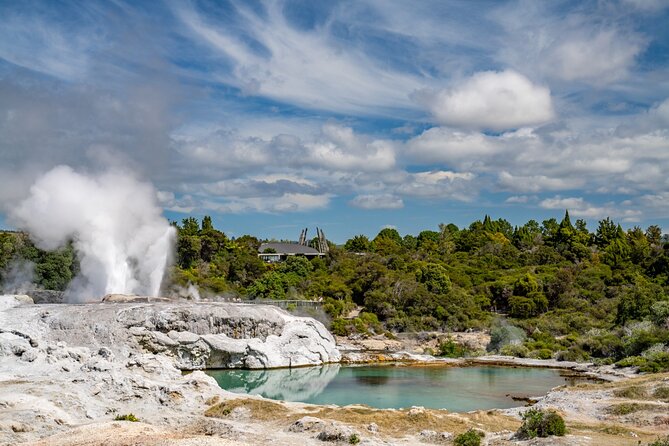
Rotorua has no shortage of geothermal attractions, but Whakarewarewa brings the hot ground into a human setting. You are not simply walking past a geyser or photographing a mud pool. You are seeing how a community has lived beside this restless earth and made practical use of its heat.
The village is home to the Tūhourangi Ngāti Wāhiao people, whose guiding tradition reaches back more than two centuries. That history gives the visit a clear purpose. Your guide is not just explaining Māori customs from a script. The guide is introducing you to a community, its ancestors, its stories, and its present-day way of life.
The walk is generally easy to follow, but it includes some walking over the hour. Comfortable shoes are a sensible choice. Rain does not necessarily spoil the experience, though you will want a waterproof jacket because much of the visit takes place outside.
The group size can reach 20 people. That is small enough for a guide to answer questions, but large enough that you should stay close if you want to hear every story. The walk moves at a steady pace, so I would keep up during the formal tour and return to interesting spots afterward if you have time.
A few more Rotorua days to compare
- Rotorua Canopy Tours: 2.5Hour Native Forest Zipline Adventure
★ 5.0 · 4,563 reviews - Mitai Maori Village: Cultural Experience and Dinner Buffet
★ 4.7 · 3,575 reviews - Rotorua: Wai-O-Tapu Geothermal Park Entry Ticket
★ 4.6 · 2,601 reviews
What the one-hour walk includes
The visit begins at 17 Tryon Street in Whakarewarewa, Rotorua. After admission, you join a guided walk through the village. The focus is split between Māori culture, village history, and the geothermal features that make this community so unusual.
Expect an introduction to the people who live here and an explanation of how the village developed as a place where Māori traditions and tourism have long met. Guides describe older ways of life as well as contemporary community living. This is one of the most useful parts of the visit because it prevents the village from feeling like a collection of old customs frozen in time.
You then see the geothermal pools and mud areas close to the village. Steam rises from hot springs, mud bubbles from the ground, and the smell of sulfur reminds you that Rotorua sits in an active geothermal region. The scenery is striking, but the guide helps put it into context by showing how the heat has been used for cooking and other parts of daily life.
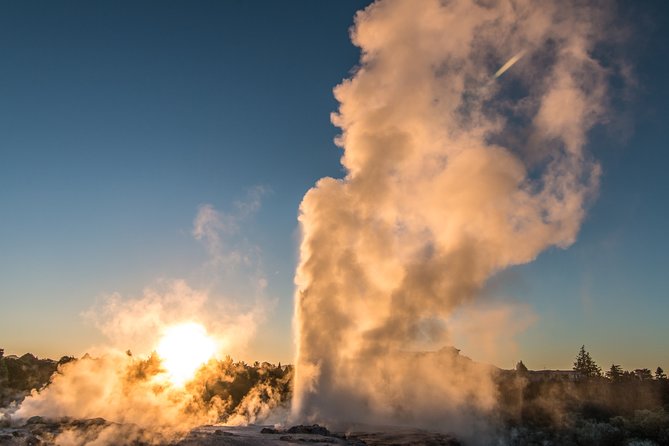
The highlight for many people is Pohutu Geyser. The village provides two viewing platforms, giving you a safe place to watch this famous geothermal feature. Eruptions are naturally timed, so the exact show is not something the one-hour tour can promise. Still, the geyser adds drama to the walk and gives you one of Rotorua’s signature sights without needing a separate geothermal park visit.
The included food tasting is simple: a piece of corn on the cob cooked in the largest hot pool. It is not a full meal, but it is a clever way to connect the geothermal setting with everyday life. The corn also gives the tour a sensory moment beyond looking and listening. Bring an open mind, because this modest taste may be more memorable than a polished buffet.
The guides are the heart of the experience
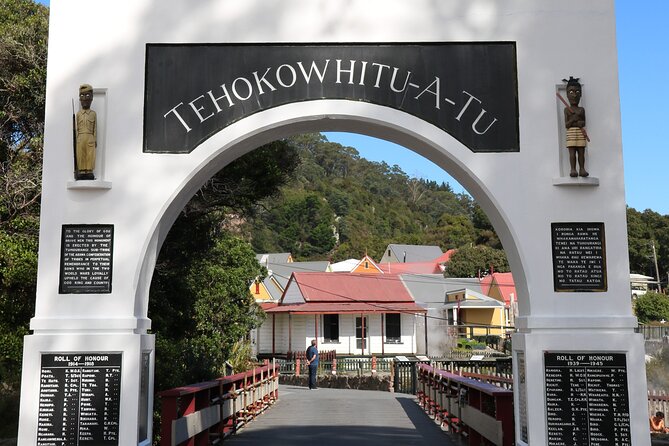
The strongest part of this visit is the guide. A good host can turn a short walk into a personal introduction, and Whakarewarewa has several examples of that style.
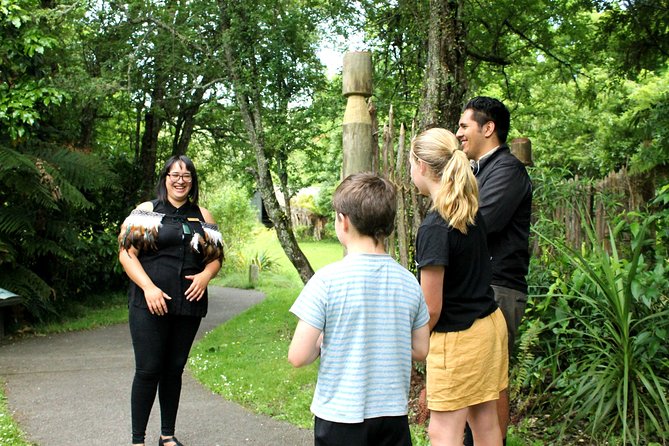
Philip has been praised for answering questions and tailoring the explanations to the group. Daniel has been described as engaging and full of useful information. Kylie has been remembered for her warmth and pride in Māori culture. Other guides have grown up in the village or come from families with direct ties to the community.
That personal connection matters. You may hear stories about childhood, family, local customs, and the way village life has changed. One guide was described as the chief’s daughter, while another was a fifth-generation Māori person from the village. Those details can make the setting easier to understand because you are hearing about a lived community, not just an ancient chapter.
The tone can vary with the individual guide. Most of the feedback has praised humor, patience, passion, and clear explanations. One account found the presentation too political and felt that historical views were pushed too strongly. I would keep this in mind if you prefer a carefully neutral presentation. Māori history includes colonization, conflict, and loss, and those subjects may arise. The value of the visit comes partly from hearing Māori perspectives, but the balance and style may depend on your host.
The guides also help bridge language and custom. You may hear traditional singing, chants, or words in te reo Māori, along with explanations of their meaning. Since the standard tour is short, the amount of cultural performance varies. This is not automatically a full concert or formal cultural show.
Geothermal pools are more than scenery

The hot springs and mud pools are the visual centerpiece, but their importance goes beyond photographs. Whakarewarewa shows you how natural heat has supported village life. The corn tasting is the clearest example, but the wider message is that the geothermal environment is part of the community’s identity and routine.
You will see pools that boil and steam, along with areas of bubbling mud. These features can look almost playful from a distance, but they are powerful and dangerous natural forces. Stay with the guide and observe from the designated viewing areas, especially near Pohutu Geyser.
Some people come expecting a cultural tour and find more geothermal viewing than they wanted. That is a fair concern. The one-hour format has to cover the village, Māori traditions, community history, hot pools, mud, and the geyser. If your main goal is an extended explanation of Māori social history, this visit may feel light.
I see the geothermal section as a strength when you understand what you are booking. Whakarewarewa is valuable precisely because culture and nature are connected here. If you want only a geyser, another Rotorua attraction may suit you better. If you want to see how a Māori community lives with geothermal activity, this setting offers something more specific.
Somewhere else in Rotorua entirely:
- Rotorua’s Ultimate Zipline: 6 ziplines, 400 m Tandem, Cliff Walk
★ 5.0 · 2,557 reviews - Rotorua Rafting: Kaituna River White Water Rafting & Free Sauna
★ 5.0 · 1,952 reviews - Cultural Experience & Seasonal Māori Cuisine at Te Pā Tū
★ 5.0 · 1,546 reviews - Mitai Maori Village Cultural Experience in Rotorua
★ 4.5 · 1,294 reviews
How much culture fits into an hour
The tour gives you an introduction rather than a full cultural program. You can expect discussion of Māori traditions, village life, language, family, and history. You may also hear singing or chants during the visit, depending on the timing and format of your tour.
Several people have wanted more cultural content or more detail about the people who lived and still live in the village. That is the central tradeoff. The hour is convenient and easy to fit into a busy Rotorua day, but it cannot provide the depth of a longer experience.
Some visitors have stayed for a performance after the guided walk. Performances may run at set times, including late morning and early afternoon, but they may cost extra. Do not assume that an 11 a.m. guided visit automatically includes the singing or stage program. Check the schedule when arranging your day.
The timing also affects the shops. If you choose a 3 p.m. tour, the shop may be closed by the time you finish. If you want time for gifts, the café, or the museum, arrive earlier in the day or allow time before the walk. The village has more to see than the formal hour suggests, but opening hours matter.
Price, timing, and what you receive
At $34.13 per person, this is a moderate-priced Rotorua activity. The value depends on what you want from it. You receive entry, a guided village walk, geothermal viewing, stories about Māori culture and community life, views of Pohutu Geyser, and the corn tasting.
That is good value if you want a compact introduction and are short on time. Prebooking also lets you choose an entry slot and avoid uncertainty at the door. The tour is a practical choice before another Rotorua activity, since it takes about an hour and finishes where it starts.
The value is less clear if you expect a large cultural performance, a long meal, or an all-day visit. Those may be available separately, but they are not part of the basic hour-long guided experience. Think of this as a focused introduction, not a complete day of Māori entertainment and geothermal sightseeing.
The published recommendation rate is 92 percent, with a 4.7 rating from 477 reviews. Those numbers suggest a reliably strong experience, but they do not erase the main limitation: the tour’s short length. I would book it for the setting and the guide-led access, then add a separate performance only if that matters to you.
Who will enjoy Whakarewarewa most
I would recommend this tour to first-time visitors to Rotorua who want cultural context with their geothermal sights. Families should find the boiling pools, geyser, stories, and corn tasting accessible, and most people can take part.
It also suits people who prefer a small guided group over wandering alone. With a maximum of 20, you have a better chance to ask questions and hear personal details. The guide’s role is especially important for anyone who wants to understand how the village functions as a community today.
This is a good pick for visitors with limited time. An hour is enough to gain a clear sense of the place without committing half a day. It is also useful for anyone who has already seen Rotorua’s volcanic attractions and wants to connect those sights with Māori life.
I would hesitate if your priority is a long, formal performance or a detailed academic account of Māori history. You may find the walking portion too brief and the geothermal content too prominent. In that case, compare the guided tour with a longer cultural program before booking.
Practical advice for making the visit smoother
Choose your time carefully. Earlier tours give you more opportunity to visit the museum, café, shops, and gift shops afterward. A late tour can work well for a tight schedule, but a 3 p.m. start may leave the shop closed when you finish.
Wear comfortable shoes and prepare for outdoor conditions. The walk continues in wet weather unless poor weather forces cancellation, so rain protection is useful. The experience requires good weather overall, and if the provider cancels for that reason, you can receive a different date or a full refund.
Prebooking is sensible during a busy Rotorua day because it reserves your entry slot. The meeting point and return point are both Whakarewarewa, The Living Māori Village, at 17 Tryon Street. The site is near public transportation.
The tour is suitable for most people, but the supplied information does not promise a fully step-free route or describe specific mobility arrangements. If you need particular access support, contact the provider before booking rather than guessing.
Should you book the guided village tour?
Book it if you want a direct introduction to Māori culture in a real community, combined with Rotorua’s most famous geothermal features. The village setting, local guides, Pohutu Geyser, and geothermal-cooked corn give the hour a clear sense of place.
Go in with sensible expectations. You are booking a one-hour guided walk, not a full-day cultural program. The best plan is to stay close to the guide, ask questions, and allow extra time for the museum, shops, café, or a separate performance if those appeal to you.
At $34.13, I consider it a worthwhile Rotorua stop for first-time visitors and families. It is especially strong when you value personal stories and an active Māori community. If you want extensive history or a guaranteed performance, check the longer options before committing.
FAQ
Where does the Whakarewarewa Village Guided Tour begin?
The tour begins at Whakarewarewa, The Living Māori Village, at 17 Tryon Street, Whakarewarewa, Rotorua 3010, New Zealand.
Where does the tour finish?
The activity ends back at the same meeting point, Whakarewarewa, The Living Māori Village.
How long does the guided tour last?
The guided tour lasts approximately one hour.
What is included in the admission?
Admission includes the guided village tour, views of geothermal features and Pohutu Geyser, and an opportunity to try corn cooked in the largest hot pool.
Is Pohutu Geyser part of the visit?
Yes. The tour includes views of Pohutu Geyser from two viewing platforms within the village.
Does the tour include a cultural performance?
The guided tour may include traditional singing or chants, but separate performances run at set times and may cost extra. The basic tour does not guarantee a full performance.
How many people can join the tour?
The activity has a maximum group size of 20 people.
Is the tour suitable for most people?
The supplied information states that most people can participate. There is some walking, so comfortable shoes are recommended.
Is public transportation available near the village?
Yes. The meeting point is near public transportation.
Can I cancel for a full refund?
Yes, if you cancel at least 24 hours before the experience start time. Cancellations or changes made less than 24 hours before the start time are not accepted for a refund. If poor weather causes the provider to cancel, you are offered another date or a full refund.
Newly listed around Rotorua
- Rotorua: White Island, Mount Tarawera & Waimangu Volcanic …★ 4.4 · 5 reviews
- Whirinaki Forest Footsteps: Māori Guided Tour, Picnic & Transfer★ 5.0 · 5 reviews
- Rotorua: Lake View Private Pools Experience★ 4.3 · 6 reviews
- Rotorua: Floatplane Flight with Orakei Korako Landing★ 5.0 · 6 reviews
- Raceline Karting at Off Road NZ★ 5.0 · 6 reviews
- Epic Tandem Kayak Tour down the Kaituna River Waterfalls★ 5.0 · 6 reviews
- From Rotorua: Whirinaki Rainforest Guided Cultural Tour★ 5.0 · 6 reviews
- Rotorua: Evening Starlight Gourmet Kayak Tour with dinner★ 5.0 · 6 reviews
Rotorua Tours, compared.
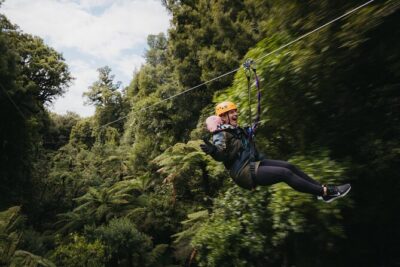
Rotorua Canopy Tours: 2.5Hour Native Forest Zipline Adventure
Read our review →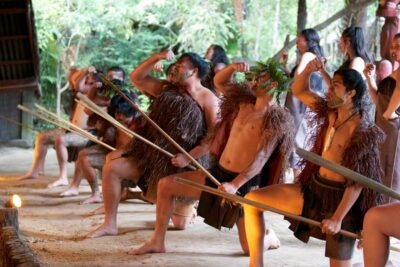
Mitai Maori Village: Cultural Experience and Dinner Buffet
Read our review →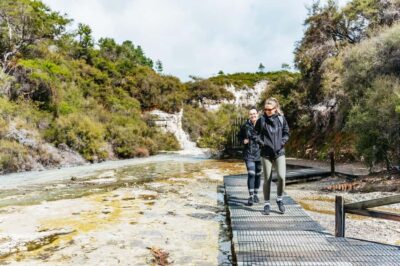
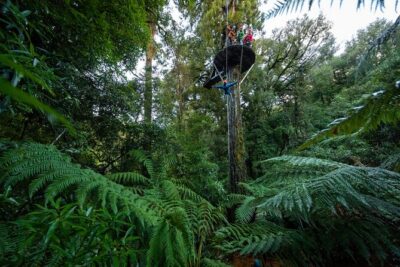
Rotorua’s Ultimate Zipline: 6 ziplines, 400 m Tandem, Cliff Walk
Read our review →
Rotorua Rafting: Kaituna River White Water Rafting & Free Sauna
Read our review →
Cultural Experience & Seasonal Māori Cuisine at Te Pā Tū
Read our review →
Mitai Maori Village Cultural Experience in Rotorua
Read our review →
Te Pa Tu Māori Cultural Experience with Dinner
Read our review →Browse the lists this tour appears in