
Reviewed · ROTORUA TOURS
From Rotorua: Whirinaki Rainforest Guided Cultural Tour
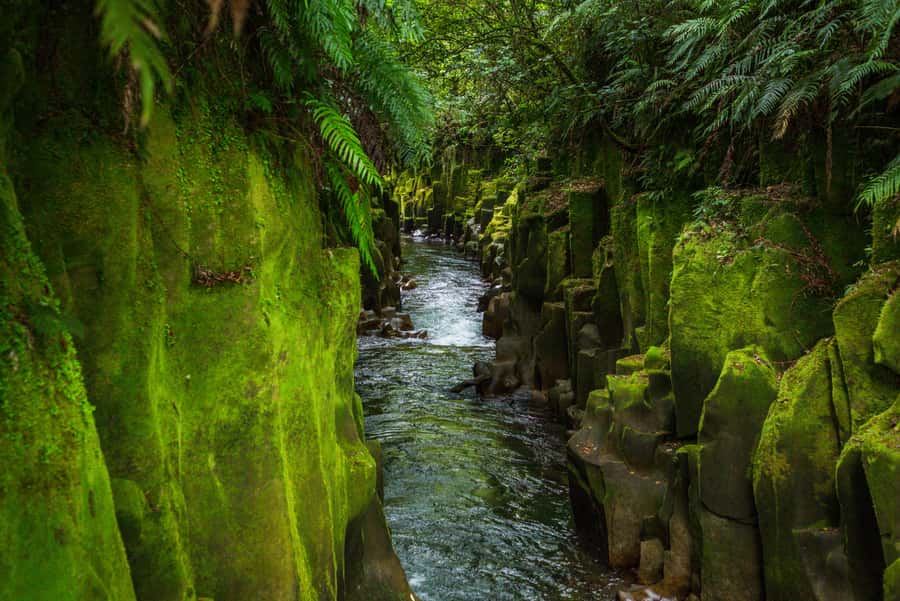
Whirinaki is the real draw here: a vast native rainforest where ancient tōtara and other chiefly trees still rise above the trail. You walk with Māori hosts who connect the forest to medicine, birdlife, history, prayer, music, and family traditions. I especially like the 2.5 km walk and the rare visit to Te Ana a Tokowaru, a cave site not sign-posted for general access.
I also like the human touch. Hare and Destiny bring humour, songs, and clear cultural stories to the day, while the picnic and hot Kawakawa tea make the forest visit feel complete. The main drawback is the long bus time and winding road, so take motion sickness tablets if you are prone to travel sickness.
Key points to know before booking
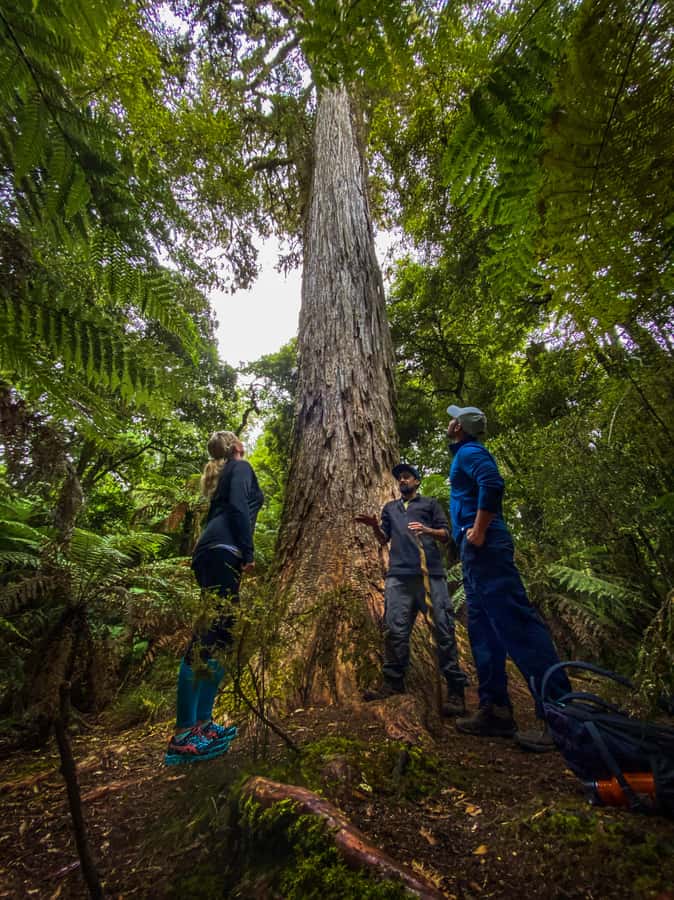
- Ancient Whirinaki forest: Walk among native trees, including tōtara believed to be more than 1,000 years old.
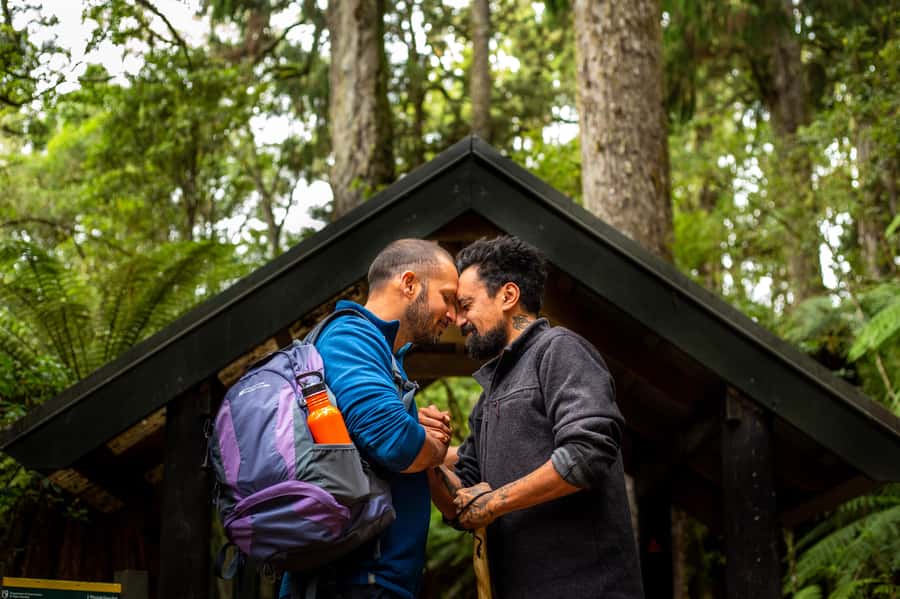
- Māori cultural hosting: Begin with a Mihi Whakatau welcome and Karakia prayer, then hear stories, chants, and traditional knowledge.
- A useful 2.5 km route: The walk is manageable for most people with sensible shoes, but it is still a forest trail rather than a paved stroll.
- Local food and Kawakawa tea: A packed lunch and warming medicinal tea are included.
- Rare rock-carving visit: Stop at Te Ana a Tokowaru, with carvings carbon-dated to more than 400 years before the Great Migration.
- A full day from Rotorua: The tour runs about seven hours, from 8:30 AM to roughly 3:30 PM.
Why Whirinaki is worth the ride from Rotorua
Rotorua is famous for geothermal pools, Māori performance, and lake views. Whirinaki offers something different: a quieter meeting with the living forest. The drive takes you less than an hour from Rotorua at first, then onward through Murupara and into the native rainforest. The trip is not simply transport between attractions. Your driver uses the road time for stories, facts, humour, music, and songs.
That matters because Whirinaki is not a quick roadside stop. You need time to reach it, walk it, and let its setting make sense. The 45-minute ride from Rotorua leads to Murupara, where you take a 15-minute break, use the toilet, meet the forest guide, and collect the picnic lunches. From there, allow another 30 to 40 minutes on winding roads.
I would treat the journey as part of the experience, but not pretend it is effortless. If you want a short activity close to Rotorua, this is not the right choice. If you want a full day built around forest, Māori knowledge, and a less familiar part of the North Island, the travel time feels justified.
More History Tours in Rotorua:
- Auckland: All Blacks Experience Guided Cultural Tour
★ 4.7 · 453 reviews - All Blacks Experience: Interactive Guided Cultural Tour
★ 4.5 · 228 reviews - Olveston Historic Home Guided Tour
★ 5.0 · 205 reviews
Meeting your guides at the forest gateway
You meet at the Rotorua i-SITE on Fenton Street at 8:15 AM for check-in. The complimentary shuttle leaves at 8:30 AM, and the expected return is about 3:30 PM. That early start gives you a useful block of time in Whirinaki without requiring you to arrange a rental car or navigate the forest roads yourself.
At the waharoa, or gateway, Māori hosts welcome you with a Mihi Whakatau and Karakia. These are not throwaway introductions before the walk. They set the tone for entering a place with spiritual and cultural meaning. The prayer helps you pause, listen, and understand that the forest is being presented as more than scenery.
The guides also explain the forest as a place cared for by generations of local people. That family connection gives the walk a stronger sense of place than a standard nature tour. Hare and Destiny are named guides associated with the experience, and their style includes teaching, conversation, music, and humour rather than a string of dry facts.
English is the tour language. You should feel free to bring questions about culture, identity, environmental care, traditional plants, or the story of Māori arrival in Aotearoa. Time is set aside for conversation during lunch, and the guides continue sharing information on the drives.
Walking beneath the chiefly trees
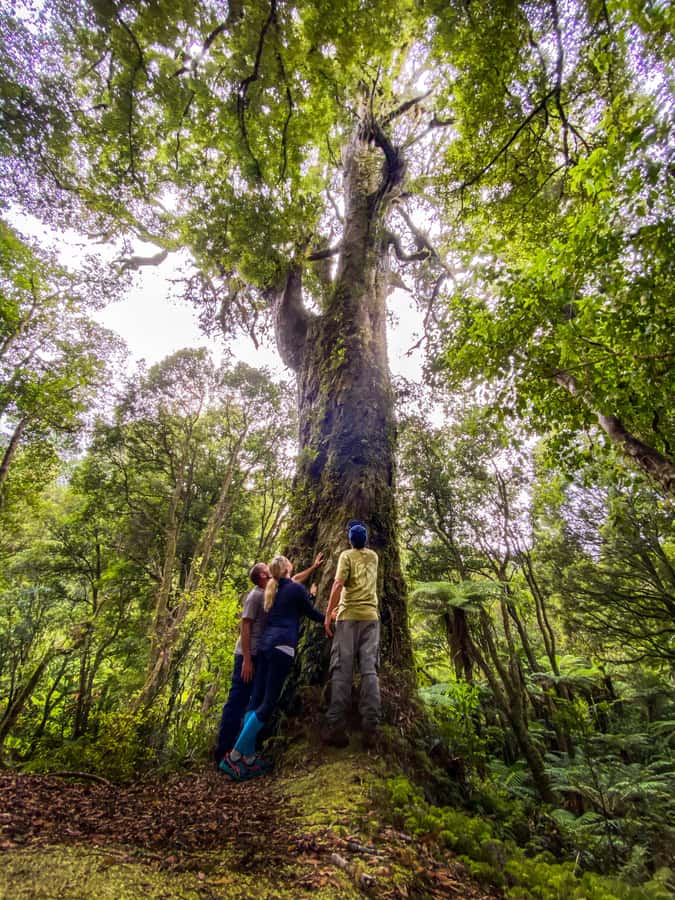
The central forest walk covers 2.5 kilometres and lasts about two hours. The route takes you through Jurassic Podocarp Native Rainforest, with ancient native trees forming the main attraction. You will hear about Ngā Rākau Rangatira, the chiefly trees, including tōtara that are more than 1,000 years old.
The age of these trees changes how you read the path. You are not just looking for a nice photo or a large trunk. You are being asked to consider the forest as a living record, with trees that have witnessed generations of human life. The guide’s role is to connect those trees to Māori use, stories, and responsibilities.
The walk also covers rongoā Māori, the traditional use of plants for healing and daily life. This is one of the most useful parts for anyone who wants more than broad cultural commentary. You learn which native plants matter and how Māori communities used plants in practical ways.
The route is short enough to fit into a day tour, but it is not a city walk. Bring comfortable walking shoes, a jacket or windbreaker, sunscreen, insect repellent, lip balm, and a water bottle. The forest can feel different from Rotorua’s town climate, so layers are sensible. You should also carry any medication you may need during the day.
Listening for birds and forest life
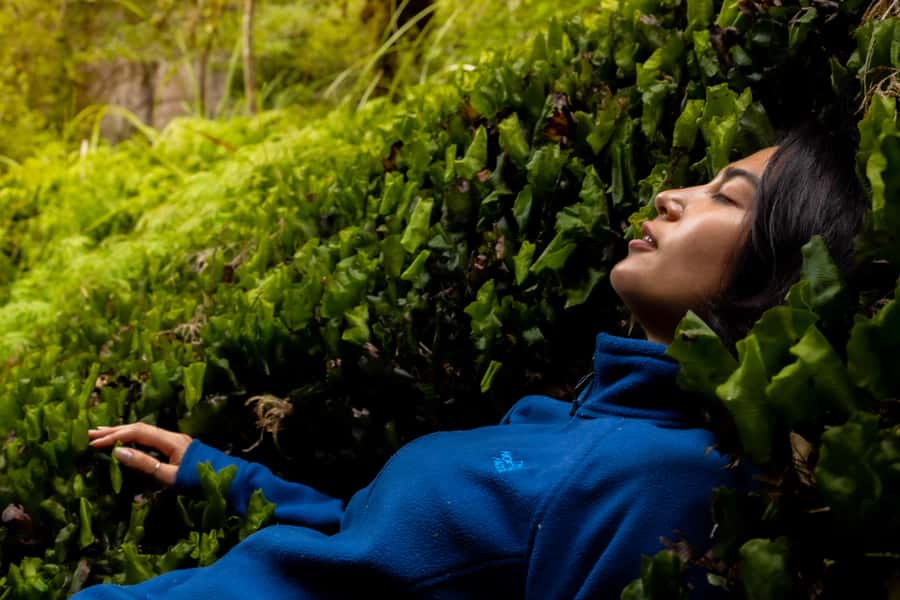
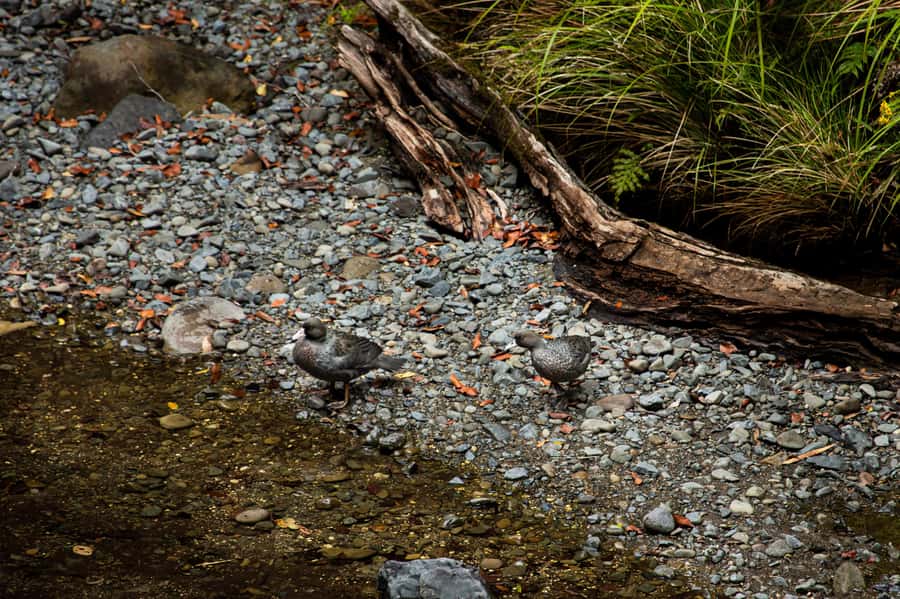
Whirinaki is home to native and endangered birdlife. Your guide helps you pay attention to calls and movement in the bush, not just the trees directly beside the path. Bird sightings are never guaranteed, so I would book this for the forest setting and cultural teaching rather than for a particular species.
That said, the focus on sound is part of the appeal. A guide who knows the bush can point out details you would likely miss on your own. You may find that the most memorable moments are not dramatic views but bird calls, wind in the canopy, or a pause beside a very old tree.
The walk includes periods of forest bathing, a mindfulness practice built around slowing down and reconnecting with the natural world. The guides use stillness, traditional chants, and Māori wind instruments to help you listen differently. Some people will find this moving and calming. Others may prefer a faster walking pace and more constant commentary. The experience allows for both movement and quiet, but forest bathing is central enough that you should be comfortable with reflective pauses.
A few more Rotorua days to compare
- Rotorua Canopy Tours: 2.5Hour Native Forest Zipline Adventure
★ 5.0 · 4,563 reviews - Mitai Maori Village: Cultural Experience and Dinner Buffet
★ 4.7 · 3,575 reviews - Rotorua: Wai-O-Tapu Geothermal Park Entry Ticket
★ 4.6 · 2,601 reviews - Rotorua’s Ultimate Zipline: 6 ziplines, 400 m Tandem, Cliff Walk
★ 5.0 · 2,557 reviews
A picnic lunch and Kawakawa tea
The packed picnic lunch comes midway through the forest visit and includes local flavours. Exact menu details are not provided, so bring any extra food you specifically require. The meal gives you time to rest and talk with your guides rather than eating quickly between scheduled stops.
I like this part of the day because food makes the cultural exchange more natural. You can ask questions about history, identity, plant use, or environmental care while sitting in the forest. The guides also have time to share stories that may not fit neatly into the walking route.
After the walk, you receive a hot cup of Kawakawa tea. Kawakawa is a traditional medicinal plant, and the tea provides a simple final taste of the plant knowledge discussed during the tour. It is a small detail, but a good one. Instead of leaving the forest with only photographs, you leave having smelled, tasted, and listened to a plant with cultural importance.
Te Ana a Tokowaru and the older story of Aotearoa
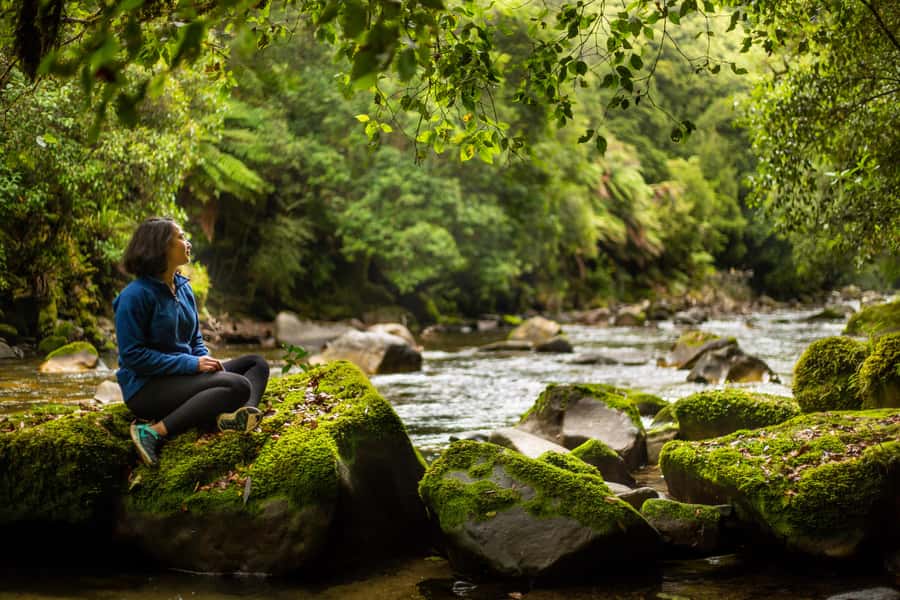
The day’s second major stop comes on the return journey. At Murupara, the guides take you to Te Ana a Tokowaru, a site with Māori rock carvings in ancient caves. The caves were carbon-dated to more than 400 years before the Great Migration, placing the site in a period that challenges the simplified version of New Zealand settlement often taught to visitors.
This stop is reached by a short bush walk. The site is unmarked and not sign-posted for general access, which makes the visit feel especially personal. It also means you should follow the guide closely and respect the site. The tour includes the cultural explanation of the carvings and the history connected with the arrival of Māori in Aotearoa.
For me, this is what lifts the tour beyond a forest outing. The morning shows you the relationship between Māori people and the natural world. The cave visit adds a second layer, asking you to think about time, movement, ancestry, and which stories are widely shared.
The stop is not an elaborate museum visit, and you should not expect displays or a large visitor centre. Its value lies in the place itself and in the interpretation provided by your hosts. If you want only dramatic scenery, this may feel quiet. If you care about cultural context, it is one of the strongest parts of the day.
What the $176 price includes
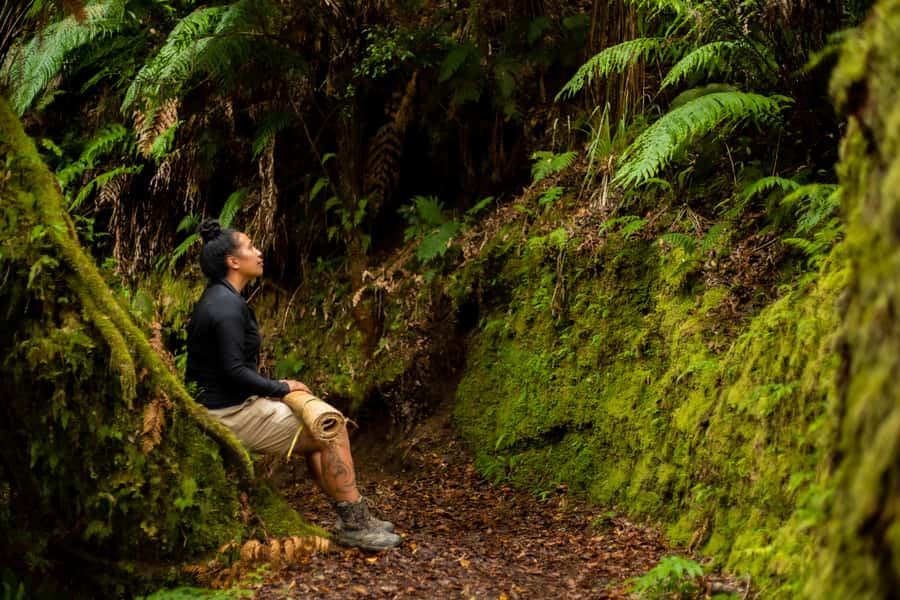
At $176 per person, this is not a cheap bus outing. The price needs to be judged against what is included: return transport from Rotorua, a driver and forest guides, the cultural welcome and prayer, the two-hour guided walk, the picnic lunch, Kawakawa tea, and entry to the rock-carving site.
You are also paying for access and interpretation that would be difficult to arrange independently. Whirinaki is not simply across the road from Rotorua, and Te Ana a Tokowaru is not presented as a standard public attraction. The value comes from the full day and the local hosting, not from the number of separate stops.
The tour is run by Whirinaki Forest Footsteps, described as a small family business. That can matter to you if you prefer direct contact with local hosts over a large commercial operation. The day is shaped around kōrero, or conversation, and the guides continue the cultural exchange on the bus.
I would consider the price fair for a visitor who wants a focused Māori cultural experience tied to a real forest and a specific local area. It is less good value if you are mainly looking for a long hike, a wildlife checklist, or a low-cost way to fill a morning.
The bus ride, breaks, and practical rhythm
The day has a clear rhythm:
- Check in at the Rotorua i-SITE at 8:15 AM.
- Leave Rotorua at 8:30 AM.
- Travel about 45 minutes to Murupara.
- Take a 15-minute break and meet the forest guide.
- Continue by coach for roughly 30 to 40 minutes.
- Walk in Whirinaki for about two hours.
- Eat lunch for around 30 minutes.
- Have Kawakawa tea for about 15 minutes.
- Return toward Murupara for about 40 minutes.
- Spend around 30 minutes at Te Ana a Tokowaru.
- Ride back to Rotorua, arriving at about 3:30 PM.
The schedule mixes sitting and walking well. You get enough time in the forest to feel present, but not so much that the day becomes a demanding trek. The downside is that the total day contains several coach segments. Bring water, a jacket, and anything that helps you stay comfortable during the ride.
Drinks are not allowed in the vehicle, and alcohol and drugs are prohibited. You are also expected not to litter, climb, or bring dangerous substances. These rules fit the setting and help protect both the group and the forest.
The activity data does not specify group size or accessibility details. If you need information about mobility, trail surfaces, or space on the bus, ask the operator before booking. The practical advice provided is to wear sensible walking shoes, which tells you to expect a genuine bush track rather than an accessible paved path.
Who will enjoy this day most
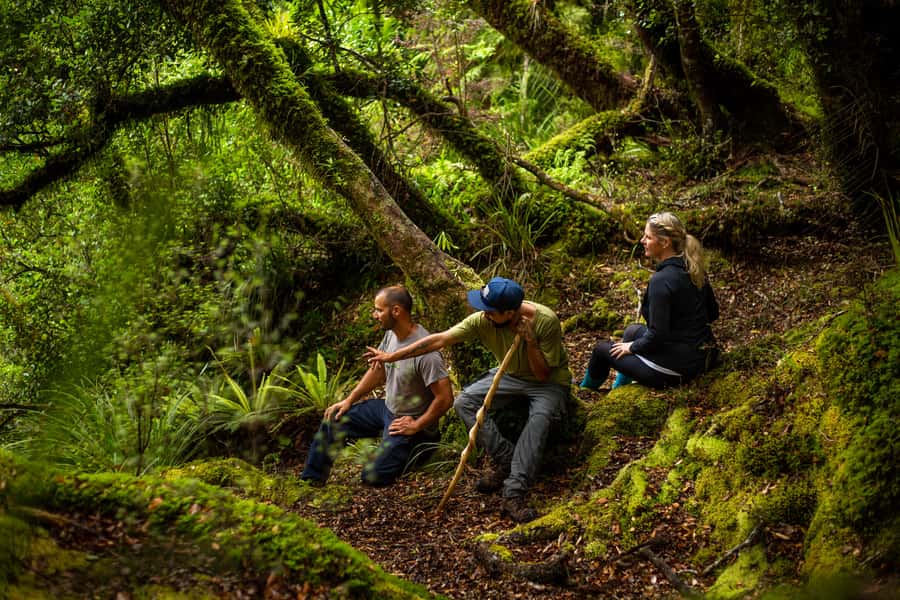
I would choose this tour if you want Māori culture presented through a particular place, rather than as a short performance detached from its setting. It suits people interested in plants, birds, old trees, oral tradition, environmental care, and the history of Māori arrival in Aotearoa.
It also works well for visitors without a car. The shuttle removes the need to plan the route to Whirinaki, and the driver adds stories during the journey. Families and older visitors may appreciate the moderate 2.5 km distance, though everyone should be ready for forest walking and a long day.
You may want a different activity if you dislike winding roads, prefer a fast-paced schedule, or want guaranteed wildlife sightings. The forest bathing and prayer also make this a reflective experience, not simply an attraction checklist.
Free cancellation is available up to 24 hours before departure, and you can reserve now and pay later. Check the departure time and availability carefully, since the stated start is early and the full day runs until mid-afternoon.
Should you book the Whirinaki tour?
Book it if you want to understand a forest through Māori stories, traditional plant use, music, and local memory. The ancient tōtara, the quiet pauses, the picnic, and the visit to Te Ana a Tokowaru give the day more depth than a standard guided bush walk.
I would especially recommend it to anyone who has already seen Rotorua’s main sights and wants a slower, more personal day outside town. Just plan for the winding drive, wear proper shoes, and bring layers and insect repellent. At $176, it earns its price through transport, food, guiding, and access to places you would not easily experience on your own.
FAQ
Where does the Whirinaki tour begin?
You meet at the Rotorua i-SITE Visitor Information Centre on Fenton Street. Check in at 8:15 AM for the 8:30 AM departure.
What time does the tour return to Rotorua?
The shuttle returns to the Rotorua i-SITE at approximately 3:30 PM.
How long is the guided forest walk?
The guided walk through Whirinaki covers 2.5 kilometres and lasts about two hours.
Is transport from Rotorua included?
Yes. A complimentary return shuttle from the Rotorua i-SITE is included.
What food and drink are included?
The tour includes a packed picnic lunch with local flavours and a hot cup of Kawakawa tea.
What is Kawakawa tea?
Kawakawa tea is a traditional Māori medicinal brew made from the Kawakawa plant.
Will I visit Māori rock carvings?
Yes. The return journey includes a short bush walk to Te Ana a Tokowaru, a cave site with Māori rock carvings.
What should I bring?
Bring comfortable walking shoes, a water bottle, camera, sunscreen, insect repellent, a jacket or windbreaker, a jersey, lip balm, and any medication you may need.
Is the tour offered in English?
Yes. The live tour guide language is English.
Newly listed around Rotorua
- Rotorua: White Island, Mount Tarawera & Waimangu Volcanic …★ 4.4 · 5 reviews
- Whirinaki Forest Footsteps: Māori Guided Tour, Picnic & Transfer★ 5.0 · 5 reviews
- Rotorua: Lake View Private Pools Experience★ 4.3 · 6 reviews
- Rotorua: Floatplane Flight with Orakei Korako Landing★ 5.0 · 6 reviews
- Raceline Karting at Off Road NZ★ 5.0 · 6 reviews
- Epic Tandem Kayak Tour down the Kaituna River Waterfalls★ 5.0 · 6 reviews
- Rotorua: Evening Starlight Gourmet Kayak Tour with dinner★ 5.0 · 6 reviews
- Crater Lakes Scenic Flight with Natural Hot Pool Bathing by Floatplane★ 5.0 · 6 reviews
Rotorua Tours, compared.
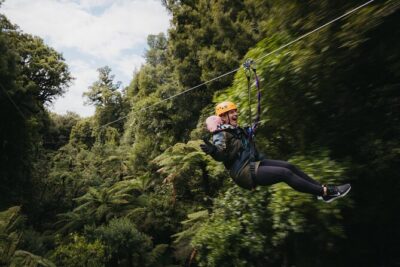
Rotorua Canopy Tours: 2.5Hour Native Forest Zipline Adventure
Read our review →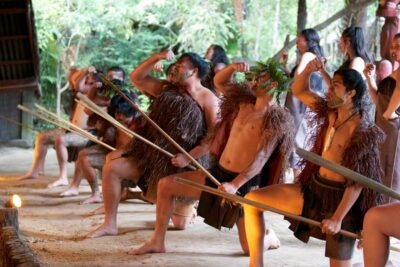
Mitai Maori Village: Cultural Experience and Dinner Buffet
Read our review →
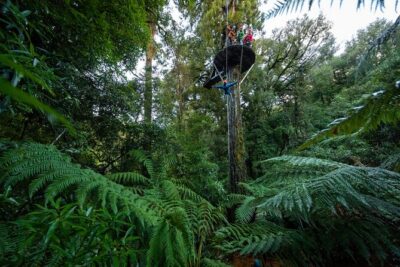
Rotorua’s Ultimate Zipline: 6 ziplines, 400 m Tandem, Cliff Walk
Read our review →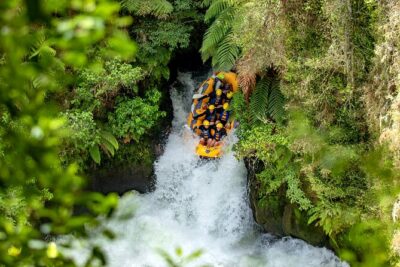
Rotorua Rafting: Kaituna River White Water Rafting & Free Sauna
Read our review →
Cultural Experience & Seasonal Māori Cuisine at Te Pā Tū
Read our review →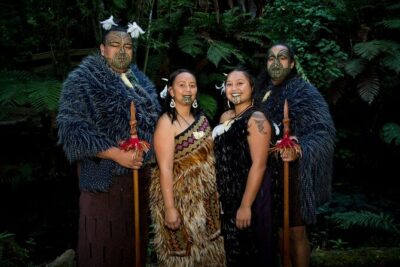
Mitai Maori Village Cultural Experience in Rotorua
Read our review →
Te Pa Tu Māori Cultural Experience with Dinner
Read our review →Browse the lists this tour appears in