
Reviewed · ROTORUA TOURS
Rotorua: Floatplane Flight with Orakei Korako Landing
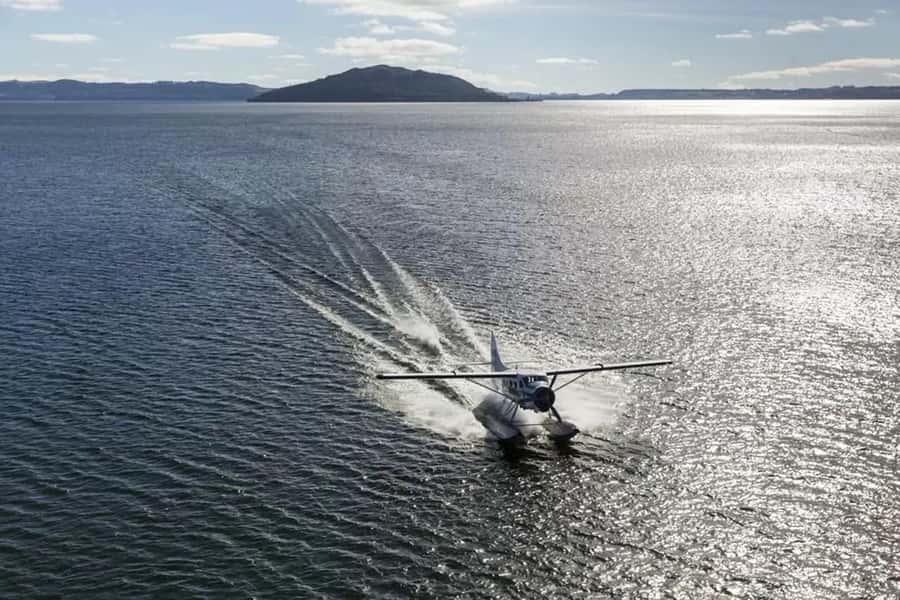
The best part of this Rotorua outing is the river landing at Orakei Korako. You do not simply fly over geothermal country, take a few photos, and return to town. The floatplane follows the Waikato River, slips between native bush and bends, then settles onto the water beside one of New Zealand’s most striking thermal parks.
I like the broad sweep of the flight, from Rotorua’s lakes and Mokoia Island to the huge scar of Mount Tarawera and the blue Inferno Crater. I also like the small group size, limited to six people, which makes the pilot’s commentary easier to hear and gives the flight a personal feel. The main consideration is the compact aircraft and occasional bumps. You need to be comfortable climbing in and out of a small floatplane, and this trip is not suitable for pregnant women or people with back or heart problems.
Key points to know before you book
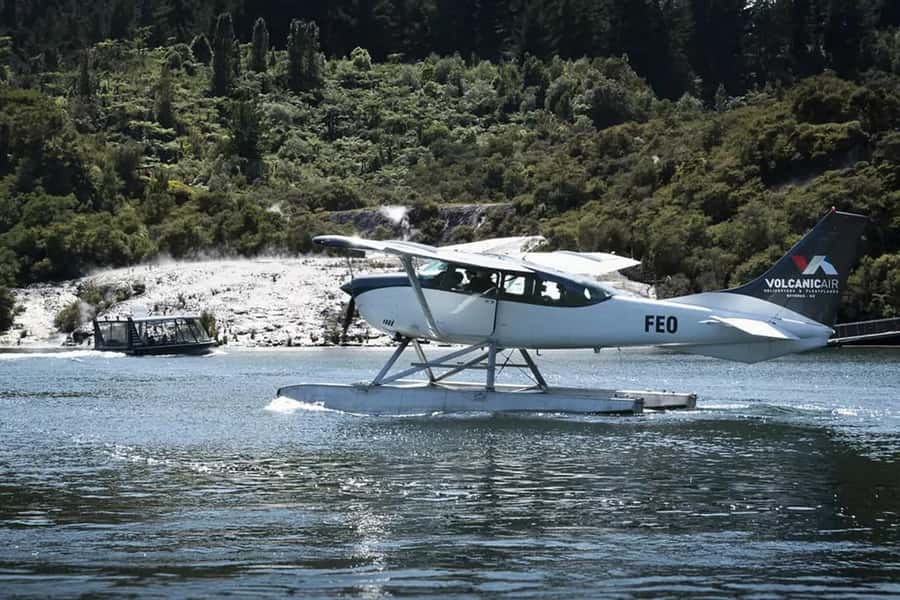
- The Waikato River landing is the star: You land on water at Orakei Korako, not at a standard airport or road-access entrance.
- You see Rotorua from a rare angle: The flight passes over 14 lakes, native forest, farmland, volcano craters, and active geothermal parks.
- Mount Tarawera gives the flight its drama: The 17-kilometre volcanic rift and colorful craters are difficult to grasp from ground level.
- Orakei Korako includes a full hour ashore: A self-guided walk covers hot springs, geysers, mud pools, a thermal cave, and large silica terraces.
- The aircraft is small: Six small bucket seats mean limited room, but also a close-up feel and a better chance to follow the pilot’s commentary.
- The price buys more than a sightseeing flight: At $505 per person, you get the air tour, the river landing, and entry for the self-guided walk.
Why this floatplane trip feels different
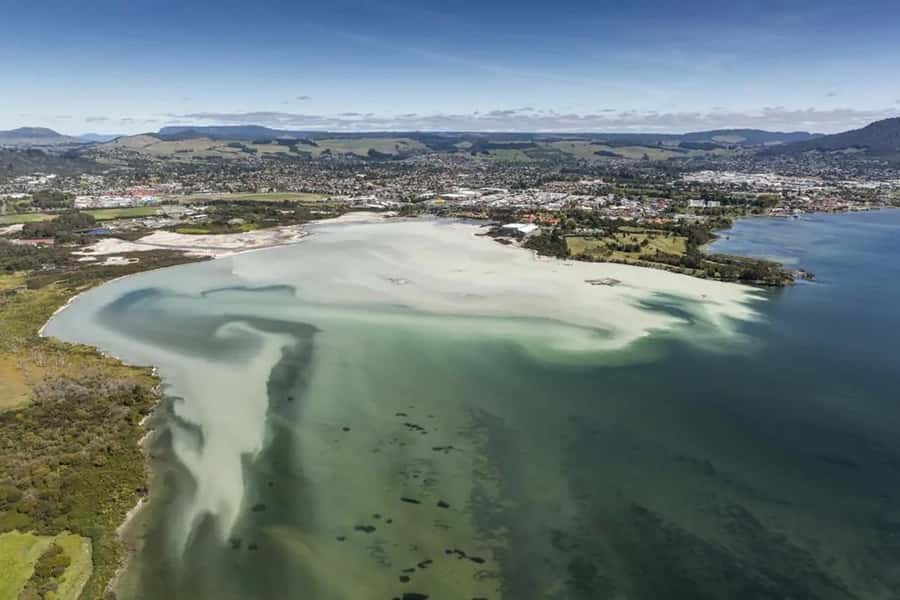
Rotorua has plenty of ways to see geothermal country, but most keep you at ground level. This flight gives you the useful overview first. From above, the lakes, forests, farms, volcanic cones, and steaming parks fit together as one enormous volcanic region.
The experience begins at Volcanic Air beside Lake Rotorua. After takeoff, you rise over the city, Mokoia Island, and Sulfur Bay. The opening view helps you understand Rotorua’s setting: water in every direction, green land between the lakes, and volcanic features scattered across the district.
The small plane matters here. You are not looking through a sealed airline window from a distant seat. The aircraft has six small bucket seats, so you should expect a snug cabin. That limited space can be awkward if you are tall or not very flexible, and getting in and out takes some care. Still, the compact setup puts you close to the windows and close to the pilot’s commentary.
Pilot Ben received especially strong praise for his relaxed, friendly, clear explanations and confident handling. The flight is in English, and the commentary adds meaning to what could otherwise become a rapid parade of colorful holes and lakes. I would pay attention during the first part of the flight, when the pilot explains what you are seeing and how the volcanic features relate to one another.
A few more Rotorua days to compare
- Rotorua Canopy Tours: 2.5Hour Native Forest Zipline Adventure
★ 5.0 · 4,563 reviews - Mitai Maori Village: Cultural Experience and Dinner Buffet
★ 4.7 · 3,575 reviews - Rotorua: Wai-O-Tapu Geothermal Park Entry Ticket
★ 4.6 · 2,601 reviews
Lake Rotorua, Mokoia Island, and the 14-lake view
The first few minutes over Lake Rotorua are more than a warm-up. You get a photo stop and a sweeping look at the city, Mokoia Island, and Sulfur Bay. The water gives the flight a calm start before the scenery turns more dramatic.
You may be encouraged to spot all 14 lakes in the district. That makes a useful game of the aerial view, especially if you enjoy maps and geography. From the air, the lakes show how water has filled old volcanic hollows and how closely the region’s settlements and farmland sit beside the geothermal zone.
The view also puts Rotorua’s famous sulfur activity into context. From ground level, you visit one park at a time. From above, the parks become part of a much larger volcanic system.
Mount Tarawera and the scar of the 1886 eruption
The aircraft then heads toward Mount Tarawera, a dormant volcano with a 17-kilometre volcanic rift. The craters are the kind of feature that makes more sense from the air than from a footpath. Their color, size, and arrangement show the force of the eruption that reshaped this part of the North Island.
The mountain also carries a painful human story. Its eruption destroyed the famous Pink and White Terraces, once promoted as the eighth wonder of the world. The terraces are now covered by lakes, so you will not see them during the flight. What you do see is the volcanic structure that changed the region and the water-filled craters left behind.
This section is one of the strongest reasons to choose a flight instead of relying only on road tours. Ground visits can bring you close to steam and hot water, but they rarely show the full length of a volcanic rift in one glance.
Waimangu, Frying Pan Lake, and Inferno Crater
From Mount Tarawera, the flight passes over Waimangu Volcanic Valley, described as the youngest geothermal park on Earth. Its history is closely tied to the same volcanic activity that affected the Tarawera area, and the aerial view lets you see the valley’s shape and thermal features without walking its full length.
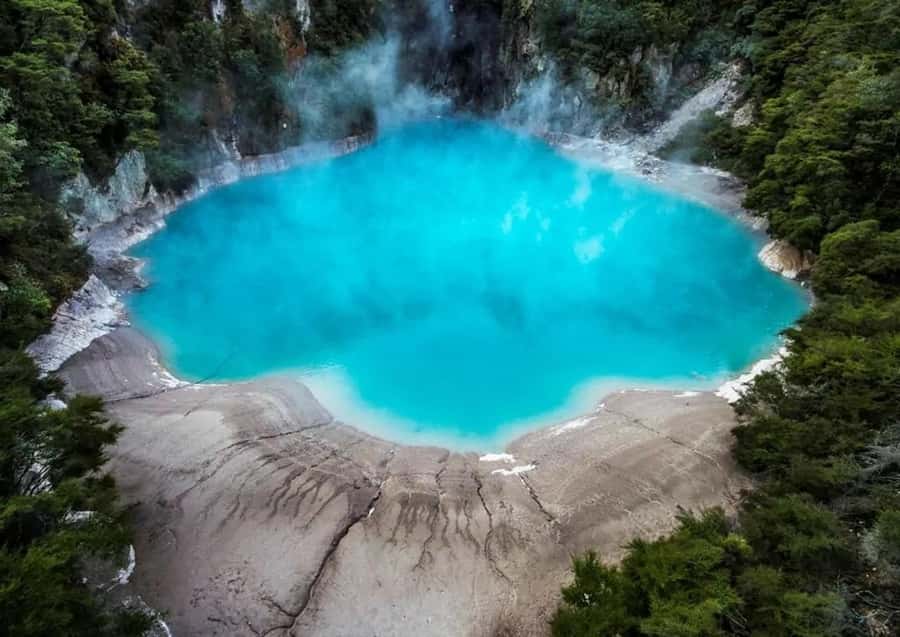
Frying Pan Lake is a major sight from above. Its name is fitting, and its broad thermal surface gives you a sense of the scale of the activity below. Then comes Inferno Crater, known for its startling blue water. The contrast between blue water, pale mineral edges, dark volcanic rock, and surrounding forest makes this one of the most memorable photo stops.
The aircraft may bump at times. That is normal for a small scenic flight, but it is worth considering if you dislike motion or have back problems. Keep your camera ready, but do not spend the entire flight staring at a screen. The views change quickly, and the pilot’s explanation helps you notice features you might otherwise miss.
Somewhere else in Rotorua entirely:
- Rotorua’s Ultimate Zipline: 6 ziplines, 400 m Tandem, Cliff Walk
★ 5.0 · 2,557 reviews - Rotorua Rafting: Kaituna River White Water Rafting & Free Sauna
★ 5.0 · 1,952 reviews - Cultural Experience & Seasonal Māori Cuisine at Te Pā Tū
★ 5.0 · 1,546 reviews - Mitai Maori Village Cultural Experience in Rotorua
★ 4.5 · 1,294 reviews
Wai-O-Tapu from above
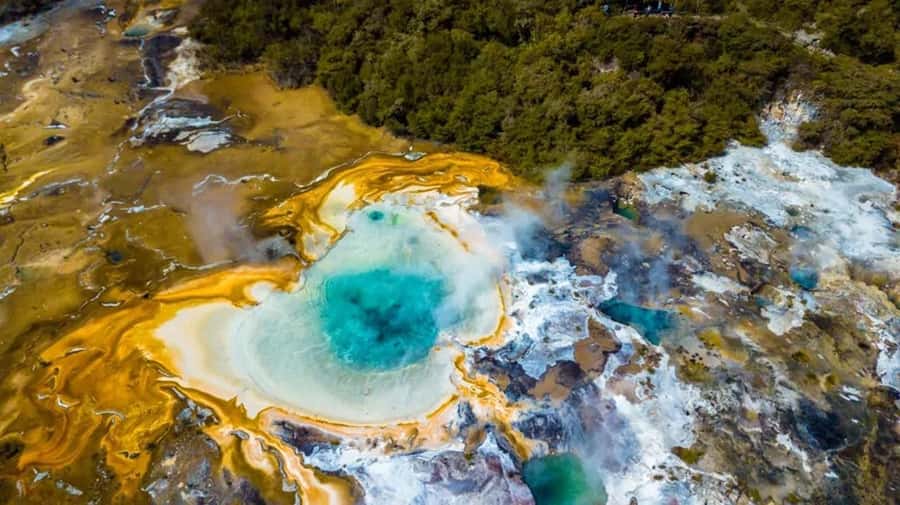
The route continues over Wai-O-Tapu Thermal Wonderland, including the Artist’s Palette and Champagne Pool. From ground level, these features are usually viewed along marked paths and platforms. From the plane, you see how the colored pools sit within the wider thermal area.
The aerial view is not a replacement for walking through Wai-O-Tapu. It is a different kind of visit. You gain scale and perspective, but you lose the close-up details of steam, mineral crust, and bubbling water. Since this trip lands at Orakei Korako rather than Wai-O-Tapu, the flight works particularly well if you want a broad look at several parks without spending a full day walking through each one.
That variety gives the two-hour experience a good rhythm. You begin over calm lake water, move into volcanic craters, pass steaming valleys and colored pools, then finish with a landing and walk at a geothermal park.
The unusual landing at Orakei Korako
The approach to Orakei Korako is the moment that makes this more than an ordinary scenic flight. The pilot descends along the Waikato River and follows its bends toward the landing point. You glide past native bush and arrive on the river itself before docking.
The landing can feel more exciting than the takeoff from Lake Rotorua because the river is narrower and the setting is enclosed by bush. It is also a practical way to reach Orakei Korako from the air. Instead of arriving by road and treating the river as scenery, you use it as the route in.
Allow yourself to enjoy the transition. The flight becomes a water journey for a few minutes, then a walking visit. The change of pace helps prevent the trip from feeling like a nonstop sightseeing circuit.
The aircraft is compact, so pay attention when boarding and leaving the plane. You need comfortable movement and sensible footwear. Smoking is not allowed.
One hour among terraces, geysers, and mud pools
Once ashore, you have about one hour for a self-guided walk through Orakei Korako. This is enough time for a useful look at the park, but not so much that you can wander without watching the clock. I would use the first few minutes to get oriented, then follow the path at a steady pace.
The park includes hot springs, gushing geysers, bubbling mud pools, and a thermal cave. These features offer the close-up experience the flight cannot provide. You can see mineral deposits, watch steam rise, and take in the strange textures created by hot water moving through the ground.
Orakei Korako is also known for some of the world’s largest silica terraces. Their pale surfaces and layered shapes are a strong contrast to the dark volcanic craters seen earlier from the air. This pairing is valuable: the flight shows the region’s size and force, while the walking section shows its detail.
The walk is self-guided rather than led by a dedicated walking guide. That gives you freedom to pause for photographs or move quickly through areas that interest you less. It also means you should read the signs and keep track of your return time. Comfortable shoes are essential, and you should carry water, sunscreen, and a hat.
A café provides coffee, tea, and local snacks before you reboard. Food and drinks are not included in the $505 price, so bring money if that stop appeals to you. The café is a useful pause after the walk, especially on a sunny day.
The return flight over farms and mountains
The journey back to Rotorua takes about 20 minutes and passes over farmland and the Paeroa mountain range. After the intense colors and steam of the geothermal parks, the farms offer a quieter finish.
That contrast is worth noticing. Rotorua is not only volcanic terrain. It is also working rural country, native forest, lakes, and mountain ranges. The return flight rounds out the picture and gives you another chance to compare what you saw from the air with what you experienced at Orakei Korako.
You land back at the Volcanic Air pier on Lake Rotorua. Since the full experience lasts two hours, it fits neatly into a day that includes other Rotorua activities. Still, allow extra time around the scheduled start because weather can affect scenic flying, and check the available departure time when booking.
Is $505 a fair price?
At $505 per person, this is an expensive Rotorua activity. You are paying much more than you would for a standard ground visit to one geothermal park. The price makes sense only if the aerial views and unusual water landing are central to what you want.
The value improves because the tour combines three separate experiences:
- A scenic flight over the Rotorua lakes district
- A close aerial view of Mount Tarawera, Waimangu, and Wai-O-Tapu
- A river landing and one-hour walk at Orakei Korako
Buying separate ground tours could give you more walking time, but not the same view of the volcanic rift, crater lakes, or the region’s layout. If you have limited time and want a high-impact overview, this trip gives you a lot in two hours.
I would not choose it simply because you need to visit a geothermal park. You can do that more cheaply by road. I would choose it because you want the flight itself, the six-person setting, and the river landing. The strong five-star score from six ratings supports the idea that the combination works, but the sample is small, so treat the rating as encouraging rather than conclusive.
Who should book this experience?
This trip suits you if you enjoy scenic flights, volcanic geology, unusual transport, and compact small-group outings. It is especially good for photographers, first-time floatplane passengers, and anyone who wants to understand how Rotorua’s lakes and geothermal parks fit together.
You should be reasonably comfortable with a small aircraft. One passenger described the cabin as six small bucket seats and noted that flexibility is needed to get in and out. That is useful information, not a minor footnote. The small cabin is part of the charm, but it will not suit everyone.
The experience is not suitable for pregnant women or people with back or heart problems. If you are unsure about the physical demands, ask the provider before booking.
Bring comfortable walking shoes, a hat, sunscreen, water, and a camera. Check the weather and dress for the conditions. You will be outside during the Orakei Korako walk, and the flight depends on suitable weather.
Free cancellation is available up to 24 hours before departure for a full refund, and you can reserve now and pay later. Those policies help if your Rotorua plans are still shifting, but they do not remove the need to check the forecast and your own comfort with small-plane flying.
My call: book it for the air, not just the park
I recommend this floatplane trip if you want Rotorua’s geothermal country in one concentrated experience. The landing on the Waikato River is genuinely distinctive, and the flight over Mount Tarawera, Frying Pan Lake, Inferno Crater, Waimangu, and Wai-O-Tapu gives you views that a road tour cannot match.
Skip it if $505 is beyond your comfort zone, if you want a long and relaxed walk through a geothermal park, or if a compact aircraft sounds stressful. For everyone else, this is a strong choice for a special half-day outing, particularly if you can secure a clear-weather departure and enjoy listening to the pilot’s commentary.
FAQ
How long does the floatplane experience last?
The full experience lasts two hours. This includes the flight, the landing at Orakei Korako, about one hour for the self-guided walk, and the return flight to Lake Rotorua.
Where does the flight start and finish?
The experience starts and finishes at Volcanic Air on the Lake Rotorua waterfront, at the Volcanic Air pier.
What is included in the price?
The price includes the floatplane flight over Rotorua’s geothermal parks, the landing at Orakei Korako, and the self-guided walk through the park.
Are food and drinks included?
No. Food and drinks are not included. Orakei Korako has a café where you can buy coffee, tea, and local snacks.
How many people are in the group?
The flight is limited to six participants. The aircraft has six small bucket seats, so the cabin is compact.
What should I bring?
Bring comfortable shoes, a hat, sunscreen, water, and a camera. Check the weather and dress appropriately for the walk and flight.
Who should not take this experience?
The experience is not suitable for pregnant women or people with back problems or heart problems. Smoking is not allowed.
Newly listed around Rotorua
- Rotorua: White Island, Mount Tarawera & Waimangu Volcanic …★ 4.4 · 5 reviews
- Whirinaki Forest Footsteps: Māori Guided Tour, Picnic & Transfer★ 5.0 · 5 reviews
- Rotorua: Lake View Private Pools Experience★ 4.3 · 6 reviews
- Raceline Karting at Off Road NZ★ 5.0 · 6 reviews
- Epic Tandem Kayak Tour down the Kaituna River Waterfalls★ 5.0 · 6 reviews
- Rotorua: Evening Starlight Gourmet Kayak Tour with dinner★ 5.0 · 6 reviews
- From Rotorua: Whirinaki Rainforest Guided Cultural Tour★ 5.0 · 6 reviews
- Crater Lakes Scenic Flight with Natural Hot Pool Bathing by Floatplane★ 5.0 · 6 reviews
Rotorua Tours, compared.
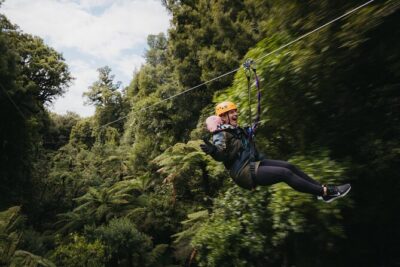
Rotorua Canopy Tours: 2.5Hour Native Forest Zipline Adventure
Read our review →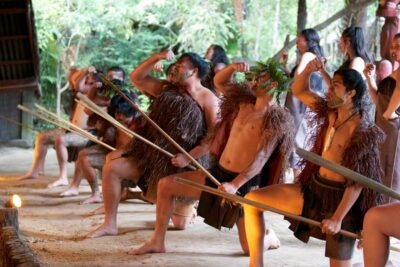
Mitai Maori Village: Cultural Experience and Dinner Buffet
Read our review →
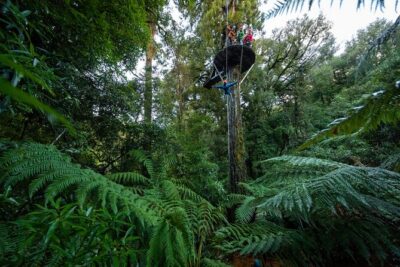
Rotorua’s Ultimate Zipline: 6 ziplines, 400 m Tandem, Cliff Walk
Read our review →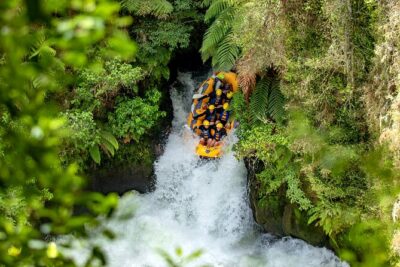
Rotorua Rafting: Kaituna River White Water Rafting & Free Sauna
Read our review →
Cultural Experience & Seasonal Māori Cuisine at Te Pā Tū
Read our review →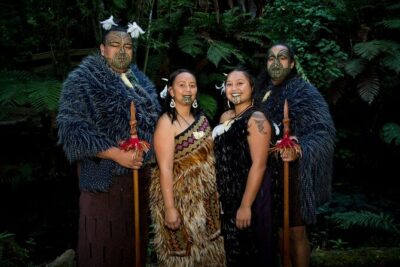
Mitai Maori Village Cultural Experience in Rotorua
Read our review →
Te Pa Tu Māori Cultural Experience with Dinner
Read our review →Browse the lists this tour appears in