
Reviewed · ROTORUA TOURS
Mitai Maori Village: Cultural Experience and Dinner Buffet
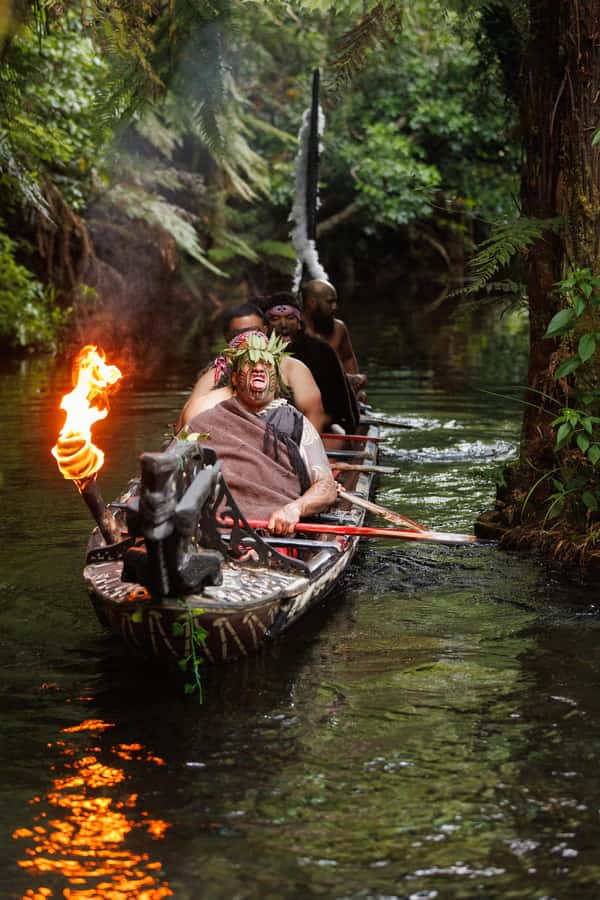
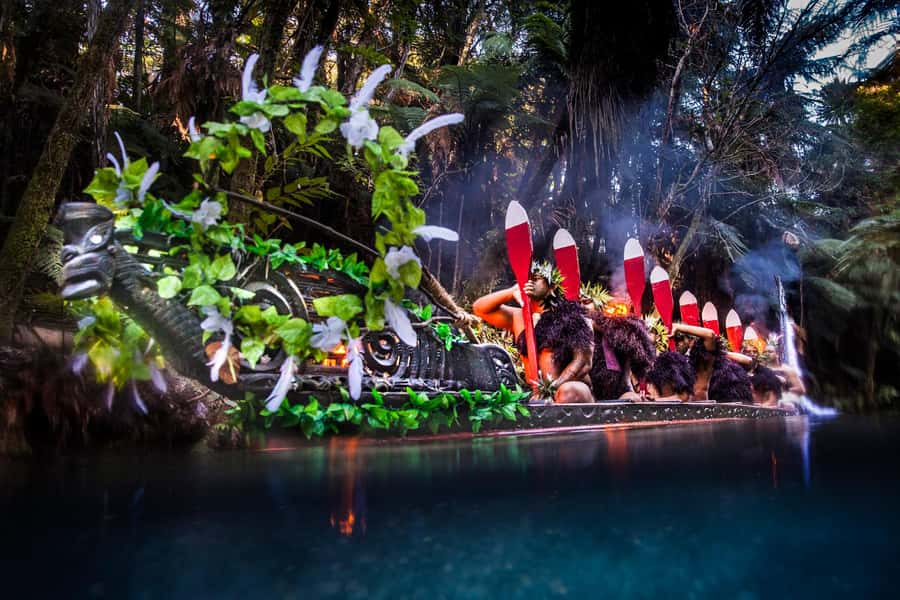
The best moment comes early, when warriors in traditional dress paddle an ancient waka canoe down the Wai-o-whiro stream, chanting as they approach. It feels more meaningful than a stage show because the forest, water, and old village setting are part of the presentation.
I like the clear explanations of Māori customs, especially the welcome ceremony and the choice of a chief to represent your group. I also like the generous hāngī buffet, which includes meats, vegetables, salads, and desserts rather than a token meal. The main drawback is that visibility can be poor during the performance, and the bush walk includes stairs and uneven ground.
Key points
- Waka arrival: Watch traditionally dressed warriors paddle down the Wai-o-whiro stream while chanting.
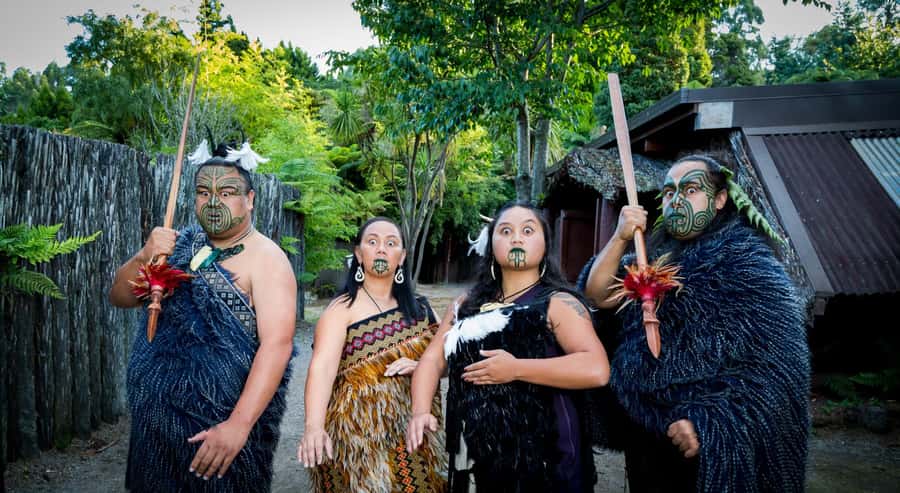
- Māori customs: Learn how visitors enter a sacred site, why a chief is selected, and how ta moko relates to Māori culture.
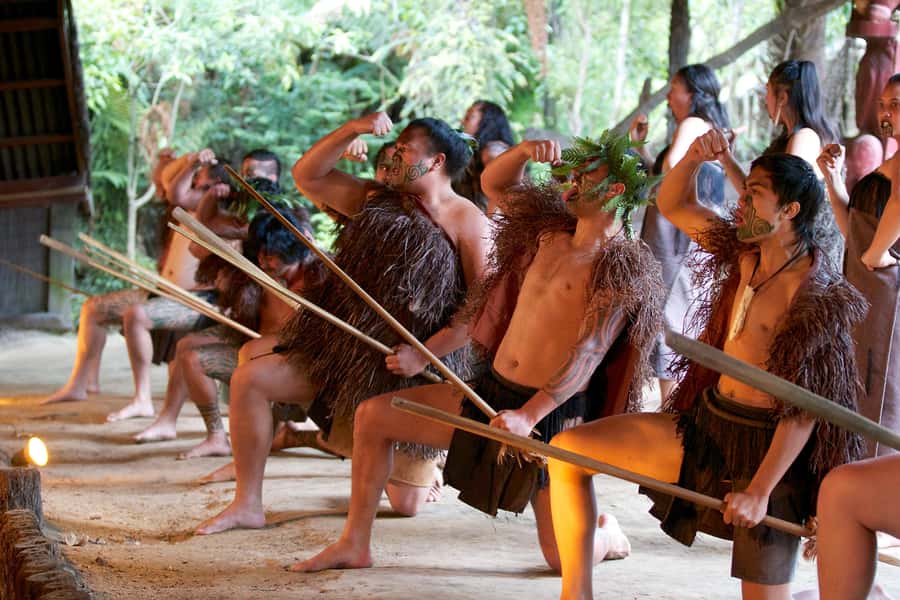
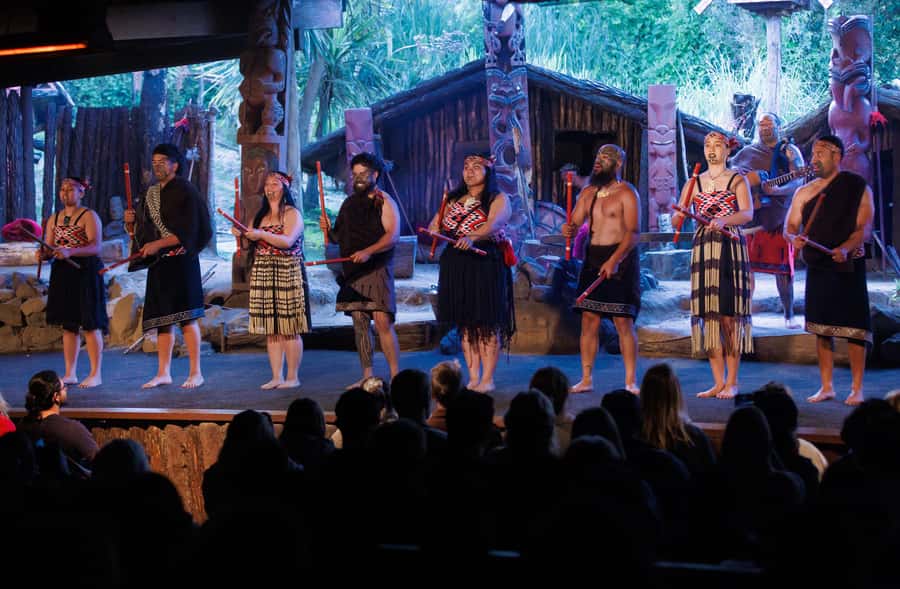
- Powerful performance: Expect songs, dances, explanations, and a spine-tingling haka.
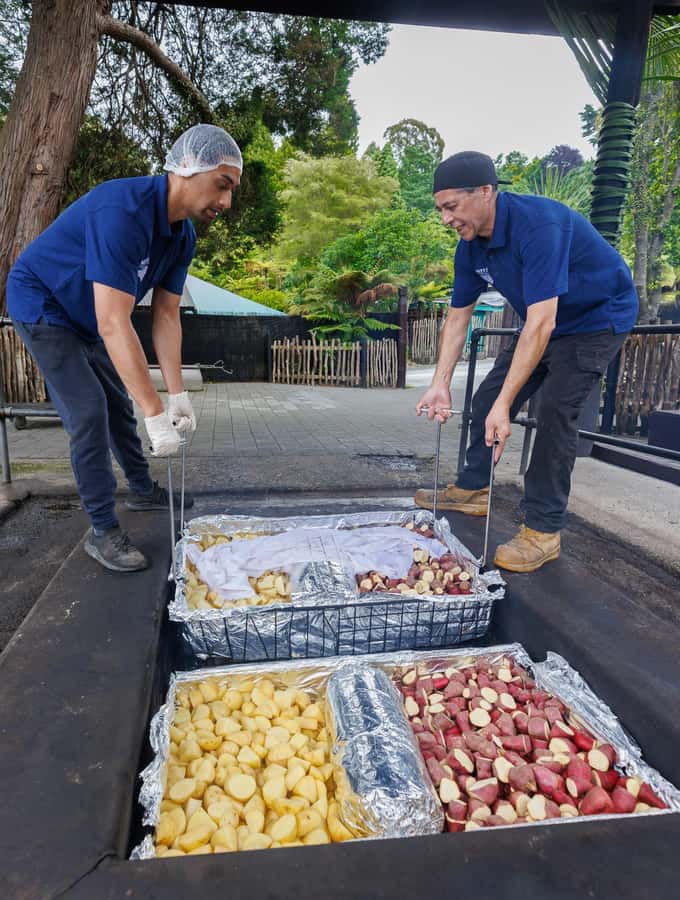
- Earth-cooked dinner: The hāngī is lifted from the ground before you eat from a plentiful buffet.
- Bush setting: Walk beside clear water to a sacred spring, an old pā site, and glow worms when conditions allow.
- Practical fit: The experience lasts three hours, costs $101 per person, and has limited access for wheelchairs on the forest walk.
Why the Waka Arrival Sets the Tone
Mitai Māori Village is designed as an evening of welcome, storytelling, food, and performance. It begins in a natural bush setting near Rotorua, at 196 Fairy Springs Road, rather than in a plain indoor theater. That setting matters. You are not only hearing about Māori life. You are being guided through a place where water, forest, village sites, and ritual all help explain the culture.
If you arrange pickup, the evening begins at your Rotorua accommodation, subject to availability. Winter pickup is scheduled between 5:15pm and 5:45pm, and summer pickup is between 5:45pm and 6:15pm. Drivers wait no longer than five minutes, so be ready outside. If you prefer to drive, meet at the village entrance.
The first formal step is the welcome. A Māori maiden may greet your group, followed by an explanation of the rules for entering the sacred site. This is not just stage management. It gives you a useful frame for understanding the rest of the night, particularly the role of respect, community, and ceremony.
Your group selects a chief to represent those visiting the village. The choice can be a fun part of the evening, but it also explains an important custom: visitors do not simply walk into a community without acknowledgment. The chief acts for the group during the welcome.
Then comes the scene many people remember most. Warriors paddle an ancient waka down the Wai-o-whiro stream, using chant and movement as they approach. You view the canoe from a platform, which gives a good setting for photographs and lets you watch the arrival without standing in the water or on an unstable bank.
The waka sequence is brief compared with the full three-hour program, yet it carries real weight. The stream and trees make the warriors’ arrival feel connected to the site. I would arrive with your attention on the water, not only on your camera. The chanting, paddle strokes, and expressions are the point.
More Maori Experiences in Rotorua
- Cultural Experience & Seasonal Māori Cuisine at Te Pā Tū
★ 5.0 · 1,546 reviews - Mitai Maori Village Cultural Experience in Rotorua
★ 4.5 · 1,294 reviews - Rotorua: Te Pa Tu Māori Cultural Experience with Dinner
★ 4.8 · 1,193 reviews
Stories, Ta Moko, and the Meaning Behind the Show
After the welcome and waka arrival, the program turns to Māori customs, beliefs, and daily life. The host explains the material in English, with cultural commentary woven through the entertainment. The best parts are the explanations that help you understand why a gesture, song, weapon, tattoo, or dance matters.
The presentation includes the art of ta moko, the traditional Māori tattoo practice. You will also see demonstrations connected with Māori weapons and warrior traditions. These sections are useful because they add context before the dances begin. Without that background, a haka can be reduced to facial expressions and loud stamping. Here, you learn that it carries identity, challenge, pride, and feeling.
The concert includes songs, women’s and men’s dances, and the haka. The tone shifts from solemn to playful, with humor mixed into the explanations. That change keeps the evening from becoming stiff or overly formal. It also gives you a better sense of Māori culture as living and expressive, not frozen in a museum display.
The performers are described as being full of energy and pride, and the repeated praise for their singing and dancing is justified by the structure of the show. You are given both performance and explanation. The music is not treated as background decoration, and the commentary makes the dances easier to follow.
There is one practical issue: seating. If you sit toward the back, the stage may be difficult to see because it is not especially high. Try to arrive early and choose a central position with a clear view. Sitting close to the front is not essential, but a direct sightline will improve the experience.
The question-and-answer portions can also run long. That is useful if you want more cultural detail, but it may test the patience of young children or anyone eager to reach the forest walk. The evening is fast-paced overall, yet some explanations take time. I would treat that as part of the educational value rather than expect nonstop entertainment.
The Hāngī Comes From the Earth
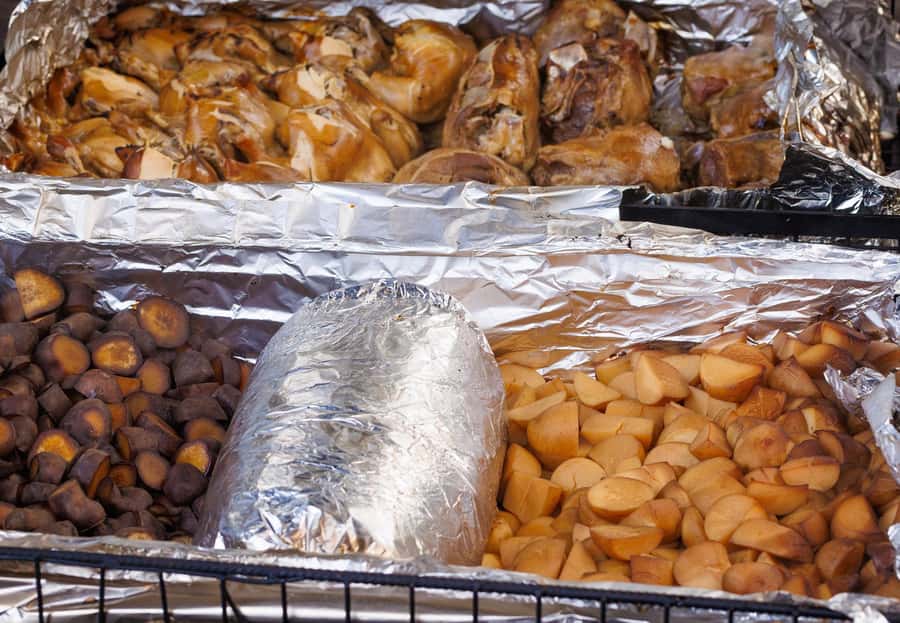
Food is a major reason this experience offers good value at $101. The hāngī is cooked in an earth oven, and you get to see the meal lifted from the ground before it is served. That simple moment gives the dinner a connection to the cultural presentation instead of making it feel like a separate buffet added at the end.
Expect a hot selection of meats and poultry, vegetables, fresh salads, and desserts. The buffet is plentiful, and you can return for more within the meal service. The hāngī dishes are the main attraction, but the broader selection helps if you prefer vegetables, salads, or less traditional food.
Food quality can vary slightly by dish. The overall meal is generally described as tasty and generous, but some people find certain meats dry. If you have dietary restrictions, ask staff directly. One diner with no gluten, dairy, or eggs was able to find suitable options, but allergen and vegetarian labels may not always be as clear as they should be.
A small timing tip can make dinner easier: serve yourself promptly when the buffet opens. The guide may begin speaking again while you are eating, and it may be awkward to leave the table for a second helping during the explanations. You can listen better if you have your plate ready first.
Beverages are not included, though you can buy them. Plan for that extra cost if you want wine, beer, soft drinks, or another drink with dinner. The meal itself is substantial enough that you do not need to arrange dinner elsewhere.
The dessert selection finishes the meal on a generous note. If you are planning this as a special evening, the combination of hāngī, performance, and bush walk makes the price easier to justify than a short cultural show without food.
The Forest Walk, Sacred Spring, and Glow Worms
The final part takes you along the stream and into the bush. You may see the sacred spring below the forest and the remains of an old pā, or village site. The walk adds a quiet contrast to the loud energy of the haka and warrior performance.
The clear stream is one of the most attractive parts of the setting. It gives you a chance to slow down and notice the natural place around the village. The old pā and spring also help connect the evening’s stories to specific features of the site.
Glow worms can be seen in their natural habitat during the walk, but you should not treat them as guaranteed. Conditions and access can affect what you see. The official accessibility information warns that wheelchair users will not see the glow worms because the forest exit includes stairs. Other people may also find the trail dark, uneven, or harder to navigate in poor weather.
Wear flat walking shoes and comfortable clothing. Bring a jacket in winter, and dress for rain or cool evening conditions. The walk is not described as a difficult hike, but it is not a fully level, paved route either.
The timing of the walk can affect what you see. In darkness, the old buildings may be hard to make out, and it may be difficult to hear a guide if you remain at the back of the group. Stay close enough to the speaker to catch the explanation, especially during the final stop.
For wheelchair users, access is partial rather than complete. You can view the waka from a platform and go a short distance into the forest to see the old pā and sacred spring below the forest, but the full bush walk and glow-worm area are not accessible. Contact the provider if you need a clearer assessment for your mobility needs.
Somewhere else in Rotorua entirely:
- Rotorua Canopy Tours: 2.5Hour Native Forest Zipline Adventure
★ 5.0 · 4,563 reviews - Rotorua: Wai-O-Tapu Geothermal Park Entry Ticket
★ 4.6 · 2,601 reviews - Rotorua’s Ultimate Zipline: 6 ziplines, 400 m Tandem, Cliff Walk
★ 5.0 · 2,557 reviews - Rotorua Rafting: Kaituna River White Water Rafting & Free Sauna
★ 5.0 · 1,952 reviews
How Much Time and Money to Allow
The scheduled experience lasts three hours. That is long enough to include the welcome, waka arrival, cultural presentation, dinner, and walk without requiring a separate full-day commitment. It works well as a Rotorua evening activity after a daytime visit to geothermal sights or nearby attractions.
At $101 per person, the price is not cheap, but it covers several substantial elements: a guided cultural program, live music and dance, the earth-cooked hāngī dinner, and the bush walk. If you would otherwise pay separately for dinner and an evening performance, the combined cost is reasonable.
The value is strongest if you want more than a meal with entertainment. The explanations about customs, ta moko, the haka, and the welcome ceremony give the evening purpose. If you only want a quick haka photograph, this is more time and money than you need.
The optional Rotorua hotel pickup is useful, particularly if you do not have a car or would rather not drive after dinner. It is limited to registered Rotorua accommodations and depends on availability at the time of booking. If you do not provide a pickup location when booking, a transfer may not be available.
You can cancel up to 24 hours ahead for a full refund, and the reserve-now, pay-later option keeps your plans flexible. Those terms are helpful when your Rotorua schedule may change, though you should still confirm the starting time for your date.
Who Will Enjoy Mitai Māori Village Most
I would recommend this for first-time visitors to New Zealand who want a clear introduction to Māori culture without committing to a longer cultural program. The evening gives you a broad overview, then reinforces it through music, movement, food, and the natural setting.
Families can also enjoy it. The waka arrival, warrior display, haka, and buffet give children something visual to follow, while the explanations provide more depth for adults. Keep in mind that young children may lose interest during longer question-and-answer sections.
Food-focused visitors will be pleased by the amount and range of the buffet. You can sample hāngī-style dishes while still finding salads, vegetables, poultry, and desserts. People with food allergies should ask for guidance rather than rely only on labels.
The experience also suits anyone who prefers a structured evening. The schedule moves from welcome to waka, performance, dinner, and walk, so you always know what comes next. It is less suitable if you dislike group presentations, formal ceremony, or set meal times.
I would be cautious about booking it for someone with significant mobility limits unless the partial access is acceptable. The main facilities may be wheelchair accessible, but the bush walk has stairs and uneven surfaces. The glow-worm section is not available to wheelchair users.
Should You Book It?
Yes, if you want a well-organized introduction to Māori culture with a memorable waka arrival, strong singing and dancing, and a proper dinner. The most worthwhile parts are the explanations around the customs and the way the forest and stream support the story.
Book with realistic expectations. Seating may limit your view, the question period can run long, glow worms are not guaranteed, and the forest route is not fully accessible. Arrive early for a good central seat, wear practical shoes, eat promptly when the buffet opens, and stay near the guide during the dark walk.
For $101, Mitai Māori Village gives you a full evening rather than a brief performance. I would make room for it in a Rotorua itinerary, especially if this is your first chance to learn about Māori culture in New Zealand.
FAQ
How long does the Mitai Māori Village experience last?
The cultural experience lasts three hours, including the welcome, waka arrival, cultural performance, hāngī buffet, and bush walk.
Where does Mitai Māori Village meet?
The meeting point is 196 Fairy Springs Road, Fairy Springs, Rotorua 3015.
Is hotel pickup available from Rotorua?
Pickup and drop-off from registered Rotorua accommodations may be available, subject to availability. If your accommodation is not registered, contact Mitai Māori Village for another option.
What time is pickup?
Winter pickup is scheduled between 5:15pm and 5:45pm. Summer pickup is scheduled between 5:45pm and 6:15pm. Drivers wait no longer than five minutes after the scheduled pickup time.
Is dinner included?
Yes. The experience includes an earth-cooked hāngī buffet with meats, poultry, vegetables, salads, and desserts. Beverages are not included but are available to purchase.
Can I see glow worms during the tour?
The walk includes the chance to see glow worms in their natural habitat. Wheelchair users will not reach the glow-worm area, and conditions may affect access.
Is the experience wheelchair accessible?
It is wheelchair accessible in a limited way. The waka can be viewed from a platform, and you can go a short distance into the forest to see the old pā and sacred spring, but the bush walk includes stairs and uneven surfaces.
What should I wear?
Wear flat walking shoes and comfortable clothing. A jacket is recommended during winter, and you should dress for the weather because part of the experience takes place outdoors.
More dinners out in Rotorua
- Te Puia: Te Pō Indigenous Evening Experience with Dinner
★ 4.5 · 89 reviews - Lake Rotoiti Evening Kayak Tour including Hot Springs, Glowworm Caves and BBQ Dinner
★ 5.0 · 60 reviews - Rotorua: Evening Starlight Gourmet Kayak Tour with dinner
★ 5.0 · 6 reviews - Dinner at Walter Peak High Country Farm and Cruise from Queenstown
★ 4.5 · 576 reviews
More buffet dinners in Rotorua
- Te Puia: Te Pō Evening Hāngī Buffet and Cultural Experience
★ 4.7 · 189 reviews - Milford Sound Cruise: Stunning Views & Optional Picnic or Buffet
★ 4.5 · 217 reviews - Queenstown: Lake Cruise to Walter Peak Farm with BBQ Buffet
★ 4.8 · 66 reviews - Queenstown Lake Cruise to Walter Peak Farm with BBQ Buffet
★ 4.5 · 25 reviews
Newly listed around Rotorua
- Rotorua: White Island, Mount Tarawera & Waimangu Volcanic …★ 4.4 · 5 reviews
- Whirinaki Forest Footsteps: Māori Guided Tour, Picnic & Transfer★ 5.0 · 5 reviews
- Rotorua: Lake View Private Pools Experience★ 4.3 · 6 reviews
- Rotorua: Floatplane Flight with Orakei Korako Landing★ 5.0 · 6 reviews
- Raceline Karting at Off Road NZ★ 5.0 · 6 reviews
- Epic Tandem Kayak Tour down the Kaituna River Waterfalls★ 5.0 · 6 reviews
- Rotorua: Evening Starlight Gourmet Kayak Tour with dinner★ 5.0 · 6 reviews
- From Rotorua: Whirinaki Rainforest Guided Cultural Tour★ 5.0 · 6 reviews
Rotorua Tours, compared.
Rotorua Canopy Tours: 2.5Hour Native Forest Zipline Adventure
Read our review →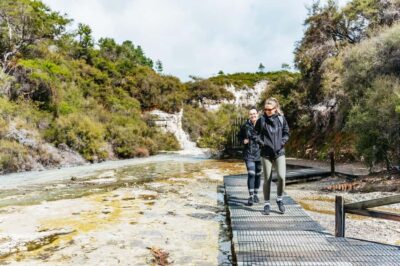
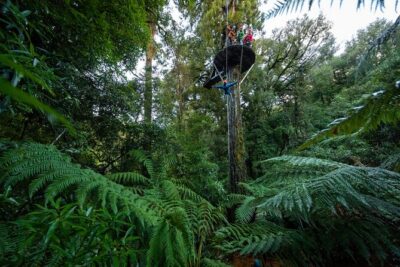
Rotorua’s Ultimate Zipline: 6 ziplines, 400 m Tandem, Cliff Walk
Read our review →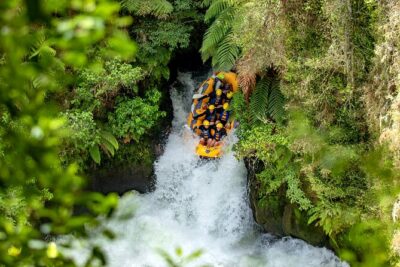
Rotorua Rafting: Kaituna River White Water Rafting & Free Sauna
Read our review →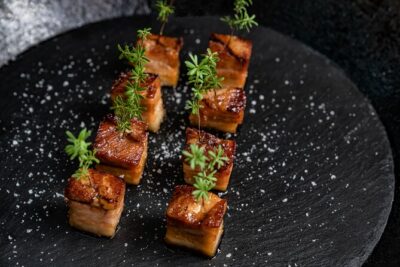
Cultural Experience & Seasonal Māori Cuisine at Te Pā Tū
Read our review →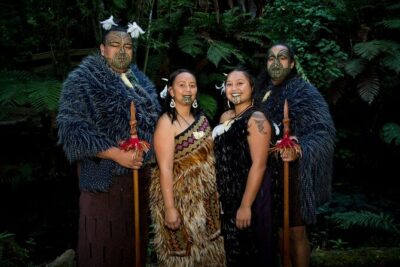
Mitai Maori Village Cultural Experience in Rotorua
Read our review →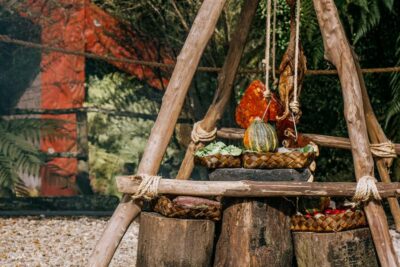
Te Pa Tu Māori Cultural Experience with Dinner
Read our review →
Browse the lists this tour appears in