
Reviewed · ROTORUA TOURS
Whaka Trails and Maori Village Combo Tour
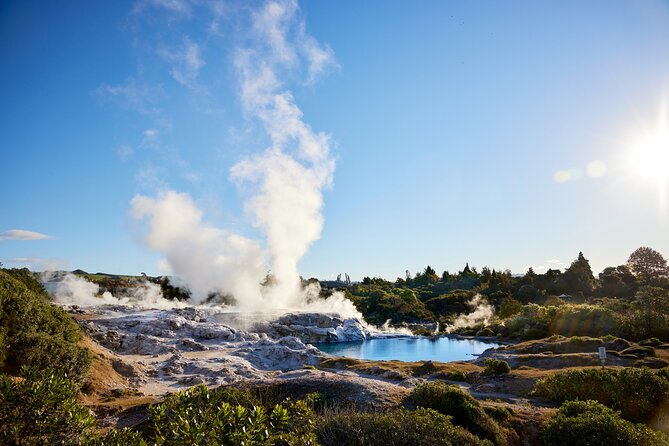
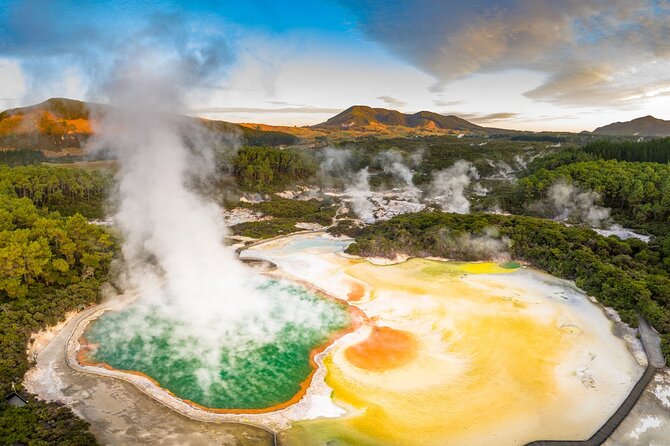
Rotorua’s hot ground is not just something to photograph here. At Whakarewarewa, The Living Māori Village, people have built daily life around steam vents, hot pools, and geysers for generations. A local guide explains how the community cooks, bathes, and lives with the earth’s heat, then you can walk into less developed geothermal areas on the Whaka Trails.
I like two things right away: the tour connects Māori culture with geothermal science, and the corn cooked in a hot pool gives you a small, memorable taste of local life. The main consideration is that the experience involves walking outdoors, and the geyser follows nature’s schedule rather than a tour timetable.
Key points about the Whaka Trails and village tour
- See Pohutu Geyser from two viewing platforms, where it can erupt up to twice an hour.
- Meet a local Māori guide, with guides such as Angela, Daniel, Mirama, Michael, Ben, and Waimairia leading tours at different times.
- Taste corn cooked in geothermal water, one of the tour’s most unusual hands-on details.
- Walk self-guided geothermal trails through less altered areas beyond the village.
- Learn how geothermal heat supports daily life, including cooking and outdoor bathing.
- Small groups of up to 20 people keep the guided portion easier to follow and more personal.
Why this village feels different from a standard geothermal stop
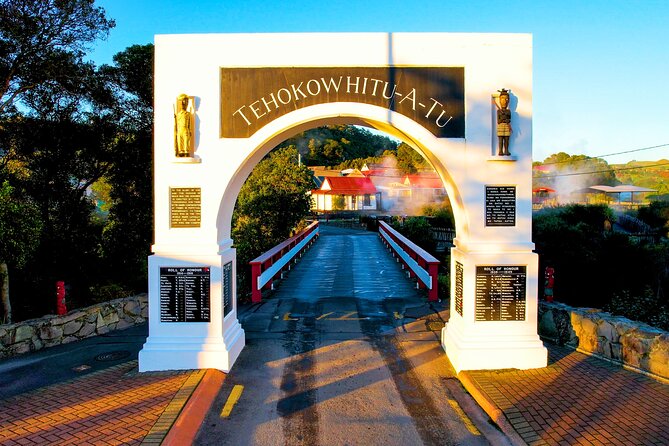
Rotorua has several places where you can watch mud bubble and geysers burst. The useful difference here is that the geothermal activity is part of a living community, not simply a display behind a fence.
The guided visit shows you how local Māori families use the natural heat around them. You learn about cooking in hot pools, heating water, bathing, village traditions, family heritage, and the practical choices involved in living on geothermally active ground. That context gives the steam vents and boiling pools a human scale.
Your guide is central to the experience. Names reported for different tours include Angela, Daniel, Mirama, Michael, Ben, and Waimairia. Their approaches vary, as you would expect, but the best guides use personal stories and invite questions. Mirama, for example, has shared information about her family heritage and home, while Michael has explained how geothermal heat is used for cooking and bathing.
The atmosphere is generally relaxed and educational rather than theatrical. That matters if you want to learn about Māori life without feeling that the cultural material has been reduced to a quick performance. Still, keep an open mind: the quality of a live tour depends partly on the guide you receive, and one poor experience in the feedback points to the occasional mismatch between a guide’s style and a group’s expectations.
More Maori Experiences in Rotorua
- Mitai Maori Village: Cultural Experience and Dinner Buffet
★ 4.7 · 3,575 reviews - Cultural Experience & Seasonal Māori Cuisine at Te Pā Tū
★ 5.0 · 1,546 reviews - Mitai Maori Village Cultural Experience in Rotorua
★ 4.5 · 1,294 reviews
The guided walk through Whakarewarewa
The tour begins at 17 Tryon Street in Whakarewarewa, Rotorua. You meet your guide there and enter the village for a walk that combines cultural stories with views of the geothermal features.
Expect the guide to explain the village’s history, traditions, and present-day life as you move through the area. You are not simply looking at hot pools from a marked path. You are learning why these features matter and how residents have adapted to them.
One of the strongest parts is the explanation of community cooking. Geothermal water and steam are used to prepare food, and the tour includes a tasting of corn cooked in the largest hot pool. It is a simple sample, but it makes the lesson stick. You can understand the idea of geothermal cooking from a sign, or you can eat the result. The second option wins.
The guides also explain how hot water supports bathing. This helps you picture the village as a real home rather than an open-air museum. Steam rising from the ground may look dramatic, but here it also has an everyday purpose.
Questions are encouraged, and that is worth using. Ask about the features you are seeing, the village’s customs, and how people manage life around hot water and bubbling ground. Several guides have been praised for being funny, welcoming, and willing to explain details beyond a memorized script.
The walking is described as easy, and most people can take part. Even so, wear shoes you can walk in comfortably. The area has geothermal trails and outdoor viewing points, so practical clothing is more useful than anything dressy.
Pohutu Geyser from two viewing platforms
Pohutu Geyser is the visual star of the guided portion. You visit two lookout platforms, giving you different angles on the eruptions and the surrounding steam.
The geyser can erupt as nature intends, up to twice per hour. That wording is important. You may not see a dramatic burst the moment you reach the platform, so allow some patience in your schedule. The waiting is part of the deal with a natural geyser, and the steam vents and hot pools keep the scene interesting between eruptions.
The viewing platforms are also useful for photographs. You can capture the white steam, the geyser’s spray, and the wider geothermal setting without having to wander off the marked route.
The tour does not promise a perfectly timed show, and that is a strength as much as a limitation. You get to see a natural feature on its own terms. If your main goal is a guaranteed eruption at a precise time, you should adjust your expectations.
The Whaka Geothermal Trails after the guide
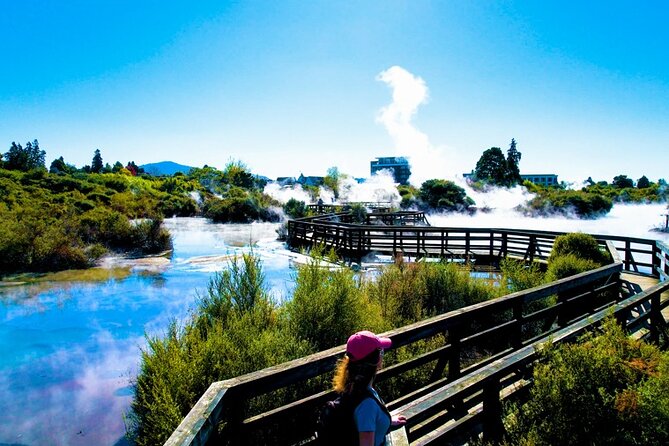
After the guided village walk, you can take a self-guided stroll on the Whaka Geothermal Trails. This is where the experience changes pace.
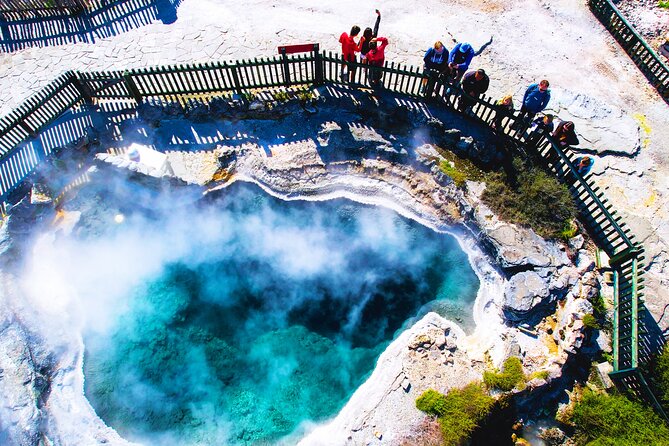
The guided section gives you interpretation and local context. The trail lets you slow down and look. You follow paths through geothermal areas described as less touched and more raw, with bubbling pools, steam vents, and other hot-ground features close by.
I would not rush this section. The trail is your chance to notice details that are easy to miss while keeping up with a group. Stop for photographs, watch the surface of the mud pools, and pay attention to the changing steam. The setting has a Jurassic Park quality, but you should treat it as a real geothermal area, not a playground. Stay on the established route and follow site instructions.
The self-guided format is useful for families and mixed-age groups. One person can take photographs while another reads the surroundings at a slower pace. Children and teenagers may find the bubbling pools and geyser activity especially engaging, while the cultural portion gives the visit more substance than a nature walk alone.
The trail is also the part most easily skipped if you are in a hurry. That would be a mistake. The village walk explains how people use the geothermal features, while the trail shows the power and variety of the ground itself. You need both parts to get the full picture.
Somewhere else in Rotorua entirely:
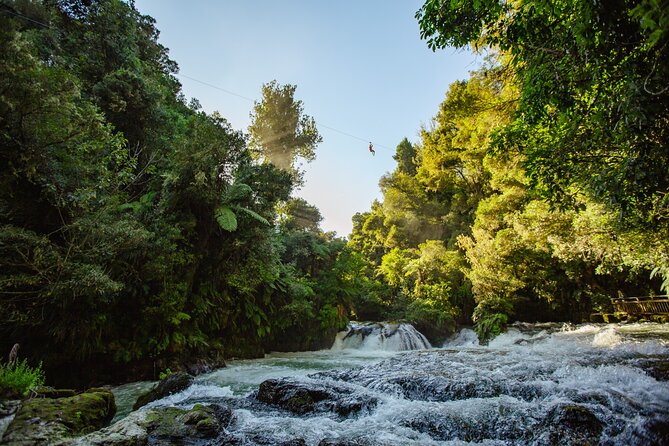
- Rotorua Canopy Tours: 2.5Hour Native Forest Zipline Adventure
★ 5.0 · 4,563 reviews - Rotorua: Wai-O-Tapu Geothermal Park Entry Ticket
★ 4.6 · 2,601 reviews - Rotorua’s Ultimate Zipline: 6 ziplines, 400 m Tandem, Cliff Walk
★ 5.0 · 2,557 reviews - Rotorua Rafting: Kaituna River White Water Rafting & Free Sauna
★ 5.0 · 1,952 reviews
What the corn tasting adds
Corn cooked in a hot pool sounds like a small detail, but it is one of the clearest links between the tour’s themes.
You are not only told that the community uses geothermal heat. You taste food prepared with it. The sample also creates a natural moment to talk with the people involved in the cooking and to ask questions about the method.
Do not expect a full meal. The tour does not include lunch, coffee, tea, or bottled water. Think of the corn as a tasting experience, not catering. Bring your own water, especially if you are visiting during a warm part of the day or plan to spend extra time on the trail.
This is a good example of why the tour offers more than a self-guided geothermal walk. Without the cultural explanation, the corn might be a novelty. With the guide’s context, it becomes a practical example of how the village has worked with the heat beneath it.
How much time should you allow?
The published duration ranges from one to three hours, while the itinerary describes about two hours for the village and trail experience and another hour connected with the guided viewing of Pohutu Geyser. The details overlap, so I would allow roughly two to three hours rather than trying to squeeze this into a short gap.
The exact pace depends on the group, questions, geyser activity, and how long you spend on the self-guided trail. If you want photographs and time to read the surroundings, keep the wider estimate in mind.
The tour begins and ends at 17 Tryon Street. It is near public transportation, but no transport from a hotel is included in the price. Plan your own way to the meeting point and arrive with enough time to find it without rushing.
Groups can contain up to 20 people. That is small enough for a guide to answer questions, though not so small that you should expect a private visit. If personal storytelling is important to you, stand where you can hear clearly and stay close enough to take part in the conversation.
Is $54.30 a fair price?
At $54.30 per person, this is a fair-value Rotorua activity if you want culture and geothermal sights in one visit.
You are paying for a guided village tour, access to the Whaka Geothermal Trails, local interpretation, Pohutu Geyser viewing, and the corn tasting. A cheaper self-guided walk might show you hot pools, but it would not give you the same explanation of how the community cooks, bathes, and lives with geothermal energy.
The value is strongest for first-time visitors to Rotorua and for anyone with limited time. You get a clear introduction to Māori culture and a close look at the natural features in one stop, without needing to arrange separate activities.
The price is less compelling if you only want to see a geyser or spend most of your day on a long geothermal hike. This is not a full-day cultural program, a restaurant experience, or a major adventure outing. It is a compact educational visit with an easy walk and a local perspective.
The 4.7 out of 5 rating from 180 ratings and 94 percent recommendation rate suggest that the experience delivers well for most people. I would still judge it by your priorities. The strongest part is the connection between the village and the hot ground, not the number of attractions you can check off.
Who will enjoy this most?
This tour suits families, couples, older visitors who prefer an easy walk, and anyone who wants a cultural introduction alongside natural sights. Teenagers and younger children can follow the geyser and mud-pool activity, while the corn tasting gives them something concrete to remember.
It is also a good choice if you prefer a smaller group and a guide who can answer questions. The local perspective is the point. You are not just being told general facts about Māori culture, but hearing how life works in this particular community.
You should think twice if you dislike outdoor walking, steam, or the possibility of waiting for a natural eruption. The geothermal features are the attraction, but they also mean uneven conditions, strong heat in places, and a need to follow the marked paths.
Approach the cultural side with respect. You are entering a living community, and the most rewarding attitude is curiosity without treating people’s home as a backdrop. Ask questions, listen, and remember that the village is more than a photo stop.
Useful practical details before you book
Confirmation is provided when you book. Service animals are allowed, and most people can participate.
The activity requires good weather. If poor weather forces cancellation, you are offered another date or a full refund. You can cancel for a full refund up to 24 hours before the start time. Cancellations or changes made less than 24 hours before the start time are not refunded or accepted.
Bring water because bottled water is not included. Coffee, tea, and lunch are also not included, so plan food separately if you are visiting around midday.
For the best experience, allow enough time for the full guided visit and the self-guided trail. Do not book it so tightly against another activity that you have to leave before the walk is finished.
Should you book the Whaka Trails and Māori Village Combo?
I would book this tour if you want Rotorua’s geothermal activity explained through the life of a local Māori community. The village tour, Pohutu Geyser viewing, geothermal trail, and cooked corn fit together well, and the price is reasonable for the amount covered.
It is especially worthwhile for a first visit, a family outing, or a short Rotorua stay. Choose it over a basic geothermal walk if you care about how people use the land, not only how the land looks.
Skip it if you want a long hike, a guaranteed geyser show at a precise time, or a meal included. Otherwise, allow two to three hours, bring water, listen closely to your guide, and make time for the trail after the village walk. That combination gives you the clearest sense of why Whakarewarewa is both a geothermal attraction and a home.
FAQ
Where does the Whaka Trails and Māori Village Combo Tour begin?
The tour begins at 17 Tryon Street, Whakarewarewa, Rotorua 3010, New Zealand.
Where does the tour end?
The activity ends back at the meeting point on Tryon Street.
How long does the experience take?
The listed duration is approximately one to three hours. The described village and trail visit takes about two hours, with around one additional hour connected with the guided Pohutu Geyser viewing.
What does the tour include?
It includes the Whaka Geothermal Trails and the guided tour of the living Māori village.
Is the Pohutu Geyser included?
Yes. The guided tour includes views of Pohutu Geyser from two lookout platforms.
How often can Pohutu Geyser erupt?
Pohutu Geyser can erupt up to twice per hour, although the timing follows natural conditions.
Is food included?
A tasting of corn cooked in a hot pool is included. Lunch, coffee, tea, and bottled water are not included.
What is the maximum group size?
The activity has a maximum of 20 people.
Can I cancel for a refund?
Yes. You can cancel at least 24 hours before the start time for a full refund. If poor weather causes the operator to cancel, you are offered another date or a full refund.
Newly listed around Rotorua
- Rotorua: White Island, Mount Tarawera & Waimangu Volcanic …★ 4.4 · 5 reviews
- Whirinaki Forest Footsteps: Māori Guided Tour, Picnic & Transfer★ 5.0 · 5 reviews
- Rotorua: Lake View Private Pools Experience★ 4.3 · 6 reviews
- Rotorua: Floatplane Flight with Orakei Korako Landing★ 5.0 · 6 reviews
- Raceline Karting at Off Road NZ★ 5.0 · 6 reviews
- Epic Tandem Kayak Tour down the Kaituna River Waterfalls★ 5.0 · 6 reviews
- Rotorua: Evening Starlight Gourmet Kayak Tour with dinner★ 5.0 · 6 reviews
- From Rotorua: Whirinaki Rainforest Guided Cultural Tour★ 5.0 · 6 reviews
Rotorua Tours, compared.
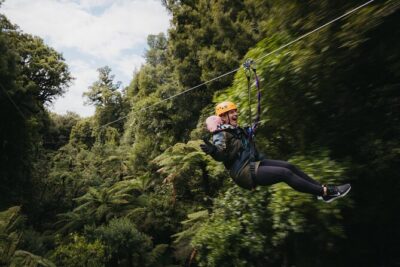
Rotorua Canopy Tours: 2.5Hour Native Forest Zipline Adventure
Read our review →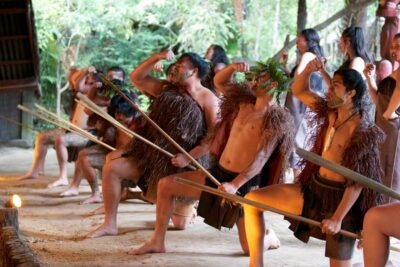
Mitai Maori Village: Cultural Experience and Dinner Buffet
Read our review →
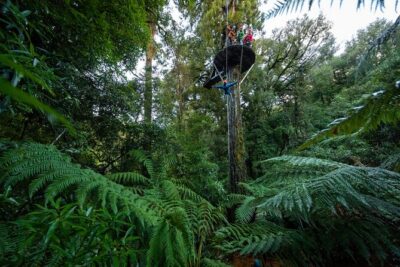
Rotorua’s Ultimate Zipline: 6 ziplines, 400 m Tandem, Cliff Walk
Read our review →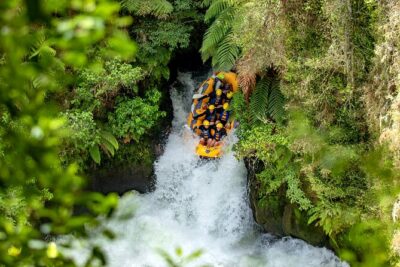
Rotorua Rafting: Kaituna River White Water Rafting & Free Sauna
Read our review →
Cultural Experience & Seasonal Māori Cuisine at Te Pā Tū
Read our review →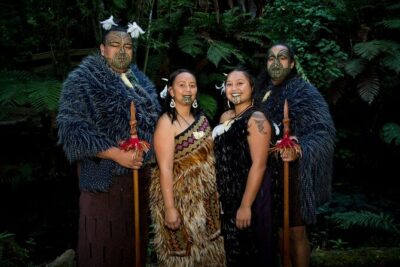
Mitai Maori Village Cultural Experience in Rotorua
Read our review →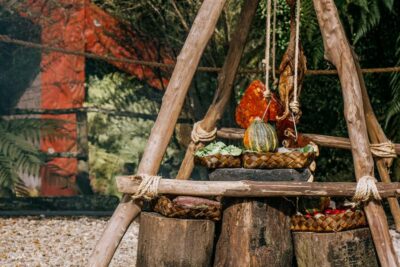
Te Pa Tu Māori Cultural Experience with Dinner
Read our review →Browse the lists this tour appears in