
Reviewed · ROTORUA TOURS
Te Puia: Te Rā Guided Experience
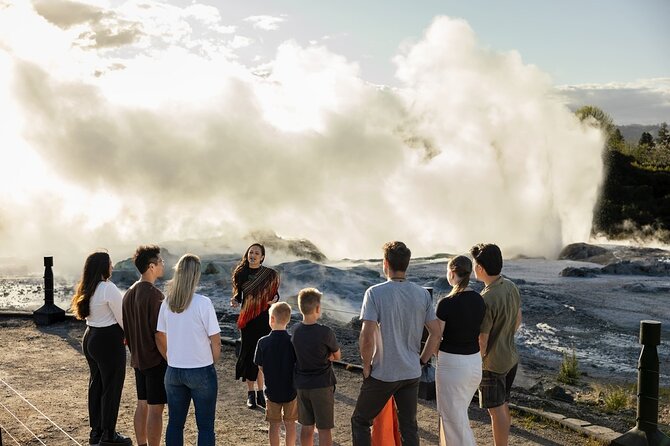
Rotorua’s earth puts on the first show at Te Puia. Steam rises from vents, mud bubbles like porridge, and Pōhutu Geyser can shoot 30 metres into the air. Alongside the geothermal spectacle, you’ll visit a living Māori arts centre and hear stories from a Māori guide.
I like the mix of geothermal power and Māori culture, since you get more than a quick stop at a geyser. I also like the chance to see a kiwi in the nocturnal kiwi house, then watch carvers and weavers practise skills taught through generations.
The main caution is that the quality of the guided portion can depend on your guide and the size of your group. Some tours move briskly, and the basic visit may feel light on detail if you want a long, formal lesson in Māori culture.
Key points to know before you go
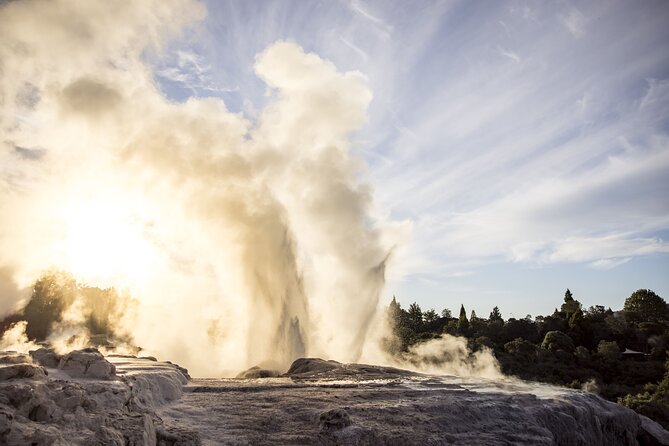
- Pōhutu Geyser can erupt up to 20 times a day, but no geothermal display is perfectly timed for your walk.
- The 90-minute tour combines nature and culture, with geothermal trails, the kiwi centre, Māori arts schools, and a marae.
- Guides make a real difference, with guides such as Rebecca, Ivy, and Buster praised for lively explanations and local stories.
- You can add a Māori performance, including ceremonial welcome, hongi, poi, stick games, weaponry displays, and haka.
- The group may reach 36 people, so staying close to the guide matters if you want to hear every explanation.
- The $62.06 price includes entry and a professional guide, but not food, drinks, or transport to Te Puia.
Why Te Puia gives Rotorua a strong first impression
Te Puia sits in the Whakarewarewa Thermal Valley, where Rotorua’s volcanic activity is impossible to ignore. The ground steams, pools boil, and the smell of sulphur follows you through parts of the site. It is not a polished theme park version of geothermal New Zealand. The heat and fumes are part of the experience.
The visit also shows how closely Māori life is tied to this land. Te Puia includes the New Zealand Māori Arts and Crafts Institute, where you can see wood, bone, and greenstone carving, along with flax weaving. These are not simply displays behind glass. You may see artists and students working in the craft schools.
That pairing is the reason I would choose Te Puia over a geothermal stop alone. You get the big natural sights, but you also gain some context about Rotorua’s Māori communities, settlement, legends, architecture, and traditions.
The advertised visit lasts about one hour and 30 minutes. That is enough for a useful introduction, but not enough to study every trail, workshop, and geothermal feature at a leisurely pace. If you like to stop often for photographs, you may feel hurried during the guided walk.
More Maori Experiences in Rotorua
- Mitai Maori Village: Cultural Experience and Dinner Buffet
★ 4.7 · 3,575 reviews - Cultural Experience & Seasonal Māori Cuisine at Te Pā Tū
★ 5.0 · 1,546 reviews - Mitai Maori Village Cultural Experience in Rotorua
★ 4.5 · 1,294 reviews
Meeting your Māori guide at the arts institute
You begin at Te Puia, on Hemo Road in Whakarewarewa, Rotorua. There is no hotel pickup or drop-off, so you need to make your own way to the entrance. The site is near public transport, and the activity finishes back at the same meeting point.
The guided format is valuable when it works well. A local Māori guide can explain the stories and meanings behind the place in a way that a printed map cannot. Guides such as Rebecca have been singled out for clear explanations, while Ivy and Buster have been praised for making the 90-minute visit both informative and personable.
Still, you should keep your expectations realistic. This is a moving group tour, not a private conversation with a cultural historian. Some guides may offer a full stream of stories and explanations, while others may keep the commentary brief. A few people have found that guides walked ahead, spoke too softly, or gave too little information. Stay near the guide and ask questions early, especially if the group begins to spread out.
Group size can reach 36 people, although some departures may be smaller. A large group can make it harder to hear and can limit how long you look through the kiwi viewing windows. If cultural explanation is your main reason for booking, the guide will shape much of your experience.
Walking through Whakarewarewa’s geothermal valley
The geothermal walk is the visual centre of the visit. You pass steaming springs, hot vents, bubbling mud pools, and other signs of volcanic activity. The mud pools are particularly memorable because they move constantly, with thick grey-brown bubbles rising and collapsing in uneven bursts.
Then comes Pōhutu Geyser, the best-known feature at Te Puia. It reaches about 100 feet, or 30 metres, and can erupt as many as 20 times in one day. That frequency gives you a good chance of seeing activity, but it is not a guarantee at the exact moment you arrive.
Some people get lucky and see several geysers erupt during their visit. Others arrive when the main geyser is quiet. That uncertainty matters because the geysers are a major part of the ticket’s appeal. I would treat an eruption as a bonus rather than a promise, and allow time to return to the viewing area after the guided portion if the site permits you to linger.
The geothermal valley is more than a photo stop. Your guide may explain how the heat affects the ground and why the area has such importance in Māori life. But the depth of that explanation varies. If you want to examine the pools closely or wait for a geyser, you may prefer to spend extra time walking independently after the formal tour.
Wear shoes suitable for a walking path and bring protection from sun or rain. The supplied details do not specify the exact distance or surface, so anyone with mobility concerns should check directly with Te Puia before booking. Most people can take part, and service animals are allowed.
A rare look at New Zealand’s kiwi
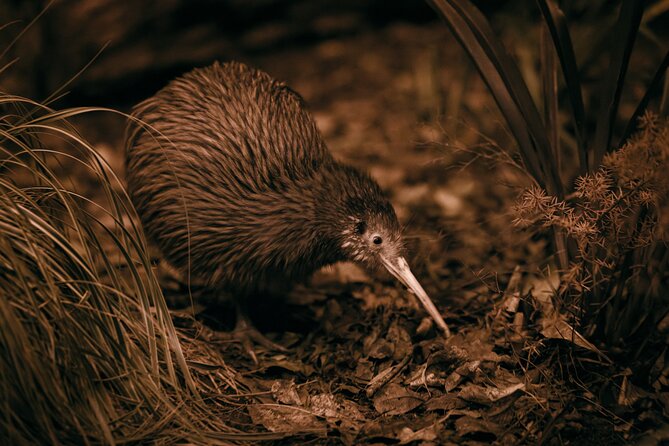
The nocturnal kiwi house gives you a chance to see New Zealand’s national emblem in a protected setting. The birds are kept in conditions suited to their night-active habits, so the viewing area is darker than the rest of the centre.
Seeing a kiwi is one of the tour’s most distinctive features. You are not simply looking at a carving or souvenir image of the bird. You may catch one moving around and searching for food, though the viewing time can be short when a group is passing through.
This is where group size and tour pace matter most. You may have only a limited time at the windows before the guide moves everyone along. If the kiwi is your priority, listen for the instructions and stay ready when you enter the enclosure. You can also ask whether there is time to revisit the centre after the guided walk.
The kiwi conservation centre adds a useful conservation angle to the visit. It also breaks up the geothermal walk, giving you a quiet indoor stop between the steam, sulphur, and open paths.
Somewhere else in Rotorua entirely:
- Rotorua Canopy Tours: 2.5Hour Native Forest Zipline Adventure
★ 5.0 · 4,563 reviews - Rotorua: Wai-O-Tapu Geothermal Park Entry Ticket
★ 4.6 · 2,601 reviews - Rotorua’s Ultimate Zipline: 6 ziplines, 400 m Tandem, Cliff Walk
★ 5.0 · 2,557 reviews - Rotorua Rafting: Kaituna River White Water Rafting & Free Sauna
★ 5.0 · 1,952 reviews
Māori carving, flax weaving, and the marae
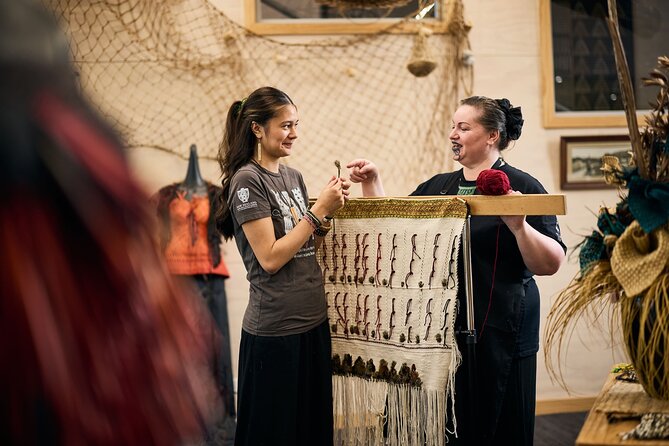
The New Zealand Māori Arts and Crafts Institute is the cultural heart of Te Puia. You can observe woodcarvers, bone and greenstone carvers, and people trained in the intricate art of weaving flax.
These workshops help you understand the time and skill behind objects that might otherwise look like attractive souvenirs. A carved piece can take considerable time to complete, and the patterns carry cultural meaning. The visit is brief, but watching the artists work makes the cultural material feel practical and present rather than frozen in the past.
You also enter a marae, a Māori meeting place. The architecture and setting connect the craft work with wider Māori customs, community life, and ceremonial practice. The guide may introduce legends and explain Māori settlement in Rotorua, giving you a basic framework for understanding what you see.
The standard experience does not promise a full cultural performance. Some departures may include a greeting or a brief demonstration, but the structured song-and-dance show is an optional upgrade. Keep that distinction in mind when comparing ticket choices.
For me, this part of Te Puia justifies the cultural focus of the tour. If you only want geysers and mud pools, a geothermal park with self-guided paths may suit you better. If you want to connect the natural setting with Māori traditions and craft, Te Puia offers a broader visit.
The optional Māori song and dance performance
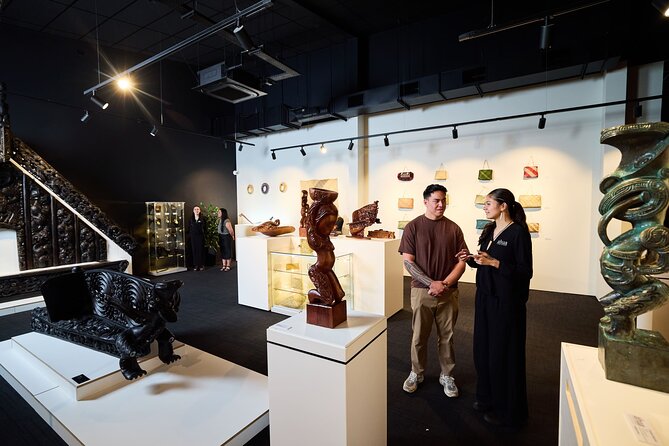
The upgraded performance begins with a ceremonial welcome at the marae. It may include a hongi, the traditional nose-to-nose greeting, followed by displays of weaponry, poi dances, stick games, and the haka.
The haka is the most familiar element to many people, but the whole performance provides more context than a single war dance. Song, movement, objects, and ceremony work together to show different parts of Māori culture. Families may find this especially engaging, and children often respond to the strong rhythm and movement.
Showtimes take place several times during the day, subject to the admission schedule. Check the timing when you arrive so the performance does not conflict with your guided walk or other plans.
I would add the performance if this is your main chance to see Māori song and dance in Rotorua. If you have already booked a longer evening cultural show and dinner, you may prefer to keep this visit focused on the geothermal valley, kiwi centre, and craft schools.
Is $62.06 good value for 90 minutes?
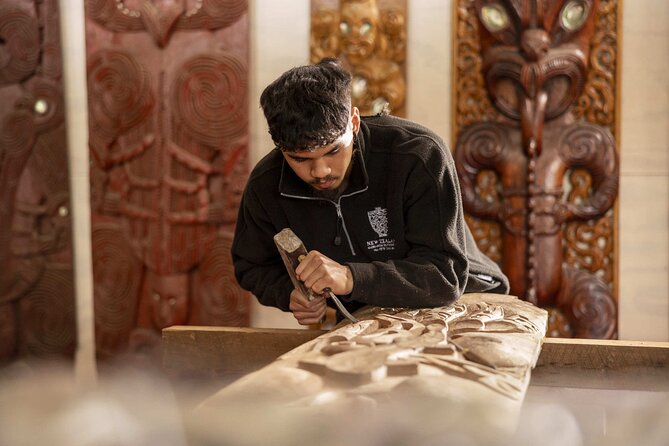
At $62.06 per person, this is not the cheapest way to see Rotorua’s geothermal features. You are paying for entry to Te Puia, a professional guide, the geothermal valley, the kiwi conservation centre, and access to the Māori arts and crafts facilities.
The value depends on what you want from the day. For geysers alone, the price may feel high, especially if Pōhutu is quiet during your visit or the guided walk moves too fast. Several people have preferred the freedom of a self-guided visit, particularly because they wanted more time at the mud pools and geyser viewpoints.
For a combined nature and culture experience, the price is easier to justify. You do not need to arrange separate visits to a geothermal area, a kiwi centre, and Māori craft workshops. The guide also gives the site a human voice, though the quality of that commentary is not guaranteed to be consistent.
Food and drinks are not included. The site has a café, and the Oha Store offers locally made taonga, or treasured objects, along with other handcrafted goods. You should budget extra time and money if browsing the shop is part of your plan.
How to get the most from the visit
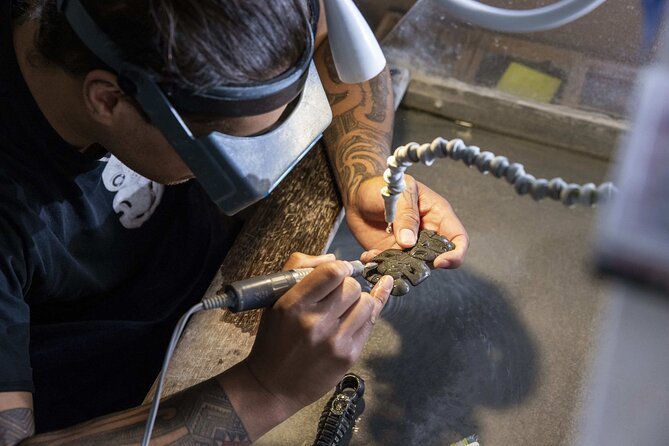
Arrive ready to stay beyond the official 90 minutes if the site allows it. The guided route gives you an overview, but the extra time lets you revisit the geyser area, spend longer near the mud pools, or return to the kiwi viewing centre.
Keep close to the guide, particularly in a group of up to 36 people. If you cannot hear, say so politely rather than waiting until the group has moved on. Ask about the next geyser viewing opportunity and the best time for the cultural performance.
If you are choosing between the basic entry and the upgraded option, decide what matters most:
- Choose the basic experience if geysers, mud pools, kiwi, and craft schools are your priorities.
- Add the performance if you want a formal introduction to Māori song, dance, ceremony, and haka.
- Allow extra time if you want to browse the Oha Store or revisit parts of the site.
- Do not book solely on the promise of a geyser eruption at your exact tour time.
- Consider a different geothermal attraction if you prefer a quiet, self-paced walk with minimal cultural programming.
The tour is suitable for most people, and service animals are permitted. Confirmation is sent within 48 hours, subject to availability. You can cancel for a full refund up to 24 hours before the start time, but changes or cancellations inside that window are not accepted.
Who should book Te Puia?
I would recommend Te Puia to anyone visiting Rotorua for the first time who wants one organized introduction to geothermal activity and Māori culture. It works particularly well for families, first-time visitors to New Zealand, and people who value a guide’s stories as much as the scenery.
I would be more cautious if you want a slow botanical or geological walk, detailed commentary at every geothermal feature, or complete control over your timing. The basic tour can feel rushed, and the guide you receive may be the deciding factor.
Book it if you want Pōhutu Geyser, kiwi, carving, weaving, and Māori culture in one stop. Add the performance if song and dance are important to you. If the natural features are your only goal, compare the price and walking freedom with Rotorua’s other geothermal sites before committing.
FAQ
Where does the Te Puia guided experience begin?
It begins at Te Puia on Hemo Road, Whakarewarewa, Rotorua 3010, New Zealand.
Where does the tour finish?
The activity ends back at the Te Puia meeting point.
How long does the experience last?
The guided experience lasts approximately one hour and 30 minutes.
What is included in the ticket?
The ticket includes a professional guide, entry to the geothermal valley, the kiwi conservation centre, the Māori carving and flax weaving schools, a marae, and the Māori Arts and Crafts Institute.
Is hotel transportation included?
No. Hotel pickup and drop-off are not included, so you must make your own way to Te Puia.
Can I see Pōhutu Geyser erupt?
Pōhutu Geyser can erupt up to 20 times a day, but an eruption is not guaranteed at the exact time of your visit.
How high can Pōhutu Geyser erupt?
Pōhutu Geyser can reach about 100 feet, or 30 metres.
Is a Māori cultural performance included?
The standard daytime experience does not include the optional Māori cultural performance. You can upgrade to include song, dance, poi, stick games, weaponry displays, a hongi, and haka.
How large can the tour group be?
The activity can have a maximum of 36 travelers.
Can I cancel for a refund?
Yes. You can cancel at least 24 hours before the start time for a full refund. Cancellations or changes made less than 24 hours before the start time are not accepted for a refund.
Newly listed around Rotorua
- Rotorua: White Island, Mount Tarawera & Waimangu Volcanic …★ 4.4 · 5 reviews
- Whirinaki Forest Footsteps: Māori Guided Tour, Picnic & Transfer★ 5.0 · 5 reviews
- Rotorua: Lake View Private Pools Experience★ 4.3 · 6 reviews
- Rotorua: Floatplane Flight with Orakei Korako Landing★ 5.0 · 6 reviews
- Raceline Karting at Off Road NZ★ 5.0 · 6 reviews
- Epic Tandem Kayak Tour down the Kaituna River Waterfalls★ 5.0 · 6 reviews
- Rotorua: Evening Starlight Gourmet Kayak Tour with dinner★ 5.0 · 6 reviews
- From Rotorua: Whirinaki Rainforest Guided Cultural Tour★ 5.0 · 6 reviews
Rotorua Tours, compared.
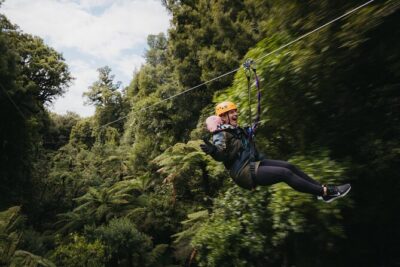
Rotorua Canopy Tours: 2.5Hour Native Forest Zipline Adventure
Read our review →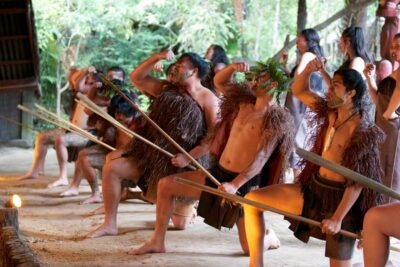
Mitai Maori Village: Cultural Experience and Dinner Buffet
Read our review →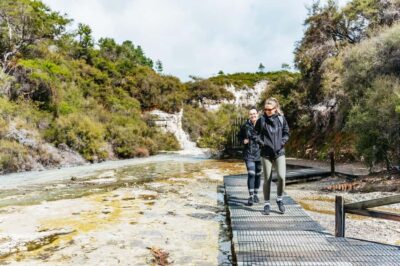
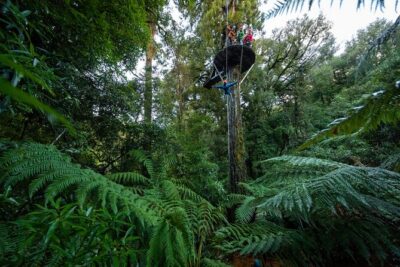
Rotorua’s Ultimate Zipline: 6 ziplines, 400 m Tandem, Cliff Walk
Read our review →
Rotorua Rafting: Kaituna River White Water Rafting & Free Sauna
Read our review →
Cultural Experience & Seasonal Māori Cuisine at Te Pā Tū
Read our review →
Mitai Maori Village Cultural Experience in Rotorua
Read our review →
Te Pa Tu Māori Cultural Experience with Dinner
Read our review →Browse the lists this tour appears in