
Reviewed · ROTORUA TOURS
Rotorua: Whakarewarewa Village Guided Tour
Whakarewarewa is a living Māori village built around a dramatic geothermal field. You’ll see boiling pools, steam vents, silica formations, and the famous Pōhutu geyser while learning how local families use the heat for cooking, bathing, and warmth.
I like the family connection behind the guiding. Guides such as Daniel, Faye, and Teeao explain the village as people who know its customs and daily life from the inside, not as a display assembled for tourists. I also like the simple, memorable taste of corn cooked in a hot mineral pool right before you eat it.
The main consideration is time. One hour gives you a lively introduction, but not a slow, all-day exploration. The tour is outdoors in every kind of weather, and you may see the geysers clearly while missing some bubbling mud on another day.
Key points to know before you go
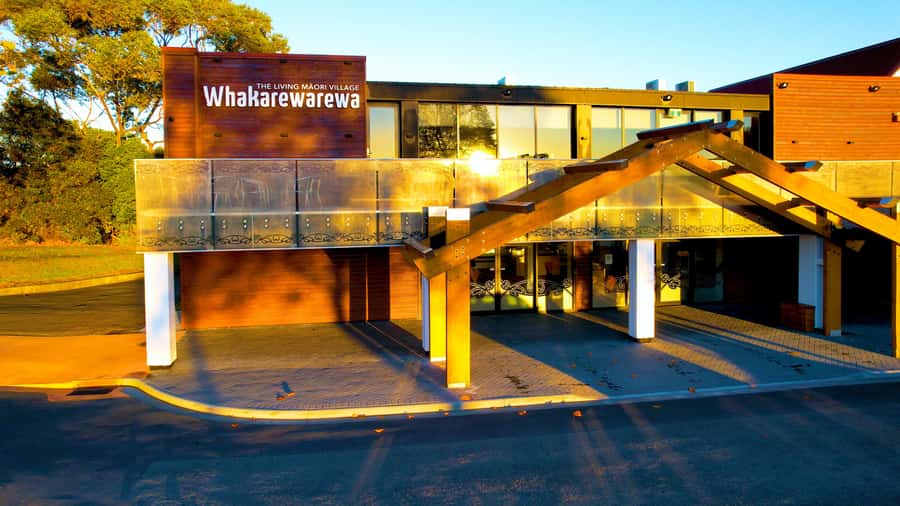
- A living Māori village: Whakarewarewa is still a home and community, not only a heritage site.
- Guides with family ties: Guides including Daniel, Faye, and Teeao bring personal knowledge and a strong sense of cultural pride.
- Geothermal life in action: See how hot pools and steam vents support cooking, bathing, and heating.
- Pōhutu geyser views: Lookouts give you broad views across the geothermal valley.
- A small edible extra: Corn cooked in the village’s thermal water is included with admission.
- Short but useful: The guided walk lasts one hour, making it easy to fit into a busy Rotorua day.
Entering Whakarewarewa, Rotorua’s geothermal Māori village
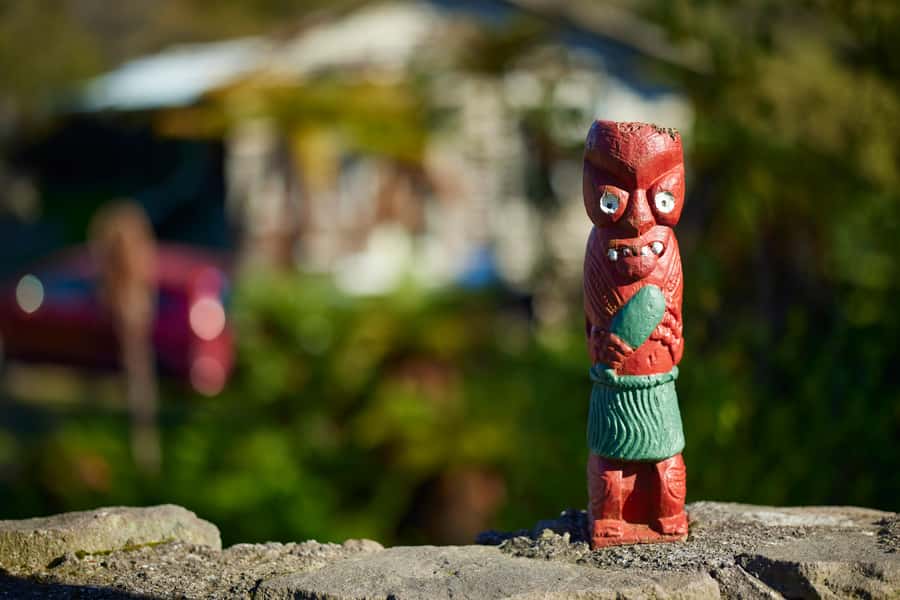
The first thing to understand is that Whakarewarewa is not simply a collection of old buildings beside a hot spring. It is a living Māori village where natural geothermal heat remains part of ordinary life.
That distinction gives the visit its real value. You are not only looking at steam and boiling water. You are seeing how people have adapted to a difficult but useful setting, where the ground can cook dinner, heat a home, and provide warm water for bathing.
The village sits within the Whakarewarewa Geothermal Valley, one of Rotorua’s most striking areas. Steam rises from vents, mud and water bubble below ground, and pale silica deposits form around the hot water. You need to pay attention to the paths and follow safety instructions, since this is an active geothermal area rather than a decorative park.
Your meeting point is the Geyser Café. Arrive 15 minutes before departure and exchange your voucher at the admissions building. That small extra margin matters because the guided walk begins with a brief safety talk and the group then heads into the village.
A few more Rotorua days to compare
- Rotorua Canopy Tours: 2.5Hour Native Forest Zipline Adventure
★ 5.0 · 4,563 reviews - Mitai Maori Village: Cultural Experience and Dinner Buffet
★ 4.7 · 3,575 reviews - Rotorua: Wai-O-Tapu Geothermal Park Entry Ticket
★ 4.6 · 2,601 reviews
A one-hour walk with a personal guide
The tour is led in English, and the guide is central to the experience. The strongest part of the visit is not simply seeing a hot pool. It is hearing what that pool means in village life.
The guides are direct descendants of Māori guides who helped introduce visitors to New Zealand over many generations. That connection is especially useful here because the tour covers both visible attractions and customs that are easy to misunderstand from a distance.
Guides such as Daniel have been praised for energy, humor, clear explanations, and a willingness to answer questions. Faye has been described as warm and funny, with the advantage of still living in the village. Teeao has been noted for careful, thorough explanations, while another young guide described in the feedback was only 19 and already a family chief.
You should not expect every group to have the same guide or hear exactly the same stories. That is part of the character of a guide-led visit. Some people have found the presentation highly interactive, while others wished they had heard more of the village’s history or had time to meet a local family.
The hour moves at a practical pace. You will stop often enough to hear explanations, see geothermal features, and look across the valley, but this is not a long walking excursion. Comfortable shoes are still important because the tour takes place outdoors.
Geothermal cooking, bathing, and heating
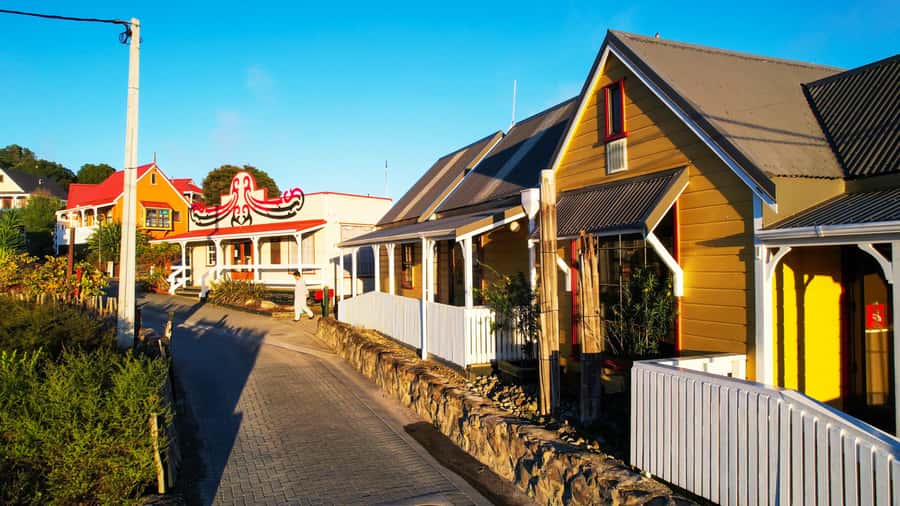
One of the most useful ideas you take away from Whakarewarewa is that geothermal activity is not just scenery. It shapes the rhythm of the village.
You’ll hear how bubbling pools and steam vents can be used for cooking. Corn on the cob is included, and it is cooked in the village’s hot mineral water. In some tour groups, the guide pulls the corn from the pool in front of you before serving it. It is a modest treat, but it turns an abstract explanation into something you can see, smell, and taste.
The corn also gives the hour a welcome break from facts. The tour is packed with cultural and environmental information, so this hands-on moment helps make the experience easier to remember. Do not book the tour solely for the snack, but do count it as a charming bonus included in the $28 price.
The geothermal waters also have a role in bathing. The village uses warm, therapeutic pools, and you’ll learn how bathing in this setting differs from the ordinary household routine most visitors know. The point is not simply that the water is hot. It is that the community has developed practical ways to live with a powerful natural force.
The same applies to heating. Daily life on the geothermal plateau has challenges, but the underground heat offers useful resources. The guide’s explanation connects the steaming ground to homes, food, washing, and community life.
Pōhutu geyser and the best valley views
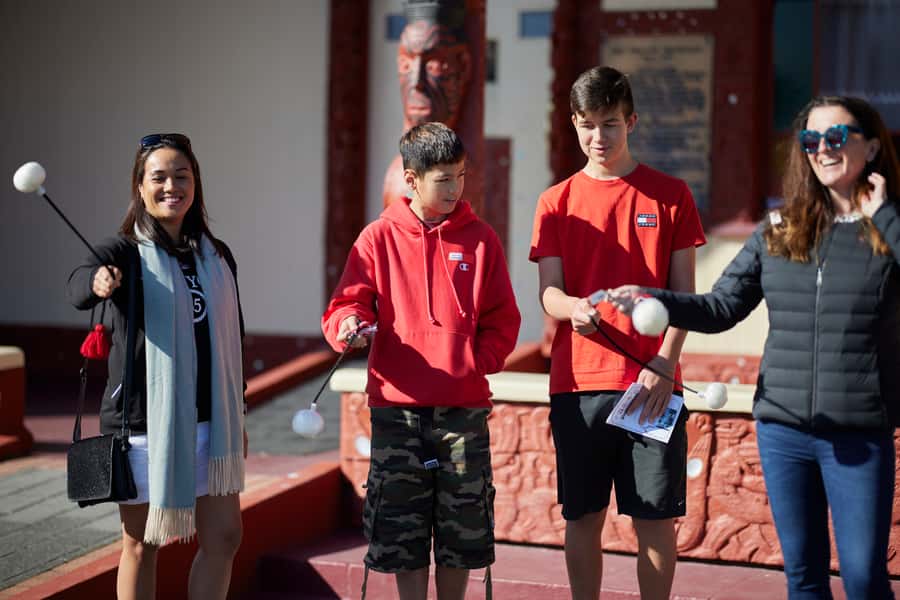
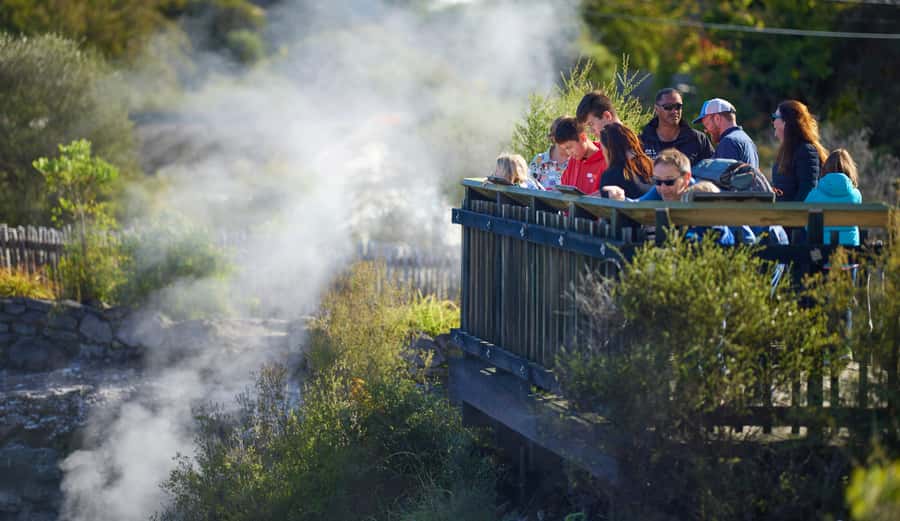
The geothermal sights are the visual heart of the tour. At the lookouts, you can see across the geyser area and watch steam rise from the valley.
Pōhutu is the star. It is world-famous, and the views from Whakarewarewa can be excellent. The broad outlook helps you understand how much geothermal activity surrounds the village, rather than reducing the experience to one pool or one eruption.
The weather affects the view. Steam can drift across the valley, and changing conditions may make some features easier or harder to see. That is normal in an active geothermal area, not a fault with the tour.
Some visitors compare these views with those at Te Puia, another major Rotorua geothermal attraction. The trade-off is simple: Te Puia can bring you closer to the geysers, while Whakarewarewa offers a useful lookout perspective and the added context of a living village. If your priority is the closest possible geyser view, compare the two sites before booking. If you want geothermal scenery tied directly to Māori village life, this tour has the stronger focus.
You may see Pōhutu erupting during your hour, but the experience is not built around a guaranteed performance. The guide covers the wider geothermal area, including boiling pools, steam vents, mud pools, and silica formations.
Somewhere else in Rotorua entirely:
- Rotorua’s Ultimate Zipline: 6 ziplines, 400 m Tandem, Cliff Walk
★ 5.0 · 2,557 reviews - Rotorua Rafting: Kaituna River White Water Rafting & Free Sauna
★ 5.0 · 1,952 reviews - Cultural Experience & Seasonal Māori Cuisine at Te Pā Tū
★ 5.0 · 1,546 reviews - Mitai Maori Village Cultural Experience in Rotorua
★ 4.5 · 1,294 reviews
Silica, boiling pools, and steam vents
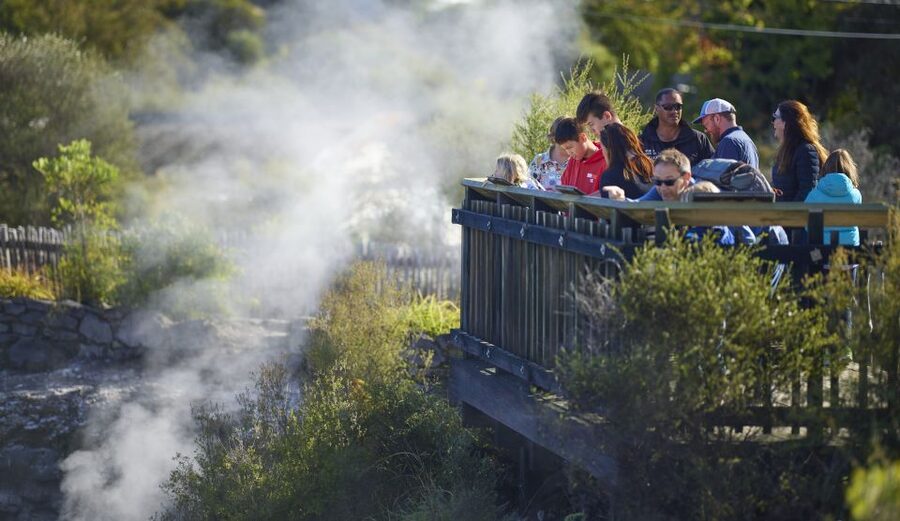
The pale silica formations are easy to underestimate until you see how they contrast with the dark water, greenish pools, and drifting steam. These deposits form where mineral-laden water has moved across the ground and left material behind.
Your guide helps you read the scene. Without explanations, a silica shelf may look like an unusual rock. With context, you begin to notice the connection between water, heat, minerals, and the village’s long use of this place.
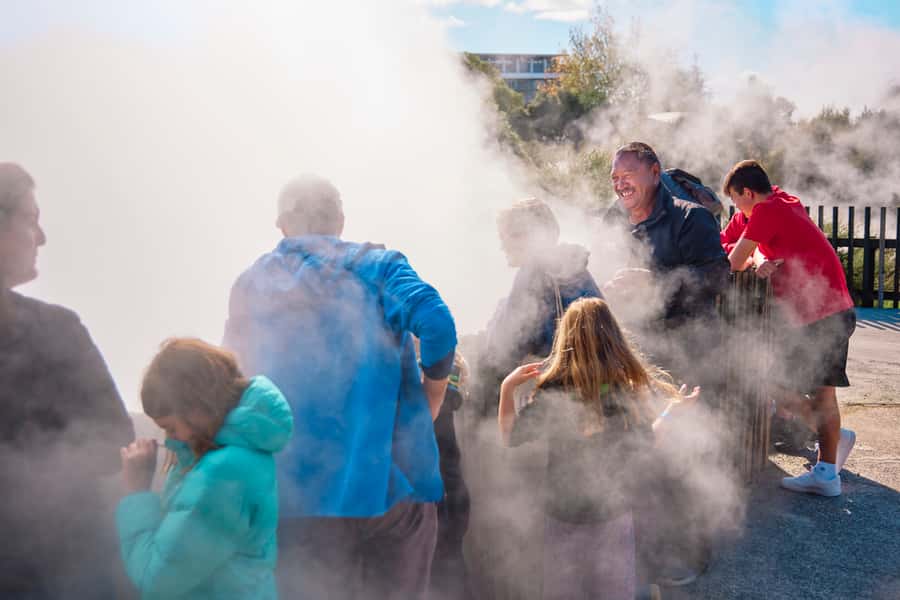
Boiling pools and steam vents bring a clear safety lesson. Keep to the marked route and listen during the opening briefing. The tour is wheelchair accessible, but the experience remains outdoors and conditions underfoot or overhead weather can affect comfort.
One useful warning is that geothermal activity varies from one visit to another. A guide may point out several mud pools, but you should not assume every feature will be visibly boiling at the time you arrive. One person’s only disappointment was not seeing boiling mud, while others found the geyser views more than made up for it.
That variability is worth accepting. You are seeing a natural system, not a stage show with every effect timed for your arrival.
Marae, memorials, churches, and sacred ground
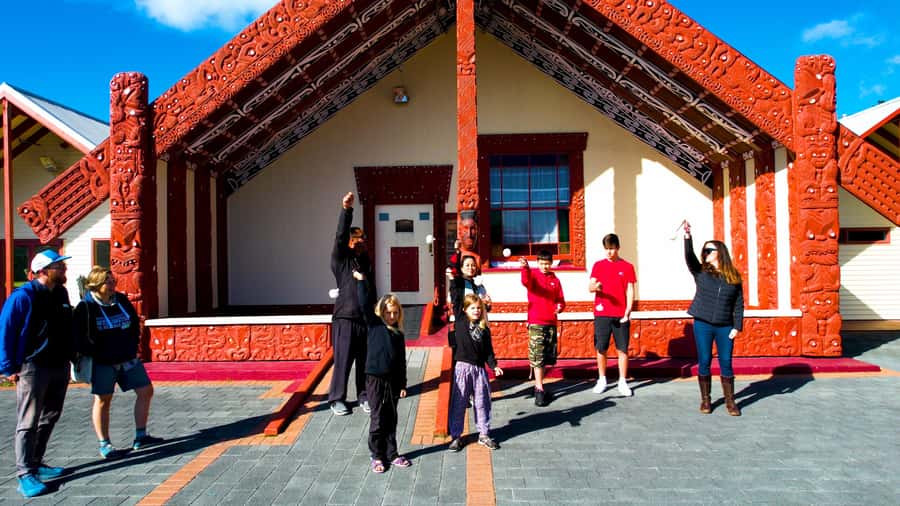
The walking route also includes important cultural and historic places inside the village. You’ll see an active marae, the meeting ground and focal point of Māori communities.
The marae is more than a photo stop. It helps explain how community life is organized and why shared spaces matter. Your guide can add meaning that you would miss by looking at the buildings alone.
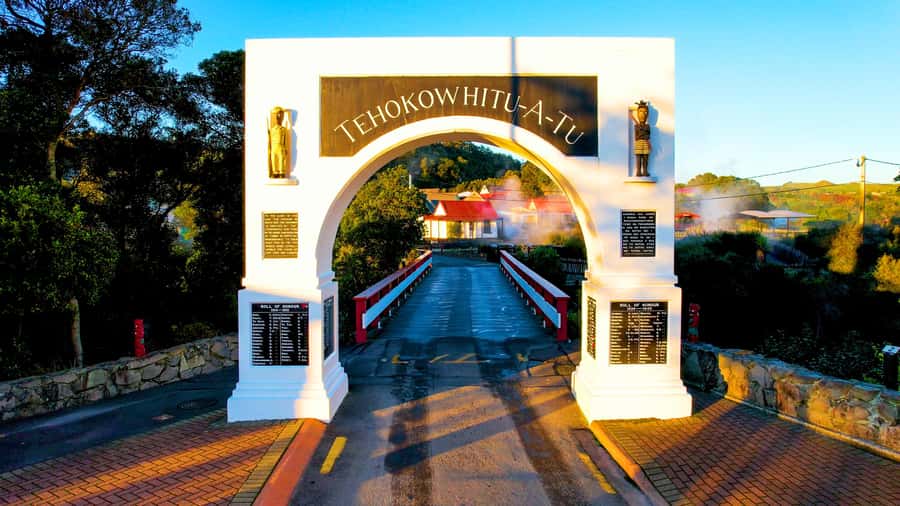
The route also passes the WWII Memorial Archway, historic churches, and tapu burial grounds. Tapu means sacred, and this part of the visit calls for respect. Treat the area as a community with living customs, not as an open-air museum where every object is simply there for close inspection.
The churches and memorial offer another useful layer. Whakarewarewa is not frozen in one period of Māori life. The village reflects family, faith, war service, tourism, and adaptation alongside geothermal traditions.
This is where a good guide makes a real difference. Several guides have been praised for explaining Māori family life, heritage, and customs with pride and humor. You’ll get more from the route if you ask respectful questions rather than rushing from one hot pool to the next.
What the $28 price really covers
At $28 per person, the tour is fairly priced for a one-hour guided visit, particularly because admission, the guide, and the corn tasting are included.
The value comes from the combination. A self-guided look at geothermal features could show you steam and hot water, but it would not explain how the village uses those resources or why the marae, memorial, churches, and burial grounds matter.
The one-hour length keeps the cost and time commitment manageable. You can place it between other Rotorua activities without giving up an entire morning or afternoon. The drawback is that $28 buys an introduction rather than an extended cultural program.
Some groups have also paired the tour with a Māori performance. A dance show is not part of the basic guided tour, so check the exact option you are booking if that matters to you. The guided walk itself focuses on the village, geothermal features, and cultural explanation.
For families, the corn and geysers add immediate interest, while the guide’s stories give adults more to think about. For a first visit to Rotorua, it is a sensible way to connect the region’s geothermal activity with Māori life rather than treating the two as separate subjects.
Weather, access, and practical preparation
This tour operates outdoors in all weather. Bring comfortable shoes, a camera, and clothing suited to the forecast. A face mask or protective covering is listed among the suggested items, although one earlier visitor noted that mask requirements were not being enforced at that time.
The tour is wheelchair accessible. Still, accessibility in an active geothermal area can depend on conditions and the exact route used on the day, so you should raise any specific needs with the provider before arrival.
Arrive 15 minutes early at the Geyser Café area. You must exchange your voucher at the admissions building before joining the tour, so arriving at the starting point just before departure is not a good plan.
The tour is conducted in English. If you need another language, the provided information does not indicate that one is available.
Cancellation is flexible: you can cancel up to 24 hours before the start for a full refund. You can also reserve now and pay later, which is useful when you are arranging a Rotorua schedule around weather and other geothermal visits.
Who will enjoy this Whakarewarewa experience
I would choose this tour if you want a compact introduction to Māori culture, village life, and geothermal activity in one place. It suits first-time visitors who want a guide to explain what they are seeing, rather than simply walking around a hot-spring area alone.
It is also a good choice for families and mixed-age groups. The walk is short, the stories are easy to follow, and the hot corn gives younger visitors something concrete to enjoy. The geyser lookouts and steam vents keep the setting visually engaging.
You should think twice if you want a long, quiet visit with lots of independent time. The guided hour moves along, and the cultural content depends heavily on the guide and the questions your group asks.
You may also prefer another Rotorua attraction if your sole goal is close-up geothermal viewing or an extensive Māori performance program. Whakarewarewa’s strength is the link between an active community and the natural heat beneath it.
Should you book the Whakarewarewa Village tour?
Yes, if you want to understand how geothermal resources shape Māori village life. The best reasons to book are the personal style of guides such as Daniel and Faye, the views toward Pōhutu, the active community spaces, and the chance to eat corn cooked in the village’s mineral water.
Keep your expectations realistic. The tour lasts only one hour, some geothermal features may be hidden by steam or inactive at that moment, and a dance performance requires a separate booking. For $28, though, you get more than a quick look at hot pools. You get a clear, human explanation of why this particular place is home.
FAQ
How long does the Whakarewarewa Village guided tour last?
The guided tour lasts one hour. It begins with a safety briefing of about five minutes.
How much does the tour cost?
The listed price is $28 per person. Admission, the guided tour, and corn cooked in the village’s geothermal water are included.
Where does the tour begin?
The starting location is the Geyser Café. You must exchange your voucher at the admissions building before the tour begins.
How early should I arrive?
Arrive 15 minutes before the scheduled start time. This allows time to exchange your voucher and join the group for the safety briefing.
Is the tour available in languages other than English?
The tour is conducted in English with a live English-speaking guide. No other language is listed.
Is the tour wheelchair accessible?
Yes, the activity is listed as wheelchair accessible. It is also an outdoor tour, so you should consider weather and conditions when planning your visit.
What should I bring?
Bring comfortable shoes, a camera, and a face mask or protective covering. The tour operates outdoors in all weather conditions.
Newly listed around Rotorua
- Rotorua: White Island, Mount Tarawera & Waimangu Volcanic …★ 4.4 · 5 reviews
- Whirinaki Forest Footsteps: Māori Guided Tour, Picnic & Transfer★ 5.0 · 5 reviews
- Rotorua: Lake View Private Pools Experience★ 4.3 · 6 reviews
- Rotorua: Floatplane Flight with Orakei Korako Landing★ 5.0 · 6 reviews
- Raceline Karting at Off Road NZ★ 5.0 · 6 reviews
- Epic Tandem Kayak Tour down the Kaituna River Waterfalls★ 5.0 · 6 reviews
- From Rotorua: Whirinaki Rainforest Guided Cultural Tour★ 5.0 · 6 reviews
- Rotorua: Evening Starlight Gourmet Kayak Tour with dinner★ 5.0 · 6 reviews
Rotorua Tours, compared.
Rotorua Canopy Tours: 2.5Hour Native Forest Zipline Adventure
Read our review →
Mitai Maori Village: Cultural Experience and Dinner Buffet
Read our review →
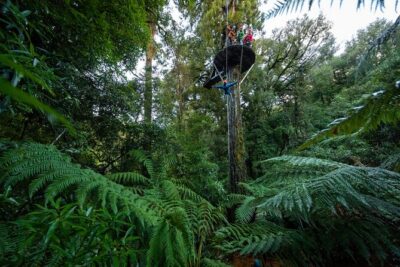
Rotorua’s Ultimate Zipline: 6 ziplines, 400 m Tandem, Cliff Walk
Read our review →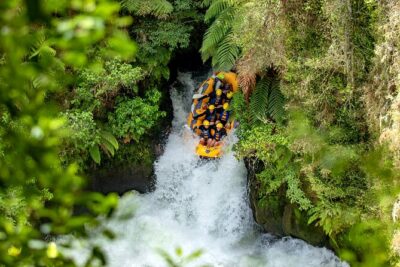
Rotorua Rafting: Kaituna River White Water Rafting & Free Sauna
Read our review →
Cultural Experience & Seasonal Māori Cuisine at Te Pā Tū
Read our review →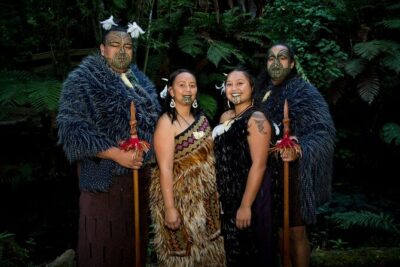
Mitai Maori Village Cultural Experience in Rotorua
Read our review →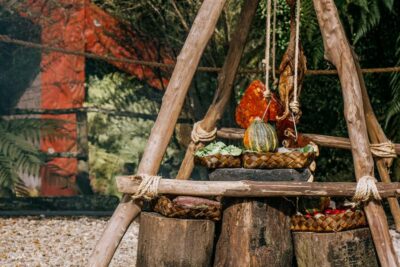
Te Pa Tu Māori Cultural Experience with Dinner
Read our review →Browse the lists this tour appears in