
Reviewed · ROTORUA TOURS
Rotorua: The National Kiwi Hatchery Kiwi Encounter Tour
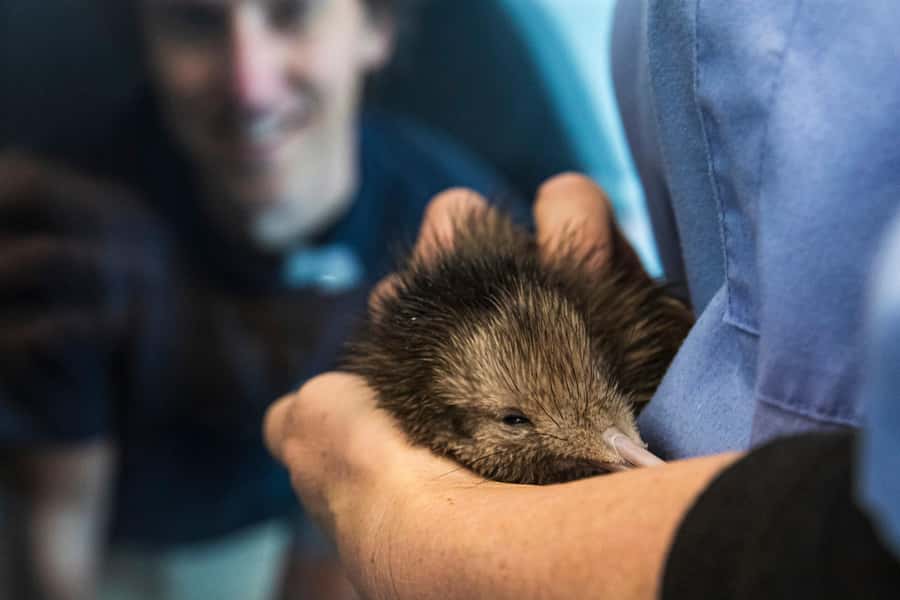
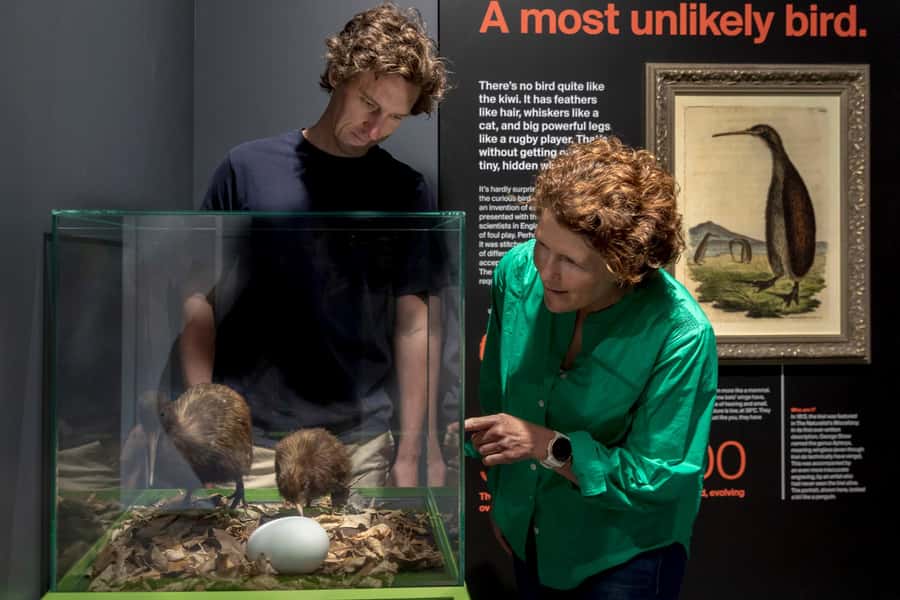
The most remarkable part of Rotorua’s National Kiwi Hatchery tour is that you are not simply looking at a kiwi behind glass. You are seeing the careful work that gives endangered birds a better chance in the wild, from egg incubation to chick health checks and early feeding. In hatching season, you might even see a kiwi only hours old.
I like two things right away: every dollar of the $44 ticket supports the hatchery, and the one-hour tour gives you a clear look at real conservation work rather than a general wildlife display. Guides such as Mya, Nico, Kai, Teresa, and Max have been praised for combining solid facts with warmth and humor. The main consideration is simple: kiwi sightings and newborn chicks cannot be guaranteed, and photography is not allowed.
Key points to know before you go
- Newborn kiwi are possible from September through March: This is the best season for eggs, chicks, feeding, and health checks.
- Adult kiwi can be seen all year: Outside hatching season, you can watch resident birds forage in the Nocturnal House.
- The tour lasts one focused hour: It works well beside other Rotorua activities, but the schedule is set, so arrive 15 minutes early.
- Your ticket has a direct conservation purpose: The hatchery is a charitable, not-for-profit trust, and ticket income goes back into the kiwi program.
- The Agrodome transfer is part of the visit: A shuttle takes you from the check-in area across the property to the hatchery buildings.
- Children under five cannot enter: This rule protects the birds and is important for families planning their day.
Why the National Kiwi Hatchery matters
The kiwi is New Zealand’s national icon, but seeing one in the wild is difficult. These birds are nocturnal, secretive, and under pressure from introduced predators and habitat loss. A wildlife park can show you a kiwi. This tour explains why the bird needs help and what that help looks like in practice.
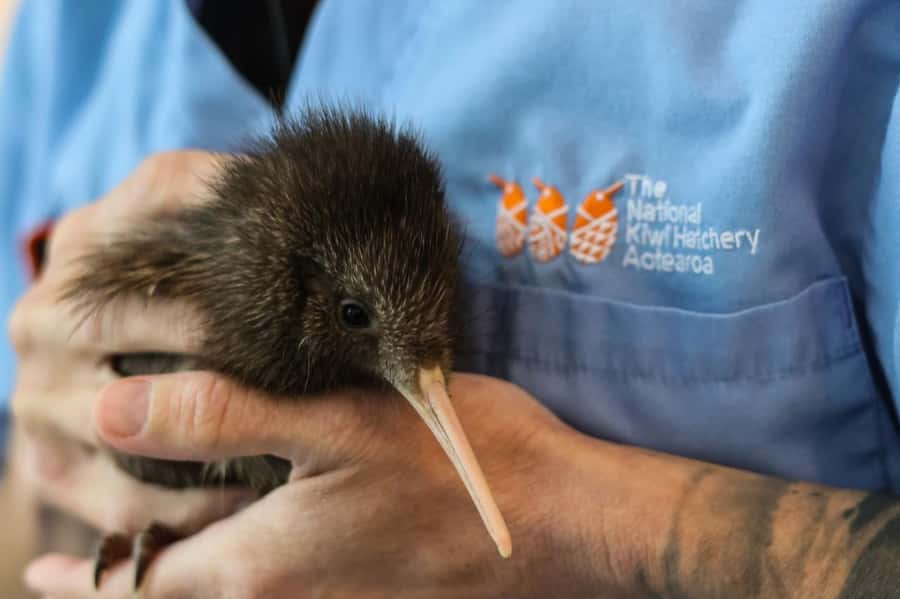
The National Kiwi Hatchery Aotearoa focuses on breeding and raising kiwi in captivity before the birds can contribute to conservation work in the wild. The center has hatched more than 2,500 kiwi chicks, making its work far more than a small educational display.
I find the conservation model especially appealing because your admission is also a donation. You are paying for an experience, but the money supports incubation, husbandry, care, and the wider hatching program. That gives the visit a useful purpose without turning it into a heavy lecture.
The tone is practical. You learn about the kiwi’s unusual biology, then see the rooms and routines built around that biology. The result feels grounded: less about collecting a photo and more about understanding why a young kiwi needs such careful treatment.
A few more Rotorua days to compare
- Rotorua Canopy Tours: 2.5Hour Native Forest Zipline Adventure
★ 5.0 · 4,563 reviews - Mitai Maori Village: Cultural Experience and Dinner Buffet
★ 4.7 · 3,575 reviews - Rotorua: Wai-O-Tapu Geothermal Park Entry Ticket
★ 4.6 · 2,601 reviews
Starting at the Agrodome near Rotorua
The hatchery is located at the Agrodome, about 10 minutes north of Rotorua city center. There is free parking onsite, which makes this a straightforward stop if you are driving.
Plan to arrive 15 minutes before your departure time. You check in at the designated area, then take a shuttle to the hatchery facility. The ride crosses the wider Agrodome property and takes only a few minutes, but it gives you a quick look at the farm setting and other animals, including pigs, alpacas, and sheep.
That transfer is included, so you do not need to arrange separate transport between the entrance and hatchery. If you use a wheelchair, contact the team after booking. You will need to drive directly to the hatching facility, and staff can provide directions.
The Agrodome contains other attractions, so do not confuse the main farm entrance with the hatchery buildings. Allow enough time to find the check-in point and be ready when your tour begins.
The one-hour Kiwi Encounter tour
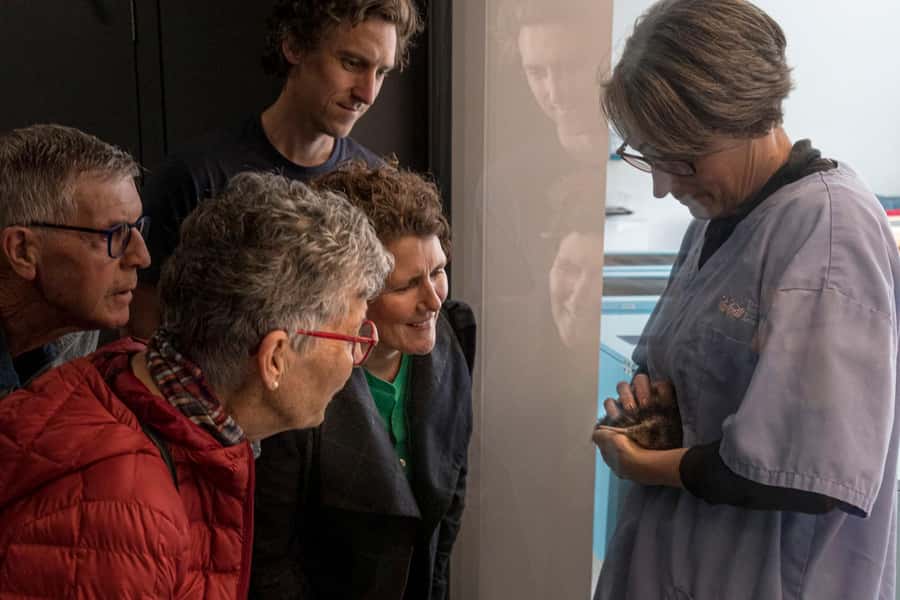
The tour is guided in English and moves through several parts of the hatchery operation. The exact sightings depend on the birds’ needs and the season, but the basic rhythm takes you from explanation to observation.
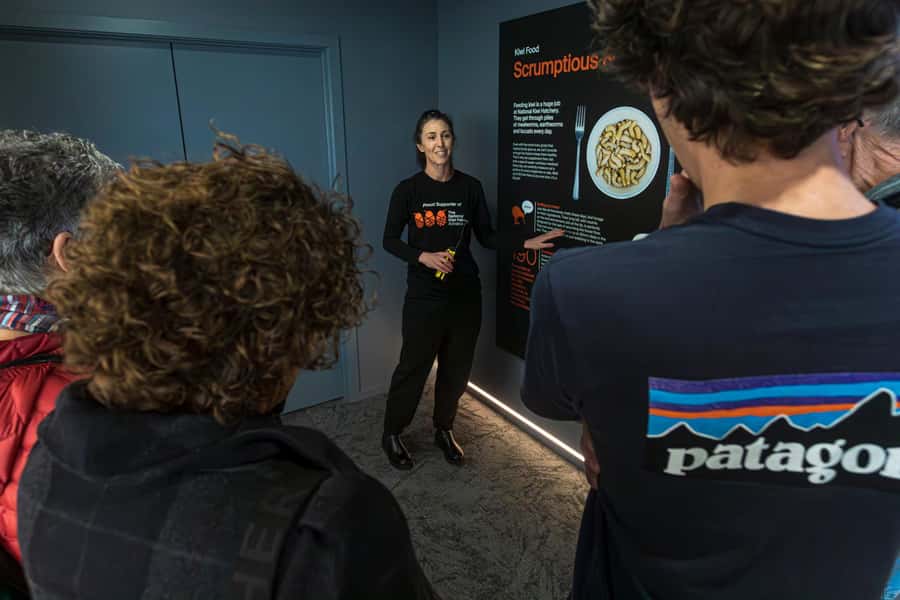
Your guide introduces the kiwi’s life cycle and the problems facing the species. Expect useful facts about kiwi development, behavior, and conservation rather than a quick walk past a single enclosure. Guides have been praised for giving people time to ask questions, and the small-group feel helps make those questions part of the experience.
You may see kiwi eggs and learn how they are incubated. One of the more memorable activities is candling, or scanning, an egg to check its development. This is the sort of behind-the-scenes detail that makes the tour worthwhile. You begin to understand that hatching a kiwi is not a matter of placing an egg in a warm box and waiting.
The husbandry team monitors the birds closely. Depending on the day, you might watch a chick health check, see feeding in the nursery, or observe staff handling the early stages of care. These moments are not guaranteed, but they are among the strongest reasons to visit during the September to March hatching season.
The tour can also show the stages between hatching and release. Some young birds are nearly ready to return to the wild, while others need continued care or hand feeding. That makes the experience more complete than a simple baby-animal encounter.
Seeing kiwi in the Nocturnal House
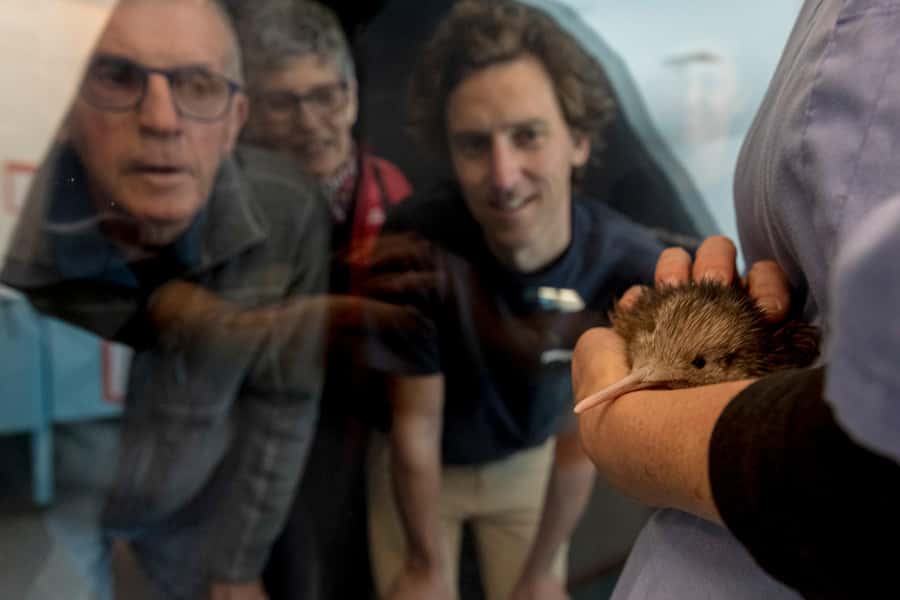
The Nocturnal House is the year-round part of the visit. Here, resident adult kiwi live under low red lighting that copies their nighttime activity period. You may see them moving through their enclosure and foraging with their long bills close to the ground.
Do not expect a flock of birds in open daylight. Kiwi are not designed for a bright, active exhibit, and the dark setting can make them difficult to spot at first. Your guide helps you know where to look, but patience matters.
The reward is seeing a real kiwi behaving naturally enough to forage. The bird may move quickly, pause in shadow, or remain partly hidden. That uncertainty is part of the experience, and it is worth remembering that a wildlife encounter is not a stage show.
Some tours have seen two adult brown kiwi, while others have spotted several birds, including juveniles. Your result will depend on the animals and the conditions at the time of your visit.
A useful timing tip comes from the day-to-day rhythm of the birds: an early tour, around 9 a.m. when available, may give you a better chance of seeing kiwi as they become active after their artificial night. It is not a promise, but it is a sensible choice if adult kiwi are your main goal.
Somewhere else in Rotorua entirely:
- Rotorua’s Ultimate Zipline: 6 ziplines, 400 m Tandem, Cliff Walk
★ 5.0 · 2,557 reviews - Rotorua Rafting: Kaituna River White Water Rafting & Free Sauna
★ 5.0 · 1,952 reviews - Cultural Experience & Seasonal Māori Cuisine at Te Pā Tū
★ 5.0 · 1,546 reviews - Mitai Maori Village Cultural Experience in Rotorua
★ 4.5 · 1,294 reviews
Hatching season, chicks, and the best time to visit
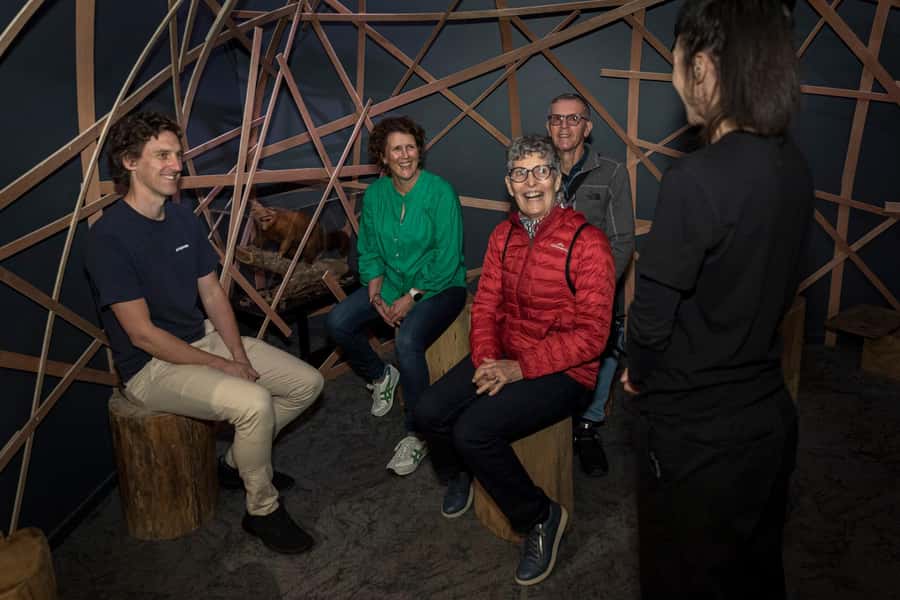
If your priority is eggs and baby kiwi, plan for September through March. This is when you have the best chance of seeing eggs, chicks, newborn birds, and nursery care.
The most striking sightings can be very brief and very young. People have seen chicks only 30 minutes old, one day old, or two weeks old. You might see a newborn in an incubator, a chick being fed, or a young bird receiving a health check.
These moments are special because kiwi chicks do not resemble the fluffy baby birds many people imagine. They are small, active, and surprisingly distinctive. The guides explain what you are seeing and why each stage requires different care.
Even in hatching season, you should not expect a room full of chicks. The hatchery is working with live animals, not presenting a fixed timetable. A tour can be excellent when the main sighting is an adult kiwi and an explanation of incubation.
Outside the September to March period, eggs and chicks are less likely to be part of the visit. April tours have still included adult kiwi, young birds nearing release, and a bird needing hand feeding. You will have a stronger chance of seeing resident kiwi all year, but seasonal expectations matter.
Guides who make the tour work
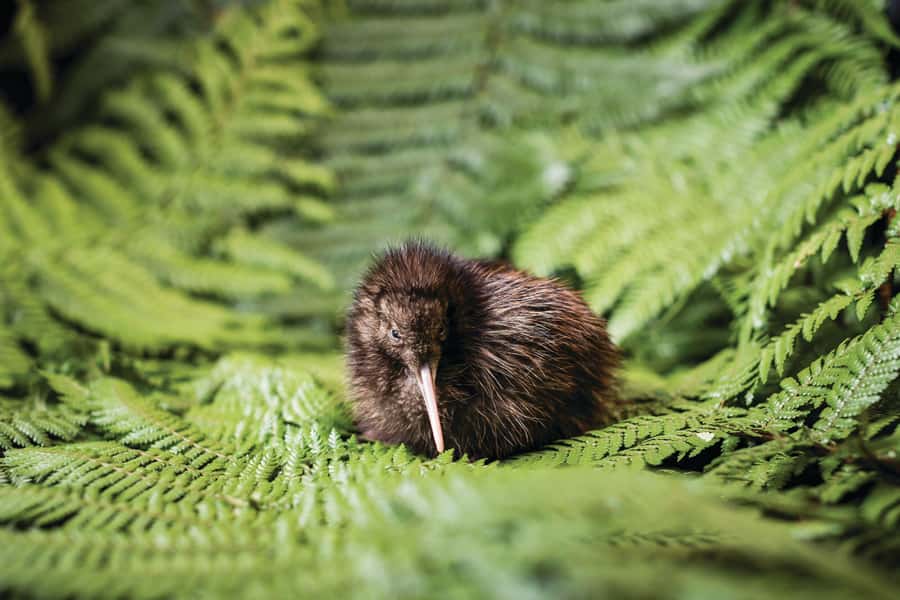
The guide is a major part of this experience. The material could feel technical in the wrong hands, but the strongest tours balance biology, conservation, and humor.
Mya has been praised for clear explanations and a friendly manner. Nico has been singled out for strong subject knowledge. Kai has been described as kind, funny, and well prepared, while Teresa is known for an energetic style and plenty of jokes. Max has also been praised for explaining the birds and the hatchery’s work with care.
Those names do not mean you can request a particular guide, but they give you an idea of the tone to expect. The guide leads you through each section, explains what the staff are doing, and answers questions without making you feel that any question is too basic.
I especially like that the tour does not treat the kiwi as a mascot only. You learn why the bird’s body, habits, and breeding cycle create such challenges. By the end, the conservation work makes more sense because you have seen the process, not just heard a slogan.
The photography rule is strict for a good reason
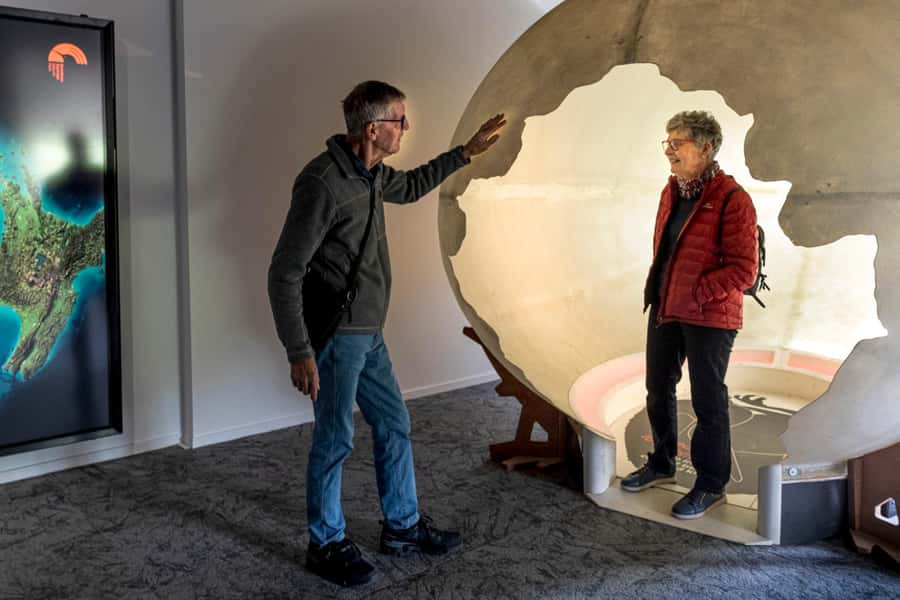
You cannot use flash photography, and video recording is not allowed. In practice, the facility has moved further and does not allow photography at all.
That can disappoint you if seeing a newborn kiwi is a once-in-a-lifetime moment. Some people have suggested that the shop could sell official images, since visitors leave without personal photos. Still, the restriction protects the birds from disturbance and keeps the visit focused on observation.
Bring your attention instead of your camera. Watch how the birds move, listen to the guide, and use the time to ask questions. You will remember more than you would from trying to capture a dark, blurry picture through glass.
Is $44 good value for one hour?
At $44 per person, this is not the cheapest short activity in Rotorua. The tour lasts one hour, and you are not guaranteed a chick, feeding, or a close view of every bird.
The value improves when you consider what the ticket pays for. All ticket income goes back into the kiwi hatching program, rather than supporting a general attraction alone. You are also paying for a guided explanation of incubation, bird care, and release work, plus the shuttle from the Agrodome check-in area.
For a visitor who simply wants a guaranteed animal encounter, the price may feel high if a kiwi stays hidden. For someone who wants to support conservation and learn how an endangered species is protected, the cost is easier to justify.
The tour also compares well with the limited chance of seeing a kiwi in the wild. You are not getting a wilderness sighting, but you are getting a carefully managed chance to see the bird and the work being done to help it survive.
Souvenirs are available, and the onsite cafe has been noted for friendly service and oat flat whites. Food and drinks are not included, so treat those as optional extras.
Who will enjoy this Rotorua experience?
I would recommend the hatchery to bird lovers, families with older children, conservation-minded visitors, and anyone who wants to understand New Zealand beyond its scenery. The tour works particularly well for first-time visitors who want to see the national bird but know that a wild sighting is unlikely.
It is also a good choice for people who prefer a focused activity. One hour is long enough to learn something substantial without taking over your day. You can combine it with another Agrodome attraction or schedule it between other Rotorua stops.
Children under five are not permitted inside the facility. Families with younger children need to plan around that rule, since there is no promise of an alternative child-friendly visit while the rest of the group tours.
Photography-focused visitors may not enjoy the restrictions. If you need a guaranteed close-up image, this is not the right activity. If you can accept that the birds set the pace, the experience has much more to offer.
Practical details for a smoother visit
Book ahead if you are visiting between September and March, especially if seeing chicks is important to you. The hatching schedule changes with the birds, so even a peak-season booking cannot guarantee a newborn.
Arrive 15 minutes early and keep your schedule flexible enough for the shuttle and check-in. The activity is listed as wheelchair accessible, but wheelchair users should contact the team and drive directly to the hatchery facility.
English is the tour language. Free cancellation is available up to 24 hours before the scheduled experience, and you can reserve now and pay later if that option suits your plans.
Most important, set your expectations correctly. The hatchery is not promising constant action. You may see an adult kiwi in the Nocturnal House, eggs under care, a nursery check, or a chick being fed. You may see several of these, or only some.
Should you book the National Kiwi Hatchery tour?
Yes, if you want a well-run, purposeful introduction to New Zealand’s national bird. The combination of adult kiwi, seasonal chicks, expert guiding, and direct support for conservation makes the hour feel worthwhile.
Book during September to March if eggs and hatchlings are your priority. Choose an early start when available if you want the best possible chance of seeing active adult kiwi. If you visit outside hatching season, go for the education and resident birds rather than expecting babies.
I would skip it only if you need photography, a guaranteed animal sighting, or an activity suitable for children under five. For most other visitors, the National Kiwi Hatchery offers one of Rotorua’s clearest looks at the patient work behind kiwi conservation.
FAQ
Where is the National Kiwi Hatchery?
The hatchery is located at the Agrodome, about 10 minutes north of Rotorua city center. Free parking is available onsite.
How long does the Kiwi Encounter tour last?
The guided tour lasts one hour.
How much does the tour cost?
The listed price is $44 per person.
Can I see kiwi chicks all year?
The best time to see kiwi eggs and chicks is during hatching season, from September through March. Outside those months, you can still see resident adult kiwi in the Nocturnal House.
Can I see a live adult kiwi?
Yes. The Nocturnal House offers a chance to see resident kiwi throughout the year.
Are children under five allowed?
No. Children under five are not permitted in the facility because of the birds’ welfare requirements.
Is the tour wheelchair accessible?
Yes, but wheelchair users need to drive directly to the hatching facility. Contact the team after booking for directions.
Are photography and video allowed?
No. Flash photography and video recording are not allowed, and the facility does not permit photography.
What does the ticket price support?
The hatchery is a not-for-profit charitable trust, and 100 percent of the ticket income goes back into the kiwi hatching and conservation program.
Newly listed around Rotorua
- Rotorua: White Island, Mount Tarawera & Waimangu Volcanic …★ 4.4 · 5 reviews
- Whirinaki Forest Footsteps: Māori Guided Tour, Picnic & Transfer★ 5.0 · 5 reviews
- Rotorua: Lake View Private Pools Experience★ 4.3 · 6 reviews
- Rotorua: Floatplane Flight with Orakei Korako Landing★ 5.0 · 6 reviews
- Raceline Karting at Off Road NZ★ 5.0 · 6 reviews
- Epic Tandem Kayak Tour down the Kaituna River Waterfalls★ 5.0 · 6 reviews
- Rotorua: Evening Starlight Gourmet Kayak Tour with dinner★ 5.0 · 6 reviews
- From Rotorua: Whirinaki Rainforest Guided Cultural Tour★ 5.0 · 6 reviews
Rotorua Tours, compared.
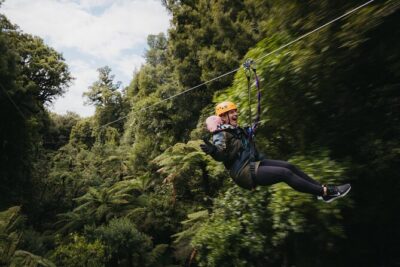
Rotorua Canopy Tours: 2.5Hour Native Forest Zipline Adventure
Read our review →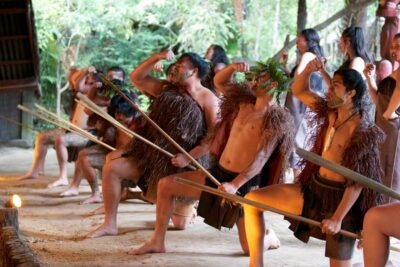
Mitai Maori Village: Cultural Experience and Dinner Buffet
Read our review →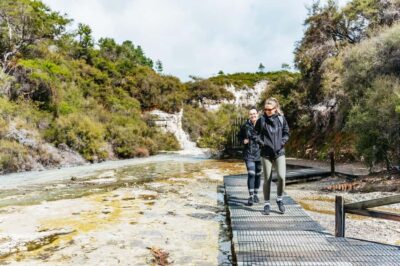
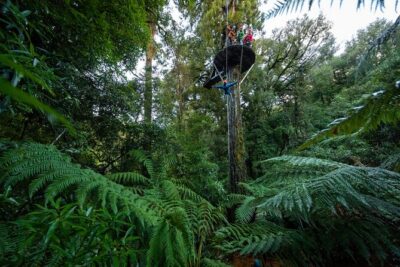
Rotorua’s Ultimate Zipline: 6 ziplines, 400 m Tandem, Cliff Walk
Read our review →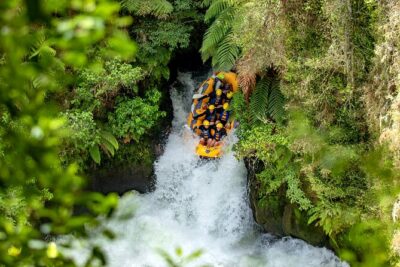
Rotorua Rafting: Kaituna River White Water Rafting & Free Sauna
Read our review →
Cultural Experience & Seasonal Māori Cuisine at Te Pā Tū
Read our review →
Mitai Maori Village Cultural Experience in Rotorua
Read our review →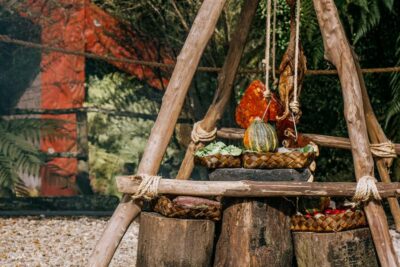
Te Pa Tu Māori Cultural Experience with Dinner
Read our review →Browse the lists this tour appears in