
Reviewed · ROTORUA TOURS
One Day Birding Adventure
New Zealand’s rare birds are often easiest to find when you know where to look. This small-group birding day takes you from Rotorua or Tauranga into Whirinaki Forest and other Bay of Plenty sites, shifting between forest, wetlands, and shore areas to give you more chances to see native species.
I like the mix of habitats and the fact that the tour carries binoculars and a spotting scope, so you do not need to arrive with a full birding kit. I also like the personal scale: the vehicle holds no more than four people, and guide Tom can focus on your interests rather than deliver a fixed speech to a busload.
The main consideration is the price, $309.67 per person, and the seven-hour commitment. You are paying for specialist guiding, transport, lunch, and access to several birding areas, but this is not a quick wildlife stop. It suits adults who are ready for a full day outdoors and who care more about finding birds than ticking off a general sightseeing list.
Key points at a glance
- Whirinaki Forest is the main draw: The day reaches one of the region’s important forest birding areas rather than staying around town.
- Three habitat types improve your odds: Forest, wetland, and shore sites offer different birds and a wider range of views.
- The group is capped at four people: You get a quieter outing and more direct time with the guide.
- Tom brings field skill and local insight: The guide can help identify birds such as miromiro and yellow-crowned kakariki.
- Lunch and equipment are included: You can focus on watching instead of arranging food or carrying optical gear.
- Pickup is available in two useful bases: Selected hotels in Rotorua or Tauranga may be included in the driving plan.
Why this birding day is different from a standard Rotorua tour
Rotorua is best known for geothermal features, Māori culture, and outdoor activities. This outing takes a quieter path. The goal is not a quick photo stop or a broad introduction to the region. You spend the day searching for New Zealand’s endemic birds in places where habitat matters.
That distinction is important. Birding is partly about patience and partly about reading a place. A forest site can offer a completely different set of possibilities from a wetland or coastal stop. By combining all three, the tour gives you more than one kind of opportunity during the same seven-hour outing.
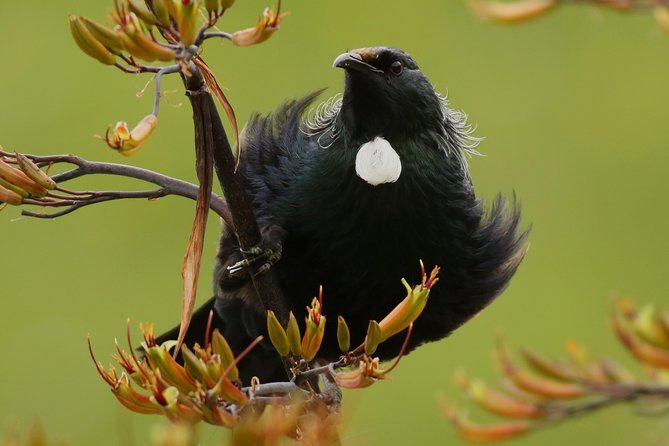
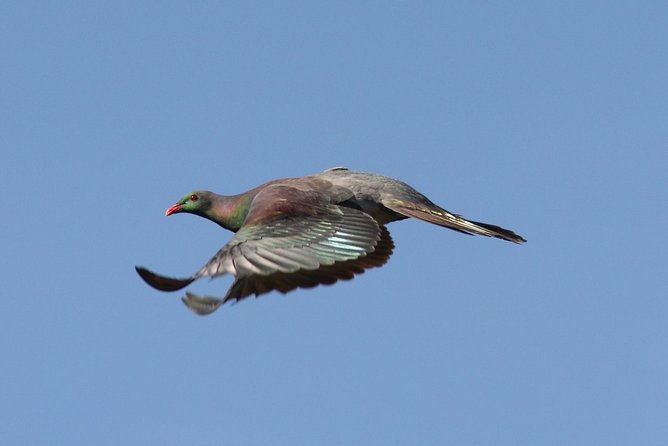
The day is also designed around expert eyes and ears. You may know a tui or kereru, but identifying less familiar birds such as miromiro, the New Zealand tomtit, or yellow-crowned kakariki is easier when a conservation-focused guide can point out the clues. The spotting scope is useful when a bird stays high, distant, or hidden among branches.
You should still keep expectations sensible. Wild birds are not scheduled performers. A specialist guide can improve your chances, but no one can promise a particular species on a particular morning. The reward is the search itself, especially if you enjoy learning how to notice small movements and unfamiliar calls.
More day trips in Rotorua:
- Taupo Day Trip with Orakei Korako or Waiotapu from Rotorua
★ 5.0 · 23 reviews - Hobbiton & Waitomo Caves Guided Day Trip from Auckland incl lunch
★ 5.0 · 2,677 reviews - Queenstown: Milford Sound Coach & Cruise Full-Day Trip
★ 4.7 · 2,592 reviews
From Rotorua or Tauranga to the first birding site
The advertised start time is 9:00 am, with pickup and drop-off available from selected hotels in Rotorua or Tauranga. This is a practical feature if you are staying in one of those towns and do not want to arrange a rental car for a full day.
Transport is by private vehicle, and the maximum group size is four. That makes a real difference on a birding trip. You can ask questions without interrupting a large group, and the guide can adjust the pace to suit the people in the vehicle. A small group also helps keep noise down, which matters when you are trying to hear a faint call.
The driving itself is part of the day’s structure. The tour covers several birding areas around the Bay of Plenty, so you should expect time in the vehicle between stops. That is a fair trade for habitat variety, but it means you should not picture seven straight hours on one forest trail.
The exact order of the stops can vary with local conditions and the guide’s judgment. Start with the simple plan: meet at 9:00 am, settle into the vehicle, and be ready for a day that moves between different natural settings.
Whirinaki Forest and the search for endemic birds
Whirinaki Forest is the headline setting. The forest gives you the chance to look for native birds in a large, natural environment rather than in a formal enclosure. For many people, that is the heart of the experience: the bird is there because it belongs in that habitat, not because it has been placed behind a viewing window.
Forest birding can be slower than general wildlife watching. You may spend time scanning branches, listening, and waiting for movement. A bird might show itself for only a few seconds. The guide’s role is especially useful here, since an experienced local birder can help you separate a real sighting from a rustle in the canopy.
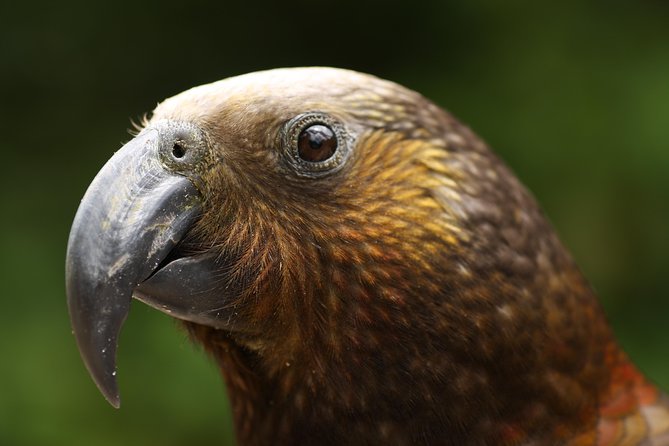
The stated target list includes miromiro and yellow-crowned kakariki. These names alone show why the outing benefits from guidance. You are not simply looking for large, obvious birds. You are learning to recognize New Zealand species that may be unfamiliar to visitors and easy to miss without help.
The provided binoculars let you keep your hands free and avoid the cost of bringing your own equipment. The spotting scope adds another level of reach. It can help the group share a distant view, though you should expect to take turns if several people want a look at once.
Forest conditions can also be the least predictable part of the day. Visibility changes among trees, and bird activity may not match your schedule. I would treat the forest as a place for careful observation, not instant results. If you enjoy the thrill of finding a small bird after a patient search, this is where the day earns its keep.
Wetlands and shore sites add variety
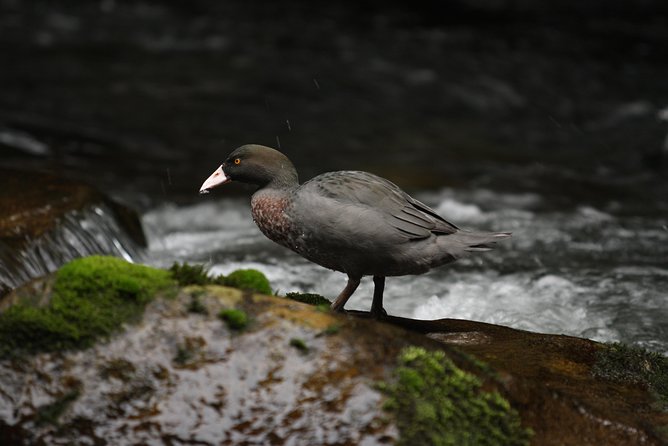
The tour does not rely on forest alone. Wetland and shore locations around the Bay of Plenty are included to broaden the day’s birding options. These settings can feel more open, giving you a different way to scan for birds after the close cover of the forest.
Wetland birding often rewards patience and a good spotting scope. Open water and edges can make birds easier to see at a distance, while the habitat supports species you are less likely to encounter among trees. The scope is particularly useful here because a bird may be visible but too far away for comfortable binocular viewing.
Shore sites bring another change in pace. Instead of looking upward into branches, you may scan across open areas and water margins. The tour information does not promise particular shorebird species, so it is best to see this part as an opportunity rather than a fixed checklist.
I like this multi-stop design because a quiet forest morning does not necessarily ruin the day. You may have better luck at a wetland or shore site, and the change of scenery keeps the outing from feeling repetitive. The tradeoff is that the day covers ground, so anyone who wants one long, slow forest session may prefer a more focused outing.
A few more Rotorua days to compare
- Rotorua Canopy Tours: 2.5Hour Native Forest Zipline Adventure
★ 5.0 · 4,563 reviews - Mitai Maori Village: Cultural Experience and Dinner Buffet
★ 4.7 · 3,575 reviews - Rotorua: Wai-O-Tapu Geothermal Park Entry Ticket
★ 4.6 · 2,601 reviews - Rotorua’s Ultimate Zipline: 6 ziplines, 400 m Tandem, Cliff Walk
★ 5.0 · 2,557 reviews
How the guide shapes the experience
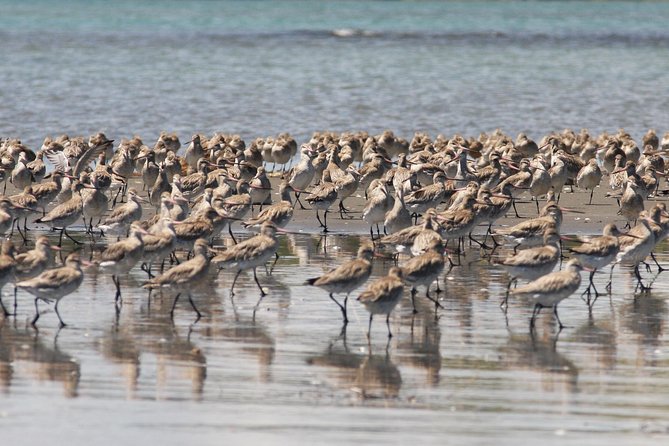
The guide is not just a driver. The tour is led by a conservationist and local birder, and Tom is specifically associated with the experience. One direct description of his work emphasizes learning about New Zealand birds and gaining inside knowledge while covering the North Island.
That is the right kind of help for this activity. A guide can tell you what to look for, explain how to identify a bird, and add context about why a species matters. Just as important, the guide can help you make good use of limited time. If a promising site is quiet, the day’s multi-stop plan allows the group to move on.
Personal attention is one of the clearest reasons to choose this over a larger nature excursion. With four people or fewer, you can ask about a bird you have just seen, request another look through the scope, or say if you need a short pause. You are not competing with a crowd for the guide’s attention.
The conservation angle also gives the day more meaning. You are not merely collecting names. You are seeing native birds in the places they depend on and learning from someone who works with that subject. The supplied information does not give a full conservation program or a list of projects, so I would not book this expecting a formal volunteer activity. Think of conservation insight as part of the guiding.
Lunch, equipment, and the value of the $309.67 price
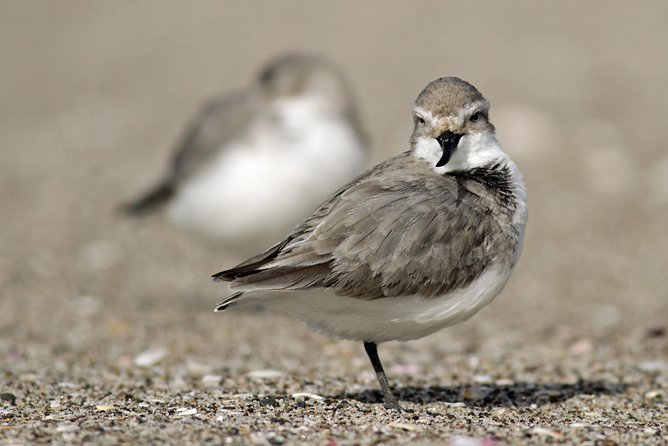
At $309.67 per person, this is a premium day tour. The value depends on what you would otherwise need to arrange. The price includes a driver and guide, private-vehicle transport, national park fees, lunch, binoculars, a spotting scope, and hotel pickup and drop-off from selected hotels.
If you already have a car, quality binoculars, a spotting scope, and a strong knowledge of local birding sites, you might find the cost hard to justify. You could explore independently for less, though you would lose the guide’s local experience and the convenience of moving between several sites.
For you, the value is strongest if you are visiting New Zealand for a limited time and want to use one day efficiently. You do not have to research access, plan a route, pack a lunch, or decide which habitat to visit next. The group size also means the fee supports a fairly personal outing rather than a basic transfer with a few wildlife comments.
Lunch matters more than it may sound. A seven-hour birding day is long enough that stopping to find food could cut into your time outdoors. Having it included keeps the schedule simple and lets you remain focused on the activity.
The price does not guarantee rare sightings. Pay for the guide, access to several settings, equipment, and the chance to learn. If you are only mildly interested in birds, a less expensive Rotorua attraction may serve you better. If birding is a priority, the specialist setup makes the cost easier to defend.
The physical side of a seven-hour outing
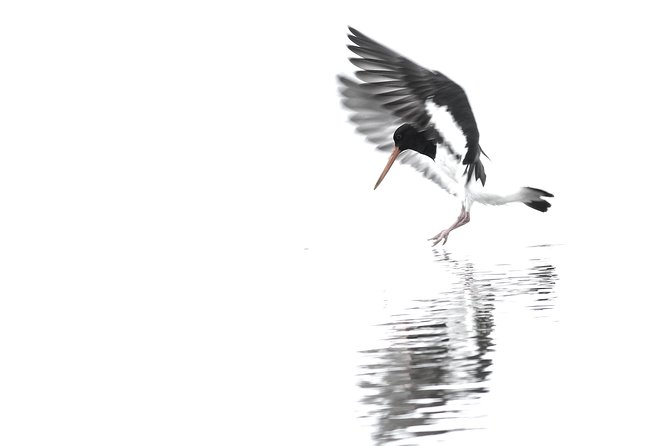
A moderate fitness level is required. That wording suggests you should be comfortable spending much of the day moving between outdoor sites and standing or walking while looking for birds. The available information does not specify trail lengths, terrain, or elevation, so you should ask the provider for current details if those points affect your decision.
This is not an experience for children. The minimum age is 18, which helps set the tone. The group is built for adults who can manage a full day and appreciate the slower rhythm of field observation.
Bring practical outdoor clothing and footwear suited to changing conditions, even though the tour details do not list a formal packing guide. You will want to be ready for forest, wetland, and shore settings rather than dressing only for a city walk.
The pace may feel relaxed, but the day is active in its own way. Birding asks you to stay alert, listen closely, and keep scanning. You may not cover a huge distance on foot, yet seven hours outside can still be tiring. If you prefer a tightly timed schedule with constant attractions, this could feel too quiet.
Who will get the most from this tour
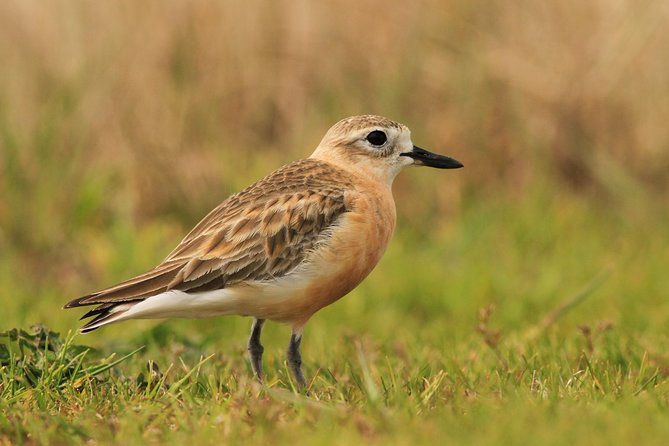
This outing is best for an adult who already enjoys birds or wants a serious introduction to New Zealand birding. You do not need to own binoculars, since equipment is provided, and the guide can help with identification. A curious beginner can get real value from the small group and personal instruction.
It is also a strong fit for photographers and wildlife enthusiasts who understand that wild sightings take time. The scope and habitat changes give you better tools and more settings, but the tour does not promise close views or perfect photo conditions.
Couples, solo visitors, and small groups of friends can all fit the format, provided the minimum booking requirement of two people is met. Solo booking is therefore not enough on its own. You should also confirm that your hotel is among the selected pickup locations.
This is less suitable for someone who wants a casual half-day outing, a guaranteed iconic bird, or a family activity for younger children. It is also not ideal if you dislike driving between sites or prefer to control every stop yourself.
Booking timing and practical details
The experience is often booked 163 days ahead, so advance planning makes sense, especially if your dates are fixed. Confirmation is sent within 48 hours of booking, subject to availability. That is worth noting if you are building a tightly connected New Zealand itinerary.
A vegetarian lunch is available if you request it when booking. Do not leave that request until the morning of the tour. Pickup and drop-off are offered only at selected hotels in Rotorua or Tauranga, so check the exact arrangement before you pay.
The cancellation terms are simple but firm. You can cancel for a full refund up to 24 hours before the 9:00 am start. Cancellations or changes made within 24 hours are not accepted for a refund, and the cutoff uses local time.
Should you book the One Day Birding Adventure?
Book it if New Zealand birds are a main reason for your trip, you want a guide who can teach rather than simply drive, and you value a small group. The combination of Whirinaki Forest, wetland, and shore sites gives you a sensible range of habitats, while lunch, equipment, park fees, and transport reduce the practical work.
Think twice if you are only looking for a cheap nature outing or if you need a guaranteed sighting. At $309.67, this is a focused specialist experience, not a general Rotorua day trip.
For the right person, the strongest appeal is simple: you spend a full day looking for native birds with Tom, in places chosen for their birding potential, and with the tools to see more than you might on your own. If that sounds like a good use of a day in the Bay of Plenty, book early and confirm your pickup, fitness needs, and lunch preference before setting out.
FAQ
What time does the birding tour start?
The tour starts at 9:00 am.
How long does the experience last?
The outing lasts approximately seven hours.
Where does hotel pickup operate?
Pickup and drop-off are available from selected hotels in Rotorua or Tauranga.
What birds might I see?
The tour searches for New Zealand endemic birds, including miromiro, also called tomtits, and yellow-crowned kakariki, or parakeets. Sightings are not guaranteed.
Are binoculars and a spotting scope provided?
Yes. Binoculars and a spotting scope are included for use during the birding day.
Is lunch included, and can I request a vegetarian meal?
Lunch is included. A vegetarian option is available if you request it when booking.
Newly listed around Rotorua
- Rotorua: White Island, Mount Tarawera & Waimangu Volcanic …★ 4.4 · 5 reviews
- Whirinaki Forest Footsteps: Māori Guided Tour, Picnic & Transfer★ 5.0 · 5 reviews
- Rotorua: Lake View Private Pools Experience★ 4.3 · 6 reviews
- Rotorua: Floatplane Flight with Orakei Korako Landing★ 5.0 · 6 reviews
- Raceline Karting at Off Road NZ★ 5.0 · 6 reviews
- Epic Tandem Kayak Tour down the Kaituna River Waterfalls★ 5.0 · 6 reviews
- From Rotorua: Whirinaki Rainforest Guided Cultural Tour★ 5.0 · 6 reviews
- Rotorua: Evening Starlight Gourmet Kayak Tour with dinner★ 5.0 · 6 reviews
Rotorua Tours, compared.
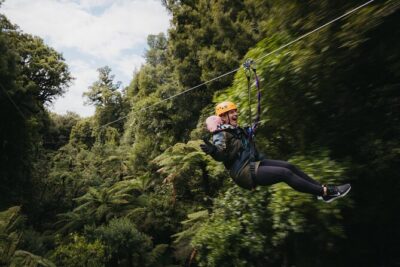
Rotorua Canopy Tours: 2.5Hour Native Forest Zipline Adventure
Read our review →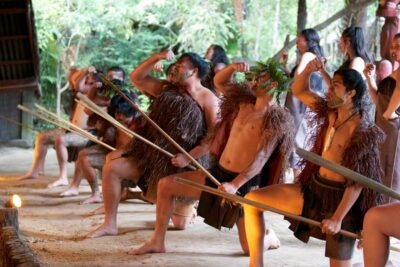
Mitai Maori Village: Cultural Experience and Dinner Buffet
Read our review →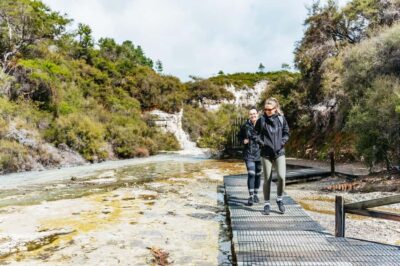
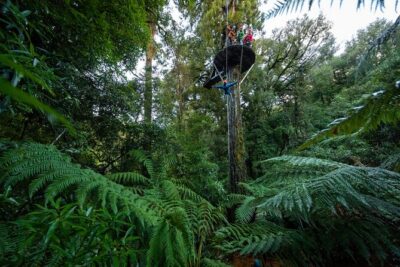
Rotorua’s Ultimate Zipline: 6 ziplines, 400 m Tandem, Cliff Walk
Read our review →
Rotorua Rafting: Kaituna River White Water Rafting & Free Sauna
Read our review →
Cultural Experience & Seasonal Māori Cuisine at Te Pā Tū
Read our review →
Mitai Maori Village Cultural Experience in Rotorua
Read our review →
Te Pa Tu Māori Cultural Experience with Dinner
Read our review →Browse the lists this tour appears in