
Reviewed · DUNEDIN TOURS
Dunedin: Monarch – One Hour Wildlife Cruise
The star here is the royal albatross colony at Taiaroa Head, the only mainland colony of its kind in the world. From the boat, you may watch these huge birds glide in from the Pacific, catch the hillside updrafts, and circle above their nests. It is a fine bit of nature without committing to a full-day outing.
I like the compact one-hour route and the mix of wildlife, geology, and local history. I also like that the cruise gets close to the rocky seal colony and passes Aramoana Beach, where sea lions may be stretched out on the sandflats. The catch is the drive: Wellers Rock Wharf is 45 to 60 minutes from central Dunedin, and the open water can be rough for anyone prone to seasickness.
Key points
- Royal albatross from the water: See the world’s only mainland colony and watch birds with wingspans reaching about three metres.
- Seal and sea lion encounters: Look for New Zealand fur seals on rocky outcrops and sea lions resting at Aramoana Beach.
- A short, focused cruise: The one-hour trip works well when you want wildlife but have limited time.
- More than animal spotting: The crew covers local wildlife, volcanic geology, the lighthouse, and old military defenses.
- A scenic self-drive: The trip begins at Wellers Rock Wharf, along the Otago Peninsula, not in central Dunedin.
- Wildlife is possible, not promised: Dolphins, penguins, petrels, and smaller albatross may appear, but sightings vary.
Why the royal albatross is the main event
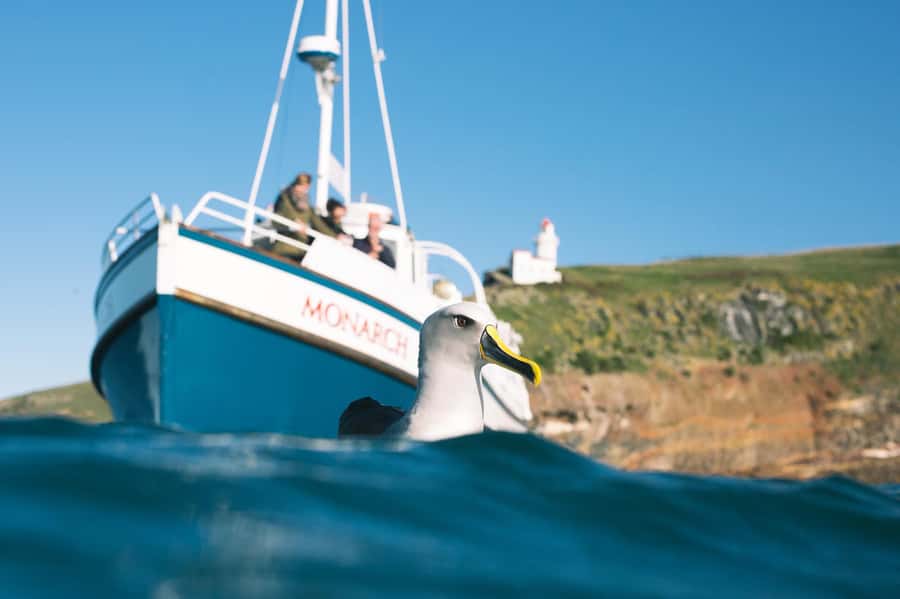
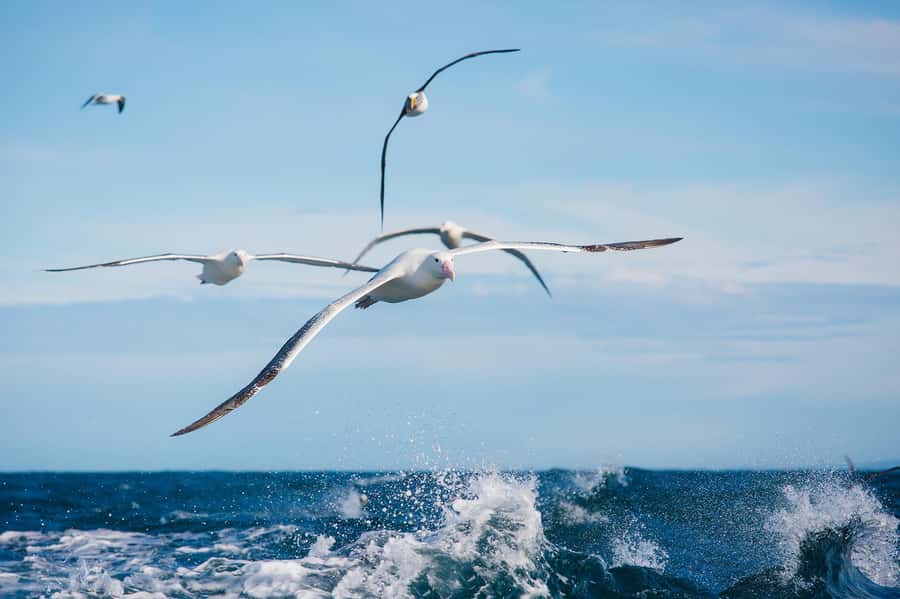
The royal albatross gives this cruise its special purpose. These are enormous seabirds, with wingspans of roughly three metres, and their flight looks almost effortless. They can come in low over the sea, rise on air currents near Taiaroa Head, and glide above the cliffs before landing near the colony.
The boat offers an open view of the colony from below. That matters because the headland itself rises above the water, giving you a broad angle across the cliffs rather than a single close view. Bring a camera, but also spend time watching with your own eyes. Fast-moving birds against a bright sky can be tricky for a phone to capture.
The albatross sighting is not a staged animal show. The birds follow their own routines, and the crew cannot guarantee how many you will see or how close they will pass. Still, the colony is the clearest reason to choose this outing, especially if you want to see a major Otago Peninsula attraction without booking a longer land-based wildlife trip.
More Boat Tours in Dunedin
- Otago Peninsula Wildlife Cruise with Monarch
★ 4.5 · 227 reviews - Albatross, seals, and sea birds-Wildlife Cruise
★ 5.0 · 189 reviews - Cruise Dunedin City and Castle Tour
★ 5.0 · 142 reviews
Leaving Wellers Rock Wharf for the harbour entrance
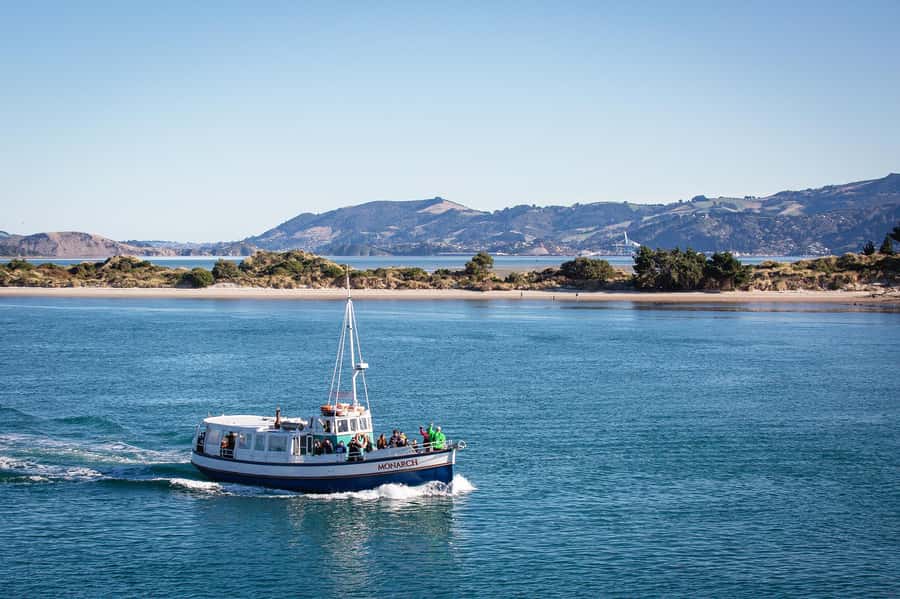
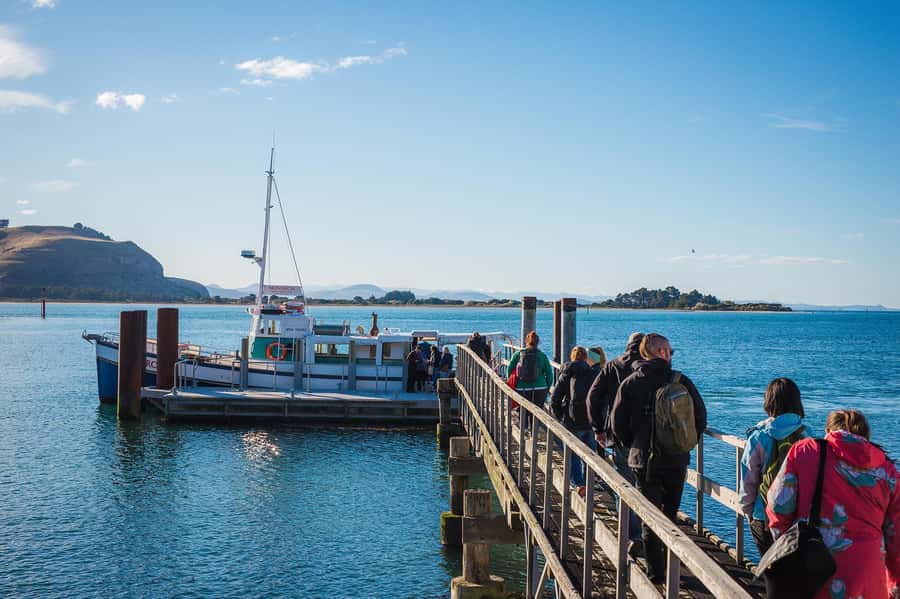
You drive yourself to Wellers Rock Wharf, so allow 45 to 60 minutes from central Dunedin. The trip along the Otago Peninsula is part of the day’s appeal, with the road leading you away from the city and toward the rugged coast and harbour entrance.
Plan your timing carefully. The cruise itself lasts only one hour, so arriving late could take a large bite out of the experience. Transport is not included, and there is no hotel pickup or drop-off. You also need to bring your own food and drinks if you want refreshments before or after the cruise.
The boat is described as sturdy, clean, tidy, and cosy in one recent account, but this is still a water-based outing. Dress for the conditions rather than the calendar. Warm clothing, a hat, sunscreen, and a waterproof camera cover are sensible choices. The cool southerly wind can make the viewing excellent, but it can also make the ride feel colder than expected.
Aramoana Beach and the tidal sandflats
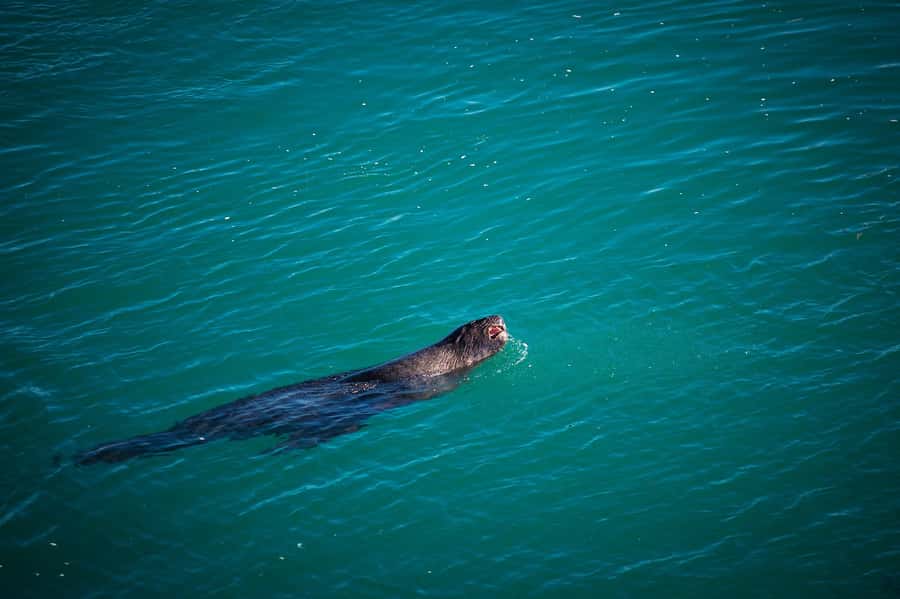
One early point of interest is Aramoana Beach, where tidal sandflats create a resting place for sea lions. You may see them sprawled in the sun, looking almost too relaxed to be wild animals. That is part of their charm, though the real value is seeing them in a natural coastal setting rather than behind a barrier.
The boat’s position lets you take in the beach, water, and harbour entrance together. The crew adds context as you go, explaining the animals as well as the area’s geology and past. This commentary keeps the hour from becoming a simple search for shapes on the rocks.
Wildlife does not arrive on a timetable. On one outing, you might get a good look at sea lions, while on another they may be harder to spot or farther away. Keep your eyes moving and listen to the crew’s directions. The boat’s route is short, so each section has a clear purpose.
Military remains along the harbour channel
Across the harbour channel, the cruise passes old military defenses built into the rocky hills. Lookouts and gun emplacements were linked by tunnels, leaving reminders of the area’s strategic position near the harbour entrance.
This section gives the trip a useful change of pace. The wildlife is the headline, but the military remains help explain why these hills were altered and watched. You are not just looking at cliffs and water. You are seeing a working harbour entrance with layers of human use.
The defenses are viewed from the boat, not explored on foot. If you want to walk through tunnels or visit military sites in detail, this cruise will not replace a land visit. As part of a one-hour route, though, the brief view and commentary add welcome variety.
More Wildlife Tours in Dunedin
- Clearwater Wildlife Tours (small group 10max) Otago Peninsula
★ 5.0 · 531 reviews - Dunedin: Wildlife and Penguin Tour
★ 4.6 · 239 reviews - Dunedin Wildlife Cruise-Albatross, seals and harbour
★ 5.0 · 115 reviews - Dunedin City, Wildlife and Larnach Castle
★ 4.5 · 96 reviews
Taiaroa Head lighthouse and volcanic cliffs
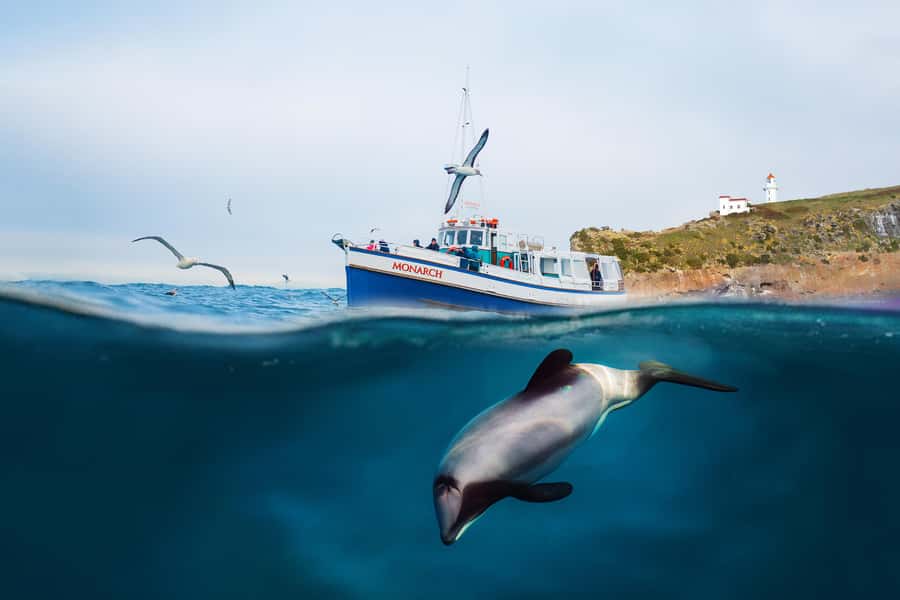
Taiaroa Head is one of the most memorable parts of the route. A historic lighthouse sits high above the volcanic cliffs, with the sea opening out below it. The lighthouse was built in 1864 and was the first of its kind on New Zealand’s South Island.
From the water, you get a postcard-style view of the structure and its setting. The boat also brings you close to rocky outcrops extending into the ocean. These formations are useful wildlife platforms, but they also show the rough volcanic character of the coast.
The crew’s commentary covers local geology, so you can connect the cliffs to the shape of the peninsula. This is a modest but worthwhile benefit. A wildlife cruise can otherwise become a string of animal sightings with little sense of place. Here, the rocks and headland help explain why the animals gather where they do.
Fur seals on the rocky outcrops
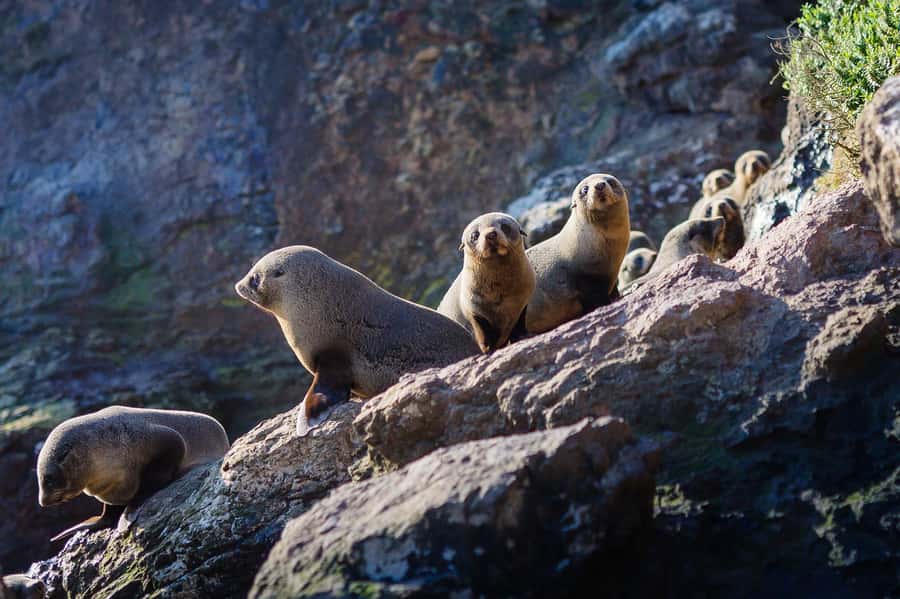
The New Zealand fur seal colony is another strong part of the cruise. The seals gather on rocks near the water, where you may see them sleeping, squabbling, playing, or swimming around the breeding area.
Fur seals are entertaining because the group is rarely still. One animal may be stretched out while another clambers over the rocks or slips into the water. You get a better sense of their size, movement, and social behavior than you would from a distant glimpse of a single seal.
The boat gets close to the rocky outcrops, but you should still expect wildlife-viewing conditions, not a guaranteed close-up. A zoom lens helps. So does patience. The most interesting moment may happen quickly, especially when an animal enters or leaves the water.
A short push into the Pacific Ocean
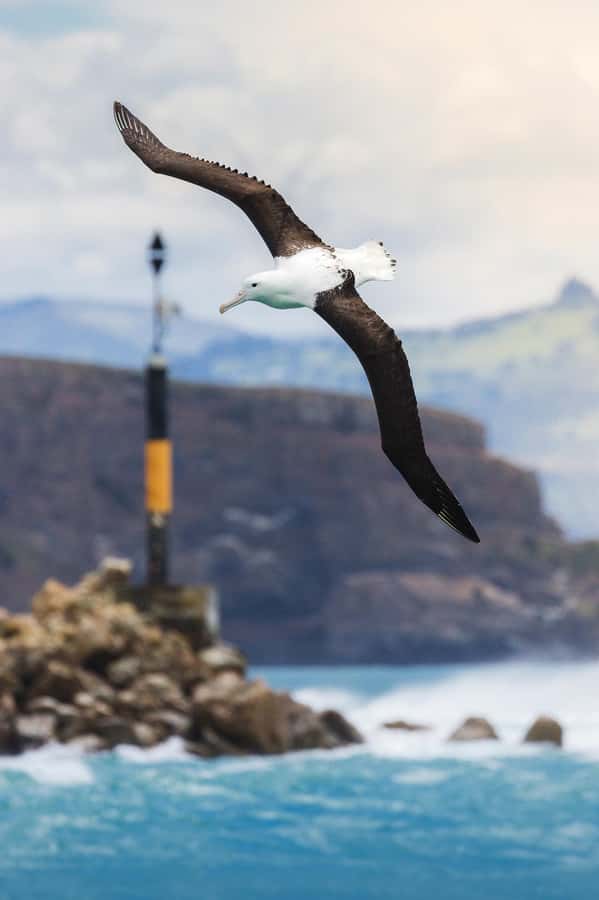
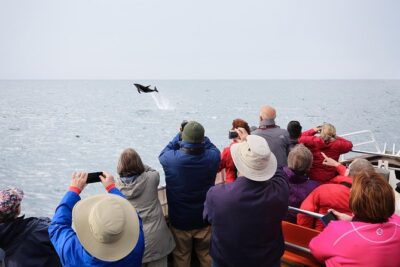
After the harbour-side sights, the boat goes a short way into the Pacific Ocean. This is where you may spot smaller albatross species, cormorants, and petrels. Blue penguins, dusky dolphins, Hector’s dolphins, and other marine mammals are also possible sightings.
These animals are less predictable than the seals and the colony. The open ocean offers a larger viewing area, and small birds can be difficult to identify from a moving boat. The crew’s commentary is especially useful here because it helps you know what to watch for and where to look.
The possibility of dolphins adds excitement, but you should not book the cruise solely for that reason. The most dependable draw is the coastal route and the chance to see albatross and seals. Dolphins and penguins are welcome extras when conditions and luck line up.
What the one-hour format does well
One hour is enough to sample the Otago Peninsula from the water without taking over your whole day. I like this format for a tight Dunedin schedule, a first look at the coast, or a family outing where a longer boat ride might test everyone’s patience.
The short duration also keeps the price easy to assess. At $41 per person, you are paying for a focused wildlife cruise, live English commentary, and access to views that are difficult to gather from a single roadside stop. The value is strongest if you already plan to drive out along the peninsula and want to add a water experience.
The limitation is obvious: this is not a full-day wildlife expedition. You will not have hours to wait for rare animals, and the route cannot cover every part of the peninsula. If your main goal is a long, slow search for dolphins or a broad wildlife program, you may want more time. If you want a concise outing with several possible highlights, the length works well.
The crew and the feel on board
The crew provides live commentary in English about wildlife, local history, and geology. That combination is important. You get guidance on what you are seeing, but you also receive enough background to understand the coast as a place shaped by volcanoes, tides, shipping, defense, and seabirds.
A recent trip described the boat as clean, tidy, and cosy, with staff who gave a strong explanation of the area. Another account noted seeing many albatross, while a separate outing included dolphins along with the albatross. Those details point to the experience’s main strengths: a helpful crew and the chance for excellent wildlife viewing when conditions cooperate.
No guide names are provided, so I would not plan around a particular staff member. Instead, expect an English-speaking crew whose role is to keep the commentary moving and help you spot animals from the boat.
Weather, comfort, and seasickness
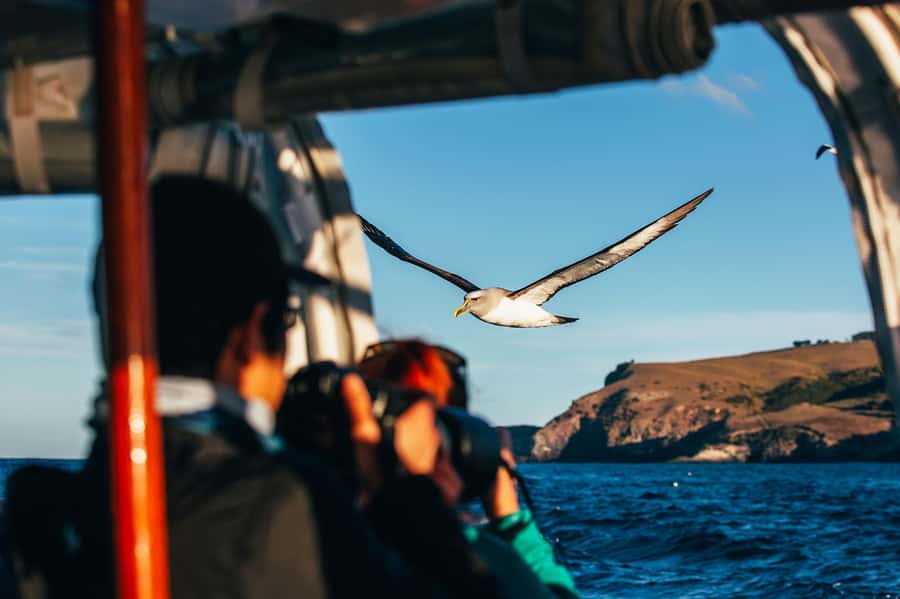
The cool, brisk southerly wind often makes the viewing conditions good, but it can make the cruise feel exposed. Wear warm layers even if Dunedin feels mild when you leave the city. A hat, sunscreen, and a waterproof camera are also recommended.
People prone to seasickness should think carefully before booking. The route includes a short stretch into the Pacific, and the boat can move differently once it leaves the calmer harbour waters. The activity is not suitable for wheelchair users, and electric wheelchairs are specifically not allowed.
Strollers, bikes, drones, smoking, vaping, alcohol, drugs, fishing, feeding animals, climbing, and diving are not permitted. These restrictions are sensible for a working wildlife boat, but they matter if you are combining the cruise with a larger family or outdoor plan.
Who should book this Dunedin cruise
I would choose this cruise if you want:
- A one-hour wildlife outing instead of a full-day tour
- A chance to see royal albatross from the water
- Fur seals and possible sea lions in a natural setting
- A mix of wildlife, lighthouse views, geology, and military history
- A self-drive trip along the Otago Peninsula
- A reasonably priced add-on to a Dunedin day
I would think twice if you need guaranteed animal sightings, dislike brisk wind or boat movement, use a wheelchair, or have only a very narrow schedule that cannot allow for the drive to Wellers Rock Wharf.
Families may appreciate the short duration, though young children should be prepared for wind and boat motion. Photographers will want warm layers, a waterproof camera, and realistic expectations about moving wildlife. Bird lovers will find the albatross the most compelling feature, while anyone hoping mainly for dolphins should treat them as a bonus.
Booking details that affect your decision
The cruise costs $41 per person and lasts one hour. You reserve a departure time after checking availability, and the activity includes the cruise and full crew commentary. Transport, hotel pickup, food, and drinks are not included.
You can cancel up to 24 hours before departure for a full refund, and a reserve-now, pay-later option is available. Those policies help if your Dunedin plans depend on weather or changing ship schedules, but you still need to leave enough time for the drive from the city.
The best practical approach is to check the forecast, wear warm clothing, and arrive with your camera ready. Wildlife viewing rewards attention more than elaborate equipment. The crew can point out what matters, but you still need to keep watching the water, rocks, cliffs, and sky.
Should you book the Monarch wildlife cruise?
Book it if you want a short, affordable way to see the Otago Peninsula from the water, with the royal albatross colony as the main prize. The combination of albatross, fur seals, possible sea lions, lighthouse views, and clear commentary gives the hour real substance.
Skip it if seasickness is a serious concern or if you need an accessible activity. Also skip it if you are looking for a guaranteed dolphin encounter. For most visitors who can handle the boat and the drive, this is a well-focused Dunedin outing, especially when you value authentic wildlife viewing over a packed, all-day schedule.
FAQ
Where does the Monarch wildlife cruise depart from?
The cruise departs from Wellers Rock Wharf on the Otago Peninsula.
How far is Wellers Rock Wharf from central Dunedin?
Allow 45 to 60 minutes for the drive from central Dunedin.
How long does the wildlife cruise last?
The cruise lasts one hour.
What wildlife might I see?
You may see royal albatross, other albatross species, New Zealand fur seals, sea lions, cormorants, and petrels. Blue penguins, dusky dolphins, Hector’s dolphins, and other marine mammals are also sometimes seen.
Will I see the royal albatross colony?
The route provides an opportunity to see the world’s only mainland colony of royal albatross, but wildlife sightings cannot be guaranteed.
Is commentary included?
Yes. The English-speaking crew provides commentary about local wildlife, history, and geology.
Is transport from Dunedin included?
No. You must drive yourself to Wellers Rock Wharf. Hotel pickup and drop-off are not included.
Is the cruise suitable for people prone to seasickness or wheelchair users?
The cruise is not suitable for people prone to seasickness or wheelchair users. Electric wheelchairs are also not allowed.
More quick one hour outings in Dunedin
- One Hour Cathedral Cove Boat Tour in Hahei
★ 5.0 · 340 reviews - Queenstown: 1-Hour Zipline Tour with 2-Lines & 21-Meter Drop
★ 4.6 · 119 reviews - Lake Wanaka 1-Hour Cruise Including Wine and Cheese
★ 4.5 · 95 reviews - Russell: 1-Hour Sightseeing Tour by Coach & Long Beach
★ 4.8 · 61 reviews
More penguin and seal encounters
- Guided Evening Penguin Viewing Otago Peninsula, Dunedin, New Zealand
★ 5.0 · 471 reviews - Otago Peninsula In-Depth Tour & Blue Penguins Pukekura Experience
★ 5.0 · 163 reviews - Dunedin City Highlights, Otago Peninsula Scenery & a Guided Penguin Reserve Tour
★ 4.5 · 77 reviews - Dunedin: Otago Peninsula with Guided Penguin Reserve Tour
★ 4.7 · 66 reviews
Newly listed around Dunedin
- Dunedin Private Fullday Tour★ 5.0 · 5 reviews
- Twilight at the Opera★ 5.0 · 5 reviews
- Shared Small Group Dunedin City and Peninsula Scenery Day Tour★ 5.0 · 5 reviews
- Dunedin to Te Anau via the Catlins One Way Small Group Tour★ 5.0 · 6 reviews
- Electric Bike Rental★ 5.0 · 6 reviews
- Private Dunedin & Otago Peninsula Day Tour Up to 4★ 5.0 · 6 reviews
- Dunedin to Queenstown One Way Tour Including Taieri Gorge Train★ 5.0 · 6 reviews
- Clearwater Private Penguin & Wildlife Tour from Port Otago (5hrs)★ 5.0 · 7 reviews
Dunedin Tours, compared.
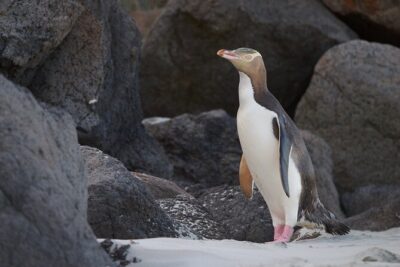
Clearwater Wildlife Tours (small group 10max) Otago Peninsula
Read our review →
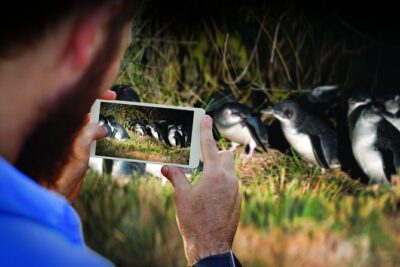
Guided Evening Penguin Viewing Otago Peninsula, Dunedin, New Zealand
Read our review →
Dunedin Shore Excursion: Small-Group Tour of Dunedin and the Otago Peninsula
Read our review →
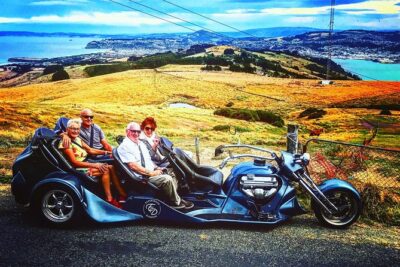
Shore Excursion: V8 Trike, Peninsula and City Tour
Read our review →Browse the lists this tour appears in