
Reviewed · DUNEDIN TOURS
Twilight at the Opera
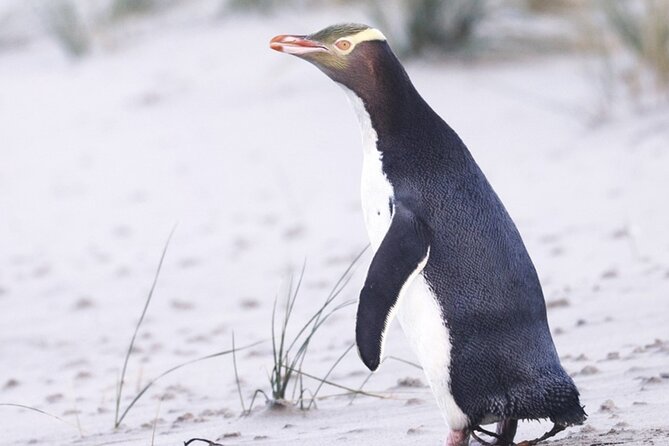
The best reason to choose Twilight at The OPERA is the timing. As daylight fades over the Otago Peninsula, hoiho, or yellow-eyed penguins, may return from the sea. I like the sunset setting, and I like that your ticket helps fund penguin care, habitat work, and education. The catch is simple: wild penguins are never guaranteed, and the evening can be cold, wet, and slippery.
I also like the tour’s three-part design. You first learn what makes the endangered hoiho special, then see penguins in the rehabilitation centre when birds are receiving care, and finally head outside with binoculars. The small group of up to 15 keeps this more personal than a large coach outing.
- Sunset timing: A chance to see hoiho returning from a day at sea.
- Three-part visit: Theatre introduction, rehabilitation centre, then the reserve.
- Wildlife variety: Look for fur seals, sea lions, shorebirds, land birds, and native fauna.
- Useful loan gear: Waterproof jackets and high-quality binoculars are included.
- Conservation at work: Tour income supports rehabilitation, restoration, education, and protection.
- Short and focused: The visit lasts about 90 minutes and begins and ends at 45 Pakihau Road.
Why Twilight Is the Right Time on the Otago Peninsula
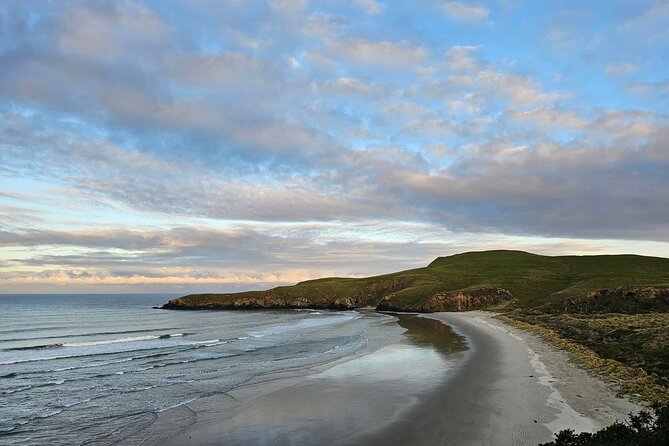
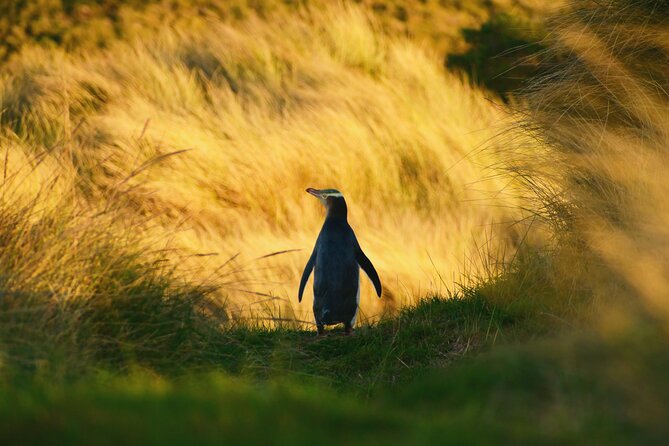
The appeal here is not simply watching penguins. It is seeing a protected coastal reserve at the hour when wildlife activity may begin to change. Hoiho spend the day foraging at sea, and at certain times of year, sunset offers a particularly good chance to see them come ashore and move toward their nests.
That timing also creates uncertainty. A yellow-eyed penguin may appear, or it may not. You need to accept that before booking. The experience remains worthwhile because the visit includes the rehabilitation centre and a close look at the conservation work behind the reserve.
The sunset itself adds a lot. Light changes quickly, so the same reserve can look different from one part of the 90-minute visit to the next. You are not being rushed through a long list of stops. The tour has one main setting, with each part offering a different way to understand it.
The First 20 Minutes: Learning About Hoiho
Your visit begins in a theatre setting with an introduction to the hoiho and the work being done to protect them. This opening matters because it gives meaning to the wildlife you may see later.
Yellow-eyed penguins are endangered, so the briefing is more than a standard orientation. You learn why the species needs protection and how the reserve’s conservation work fits into that effort. The presentation also helps you understand why a quiet approach and patient watching matter.
I appreciate this kind of beginning because it sets realistic expectations. You are not promised a staged animal encounter. Instead, you learn that wildlife follows its own timetable, and that conservation work often involves protection, rehabilitation, habitat restoration, and public education.
For children and adults who know little about hoiho, this part gives useful context before the outdoor walk. For serious wildlife watchers, it explains the purpose of the reserve and makes the later sightings more meaningful.
A few more Dunedin days to compare
- Clearwater Wildlife Tours (small group 10max) Otago Peninsula
★ 5.0 · 531 reviews - Speight’s Brewery Tour & Guided Tasting
★ 5.0 · 508 reviews - Guided Evening Penguin Viewing Otago Peninsula, Dunedin, New Zealand
★ 5.0 · 471 reviews
Inside the Rehabilitation Centre
The second section takes you into the rehabilitation centre. When penguins are in care, you can see hoiho and other penguin species at close range.
This is often the most dependable wildlife portion of the visit. Seeing a wild yellow-eyed penguin come ashore is the great hope of the evening, but a bird in rehabilitation may be the only hoiho you see. That does not make the encounter a substitute for the wild. It gives you a different view of the species and the practical work needed to help individual birds.
The rehabilitation centre also makes the conservation message tangible. Instead of hearing only about threats in a theatre, you see the care setting where penguins and other birds may be treated. The experience connects the public visit with hands-on work.
Conditions can change. Penguins are not always in care, and the information provided does not promise that you will see one inside. Keep that distinction in mind when comparing this visit with a guaranteed animal presentation. The centre is included as part of the reserve experience, but wildlife availability depends on which birds are being cared for at that time.
The Outdoor Walk at Sunset
The final part takes you into the private reserve. This is where you watch for hoiho returning from the sea, along with other wildlife found around the property.
The reserve may offer sightings of fur seals, sea lions, shorebirds, land birds, and native fauna. That mix makes the walk more than a single-species search. If the penguins stay out of sight, you still have other animals and birds to look for.
Binoculars are provided, and they are a real advantage. Small birds and distant animals can be easy to miss with the naked eye, especially as the light fades. You can use the high-quality binoculars without having to pack your own pair.
You also receive a complimentary waterproof jacket. Bring sensible clothing underneath it, since the supplied jacket is protection from rain rather than a complete cold-weather outfit. The evening can feel chilly, and one particularly wet outing still required careful walking. A waterproof layer helps, but it does not remove the need for warm clothes and sturdy footwear.
The path can be slippery during rain. Move slowly and keep your attention on the ground as well as the reserve. This is not the place for delicate shoes or a fast-paced stroll.
The Wildlife Question: What Are Your Chances?
The yellow-eyed penguin is the main attraction, but you should book this tour with an open mind. The best possible outcome is seeing hoiho return from the sea at twilight. The less fortunate outcome is seeing no wild penguins at all.
That uncertainty is normal for a genuine wildlife setting. The supplied experience information specifically points to certain times of year when sunset may offer the greatest opportunity to see hoiho. It does not promise a sighting on every departure.
One recent wet and cold outing produced no yellow-eyed penguins coming to the beach or their nests, but two were seen in the rehabilitation section. That is a useful picture of how the tour works. You may not get the iconic wild sighting, yet the visit can still provide direct contact with the species and a better understanding of its protection.
If you need a guaranteed penguin appearance, this is not the right type of activity. If you value natural behavior and are comfortable with chance, the uncertainty is part of the deal.
Somewhere else in Dunedin entirely:
- Larnach Castle and Gardens Admission Ticket
★ 4.5 · 279 reviews - Dunedin Shore Excursion: Small-Group Tour of Dunedin and the Otago Peninsula
★ 4.5 · 270 reviews - Dunedin: Wildlife and Penguin Tour
★ 4.6 · 239 reviews - Otago Peninsula Wildlife Cruise with Monarch
★ 4.5 · 227 reviews
Why the Conservation Angle Adds Value
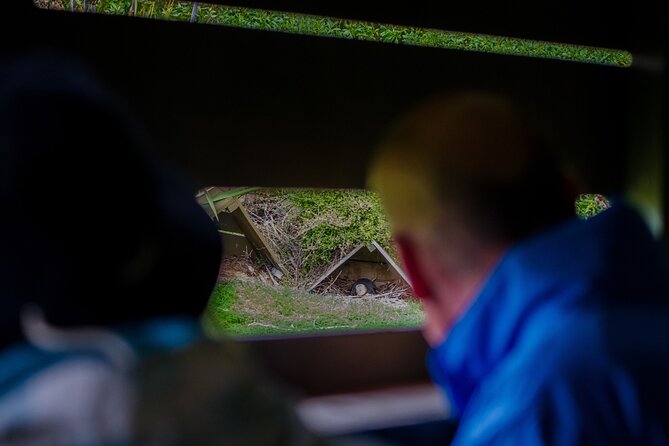
The tour operator is The Otago Peninsula Eco Restoration Alliance, known here as The OPERA. Tour operations directly fund conservation, rehabilitation, restoration, and education initiatives at the reserve.
That makes the $46.54 price more meaningful than a simple admission fee. You are paying for a guided wildlife visit, use of equipment, access to the theatre and rehabilitation centre, and a contribution to ongoing environmental work.
I would not call this a bargain in the narrowest sense, since the tour lasts about an hour and a half and a wild penguin is not guaranteed. But the price is reasonable for a small-group experience that combines interpretation, animal care, and access to a private reserve.
The conservation funding is especially valuable if you prefer experiences that support the place you are visiting. Your money helps the reserve continue its work, even on an evening when the animals remain out of view.
A Small Group With Practical Support
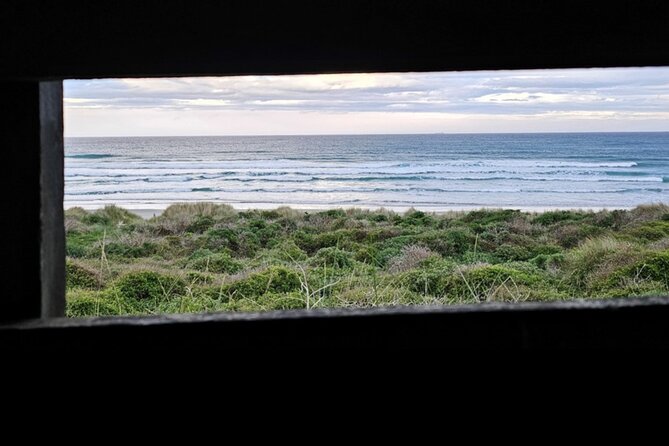
The maximum group size is 15 people. That is small enough to keep the visit from feeling like a crowd moving through a wildlife site, while still allowing the tour to operate as a guided group experience.
A guide and driver are included. The provided information does not name individual guides, so you should not book expecting a particular person. The guide’s role is important here, since the tour depends on quiet observation, wildlife interpretation, and safe movement in fading light.
The mobile ticket makes entry simple. The meeting point is 45 Pakihau Road, Portobello, Dunedin 9077, and the activity returns there at the end. You need to arrange your own way to the meeting point, since transport from elsewhere is not listed as included.
Alcoholic drinks are not included. That is a minor point, but it confirms this is a focused nature outing rather than a sunset meal or tasting experience.
Weather, Clothing, and Walking Conditions
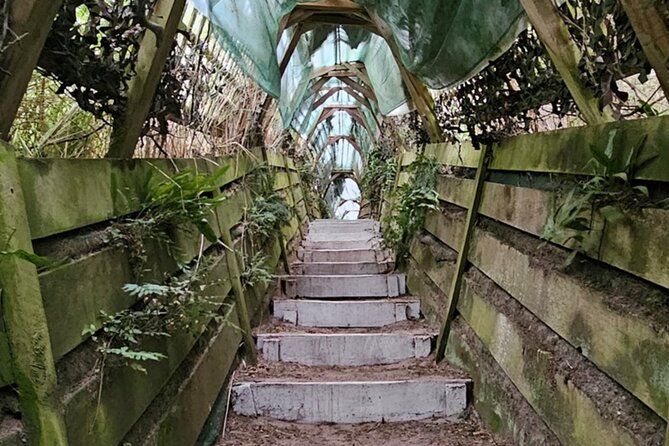
Weather is one of the biggest practical factors. The Otago Peninsula can be cold and wet at twilight, and rain can make walking more careful work.
A waterproof jacket is supplied, which is helpful because it removes one bulky item from your packing list. Still, I would wear warm layers and shoes with a reliable grip. The supplied jacket may keep rain off, but your comfort will depend on what you wear underneath it.
You should have a moderate level of physical fitness. The tour is not described as strenuous, but it includes movement through the reserve and walking that may become cautious in wet conditions. If rain is forecast, allow extra time and avoid footwear with smooth soles.
The fading light is part of the attraction, but it also means you need to watch where you step. This is a quiet wildlife walk, not a paved city attraction with bright lighting and constant flat surfaces.
How the 90 Minutes Fits Into Your Dunedin Plans
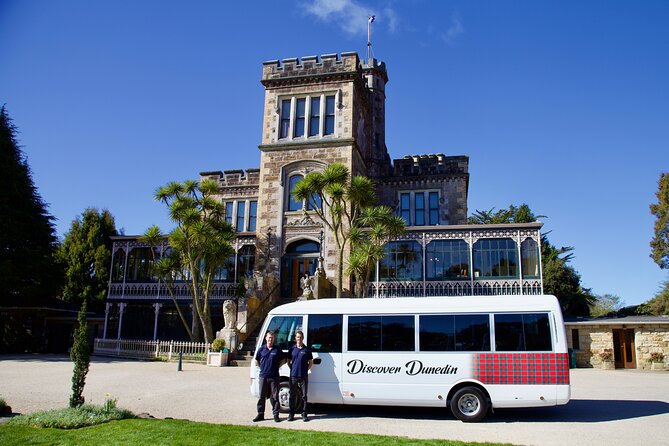
At 90 minutes, the tour is compact enough to fit into a wider Dunedin or Otago Peninsula day. It does not take up an entire afternoon or evening, but you should still allow time to reach 45 Pakihau Road and return afterward.
The exact rhythm depends on the group and wildlife activity. The theatre portion gives the visit a clear start. The rehabilitation centre follows, then the outdoor reserve section takes advantage of the remaining light.
The twilight departure is the key scheduling detail. Do not treat this as a flexible daytime attraction. The value depends on being there at the proper time of day, and sunset times change across the year.
Because the tour ends back at its starting point, you have a clear plan for the return. The experience does not list onward transport, meals, or drinks, so plan those separately.
Who Will Get the Most From This Tour?
I would recommend Twilight at The OPERA to you if wildlife conservation matters as much as getting a photograph. It suits visitors who can wait quietly, accept uncertain sightings, and appreciate the difference between a wild animal and one receiving care.
It also works well for anyone who wants a short, guided introduction to hoiho. The theatre presentation makes the visit accessible to people who do not already know much about penguins, while the reserve and rehabilitation centre provide something more direct than a standard talk.
Families may like the three-part format, especially if younger children benefit from seeing penguins before heading outside. Still, rain, cold, and slippery paths can test patience, so pack accordingly.
Photography is possible, but the tour should not be treated as a guaranteed close-up photo session. Provided binoculars help you look for animals, and the natural setting means sightings can be distant or brief.
You may want to choose another activity if your schedule cannot handle a fixed sunset time, if walking on wet ground is difficult, or if you require a guaranteed wild penguin sighting.
Is $46.54 a Fair Price?
At $46.54 per person, the value depends on what you want from the evening. If you judge the price only by the chance of seeing a yellow-eyed penguin in the wild, the result is uncertain.
If you count the full experience, the picture improves. Your admission covers a theatre presentation, access to the rehabilitation centre when birds are in care, a guided reserve visit, binoculars, a waterproof jacket, and a small group capped at 15 people.
The strongest value comes from the conservation contribution. Your booking helps fund the work that protects hoiho and restores the reserve. That gives the ticket a purpose beyond entertainment.
I would consider the cost fair for a focused wildlife experience, especially if you are already planning to visit the Otago Peninsula. Just keep your expectations honest. You are paying for access, guidance, equipment, and conservation support, not a guaranteed animal performance.
Booking and Cancellation Details
You receive confirmation when you book, and the mobile ticket is accepted for the activity. Free cancellation is available if you cancel at least 24 hours before the local start time.
Cancellations made less than 24 hours before the start are not refunded, and changes within that same period are not accepted. The activity is often booked 47 days ahead on average, so reserve early if the timing fits your Dunedin plans.
Should You Book Twilight at The OPERA?
Book it if you want a small-group sunset visit built around conservation and genuine wildlife watching. The theatre introduction, rehabilitation centre, and reserve walk give you three useful ways to understand hoiho, while binoculars and waterproof jackets make the outing easier.
Do not book it solely for a guaranteed penguin photograph. Wild sightings depend on season, weather, and animal behavior, and even a cold, rainy evening may produce only rehabilitation-centre sightings.
For me, the strongest reason to go is the combination of chance and purpose. You might see a yellow-eyed penguin return from the sea, or you might spend the evening learning why these birds need help. Either way, your ticket supports the work taking place at The OPERA.
FAQ
Where does Twilight at The OPERA begin?
The tour begins at 45 Pakihau Road, Portobello, Dunedin 9077, New Zealand.
Where does the activity finish?
The activity ends back at the meeting point at 45 Pakihau Road.
How long does the tour last?
The tour lasts approximately 1 hour and 30 minutes.
What animals might I see?
The reserve offers opportunities to see hoiho, or yellow-eyed penguins, along with fur seals, sea lions, shorebirds, land birds, and native fauna.
Are yellow-eyed penguins guaranteed?
No. The tour provides an opportunity to see wild hoiho, particularly at certain times of year, but sightings are not guaranteed. Penguins may also be seen in the rehabilitation centre when birds are in care.
What is included in the price?
The experience includes admission, a guide and driver, complimentary waterproof jackets, and use of high-quality binoculars.
Can I cancel for a full refund?
Yes. You can cancel for a full refund if you do so at least 24 hours before the experience start time. Changes and cancellations made less than 24 hours beforehand are not accepted or refunded.
Newly listed around Dunedin
- Dunedin Private Fullday Tour★ 5.0 · 5 reviews
- Shared Small Group Dunedin City and Peninsula Scenery Day Tour★ 5.0 · 5 reviews
- Dunedin to Te Anau via the Catlins One Way Small Group Tour★ 5.0 · 6 reviews
- Electric Bike Rental★ 5.0 · 6 reviews
- Private Dunedin & Otago Peninsula Day Tour Up to 4★ 5.0 · 6 reviews
- Dunedin to Queenstown One Way Tour Including Taieri Gorge Train★ 5.0 · 6 reviews
- Clearwater Private Penguin & Wildlife Tour from Port Otago (5hrs)★ 5.0 · 7 reviews
- Speight’s Brewery Tour & Dinner★ 5.0 · 7 reviews
Dunedin Tours, compared.
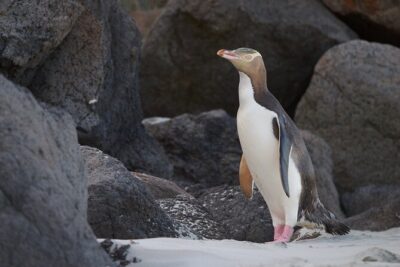
Clearwater Wildlife Tours (small group 10max) Otago Peninsula
Read our review →
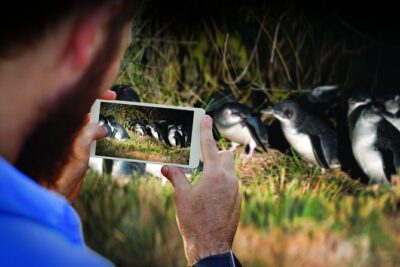
Guided Evening Penguin Viewing Otago Peninsula, Dunedin, New Zealand
Read our review →
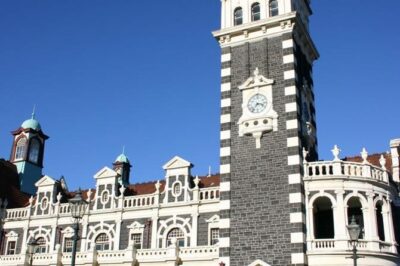
Dunedin Shore Excursion: Small-Group Tour of Dunedin and the Otago Peninsula
Read our review →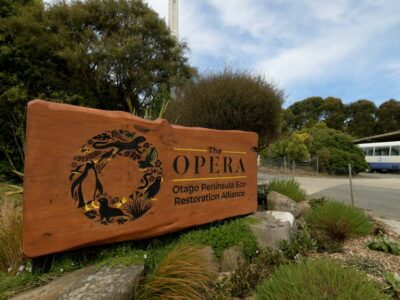
Shore Excursion: V8 Trike, Peninsula and City Tour
Read our review →Browse the lists this tour appears in