
Reviewed · WELLINGTON TOURS
Zealandia by Night Tour
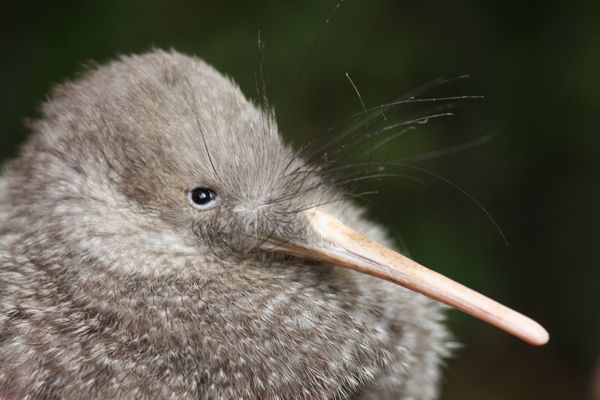
A kiwi picking its way through the forest in the dark is the prize here, and Zealandia gives you a real chance to see one. Guides report kiwi sightings on about 80 percent of night tours, though wildlife follows its own schedule. You may also hear morepork calls, see tuatara beside the track, or catch glow worms shining like tiny stars.
I like the small groups of up to 12, which make quiet wildlife watching much easier. I also like the way guides turn a simple walk into a lesson about New Zealand’s natural history and Māori connections to native species.
The catch is simple: this is a proper walk, not a drive-through animal park. Paths are uneven, the tour runs in all weather, and the sanctuary is not suitable for wheelchair users or people with walking difficulties.
Key points at a glance
- Kiwi sightings are common: The sanctuary reports sightings on around 80 percent of night tours, but no wildlife encounter is promised.
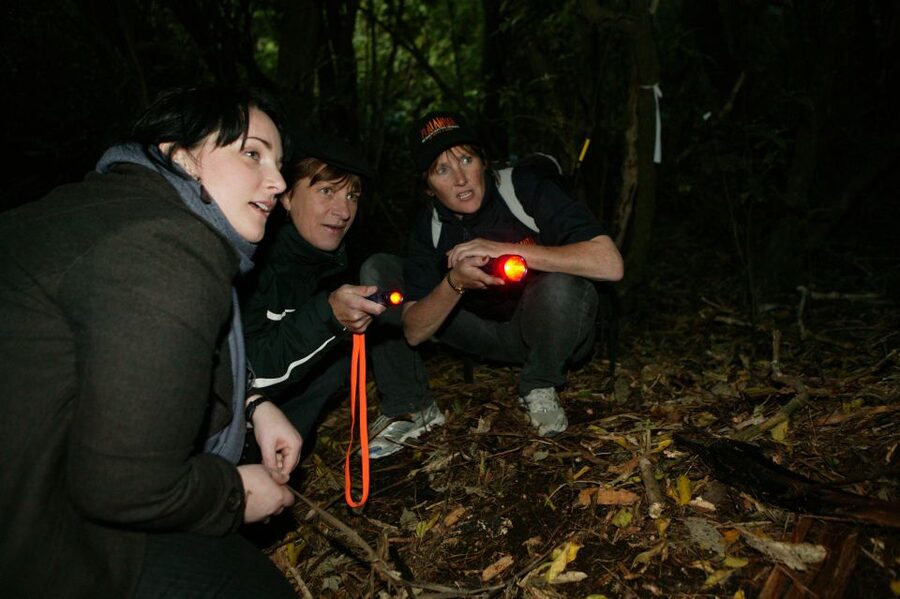
- Red-filter torches protect the night: Torches are provided and designed to limit disturbance to animals and preserve your night vision.
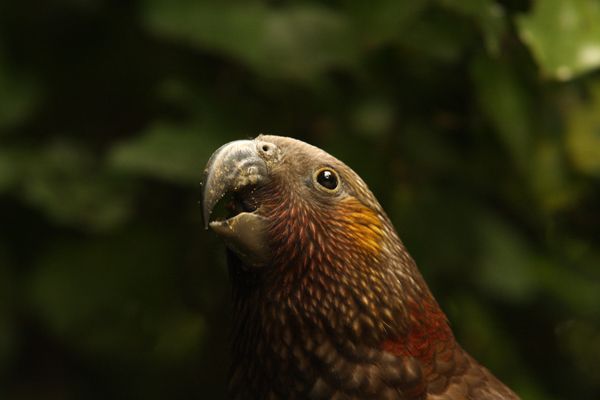
- Rare species share the route: Look and listen for tuatara, wētā, glow worms, frogs, takahē, native birds, and other creatures.
- Guides do the hard work: Guides such as Oliver, Bree, Toby, Claire, Amanda, and Will have been praised for sharp spotting skills and clear explanations.
- A small group matters: With no more than 12 people, you can hear the guide and gather quietly around wildlife sightings.
- Hot kawakawa tea ends the walk: The tour finishes at the Visitor Centre with a cup of this traditional bush tea.
Zealandia after sunset feels like a different place
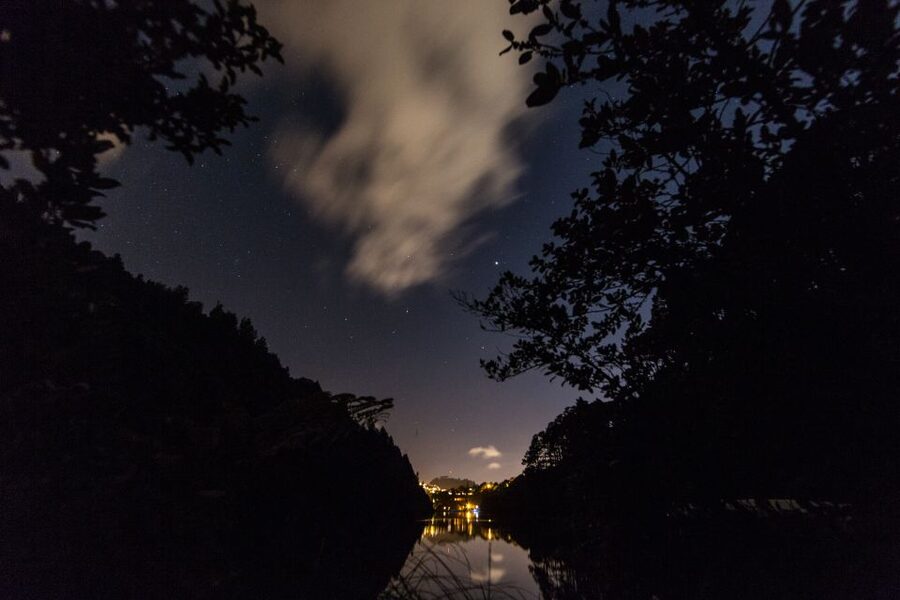
Zealandia is only about 10 minutes from Wellington’s central business district, but the night tour quickly leaves city life behind. Once darkness settles, the sanctuary changes character. Daytime bird calls give way to rustling leaves, distant cries, and the careful sounds of animals feeding.
Your guide leads the walk by torchlight, using a red filter rather than a bright white beam. That detail matters. Bright light can disturb wildlife and ruin your own night vision, while the red glow lets you scan the track and forest edge more gently.
The tour lasts about 2.5 hours. That gives your group enough time to move slowly, pause for sounds, and wait when a guide or assistant spots something near the path. This is not a fast circuit with a checklist at the end. The pace has to respond to the animals.
The walk can also begin around sunset, depending on the evening schedule. You might get a little remaining daylight before the forest turns fully dark, along with the unusual experience of hearing the bird chorus wind down. One especially memorable detail from the tour experience is how the sanctuary can go suddenly quiet as birds settle for the night.
More evening outings in Wellington:
- Zealandia Small Group Eco Wildlife Night Tour
★ 5.0 · 127 reviews - Oamaru: Penguins Evening Viewing Ticket
★ 4.5 · 682 reviews - Guided Evening Penguin Viewing Otago Peninsula, Dunedin, New Zealand
★ 5.0 · 471 reviews
The opening walk introduces New Zealand’s wild side
Early in the tour, your guide sets the scene. Zealandia is a fully fenced urban eco-sanctuary, created to protect native plants and animals in a setting close to Wellington. The point is not just to display wildlife. It is to give threatened species protected habitat and help restore a native forest environment.
That context gives the walk more meaning. When you see a tuatara or hear a kiwi calling across the valley, you are not simply ticking off an unusual animal. You are seeing part of a wider conservation effort.
Guides explain New Zealand’s natural history as you go, including the importance of distinctive species in Māori culture. The best guides bring this information into the walk instead of turning it into a long speech. Past guides named by visitors include Oliver, Bree, Toby, Claire, Amanda, Will, and Alan. The strongest praise has gone to guides who can identify birds by sound, explain each animal clearly, and keep the group interested during quieter stretches.
You may also use the included English audio equipment. A radio microphone and earpiece system has been praised as a practical touch because you can hear the guide without everyone crowding around. This is useful at night, when the group may spread along a narrow or uneven track.
Searching the forest floor for tuatara and wētā
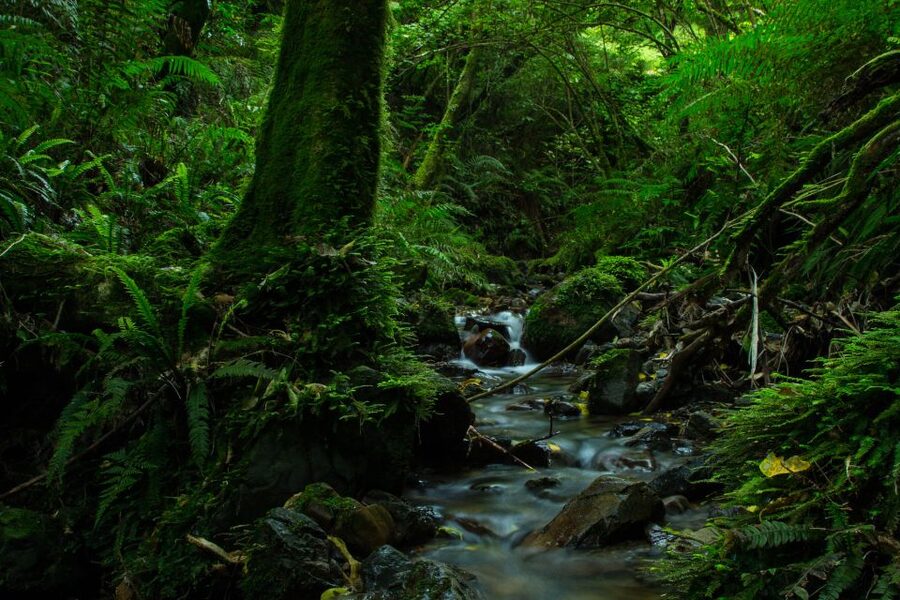
Some of Zealandia’s most interesting creatures are small, slow, or well hidden. Your guide and any assistant spotters scan the edges of the path, tree trunks, damp ground, and low vegetation. You will need patience and a willingness to look where the torch beam points.
Tuatara are a major highlight. These reptiles are often described as living relics because of their ancient lineage, though the important point for your visit is practical: they are unusual, hard to see in many places, and active enough at night to reward careful searching. Several tours have found multiple tuatara, including a very young one.
Wētā are another likely find. These large native insects can look startling when your torch first catches them. They are part of the night forest’s character, and a good guide will explain what you are looking at instead of letting the sighting pass in a flash.
You may also see frogs, slugs, fish, or a pepeketua, the Māori name used for native frogs. The exact mix changes from night to night. That uncertainty is part of the appeal, but it also means you should not judge the tour only by how many species you can list afterward.
Glow worms turn a dark corner into a night sky
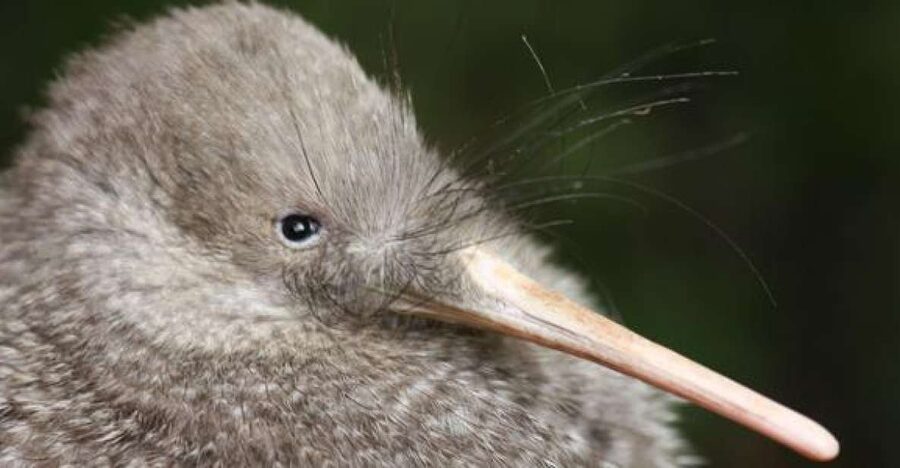
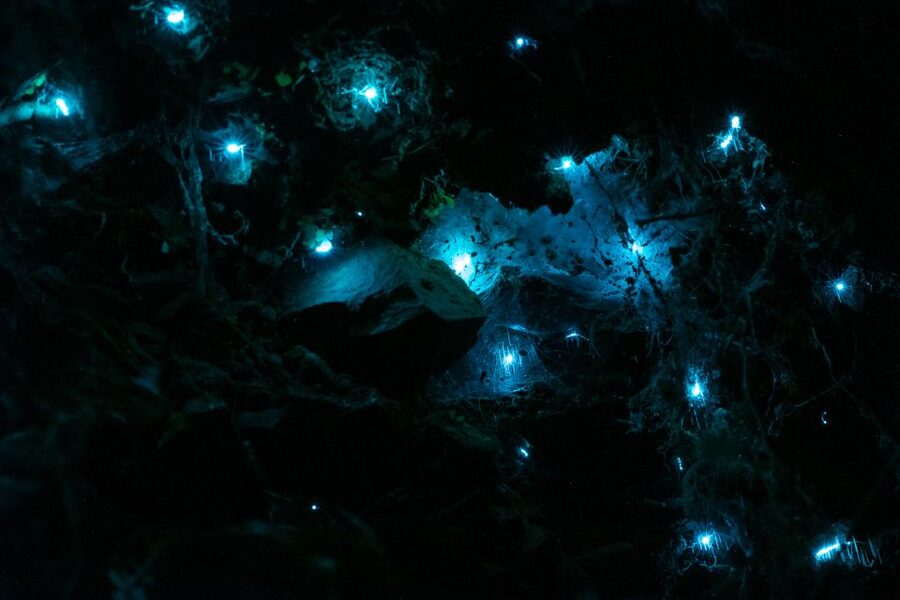
Glow worms are one of the quieter pleasures of the walk. They do not provide the drama of a kiwi crossing the path, but the sight can be magical. In a dark area, their small points of light resemble stars scattered across the forest.
This stop works best when the group stays still and keeps torchlight controlled. It is a good example of why the red filters and no-flash rule matter. Flash photography is not allowed, and you should not bring an umbrella or open-toed shoes.
The forest can be damp, so wear sturdy, comfortable shoes and bring a waterproof jacket. Layers are sensible too. Wellington weather can change, and the tour runs rain or shine. You want to spend your attention on the forest, not on cold feet or wet sleeves.
A few more Wellington days to compare
- Wellington: Wētā Workshop Guided Tour Ticket
★ 4.7 · 997 reviews - Wētā Workshop Experiences Tour – Wellington
★ 5.0 · 875 reviews - Wellington: Return Cable Car Ticket
★ 4.6 · 714 reviews - Half Day Tour of Wellington
★ 4.5 · 638 reviews
Kiwi watching is the tour’s great moment
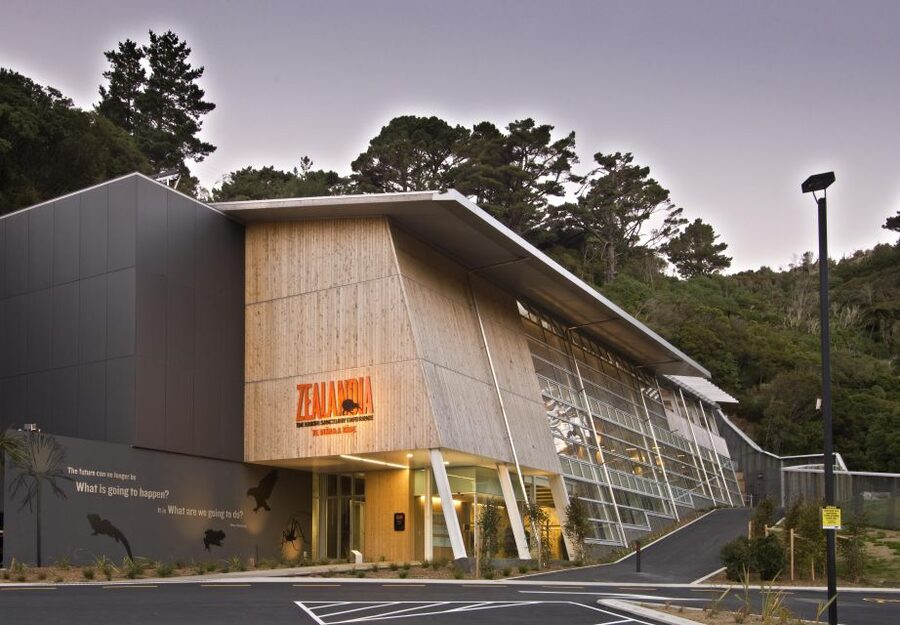
The kiwi search is the part most people hope for, and Zealandia offers unusually good odds. Sightings are common on these tours, at around 80 percent, but the figure is not a guarantee. You may hear a kiwi before seeing one, or hear calls from opposite sides of the valley as birds communicate across the dark.
When a kiwi appears, the group needs to stay quiet and give the bird room. The guide may point out its movement or feeding behavior, but the animal sets the terms. Past sightings have included one, two, four, and even six kiwi on a single tour, while other outings may produce only calls or no sighting at all.
The best reports describe kiwi foraging close to the path, sometimes walking across it while looking for food. That kind of encounter feels very different from seeing a bird behind glass. You are watching a nocturnal animal behave in its own habitat, under the sanctuary’s protection.
Do not expect a photo souvenir. Flash photography is forbidden, and nighttime wildlife photography is difficult even with permitted equipment. The reward is the sight itself, not a perfect image for your camera roll.
Bird calls make the night memorable
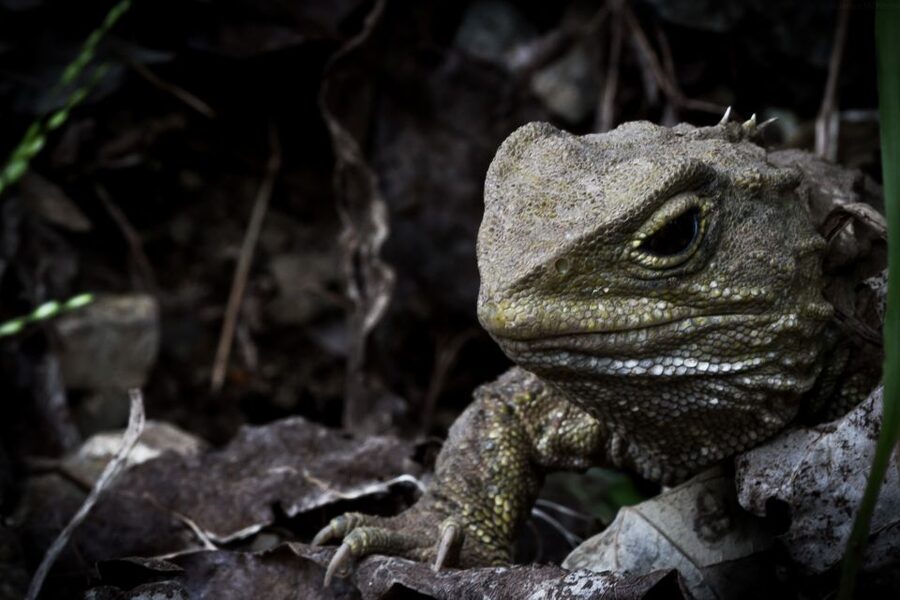
You may hear more birds after dark than you expect. One of the unusual pleasures of the tour is noticing how much sound carries through the valley. Morepork calls can be heard, and guides may identify other birds from their voices.
This is where a skilled guide makes a real difference. Guides such as Bree have been praised for recognizing birds and other animals by sound, then explaining what you are hearing. You may not see every creature that calls, but you leave with a better sense of how active the forest remains after sunset.
The walk also includes nocturnal sounds that are not neatly labeled. Leaves move, insects click, and something may rustle just beyond the torch beam. The guide and assistant spotters help turn those small signs into possible sightings. Their role is important because one person may notice movement while the guide is speaking to the group.
The interactive exhibition adds useful context
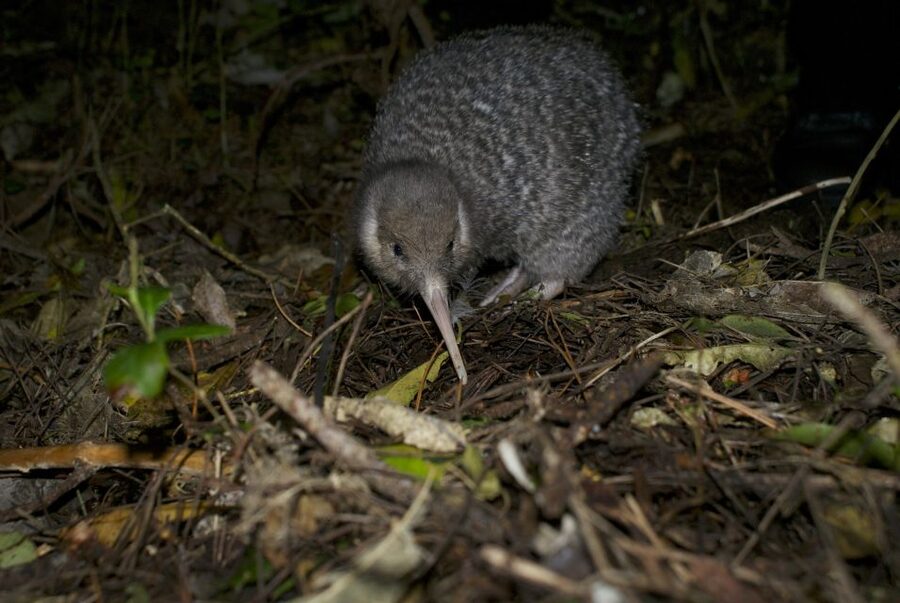
The guided walk includes admission to Zealandia’s interactive exhibition. It is not the main event for most people booking the night tour, but it helps you understand the sanctuary before or after the forest walk.
Use it to get your bearings and learn more about New Zealand’s native animals, conservation work, and natural history. If you arrive with time before the tour, the exhibition can give you a useful introduction. If you return from the forest full of questions, it provides another way to place the night’s sightings in context.
The tour ends back at the Visitor Centre with hot kawakawa, often called bushman’s tea. This is a small but welcome finish after 2.5 hours outdoors. It also gives the group a chance to warm up and talk through the animals seen along the way.
What the $59 price really covers
At $59 per person, the price includes the exhibition entrance fee and the guided night tour. Transportation is not included, so you must make your own way to Zealandia Visitor Centre at 53 Waiapu Road, Karori, Wellington 6012.
I consider the price fair if you value expert guiding and the chance to see wildlife that is difficult to find independently. You are paying for access, a small group, red-filter torches, staff who search and listen for animals, and explanations that help you understand what you see.
The value is less clear if you want a guaranteed kiwi encounter or a relaxed, mostly seated activity. No responsible wildlife tour can promise a kiwi, and this one involves moderate walking over uneven ground. You are buying a strong possibility and a well-run search, not a fixed show.
The group limit of 12 is a real advantage. A large crowd would make quiet listening and careful viewing harder. With a smaller group, the guide can keep everyone informed and assistants can scout ahead for animals.
Free cancellation is available up to 24 hours before the tour for a full refund. That is useful in Wellington, where poor weather may affect your plans, though you should still expect the tour to operate in rain.
Who will enjoy this Wellington night tour
This experience suits nature lovers, older children aged 12 and above, visitors interested in Māori connections to native species, and anyone who wants more than a standard city attraction. It is also a strong choice if you have already visited Zealandia by day and want to see how the sanctuary changes after dark.
You should be comfortable walking for a moderate amount of time on uneven surfaces. High heels, open-toed shoes, umbrellas, and flash photography are not allowed. Wear sturdy footwear, several layers, and a waterproof jacket.
The tour is not recommended for wheelchair users or people with mobility impairments. If you have any accessibility or mobility requirements, tell the operator when booking so they can explain what may be possible.
Families should note the minimum age of 12. Younger children cannot join this tour, even if they are keen wildlife watchers.
How to get the most from the experience
Arrive dressed for the weather rather than for Wellington’s city center. Comfortable shoes are essential, and a waterproof outer layer is wise even if the evening begins dry.
Keep your hands free for walking and listening. Your guide provides the torch, and its red filter is designed to protect wildlife and your night vision. Avoid using your phone as a torch, and follow instructions about light and noise.
Set your expectations around the kiwi. Hope to see one, but also value the calls, glow worms, tuatara, wētā, frogs, and bird sounds. Some of the most memorable moments may be quiet ones, such as hearing the forest change as daytime birds settle down.
If you have time in Wellington, consider visiting Zealandia by day as well. A daytime visit can help you recognize the sanctuary’s bird species and tracks, while the night walk reveals a different set of animals and sounds. One tour experience even led to a return daytime walk, which is a good sign that the sanctuary rewards a second look.
Should you book Zealandia by Night?
Yes, if you want one of Wellington’s best chances to see a kiwi in a protected natural setting and you are happy to walk outdoors after dark. The guides and spotters are the heart of the experience, and the small group makes their work easier to follow.
Book it with realistic expectations. Wildlife can hide, weather can turn, and the paths are not accessible for everyone. But if you bring sturdy shoes, warm layers, patience, and a little luck, Zealandia by Night offers something a daytime attraction cannot: the feeling of listening for New Zealand’s rare creatures as they begin their nightly routines.
FAQ
How long does the Zealandia by Night Tour last?
The tour lasts 2.5 hours.
How much does the tour cost?
The price is $59 per person.
Where does the tour meet?
Meet at the Zealandia Visitor Centre, 53 Waiapu Road, Karori, Wellington 6012.
Is transportation included?
No. Transportation to and from Zealandia is not included.
What animals might I see?
You might see kiwi, wētā, glow worms, tuatara, takahē, frogs, and other native birds and animals. Sightings depend on the night.
Are kiwi sightings guaranteed?
No. Kiwi sightings are common, at around 80 percent of tours, but they are not guaranteed.
What language is the tour conducted in?
The live guide and included audio guide are in English.
What should I wear and bring?
Wear comfortable, sturdy shoes, plenty of layers, and weather-appropriate clothing, including a waterproof jacket. The tour operates rain or shine.
Is the tour suitable for wheelchair users?
No. The tour involves a moderate amount of walking on uneven surfaces and is not recommended for wheelchair users or people with walking disabilities. You should advise the operator about mobility or accessibility requirements when booking.
Newly listed around Wellington
- Wellington Jewish Heritage sightseeing tour with a kosher lunch★ 5.0 · 5 reviews
- Private Tour in Wellington★ 5.0 · 5 reviews
- Wellington: Lord of the Rings Filming Locations Tour★ 4.0 · 6 reviews
- Star Safari Stargazing Experience, Martinborough★ 5.0 · 6 reviews
- Wellington 90 minute Harbour Cruise★ 5.0 · 6 reviews
- Wharekauhau Heli-lunch from Wellington★ 4.5 · 6 reviews
- Kombucha Rum and Craft Beer Private Tour★ 3.5 · 6 reviews
- Easy Rider Two-Hour Wellington eBike Tour★ 5.0 · 7 reviews
Wellington Tours, compared.
Wellington’s Original LOTR Experience – includes Weta and Lunch
Read our review →
Northern Explorer Train Journey from Wellington to Auckland
Read our review →Browse the lists this tour appears in