
Reviewed · WELLINGTON TOURS
Museum of NZ Te Papa Tongarewa: International Visitor Entry
Te Papa is not a quiet room full of glass cases. It is a hands-on look at New Zealand, with Māori and Pacific treasures, natural history, national art, and powerful war exhibits spread across a waterfront museum. I especially like the interactive displays, which make difficult subjects easier to grasp, and the care given to Māori culture, which is presented as part of the country’s living identity rather than a side exhibit.
The main catch is simple: the museum is large, and a few hours may leave you wishing for more time. Your ticket costs $21.72 per person, applies to international visitors aged 16 and over, and is valid for 48 hours, so the best value comes from returning instead of trying to rush through every floor in one visit.
Key points before you enter
- A 48-hour ticket: Use your admission over two days, with the museum open daily from 10 a.m. to 6 p.m.
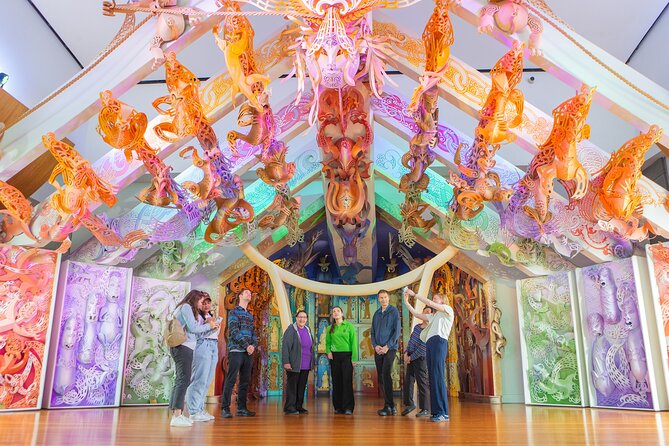
- Māori and Pacific collections: See cultural treasures and learn how Māori heritage connects to present-day Aotearoa New Zealand.
- Gallipoli and ANZAC displays: Allow extra time for the military exhibits, which can be especially moving and visually powerful.
- Interactive presentation: Technology and hands-on elements keep the museum active rather than purely text-based.
- International entry rules: Visitors aged 16 and over from outside New Zealand need a ticket. International visitors under 16 need a free ticket.
- Paid extras cost more: General admission does not cover special exhibitions, events, tours, or Story Place.
Why Te Papa deserves a place in your Wellington plans
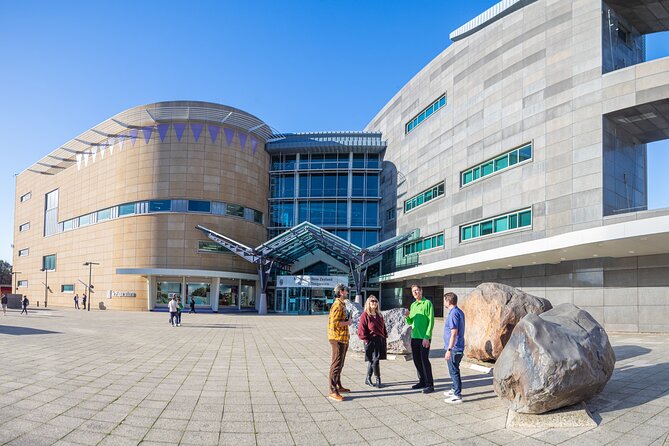
Te Papa Tongarewa is New Zealand’s national museum, located on Wellington’s waterfront. Its appeal is the range of subjects under one roof. In a single visit, you can move from Māori and Pacific cultural objects to the natural environment, New Zealand history, national art, and military memory.
That variety makes the museum useful early in a Wellington visit. You do not need to arrive with much background. The displays give you a starting point for understanding the country’s people, traditions, conflicts, and natural setting.
I like museums that give you more than one way to learn. Te Papa uses objects, written material, technology, and interactive features, so you are not forced to stand in front of long labels for hours. Some displays invite a closer look, while others ask you to think about difficult subjects and national memory.
The museum also works well for mixed groups. One person can spend time with art while another focuses on military history or Māori culture. Families and younger visitors may prefer the interactive parts, while adults can spend longer with the historical and cultural material.
The building’s size is both its strength and its problem. There is enough here for a full day, and possibly several visits, but that also means you should choose your priorities. If you arrive late and try to see everything, you may remember the corridors more than the exhibits.
More museums and galleries in Wellington:
- Wellington: Museum of NZ General Admission
★ 4.7 · 156 reviews - Museum of NZ Te Papa Tongarewa: Gallipoli Exhibition Guided Tour
★ 4.5 · 111 reviews - Museum of New Zealand Te Papa Tongarewa: Introducing Te Papa Tour
★ 4.5 · 105 reviews
Begin with Māori and Pacific cultural treasures
The Māori and Pacific displays are among the most important parts of the museum. They give you a chance to see cultural treasures while learning about the traditions and identities connected with Aotearoa New Zealand and the wider Pacific.
The value here is not just the objects themselves. The presentation places Māori culture within the wider story of New Zealand. That matters because Māori heritage is not treated as an isolated historical chapter. It is part of the country’s identity and public life.
You should give these displays more time than a quick pass through the room. Look at how objects are presented, read the explanations, and notice the different ways the museum uses technology and visual material to support the collection.
This is also a good area for visitors who want cultural context before exploring other parts of Wellington. It can help you understand references to Māori language, traditions, and heritage that you may encounter elsewhere in New Zealand.
The amount of information can feel heavy if you are already tired. I suggest choosing a few sections to read closely rather than trying to absorb every label. The 48-hour ticket makes that choice easier because you can return the next day with a clearer plan.
Give the interactive exhibits time to work
Te Papa’s interactive approach is one of its clearest strengths. Technology and hands-on features turn the visit into more than a walk past objects. You may find that a display explains an idea more clearly through movement, sound, or participation than a wall panel could manage.
This style is helpful when you are visiting with children, though adults benefit from it too. Complex subjects can become easier to follow when the museum lets you see how something works or places you inside a larger story.
The approach also gives the museum a modern feel. You are not simply looking backward at old objects. The displays connect culture, science, art, and history with the way New Zealand understands itself today.
Still, interactive exhibits can take time. A single section may hold your attention longer than expected, especially if you are sharing the space with other people. That is another reason not to treat Te Papa as a quick one-hour stop.
If you have only one day in Wellington, set a limit for each area. If you have two days, use the first visit to find the exhibits that deserve a slower second look.
Make room for Gallipoli and the ANZAC experience
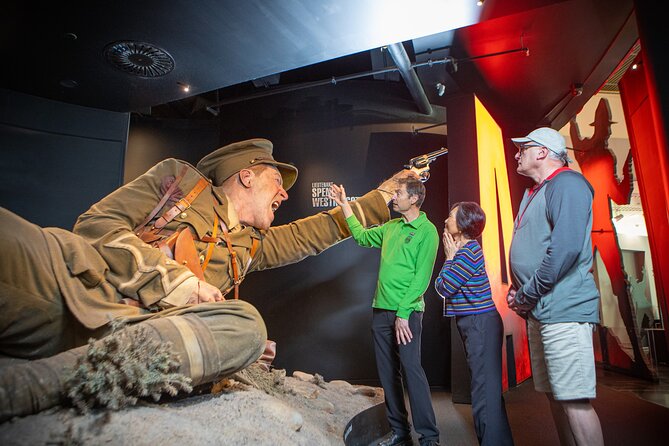
The Gallipoli exhibit receives strong attention for good reason. It focuses on the ANZAC experience and uses a striking presentation that can make the human cost of war feel immediate.
You may have seen military museums that rely mainly on uniforms, weapons, and dates. This exhibit appears to take a more personal and emotional route. The large-scale figures and carefully designed setting help you connect with the people behind the campaign.
The exhibit was designed by Jonathan Turner, who is also associated with The Lord of the Rings, according to the supplied experience information. That design background helps explain why the presentation feels theatrical and visually memorable, but the subject remains serious rather than entertaining.
Allow plenty of time here. It is easy to spend so long with Gallipoli that you see little else in the museum. That is not a bad choice if war history matters to you, but it can affect your overall visit.
The ANZAC section may be particularly meaningful for visitors from New Zealand and Australia, though you do not need a military connection to understand its purpose. It gives the museum a strong emotional center and shows how national memory can be shaped through objects, scale, and storytelling.
Because the subject is war, this may not suit every visitor. If you are traveling with young children, you may want to decide in advance how much time to spend there. The museum’s wider collections offer plenty of alternatives.
A few more Wellington days to compare
- Wellington: Wētā Workshop Guided Tour Ticket
★ 4.7 · 997 reviews - Wētā Workshop Experiences Tour – Wellington
★ 5.0 · 875 reviews - Wellington: Return Cable Car Ticket
★ 4.6 · 714 reviews - Half Day Tour of Wellington
★ 4.5 · 638 reviews
Explore New Zealand’s natural environment
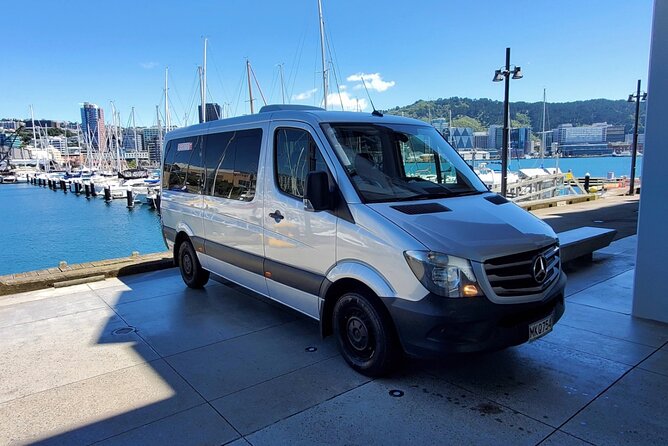
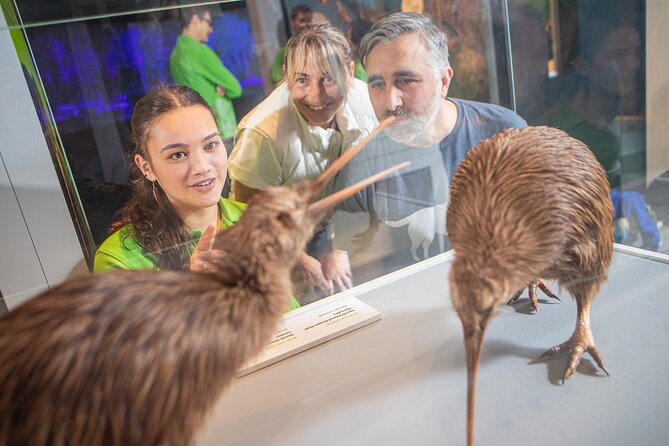
Te Papa also explains New Zealand’s natural environment. This part gives you a broader view of the country beyond its cities and cultural institutions.
The displays help place New Zealand’s people and history within the setting they inhabit. That connection is useful for visitors planning to see more of the country, because it gives context to the distinctive environment you will encounter beyond Wellington.
The presentation is not limited to one subject. You can move between natural history, cultural stories, and national identity, seeing how the museum links different parts of New Zealand’s story.
I would not rush this section simply because you plan to visit outdoor sites later. A museum cannot replace time in the country itself, but it can prepare you to notice more when you travel onward.
As with the other galleries, the amount of material may be more than you can absorb in one pass. Pick the topics that interest you most, then return if you want a fuller visit.
Find the National Art Collection

The National Art Collection adds another layer to the museum. It gives you a chance to see New Zealand through artists and visual culture, rather than only through historical objects or written accounts.
This is a useful change of pace after the cultural or military galleries. Art asks you to look more slowly and make your own connections. It can also help you see how New Zealand has represented its people, places, and ideas over time.
The collection is included in general museum admission, but the ticket does not cover every art-related event or paid exhibition. Check the details before you arrive if a special exhibition is the main reason for your visit.
I like having art included in a national museum because it prevents the visit from becoming a single-track history lesson. You can shape the experience around your own interests, moving between art, culture, natural history, and interactive displays.
Plan your two days around energy and attention
The ticket is valid for 48 hours, not just a single entry during one calendar day. That is a real advantage. The museum is open from 10 a.m. to 6 p.m., giving you an eight-hour daily window, but you do not need to spend all of it inside at once.
A good plan is to make a first visit for orientation. Start with the areas that matter most to you, note what you want to revisit, and leave before museum fatigue sets in. Return the next day for the exhibits you rushed or skipped.
You can also split the visit around other Wellington plans. The waterfront location makes Te Papa an easy stop during a day in the city, though the ticket itself does not include parking. Public transport is nearby, and the museum allows service animals.
The mobile ticket is practical because you can carry it on your phone rather than manage a paper voucher. Booking online is intended to help you avoid a queue, but remember that the ticket is only for general admission.
Do not assume every room, event, or activity is included. Paid exhibitions, special events, tours, and Story Place require separate payment, with prices depending on the day. If one of these is important to you, check its price before booking the general entry ticket.
Is $21.72 good value?
At $21.72 per person, the ticket is reasonable if you plan to spend several hours at Te Papa or use the full 48-hour validity. The value is strongest for visitors who want a broad introduction to New Zealand rather than a short single-subject museum.
The ticket becomes less attractive if you only have time for a quick walk through the building. Te Papa has enough material to reward a longer visit, so rushing in for 45 minutes may not give you the experience you are paying for.
The rules also matter. New Zealand citizens and residents, including those living overseas, enter free and do not need a ticket. International visitors under 16 are free but still need a ticket. International visitors aged 16 and over must buy admission under the terms provided here.
There is some confusing information online about free entry, so check your status carefully before paying. If you are a New Zealand citizen or resident, you should not purchase this international entry ticket.
Free cancellation is available if you cancel at least 24 hours before the experience start time. Cancellations made later are not refunded, and changes made within that period are not accepted.
Who will enjoy Te Papa most?
I would recommend this museum to first-time visitors who want a useful introduction to New Zealand. It also suits anyone interested in Māori and Pacific culture, national art, natural history, or military history.
Families may appreciate the interactive features, though the museum’s serious subjects mean that not every exhibit will suit very young children. The Gallipoli display, in particular, may call for a slower and more thoughtful visit.
It is also a good rainy-day plan in Wellington. The 48-hour entry makes it easy to keep the museum flexible rather than committing your whole day at once.
You should think twice if you dislike large museums or prefer a short, tightly guided experience. There is no guide included, and general admission lets you set your own route. That freedom is useful, but you must manage your time yourself.
Practical details that affect your visit
The museum is open Monday through Sunday from 10 a.m. to 6 p.m. The experience listing gives these hours for the period from December 19, 2024, through November 26, 2026.
You receive confirmation when you book, and the ticket is delivered for mobile use. Most people can participate, and service animals are allowed.
There is no parking included. The museum is near public transportation, so you can plan to arrive without relying on the ticket for any transport service.
General admission is the only inclusion. Tours, events, paid exhibitions, and Story Place are outside the ticket and may have different prices depending on the day.
Should you book this Te Papa entry?
Book it if you are an international visitor aged 16 or over and want more than a quick look at Wellington. The 48-hour validity gives you room to explore Māori and Pacific culture, natural history, national art, and the powerful Gallipoli exhibit without forcing everything into one exhausting session.
I would be especially keen to book if the museum is a priority and you can return for a second visit. If you have only a short stop in Wellington, choose your must-see sections first and accept that you will not cover everything.
Skip this ticket if you qualify for free entry as a New Zealand citizen or resident, or if you are buying it only for a paid exhibition or event. General admission does not include those extras. For most international adults with enough time, though, Te Papa offers a thoughtful and varied introduction to New Zealand at a fair price.
FAQ
How long is the Te Papa ticket valid?
The ticket can be used for 48 hours, or two days.
What are the museum’s opening hours?
Te Papa is open every day from 10 a.m. to 6 p.m.
Who needs to buy an international visitor ticket?
International visitors aged 16 and over need to buy a ticket.
Do international visitors under 16 need a ticket?
International visitors under 16 enter free, but they still need a ticket.
Do New Zealand citizens and residents need to buy admission?
New Zealand citizens and residents enter free and do not need a ticket. This also applies to citizens and residents living overseas.
What does general admission include?
The ticket includes general admission to the Museum of New Zealand Te Papa Tongarewa.
Are paid exhibitions and tours included?
No. Paid exhibitions, events, tours, and Story Place are not included. Prices for these extras depend on the day.
Does the ticket include parking?
No. Parking is not included, although the museum is near public transportation.
Newly listed around Wellington
- Wellington Jewish Heritage sightseeing tour with a kosher lunch★ 5.0 · 5 reviews
- Private Tour in Wellington★ 5.0 · 5 reviews
- Wellington: Lord of the Rings Filming Locations Tour★ 4.0 · 6 reviews
- Star Safari Stargazing Experience, Martinborough★ 5.0 · 6 reviews
- Wellington 90 minute Harbour Cruise★ 5.0 · 6 reviews
- Wharekauhau Heli-lunch from Wellington★ 4.5 · 6 reviews
- Kombucha Rum and Craft Beer Private Tour★ 3.5 · 6 reviews
- Easy Rider Two-Hour Wellington eBike Tour★ 5.0 · 7 reviews
Wellington Tours, compared.

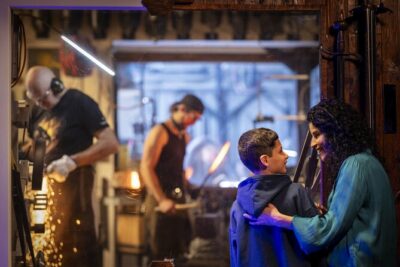


Wellington’s Original LOTR Experience – includes Weta and Lunch
Read our review →
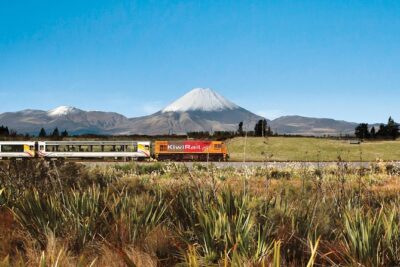
Northern Explorer Train Journey from Wellington to Auckland
Read our review →Browse the lists this tour appears in