
Reviewed · DUNEDIN TOURS
Dunedin: Wildlife and Penguin Tour
The rarest prize here is the hoiho, or yellow-eyed penguin, an endangered bird that may appear on the beach, near its nest, or not at all. This 90-minute visit to a private reserve on the Otago Peninsula combines a conservation presentation, a possible close look at penguins in rehabilitation, and a guided walk through native habitat.
I like the way the tour links wildlife viewing to real conservation work, rather than treating penguins as a photo stop. I also like the mix of animals: fur seals, New Zealand sea lions, little penguins, and shorebirds can make the trip worthwhile even when the yellow-eyed penguins stay out of sight. The main consideration is simple: wild penguin sightings are never guaranteed, and the 2km walk is not suitable for people with low fitness or mobility limitations.
Key points to know before you go
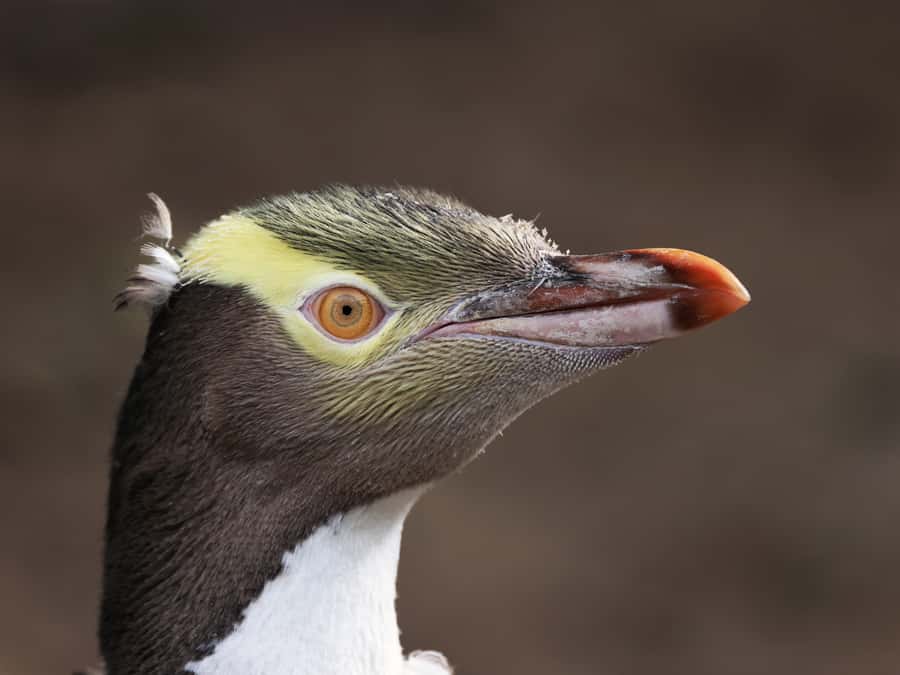
- Yellow-eyed penguins are a possibility, not a promise: Their numbers are declining, and sightings change with the season and the day.
- Three-part visit: You begin with a conservation presentation, continue to the rehabilitation centre when penguins are present, then take a bus into the reserve.
- The walk covers about 2km: Expect an outdoor nature walk rather than a quick viewing platform.
- Other wildlife can save the day: Fur seals, sea lions, little penguins, forest birds, and shorebirds all live in the reserve.
- Guides add real value: Guides including Emma and Eden are known for strong animal knowledge, lively explanations, and patience with photography stops.
- The $44 price is fair for the access: It includes the guide, bus ride, reserve walk, rehabilitation-centre access, and rain jackets.
Why the Otago Peninsula matters
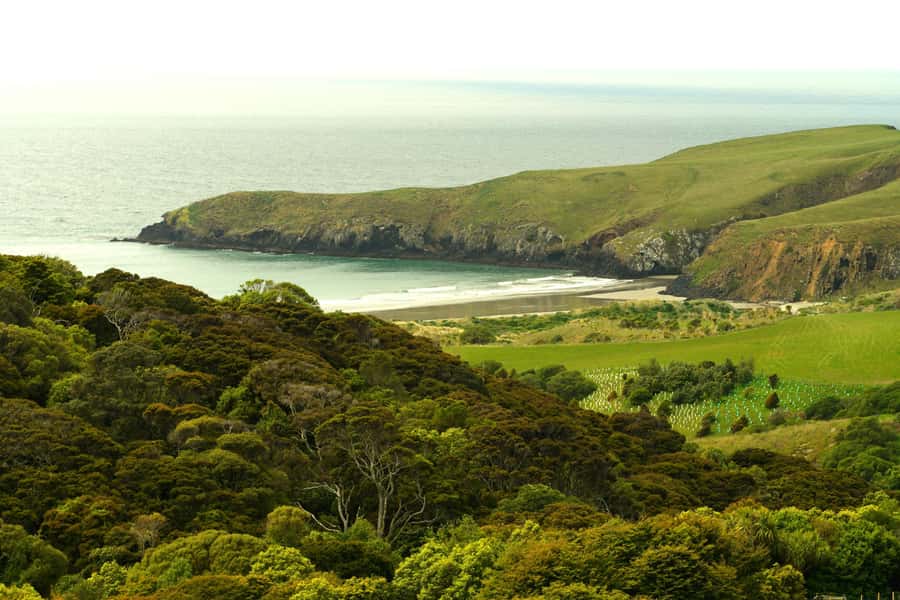
Dunedin’s Otago Peninsula is one of New Zealand’s best places to look for coastal wildlife. The private reserve visited here protects native habitat and supports work aimed at restoring the area to something closer to its original condition.
That conservation setting changes the feel of the outing. You are not simply riding out to see an animal and leaving again. You learn why the penguins need protected nesting areas, how sensitive they are to people, and why habitat restoration matters for birds and other native species.
The yellow-eyed penguin is known locally as hoiho. It is the rarest penguin species in the world, and its population is currently in decline. That explains the careful approach used on the walk and the fact that guides cannot lead you straight to a bird on demand.
This is an important point when you decide how to spend your time in Dunedin. If you need a guaranteed penguin encounter, this may leave you disappointed. If you want to support a working conservation reserve and understand the difficulties behind wildlife protection, the uncertainty is part of the experience.
More Wildlife Tours in Dunedin
- Clearwater Wildlife Tours (small group 10max) Otago Peninsula
★ 5.0 · 531 reviews - Otago Peninsula Wildlife Cruise with Monarch
★ 4.5 · 227 reviews - Albatross, seals, and sea birds-Wildlife Cruise
★ 5.0 · 189 reviews
Starting with the conservation presentation
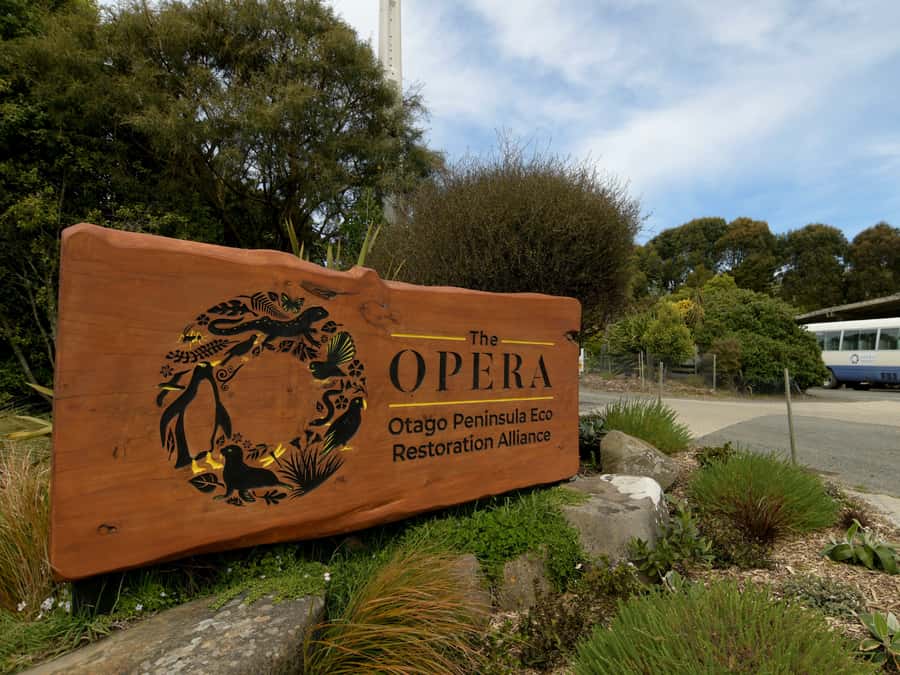
Your visit begins at 45 Pakihau Road. Check in at reception, then settle into a theatre-style presentation about the reserve and its protection work.
The presentation covers the restoration of native habitat, the life of yellow-eyed penguins, and the steps being taken to protect hoiho and the other species living on the property. It gives you useful context before the outdoor portion, so you know why the guide keeps a respectful distance and why some areas may have limited visibility.
I find this opening especially useful for first-time wildlife watchers. Without context, it is easy to think only about getting a close photograph. The presentation explains why a quiet, distant sighting can be more responsible than a dramatic close encounter.
The talk also helps you notice more than penguins. The reserve is home to forest and shore birds, plants, fur seals, sea lions, and little penguins. You begin to see the property as a functioning habitat, not just a penguin viewing area.
A careful look at the rehabilitation centre
The next part is an exclusive visit to the rehabilitation centre, when penguins are present. This can be your best chance to see yellow-eyed penguins up close, especially on a day when wild birds do not appear along the coast.
The centre may also hold other penguin species. One recent visit had three different kinds of penguins present, while other outings included yellow-eyed penguins in care and little blue penguins in nest boxes. The exact animals change, so do not expect the same display each time.
You should also understand that access does not mean unrestricted viewing. The birds are being protected, and visibility can be limited to reduce stress. One visitor wished for a higher viewing point, while also recognizing the need to keep disturbance low. That is a fair trade-off, but it is worth knowing before you arrive.
The rehabilitation visit gives the tour a useful safety net. You could miss wild hoiho but still learn about their care and see penguins at close range. At the same time, the centre should not be treated as a guaranteed animal encounter, since penguins are present only when they are receiving care there.
Taking the bus into the private reserve
After the indoor sections, a short bus trip carries you into the reserve. The ride is practical, but it also gives the guide time to explain what you are seeing and what to watch for.
Guides such as Emma and Eden have been praised for keeping up a steady commentary, answering questions, and showing clear care for the animals. That matters on a short tour. A quiet bus transfer could feel like lost time, but good commentary turns it into part of the lesson.
The bus also reduces the amount of walking needed before you reach the reserve itself. Still, this is not a fully vehicle-based wildlife trip. You eventually leave the bus for a guided walk of about 2km, or 1.25 miles.
Rain jackets are included, which is useful on the Otago Peninsula, where outdoor conditions can change. Bring your own warm outdoor clothing and comfortable shoes anyway. The jackets are a helpful backup, not a reason to dress for an indoor activity.
More penguin and seal encounters:
- Guided Evening Penguin Viewing Otago Peninsula, Dunedin, New Zealand
★ 5.0 · 471 reviews - Otago Peninsula In-Depth Tour & Blue Penguins Pukekura Experience
★ 5.0 · 163 reviews - Dunedin Wildlife Cruise-Albatross, seals and harbour
★ 5.0 · 115 reviews - Dunedin City Highlights, Otago Peninsula Scenery & a Guided Penguin Reserve Tour
★ 4.5 · 77 reviews
The 2km nature walk and wildlife search
The walk is the heart of the experience. You move through the reserve with a guide, looking for animals that live there naturally rather than following a fixed animal show.
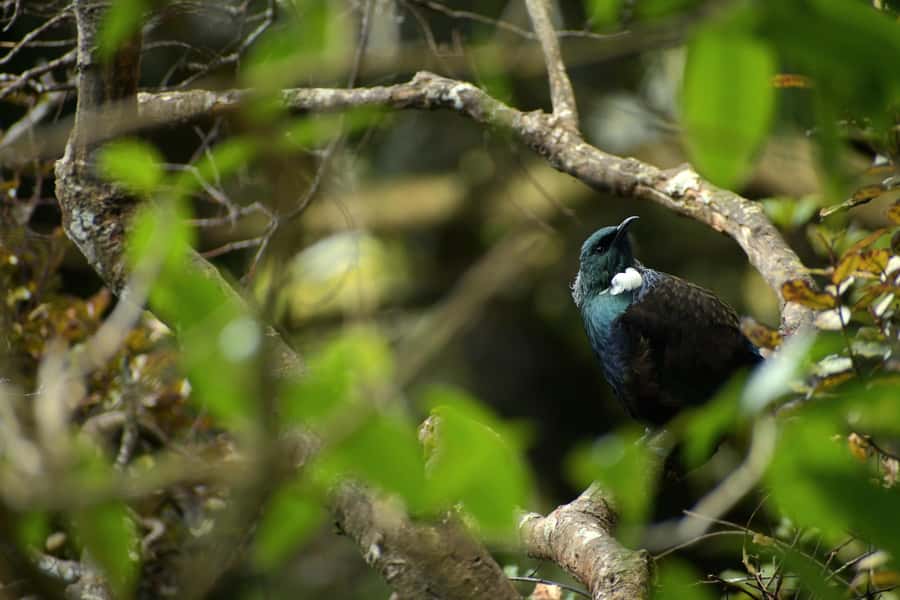
You may see yellow-eyed penguins, little penguins, New Zealand fur seals, sea lions, and several kinds of shore and land birds. Plant life also forms part of the walk, since restoring native vegetation is tied to the reserve’s wider conservation work.
The best approach is to slow down and let the guide set the pace. One useful feature of the tour is that guides may pause for photographs or allow extra time when the group is interested in something. That makes the outing feel less rushed than many short wildlife trips.
The animals decide what happens. You might see fur seals or sea lions close to the route, little blue penguins tucked into nest boxes, or birds moving through the reserve. You might also walk the full route without spotting a yellow-eyed penguin in the wild.
That uncertainty is not a flaw in the reserve. It is the reality of protecting wild animals. Yellow-eyed penguin viewing varies from day to day and throughout the year. The guide will make the best effort to improve your chances, but the tour cannot control when a penguin comes ashore or where it settles.
What makes the penguin viewing special
Yellow-eyed penguins are not simply smaller versions of the better-known penguins you may have seen elsewhere. They are especially sensitive to disturbance, which is why the reserve places such weight on keeping visitors controlled and respectful.
The little penguins, also called little blue penguins or kororā, can provide a different sort of sighting. They may be found in nest boxes or other sheltered spots, and their smaller size makes binoculars useful.
Bring binoculars if you have them. If you do not, the reserve may be able to provide some, as happened for visitors who arrived without their own. Still, availability should not be treated as a personal guarantee, so your own pair is the safer choice.
A camera is welcome, but use it as a secondary tool. The reserve prohibits touching animals, and you should follow the guide’s instructions about distance, movement, and where to stop. A quiet view through binoculars often tells you more than a hurried photograph.
The conservation value of your $44
At $44 per person, this is reasonably priced for a 90-minute guided visit that includes transport within the reserve, the nature walk, the rehabilitation-centre visit when applicable, and rain jackets.
The price makes the most sense if you value the conservation work as much as the wildlife sightings. Your admission helps support a private eco-reserve devoted to restoring habitat and protecting penguins and other native animals.
The value is less certain if you measure every tour by the number of animals seen. A wild yellow-eyed penguin is not guaranteed, and some days may produce more seals and sea lions than penguins. That is not the same as receiving poor value, but it does mean you should book with realistic expectations.
I would compare this with a standard sightseeing trip by asking what kind of memory you want. Here, you get a guide, an educational introduction, access to a rehabilitation centre when occupied, and a walk in protected habitat. The conservation connection gives the fee more purpose than a simple lookout visit.
Weather, walking, and what to pack
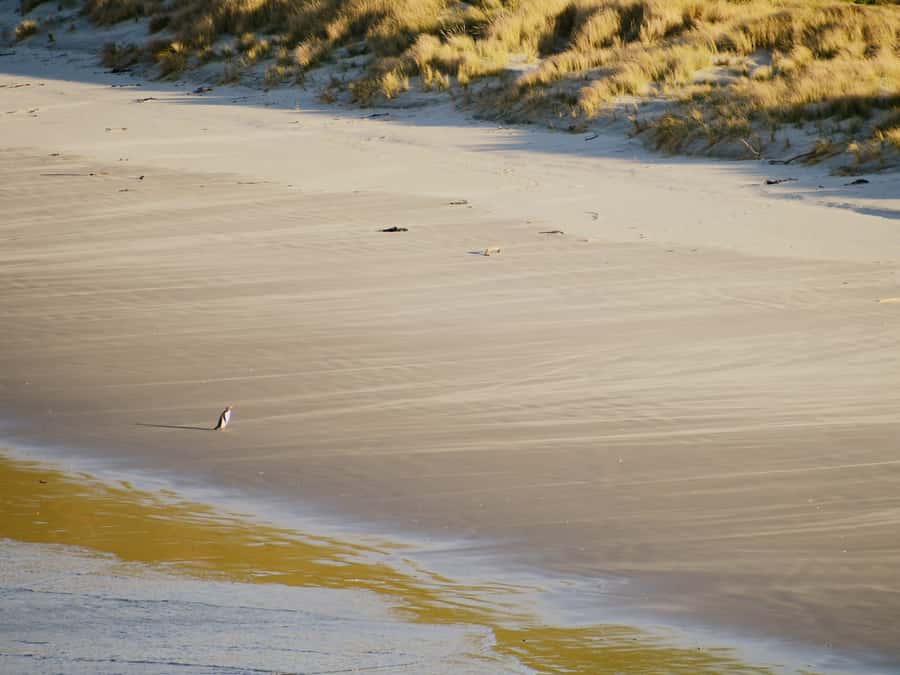
This is an outdoor experience, so dress for the Otago Peninsula rather than for central Dunedin. Wear comfortable walking shoes, outdoor clothing, and layers that can handle wind or rain.
Rain jackets are supplied, which is a useful touch. Even so, you should bring clothing that keeps you warm and comfortable for the full visit. The walk is about 2km, and the experience is not suitable for wheelchair users, people with mobility impairments, people with visual impairments, or people with a low level of fitness.
Bring a camera and binoculars. Food and drinks are not included, so take care of those needs before or after the tour. Smoking is not allowed, and touching animals is forbidden.
The 90-minute duration works well alongside other Dunedin plans. It is long enough to include the theatre presentation, bus ride, rehabilitation centre, and walk, but short enough to fit into a busy day on the peninsula.
Who will enjoy this tour most
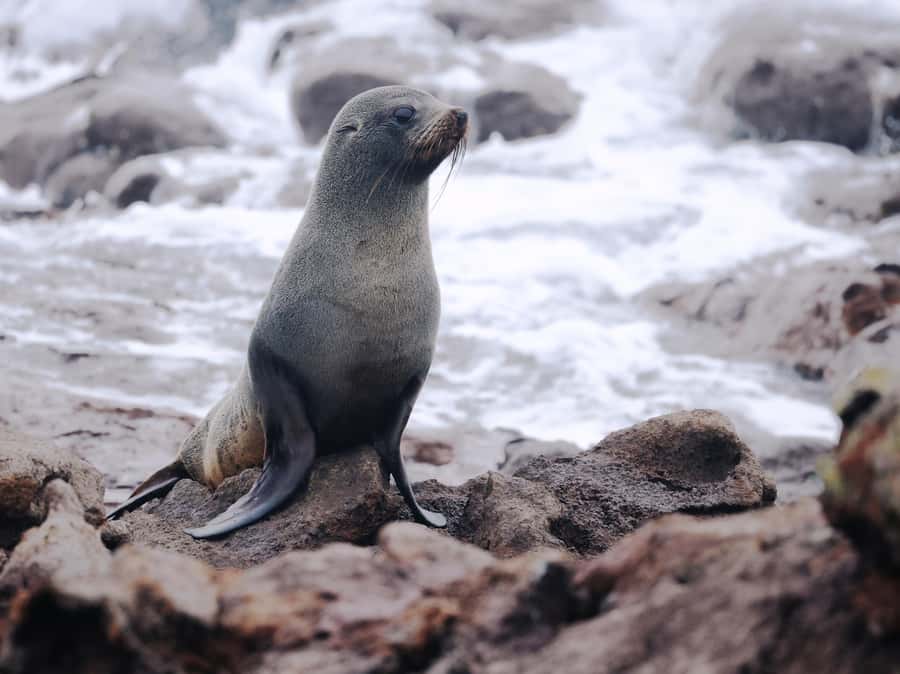
I would recommend this experience to you if you care about native wildlife and want to understand the work behind its protection. Families with older children, bird watchers, photographers, and visitors with a strong interest in conservation should find plenty to hold their attention.
It also suits you if you are happy to see several species rather than insisting on one particular animal. Fur seals and New Zealand sea lions can be excellent sightings, and little penguins may appear even when hoiho do not.
You may want to choose another activity if your top priority is a guaranteed yellow-eyed penguin appearance. You should also skip this one if a 2km outdoor walk is beyond your comfort level.
The guides add a personal touch. Emma and Eden have led tours with warmth and enthusiasm, and the best part of their work is not only naming species. They explain animal behavior, answer questions, and help you understand why the reserve limits human impact.
Timing, group feel, and practical details
The activity is conducted in English with a live guide. Starting times vary, so check availability for your preferred day.
The tour can be divided into smaller groups, which helps on the nature walk and makes it easier to hear the guide. Smaller groups are also better for stopping quietly when animals are nearby.
Some outings take place in poor weather, but the experience can still go ahead with suitable clothing. The operator has also shown flexibility with timing in difficult weather, though you should confirm arrangements directly if conditions affect your plans.
Free cancellation is available up to 24 hours before the activity for a full refund. You can also reserve now and pay later, which helps if your Dunedin schedule is still moving around.
Should you book the Dunedin Wildlife and Penguin Tour?
Book it if you want a short, purposeful wildlife visit that combines wild habitat, conservation education, and a possible rehabilitation-centre encounter. The $44 fee is fair when you count the guide, reserve access, bus ride, walking route, and support for penguin protection.
Just keep your expectations flexible. You may see yellow-eyed penguins in care, little penguins in their nest boxes, seals, sea lions, and birds, but you may not see a hoiho in the wild. For me, that honest uncertainty is acceptable because the tour treats the animals as wild creatures first and attractions second.
FAQ
Where does the tour begin?
The tour begins at 45 Pakihau Road on the Otago Peninsula. Check in at reception before the experience starts.
How long does the tour last?
The guided experience lasts 90 minutes, including the presentation, rehabilitation-centre visit when penguins are present, bus ride, and guided nature walk.
Will I definitely see a yellow-eyed penguin?
No. Yellow-eyed penguins are wild, endangered animals, and sightings vary throughout the year and from day to day. The guide will make every effort to give you the best possible viewing chance.
What animals might I see?
The reserve is home to yellow-eyed penguins, little penguins, New Zealand fur seals, sea lions, forest birds, shorebirds, and other native plants and animals.
Is the rehabilitation centre included?
Yes. Access to the rehabilitation centre is included when penguins are present there. Visibility may be limited to protect the animals.
What should I bring?
Bring comfortable walking shoes, outdoor clothing, a camera, and binoculars. Rain jackets are included, but food and drinks are not.
Newly listed around Dunedin
- Dunedin Private Fullday Tour★ 5.0 · 5 reviews
- Twilight at the Opera★ 5.0 · 5 reviews
- Shared Small Group Dunedin City and Peninsula Scenery Day Tour★ 5.0 · 5 reviews
- Dunedin to Te Anau via the Catlins One Way Small Group Tour★ 5.0 · 6 reviews
- Electric Bike Rental★ 5.0 · 6 reviews
- Private Dunedin & Otago Peninsula Day Tour Up to 4★ 5.0 · 6 reviews
- Dunedin to Queenstown One Way Tour Including Taieri Gorge Train★ 5.0 · 6 reviews
- Clearwater Private Penguin & Wildlife Tour from Port Otago (5hrs)★ 5.0 · 7 reviews
Dunedin Tours, compared.
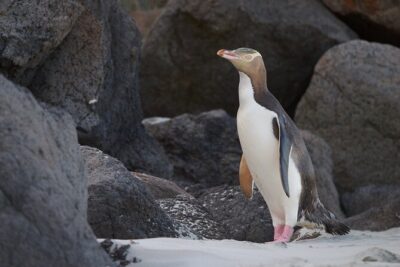
Clearwater Wildlife Tours (small group 10max) Otago Peninsula
Read our review →
Guided Evening Penguin Viewing Otago Peninsula, Dunedin, New Zealand
Read our review →
Dunedin Shore Excursion: Small-Group Tour of Dunedin and the Otago Peninsula
Read our review →
Shore Excursion: V8 Trike, Peninsula and City Tour
Read our review →
Browse the lists this tour appears in