
Reviewed · ROTORUA TOURS
Rotorua: Te Rā Guided Experience + Haka
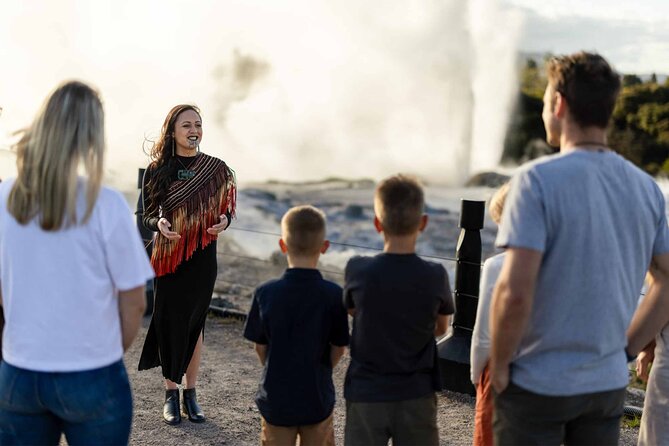
Rotorua’s Pōhutu Geyser is the star of this tour, but the best part is the way geothermal sights and Māori culture share one carefully planned visit. You move from steaming ground and a possible geyser eruption to carving, weaving, song, poi, and haka.
I like the combination of natural drama and living culture, and I like that a guide such as Pat can add warmth and humor while keeping an eye on the whole group. The main consideration is time: two hours gives you a useful introduction, not a leisurely day at Te Puia.
Key points to know before booking
- Pōhutu Geyser: See one of Rotorua’s major geothermal sights during the guided visit.
- Māori arts in practice: Visit wood carving, bone and stone carving, and flax weaving schools.
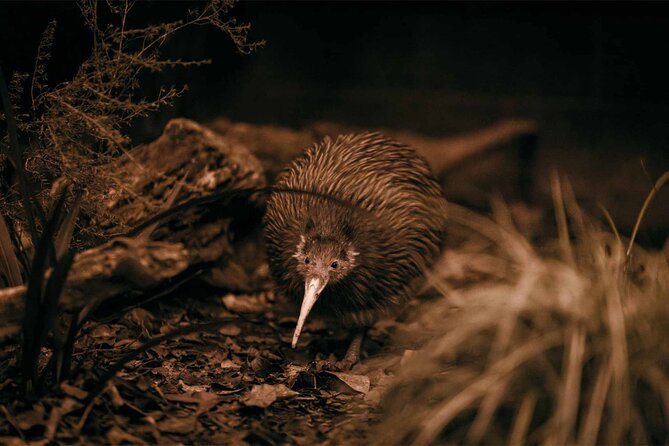
- Kiwi Conservation Centre: The tour includes a chance to see New Zealand’s famous flightless bird, with one visit resulting in a sighting of a baby kiwi.
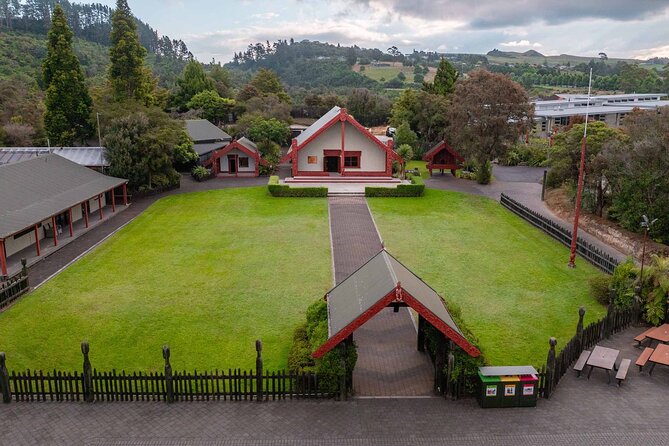
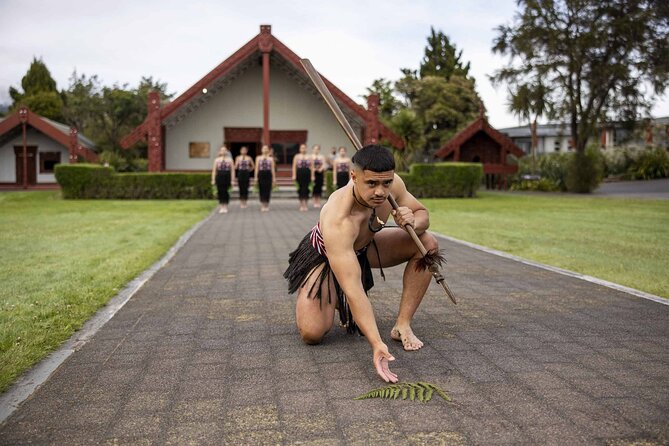
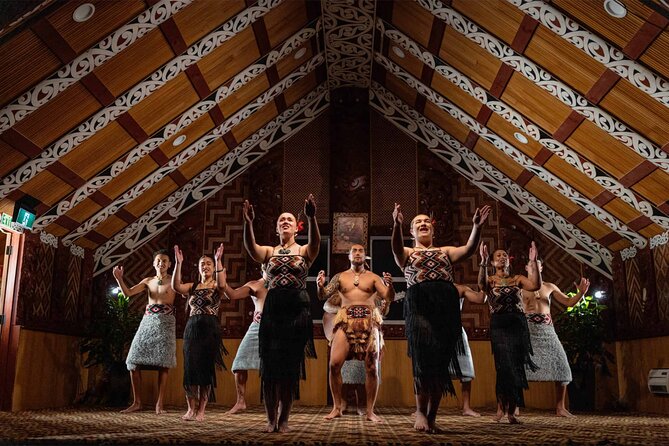
- Cultural performance: Expect a pōhiri, waiata, mōteatea, poi, and haka in the carved meeting house Te Aronui a Rua.
- Small enough to manage: The group is capped at 36 people, a useful limit for a guided cultural visit.
- Simple timing: The experience lasts about two hours and begins and ends at 20 Hemo Road in Whakarewarewa.
Why this Rotorua combination works

Rotorua can feel like two destinations in one. One side is geothermal: hot earth, steam, mineral colors, and geysers. The other is Māori culture, expressed through language, carving, weaving, music, ceremony, and performance. Te Rā puts both sides into one compact visit.
That matters if your New Zealand schedule is tight. Instead of arranging a geothermal stop and a separate cultural show, you get a guided visit through Te Puia’s geothermal valley followed by a cultural performance. You will not see every part of the site in depth, but you will come away with a clearer sense of how the place’s natural setting and Māori identity connect.
The tour is led by a kaiārahi, a guide whose role is more than pointing out sights. Along the way, you can expect stories about Māori traditions, heritage, and ancestors. The quality of the guide will shape the visit, and Pat is specifically noted for being informative, entertaining, and attentive to the group. That kind of care is useful in a short tour, where a good guide helps you stay oriented and makes the scheduled time count.
The listed price is $83.78 per person. Since admission is included, the value depends on how much you want the guided interpretation and performance. If you only want to see a geyser, a cheaper or more independent visit might suit you better. If you want natural sights, Māori arts, and a formal performance in one booking, the price is easier to justify.
More Maori Experiences in Rotorua
- Mitai Maori Village: Cultural Experience and Dinner Buffet
★ 4.7 · 3,575 reviews - Cultural Experience & Seasonal Māori Cuisine at Te Pā Tū
★ 5.0 · 1,546 reviews - Mitai Maori Village Cultural Experience in Rotorua
★ 4.5 · 1,294 reviews
Starting at 20 Hemo Road
You begin at 20 Hemo Road, Whakarewarewa, Rotorua 3010, and the activity returns to this same meeting point. That makes planning simple, particularly if you are staying near Rotorua’s main visitor areas or using public transportation.
The site is near public transportation, and service animals are allowed. Most people can take part, but the supplied details do not describe the walking surface, distances, or seating arrangements. If you have mobility concerns, ask the operator for current access information before booking.
The group limit is 36 people. That is not a private tour, but it is more manageable than a large coach group. You will still share the guide and cultural performance with others, so this is best for people who enjoy a group setting and a set schedule.
Try to arrive ready for a tour rather than a casual museum visit. The experience moves through several parts of Te Puia, and the short duration means you will want to stay with the group.
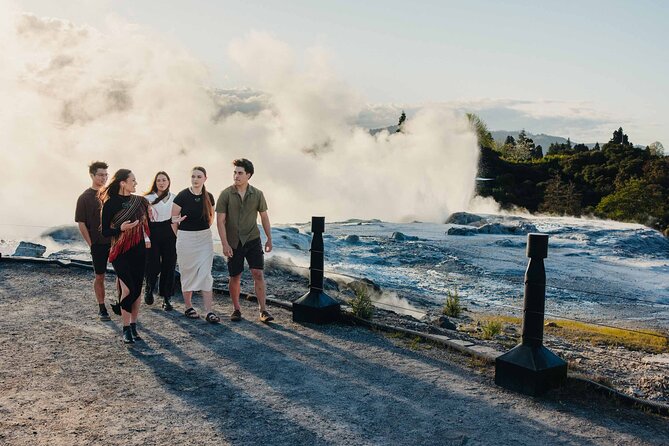
Following the geothermal valley to Pōhutu
The guided Te Rā portion lasts about 90 minutes. Its central setting is Te Puia’s geothermal valley, where the ground itself becomes part of the story.
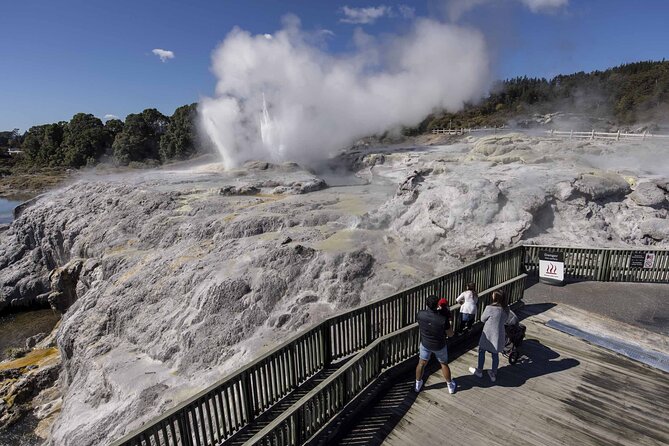
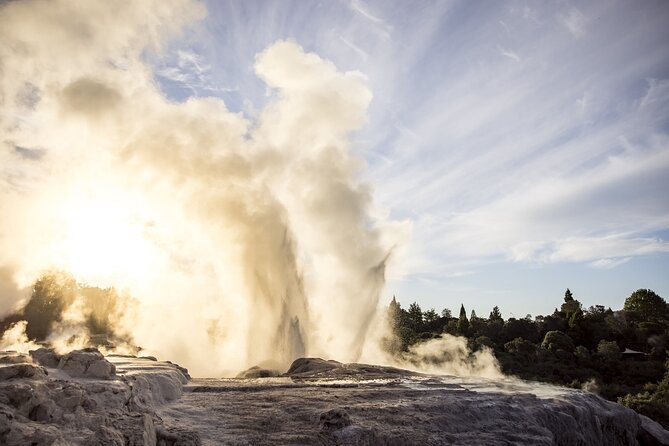
Pōhutu Geyser is the major natural attraction. You may see it erupt during your visit, as happened for one group who also saw a baby kiwi later in the tour. Geyser timing can never be treated as a private show arranged just for your group, but seeing Pōhutu active gives the visit its strongest burst of drama.
The geothermal setting also gives your guide a chance to explain the area through Māori knowledge and ancestral stories. That context is important. You are not simply checking off a hot spring and taking a photograph. You are seeing a place where heat, steam, and mineral activity have shaped the area’s identity.
Bring your attention as much as your camera. The most useful part of a guided geothermal visit is often the explanation of what you are seeing and why it matters. The provided schedule does not give exact walking times between points, so expect the 90-minute segment to balance movement, viewing, and commentary rather than offer a long stop at every feature.
A kiwi encounter at the conservation centre
The Kiwi Conservation Centre is another included stop. New Zealand’s kiwi is famously difficult to see in the wild, so a conservation centre offers a more reliable way to learn about the bird.
One detailed account of this tour describes seeing a baby kiwi. That is a memorable possibility, but it should not be treated as a guaranteed sighting. The important value of this stop is the chance to connect the national bird with active conservation work during the same visit.
Keep your expectations practical. The tour information does not provide details about the centre’s layout, lighting, or viewing conditions. You may find the bird easier to appreciate as a conservation subject than as a quick photo opportunity. For families and first-time visitors to New Zealand, this stop adds variety after the open geothermal valley.
It also helps break up the cultural portion of the tour. The visit does not ask you to focus on one subject for two straight hours. You move between geology, wildlife, arts, and performance.
Somewhere else in Rotorua entirely:
- Rotorua Canopy Tours: 2.5Hour Native Forest Zipline Adventure
★ 5.0 · 4,563 reviews - Rotorua: Wai-O-Tapu Geothermal Park Entry Ticket
★ 4.6 · 2,601 reviews - Rotorua’s Ultimate Zipline: 6 ziplines, 400 m Tandem, Cliff Walk
★ 5.0 · 2,557 reviews - Rotorua Rafting: Kaituna River White Water Rafting & Free Sauna
★ 5.0 · 1,952 reviews
Seeing Māori arts where they are taught
The New Zealand Māori Arts and Crafts Institute is not presented as a display of finished objects alone. The visit includes a wood carving school, a bone and stone carving school, a flax weaving school, and the Āhua Gallery.
This is one of the most valuable parts of Te Rā for anyone who wants to understand Māori art as a living practice. You can see the materials and skills behind the finished work. Carving is not just decoration, and weaving is not simply a souvenir craft. These practices carry design knowledge, patience, and cultural meaning across generations.
The scheduled itinerary gives 30 minutes to this stop. That is enough to get a clear introduction, but not enough for a slow look at every piece or a long conversation at each school. I would treat this as a focused overview. Pay attention to the guide’s explanations, then use any spare moments to notice the tools, patterns, and different materials.
The Āhua Gallery adds a more finished and polished side to the visit. Together, the schools and gallery show the movement from raw material to skilled work. If you are shopping for gifts, the gallery may also help you understand why a carved or woven item costs what it does. The provided information does not specify shopping inclusions or prices, so consider the gallery an art stop first.
Entering Te Aronui a Rua for the haka
The cultural performance is what separates this booking from a standard geothermal tour. It takes place in Te Aronui a Rua, a beautifully carved meeting house, and begins with a pōhiri, a traditional Māori welcome.
The program includes waiata, or song, mōteatea, a traditional chant, poi, and haka. These are not interchangeable pieces of stage entertainment. Each form has its own sound, movement, and purpose, and the combination gives you a broad introduction to Māori performance.
A pōhiri gives the presentation a formal opening. Waiata brings song into the program. Mōteatea connects the performance with traditional chant, while poi adds rhythm and controlled movement. The haka supplies the force and physical energy many visitors expect, but it is worth watching the full program rather than waiting only for that final burst.
You should also follow the guide’s explanation of what you are seeing. Without context, it is easy to reduce Māori performance to a few familiar gestures. With context, the welcome, songs, chant, poi, and haka have more weight.
The meeting house matters, too. A carved interior changes the feeling of the performance. You are not watching from an anonymous theater. You are entering a place built around Māori artistic expression, so the setting becomes part of the lesson.
One account of the tour praises the cultural experience at the marae, using the name Rotowhio Marae. The supplied tour description identifies the performance venue as Te Aronui a Rua. Either way, you should expect the cultural portion to be held in a carved Māori meeting-house setting rather than outdoors in the geothermal valley.
What the guides add to a short visit
A two-hour tour can feel rushed if the guide simply moves you from one stop to the next. Here, the guide’s approach is especially important because the visit crosses several subjects.
Pat has been singled out for being informative, entertaining, and careful with the group. That last quality deserves attention. Looking after a mixed group means helping people stay together, making the information accessible, and keeping the pace comfortable within a fixed schedule.
The tour uses the Māori word kaiārahi for its guides. That signals a role centered on guiding people through Māori knowledge and place, not just reciting dates. You can expect explanations of traditions, heritage, and ancestral stories along with the physical sights.
No guide can guarantee the same personality every day, so do not book on the assumption that Pat will lead your departure. Still, his example gives you a useful sense of the tone the experience aims for: welcoming, lively, and informative rather than stiff.
Timing, group size, and the trade-offs
The advertised duration is about two hours, with the guided geothermal section taking around 90 minutes. The arts and crafts visit is listed as 30 minutes, and the cultural performance completes the remaining time.
That schedule is efficient, but it leaves little room for lingering. If you like to photograph every geyser, study each carved object, or pause for long questions, you may want a longer Te Puia visit in addition to this booking. The Te Rā format works better as a concentrated introduction.
The maximum group size is 36. This is large enough to create the feel of a public performance, but limited enough for a guide to keep track of the party. You may stand or walk with other groups at popular sights, especially around Pōhutu Geyser, but the cap keeps the booking from becoming unwieldy.
Meals and beverages are not included. For a two-hour activity, that is not a serious weakness, but you should plan food separately if this sits across breakfast or lunch. The supplied details do not state that refreshments are part of the experience.
Who will get the most from Te Rā
I would recommend this tour to first-time Rotorua visitors who want a clear introduction without building a full day around Te Puia. It suits couples, families, and anyone who wants a guide to explain both the geothermal valley and Māori cultural practices.
It is also a good fit if you want a performance but prefer it to be connected to a wider visit. The haka is not the only reason to book. The pōhiri, waiata, mōteatea, and poi give the presentation more range, while the carving and weaving schools provide useful context before you enter the meeting house.
You may want a different plan if your main goal is independent exploration, extended photography, or a long meal and shopping break. The fixed schedule and two-hour limit favor structure over freedom.
The booking allows service animals, is near public transportation, and states that most people can participate. Since detailed access information is not provided, contact Te Puia before booking if you need specific support.
Is the $83.78 price fair?
At $83.78 per person, you are paying for more than admission to a geothermal area. The package brings together guided access, a visit to the kiwi centre, Māori arts and crafts schools, and a cultural performance.
The price makes the most sense if you value interpretation. A geyser viewed without context is a striking sight, but a guide can connect it to the place and its people. The same is true of the carving school and performance. You are paying for a shaped visit that helps the parts fit together.
I would call it fair value for a visitor with limited time, especially if you were already planning to see a haka or Māori cultural presentation in Rotorua. It is less compelling for someone who wants only geothermal scenery or who dislikes scheduled group activities.
Free cancellation is available if you cancel at least 24 hours before the start time. Changes or cancellations made inside that window are not accepted for a refund, so leave yourself some planning room.
Should you book Te Rā Guided Experience plus Haka?
Book it if you want Rotorua’s geothermal character and Māori culture in one compact outing. The chance to see Pōhutu Geyser, visit the kiwi centre, observe carving and weaving, and attend a formal performance gives you a broad introduction in about two hours.
I especially like this choice for a first visit or a busy itinerary. The guide-led format keeps the experience moving, while the meeting-house performance gives the day a memorable finish. Pat’s praised style also suggests the tour can feel personal and easy to follow, though guide assignments can vary.
Skip it if you need a slow, independent visit or want meals and beverages included. For everyone else, the combination offers a sensible way to meet Rotorua’s geothermal and Māori sides without spending an entire day at one attraction.
FAQ
How long does the Te Rā Guided Experience plus Haka last?
The experience lasts approximately two hours. The guided Te Rā portion through the geothermal valley takes about 90 minutes.
Where does the tour start?
It starts at 20 Hemo Road, Whakarewarewa, Rotorua 3010, New Zealand.
Where does the activity finish?
The activity ends back at the meeting point.
What sights are included in the guided experience?
The visit includes Pōhutu Geyser, the Kiwi Conservation Centre, and the New Zealand Māori Arts and Crafts Institute.
What arts and crafts areas are included?
The visit includes the wood carving school, bone and stone carving school, flax weaving school, and Āhua Gallery.
What is included in the cultural performance?
The performance includes a pōhiri, waiata, mōteatea, poi, and haka. It takes place in the carved meeting house Te Aronui a Rua.
Is admission included in the price?
Yes. The admission fee is included.
Are meals and beverages included?
No. Meals and beverages are not included.
How many people can join the tour?
The activity has a maximum group size of 36 people.
Can I cancel for a refund?
Yes, free cancellation is available when you cancel at least 24 hours before the experience start time. Cancellations or changes made less than 24 hours before the start time are not accepted for a refund.
Newly listed around Rotorua
- Rotorua: White Island, Mount Tarawera & Waimangu Volcanic …★ 4.4 · 5 reviews
- Whirinaki Forest Footsteps: Māori Guided Tour, Picnic & Transfer★ 5.0 · 5 reviews
- Rotorua: Lake View Private Pools Experience★ 4.3 · 6 reviews
- Rotorua: Floatplane Flight with Orakei Korako Landing★ 5.0 · 6 reviews
- Raceline Karting at Off Road NZ★ 5.0 · 6 reviews
- Epic Tandem Kayak Tour down the Kaituna River Waterfalls★ 5.0 · 6 reviews
- From Rotorua: Whirinaki Rainforest Guided Cultural Tour★ 5.0 · 6 reviews
- Rotorua: Evening Starlight Gourmet Kayak Tour with dinner★ 5.0 · 6 reviews
Rotorua Tours, compared.
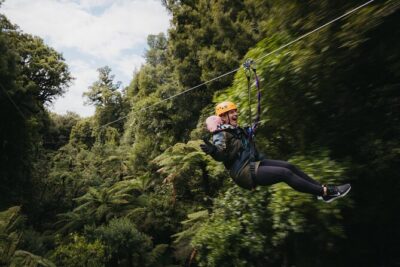
Rotorua Canopy Tours: 2.5Hour Native Forest Zipline Adventure
Read our review →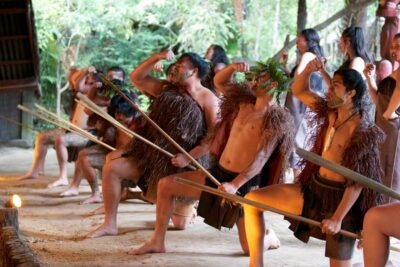
Mitai Maori Village: Cultural Experience and Dinner Buffet
Read our review →
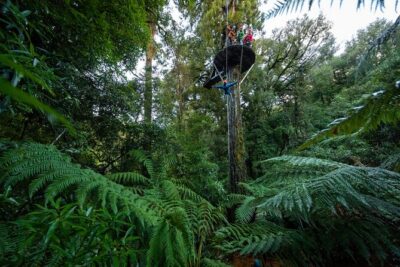
Rotorua’s Ultimate Zipline: 6 ziplines, 400 m Tandem, Cliff Walk
Read our review →
Rotorua Rafting: Kaituna River White Water Rafting & Free Sauna
Read our review →
Cultural Experience & Seasonal Māori Cuisine at Te Pā Tū
Read our review →
Mitai Maori Village Cultural Experience in Rotorua
Read our review →
Te Pa Tu Māori Cultural Experience with Dinner
Read our review →Browse the lists this tour appears in