
Reviewed · ROTORUA TOURS
National Kiwi Hatchery – Kiwi Encounter Guided Tour
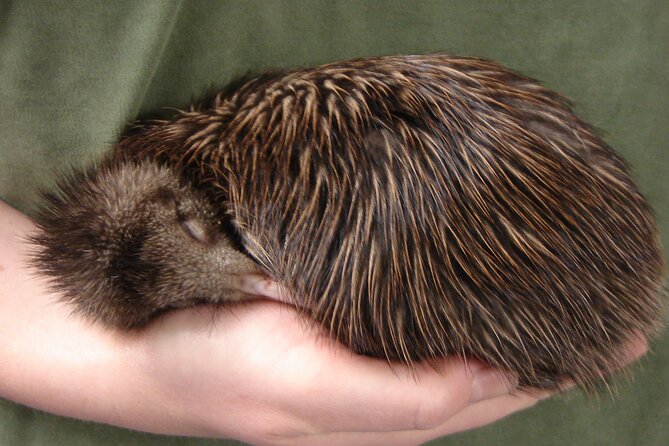
The most special part of this Rotorua visit is seeing kiwi conservation at close range, not behind a distant fence. You may watch eggs being incubated, a chick receiving a health check, or adult kiwi quietly probing the ground in the Nocturnal House.
I like the clear link between your admission and the hatchery program, and I like the way the visit explains the kiwi’s full life cycle rather than offering a quick animal sighting. Guides such as Theresa, Teresa, Carol, Nico, and Kai have been praised for making the hour both friendly and useful.
The main catch is timing. From September to March, you have the best chance of seeing eggs and chicks. Outside that period, you may see adult kiwi and the exhibits, but not a hatchling. Photography is not allowed, and children must be at least five.
Key points to know before you book
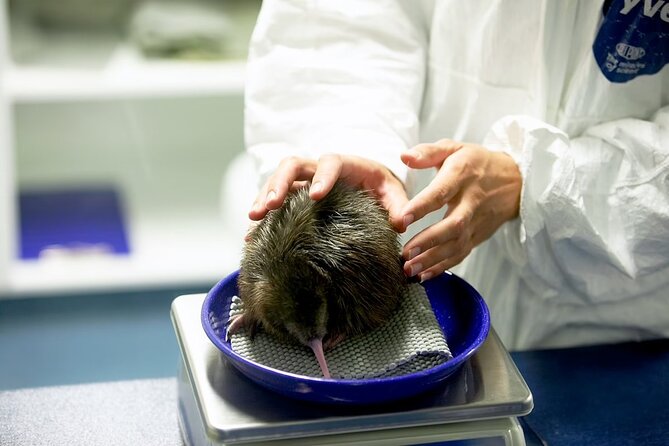
- Kiwi chicks are seasonal: September through March offers the strongest chance of seeing eggs, newly hatched birds, health checks, weighing, or feeding.
- The tour stays mostly indoors: It is a smart rainy-day choice in Rotorua, with only a short walk between buildings.
- Adult kiwi appear in a dark enclosure: The Nocturnal House is kept dark and quiet to match the birds’ habits.
- Your ticket supports conservation: Admission revenue goes directly back into the kiwi hatching program.
- The visit lasts about one hour: A compact format that fits neatly into a wider Rotorua day.
- No photographs are allowed: Plan to watch closely and keep your phone away once you enter the bird areas.
Why this short Rotorua tour matters
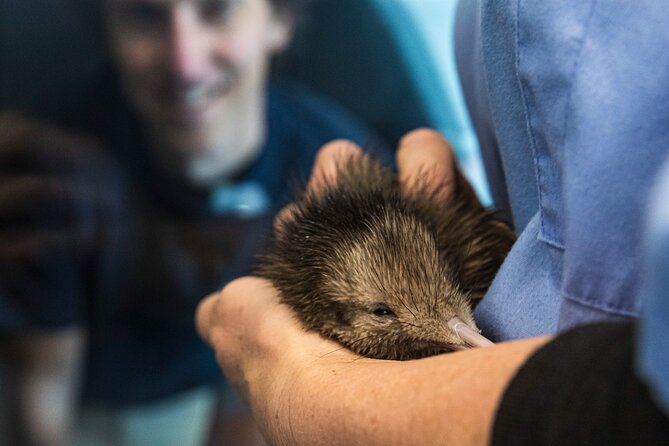
The kiwi is one of New Zealand’s best-known symbols, but seeing one in the wild is difficult. These birds are nocturnal, shy, and endangered. A normal daytime visit to a park will not guarantee a kiwi sighting, and even in a protected setting you need darkness, patience, and luck.
The National Kiwi Hatchery gives you a more reliable way to understand the bird. You are not simply looking at an unusual animal. You are learning why eggs need careful handling, how chicks are raised, and what happens before a young kiwi can move toward release.
That makes the experience useful even if the birds are hiding. The hatchery work is the main event, while the live viewing adds a memorable connection.
I also appreciate the scale of the visit. At roughly one hour, this is not an all-day commitment. You can add it to a Rotorua schedule that includes the Agrodome, geothermal sights, or other nearby activities without giving up half your day.
A few more Rotorua days to compare
- Rotorua Canopy Tours: 2.5Hour Native Forest Zipline Adventure
★ 5.0 · 4,563 reviews - Mitai Maori Village: Cultural Experience and Dinner Buffet
★ 4.7 · 3,575 reviews - Rotorua: Wai-O-Tapu Geothermal Park Entry Ticket
★ 4.6 · 2,601 reviews
Arriving at the Agrodome
The National Kiwi Hatchery is located on the Agrodome property in Rotorua. Your ticket includes a return shuttle from the check-in area to the hatchery facility, so you do not need to work out a separate transfer once you arrive onsite.
You should check in 15 minutes before the scheduled departure. Hotel pickup and drop-off are not included, and food and drinks are not part of the ticket, so plan those separately.
The shuttle is a practical detail, especially for families or anyone visiting on a wet day. The hatchery experience itself is mainly indoors, with only a brief walk to one of the buildings. One guide described the vehicle as air-conditioned and comfortable, which is useful if you are fitting this stop into a busy day.
The Agrodome setting also gives the visit a more open, farm-based feel than a city museum. The hatchery has its own purpose-built facility, though, so the focus stays firmly on kiwi care.
Inside the purpose-built hatchery
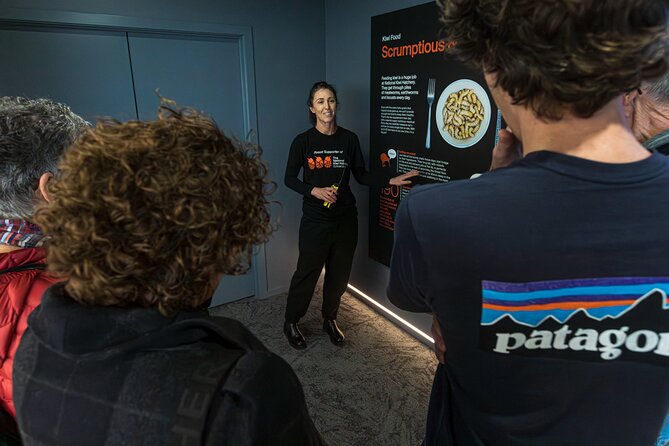
The guided experience begins with an explanation of kiwi biology, conservation, and the work required to raise chicks safely. You can expect a mix of presentation, video, quiz material, physical examples, and direct explanation from the guide.
This variety helps the hour feel active rather than like a talk in front of a display board. You learn about the egg, the chick, and the adult bird in a logical order. The interactive kiwi burrow adds another layer by showing the bird’s life cycle in a way younger children can follow.
The guides are central to the quality of the visit. Theresa and Teresa have been singled out for warmth, humor, and clear explanations, while Carol, Nico, and Kai have also led engaging tours. Names and staff assignments can change, of course, but the experience depends on having someone who can explain the conservation work in plain language and answer questions.
The hatchery is also where the price begins to make sense. Your money is not only paying for access to an animal enclosure. It helps fund a working program that incubates eggs, hatches chicks, and raises young kiwi under expert care.
Seeing eggs, chicks, and health checks
From September to March, the hatchery offers the best chance of seeing the youngest birds. At the right time, you might see an egg being inspected, a newly hatched chick, or a young bird receiving a health check, being weighed, or being fed.
These moments are not guaranteed. Hatching follows the birds’ natural cycle, not the tour timetable. Still, the chance to see a one-day-old kiwi or a chick only a few days old can turn a good visit into one of the most memorable stops in New Zealand.
You may also see staff preparing a young kiwi for the next stage of its care. One particularly useful part of the program is learning that hatching is only the beginning. The hatchery team must monitor the birds, check their health, and help them reach a point where they can move toward an outdoor enclosure and eventual release.
If you visit outside the September to March period, set your expectations differently. You may not see an egg or chick, but the guided talk, burrow exhibit, conservation explanation, and adult birds remain part of the experience.
Somewhere else in Rotorua entirely:
- Rotorua’s Ultimate Zipline: 6 ziplines, 400 m Tandem, Cliff Walk
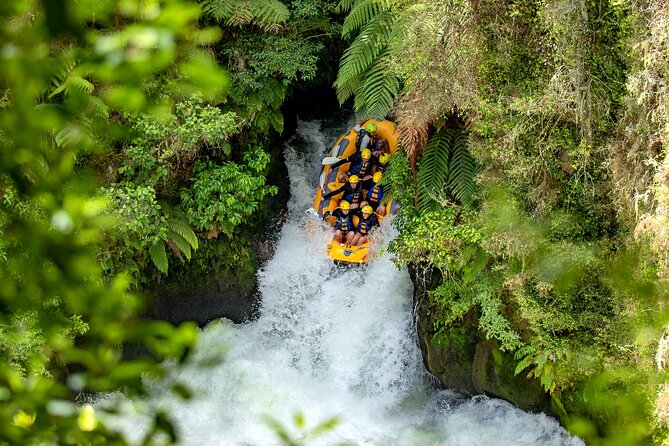
★ 5.0 · 2,557 reviews - Rotorua Rafting: Kaituna River White Water Rafting & Free Sauna
★ 5.0 · 1,952 reviews - Cultural Experience & Seasonal Māori Cuisine at Te Pā Tū
★ 5.0 · 1,546 reviews - Mitai Maori Village Cultural Experience in Rotorua
★ 4.5 · 1,294 reviews
The quiet darkness of the Nocturnal House
The Nocturnal House is where you have the best chance of seeing resident adult kiwi. It is kept dark and quiet because kiwi are active at night. That means you should not expect a bright, open animal display.
Instead, you may see a kiwi moving through the enclosure, foraging, and using its long bill to search the ground. The viewing areas are behind glass, and the dim setting is designed to let the birds behave more naturally.
The darkness can make the first few minutes feel slow. Give your eyes time to adjust and listen to the guide. A bird may be easy to miss if you rush through, but a quiet kiwi moving across the enclosure can be surprisingly thrilling.
Sightings vary. You might see one adult, two, or, with good fortune, all three resident kiwi. The experience does not promise a particular number, so the right approach is to value the setting and the explanation as much as the exact count.
Photography is not permitted. This may disappoint anyone hoping for a close-up image, but it also keeps the visit calmer and prevents camera flashes or phone screens from disturbing the birds. You will need to treat the encounter as a watch-and-remember moment.
The interactive kiwi burrow
The burrow section helps connect the separate parts of the tour. After hearing about eggs, hatchlings, and adult birds, you can see how the kiwi’s life cycle fits together.
This is especially helpful for children old enough to participate. The minimum age is five, so the activity is aimed at school-age children and older rather than toddlers. The combination of quiz questions, physical examples, and the burrow display gives children something to do while adults absorb the conservation details.
The visit is educational, but it does not need to feel like a classroom lesson. A good guide can use the burrow to explain how kiwi live, why their habits make them difficult to see, and why protected breeding programs matter.
Families should remember that the birds and displays are viewed through glass and that the environment is intentionally dark. If your child needs a lively, hands-on animal park with frequent movement, this may feel restrained. If your child is curious about wildlife and can watch quietly, it can be an excellent fit.
What makes the conservation work valuable
Kiwi face serious threats, and the hatchery exists to increase their chances of survival. The program’s work includes egg incubation, hatching methods, chick rearing, and ongoing health care.
The guided format gives you a better sense of the effort behind each bird. A chick is not simply brought into the world and released. Staff monitor its progress and prepare it for the next part of its life.
That context changes the way you see the birds in the Nocturnal House. The adult kiwi are not just rare animals on display. They represent the goal of the conservation program: healthy birds able to live and forage in protected conditions.
I find this direct connection between entry fees and conservation important. At $47.74 per person, the ticket costs more than a basic walk-through exhibit. The value comes from the specialist tour, access to a working hatchery, the chance to see a chick during season, and the knowledge that admission supports the program.
The value is strongest for people who want an experience with a clear purpose. If you only want a guaranteed close-up photograph, this is not the right purchase. If you want to understand kiwi protection and see the birds in a setting built around their needs, the price is easier to justify.
How the one-hour format works for your day
One hour is enough to give the experience focus. You get the guided hatchery visit, live viewing, and burrow material without reaching the point where younger children lose interest.
The short length also makes the tour easy to pair with other Rotorua plans. You can use it as a morning or afternoon stop, and the indoor setting makes it a sensible backup when rain disrupts outdoor activities.
Do not treat the one-hour duration as a promise that every stage will receive equal time. The exact flow can change depending on what is happening in the hatchery. If a chick is being checked or an egg is being inspected, that live work may become the most important moment of the visit.
Arrive early enough for check-in, and avoid booking yourself so tightly that a minor delay creates stress. The return shuttle is included, but the tour still operates on a set departure time.
Who should book this experience?
I would recommend it to animal lovers, families with children aged five and up, and anyone who wants to see a kiwi without relying on a rare wild encounter.
It also suits visitors who enjoy conservation stories more than standard sightseeing. You will learn about husbandry, incubation, feeding, health checks, and the path from egg to adult. That gives the visit substance beyond the novelty of seeing New Zealand’s national bird.
It is a good choice for a rainy Rotorua day because the activity is almost entirely inside. The short walk between buildings is the main outdoor portion, and the shuttle connects the Agrodome check-in point with the hatchery.
You should think twice if photography is essential to your trip. No cameras are allowed, and all kiwi and exhibits are behind glass. You should also be realistic about seasonal sightings. September through March is your best window for chicks, but even then, a specific hatching or health check cannot be promised.
Small details that make the visit easier
Book only if every child in your group is at least five. Children under five cannot take part, and the minimum age applies to the experience itself.
Wear something comfortable for a brief walk between the shuttle stop and the buildings. You do not need to plan a meal around the tour because food and drinks are not included, and hotel transfers are also separate.
The facility is near public transportation, though the included shuttle from the Agrodome check-in zone handles the onsite connection. Confirmation is provided when you book, and you should arrive 15 minutes before departure.
The cancellation policy is forgiving if your plans change early. You can cancel for a full refund up to 24 hours before the local start time. Changes or cancellations inside that 24-hour window are not accepted for a refund.
Is the National Kiwi Hatchery worth $47.74?
For the right visitor, yes. The strongest value comes from seeing conservation in action rather than simply entering an attraction. The guide-led explanation, the purpose-built hatchery, the Nocturnal House, and the interactive burrow give you several ways to understand the bird.
The chance to see a hatchling makes the September to March period especially appealing. Outside those months, the visit is still worthwhile, but you should book for the conservation program and adult kiwi viewing, not for a guaranteed egg or chick.
I would book this tour if you want a meaningful wildlife stop in Rotorua, especially with children old enough to listen and watch quietly. I would skip it only if you need photographs, dislike dark viewing areas, or have very young children in your group.
For many visitors, the best moment will be brief: a kiwi moving silently through the dark, or a tiny chick resting after its health check. The hatchery gives those moments a clear purpose, and that is what makes this more than a quick animal sighting.
FAQ
How long does the National Kiwi Hatchery guided tour last?
The guided experience lasts approximately one hour.
Where is the National Kiwi Hatchery located?
The hatchery is located onsite at the Agrodome in Rotorua, New Zealand.
Is transport included?
A return shuttle from the Agrodome check-in zone to the hatchery facility is included. Hotel pickup and drop-off are not included.
When is the best time to see kiwi eggs and chicks?
The hatching season runs from September to March. During this period, you have the best chance of seeing eggs, newly hatched chicks, health checks, weighing, or feeding.
Can I see kiwi outside the hatching season?
Yes. Outside September to March, you can still see resident adult kiwi foraging in the Nocturnal House, but you may not see an egg or chick.
Are children allowed on the tour?
Children can participate if they are at least five years old. Children under five cannot take part.
Are photographs allowed?
No. Photography is not permitted, and the kiwi and exhibits are viewed behind glass.
Is the tour suitable for a rainy day?
Yes. The experience takes place in a purpose-built indoor facility, with only a short walk between buildings.
What does the ticket price include?
The $47.74 ticket includes the one-hour guided experience, access to the hatchery, the Nocturnal House, the interactive kiwi burrow, and the return shuttle from the Agrodome check-in zone. Food, drinks, and hotel transfers are not included.
Newly listed around Rotorua
- Rotorua: White Island, Mount Tarawera & Waimangu Volcanic …★ 4.4 · 5 reviews
- Whirinaki Forest Footsteps: Māori Guided Tour, Picnic & Transfer★ 5.0 · 5 reviews
- Rotorua: Lake View Private Pools Experience★ 4.3 · 6 reviews
- Rotorua: Floatplane Flight with Orakei Korako Landing★ 5.0 · 6 reviews
- Raceline Karting at Off Road NZ★ 5.0 · 6 reviews
- Epic Tandem Kayak Tour down the Kaituna River Waterfalls★ 5.0 · 6 reviews
- Rotorua: Evening Starlight Gourmet Kayak Tour with dinner★ 5.0 · 6 reviews
- From Rotorua: Whirinaki Rainforest Guided Cultural Tour★ 5.0 · 6 reviews
Rotorua Tours, compared.
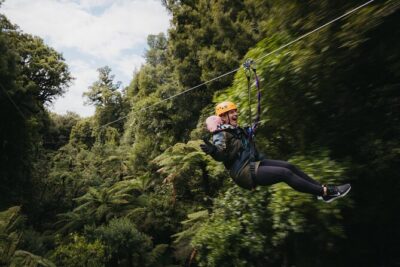
Rotorua Canopy Tours: 2.5Hour Native Forest Zipline Adventure
Read our review →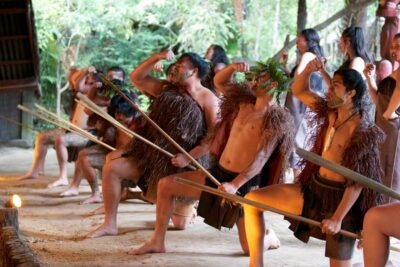
Mitai Maori Village: Cultural Experience and Dinner Buffet
Read our review →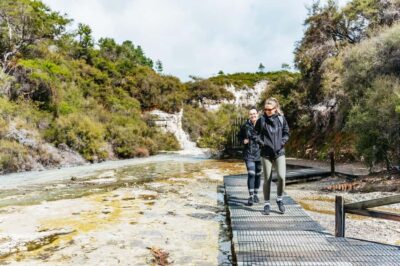
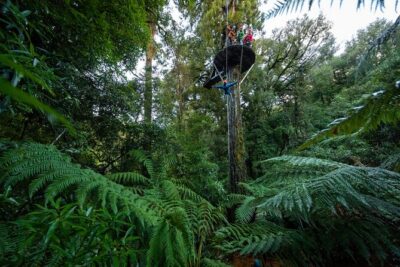
Rotorua’s Ultimate Zipline: 6 ziplines, 400 m Tandem, Cliff Walk
Read our review →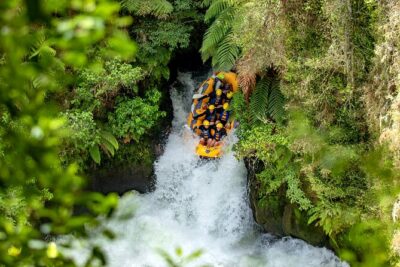
Rotorua Rafting: Kaituna River White Water Rafting & Free Sauna
Read our review →
Cultural Experience & Seasonal Māori Cuisine at Te Pā Tū
Read our review →
Mitai Maori Village Cultural Experience in Rotorua
Read our review →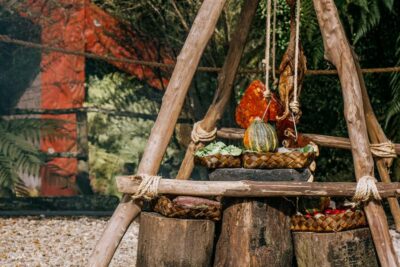
Te Pa Tu Māori Cultural Experience with Dinner
Read our review →Browse the lists this tour appears in