
Reviewed · ROTORUA TOURS
Buried Village of Te Wairoa
Mt. Tarawera’s 1886 eruption buried Te Wairoa beneath ash and mud, killing more than 150 people and destroying the famous Pink and White Terraces. At the Buried Village, you move from museum exhibits to excavated homes, giving the disaster a human scale that a volcano viewpoint alone cannot provide.
I like the combination of personal stories and archaeology, especially the letters written by Margaret, a visitor who recorded life before and after the eruption. I also like the Waterfall Trail, where an easy walk leads to 30-meter Wairere Falls. The main drawback is that the experience can feel quiet and lightly interpreted if you arrive between scheduled talks and rely only on the self-guided material.
Key points
- 1886 eruption story: See how Mt. Tarawera buried a Maori and missionary village and changed the Rotorua region.
- Museum first: Use artifacts, photographs, and exhibits to understand what stood here before the disaster.
- Excavated village: Walk among the remains of homes and buildings with audio, video, or scheduled guided interpretation.
- Waterfall Trail: Add the optional walk to Wairere Falls, a beautiful reward that includes several flights of stairs.
- Family-friendly clues: Children can use a special map to search the archaeological site for clues.
- Flexible visit: Arrive any time during opening hours and stay as long as you like, with about 1.5 to 2 hours recommended.
Why Te Wairoa Matters More Than a Quick Volcano Stop
Rotorua is full of geothermal attractions, but the Buried Village of Te Wairoa offers something different. It is not simply a place to admire volcanic scenery. You walk through the remains of a community that was caught in a catastrophe during the night of June 10, 1886.
Before the eruption, Te Wairoa was home to Maori residents, missionaries, and visitors making their way toward the Pink and White Terraces. Mt. Tarawera erupted with tremendous force, burying the village and destroying the terraces, then considered one of New Zealand’s great natural wonders.
The site helps you connect the natural event with ordinary life. You see how Maori inhabitants and early settlers lived, then encounter the remains left behind by ash, mud, and time. That shift from daily life to sudden disaster gives the visit its emotional weight.
I find the subject especially effective because the story is not told only through volcanic facts. Letters from Margaret, who was staying in the village around the time of the eruption, bring a personal voice to the visit. Reading about the place before and after the event can make the excavated foundations feel far less abstract.
A few more Rotorua days to compare
- Rotorua Canopy Tours: 2.5Hour Native Forest Zipline Adventure
★ 5.0 · 4,563 reviews - Mitai Maori Village: Cultural Experience and Dinner Buffet
★ 4.7 · 3,575 reviews - Rotorua: Wai-O-Tapu Geothermal Park Entry Ticket
★ 4.6 · 2,601 reviews
Starting at the Museum of Te Wairoa
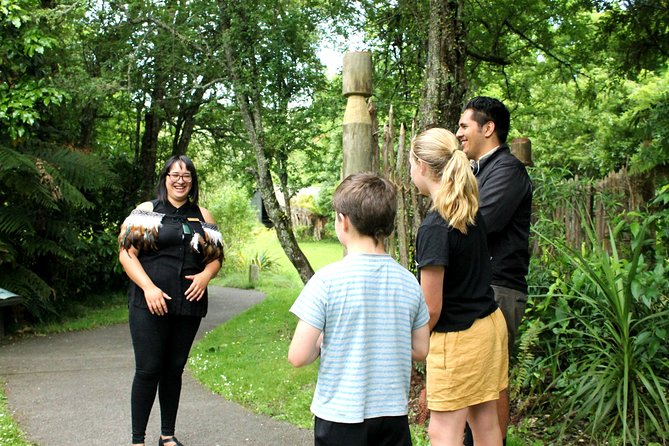
Begin inside the museum. This is the best place to get your bearings before walking among the remains, and it provides the photographs, artifacts, and eruption context needed to understand what you are seeing outdoors.
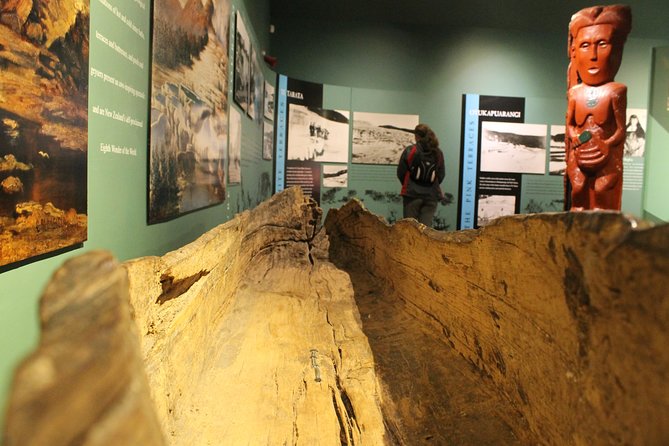
The museum explains the fate of Te Wairoa, Mt. Tarawera, Lake Tarawera, and the Pink and White Terraces. The terraces themselves were buried or destroyed during the eruption, so the museum is important for showing what the area looked like before the event.
You can expect an interactive presentation rather than a simple room of labels. Photographs of the ruined village and material connected with the people who lived there help set up the outdoor portion.
Allow enough time here. It is tempting to hurry toward the archaeological site, but the museum supplies much of the explanation that makes the low walls, foundations, and earth layers meaningful. If you skip it, the outdoor remains may seem sparse.
Walking Through the Excavated Village
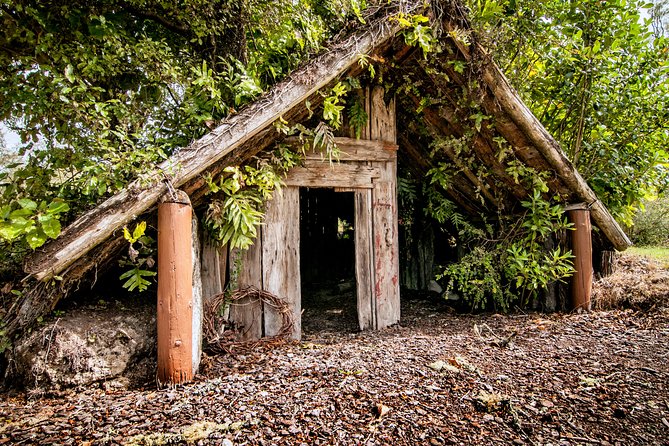
The archaeological site is the heart of the visit. Te Wairoa was buried, not erased, and excavation has revealed traces of the settlement beneath the ground. You walk through the area where Maori residents, missionaries, and other members of the community lived and worked.
The remains do not form a complete, restored village. That is worth knowing before you arrive. You will see excavated structures and evidence of the settlement, but you must use the museum displays, photographs, audio material, and interpretation to picture the buildings that once stood there.
That incomplete quality is part of the site’s strength. The place does not turn the disaster into a theatrical set. Instead, you are asked to look carefully and imagine the homes, paths, and people that were suddenly covered.
Interpretation is offered in several ways. Scheduled group tours, audio and video tours, and talks by costumed guides are included with admission. The additional information describes the visit as self-guided, so the exact level of live interpretation depends on timing and availability.
If you want a more engaging visit, ask at the entrance when the next talk or guided group tour begins. A guided explanation can help you connect the visible remains with the story of the eruption. If you arrive at a quiet time and follow only the self-guided route, the archaeological section may feel less vivid.
Margaret’s Letters and the Human Story
The most affecting material is not necessarily the largest display. Margaret’s letters, describing her time in the village before and after the eruption, offer a close view of the event’s human cost.
Personal writing changes the way you approach the site. Instead of thinking only about lava, ash, and geological force, you start considering the people who slept, worked, welcomed visitors, and went about normal business in Te Wairoa.
That human element is one of the strongest reasons to visit. The eruption killed more than 150 people, and the village’s remains carry a sense of loss without needing a large dramatic presentation.
The exhibits also show photographs of Te Wairoa before and after it was buried. These images are useful because they help you understand the scale of the change. The present-day site is quiet and green, while the older photographs show a functioning settlement that was suddenly transformed.
Somewhere else in Rotorua entirely:
- Rotorua’s Ultimate Zipline: 6 ziplines, 400 m Tandem, Cliff Walk
★ 5.0 · 2,557 reviews - Rotorua Rafting: Kaituna River White Water Rafting & Free Sauna
★ 5.0 · 1,952 reviews - Cultural Experience & Seasonal Māori Cuisine at Te Pā Tū
★ 5.0 · 1,546 reviews - Mitai Maori Village Cultural Experience in Rotorua
★ 4.5 · 1,294 reviews
The Waterfall Trail to Wairere Falls

After the village, continue to the optional Waterfall Trail. This is not just an extra scenic walk. It adds a second side to the visit, showing the peaceful streams, vegetation, and geothermal setting around the former village.
The route leads to Wairere Falls, where water drops 98 feet, or 30 meters, into the valley below. The falls are a highlight for many people, and I would make the effort if your walking ability and schedule allow.
The main path through the historic site is flat and paved. The optional waterfall route is more demanding because it includes several flights of stairs. Wear proper walking shoes, and do not treat it as a quick stroll in dress shoes or sandals.
You may feel the climb on the way down or back up, but the waterfall gives the visit a satisfying finish. Spray from the falls and the sound of rushing water offer a sharp contrast to the stillness of the buried village.
Bring protection from the weather. A hat and sunscreen help on bright days, while an umbrella or raincoat is useful in wet conditions. The attraction operates in all weather, so your comfort depends largely on what you bring.
How Long to Allow for the Visit
The advertised duration ranges from 45 minutes to two hours, but I would plan for at least 1.5 hours. That gives you time for the museum, outdoor interpretation, the archaeological remains, and the waterfall walk.
A short visit is possible if you focus on the museum and village. It is less realistic if you want to read the displays, join a scheduled talk, and walk to Wairere Falls.
The flexible arrival system is useful. You can arrive at any time during the day and stay as long as you like, rather than being locked into one narrow departure. That works well if you are combining Te Wairoa with other Rotorua sights.
The site operates Wednesday through Sunday, from 10 a.m. to 4 p.m., for the stated period of April 1, 2025, through March 31, 2026. Check the current schedule before setting out, especially if your Rotorua visit falls on a Monday or Tuesday.
Is the $16.55 Admission Good Value?
At $16.55 per person, the admission is modest for a site that combines a museum, archaeological remains, interpretation, and a waterfall walk. GST is included, while food, drinks, souvenir photographs, and transport are extra.
The value depends on how you use your time. If you spend only 45 minutes looking at the outdoor remains, the price may feel less convincing. If you allow 1.5 to two hours, view the museum carefully, catch a talk, and walk to the falls, the admission becomes easier to justify.
The included interpretation also matters. You do not have to pay separately for the audio or video material, scheduled talks, or guided group tour. Ask about the day’s program when you arrive so you can make use of those options.
There is a gift shop and Vi’s Teahouse, where you can buy scones with tea or coffee. These are convenient additions, but food and drinks are not part of the admission price. Hotel pickup and drop-off are not included either.
Getting There From Rotorua
The Buried Village is about a 15-minute drive from Rotorua city, at 1180 Tarawera Road, Lake Tarawera, Rotorua 3076. You finish where you begin, so the experience is simple to fit into a self-drive day.
The site is near public transportation, but the supplied details do not specify routes or service frequency. If you plan to use public transport, confirm the current connection before you go.
The drive itself can be paired with a visit to Lake Tarawera. Continuing farther down the road can also provide good views of the old volcano, giving you a broader sense of the area beyond the museum grounds.
Because there is no hotel pickup, plan your own transport. This is not a problem for a self-drive itinerary, but it is an important cost and timing point if you are staying in central Rotorua without a car.
A Good Choice for Families, History Fans, and Walkers
The site works well for families because children can use a special guide map to search for clues around the excavated village. That gives younger visitors a task while adults follow the historical story.
It also suits anyone interested in Maori history, early missionary settlement, archaeology, or volcanic disasters. The experience is educational, but the waterfall and short walking routes keep it from feeling like a museum-only outing.
You should be comfortable with a mostly self-guided format. The scheduled talks and tours can add energy, but you may not encounter a live guide at the exact moment you arrive. This is the main difference between Te Wairoa and a tightly managed, guide-led excursion.
People who want a dramatic volcano hike may find the site too gentle. The paths are generally flat and paved, and the focus is on history and interpretation. The Waterfall Trail supplies the physical element, but it is an optional add-on with stairs rather than a long mountain walk.
Practical Tips Before You Go
A few simple choices will improve the visit:
- Start in the museum: The exhibits make the outdoor remains much easier to understand.
- Ask about scheduled talks: Live interpretation can add detail that a self-guided route cannot provide.
- Allow two hours if possible: This gives you time for the museum, village, and waterfall.
- Wear walking shoes: The main paths are easy, but the Waterfall Trail includes several flights of stairs.
- Pack for sun and rain: Hat, sunscreen, umbrella, or raincoat are all sensible.
- Bring children’s clue maps into the plan: The treasure hunt can turn a serious historical site into a more active family visit.
- Consider Lake Tarawera afterward: The nearby road offers scenic views and adds context to the volcanic setting.
The attraction has a maximum capacity of 150 people, though the flexible arrival system means the feel of the site can vary during the day. Confirmation is provided at booking, and free cancellation is available up to 24 hours before the start time.
Should You Book the Buried Village of Te Wairoa?
Book it if you want a thoughtful Rotorua experience that combines New Zealand history, archaeology, volcanic events, and a short scenic walk. The museum and Margaret’s letters give the story emotional force, while Wairere Falls adds a strong visual finish.
I would be more cautious if you expect a fully guided tour from the moment you arrive. The visit can be self-guided, and the outdoor remains require some imagination. Plan around a scheduled talk if you want more explanation.
For $16.55, the experience is particularly good value when you stay for at least 1.5 hours and complete the Waterfall Trail. Families, history fans, and anyone wanting more than a standard geothermal stop should put Te Wairoa on the Rotorua list.
FAQ
Where is the Buried Village of Te Wairoa?
It is at 1180 Tarawera Road, Lake Tarawera, Rotorua 3076, New Zealand, about a 15-minute drive from Rotorua city.
How long should I allow for the visit?
Plan on at least 1.5 hours for the museum, archaeological site, interpretation, and Waterfall Trail. The stated visit time can range from 45 minutes to two hours.
What are the opening hours?
For the stated period from April 1, 2025, through March 31, 2026, it is open Wednesday through Sunday from 10 a.m. to 4 p.m.
Is the visit guided?
The admission includes scheduled guided group tours, audio and video tours, and talks by costumed guides. The visit can also be self-guided, so ask about the day’s schedule when you arrive.
Is the Waterfall Trail included?
Yes. The Waterfall Trail is part of the site experience and leads to Wairere Falls, which drops 98 feet, or 30 meters. The route includes several flights of stairs.
Are the paths suitable for easy walking?
The main paths are flat and paved. The optional Waterfall Trail is more demanding because of its stairs.
What should I bring?
Bring walking shoes and protection from the weather. A hat, sunscreen, umbrella, or raincoat are recommended.
Is food included in the admission?
No. Food and drinks are not included, but Vi’s Teahouse sells scones with tea or coffee. The site also has a gift shop.
Newly listed around Rotorua
- Rotorua: White Island, Mount Tarawera & Waimangu Volcanic …★ 4.4 · 5 reviews
- Whirinaki Forest Footsteps: Māori Guided Tour, Picnic & Transfer★ 5.0 · 5 reviews
- Rotorua: Lake View Private Pools Experience★ 4.3 · 6 reviews
- Rotorua: Floatplane Flight with Orakei Korako Landing★ 5.0 · 6 reviews
- Raceline Karting at Off Road NZ★ 5.0 · 6 reviews
- Epic Tandem Kayak Tour down the Kaituna River Waterfalls★ 5.0 · 6 reviews
- From Rotorua: Whirinaki Rainforest Guided Cultural Tour★ 5.0 · 6 reviews
- Rotorua: Evening Starlight Gourmet Kayak Tour with dinner★ 5.0 · 6 reviews
Rotorua Tours, compared.
Rotorua Canopy Tours: 2.5Hour Native Forest Zipline Adventure
Read our review →
Mitai Maori Village: Cultural Experience and Dinner Buffet
Read our review →
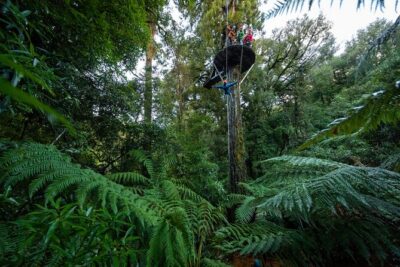
Rotorua’s Ultimate Zipline: 6 ziplines, 400 m Tandem, Cliff Walk
Read our review →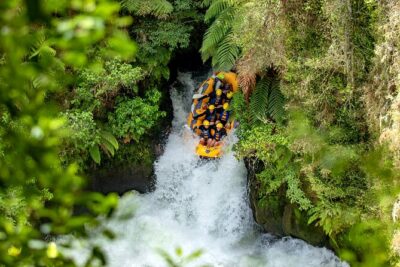
Rotorua Rafting: Kaituna River White Water Rafting & Free Sauna
Read our review →
Cultural Experience & Seasonal Māori Cuisine at Te Pā Tū
Read our review →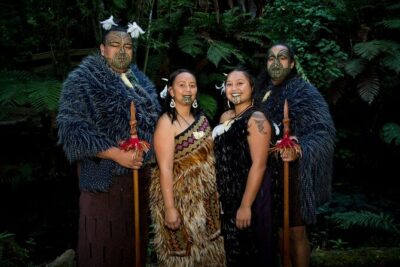
Mitai Maori Village Cultural Experience in Rotorua
Read our review →
Te Pa Tu Māori Cultural Experience with Dinner
Read our review →Browse the lists this tour appears in