
Reviewed · ROTORUA TOURS
Nocturnal adventure Glow-worm tour
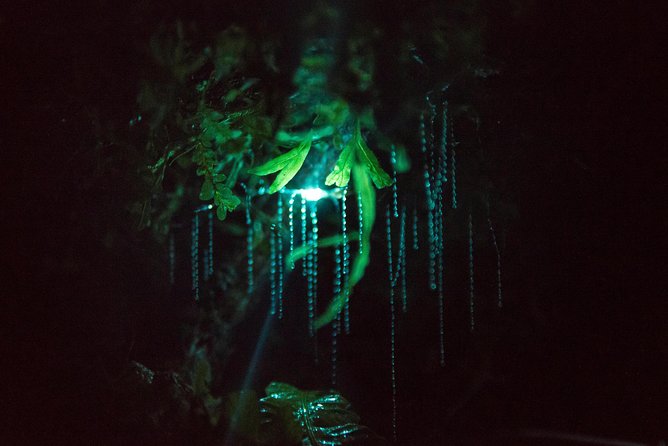
Thousands of glow-worms can turn a dark bush wall into a star field. That is the main event here, but the walk also brings you close to Rotorua’s night wildlife, native plants, running water, and, on clear evenings, the real southern sky. Guide Stephen leads the outing with a quick wit and a serious collection of carefully chosen flashlights.
I like the small group of no more than eight, which makes it easier to stop for photos and questions without feeling herded along. I also like the included transport from Rotorua and the practical extras, including torches, possible gumboots, photos sent afterward, and hot chocolate with a cookie at the end.
The main consideration is the walk itself. It covers about 2 kilometres in low light, over roots, rocks, uneven ground, and possibly slippery surfaces. You need a moderate level of fitness and supportive shoes. Departure times change with the season, and pickup details should be confirmed directly with Real Rotorua.
Key points before you book
- Thousands of glow-worms in native bush: The main viewing areas can glow like scattered constellations across towering banks.
- Stephen’s specialist lighting: Bright torches guide the walk, while red or infrared light helps you see wildlife and approach the glow-worm areas without washing out the display.
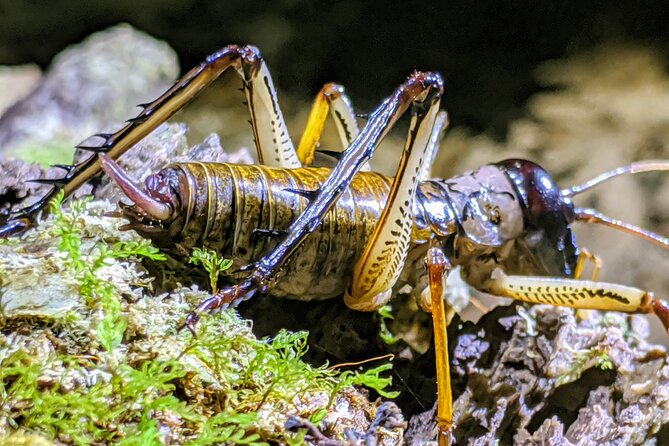
- Wildlife beyond glow-worms: Wallabies, possums, wētā, insects, ferns, mushrooms, and native trees may all appear along the route.
- A personal eight-person maximum: The small van and small walking group allow time for questions, close viewing, and individual photos.
- Weather can improve the show: Damp, gloomy conditions can bring out more glow-worms, though the operator may cancel if conditions are unsafe.
- A warm finish: Hot chocolate and a cookie are served after the walk, with photos typically emailed after the tour.
Why this Rotorua night walk feels different
Rotorua is best known for geothermal pools, Māori culture, forests, and adventure activities. A glow-worm walk adds something quieter and stranger to the mix. You leave the town lights behind, enter native bush after sunset, and let your eyes adjust to a place that feels entirely different at night.
The glow-worms are not presented in a cave with a fixed route and large crowds. This is an outdoor walk through forest, beside running water, and under tall banks where the tiny lights appear in pockets. That matters if you want a more natural setting and like the idea of seeing the habitat as well as the creatures.
I also appreciate that the evening is not reduced to one viewing stop. Stephen points out plants, trees, insects, and animal sounds along the way. The glow-worms are the reason to book, but the forest walk gives the experience its shape.
More glowworm cave trips:
- Twilight Glowworm Kayak Tour – Lake Karapiro
★ 5.0 · 493 reviews - Rotorua: Glow Worm Kayak Tour
★ 4.9 · 351 reviews - Glow Worm Kayak Tour
★ 5.0 · 342 reviews
From Rotorua to the bush in a small van
The meeting point is at 1167 Fenton Street in Rotorua, and the activity ends back there. Return hotel transfers are included in the tour setup, with pickup arrangements centered on Rotorua accommodation. The ride to the walking area takes roughly 25 minutes, according to the tour details.
The small van is a real advantage. With up to eight people, the ride feels more like a guided outing than a standard coach transfer. Stephen uses the drive to explain the area, the night ahead, and the wildlife you might encounter. Pickup times vary by season because darkness arrives at different times during the year.
That seasonal timing is worth taking seriously. The listed operating window shows evening departures around 7:30 to 8:15 p.m., but your exact time may not match a general booking-site estimate. Check the direct communication from Real Rotorua before setting your evening plans, especially if you have a dinner reservation or another activity afterward.
One customer reported a very late pickup with no communication, so I would not treat the posted time as the last word. Most of the available feedback praises communication and pickup, but this is one practical point worth confirming.
The 2-kilometre walk through native bush
Once you arrive, Stephen gives a safety briefing and shows you how to use the equipment. You walk in darkness through native bush, using high-lumen torches to keep track of the path. The route has been described as generally flat and easy to follow, but it is still a real bush track, not a paved park path.
Expect tree roots, rocks, uneven ground, and slippery sections. Low light makes these hazards harder to spot, so you should keep your torch aimed at the ground when moving and follow Stephen’s directions. Trainers with good grip or hiking boots are recommended. Gumboots may be available if the ground is wet, but you should still dress for cool, damp conditions.
The walk covers about 2 kilometres and takes around 90 minutes within the total 2.5 to 3-hour outing. That leaves time for stops, wildlife sightings, glow-worm viewing, photography, and the drive in both directions.
You do not need to race. The point is to move slowly enough to notice the forest at night. Running water becomes a useful guide as the path continues, and the sound helps you sense the route before you can see much of it.
Glow-worm banks that resemble a night sky
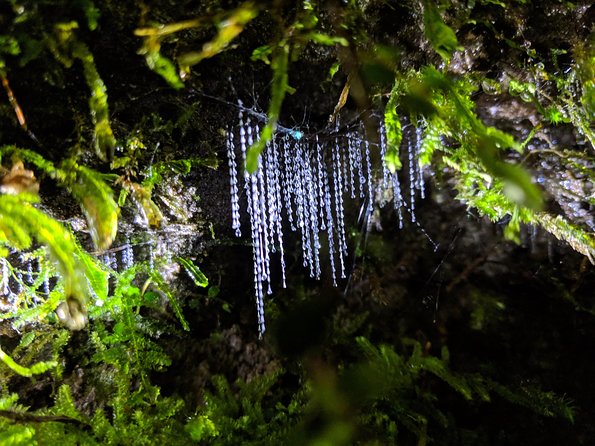
The most memorable moment comes when the group reaches towering banks near the water. Stephen asks everyone to switch off their torches. In the darkness, thousands of tiny lights can appear across the rock and plant-covered surfaces.
The visual effect is easy to understand, but the setting makes it special. You are not simply looking at illuminated dots in a dark room. You are standing outside, surrounded by bush, with the sound of water nearby and no ordinary lighting to flatten the scene.
The tour can stop at several glow-worm areas rather than rushing you through one viewing point. Stephen uses red or infrared lighting near the colonies, which helps preserve the darkness and can make it easier to see delicate glow-worm threads and nearby details.
Keep your expectations sensible. Glow-worm viewing depends on conditions and location, and nature does not operate on a guarantee. Still, the tour is designed around habitats that can produce large displays, and gloomy or lightly rainy weather may actually help the glow-worms show well.
A wet evening is not automatically a bad evening here. Several accounts describe abundant glow-worms in damp conditions. At the same time, the operator says the activity can be canceled in poor weather, so there is a difference between a useful drizzle and unsafe conditions.
A few more Rotorua days to compare
- Rotorua Canopy Tours: 2.5Hour Native Forest Zipline Adventure
★ 5.0 · 4,563 reviews - Mitai Maori Village: Cultural Experience and Dinner Buffet
★ 4.7 · 3,575 reviews - Rotorua: Wai-O-Tapu Geothermal Park Entry Ticket
★ 4.6 · 2,601 reviews - Rotorua’s Ultimate Zipline: 6 ziplines, 400 m Tandem, Cliff Walk
★ 5.0 · 2,557 reviews
Wallabies, possums, wētā, and night sounds
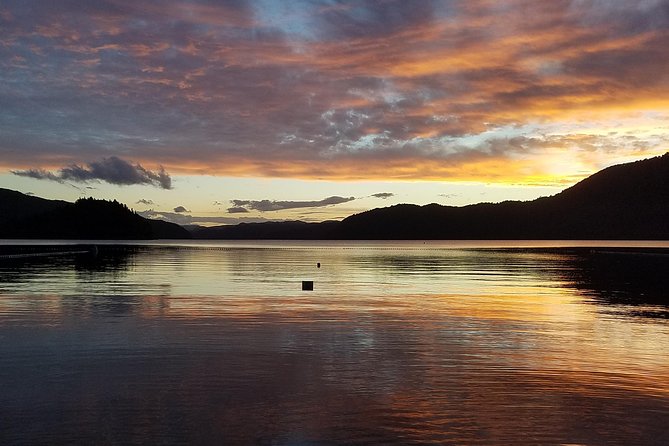
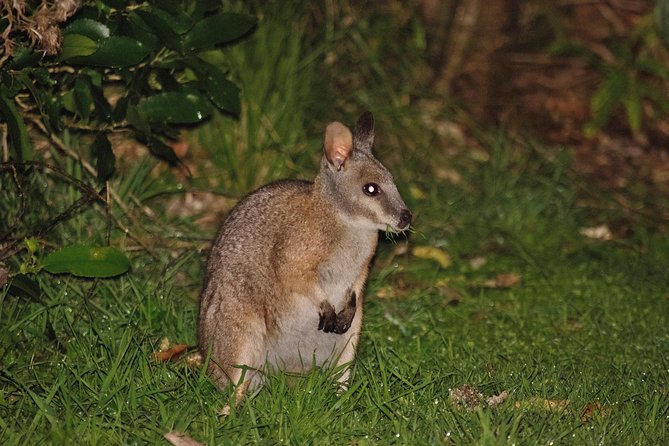
Glow-worms are only part of the night. Wallabies and possums may move through the bush, often first noticed by rustling in the vegetation. Red light can make it possible to watch without startling them as quickly as bright white light might.
Wētā and other insects may also appear. Stephen uses the torches to show small details that you could easily miss on your own, including ferns, mushrooms, vines, and native plants. The silver fern receives special attention, and the walk can include explanations of local flora, fauna, volcanoes, and natural history.
The sounds matter as much as the sightings. Rustling leaves, running water, and the calls of nocturnal animals make the forest feel active even when you cannot see the source. You should not expect a wildlife safari with constant sightings, but you will have more to notice than glow-worms alone.
This is where a guide adds real value. Without help, a dark forest can become a blur of branches and shadows. Stephen knows when to stop, where to point the light, and how to keep the group moving safely without turning the walk into a lecture.
Stephen’s guiding style and photography
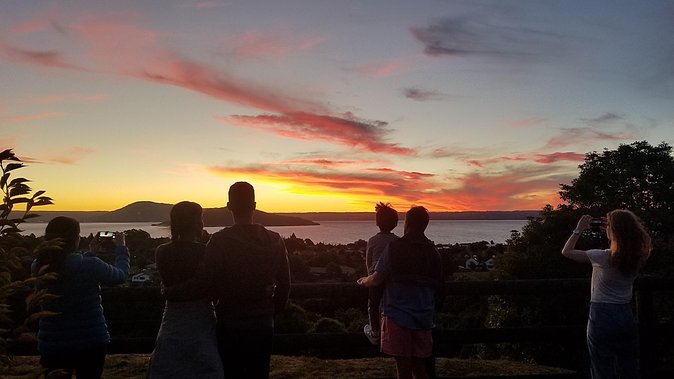
Stephen is the central personality of the experience. He leads the tour with humor, practical explanations, and strong knowledge of glow-worms, native plants, animals, and the surrounding area. His enthusiasm comes through in the way he experiments with lighting and shares small details along the track.
The lighting gear is more than a gimmick. Different torches serve different purposes: bright beams for walking, red light for wildlife and glow-worm viewing, and other equipment for night photography. Stephen has spent years testing what works in near-total darkness.
Photography is another strong feature. He takes pictures of individuals, couples, and families during the walk, including images with the glow-worms and the forest around you. These photos are emailed afterward, often by the next morning.
That can be especially useful because ordinary phone cameras struggle in such dark conditions. You should still follow his instructions and avoid expecting every shot to look like a bright daytime portrait. The value is having a record of the experience without spending the whole walk trying to manage your own camera.
Stephen also adjusts to the group. If time and conditions allow, he may make a short detour for a sunset view or spend longer at a plant, animal, or glow-worm stop when people show interest. That personal approach is one reason the eight-person limit matters.
Clear skies, rain, and the wider night sky
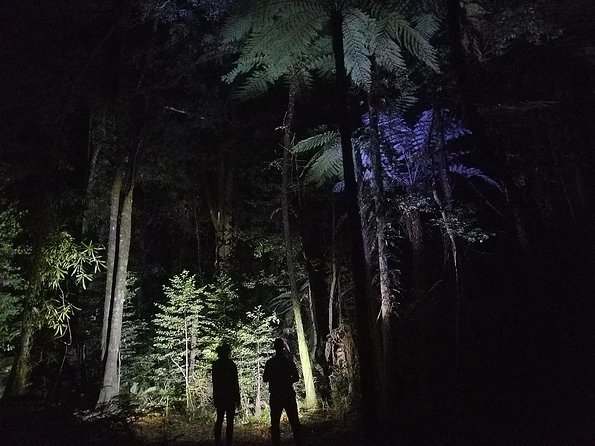
The glow-worms can be impressive on a cloudy night, but clear weather brings another reward. From an opening in the bush, you may see the Milky Way, familiar constellations, and the Southern Cross.
For visitors from the Northern Hemisphere, the Southern Cross is a particularly nice extra. It gives the evening a wider sense of place. You begin by looking down at a small glowing insect, then look up and see stars at a much greater scale.
Weather changes the mood. Rain can make the forest feel more enclosed and can increase glow-worm activity. Clear skies may provide better stargazing and a drier walk. You cannot choose the full package, but neither version is a failure.
Dress for the less comfortable possibility. The tour runs in most weather conditions, and the operator advises appropriate clothing. You should expect cool temperatures, moisture, and dark ground even if the day in Rotorua was warm and dry.
What the $77.57 price includes
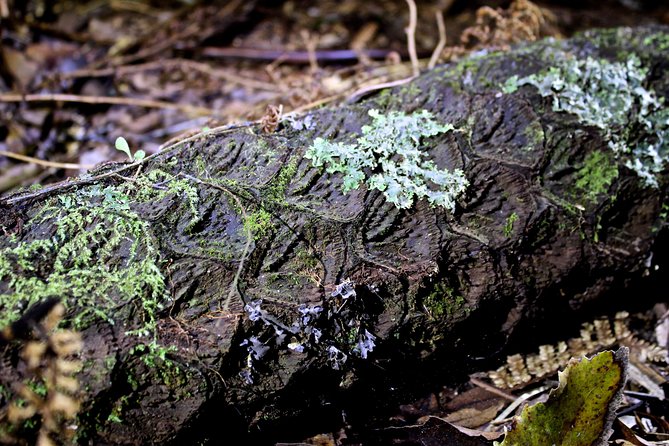
At $77.57 per person, this is not the cheapest way to see glow-worms, but the price covers more than a short viewing stop. You are paying for return transport, a small group, a guided bush walk, specialized lighting, wildlife interpretation, safety support, photography, and the final hot drink and cookie.
The comparison with Waitomo is useful. Waitomo Caves are a major glow-worm destination, but reaching them from Rotorua involves a long drive, often close to two hours each way. This Rotorua outing lets you fit glow-worms onto a day already spent around town without hiring a car or giving up much of the evening.
Value depends on what you want. If you only need a quick look at glow-worms, a larger or shorter option may cost less. If you value transport, a personal guide, time in native bush, wildlife spotting, and photos, the price is easier to justify.
The small group also changes the experience. You are less likely to lose the guide’s explanations, and it is easier for everyone to see the glow-worm banks. For families or couples who want a calm outing rather than a large group event, that privacy adds practical value.
Who should book this night adventure?
I would recommend it to adults, families with children aged six and older, and anyone who enjoys nature after dark. It suits you if you want something different from Rotorua’s daytime attractions and do not mind walking slowly over uneven ground.
It is also a good choice if you are not hiring a car. The included transport removes the need to plan a long evening drive, and the small van keeps the outing simple.
You should think twice if you dislike darkness, damp weather, insects, or uneven trails. The walk is not described as strenuous, but a moderate fitness level is required. It is not suitable for someone who needs a fully paved, brightly lit path.
Bring supportive footwear and clothing suited to cool, wet conditions. Keep your schedule flexible around the seasonal departure time, and confirm your pickup directly with the operator.
Booking, cancellation, and practical details
The tour operates from January 4, 2025, through February 15, 2027, Monday to Sunday, with departure times varying by season. Confirmation is sent within 48 hours, subject to availability.
You can cancel up to 24 hours before the start time for a full refund. Cancellations or changes made inside that 24-hour window are not refunded or accepted. If poor weather causes the operator to cancel, you are offered another date or a full refund.
The activity uses a mobile ticket and has a maximum of eight people per booking. Because the route includes low light and natural hazards, listen closely to the safety briefing and use the supplied torches as directed.
Should you book the Real Rotorua glow-worm tour?
Yes, if you want a small, nature-focused evening and are comfortable with a genuine bush walk. The combination of thousands of glow-worms, possible wallabies and possums, native plants, night skies, return transport, personal photos, and Stephen’s hands-on guiding gives this outing more substance than a simple glow-worm viewing stop.
I would choose it over a long drive to Waitomo when my base is Rotorua and I want to keep the evening manageable. I would skip it only if you need a dry, paved, fully predictable activity or if a 2-kilometre walk in darkness sounds unpleasant.
For the best chance of enjoying it, wear shoes with grip, dress warmly, confirm the pickup time, and arrive ready to turn off your torch and let the bush do the talking.
FAQ
How long does the glow-worm tour take?
The experience takes approximately 2.5 to 3 hours and includes a walk of about 2 kilometres.
Where does the tour start and finish?
The listed meeting point is 1167 Fenton Street, Rotorua 3010. The activity ends back at the meeting point, and return hotel transfers are included in the tour arrangements.
How many people can join the tour?
The maximum group size is eight people. The tour departs in a small minivan.
What should I wear and bring?
Supportive footwear, such as trainers or hiking boots, is recommended. Dress appropriately for cool or wet conditions because the tour operates in most weather and includes uneven, potentially slippery ground.
Is there a minimum age?
Yes. The minimum age is six years old.
What happens if the weather is poor?
The operator may cancel the experience in poor weather. You will be offered a different date or a full refund. The tour can operate in most weather conditions, and gloomy or damp conditions may be favorable for glow-worm viewing.
Newly listed around Rotorua
- Rotorua: White Island, Mount Tarawera & Waimangu Volcanic …★ 4.4 · 5 reviews
- Whirinaki Forest Footsteps: Māori Guided Tour, Picnic & Transfer★ 5.0 · 5 reviews
- Rotorua: Lake View Private Pools Experience★ 4.3 · 6 reviews
- Rotorua: Floatplane Flight with Orakei Korako Landing★ 5.0 · 6 reviews
- Raceline Karting at Off Road NZ★ 5.0 · 6 reviews
- Epic Tandem Kayak Tour down the Kaituna River Waterfalls★ 5.0 · 6 reviews
- Rotorua: Evening Starlight Gourmet Kayak Tour with dinner★ 5.0 · 6 reviews
- From Rotorua: Whirinaki Rainforest Guided Cultural Tour★ 5.0 · 6 reviews
Rotorua Tours, compared.
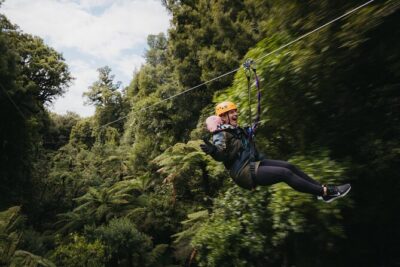
Rotorua Canopy Tours: 2.5Hour Native Forest Zipline Adventure
Read our review →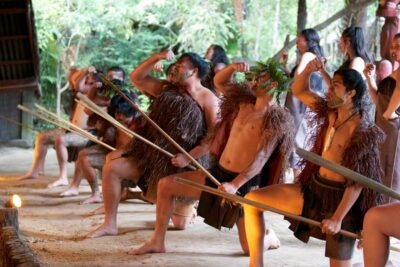
Mitai Maori Village: Cultural Experience and Dinner Buffet
Read our review →
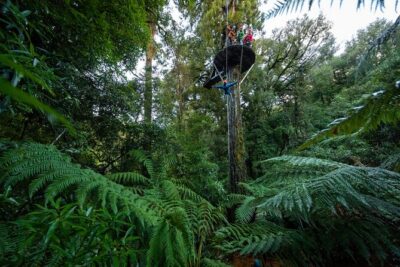
Rotorua’s Ultimate Zipline: 6 ziplines, 400 m Tandem, Cliff Walk
Read our review →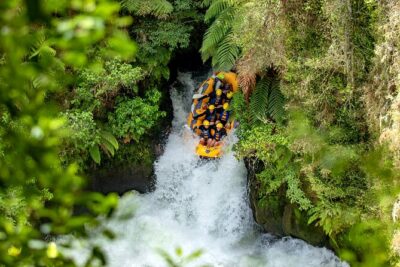
Rotorua Rafting: Kaituna River White Water Rafting & Free Sauna
Read our review →
Cultural Experience & Seasonal Māori Cuisine at Te Pā Tū
Read our review →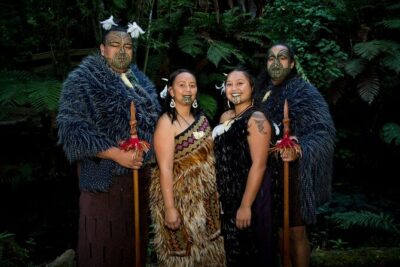
Mitai Maori Village Cultural Experience in Rotorua
Read our review →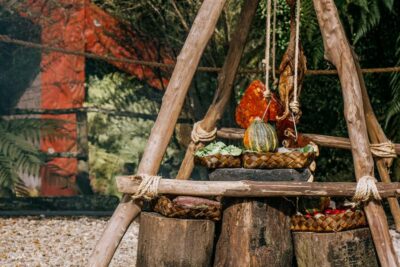
Te Pa Tu Māori Cultural Experience with Dinner
Read our review →Browse the lists this tour appears in