
Reviewed · DUNEDIN TOURS
Wildlife and Penguin Tour
The rare yellow-eyed penguin, or hoiho, is the star here. On this 90-minute tour at the Otago Peninsula Eco Restoration Alliance, you learn about New Zealand’s endangered penguin, see penguins in the rehabilitation centre when birds are present, and head into a reserve to look for wildlife in the wild.
I like the mix of indoor and outdoor time, especially the chance to see a penguin up close before searching for one along the coast. I also like the practical gear: good binoculars and waterproof jackets are supplied, so you can focus on the animals rather than packing extra equipment.
The catch is simple: wildlife does not follow a timetable. You might see seals, sea lions, birds, and penguins at close range, or you might see only a few animals at a distance. The tour is best for people who accept that uncertainty as part of nature.
Key points to know before booking
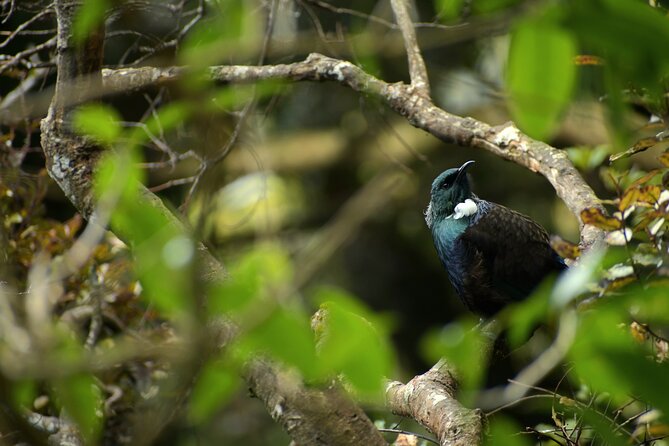
- Three-part format: Begin with a short theatre presentation, visit the rehabilitation centre when penguins are present, then take a bus into the reserve.
- Endangered hoiho: The main goal is seeing yellow-eyed penguins, a species native to New Zealand and difficult to spot reliably.
- About 2 kilometres on foot: The reserve walk requires moderate physical fitness and takes place outdoors.
- Useful equipment included: High-quality binoculars and complimentary waterproof jackets are provided.
- Small group size: The maximum is 15 people, leaving room for questions and individual help from the guide.
- Wildlife varies by day: You may see fur seals, sea lions, nesting penguins, and birds, but sightings are never guaranteed.
Why the yellow-eyed penguin matters
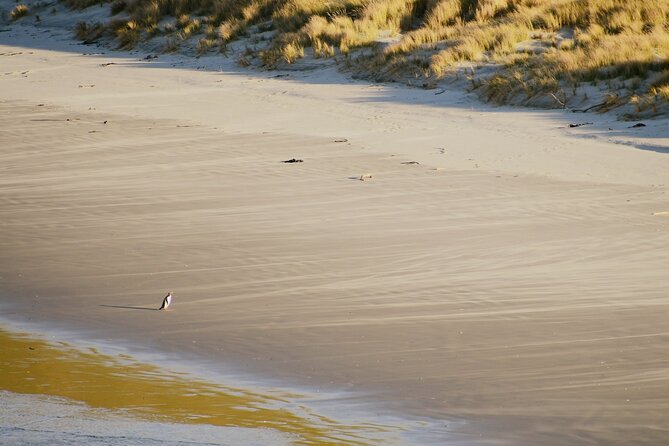
The yellow-eyed penguin is not the black-and-white crowd scene you may picture from a large penguin colony. Hoiho are endangered, native to New Zealand, and known for living in smaller, more private groups. That makes a sighting feel special, but it also makes the animal harder to find.
This tour gives you two ways to understand the species. First, the presentation explains the penguin and the work being done to protect it. Then, when penguins are present, you can see birds in the rehabilitation centre at close range. Finally, you go outside to look for wildlife in a more natural setting.
That structure is important. If you only want a guaranteed close-up animal encounter, a rehabilitation centre can meet that need when birds are in care. If you want to see a hoiho behaving in the wild, you must accept a much less certain result.
I like that the conservation work is not treated as a side note. The visit is built around it. You learn why these penguins need help and how protection efforts support them, then see the difference between a bird receiving care and one living in its natural home.
More Wildlife Tours in Dunedin
- Clearwater Wildlife Tours (small group 10max) Otago Peninsula
★ 5.0 · 531 reviews - Dunedin: Wildlife and Penguin Tour
★ 4.6 · 239 reviews - Otago Peninsula Wildlife Cruise with Monarch
★ 4.5 · 227 reviews
The theatre presentation sets the context
The first part takes place in a theatre setting at the Otago Peninsula Eco Restoration Alliance. This is the calm, information-focused part of the visit, and it gives you a useful base before you go outside.
Expect an introduction to the yellow-eyed penguin and the alliance’s conservation work. The presentation helps explain why a distant bird on the shore can be a meaningful sighting rather than a disappointing substitute for a close encounter.
For me, this is also where the tour earns some of its value for nature lovers. You are not simply taken to a lookout and told to scan the water. The conservation story gives purpose to the search.
The presentation may be less exciting for children who want action right away. Still, it is short enough to fit within a 90-minute visit, and it helps you use the outdoor time more intelligently.
The rehabilitation centre offers the closest view
Next comes the rehabilitation centre. When yellow-eyed penguins or other penguin species are present, you can see them up close while learning more about their care.
This is likely to be the most dependable part of the experience for close viewing, but there is an important qualification: penguins are not guaranteed to be present in the centre. Wildlife care changes from day to day, so the centre should not be treated like a fixed animal display.
The penguins are viewed behind a fence, which keeps the animals protected and maintains a proper distance. You will not get the kind of unrestricted contact some animal attractions offer, and that is a good thing for an endangered species.
Seeing a hoiho nearby can make the conservation message real. You notice its distinctive colouring and quiet behaviour in a way that binoculars cannot match. At the same time, this part may feel limited if only a few penguins are in recovery.
The centre also includes other penguin species when available. That adds variety, but the yellow-eyed penguin remains the reason to book.
A short bus ride leads into the reserve
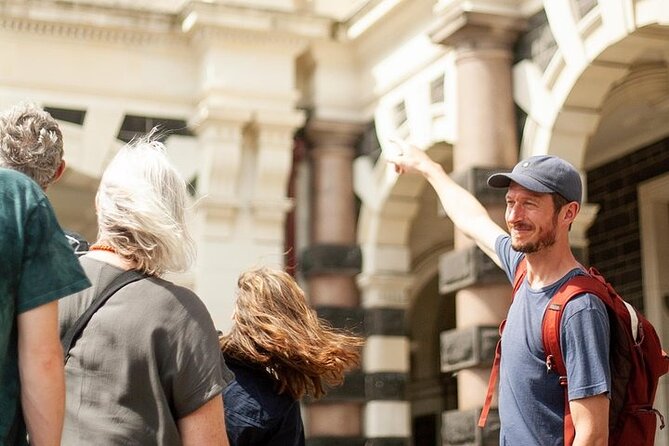
After the indoor sections, you take a short bus trip into the reserve. This keeps the tour moving and saves you from having to cover the full route on foot from the meeting point.
The reserve walk covers about 2 kilometres, or 1.25 miles. That is not a major hike for most people with moderate fitness, but it is still an outdoor walk, and you should be ready for changing conditions. Comfortable shoes and clothing suited to the weather make sense.
The supplied waterproof jackets are a thoughtful touch. The Otago Peninsula can be exposed, and a wet, windy walk is much less enjoyable when you are unprepared. The jacket does not remove the need to dress sensibly, but it gives you useful protection without requiring you to rent or buy outdoor gear.
High-quality binoculars are included too. This matters because wild penguins may be far from the path, and seals or birds may be spread across a wide area. A small animal at a distance can become a clear sighting with proper optics.
The group maximum is 15 people. That is small enough for the guide to answer questions and help you locate animals, though your exact viewing position will still depend on where wildlife happens to be.
More penguin and seal encounters:
- Guided Evening Penguin Viewing Otago Peninsula, Dunedin, New Zealand
★ 5.0 · 471 reviews - Albatross, seals, and sea birds-Wildlife Cruise
★ 5.0 · 189 reviews - Otago Peninsula In-Depth Tour & Blue Penguins Pukekura Experience
★ 5.0 · 163 reviews - Dunedin Wildlife Cruise-Albatross, seals and harbour
★ 5.0 · 115 reviews
What you might see outside
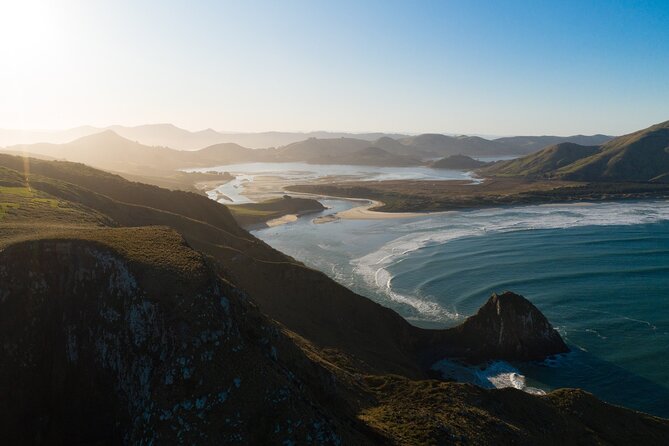
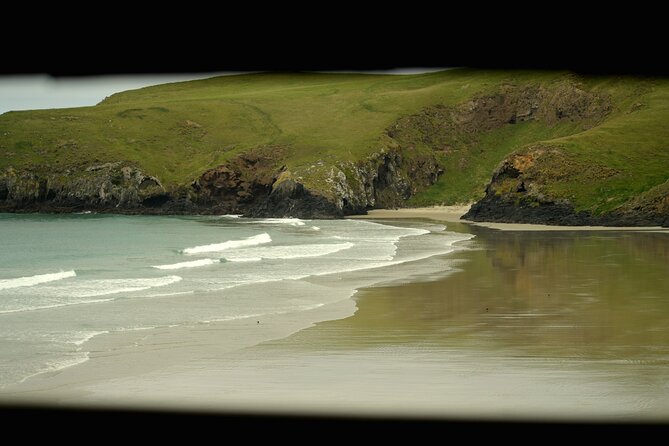
The reserve section is where the tour becomes unpredictable. The goal is to find yellow-eyed penguins in their natural habitat, but the animals may be hidden, out at sea, or moving at a time that does not match your visit.
You might see a hoiho near the beach, a nesting bird, or one returning from the water. Some visits produce a memorable sighting, including a pair remaining near the beach for an extended period. On another day, you may see only one penguin at a great distance.
That difference is not a flaw in the guide’s effort. Yellow-eyed penguin behaviour is difficult to predict. A tour can take you to the right reserve and still produce a modest wildlife result.
The reserve may also bring fur seals, sea lions, and birds into view. These animals help fill the experience when penguins are scarce. Sea lions and seals can be easier to notice, though they too may be far away or inactive.
I would book this tour for the chance to see a range of coastal wildlife, with the hoiho as the main prize. I would not book it if your entire plan depends on a guaranteed close-up view of a wild yellow-eyed penguin.
Timing can affect your chances
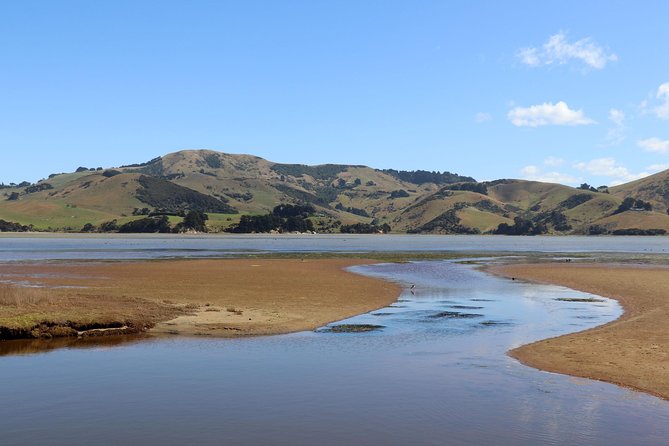
A practical tip is to consider a late afternoon or evening departure if you have a choice. One particularly successful visit found yellow-eyed penguins at the beach for a long time during that part of the day.
This is not a guarantee. The animals remain wild, and conditions change with the season, weather, and their own routines. Still, timing may improve your odds, and it is worth asking the operator which departure is currently most suitable for wildlife activity.
The 90-minute length works well for a focused visit. You receive an introduction, see the centre when possible, and spend time outside without giving up half a day. If you want a full Otago Peninsula sightseeing trip, you will need other plans around it.
The meeting point is 45 Pakihau Road in Portobello, Dunedin. The activity finishes back there, so plan your transport around that location rather than expecting a city-centre departure or hotel return.
The conservation side adds real value
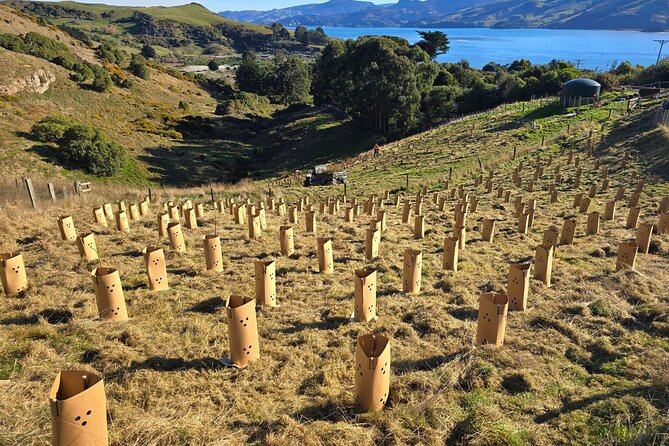
At NZ$46.54 per person, this is not simply a short wildlife lookout stop. The price includes admission, a guide, binoculars, waterproof jackets, and the bus transfer into the reserve.
The value is strongest if you care about conservation and want some structure around your wildlife viewing. You are paying for interpretation, access to the rehabilitation centre when penguins are present, and a guided search in a protected area.
The value is weaker if you judge the tour only by the number of animals seen. A quiet day may bring one distant penguin and a few seals. That can feel expensive compared with a scenic drive on the peninsula, especially if your main hope is a close encounter.
I see the price as fair for a short, purpose-built conservation experience, but not as an animal-viewing guarantee. Think of it as paying for access, equipment, expert guidance, and the chance to support protection work. The wildlife result remains uncertain.
The small group helps here. With no more than 15 people, you should have a better chance to hear explanations and ask questions than on a large coach excursion. It also keeps the visit more personal without turning it into a private tour.
What the strongest parts of the experience are
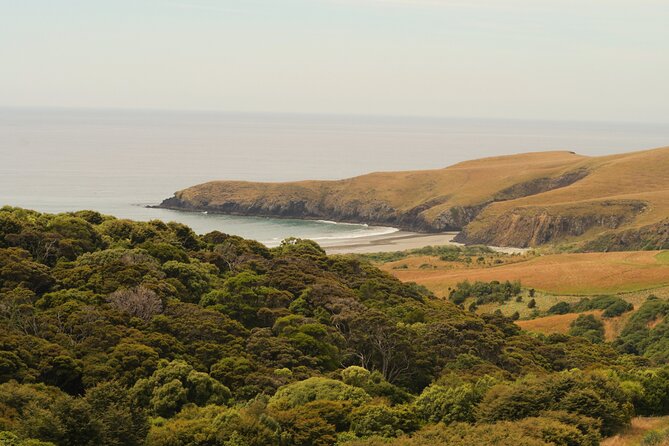
The most highly praised part is the staff. Their friendly, approachable manner makes a difference because this kind of visit depends on clear explanations and patient wildlife watching.
The variety also works well. In a single visit, you may hear about conservation in the theatre, see penguins in care, walk through the reserve, and spot seals, sea lions, and birds. That is a much fuller experience than simply standing at a viewing platform.
Close access to penguins in rehabilitation is another highlight. It gives you a useful contrast with the wild search, especially on a day when the hoiho stay far from the path.
The conservation message can be genuinely moving. You come away understanding that the visit is connected to active protection work, not just sightseeing.
There are limits. One outdoor visit produced only a couple of seals and one very distant penguin, while the rehabilitation birds were behind a fence. Another visit included nesting penguins and several seals and sea lions. Both outcomes fit the nature of the experience.
Who should book this 90-minute tour?
I would recommend it to:
- Nature lovers who want wildlife and conservation together.
- Visitors interested in New Zealand’s endangered hoiho.
- Families or couples who prefer a short activity rather than a full-day excursion.
- People who value small groups and the chance to ask questions.
- Anyone who wants binoculars and weather protection supplied.
- Visitors willing to accept that wild animals may not appear on schedule.
I would be more cautious if you need a guaranteed penguin sighting. The centre may not have penguins at the time of your visit, and wild birds can remain hidden or distant.
The moderate fitness requirement is worth taking seriously. The route is only about 2 kilometres, but you will be outdoors and walking through a reserve. If you are comfortable with a short nature walk, the distance should be manageable, but the operator does not present this as a completely effortless viewing stop.
Booking details that matter
Your booking confirmation is issued at the time of booking. The tour accepts mobile tickets, which keeps the process simple when you arrive.
Free cancellation is available if you cancel at least 24 hours before the start time. Changes or cancellations made inside that window are not accepted for a refund, and the cut-off uses local time.
Alcohol is not included, though that is hardly relevant to a short conservation visit. The important inclusions are the guide, binoculars, jackets, admission, and the bus ride into the reserve.
Because the activity ends at its starting point, allow enough time to reach 45 Pakihau Road and arrange your onward transport from Portobello.
Should you book the OPERA Wildlife and Penguin Tour?
Book it if you want a compact, conservation-focused introduction to Otago Peninsula wildlife and understand that a wild penguin sighting is a possibility, not a promise.
I especially like the balance of close viewing at the rehabilitation centre, open-air wildlife watching, and practical equipment. The staff’s friendly approach and the small group make it easier to learn, ask questions, and stay patient when animals are slow to appear.
Skip it if your only goal is a guaranteed close-up hoiho photograph. For everyone else, the tour offers a thoughtful way to meet the yellow-eyed penguin story, support local conservation work, and spend 90 minutes looking for some of New Zealand’s most special coastal wildlife.
FAQ
Where does the Wildlife and Penguin Tour begin?
The tour begins at 45 Pakihau Road, Portobello, Dunedin 9077, New Zealand.
Where does the activity finish?
The tour ends back at the meeting point on Pakihau Road.
How long does the tour last?
The experience lasts approximately 1 hour and 30 minutes.
Are binoculars provided?
Yes. High-quality binoculars are included for wildlife viewing.
Are waterproof jackets included?
Yes. Complimentary waterproof jackets are provided.
How many people can join the tour?
The maximum group size is 15 people.
Newly listed around Dunedin
- Dunedin Private Fullday Tour★ 5.0 · 5 reviews
- Twilight at the Opera★ 5.0 · 5 reviews
- Shared Small Group Dunedin City and Peninsula Scenery Day Tour★ 5.0 · 5 reviews
- Dunedin to Te Anau via the Catlins One Way Small Group Tour★ 5.0 · 6 reviews
- Electric Bike Rental★ 5.0 · 6 reviews
- Private Dunedin & Otago Peninsula Day Tour Up to 4★ 5.0 · 6 reviews
- Dunedin to Queenstown One Way Tour Including Taieri Gorge Train★ 5.0 · 6 reviews
- Clearwater Private Penguin & Wildlife Tour from Port Otago (5hrs)★ 5.0 · 7 reviews
Dunedin Tours, compared.
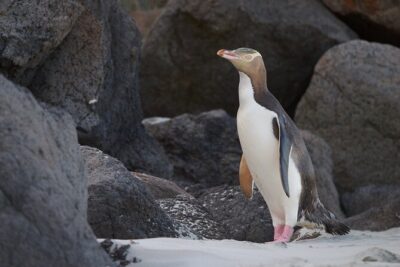
Clearwater Wildlife Tours (small group 10max) Otago Peninsula
Read our review →
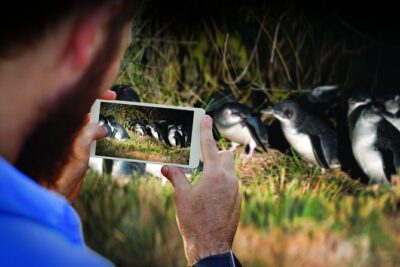
Guided Evening Penguin Viewing Otago Peninsula, Dunedin, New Zealand
Read our review →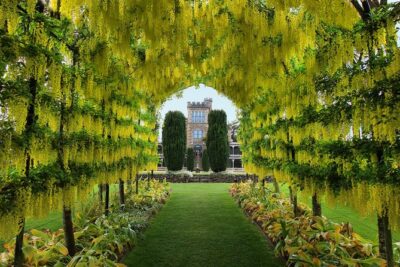
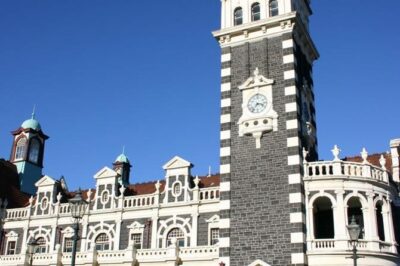
Dunedin Shore Excursion: Small-Group Tour of Dunedin and the Otago Peninsula
Read our review →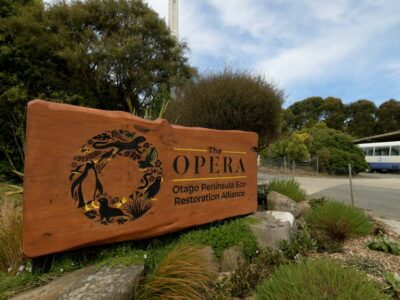

Shore Excursion: V8 Trike, Peninsula and City Tour
Read our review →Browse the lists this tour appears in