
Reviewed · ROTORUA TOURS
Te Puia: Te Rā Guided Day Tour
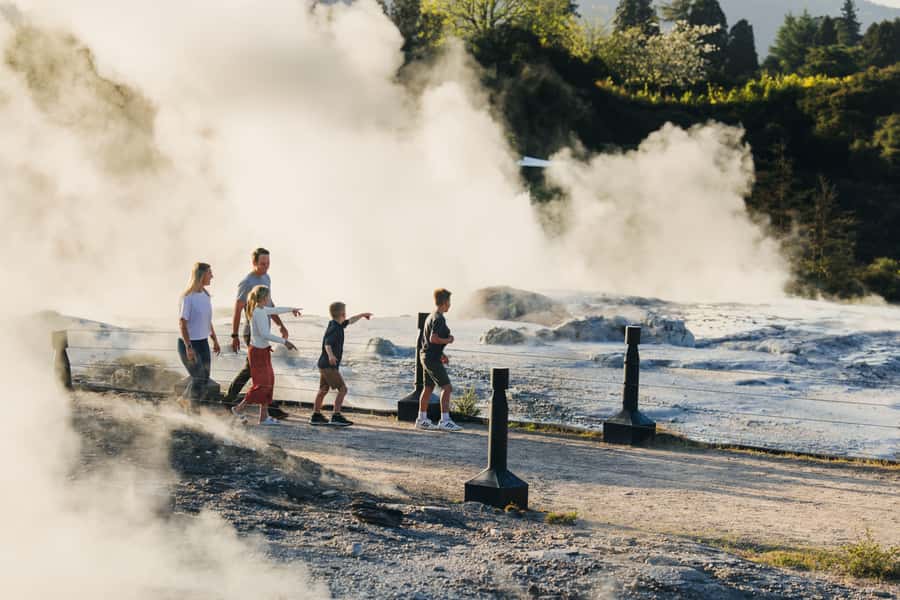
Pōhutu Geyser is the star here, but Te Puia gives you more than a quick geyser stop. In 90 minutes, you walk through steaming geothermal country, see kiwi in a nocturnal enclosure, and visit a working Māori arts school. The mix of nature and culture makes this a useful first stop in Rotorua.
I especially like two things: the guides explain Māori traditions through personal stories, and the visit supports a school where students practise carving and weaving. Guides including Paul, Michael, Makaere, Nate, and Mita have been praised for warmth, humour, and clear explanations. The main catch is the pace. Some sections can feel rushed, especially when a large group gathers around the guide.
Key points at a glance
- Pōhutu Geyser up close: See the largest active geyser in the Southern Hemisphere, with guides pointing out the best viewing places.
- Three experiences in one: The tour combines geothermal features, Māori arts, and a kiwi conservation centre.
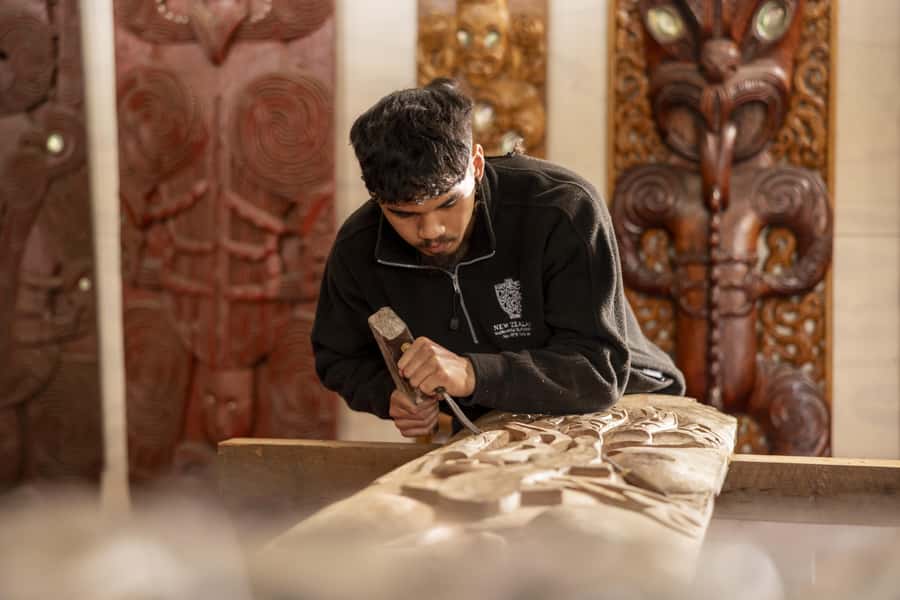
- A working arts school: Watch students develop skills in wood, stone, bone carving, and weaving at the New Zealand Māori Arts and Crafts Institute.
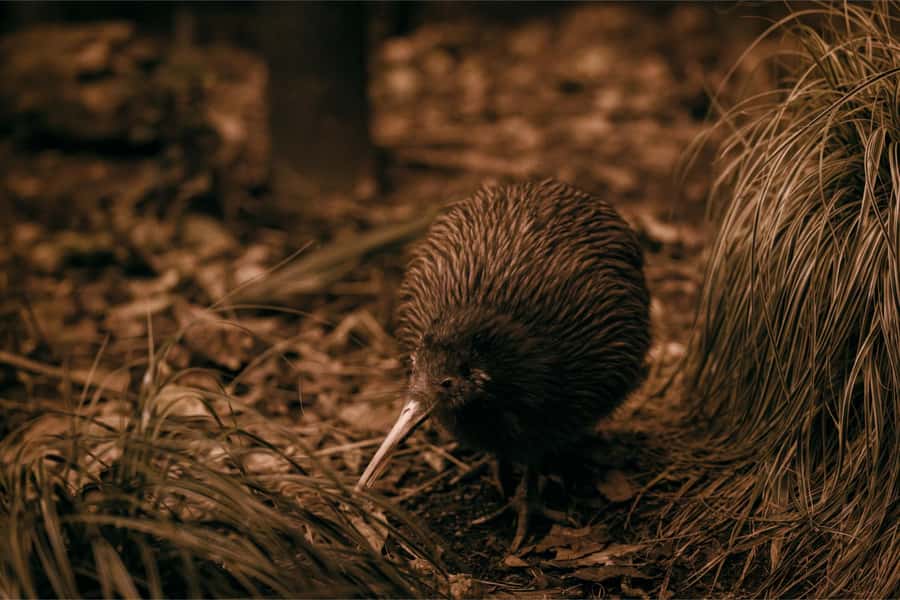
- Kiwi in a nocturnal enclosure: The specially designed centre gives you a chance to see New Zealand’s national icon in conditions suited to its night-active habits.
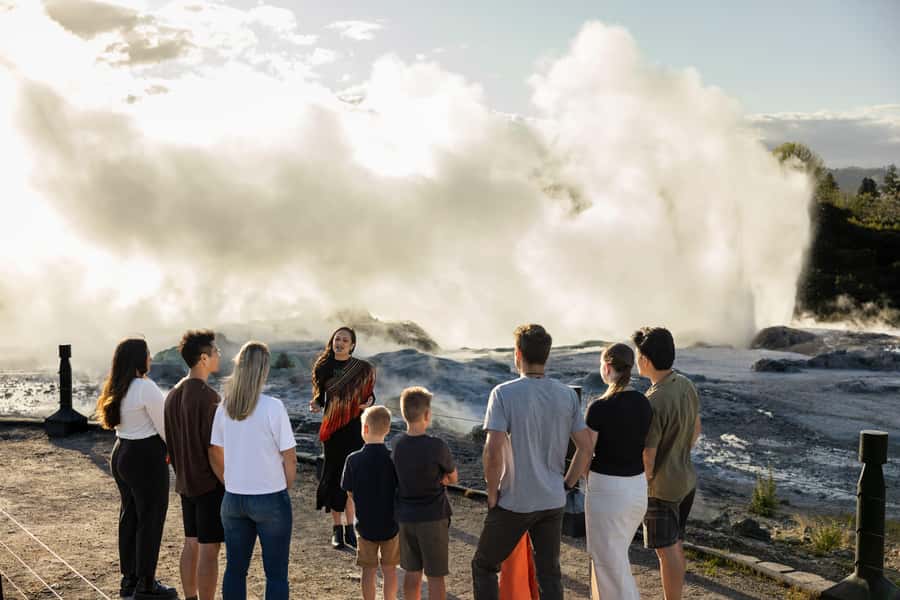
- A guide-led visit: An English-speaking kaiārahi adds stories, explanations, and cultural context that you would miss on a quick walk alone.
- Short and easy to fit in: The 90-minute route begins and ends at Te Puia in Rotorua, with no hotel transport or food included.
Pōhutu Geyser gives the tour its big moment
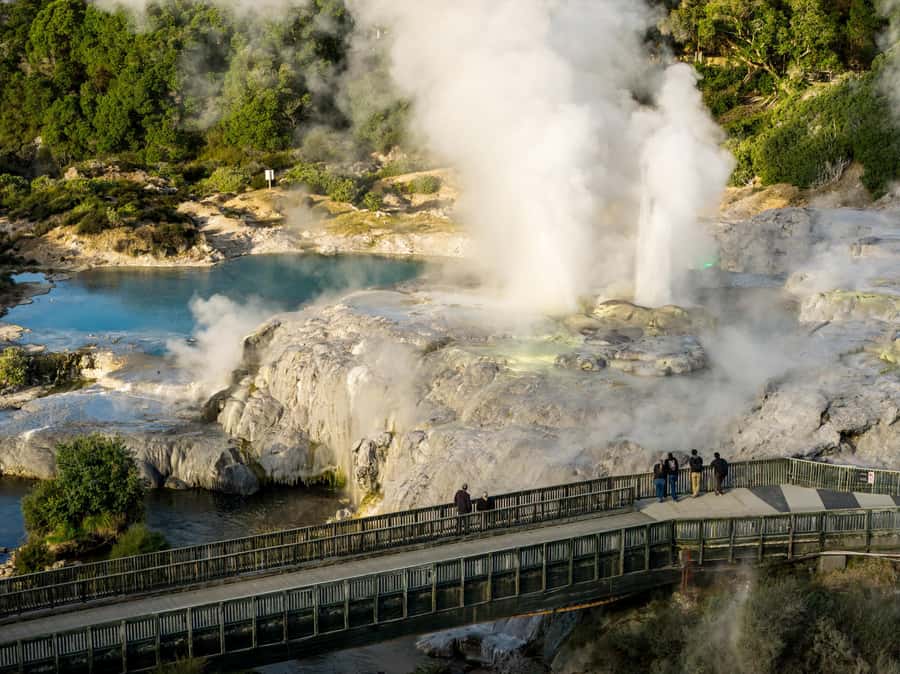
Te Whakarewarewa Geothermal Valley is a place of hissing steam, bubbling mud, geysers, and native bush. The ground seems restless, and the smell of sulphur is part of the experience. You are not simply looking at one dramatic eruption, but moving through a living geothermal area where hot water and volcanic heat shape the surroundings.
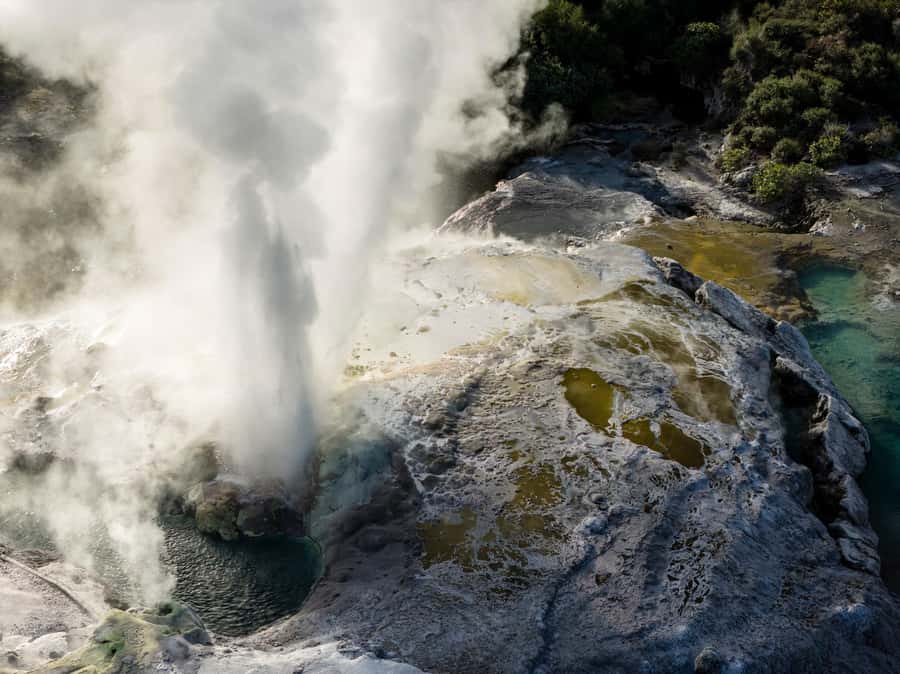
Pōhutu Geyser is the main event. It is the largest active geyser in the Southern Hemisphere, and the route takes you close enough to appreciate its scale. Your guide may also show you where to stand for the clearest view, a small practical detail that matters when steam or weather gets in the way.
The geyser is not equally easy to see in every condition. Cold, wet weather can create extra steam around the plume, and one person found that the full column of water was partly hidden. Still, the geyser may continue spouting while you are there, giving you several chances to watch it.
I would bring a waterproof layer and comfortable shoes. The walk includes outdoor paths, and rain does not stop the tour. One visitor who went in wet weather was glad to have continued, but another wished an umbrella had been available. That tells you what to expect: the tour runs in changeable conditions, and your own rain gear is worth carrying.
The geothermal section is visually strong, though it is also where the 90-minute schedule can feel tight. If you want long periods for photographs or a quiet look at every mud pool, you may wish for more time. The guide is balancing several stops, so keep close and listen while walking.
More Maori Experiences in Rotorua
- Mitai Maori Village: Cultural Experience and Dinner Buffet
★ 4.7 · 3,575 reviews - Cultural Experience & Seasonal Māori Cuisine at Te Pā Tū
★ 5.0 · 1,546 reviews - Mitai Maori Village Cultural Experience in Rotorua
★ 4.5 · 1,294 reviews
Māori culture is taught through working hands
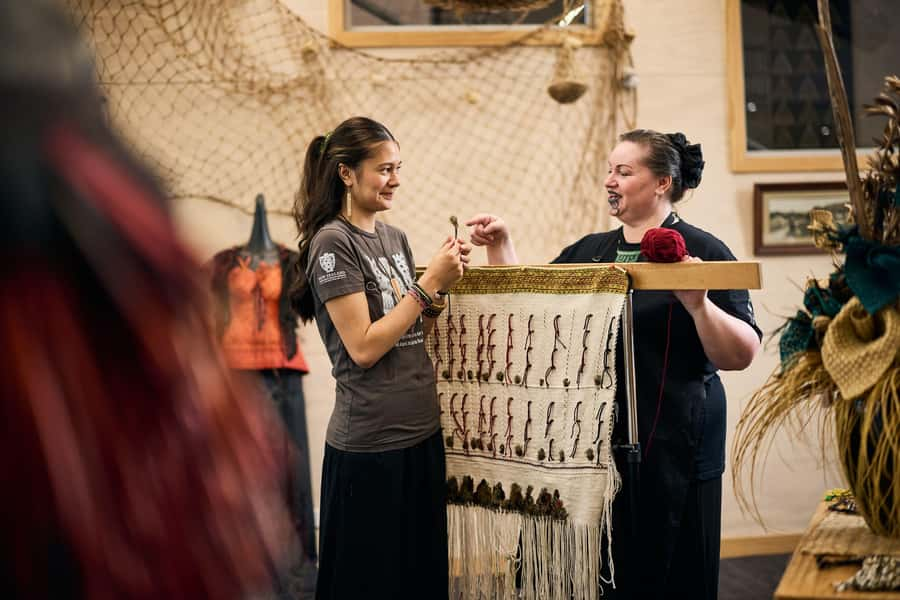
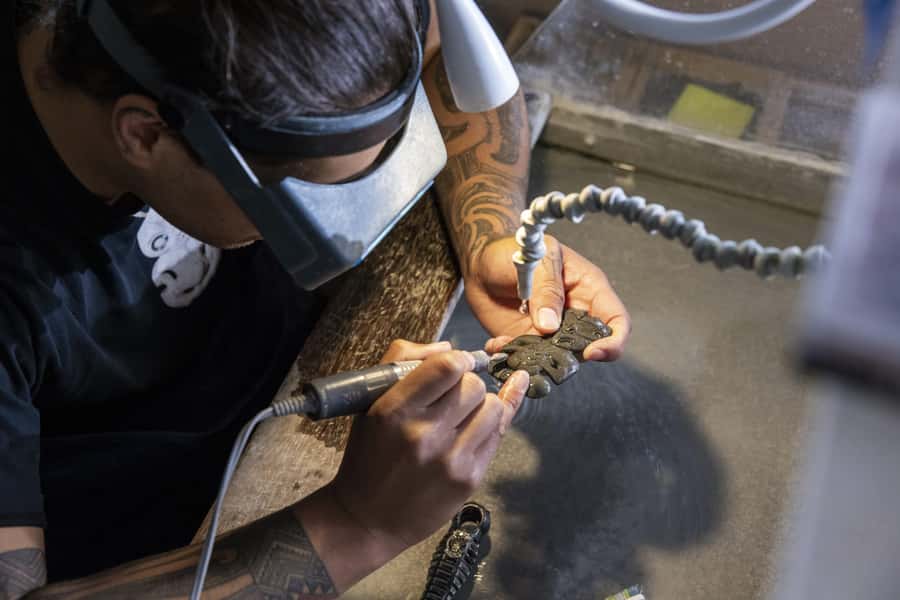
The New Zealand Māori Arts and Crafts Institute gives the tour its human centre. Rather than presenting Māori culture only through display cases, Te Puia shows traditional skills being taught and practised. Students work with wood, stone, and bone, while weaving is also part of the programme.
This is one of the most valuable parts of the visit because you see how knowledge is passed between generations. A carved object is not just decoration. The guide can help explain the skill, meaning, and cultural setting behind the work, making the craft easier to understand.
The institute’s wānanga, or school, serves as a centre for Māori arts and indigenous culture. The Āhua Gallery is also included, giving you another place to see Māori creative work. For many people, this section is more memorable than a standard cultural display because the focus is on people learning and making.
There is a trade-off. Several visitors felt the tour spent a good deal of its time at the arts school, leaving less time in the geothermal area. Others wanted more background on Māori history and culture. If your main goal is geysers, the balance may feel slightly off. If you want context and craft, the time here is well used.
I would treat the arts institute as more than a stop between geysers. It explains why Te Puia is also an educational and cultural centre, not only a geothermal attraction. Money from the operation supports the art school, which gives the admission a wider purpose than a simple sightseeing ticket.
The kiwi visit is brief but special
The Kiwi Conservation Centre is designed around the needs of a nocturnal bird. The kiwi is kept in a specially designed dark enclosure, so you see it under conditions that suit its natural pattern rather than under bright daytime lighting.
Seeing a kiwi in person is a strong reason to choose this tour. The bird is New Zealand’s national icon, yet it is not an animal you can count on spotting outdoors. The conservation centre gives you a much better chance to see one while also connecting the visit with protection work.
Expect this to be a viewing stop, not a hands-on animal encounter. The enclosure is built for the kiwi, and the point is to watch respectfully. The dark setting may make photographs difficult, so put your phone away for a moment and focus on the sight itself.
The kiwi section also helps break up the geothermal and cultural portions. You move from hot springs and mud pools to a carefully managed native species centre, then on to traditional arts. That variety keeps the 90-minute tour moving, although it leaves little room to linger.
Your guide shapes the whole 90 minutes
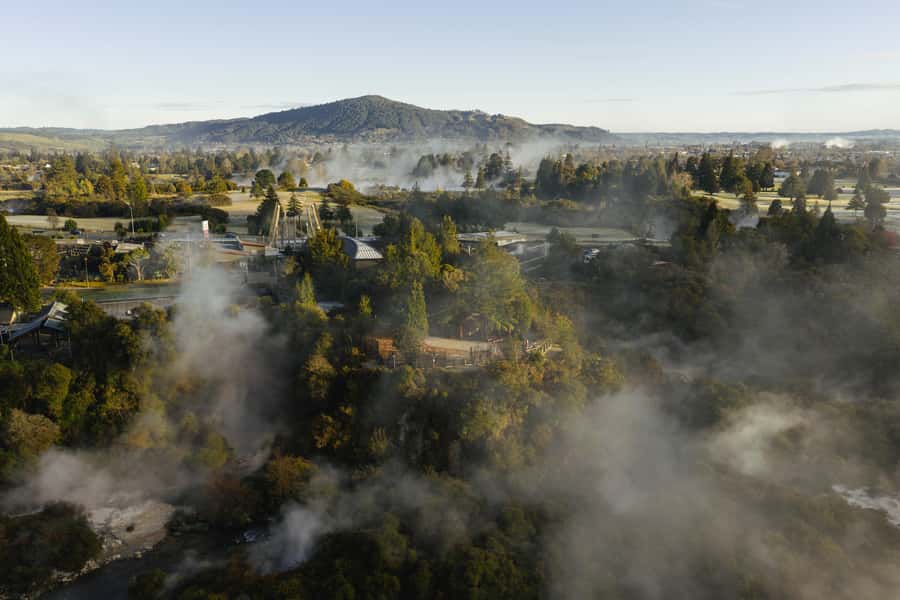
Te Puia’s kaiārahi, or guides, are central to the experience. The strongest part of the tour is not simply the number of things you see. It is the way the guide connects the land, Māori heritage, conservation, and the arts school.
Guides named in recent feedback include Paul, Makaere, Michael, Nate, Mita, and Kohu. You are not booking a particular guide, so the individual leading your group will vary. Still, the pattern is clear: visitors value guides who are funny, friendly, proud of their heritage, and ready to answer questions.
Michael was noted for his care for the environment. Makaere was praised for an engaging manner, while Paul was singled out more than once for a blend of humour and useful information. These details matter because a 90-minute guided walk can become a list of facts if the guide does not bring the place together.
Large groups create the main listening problem. One group found that people at the back could not always hear, and a microphone or radio would have helped. Stay near the guide when possible, especially in open areas where wind, steam, and general noise can soften the voice.
You should also expect the tour to be in English. The guides explain Māori traditions and ancestral stories in English, and the experience is not described as multilingual. If you have a question, ask it during the walk. Guides have been praised for making time for questions, but the schedule is short.
Somewhere else in Rotorua entirely:
- Rotorua Canopy Tours: 2.5Hour Native Forest Zipline Adventure
★ 5.0 · 4,563 reviews - Rotorua: Wai-O-Tapu Geothermal Park Entry Ticket
★ 4.6 · 2,601 reviews - Rotorua’s Ultimate Zipline: 6 ziplines, 400 m Tandem, Cliff Walk
★ 5.0 · 2,557 reviews - Rotorua Rafting: Kaituna River White Water Rafting & Free Sauna
★ 5.0 · 1,952 reviews
How the itinerary works from start to finish
The tour begins at Te Puia in Rotorua. Arrive 15 minutes before your scheduled start, giving yourself time to find the meeting point and join the group without a last-minute rush.
The guided experience lasts 90 minutes and returns to Te Puia. You do not need to arrange a separate transfer between the stops. Hotel pickup and drop-off are not included, so you need to make your own way to the site.
The route includes:
- Te Whakarewarewa Geothermal Valley
- Pōhutu Geyser and other geothermal features
- The Kiwi Conservation Centre
- The New Zealand Māori Arts and Crafts Institute
- The Āhua Gallery
The order and exact time at each stop can vary, so do not plan on treating every section as a separate, leisurely visit. Think of this as a guided introduction. It shows you the important parts, gives you a cultural framework, and helps you decide where you might want to spend extra time afterward.
One useful feature is that the site can offer more to explore beyond the guided portion. A visitor spent additional time looking around after the tour, and the included entry makes that possible according to the experience details. Check the day’s arrangements when you arrive, especially if you are planning other activities close behind it.
Is $59 good value?
At $59 per person, the price needs to be judged against what is included. You are paying for entry to Te Puia, a 90-minute live guided tour, access to the geothermal valley, the kiwi centre, the Māori arts institute, and the Āhua Gallery.
That is a fair bundle if you want all three themes in one visit. Buying separate access to a geothermal attraction, a kiwi viewing centre, and a Māori arts venue could take more planning, and you would lose the guide’s explanations. The value is strongest for first-time visitors to Rotorua who want an organised introduction.
The value is less clear if you only want to see a geyser. The cultural institute takes a meaningful part of the tour, and the geothermal walk may feel quick. In that case, compare Te Puia with other Rotorua geothermal options before booking.
Food and drinks are not included. Hotel transport is not included either, so add those costs when planning your day. The price also does not automatically mean you will see an uninterrupted geyser plume. Weather, steam, and group position can affect the view.
A useful financial advantage is the flexible booking policy. You can cancel up to 24 hours before the start for a full refund, and you can reserve now and pay later. Those terms help if your Rotorua schedule depends on weather or changing transport plans.
Who will enjoy this most?
I would recommend Te Rā to anyone who wants a compact introduction to Rotorua’s geothermal activity and Māori culture. It suits first-time visitors, couples, families, and people with only part of a day available.
It is also a good choice if you want to see a kiwi without making that the only purpose of your outing. The conservation centre adds a rare animal encounter, while the arts institute gives the visit cultural weight.
You will get the most from it if you enjoy listening as you walk. This is not a silent photo stop. The guide’s stories are a major part of the experience, and the visit works best when you are ready to hear explanations about Māori traditions, the environment, and the purpose of the school.
Think carefully if you have significant mobility limits. The activity is marked wheelchair accessible, but it is also described as not suitable for people with mobility impairments. That conflict is important. Contact Te Puia before booking to confirm whether the current route, surfaces, and group format suit your needs.
Smart ways to prepare for Te Puia
Wear comfortable shoes. You will be walking through an outdoor geothermal area, and practical footwear will help you focus on the scenery instead of your feet.
Bring rain protection, even if the forecast looks reasonable. Rain does not prevent the tour, and wet conditions can affect what you see around Pōhutu Geyser.
Arrive 15 minutes early. Since the tour starts and finishes at Te Puia, being on site ahead of time is simpler than trying to join after the group has left.
Stay close enough to hear. Large groups can spread out, and the guide’s explanations are as important as the sights. If you are at the back, ask the guide where to stand before the group moves on.
Allow extra time if you want to browse the site, gallery, or gift shop. The guided route is only 90 minutes, and one visitor enjoyed looking around afterward and buying gifts. Do not schedule your next activity so tightly that you must leave the moment the tour ends.
Should you book Te Rā?
Book it if you want geysers, kiwi, and Māori arts in one well-organised visit. The guide-led format adds context, and the working arts school gives the experience more substance than a simple walk past mud pools.
Choose another plan, or allow extra time, if you want a slow geothermal outing with long photography stops. The tour can feel rushed, especially in a large group, and some of your time will go toward the arts institute rather than the geyser valley.
For most people visiting Rotorua for the first time, $59 is reasonable for the range of included sights. Go prepared for weather, arrive early, stay near the guide, and treat the 90 minutes as an introduction rather than a full-day exploration.
FAQ
Where does the Te Rā Guided Day Tour begin?
It begins at Te Puia in Rotorua, New Zealand.
How long does the tour last?
The guided experience lasts 90 minutes, or one and a half hours.
What does the tour include?
It includes entry to Te Puia, a guided tour, Te Whakarewarewa Geothermal Valley, the Kiwi Conservation Centre, the New Zealand Māori Arts and Crafts Institute, and the Āhua Gallery.
Will I see Pōhutu Geyser?
Pōhutu Geyser is included in the geothermal visit. Weather and steam can affect how clearly you see the full plume.
Can I see a kiwi?
Yes. The tour includes the Kiwi Conservation Centre, where kiwi are kept in a specially designed nocturnal enclosure.
Is the tour conducted in English?
Yes. The activity includes a live English-speaking guide.
Is hotel pickup included?
No. Hotel pickup and drop-off are not included. You need to make your own way to Te Puia.
What should I bring?
Bring comfortable shoes. Rain protection is also a practical choice because the tour takes place partly outdoors and continues in wet weather.
Is the activity wheelchair accessible?
The activity information describes it as wheelchair accessible, but also says it is not suitable for people with mobility impairments. Contact Te Puia before booking to confirm whether the current route meets your needs.
Can I cancel for a refund?
You can cancel up to 24 hours before the scheduled activity for a full refund. You can also reserve now and pay later.
Newly listed around Rotorua
- Rotorua: White Island, Mount Tarawera & Waimangu Volcanic …★ 4.4 · 5 reviews
- Whirinaki Forest Footsteps: Māori Guided Tour, Picnic & Transfer★ 5.0 · 5 reviews
- Rotorua: Lake View Private Pools Experience★ 4.3 · 6 reviews
- Rotorua: Floatplane Flight with Orakei Korako Landing★ 5.0 · 6 reviews
- Raceline Karting at Off Road NZ★ 5.0 · 6 reviews
- Epic Tandem Kayak Tour down the Kaituna River Waterfalls★ 5.0 · 6 reviews
- Rotorua: Evening Starlight Gourmet Kayak Tour with dinner★ 5.0 · 6 reviews
- From Rotorua: Whirinaki Rainforest Guided Cultural Tour★ 5.0 · 6 reviews
Rotorua Tours, compared.
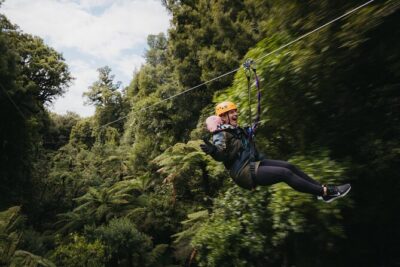
Rotorua Canopy Tours: 2.5Hour Native Forest Zipline Adventure
Read our review →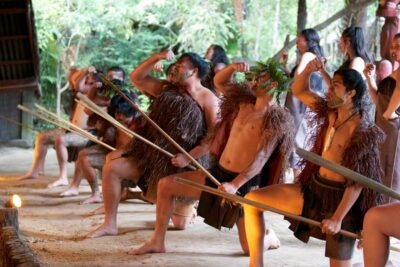
Mitai Maori Village: Cultural Experience and Dinner Buffet
Read our review →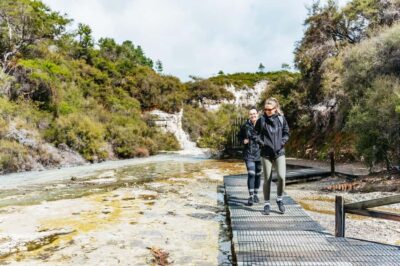
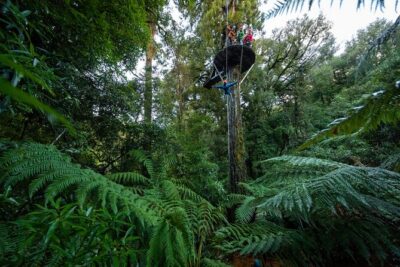
Rotorua’s Ultimate Zipline: 6 ziplines, 400 m Tandem, Cliff Walk
Read our review →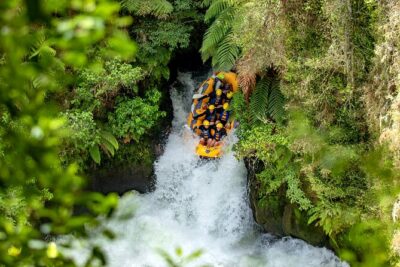
Rotorua Rafting: Kaituna River White Water Rafting & Free Sauna
Read our review →
Cultural Experience & Seasonal Māori Cuisine at Te Pā Tū
Read our review →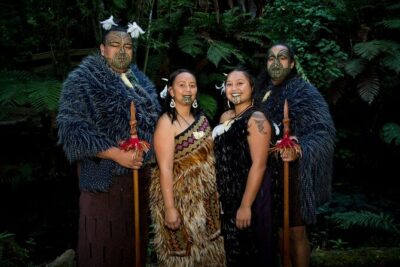
Mitai Maori Village Cultural Experience in Rotorua
Read our review →
Te Pa Tu Māori Cultural Experience with Dinner
Read our review →Browse the lists this tour appears in