
Reviewed · ROTORUA TOURS
Rotorua: Scenic Flight over Mt Tarawera & Waimangu Valley
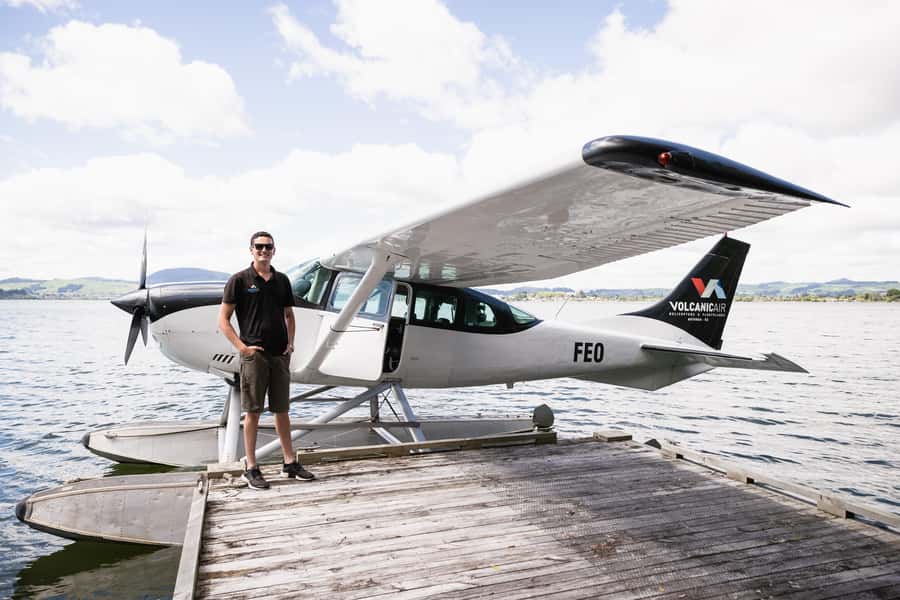
The best part of this Rotorua outing happens before the views even begin: your floatplane skims across Lake Rotorua and lifts off from the water. Then you climb over Mokoia Island, the crater scar of Mount Tarawera, and the steaming Waimangu Valley in one compact flight.
I like the window seat for every passenger, which matters on a short scenic flight. I also like the pilot commentary, especially when it connects the 1886 eruption to the lost Pink and White Terraces. The drawback is simple: weather can shorten or cancel the flight, and cloudy conditions may hide the very sights you paid to see.
Key things to know before you fly
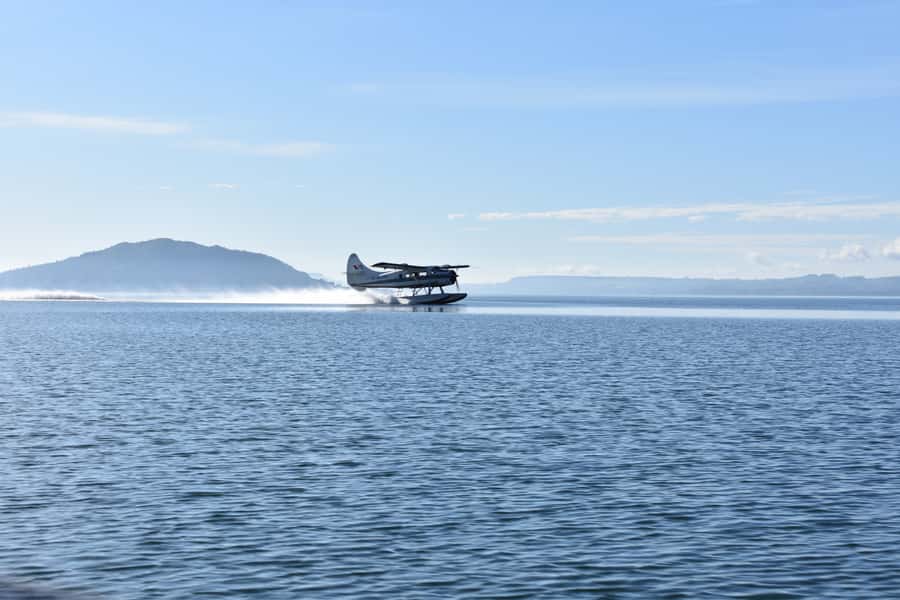
- Water takeoff and landing: Begin and end by skimming across Lake Rotorua in a floatplane.
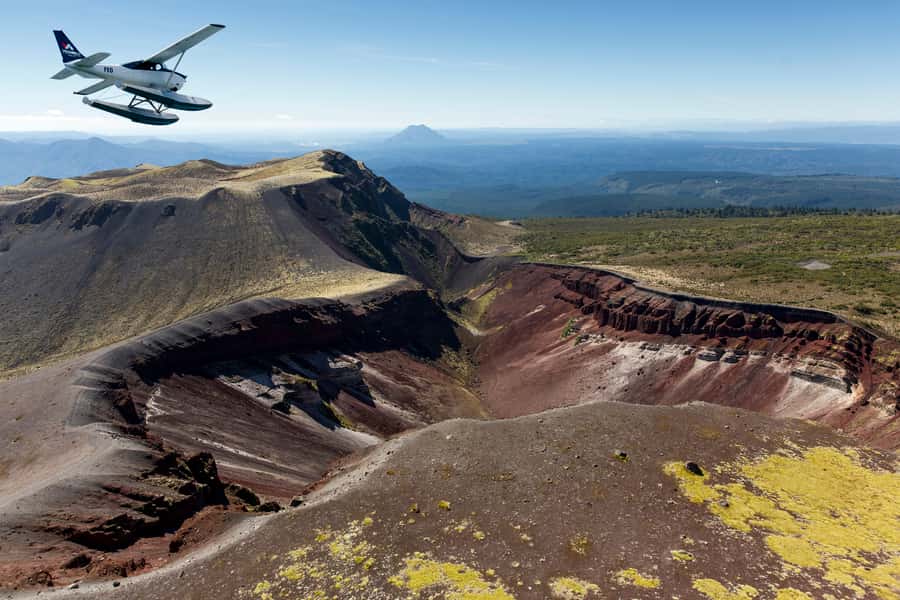
- Mount Tarawera from above: See the volcano’s 8-kilometre crater rift, created by the 1886 eruption.
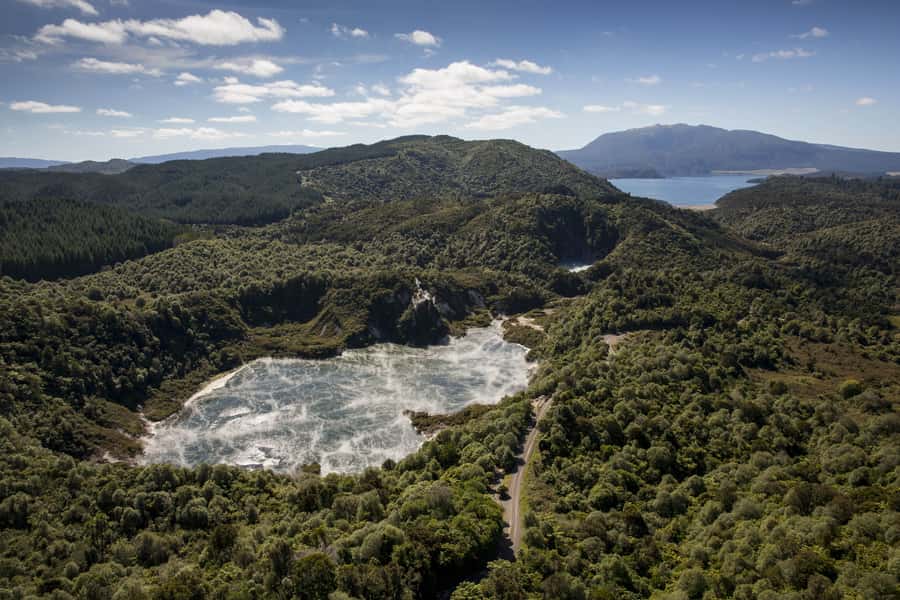
- Waimangu from the air: Look down into Inferno Crater, Frying Pan Lake, and the surrounding thermal valley.
- All passengers get a window: The small aircraft carries no more than 10 people.
- A compact aerial tour: The experience lasts 40 minutes, including about 30 minutes of flying.
- Weather rules the day: Poor visibility, unsafe conditions, volcanic activity, or passenger loading can alter the flight.
Why this flight is different from a standard Rotorua tour
Rotorua is easy to explore from ground level. You can walk through a geothermal park, smell sulphur near the paths, and watch a geyser fire skyward. But the region’s full shape only becomes clear from above.
This flight links Rotorua’s lakes, volcanoes, native bush, thermal valleys, and city sights in one sweep. You are not simply looking at one attraction. You are seeing how the volcanic region fits together.
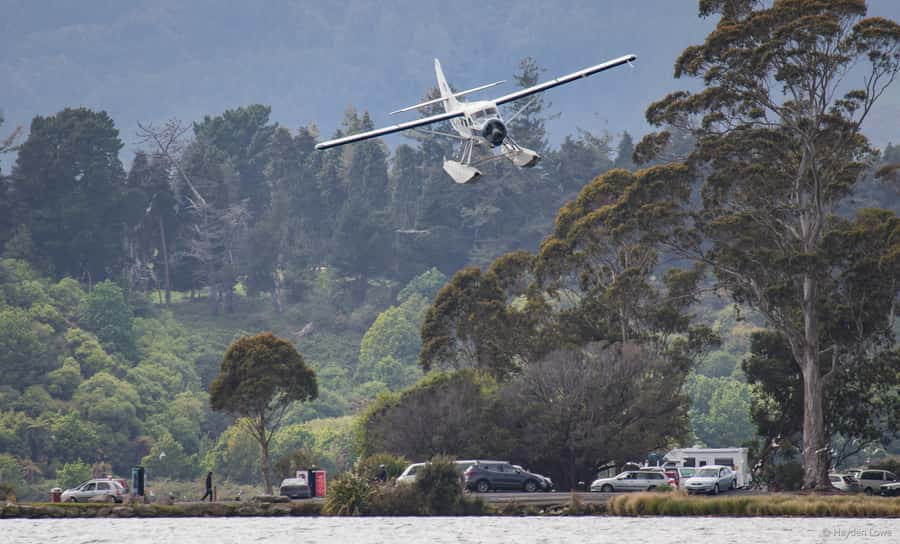
The floatplane adds a second layer of interest. A normal aircraft gives you a runway departure. Here, the plane accelerates across Lake Rotorua, throws spray, and rises directly from the water. The return landing repeats the trick in reverse, with the lake replacing a runway.
For me, that makes the flight worth considering even before Mount Tarawera appears. The takeoff and landing are part of the attraction, not just transport to it.
More Scenic Flights in Rotorua:
- Crater Lakes Scenic Flight with Natural Hot Pool Bathing by Floatplane
★ 5.0 · 6 reviews - Mount Cook: Scenic Helicopter Flight with Alpine Landing
★ 4.8 · 442 reviews - Franz Josef & Fox Glaciers Helicopter Flight & Snow Landing
★ 4.7 · 342 reviews
Starting beside Lake Rotorua
You check in at the operator’s office at 1 Lakefront Drive. Look for the large signs on the roof. The meeting point is straightforward, but allow time to find the office and settle in before the safety briefing.
The briefing is listed as about 20 minutes. Pay attention, since a floatplane has different procedures from a land-based aircraft. Bags are not allowed, so travel light. A camera and warm clothing are the useful items to bring.
The small group size is a real advantage. With up to 10 participants, boarding should feel less like a mass excursion and more like a small flight operation. Most important, each passenger has a window seat. You will not need to lean across someone else to see the crater or lakes below.
The aircraft’s seating arrangement also helps with photography. Keep your camera ready, but remember that weather and reflections may affect your pictures. The best view is not always the easiest image, especially when the plane is turning.
The Lake Rotorua takeoff
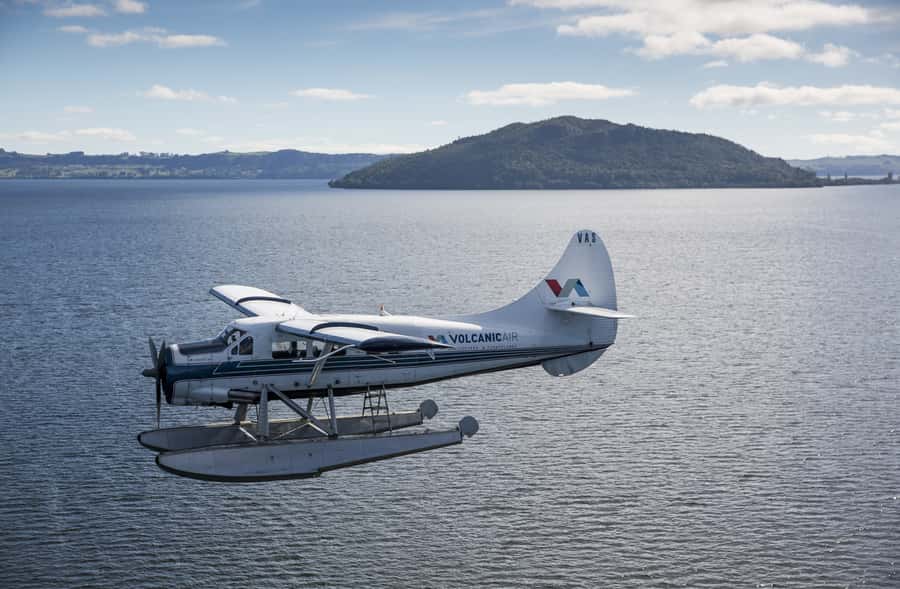
The aircraft begins on Lake Rotorua, where the first minutes provide an unusual sense of motion. You skim across the water before lifting off, rather than rolling down a runway.
As you climb, the view opens toward Mokoia Island. The plane then heads over the ridge toward the district of smaller lakes. This change happens quickly, so keep watching from the start. The early part of the flight is not filler.
Rotorua’s lakes are the visual thread running through the whole trip. From the air, you can compare open water with thick native bush and volcanic peaks. The shapes and colors are easier to understand from above than on a road map or from a single lakeshore.
This is also the point where the pilot’s commentary matters. The guide provides information in English, and an English audio guide is included. The exact amount of spoken explanation can depend on the pilot and conditions, but the tour is designed to give you context rather than just a silent ride.
Flying toward Mount Tarawera
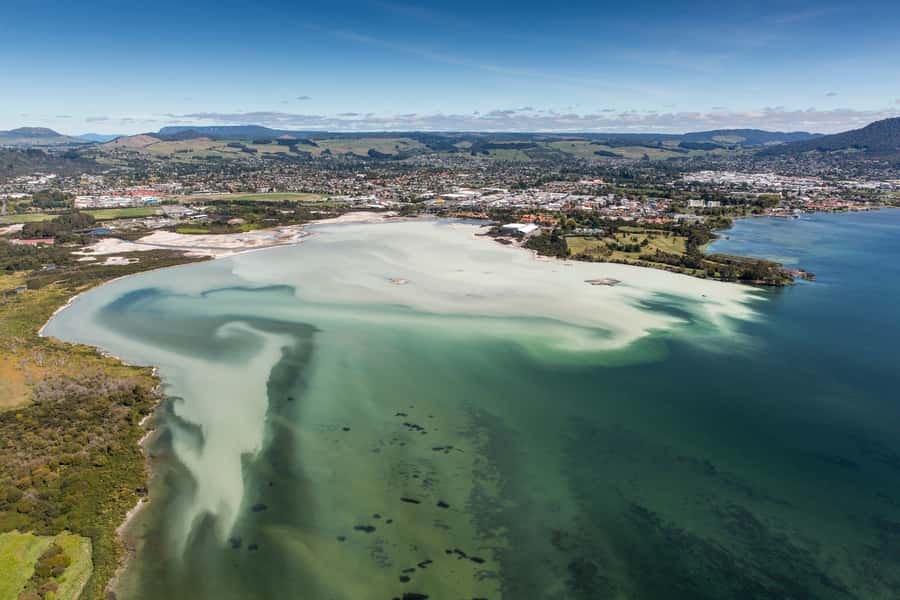
The plane continues toward Mount Tarawera, a dormant volcano rising to 3,680 feet. The mountain dominates the surrounding area, but its most striking feature is not its height. It is the long crater rift cut across the summit and slopes.
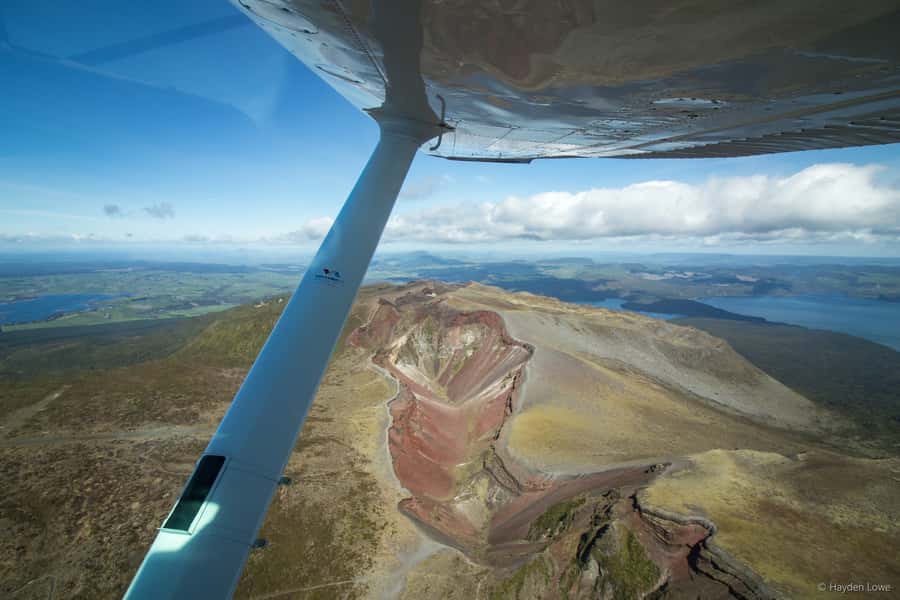
The flight passes directly over the roughly 8-kilometre rift left by the 1886 eruption. From ground level, you can see parts of the volcanic area on a closer visit. From the aircraft, you get the full scale of the rupture.
That overhead view gives the eruption a physical shape. The event was not just a distant date in a guidebook. It reshaped the mountain and destroyed the famous Pink and White Terraces, once promoted as the eighth wonder of the world.
Your pilot explains this story during the flight. The historical detail is useful because it gives meaning to the red, brown, grey, and other volcanic colors below. Without that context, the craters may look like striking shapes. With it, you understand what caused them and why the region matters.
The timing over the volcano can be brief, so this is a place to watch first and photograph second. Keep your camera pointed out the window, but do not spend the entire pass checking the screen.
A few more Rotorua days to compare
- Rotorua Canopy Tours: 2.5Hour Native Forest Zipline Adventure
★ 5.0 · 4,563 reviews - Mitai Maori Village: Cultural Experience and Dinner Buffet
★ 4.7 · 3,575 reviews - Rotorua: Wai-O-Tapu Geothermal Park Entry Ticket
★ 4.6 · 2,601 reviews - Rotorua’s Ultimate Zipline: 6 ziplines, 400 m Tandem, Cliff Walk
★ 5.0 · 2,557 reviews
Waimangu Valley from the air
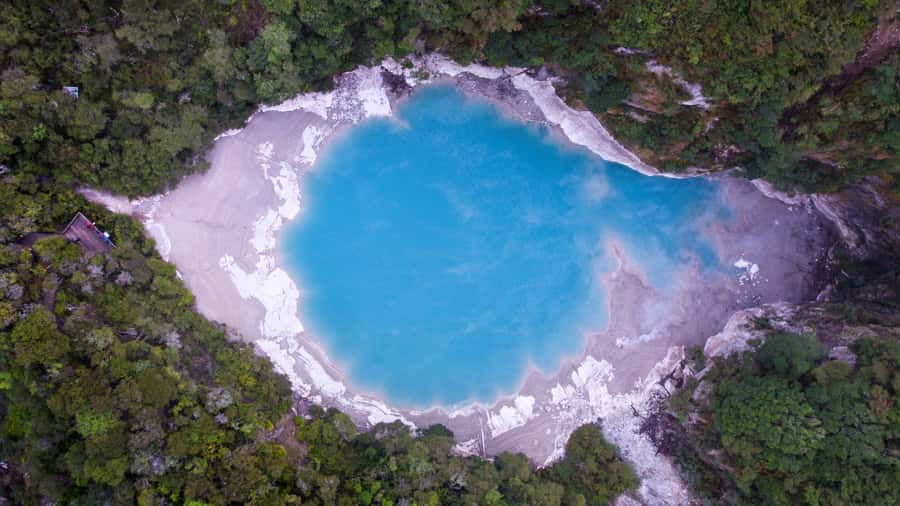
The flight also reaches Waimangu Volcanic Valley, a major thermal area south of Rotorua. From above, the valley’s crater lakes and geothermal features form a different view from the broad lake country around Rotorua.
Two named sights are especially important: Inferno Crater and Frying Pan Lake. Their colors and shapes make sense as part of the volcanic system, not as isolated attractions.
An aerial view is valuable here because you can see the valley’s setting in one glance. On foot, you concentrate on the path immediately ahead. From the plane, you see the relationship between the thermal valley, surrounding bush, crater lakes, and larger volcanic region.
There is also a limitation. A flight does not replace a walking visit to Waimangu. You will not follow the trails, pause beside the thermal features, or spend time studying the valley at ground level. Think of this segment as a broad overview and a way to see the area from an angle that a standard park visit cannot provide.
If Waimangu is high on your Rotorua list, this flight can help you decide if you want a separate land visit. If you already plan to walk through the valley, the aircraft adds scale rather than repeating the same experience.
The return past Whakarewarewa
On the way back, the plane passes over the Whakarewarewa Thermal Valley and Pohutu Geyser. This gives you an aerial look at one of Rotorua’s best-known geothermal areas before the city comes back into view.
Pohutu Geyser is familiar from ground-level visits, but seeing it from the air changes the emphasis. You gain a sense of its place within the wider thermal valley rather than focusing only on the eruption itself.
The route then crosses Rotorua city before descending toward Lake Rotorua. This final section helps you connect the natural sights with the town where you are staying. After volcanoes, crater lakes, and bush, the city’s roads and buildings offer a useful reminder that geothermal country sits right beside everyday life.
The landing is another highlight. The floatplane touches down on the lake and returns to the water rather than a conventional runway. The full experience ends where it began, at the Rotorua waterfront.
What the 40-minute schedule really means
The advertised experience lasts 40 minutes, with about 30 minutes of actual flying. The schedule also includes the preflight process and safety briefing, so do not assume you will be airborne for the full 40 minutes.
That is still a good amount of time for a compact aerial tour. The route covers several major sights without asking you to give up half a day. You can fit it around a geothermal park, a lake cruise, or other Rotorua plans.
The drawback is that the route has little spare time. If clouds block Mount Tarawera or Waimangu, there is no long stop to wait for conditions to improve. Weather may change the flight path, shorten the circuit, or prevent the trip from going ahead.
One passenger had a shortened circuit because of weather and still flew over some local sights. A partial flight may be a reasonable compromise, but it is not the same value as seeing the whole route. The operator provided a small refund in that situation, though you should not treat that as a guarantee of a particular amount.
Weather, visibility, and volcanic conditions
This is an outdoor flight, so the weather forecast deserves more attention than it would for a museum or restaurant. The flight will not go ahead if conditions are unsafe or if the views cannot be seen.
Cloud cover is especially important here. The appeal depends on looking down into craters, across lakes, and toward volcanic peaks. A flight that is technically safe but visually blocked may not deliver the experience you expected.
The route and timing can also change because of volcanic activity and passenger loading. Excursion landings are made at the pilot’s discretion and at your own risk. In practical terms, the pilot decides what is safe and what route works on the day.
I would schedule this flight early in your Rotorua stay if possible. That gives you a chance to rebook or adjust plans if the weather cancels the trip. The booking terms allow free cancellation up to 24 hours ahead, and you can reserve now and pay later, which helps when your itinerary is still taking shape.
The small aircraft and passenger comfort
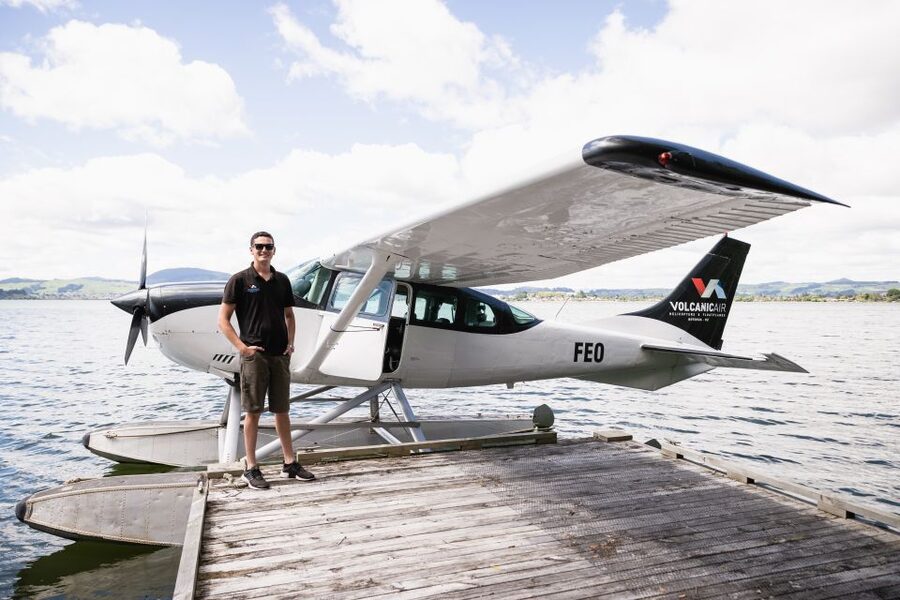
The limited group size keeps the flight personal, but a small floatplane is not the right choice for everyone. The operator does not recommend it for wheelchair users, people afraid of heights, or people with altitude sickness.
Warm clothing is sensible. You are asked not to bring bags, so leave larger items elsewhere and carry only what is permitted. The information provided does not specify storage arrangements, so check with the operator if you have an essential item.
Window seats are a major plus. Every passenger gets a clear side view, and that removes one of the common irritations of scenic flights. You are still looking through a window, so reflections and the aircraft frame may appear in photographs, but you will not be stuck in a middle seat.
Individual passenger weights are required under New Zealand law. If someone weighs more than 110 kilograms, a surcharge may apply. Anyone over 135 kilograms, as weighed by the operator, must pay for two adult fares. This is worth knowing before you book, since it affects the final cost.
The flight may also suit people who need a little extra patience during boarding. Pilot Ben has been praised for helping a passenger with Parkinson’s disease into and out of the plane. That does not promise the same arrangement for every passenger, but it is sensible to discuss mobility needs with the operator in advance.
Is $236 a fair price?
At $236 per person, this is not a cheap way to get a view of Rotorua. You are paying for a short flight, a small group, a floatplane operation, and an aerial route that reaches several distant sights.
The value improves if you want to see a lot in limited time. Mount Tarawera, Waimangu Valley, Whakarewarewa, Rotorua city, and the lake district would take separate planning from the ground. The flight gives you a quick visual map of the region.
The cost is harder to justify if you dislike flying, need a guaranteed full itinerary, or mainly want to visit one geothermal park on foot. In that case, a land-based activity may offer more minutes at the sights for less money.
I would also factor in the weather risk. A clear day makes the price easier to accept because the main attractions are visible and the flight feels complete. A shortened route can still be worthwhile, but you should book with realistic expectations.
The strongest value here is not simple transportation. It is the combination of a water takeoff, an overhead view of the Tarawera crater, and the broad view of Rotorua’s volcanic system. If those three things appeal to you, the price is easier to defend.
Who should book this Rotorua flight?
I would recommend it to you if you want a memorable overview of the region and enjoy the feeling of a small aircraft. It is especially useful for a first Rotorua visit, since the route introduces the lakes and volcanic areas before you explore them more closely.
It also suits photographers who value unusual angles, though changing light and aircraft movement mean you should not expect every picture to be perfect. The guaranteed window seat gives you a fair chance at good views.
This is less suitable if you are nervous about heights, cannot manage a small-aircraft boarding process, or need wheelchair access. It is also a poor match if a cloudy forecast is likely to hide the craters and thermal valleys.
Plan on warm clothing, no bags, and a camera. Keep your schedule flexible, and avoid putting the flight immediately before an important connection since weather can affect the timing.
Should you book the Mount Tarawera floatplane flight?
Book it if you want Rotorua’s biggest sights in one compact, memorable circuit and if the water takeoff is part of the appeal. The strongest moments are the floatplane departure, the full view of Mount Tarawera’s 1886 crater rift, and the aerial look at Inferno Crater and Frying Pan Lake.
Skip it if you want a long, close-up geothermal visit or if you need certainty that every sight will be visible. For everyone else, this is a focused splurge: short, scenic, weather-dependent, and unusually good at showing how Rotorua’s lakes and volcanoes belong to one connected region.
FAQ
Where does the floatplane tour begin?
You check in at the operator’s office at 1 Lakefront Drive beside Lake Rotorua. Look for the large signs on the roof.
How long does the experience last?
The experience lasts 40 minutes. About 30 minutes of that time is spent flying.
How many people can join the flight?
The activity is a small-group experience limited to 10 participants.
Does every passenger get a window seat?
Yes. The aircraft arrangement provides a window seat for every passenger.
What sights can I see from the plane?
The route includes Lake Rotorua, Mokoia Island, Mount Tarawera, Waimangu Volcanic Valley, Inferno Crater, Frying Pan Lake, Rotorua city, Whakarewarewa Thermal Valley, and Pohutu Geyser.
Can I see the Mount Tarawera crater?
The flight is designed to pass over Mount Tarawera and its roughly 8-kilometre crater rift, created by the 1886 eruption. Visibility depends on weather and operating conditions.
Is a guide included?
Yes. An English-speaking live guide is included, along with an English audio guide.
What should I bring?
Bring a camera and warm clothing. Bags are not allowed.
Can weather cancel or change the flight?
Yes. The flight is weather-dependent and may not operate if conditions are unsafe or the views cannot be seen. Flight times and the route may also vary because of weather, volcanic activity, or passenger loading.
What are the weight requirements?
New Zealand law requires individual passenger weights at booking. A surcharge may apply above 110 kilograms. Anyone above 135 kilograms, as weighed by the operator, must pay two adult fares.
Newly listed around Rotorua
- Rotorua: White Island, Mount Tarawera & Waimangu Volcanic …★ 4.4 · 5 reviews
- Whirinaki Forest Footsteps: Māori Guided Tour, Picnic & Transfer★ 5.0 · 5 reviews
- Rotorua: Lake View Private Pools Experience★ 4.3 · 6 reviews
- Rotorua: Floatplane Flight with Orakei Korako Landing★ 5.0 · 6 reviews
- Raceline Karting at Off Road NZ★ 5.0 · 6 reviews
- Epic Tandem Kayak Tour down the Kaituna River Waterfalls★ 5.0 · 6 reviews
- From Rotorua: Whirinaki Rainforest Guided Cultural Tour★ 5.0 · 6 reviews
- Rotorua: Evening Starlight Gourmet Kayak Tour with dinner★ 5.0 · 6 reviews
Rotorua Tours, compared.
Rotorua Canopy Tours: 2.5Hour Native Forest Zipline Adventure
Read our review →
Mitai Maori Village: Cultural Experience and Dinner Buffet
Read our review →
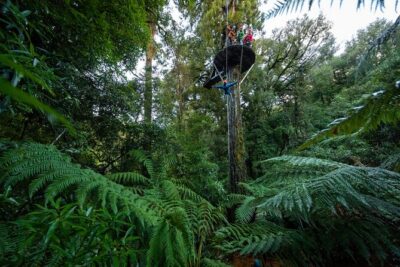
Rotorua’s Ultimate Zipline: 6 ziplines, 400 m Tandem, Cliff Walk
Read our review →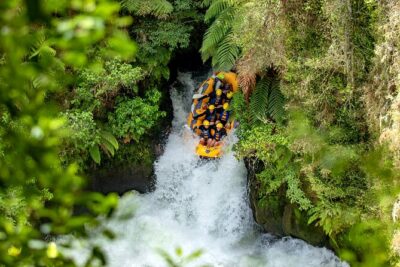
Rotorua Rafting: Kaituna River White Water Rafting & Free Sauna
Read our review →
Cultural Experience & Seasonal Māori Cuisine at Te Pā Tū
Read our review →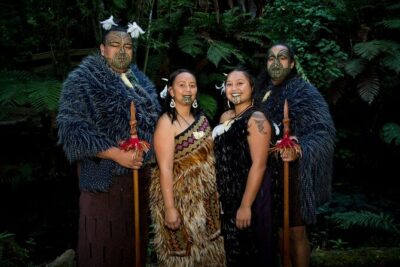
Mitai Maori Village Cultural Experience in Rotorua
Read our review →
Te Pa Tu Māori Cultural Experience with Dinner
Read our review →Browse the lists this tour appears in