
Reviewed · ROTORUA TOURS
Rangitaiki Rafting Grade 3-4
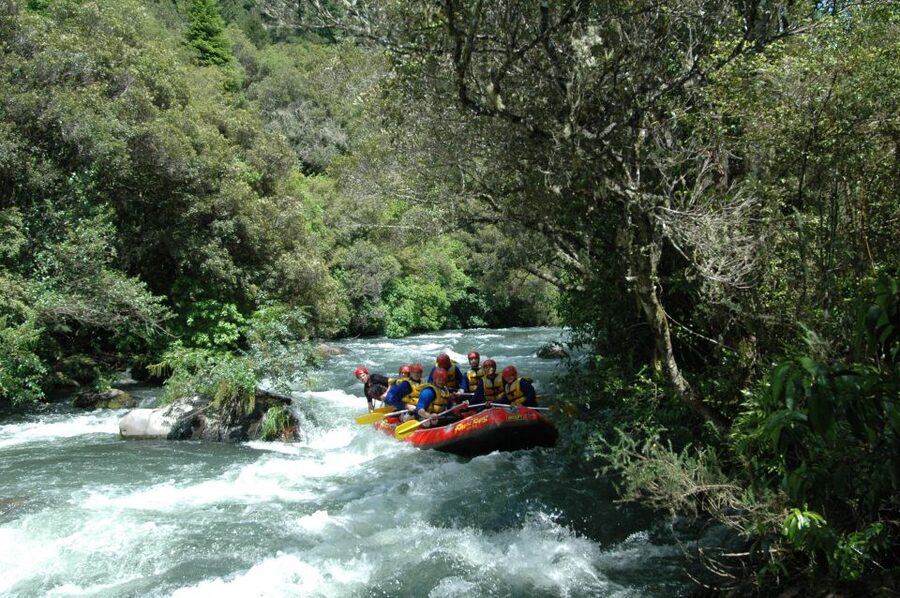
The Rangitaiki River gives you a proper whitewater day without requiring expert rafting skills. You paddle through 14 kilometers of Grade 3 rapids, with one Grade 4 section called Geoff’s Joy, while native and plantation forest rise along the river valley.
I like the careful 15 to 20 minutes of flat-water training, and I like the quiet break halfway through, when you can swim, chat with your guide, or simply enjoy the forest. The main consideration is river level: during a low-water run, you may bump or stick on rocks a few times before the guides free the raft.
Guides such as Jason and Brony help set a confident tone, and the trip suits active beginners as well as more experienced paddlers. Still, you need to work as part of the raft team, walk about 150 meters near the start if required, and accept the normal risks of a whitewater activity.
Key points to know before you book
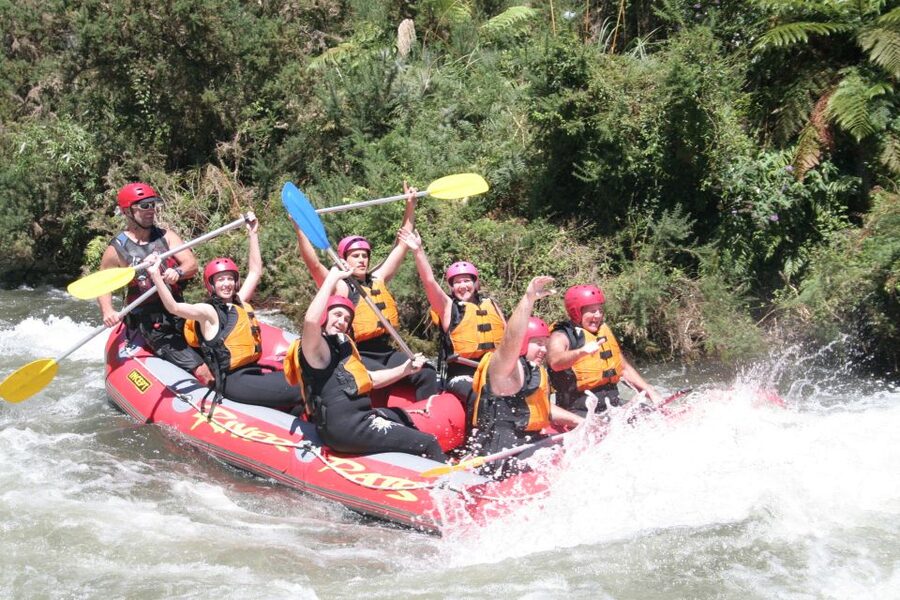
- Mostly Grade 3 whitewater: The rapids are lively, bouncy, and active without being an expert-only challenge.
- One named Grade 4 rapid: Geoff’s Joy provides the biggest burst of speed and excitement on the run.
- 14 kilometers through forest: You get both native and plantation forest views, not just repeated stretches of whitewater.
- Training comes first: You practice paddle and safety commands on calm water before entering the rapids.
- A useful mid-trip pause: Around 15 minutes of flat water gives you time to rest, talk, or swim.
- Rotorua-friendly timing: Pickup from central Rotorua accommodation is around 10:30 am, with the rafting base start at 11:30 am.
What the Rangitaiki rafting day is really like
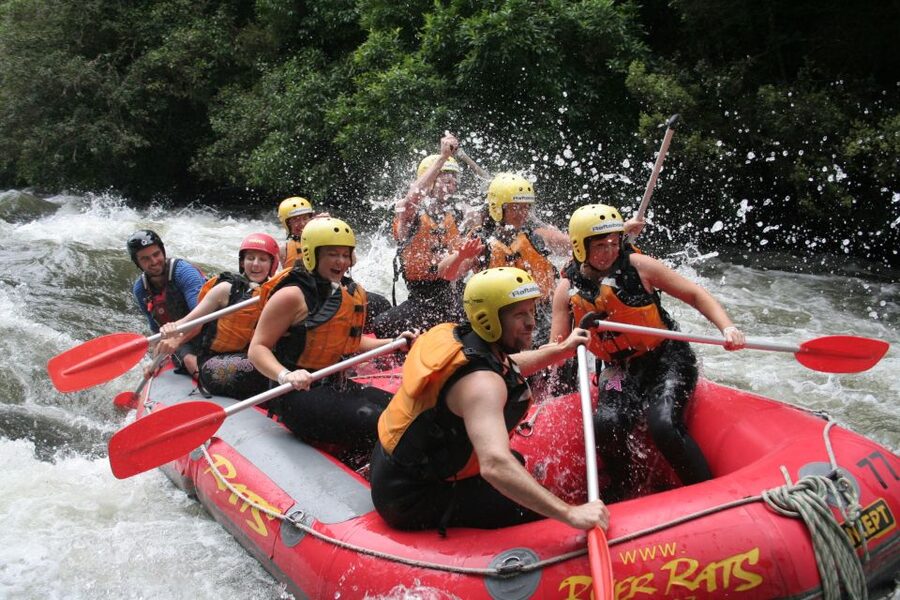
This is a half-day rafting trip with a full-day feel. The advertised duration is six hours because it includes transport, preparation, rafting, changing time, and the return journey. Actual time on the water is about 1 hour and 45 minutes, while the activity at the base takes roughly 3.5 to 4 hours, not counting travel.
That distinction matters. You are not paddling for six straight hours, but you should still reserve most of the day. From Rotorua, allow about 45 minutes of travel time. From Taupo, the drive takes about an hour, so the trip can fit into either a Rotorua stay or a Taupo-based itinerary with careful planning.
The price is $117 per person. I consider that fair for a guided whitewater outing because it includes specialist equipment, instruction, a light lunch, and central Rotorua transfers. You are also paying for the safety setup and river access, not simply for a short ride through rapids.
The value is strongest if you need transport or are staying in Rotorua without a rental car. If you already have a vehicle and want only time on the river, the six-hour block may feel longer than the rafting itself. Still, the training, changing time, lunch, and transport are practical parts of a proper rafting day.
A few more Rotorua days to compare
- Rotorua Canopy Tours: 2.5Hour Native Forest Zipline Adventure
★ 5.0 · 4,563 reviews - Mitai Maori Village: Cultural Experience and Dinner Buffet
★ 4.7 · 3,575 reviews - Rotorua: Wai-O-Tapu Geothermal Park Entry Ticket
★ 4.6 · 2,601 reviews
Leaving Rotorua for the river base
Pickup from central Rotorua accommodation is available at about 10:30 am for the 11:30 am base start. That makes the day fairly easy to manage. You do not need to organize a separate early-morning departure, and the drive gives you a simple transition from town to the river valley.
The trip is operated by River Rats Raft & Kayak, with instruction in English. Once at the base, you receive the required rafting equipment and prepare for the water. Bring swimwear and a towel. Towel hire is available for a small charge, but you need to request it ahead of time.
Do not arrive thinking this is just a scenic float. The activity is active, and the river requires you to listen, paddle, and respond quickly. You will be part of a working raft team rather than a passenger sitting quietly while a guide does everything.
Training on calm water before the rapids
The safety briefing and paddle practice take about 15 to 20 minutes. This is one of the best features for first-time rafters because you learn the commands before the river becomes noisy and fast.
You practice on flat water first. That gives you a chance to learn where to place your paddle, how to respond to the guide, and how the raft feels when everyone acts together. The instruction is short, but it gives you the basic tools needed for the run.
About 80 percent of people on this trip are first-time rafters, so you do not need a long whitewater background. You should be physically active, comfortable following instructions, and ready to help with the paddling. The river provides the excitement, but the raft works best when everyone pulls together.
Guides including Jason and Brony have been praised for building confidence from the beginning and making expectations clear before setting off. That is important here. Good instruction does not remove every risk, but it helps you understand what to do when the raft reaches a rocky rapid.
The first 150 meters and the start of the 14-kilometer run
There may be a short walk near the beginning of the trip. It is about 150 meters, which is only a small part of the 14-kilometer route, but it is worth knowing if you have mobility concerns or are booking for a child.
Children must be at least 10 years old. Anyone under 13 must be accompanied by an adult, able to manage that short walk, and rafting conditions must be below 7.0 on the river gauge. These rules are practical rather than fussy. Water levels can change the character of the river, and younger paddlers need the right conditions.
Once you launch fully, the river settles into a pattern of active rapids and calmer stretches. The Grade 3 sections are described as fun and bouncy. You get enough movement to feel the river working beneath you, but the trip is aimed at a broad range of active people rather than specialist rafters.
Expect to get wet. The required equipment is supplied, but swimwear is the sensible clothing choice. A towel is essential unless you arrange to hire one.
Somewhere else in Rotorua entirely:
- Rotorua’s Ultimate Zipline: 6 ziplines, 400 m Tandem, Cliff Walk
★ 5.0 · 2,557 reviews - Rotorua Rafting: Kaituna River White Water Rafting & Free Sauna
★ 5.0 · 1,952 reviews - Cultural Experience & Seasonal Māori Cuisine at Te Pā Tū
★ 5.0 · 1,546 reviews - Mitai Maori Village Cultural Experience in Rotorua
★ 4.5 · 1,294 reviews
Native forest, plantation forest, and the quieter river stretches
The scenery is a genuine part of the trip. The Rangitaiki runs through a beautiful river valley with both native and plantation forest. That mix gives you changing views as you paddle, and it breaks up the concentration required in the rapids.
The river is not just a chain of whitewater obstacles. Between the faster sections, you have moments to look beyond the raft and notice the forested valley. The quieter water also lets you reset before the next burst of paddling.
Around halfway through the run, you reach about 15 minutes of flat water. This is the natural breathing space in the itinerary. You can relax in the raft, talk with the guide and the people around you, or swim if conditions and your own comfort allow.
I like this pause because it keeps the day from becoming one long physical push. It also gives you time to appreciate why this river trip is more than an adrenaline ride. The forest views have room to register when you are not concentrating on a rapid.
Geoff’s Joy and the biggest burst of whitewater
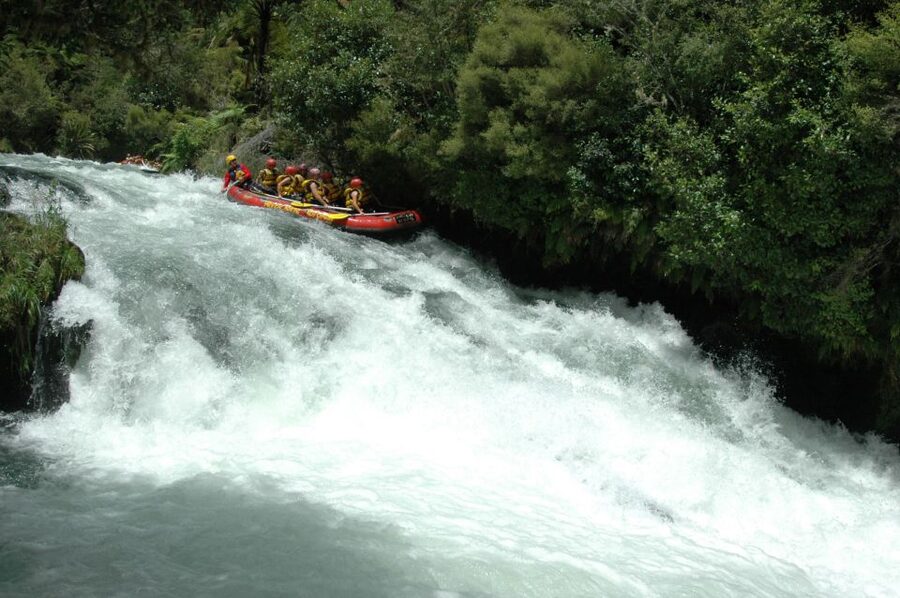
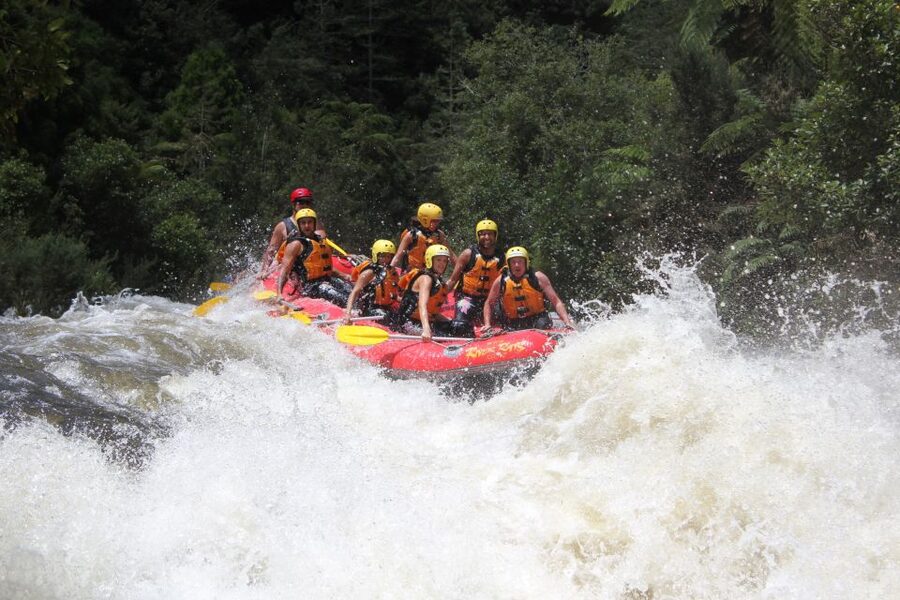
The trip is mostly Grade 3, but it includes one Grade 4 rapid named Geoff’s Joy. That is the section to pay attention to if you are comparing this run with easier rafting options in the Rotorua area.
A Grade 4 rapid brings a stronger sense of commitment than the ordinary bouncy sections. You will need to listen closely and paddle when instructed. The point is not to race ahead or improvise. The guide sets the rhythm, and your job is to follow commands and help the raft move through the rocks and current.
This is also where the team aspect matters most. One person paddling hard while everyone else hesitates does not help much. The preparation on flat water becomes useful when the river gets louder and the group needs to act together.
The trip remains accessible to active beginners, but accessible does not mean effortless. You need reasonable fitness, a willingness to get wet, and the ability to manage a physically demanding outdoor activity. Pregnant women, people with mobility impairments, and anyone over 125 kilograms should not book this trip. The recommended minimum weight is 40 kilograms, and the maximum is 125 kilograms.
River levels can change the feel of the trip
Water level is an important part of any river outing. At lower levels, the river may feel less fast, and the raft can catch on rocks. On one recent low-water run, the boat became stuck several times, though the guides worked to get it moving again.
That is not necessarily a safety problem, but it changes the mood. Instead of continuous rushing water, you may get a few awkward pauses and extra work from the guides. Some people will find this mildly frustrating, while others will enjoy seeing more of the river’s rocky character.
Higher water can make the rapids feel faster and more forceful. The operator runs the activity within safety rules, and conditions matter particularly for children under 13. You cannot choose the river level when booking, so keep your expectations flexible.
If you want the most energetic version of the trip, ask about recent river conditions before confirming. If you are happy with a mix of rapids, scenery, and the occasional scrape over a shallow rock, low water need not ruin the day.
The guide team and the importance of clear commands
A rafting guide does more than steer. The guide explains how to paddle, decides when to move, monitors the river, and keeps the group working in the same direction.
Jason and Brony are among the guides associated with this experience. They have been described as friendly, experienced, professional, and effective at making people feel safe before the raft sets off. That early confidence matters when a group includes many beginners.
Communication is central to the trip. One piece of feedback points to communication as an area that could be improved, so you should speak up if you do not understand a command or need an instruction repeated. Do not nod along just to keep things moving.
The best approach is simple: listen before each rapid, ask questions during calm water, and keep your paddle ready. The trip rewards people who stay engaged.
Who will enjoy this river trip most
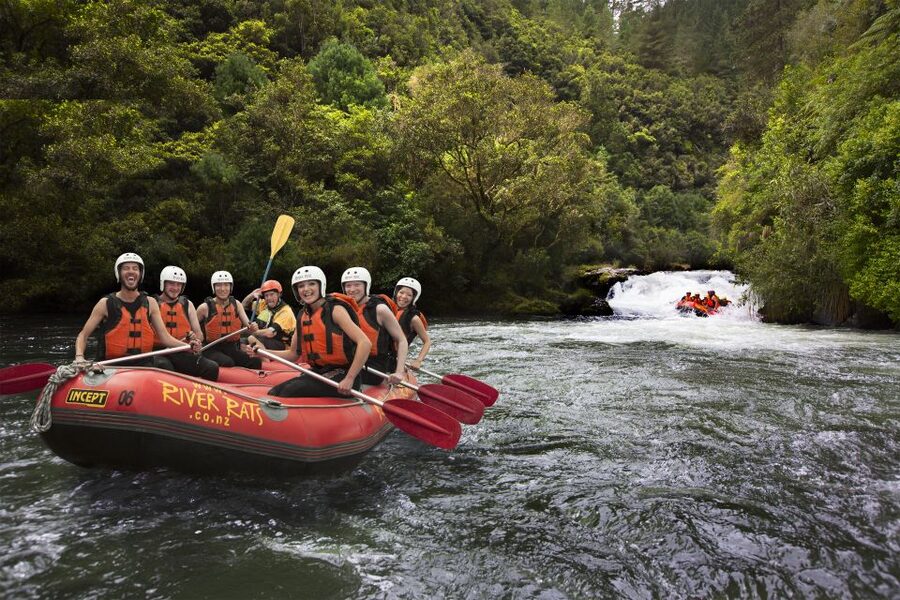
I would recommend the Rangitaiki run to you if you are physically active and want real whitewater without needing previous rafting experience. It works especially well for couples, families with older children who meet the conditions, and groups that enjoy doing something together rather than watching a guide perform around them.
It is also a good choice if you want scenery with your adrenaline. The native and plantation forest, the valley views, and the mid-trip flat-water stretch give the day some variety.
You may want to choose a gentler activity if you dislike cold water, physical effort, or uncertainty. This is not suitable during pregnancy, for people with mobility impairments, or for anyone outside the stated weight range. Children under 13 have extra conditions, and all participants must sign a liability waiver acknowledging the risks of an adventure activity.
The waiver is not a warning that the trip is reckless. It is a reminder that river conditions, rocks, water, and movement are part of the experience. Wear the supplied safety gear, follow the guide, and take the limits seriously.
What to bring and how to prepare
Keep your packing simple:
- Swimwear
- Towel
- A willingness to paddle and follow instructions
You do not need to bring specialist rafting gear because it is supplied. Bring a towel from your accommodation if possible. If you need to hire one, request it in advance.
Eat normally before the trip, but do not arrive weighed down by a huge meal. A light lunch is included, which helps after the active part of the run. Since the activity lasts several hours around the base and river, allow time to change and dry off before your next plan.
Wear swimwear rather than clothing you would hate to soak. The river is the focus, so leave valuables behind or follow the provider’s instructions about storage.
Should you book the Rangitaiki Grade 3-4 rafting trip?
Book it if you want a proper half-day whitewater adventure near Rotorua, especially if you are new to rafting but comfortable with physical activity. The training is clear, most of the run is Grade 3, and the single Grade 4 rapid adds a memorable challenge without making the whole trip expert-only.
The $117 price is reasonable when you count the equipment, instruction, lunch, and Rotorua pickup. The forest scenery and flat-water break also make it a more rounded outing than a short, nonstop thrill ride.
Think twice if you want guaranteed high water, dislike teamwork, or need a completely predictable schedule. River levels can affect the pace, and low water may mean getting stuck on rocks. For an active visitor who wants to trade a few hours of comfort for cold spray, forest views, and a strong sense of shared effort, this is a sound choice.
FAQ
How difficult is the Rangitaiki rafting trip?
The trip is mostly Grade 3, with one Grade 4 rapid called Geoff’s Joy. It is suitable for physically active beginners, and around 80 percent of participants are first-time rafters.
How long does the rafting activity take?
The full experience takes about six hours including travel and preparation. Time on the water is around 1 hour and 45 minutes, while the activity at the base takes about 3.5 to 4 hours, excluding travel.
Is pickup available from Rotorua?
Yes. Complimentary pickup is available from central Rotorua accommodation. The pickup time is around 10:30 am for an 11:30 am start at the rafting base.
What should I bring?
Bring swimwear and a towel. Towel hire is available for a small charge, but it must be requested in advance.
Can children join the rafting trip?
The minimum age is 10 years. Children under 13 must be accompanied by an adult, able to walk the short section near the beginning, and the water level must be below 7.0 on the gauge.
Is lunch included?
Yes. A light lunch, specialist equipment, and full training are included in the price.
Newly listed around Rotorua
- Rotorua: White Island, Mount Tarawera & Waimangu Volcanic …★ 4.4 · 5 reviews
- Whirinaki Forest Footsteps: Māori Guided Tour, Picnic & Transfer★ 5.0 · 5 reviews
- Rotorua: Lake View Private Pools Experience★ 4.3 · 6 reviews
- Rotorua: Floatplane Flight with Orakei Korako Landing★ 5.0 · 6 reviews
- Raceline Karting at Off Road NZ★ 5.0 · 6 reviews
- Epic Tandem Kayak Tour down the Kaituna River Waterfalls★ 5.0 · 6 reviews
- From Rotorua: Whirinaki Rainforest Guided Cultural Tour★ 5.0 · 6 reviews
- Rotorua: Evening Starlight Gourmet Kayak Tour with dinner★ 5.0 · 6 reviews
Rotorua Tours, compared.
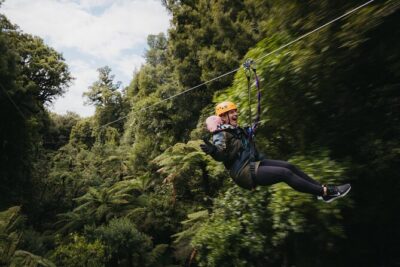
Rotorua Canopy Tours: 2.5Hour Native Forest Zipline Adventure
Read our review →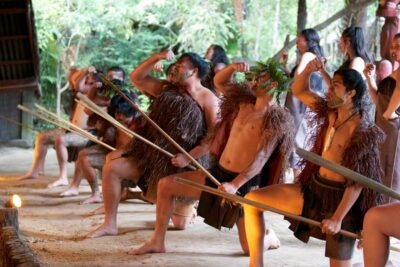
Mitai Maori Village: Cultural Experience and Dinner Buffet
Read our review →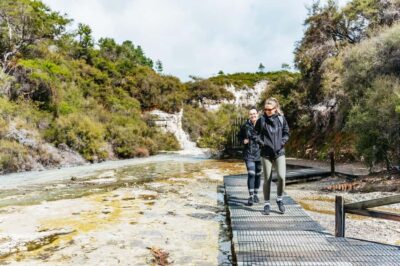
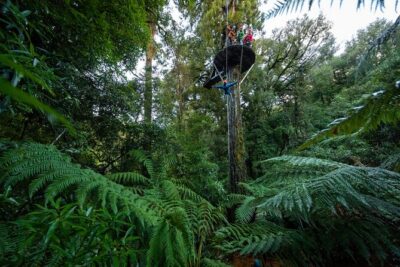
Rotorua’s Ultimate Zipline: 6 ziplines, 400 m Tandem, Cliff Walk
Read our review →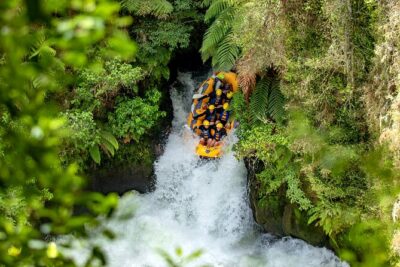
Rotorua Rafting: Kaituna River White Water Rafting & Free Sauna
Read our review →
Cultural Experience & Seasonal Māori Cuisine at Te Pā Tū
Read our review →
Mitai Maori Village Cultural Experience in Rotorua
Read our review →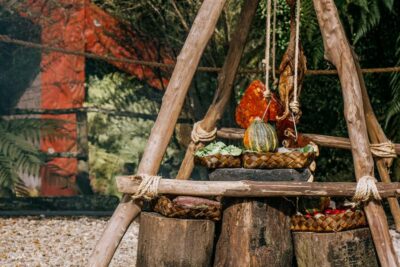
Te Pa Tu Māori Cultural Experience with Dinner
Read our review →Browse the lists this tour appears in