
Reviewed · WELLINGTON TOURS
Zealandia Twilight Ecosanctuary Tour
At Zealandia, dusk is not simply the end of the day. It is a handover. Day birds settle into their nests while nocturnal creatures begin to stir, and the sanctuary’s sounds change around you. The best prize is a kiwi, though spotting one depends on luck, patience, and a sharp-eyed guide.
I like the careful transition from exhibition to valley, which gives you useful context before the walk. I also like the chance to hear the sanctuary change from day to night, with wētā, tuatara, takahē, and perhaps kiwi or ruru appearing in their natural surroundings. Guides Will and Mat have both been praised for clear, thoughtful explanations.
The main drawback is that wildlife sightings are never guaranteed, and the tour is seasonal, with summer departure times tied to sunset. You also need to return separately if you visit Zealandia during the day, since daytime admission does not let you remain inside until the evening tour.
Key points to know before booking
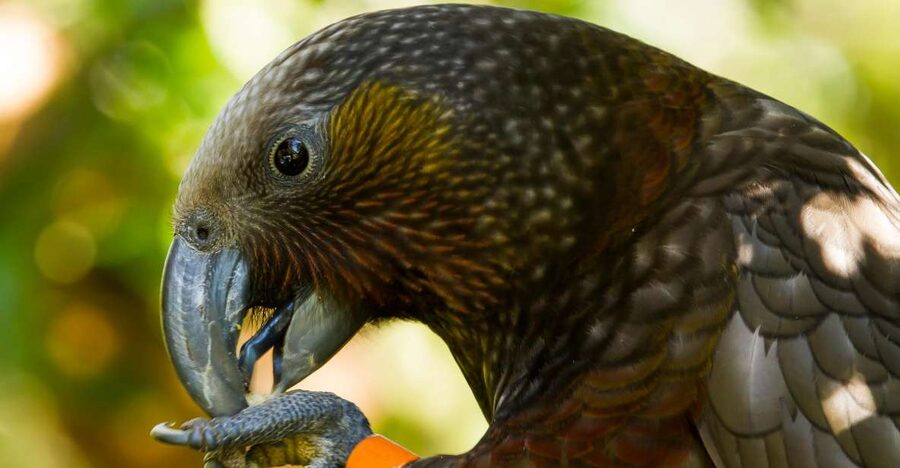
- Kiwi sightings are possible but not promised: Some tours have seen three kiwi, while others may only hear nocturnal birds.
- Dusk is the main attraction: You watch bird calls and animal activity change as daylight fades.
- The tour lasts 2.5 hours: Expect an exhibition introduction followed by a guided walk through the sanctuary valley.
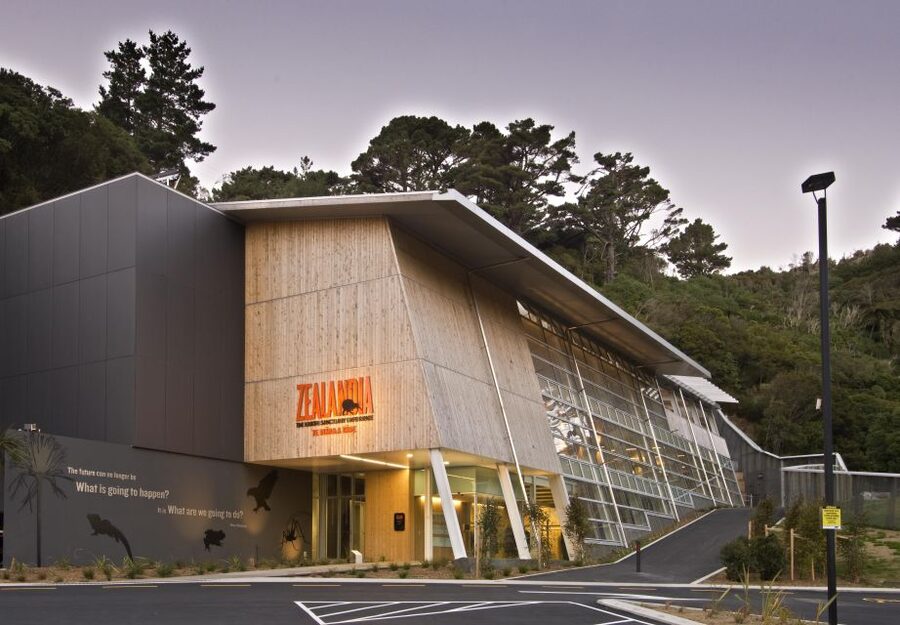
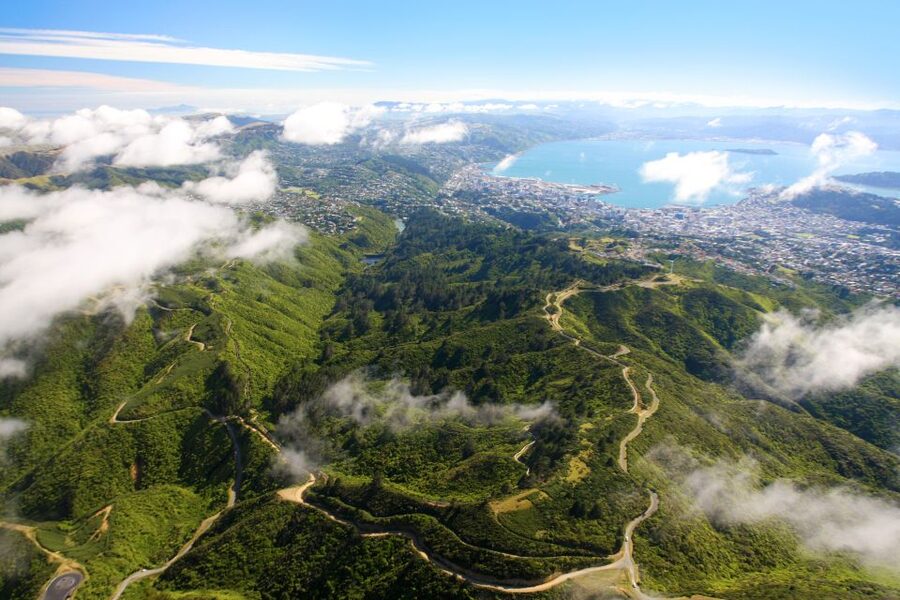
- Zealandia is close to central Wellington: The entrance at 53 Waiapu Road in Karori is about 10 minutes from the central business district.
- Summer timing changes with sunset: Check your exact start time and dress for a cool, wet Wellington evening.
- The walk is not suitable for everyone: Children under five, wheelchair users, people with mobility impairments, and people with respiratory issues are excluded from this activity.
Why Zealandia at dusk feels different
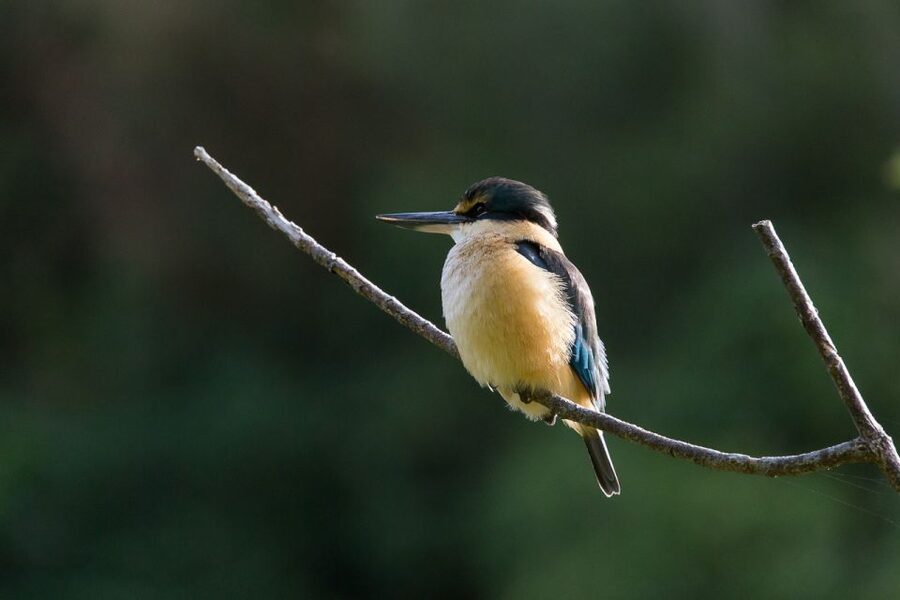
Many wildlife attractions show you animals on a fixed schedule. Zealandia works differently. It is a fully fenced urban ecosanctuary where native species live in a protected setting, and the twilight tour lets you watch the place shift from one daily rhythm to another.
That shift is the reason to choose this tour instead of a standard daytime visit. In daylight, you can focus on forest details and active birds. At twilight, your attention changes. You listen more closely, wait longer, and notice movement in the dim spaces beside the path.
You might hear the first calls of kiwi or ruru, also known as morepork, as they become active. You may see wētā or tuatara, species that are easy to miss during a busy daytime walk. The guides help you understand what to watch for, but they cannot make a wild animal appear on cue.
I see this as a good example of a tour where the atmosphere matters as much as the checklist. Seeing a kiwi is thrilling, but hearing the sanctuary settle into darkness is part of the experience too.
A few more Wellington days to compare
- Wellington: Wētā Workshop Guided Tour Ticket
★ 4.7 · 997 reviews - Wētā Workshop Experiences Tour – Wellington
★ 5.0 · 875 reviews - Wellington: Return Cable Car Ticket
★ 4.6 · 714 reviews
Starting with Zealandia’s interactive exhibition
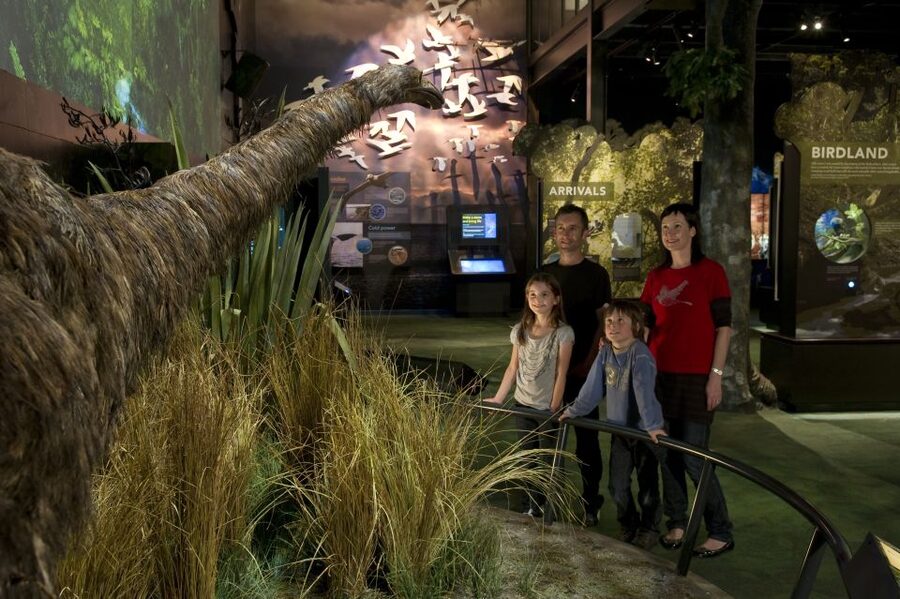
The tour begins inside Zealandia’s interactive exhibition. This is a smart starting point because you get a basic introduction to the sanctuary before heading outdoors.
The exhibition gives the walk a clearer purpose. You are not simply looking at unfamiliar birds and reptiles. You learn about the native species protected here and the work involved in restoring a safe environment for them. The interactive format also helps families and first-time visitors get their bearings before the light fades.
Your guide leads this opening portion in English. The strongest guiding moments described for Will and Mat include clear explanations about the birds, the sanctuary’s past, and its conservation work. Mat was also careful to speak clearly for people who do not use English as their first language, which is a useful detail if you are concerned about following a live tour.
Do not expect the exhibition to be the whole event. It is an introduction, not a separate museum visit. The main appeal begins when the group moves into the valley and the changing light becomes part of the tour.
Walking into the valley as daylight fades
After the exhibition, you follow your guide through Zealandia’s sanctuary valley. The walk takes place outdoors, so comfortable shoes are essential. Warm clothing and a waterproof layer are also sensible, even in summer. Wellington weather can change quickly, and rain did not prevent one recent group from enjoying the tour.
The pace is built around looking and listening rather than covering ground quickly. Your guide may pause to point out movement, explain a call, or give the group time to adjust to the lower light. This makes the tour feel more like a wildlife search than a standard sightseeing walk.
A second guide or volunteer assistant may move ahead of the group to help locate animals. That arrangement proved especially useful for kiwi sightings, since a person at the front can quietly scan the path and surrounding vegetation before the main group arrives. It also means you should keep your voice low and follow instructions closely.
The changing bird calls are one of the most memorable details. Birds active earlier in the day return to their nesting places, and nocturnal species begin to make themselves heard. Even if you do not see a kiwi, you still get a clear sense of the sanctuary’s daily cycle.
Which animals might you see?
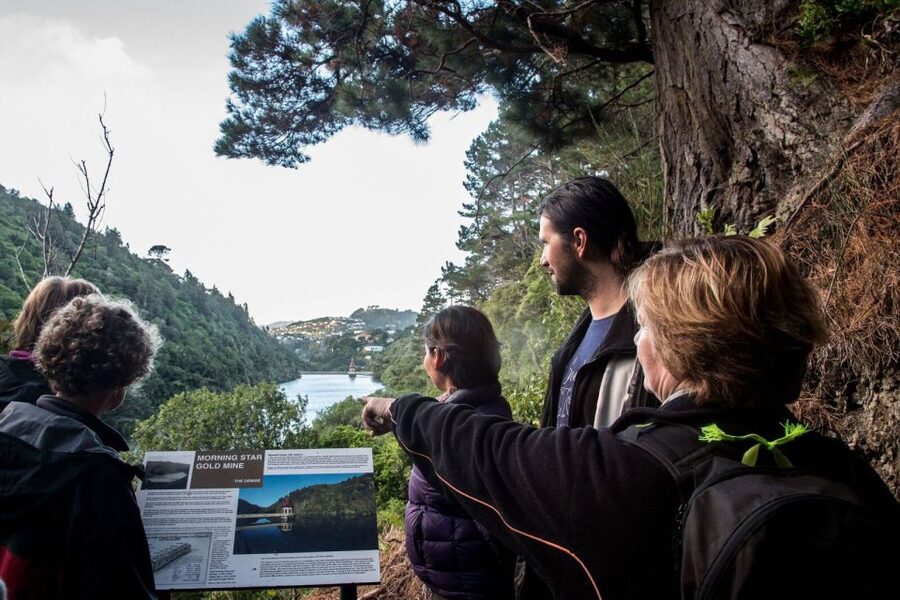
The tour highlights rare native New Zealand animals, with wētā, takahē, and tuatara among the species you might encounter. Kiwi and ruru are possible as darkness arrives.
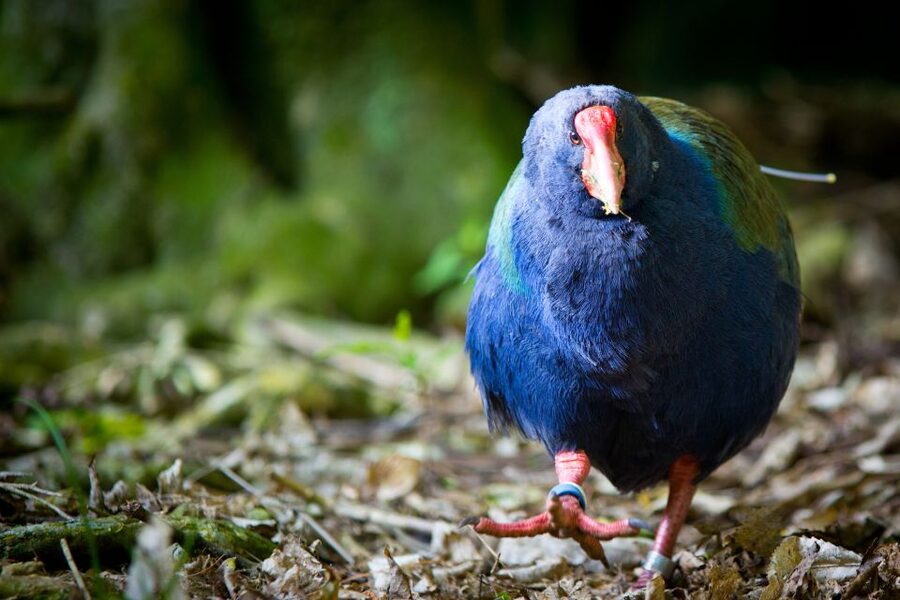
A takahē is a particularly meaningful sight. This large, flightless native bird has a strong connection to New Zealand’s conservation efforts, and seeing one in a protected sanctuary gives you a better understanding of why Zealandia exists.
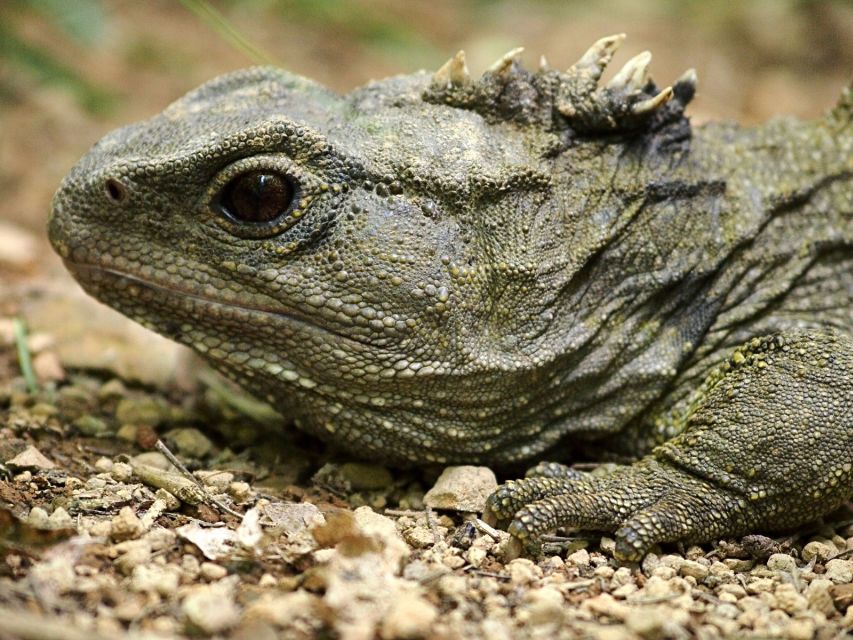
A tuatara is another special possibility. It is not simply a lizard, and its presence adds a different kind of interest to the walk. The guide can help you understand what makes the species unusual and where to look.
Wētā are easier to associate with nighttime, though they can still be easy to miss without help. Their small size and preference for dark places make a guide valuable here. A good guide does not just point at an animal. They help you slow down enough to notice it.
The kiwi is the star for many people, but keep your expectations sensible. Some groups have seen three kiwi, including one that walked right through the group. Other groups may only hear the birds or see different native species. This variation is normal for a wildlife sanctuary that protects living animals rather than staging a show.
Flash photography is not allowed. That rule protects the animals and helps preserve the quiet mood of the tour. Bring a camera if you like, but be ready to put it away when the guide asks.
Somewhere else in Wellington entirely:
- Half Day Tour of Wellington
★ 4.5 · 638 reviews - Wellington: Guided City Tour with Cable Car Ticket
★ 4.8 · 553 reviews - Wellington’s Original LOTR Experience – includes Weta and Lunch
★ 5.0 · 529 reviews - Kapiti Island Classic Guided Day Tour
★ 5.0 · 522 reviews
The guide makes the difference
At 2.5 hours, this is long enough for the guide to provide real context without taking up an entire evening. You are not left to wander in the dark and hope for the best.
The guides praised most strongly include Will and Mat. Will was assisted by another guide who moved ahead to spot wildlife, and that team approach helped produce several kiwi sightings. Mat received praise for giving an informative tour while making his English easy to follow for non-native speakers.
The guide’s role is especially important after sunset. You need someone who knows where animals may appear, understands their sounds, and can keep a group focused without making too much noise. You also need practical reminders about footing, weather, and respectful behavior around wildlife.
I would book this tour for the guiding, even if the wildlife sightings were less certain. The sanctuary’s conservation story and the difference between daytime and nighttime calls give the walk substance. The animals are the reward, but the explanations help you appreciate what you are seeing.
How the timing affects your visit
This is a seasonal summer activity, and the start time changes according to sunset. That makes sense for a twilight tour, but it requires more planning than a fixed daytime attraction.
Check the start time carefully when you book. If you plan to visit Zealandia during the day, leave a gap before the evening tour. One visitor was disappointed to learn that daytime admission did not allow continued access from 5pm until the start of the twilight experience. You can spend that break outside the sanctuary or go for dinner, then return for the tour.
This matters because a daytime visit and a twilight tour are not one continuous admission period. If you want both, plan them as separate parts of your day and confirm the timing before you arrive.
The seasonal schedule can also affect your wider Wellington plans. A late summer sunset may mean a later start, while an earlier sunset can bring you into the valley sooner. The exact departure time is not a minor detail, since it controls when you eat, how you arrange transport, and how long you will be out after dark.
Getting there and preparing for the walk
The meeting point is 53 Waiapu Road, Karori, Wellington 6012. Zealandia is about 10 minutes from Wellington’s central business district, but transportation is not included in the $64 price.
You need to arrange your own way to the entrance and back. That is easy to overlook when comparing this tour with an activity that includes a hotel pickup. The short distance from downtown makes the location convenient, but the transfer remains your responsibility.
Wear comfortable walking shoes. High heels are not allowed, and they would be a poor match for an outdoor walk in fading light in any case. Add warm clothing and a waterproof layer, even if the forecast looks reasonable.
A small amount of preparation will improve the tour:
- Arrive ready to walk outdoors for 2.5 hours.
- Wear quiet, comfortable clothing suited to the weather.
- Bring a waterproof layer in case conditions change.
- Avoid flash photography.
- Tell the operator about mobility, respiratory, or medical needs when booking.
- Keep children under five off the booking, since the minimum age is five.
The activity is not suitable for wheelchair users or people with mobility impairments. It is also listed as unsuitable for people with respiratory issues. If your needs are not clear from those categories, contact Zealandia before booking and speak with the guide about any medical condition, including asthma.
Is $64 good value?
At $64 per person, the price includes Zealandia admission and the guided twilight tour. It does not include transportation.
I consider the price reasonable if you care about native wildlife and want the evening access that a standard entry ticket does not provide. You are paying for more than a walk through an enclosed area. The fee covers the sanctuary entry, a live English-speaking guide, and the chance to experience a time of day when kiwi, ruru, wētā, and other nocturnal wildlife may become active.
The value depends on your expectations. If you want a guaranteed kiwi sighting, no wildlife tour can promise that here. If you are happy to learn, listen, and look carefully while knowing that sightings vary, the price is easier to justify.
The tour is also a stronger choice for visitors with limited time in Wellington. Zealandia’s location close to the city makes it possible to add a major conservation attraction without committing to a full-day trip. You still need to plan your own transport, but the 2.5-hour duration leaves room for other evening plans.
For a family, the cost adds up quickly, and the minimum age is five. Children who enjoy quiet observation may get a lot from it, while very young children or anyone who finds long evening walks difficult may struggle.
Who should choose the twilight tour?
I would choose this for anyone who wants to see New Zealand wildlife in a setting that feels connected to conservation rather than a conventional zoo visit. It suits people who enjoy natural sounds, patient searching, and guided interpretation.
It is especially good for:
- First-time visitors who want an introduction to rare native species.
- Bird lovers who want to hear calls change after sunset.
- Families with children aged five and older who can manage a quiet outdoor walk.
- Visitors with a free summer evening in Wellington.
- People hoping to see kiwi without leaving the city area.
- Anyone interested in rewilding and habitat protection.
I would think twice if you need guaranteed sightings, dislike cool or wet weather, or have trouble walking outdoors in low light. I would also avoid booking if you need wheelchair access or have a respiratory condition listed among the exclusions.
The experience works best when you treat the animals as wild. The guide can improve your chances, but the sanctuary cannot stage a kiwi appearance. That uncertainty is not a flaw so much as the price of seeing real wildlife on its own schedule.
My verdict on Zealandia after dark
The strongest part of this tour is the sense of transition. You begin with an interactive introduction, then move into the valley while daylight fades. The bird calls change, nocturnal species begin to stir, and every quiet pause feels useful.
The chance to see a kiwi is a powerful reason to book, and several tours have had remarkable sightings. Still, I would book it for the full experience: the guide’s explanations, the conservation story, the unusual native animals, and the sounds of the sanctuary at night.
The $64 cost is fair if you value guided access and understand that transportation is separate. Plan for summer, check the sunset-based start time, allow a break if you also visit during the day, and bring warm waterproof clothing.
Book this tour if you want a thoughtful, wildlife-focused evening close to Wellington. Skip it if you need a guaranteed animal encounter or an accessible route. For the right visitor, Zealandia at dusk offers one of the city’s most distinctive ways to meet New Zealand’s native species.
FAQ
Where does the Zealandia Twilight Ecosanctuary Tour begin?
The meeting point is 53 Waiapu Road, Karori, Wellington 6012, New Zealand. Zealandia is about 10 minutes from Wellington’s central business district.
How long does the tour last?
The guided twilight experience lasts 2.5 hours.
What does the $64 price include?
The price includes the Zealandia entry ticket and the guided twilight tour. Transportation is not included.
Is transportation provided from central Wellington?
No. You need to arrange your own transportation to and from 53 Waiapu Road.
What animals can I see?
You might see wētā, takahē, tuatara, kiwi, and ruru, also called morepork. Wildlife sightings are not guaranteed.
Can I definitely see a kiwi?
No. A kiwi sighting is possible but not promised. You may instead hear kiwi or ruru as nocturnal birds become active.
When is the tour available?
The activity is available seasonally during the summer months. Start times vary according to sunset.
What should I wear?
Wear comfortable walking shoes, warm clothing, and a waterproof layer suitable for the conditions. High-heeled shoes and flash photography are not allowed.
Is the tour suitable for children?
The minimum age is five. Children under five cannot join the activity.
Is the tour accessible for wheelchair users?
No. The activity is listed as unsuitable for wheelchair users and people with mobility impairments. Contact the local operator about any specific accessibility requirements before booking.
What language is the tour conducted in?
The live guided tour is conducted in English.
Can I cancel for a refund?
You can cancel up to 24 hours in advance for a full refund.
Newly listed around Wellington
- Wellington Jewish Heritage sightseeing tour with a kosher lunch★ 5.0 · 5 reviews
- Private Tour in Wellington★ 5.0 · 5 reviews
- Wellington: Lord of the Rings Filming Locations Tour★ 4.0 · 6 reviews
- Star Safari Stargazing Experience, Martinborough★ 5.0 · 6 reviews
- Wellington 90 minute Harbour Cruise★ 5.0 · 6 reviews
- Wharekauhau Heli-lunch from Wellington★ 4.5 · 6 reviews
- Kombucha Rum and Craft Beer Private Tour★ 3.5 · 6 reviews
- Easy Rider Two-Hour Wellington eBike Tour★ 5.0 · 7 reviews
Wellington Tours, compared.
Wellington’s Original LOTR Experience – includes Weta and Lunch
Read our review →
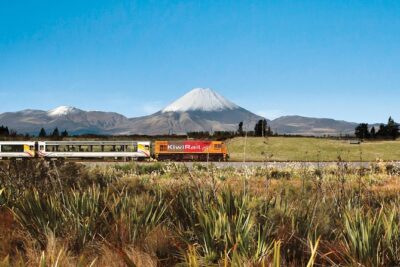
Northern Explorer Train Journey from Wellington to Auckland
Read our review →Browse the lists this tour appears in