
Reviewed · NEW ZEALAND
Rotorua: The Buried Village of Te Wairoa
The Buried Village of Te Wairoa brings the 1886 Mt. Tarawera eruption into sharp focus. You begin with ordinary household objects and personal stories, then walk among the remains of a Māori and missionary settlement destroyed in a single night. The lost Pink and White Terraces are part of the story, but Te Wairoa itself is the real subject.
I like the way the museum gives you context before the outdoor walk, and I like the waterfall trail, where native bush and falling water show how the area has recovered. The option to hear local stories from a guide such as Marie, described as a third-generation guide connected to Sophia, adds a human touch.
The main consideration is the walk to the falls. It is short, but the steps can be steep, slippery, or tiring, especially after rain. The site is wheelchair accessible, yet the waterfall section may not suit every visitor.
Key points to know before you go
- The 1886 eruption is explained through real excavated objects, buildings, maps, and personal stories.
- Start in the museum, then walk the archaeological grounds with the background fresh in your mind.
- Choose a guide or English audio tour to hear the story at your own pace.
- Allow at least 90 minutes, though history fans and families may spend several hours.
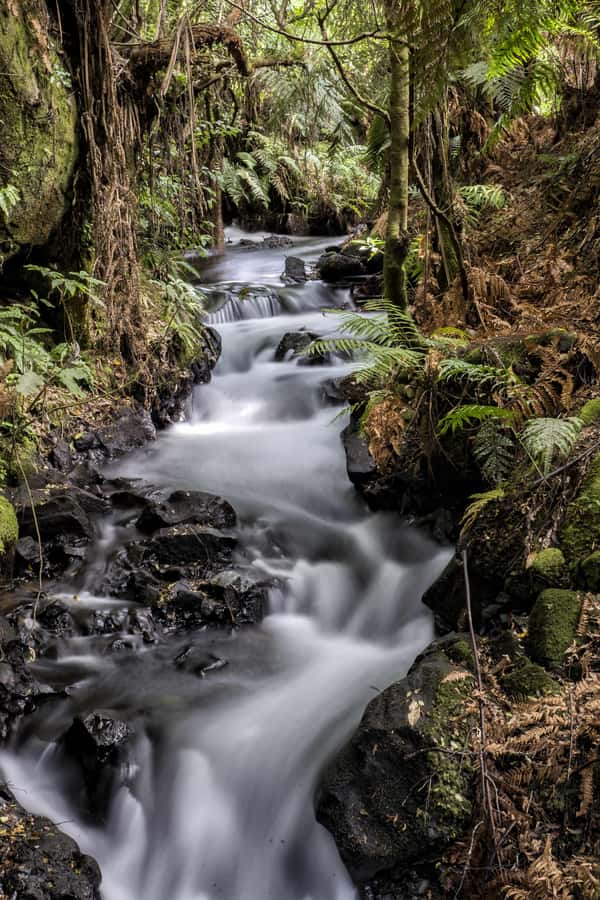
- The waterfall trail is a highlight, with steps leading to the mist of Te Wairoa Falls.
- Smith & Co cafe serves scones, pies, hot chocolate, coffee, and Devonshire tea after the walk.
Why Te Wairoa is more than a ruined village
The Buried Village sits about 15 minutes by car from Rotorua at 1180 Tarawera Road. It is easy to treat it as a quick stop between geothermal sights, but that would undersell the place. The visit works because it joins three different experiences: a museum, an archaeological walk, and a forest path ending at a waterfall.
On the night of June 10, 1886, Mt. Tarawera erupted with devastating force. Te Wairoa was buried, homes and buildings were destroyed, and lives were lost. The eruption also wiped out the Pink and White Terraces, a natural attraction that had drawn visitors to the area.
The settlement included Māori residents and missionaries. The museum and excavated grounds help you picture it as a lived-in community rather than a collection of old stones. You see evidence of work, home life, travel, and sudden destruction. That shift in perspective is important. The site is not only about volcanic power. It is about the people who lived there and the culture that continues to guide its care.
The grounds have been excavated and cared for by the Smith family for nearly 90 years under the principle of Kaitiakitanga. That Māori idea of guardianship gives the visit a clear sense of responsibility. You are not simply looking at ruins. You are being shown a place that is still treated with care.
Other New Zealand trips that fill the same day:
- Hobbiton Movie Set: Guided Tour Ticket
★ 4.9 · 8,167 reviews - Rotorua Canopy Tours: 2.5Hour Native Forest Zipline Adventure
★ 5.0 · 4,563 reviews - Hobbiton™ Movie Set Walking Tour from Shires Rest
★ 5.0 · 3,577 reviews
Begin in the award-winning museum
Start indoors. The museum is the best way to get your bearings before heading outside, and it prevents the archaeological walk from becoming a series of unexplained foundations.
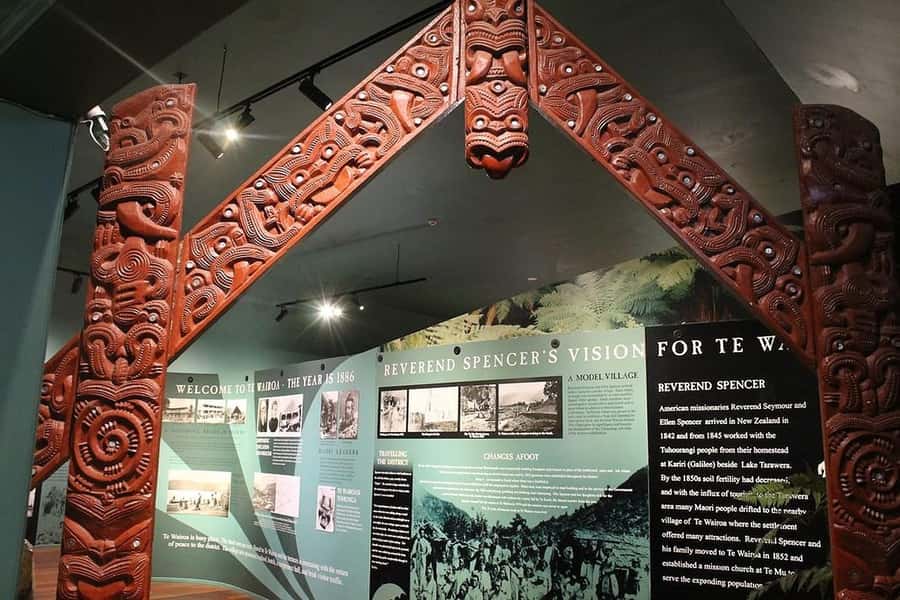
The collection includes objects excavated from the settlement and dating from the 1800s. These everyday items are often more effective than a long historical speech. A household object, building fragment, or personal possession can make the eruption feel immediate. You begin to understand what disappeared beneath the ash and earth.
The museum also explains the village before the eruption. That matters because you need a picture of normal life before you can grasp the scale of the disaster. Look for the way the displays connect Māori life, missionary activity, tourism, and the local economy.
The museum can feel chilly, particularly in winter, so bring an extra layer even if the Rotorua day is sunny. One useful plan is to spend time indoors first, then warm up outside on the walking trails.
An audio guide in English is included. You can also join talks or living-history presentations by costumed guides scheduled during the day. The exact presentation time matters, so check when you arrive if you want a guided element rather than a fully self-guided visit.
Walk through the excavated village
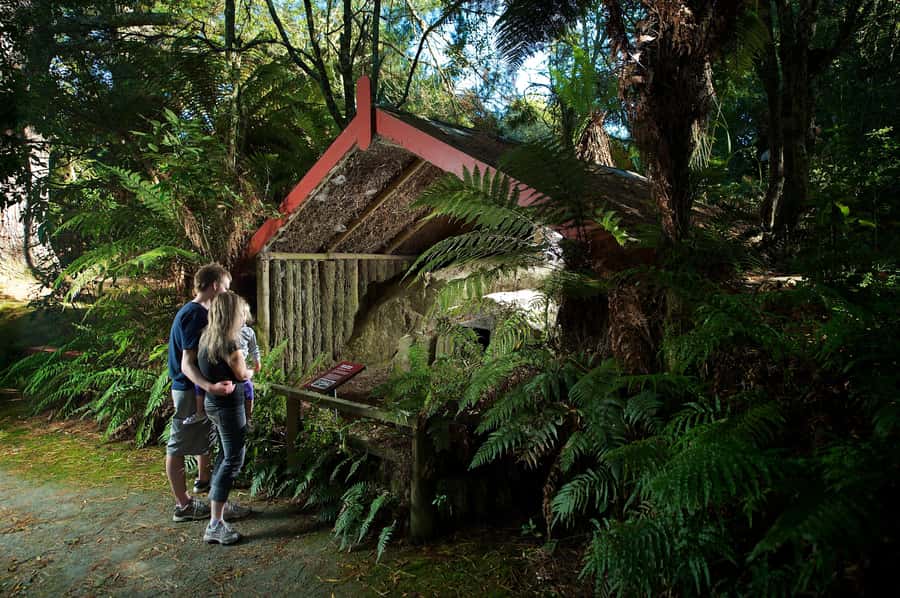
After the museum, follow the marked path through Te Wairoa. Plaques and signs explain the buildings and the people linked to them. Some visitors have found the signage could be improved, so the audio guide or a scheduled talk is worth choosing if you want a fuller explanation.
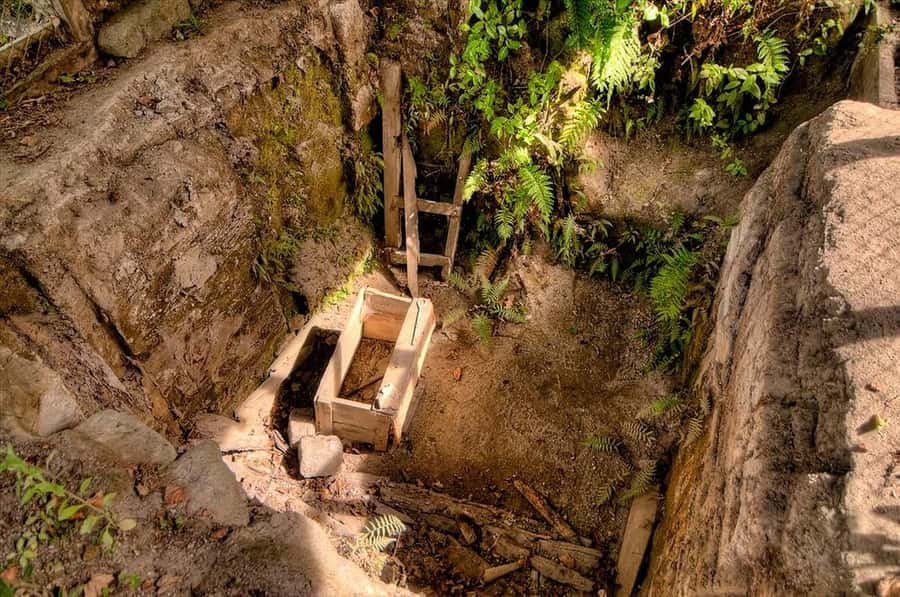
The outdoor route lets you see how the settlement was laid out. You walk past archaeological remains and building sites while the surrounding greenery softens the harshness of the story. That contrast is one of the site’s strengths. The ruins are serious, but the setting is calm and attractive.
Take your time at the foundations. The village is not presented as a fully reconstructed film set, and that is a good thing. The partial remains ask you to imagine the buildings and daily routines without pretending the past can be rebuilt perfectly.
A guide can add details that signs cannot. Marie, identified as a third-generation guide connected with Sophia, has been singled out for making the story engaging and for helping visitors understand Māori culture and the people affected by the eruption. If a local guide is available, I would choose that over rushing through with only the map.
You may also find an interactive or clue-based activity available for families. A scavenger hunt has been used to lead children through the museum and grounds, turning the history into a task rather than a passive lesson. It can work well during school holidays or for children who need a reason to keep moving.
Follow the stream to Te Wairoa Falls
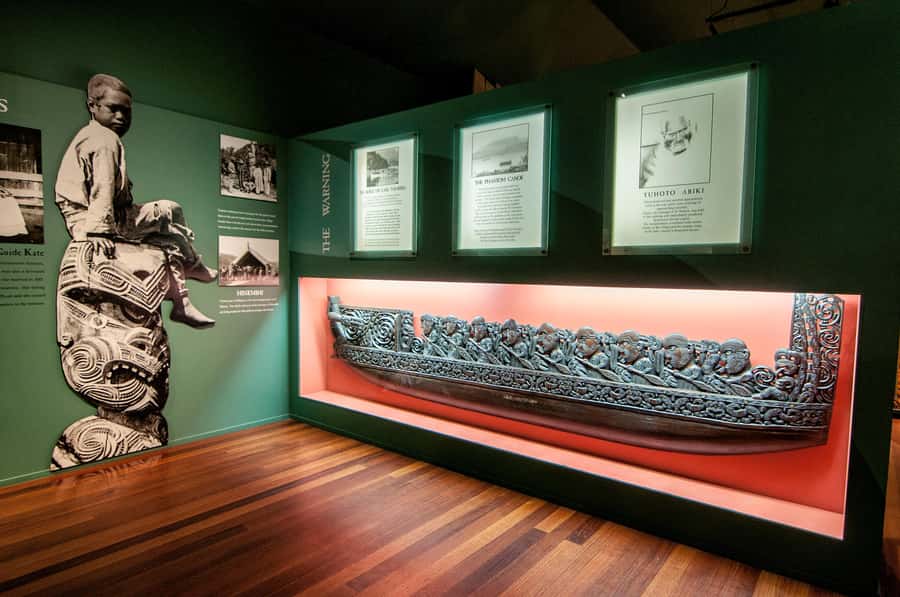
The waterfall trail is the outdoor payoff. It follows the stream through native bush and ends at Te Wairoa Falls, where you can stand close enough to feel the spray.
The walk is not simply a scenic add-on. It shows the land after destruction. The vegetation, water, and birdlife create a picture of slow recovery, while the archaeological remains nearby remind you what happened in 1886. That combination gives the visit a wider meaning without needing a grand speech.
The falls can be especially powerful after heavy rain. The same weather that makes the water dramatic can also make the steps wet, so wear comfortable shoes with a good grip. The walk to the viewpoint is often described as roughly 10 to 15 minutes, but the return climb may take longer if you stop for photographs or need to take the stairs slowly.
Do not skip this section simply because you came for the archaeology. The waterfall is one of the most praised parts of the experience. The route includes steps, and the climb is not ideal for anyone who cannot manage uneven or steep sections. The main site is wheelchair accessible, but the available information does not promise that every part of the falls trail is accessible.
Somewhere else in New Zealand entirely:
- Mitai Maori Village: Cultural Experience and Dinner Buffet
★ 4.7 · 3,575 reviews - Waiheke Island: Ferry & Hop-On Hop-Off Explorer Bus Tickets
★ 4.6 · 3,311 reviews - Kaikoura: Whale Watching Cruise
★ 4.6 · 3,089 reviews - Premium Milford Sound Small Group Tour & Cruise from Queenstown
★ 5.0 · 3,001 reviews
Hear the story in the way that suits you
You have several ways to approach the visit. A local guide can explain the eruption and village in person, often adding family knowledge and a Māori perspective. Talks by costumed guides provide a living-history angle and may help children connect with the setting.
The English audio guide gives you more control. You can pause, move slowly, and spend extra time at the objects or ruins that interest you. If you prefer reading, maps and signs guide you around the grounds, though some signs may feel brief.
Languages available for hosts or greeters include English, German, and Māori. The included audio guide is in English. If you want a scheduled talk, ask about timing at the entrance rather than assuming one will begin when you arrive.
Some visitors also choose an optional virtual reality experience. It costs a little extra, but it has been considered worthwhile for bringing the eruption and lost terraces to life. I would see it as an add-on, not a replacement for the museum and walk. The physical ruins and waterfall are the heart of the visit.
Take a proper break at Smith & Co
The onsite cafe, Smith & Co, makes it easy to turn the stop into a relaxed half-day outing. It serves scones with whipped cream and jam, pastry pies, Devonshire tea, hot chocolate, coffee, and other refreshments.
The food is not included in the entry price, so budget separately. Still, the cafe adds practical value, particularly if you are visiting with children or combining the site with other Rotorua activities. A hot drink after the waterfall walk is welcome in cool weather.
There is also a Victorian-style dress-up option and an antique-style photo opportunity. It is a light, playful contrast to the serious museum displays. Families may enjoy it, and solo visitors can still look around without feeling obliged to take part.
Before leaving, allow time for the gift shop. It offers a broad selection of goods and gives you a chance to buy a small reminder of the visit rather than treating the site as a quick photo stop.
Is the $14 entry good value?
At the listed price of $14 per person, the experience offers more than a single museum ticket. Your admission covers the Buried Village, the Museum of Te Wairoa, the archaeological grounds, and the Te Wairoa Trail with access to the falls.
That is solid value if you use the full site. A rushed museum visit followed by a short look at the ruins will not show what the admission includes. I would allow at least an hour and a half, with two to three hours giving you time for the museum, talk, walk, waterfall, cafe, and shop.
Food, drinks, hotel pickup, and drop-off are not included. The site is close enough to Rotorua for a straightforward drive, but you need to arrange your own transport unless you book a separate transfer or wider day tour. The meeting point is the Buried Village at 1180 Tarawera Road, Rotorua 3076.
The booking terms are useful for a changeable New Zealand itinerary. You can cancel up to 24 hours before the visit for a full refund, and reserve now while paying later. The ticket is valid for one day, with starting times based on availability.
Who will enjoy this visit most?
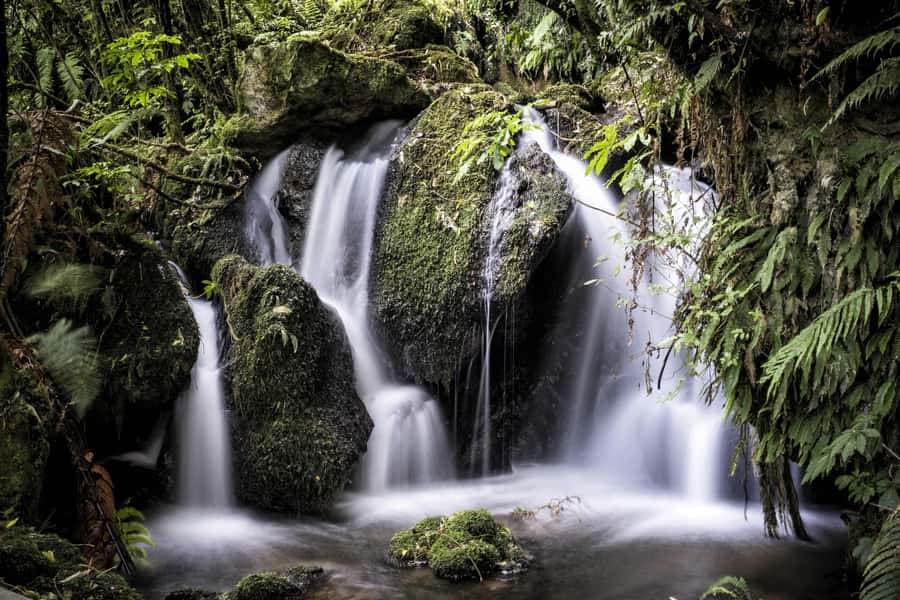
I would recommend Te Wairoa to anyone who wants history with a real outdoor component. It suits people who enjoy museums but do not want to spend the entire day indoors. The combination of excavated buildings, forest, stream, and waterfall gives the visit a good rhythm.
Families have plenty to do, especially if a clue hunt or dress-up activity is available. Older children can handle the museum better when they have the outdoor walk waiting for them. The falls also provide a clear goal at the end of the route.
It is a strong choice for anyone interested in Māori culture, volcanoes, archaeology, or the social history of Rotorua. The visit asks you to think about the eruption through the lives of local people, not only through geology.
You should plan carefully if steep steps are difficult for you. Comfortable shoes are essential, and wet weather can change the feel of the waterfall route. The site is accessible in general, but do not assume the falls trail will be suitable for every mobility level.
My practical plan for the day
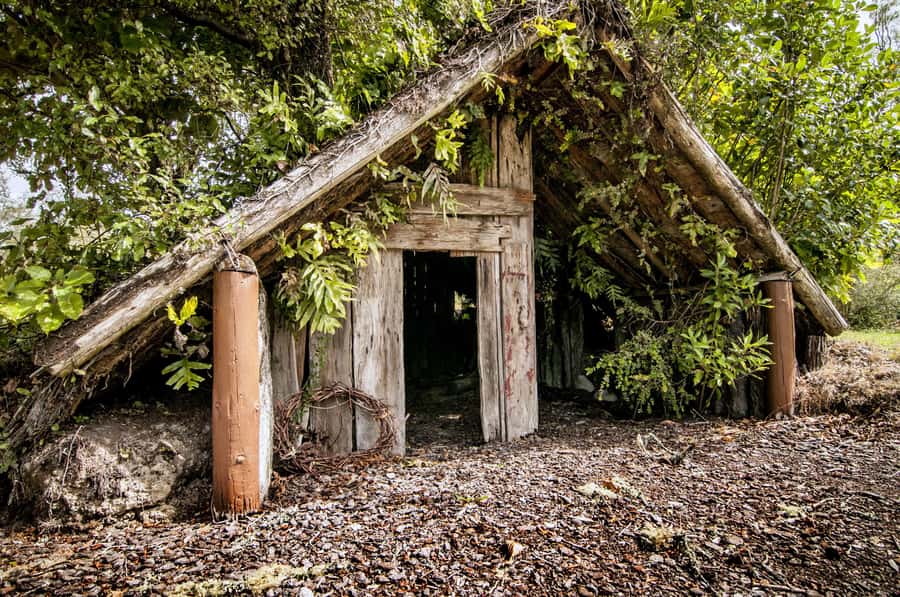
Arrive with comfortable shoes and enough time to avoid rushing. Start with the museum, then check for the next local guide talk or living-history presentation.
Follow the archaeological route at a steady pace, using the signs, map, audio guide, or guide commentary. After that, take the waterfall trail if the conditions and stairs suit you. Leave time to pause at Te Wairoa Falls rather than treating it as a quick viewpoint.
Finish with a drink or snack at Smith & Co, then browse the shop. In cool weather, bring a warm layer for the museum. After rain, expect a more impressive waterfall but potentially wetter steps.
Should you book the Buried Village of Te Wairoa?
Yes, if you want a thoughtful Rotorua outing that combines a powerful historical story with an easy-to-reach nature walk. The museum gives the eruption a human scale, the ruins make the story tangible, and the waterfall adds a welcome sense of beauty and recovery.
I would not book it only for a short scenic walk, since the museum and village are central to the experience. I would also be cautious if steep steps are a serious concern. For most visitors, though, the modest entry price, close location, local storytelling, and excellent waterfall trail make this one of Rotorua’s more worthwhile half-day stops.
FAQ
Where is the Buried Village of Te Wairoa?
It is at 1180 Tarawera Road, Rotorua 3076, New Zealand, about a 15-minute drive from Rotorua.
How long should I allow for the visit?
Allow at least 1.5 hours to see the museum, archaeological site, and waterfall trail. You may spend longer if you join talks, use the cafe, or browse the gift shop.
What does the admission include?
Entry includes the Buried Village, Museum of Te Wairoa, archaeological grounds, Te Wairoa Trail, and access to Te Wairoa Falls.
Is food included?
No. Food and drinks cost extra, but Smith & Co cafe sells scones, pies, Devonshire tea, hot chocolate, coffee, and other refreshments.
Is an audio guide available?
Yes. An English audio guide is included. Hosts or greeters may also be available in English, German, or Māori.
Can I join a guided tour?
Living-history tours and talks by costumed guides are scheduled during the day. You can also explore independently with the audio guide, map, and signs.
Is the waterfall walk difficult?
The waterfall route includes stairs and can be steep. The walk to the falls may take around 10 to 15 minutes, and comfortable shoes are recommended.
Can I cancel my booking?
Yes. You can cancel up to 24 hours in advance for a full refund. A reserve-now, pay-later option is also available.
Newly listed around New Zealand
- Skydive Mt. Cook – 70+ Seconds of Freefall from 16,500ft★ 5.0 · 5 reviews
- Queenstown: Ultimate Off-Roading Experience★ 5.0 · 5 reviews
- Wētā Workshop Unleashed – Intro to Scars and Scrapes Workshop★ 5.0 · 5 reviews
- Auckland Museum and Highlight Sightseeing Tour★ 5.0 · 5 reviews
- Christchurch International Airport :Airport to City Centre★ 5.0 · 5 reviews
- Skydive Mt. Cook – 20+ Seconds of Freefall from 10,000ft★ 5.0 · 5 reviews
- Kayak & Pitt Head Nature Loop – Guided Kayak & Unguided Walk – New Zealand★ 5.0 · 5 reviews
- Auckland: Rotorua Wai-O-Tapu & Activity Combinations★ 5.0 · 5 reviews