
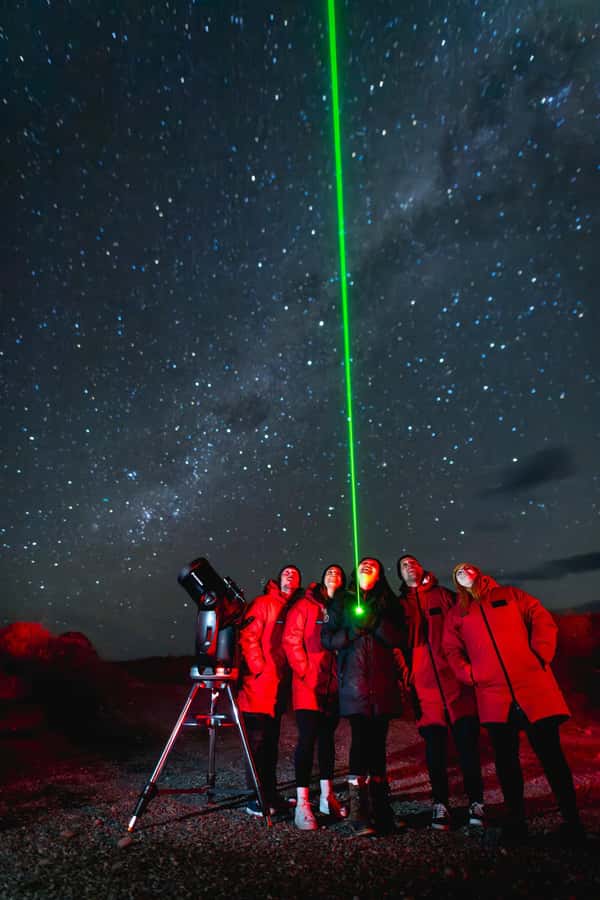
Reviewed · MOUNT COOK & LAKE TEKAPO TOURS
Lake Tekapo: Stargazing Experience at Cowan’s Observatory
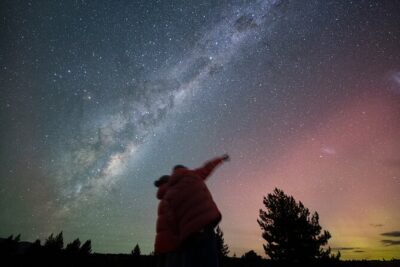
Lake Tekapo’s night sky is the real star here, and Cowan’s Observatory gives you a sheltered place to enjoy it. From purpose-built observation craters, you can look across the Milky Way, galaxies, and southern constellations with your naked eyes before turning to powerful telescopes.
I like the way the tour combines expert guidance with simple access. You do not need to know your planets before arriving. I also like the return transport from Tekapo, since you can focus on the sky instead of finding a dark roadside pullout. The main catch is price: at $77 per person, this is not a casual add-on for every budget, especially if you already spend much of your trip looking through telescopes.
Key points
- Sheltered observation craters: The purpose-built craters help block wind and reduce the effect of nearby light.
- A Gold Standard Dark Sky Reserve: You stargaze in the world’s largest Gold Standard International Dark Sky Reserve.
- A 75-minute introduction: The format works well for first-time stargazers, families with older children, and curious adults.
- Naked-eye viewing plus telescopes: You learn to read the sky before using powerful equipment.
- Guides adjust the session: Your astronomy guide bases the presentation on what can be seen that night.
- Easy return transport: Meet at the Dark Sky Project booking office, then ride to Cowan’s Private Observatory and back.
Why Cowan’s Observatory works so well for first-time stargazers
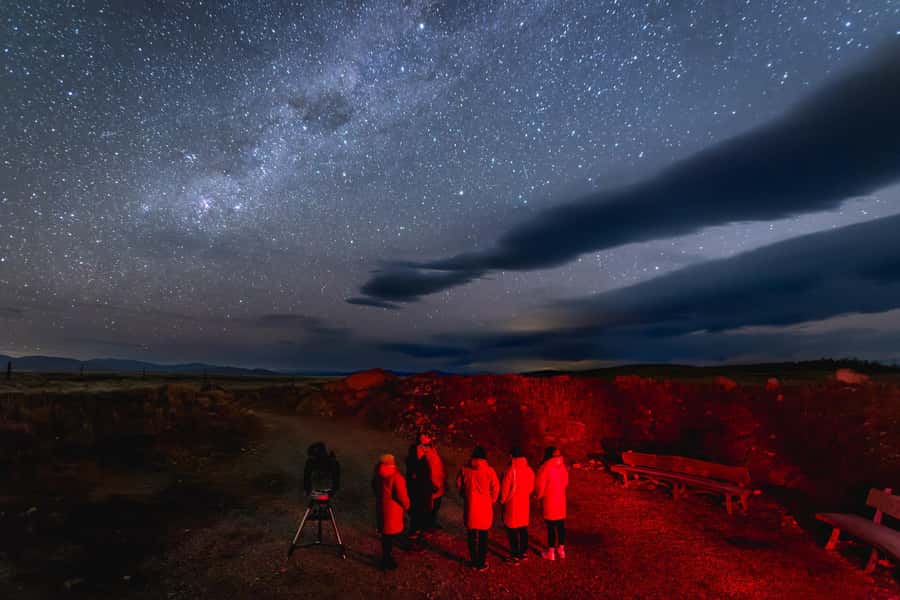
Stargazing can be awkward without help. You arrive at a dark place, look up, and see a mass of stars with no idea where to begin. Cowan’s Private Observatory solves that problem with a guide who gives the sky some order.
The session starts with naked-eye viewing. That matters. Telescopes are exciting, but the wider sky is the reason to come to Tekapo. Your guide helps you pay attention to the Milky Way and the southern sky before the equipment narrows your view to particular objects.
The experience is designed as an introduction, not an advanced astronomy course. You can arrive knowing almost nothing and still follow along. The guide can adjust the discussion to what is visible that evening, so the session is not simply a fixed speech repeated under every sky.
That flexibility is one of the tour’s strongest points. Weather, darkness, and the time of year affect what appears above you. A guide who works with the actual sky can spend time on the most useful sights rather than forcing a list of objects that may not be visible.
A few more Mount Cook & Lake Tekapo days to compare
- Lake Tekapo: Alpine Stargazing Experience with a Guide
★ 4.5 · 626 reviews - Lake Tekapo: Stargazing Experience
★ 4.9 · 607 reviews - Mount Cook: Scenic Helicopter Flight with Alpine Landing
★ 4.8 · 442 reviews
Meeting at the Dark Sky Project in Lake Tekapo
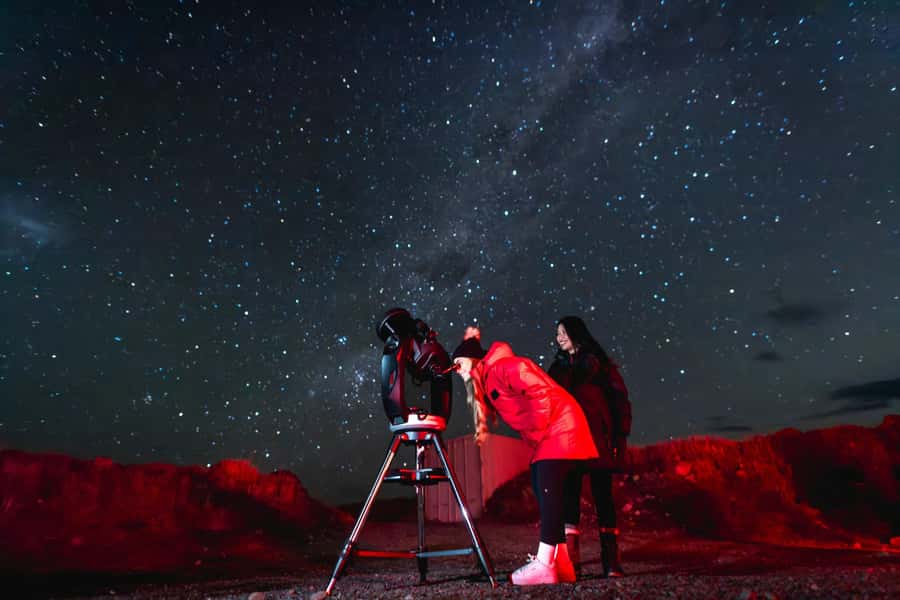
You begin at the Dark Sky Project booking office at 1 Motuariki Lane, Lake Tekapo 7999. This is the important place to get right. You are not meeting at the observatory itself.
From the base building, your driver guide takes you to Cowan’s Private Observatory. Return transport is included, which makes the experience easier after dark. You do not need to plan your own drive to an unfamiliar observation site, and you can return to Tekapo when the session ends.
Check your booking time carefully if you choose a departure after midnight. The date can be easy to misread in that situation. This is a small detail, but late-night activities often cross the line between one calendar date and the next.
The ride is functional rather than a sightseeing stop. The real purpose is to move you from Tekapo’s booking office to a darker, more protected viewing site. Once you arrive, the focus shifts quickly to the sky.
The sheltered craters at Cowan’s Private Observatory
The observation craters are the most distinctive physical feature of this experience. They are built into the site to shelter you from wind and cut down the effect of light pollution.
That design matters more than it may sound. You spend the session standing or looking upward, so wind can make a cold night feel much colder. A protected viewing position also helps keep attention on the stars instead of on finding a comfortable place to stand.
Do not expect a polished indoor attraction with a large display hall. The appeal is the outdoor setting and the open southern sky. The craters provide practical protection while keeping you outside, where the experience makes sense.
This is also a good reason to dress more warmly than you think you need. A clear night can feel cold in any season, and the activity specifically advises warm clothing, a hat, and a scarf. Take that advice seriously. The supplied jackets can help if needed, but your own warm layers are still the safer plan.
Reading the southern sky before using a telescope
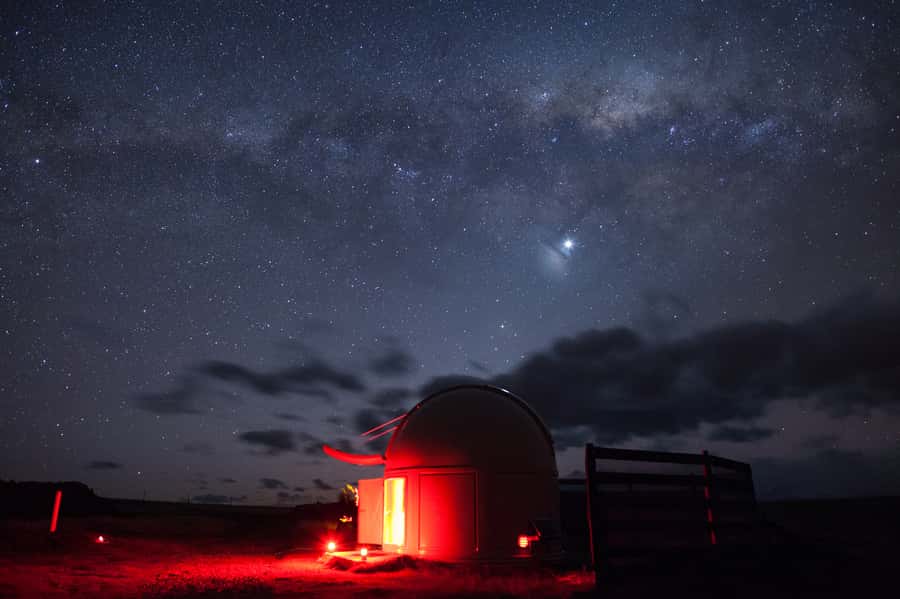
The naked-eye section gives you the broad picture. You can see the Milky Way as part of the sky rather than as a series of isolated telescope targets. That wider view gives the later telescope viewing some context.
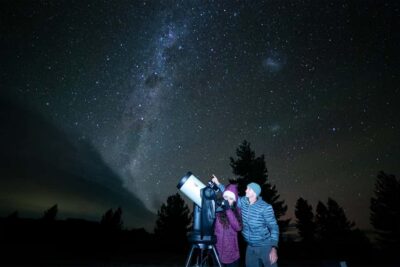
Your guide explains what you are looking at and helps you connect the points of light above you. The presentation is meant to be accessible, so you do not need to memorize technical terms or understand complicated physics to enjoy it.
A recent session with an astronomer named Vickey was praised for clear explanations and frequent repetition. That is useful in a night-sky setting, where everyone may be standing in a different position and trying to follow a new idea in the dark. Repeating key points gives you time to catch up.
The language options are English, Chinese, and Japanese. That can make the science easier to follow, especially when the guide is describing several objects or explaining how to find something in the sky.
Somewhere else in Mount Cook & Lake Tekapo entirely:
- Mt Cook Small Group Scenic Day Tour from Queenstown
★ 5.0 · 407 reviews - Tekapo Shuttle: Mt Cook Day Tour via Pukaki & Tasman Lake
★ 4.8 · 307 reviews - Mount Cook: Ski Plane and Helicopter Glacier Combo Flight
★ 4.6 · 271 reviews - Mount Cook: 3 Hour Heli Hike to the Tasman Glacier
★ 4.7 · 218 reviews
Powerful telescopes and realistic expectations
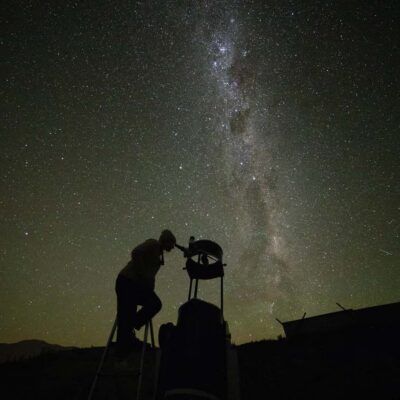
The telescopes add detail that your eyes cannot provide. You get a chance to examine selected objects more closely, guided by someone who can explain their place in the southern sky.
The experience will be most rewarding if you are new to astronomy or want a clear introduction. You will get help understanding what you are seeing instead of simply looking through an eyepiece and moving on.
There is a limit to the value for experienced stargazers. If you already know the night sky and have spent time viewing planets and moons through a telescope, the session may feel basic. One review made this exact point: the guides were praised, but the price felt high for someone who had already seen sights such as Jupiter’s moons.
That is not a fault in the format. It tells you who the tour is built for. This is a guided starting point, not a specialist observing session for someone bringing years of astronomy experience.
What the 75-minute schedule feels like
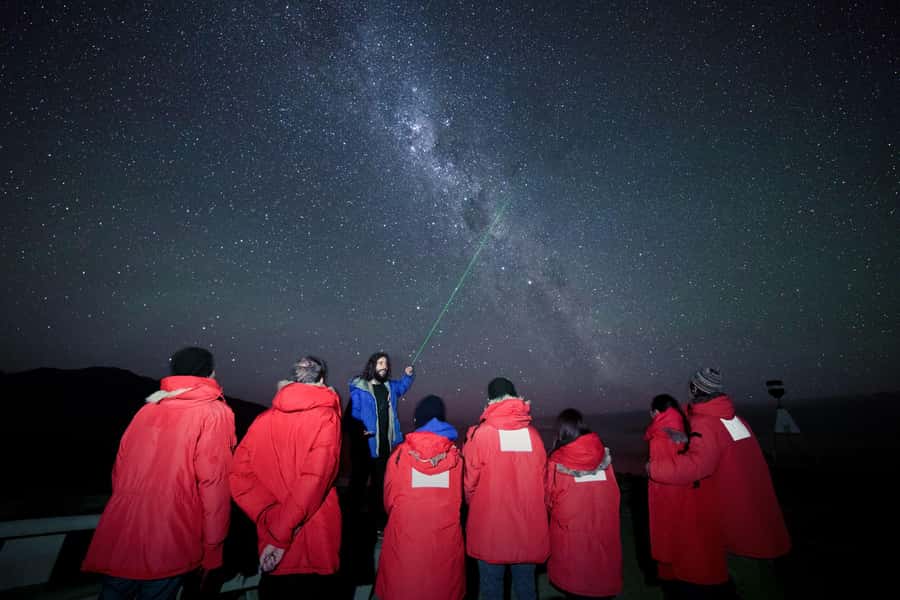
The total experience lasts 75 minutes. That is long enough to introduce the sky, use the telescopes, and let you settle into the darkness without taking up an entire evening.
You meet at the Dark Sky Project, travel to the private observatory, and enter the sheltered viewing area. The guide then combines naked-eye stargazing with telescope viewing, explaining the objects and patterns that can be seen that night.
The order and exact content can change with visibility. That is a good feature, since the night sky is not a stage set. Your guide has room to respond to the conditions rather than pretending every evening offers the same view.
At the end, transport returns you to the Dark Sky Project base in Tekapo. Food and drinks are not included, so plan those separately. Since the experience lasts just over an hour, you can fit it around dinner or another evening plan, but keep your clothing ready and avoid treating it as a quick warm indoor stop.
Why the Dark Sky Reserve setting matters
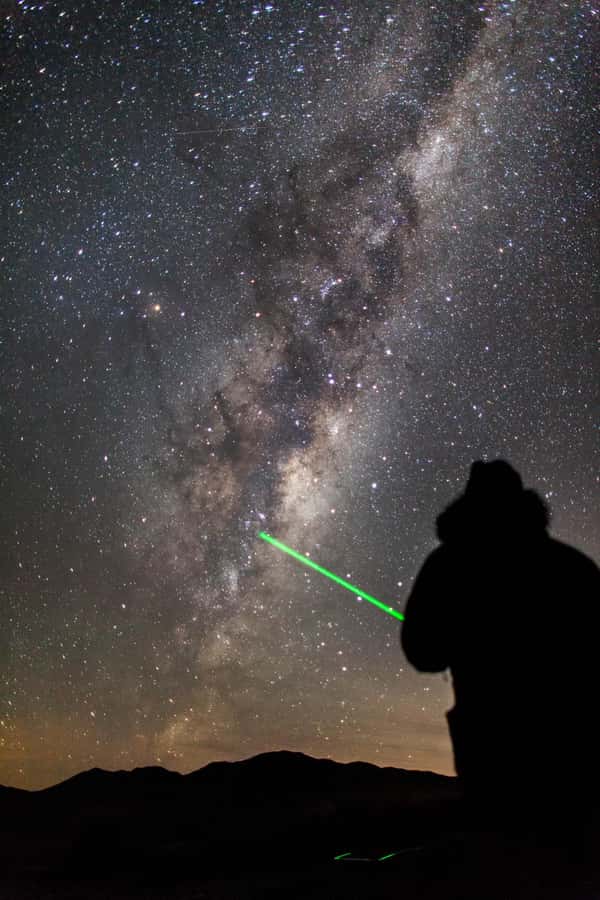
Lake Tekapo is part of the world’s largest Gold Standard International Dark Sky Reserve. The designation points to the quality of the night environment, especially the effort to limit artificial light.
You do not need to be an astronomy expert to notice the benefit. A darker setting makes the Milky Way easier to pick out and gives the guide more to work with. The surrounding darkness also helps you focus on the sky without the glare of ordinary street lighting.
The reserve setting is a central part of the value, not just a label added to the booking. You are paying for the location, the protected viewing site, the guide, the transport, and use of the equipment. If you only want to glance at the stars for five minutes, $77 may seem steep. If you want someone to explain what you are seeing in a purpose-built dark setting, the price makes more sense.
Still, keep expectations sensible. No astronomy tour can guarantee a perfect view of every object. Bad weather can cancel the outdoor session. In that case, an indoor alternative is offered, or you can receive a full refund.
Cold-weather planning makes a real difference
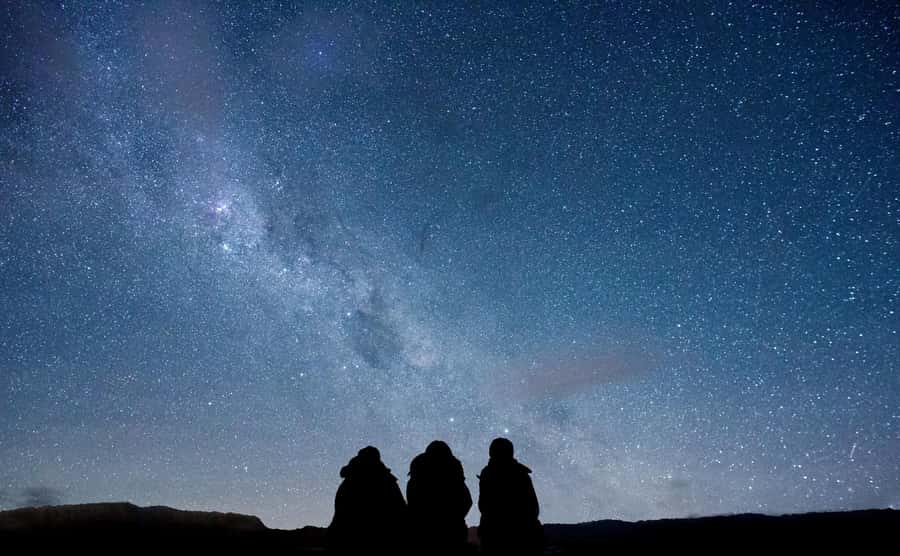
Warm clothing is essential, even in summer. Bring a warm coat or several layers, along with a hat and scarf. The observation craters help protect you from wind, but they do not turn the night into an indoor experience.
Avoid flash photography. A sudden bright flash affects everyone’s night vision and works against the purpose of the visit. You may want to take pictures, but follow the no-flash rule and give your eyes time to adjust.
The tour is wheelchair accessible, which is useful information when comparing evening activities. Children under five cannot join, so families need to plan around that age rule. Older children who can stay warm and pay attention may find the guided format easier than trying to identify stars alone.
The lack of food or drink is simple to handle. Eat beforehand or arrange something in Tekapo before or after the session. Do not count on refreshments being part of the observatory visit.
Is $77 a fair price?
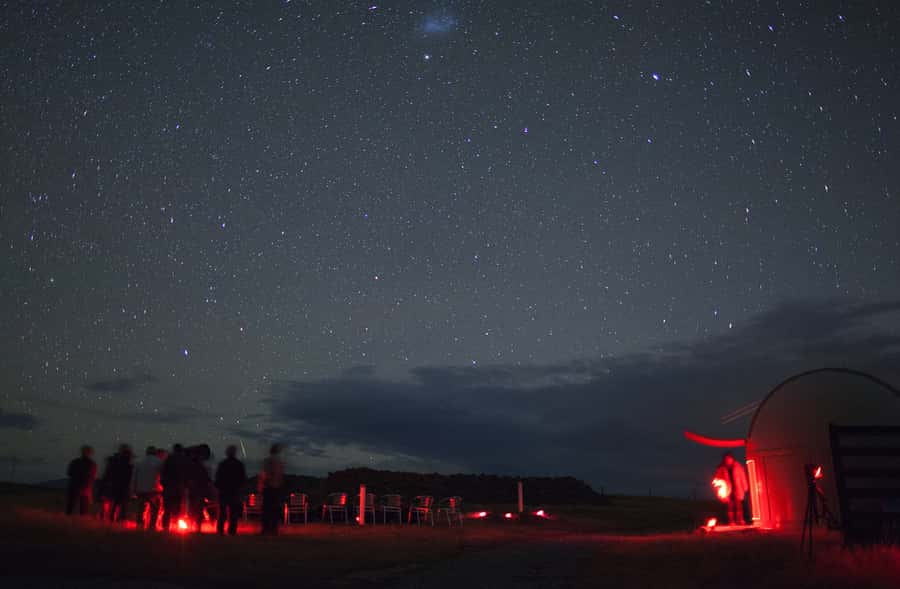
At $77 per person, Cowan’s Observatory sits in the paid-experience part of a Tekapo evening rather than the free stargazing category. You can look up at the sky from many places, but this tour adds transport, a private viewing site, shelter, an astronomy guide, and powerful telescopes.
I see the value most clearly for people who would otherwise struggle to identify anything. The guide turns a beautiful but confusing sky into something you can understand. The telescopes give the session a clear focus, while the Dark Sky Reserve provides the setting.
The price is harder to justify for an experienced amateur astronomer. If you already own good equipment, understand the southern sky, and have seen major telescope targets, you may prefer independent viewing. The tour’s strength is explanation and access, not advanced technical observing.
The 4.7 rating from 52 reviews supports the idea that the experience usually delivers a strong introduction. The praise centers on the guides, with Vickey singled out for clear explanations and patience. One person also noted that jackets were available for use, a helpful backup on a cold night.
I would judge the price by your level of interest. For a family or first-time stargazer, it can be a useful shared activity. For someone who only wants a quick look at the stars, it may feel expensive.
Who should book this Tekapo stargazing tour?
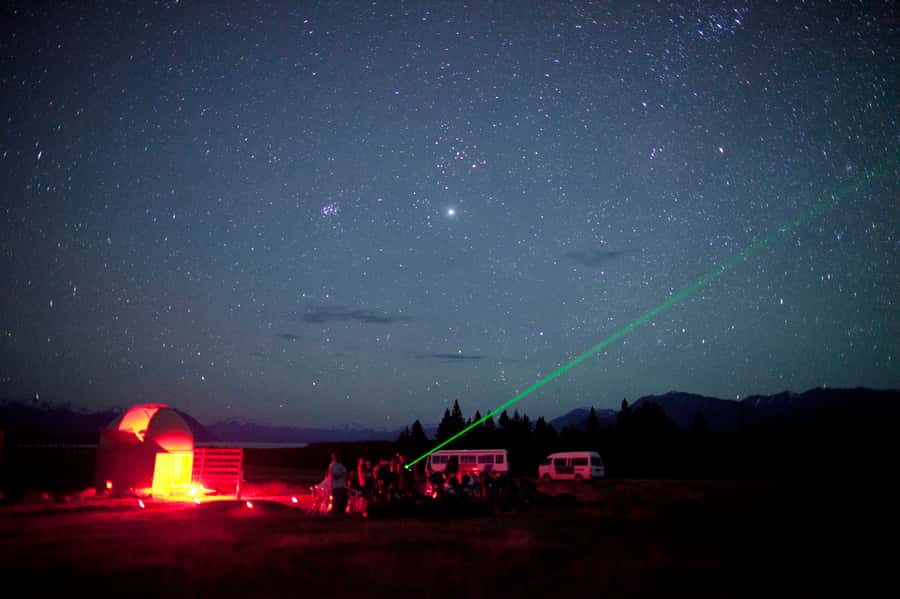
I would recommend it most strongly to first-time stargazers, families with children aged five and up, couples looking for an evening activity, and anyone who wants help making sense of the southern sky.
It also suits you if you are staying in Tekapo without a car or do not want to drive after dark. The included return transport removes one practical problem from the evening.
You may want to skip it if you already have extensive telescope experience or mainly want to observe alone. The guide-led structure is the point, so independent astronomers may not get enough new material for the cost.
The language options also make it a practical choice for people who prefer astronomy explained in Chinese, English, or Japanese. The clear, repeated explanations are especially useful when the subject is new.
Booking, cancellations, and weather
You can cancel up to 24 hours before the activity for a full refund. The reserve-now, pay-later option lets you hold a place without paying immediately, which helps when your South Island plans are still changing.
The activity depends on suitable weather for outdoor stargazing. If conditions are poor, the tour may be cancelled, with an indoor alternative offered or a full refund provided.
When you book, check the available starting times and pay close attention to the date for any session after midnight. Meet at the Dark Sky Project booking office, not directly at Cowan’s Observatory.
Should you book Cowan’s Observatory?
Book this experience if you want an easy, guided introduction to the stars in one of New Zealand’s best dark-sky settings. The sheltered craters, return transport, multilingual guide options, and telescopes make it much easier than trying to work out the sky on your own.
Skip it if you already know your way around a telescope and have seen the main planetary sights. At $77, the strongest value comes from the guide’s explanations and the protected setting, not from access to rare specialist equipment.
For most first-time visitors to Lake Tekapo, I think it is a sensible evening choice. Bring serious warm clothing, arrive at the correct booking office, and let the guide set the pace. The sky supplies the spectacle, while the tour gives you the tools to understand it.
FAQ
Where does the Lake Tekapo stargazing experience meet?
Meet at the Dark Sky Project booking office, 1 Motuariki Lane, Lake Tekapo 7999.
How long does the stargazing experience last?
The experience lasts 75 minutes, or 1 hour and 15 minutes.
How much does the experience cost?
The listed price is $77 per person.
Is transport included?
Yes. Return transport from the Dark Sky Project base building in Tekapo to Cowan’s Private Observatory is included.
What equipment can I use?
You can stargaze with your naked eyes and use powerful telescopes during the guided experience.
Which languages are available?
Live tour guides are available in Chinese, English, and Japanese.
Is the experience wheelchair accessible?
Yes, the activity is wheelchair accessible.
Can children under five join?
No. Children under five years of age are not allowed to join this tour.
What should I bring?
Bring warm clothing, a hat, and a scarf. Warm clothing is essential in every season.
What happens if the weather is bad?
The outdoor tour can be cancelled in bad weather. An indoor alternative will be offered, or a full refund will be provided.
Newly listed around Mount Cook & Lake Tekapo
- Mount Cook: 20-Minute Alpine Vista Helicopter Flight★ 4.2 · 5 reviews
- Lake Tekapo to Mt Cook One-Way Small Group Tour★ 4.0 · 5 reviews
- Mount Cook: Alpine Explorer 35 Minute Flight★ 4.9 · 6 reviews
- Mount Cook: Tasman Glacier and West Coast Helicopter Flight★ 5.0 · 6 reviews
- Mount Cook Scenic 35 Minute Helicopter Flight★ 5.0 · 6 reviews
- Mt Cook: 55-Minute Scenic Flight in Helicopter or Ski Plane★ 4.1 · 6 reviews
- Mount Cook: Glentanner High Country Heli Hike★ 5.0 · 7 reviews
- Mount Cook: Tasman Glacier Helicopter Flight★ 4.3 · 7 reviews
Mount Cook & Lake Tekapo Tours, compared.
Mt Cook Small Group Scenic Day Tour from Queenstown
Read our review →
Tekapo Shuttle: Mt Cook Day Tour via Pukaki & Tasman Lake
Read our review →
Browse the lists this tour appears in