
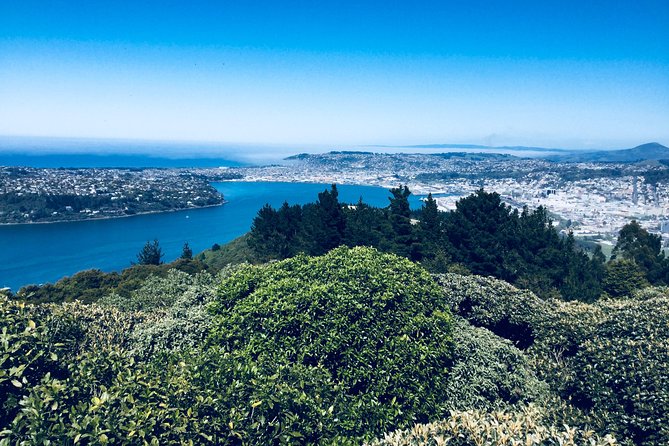
Reviewed · DUNEDIN TOURS
Dunedin City Highlights, Otago Peninsula Scenery & Albatross Guided Tour
The great draw here is the southern royal albatross colony at Taiaroa Head, where you may see huge birds nesting, flying, or returning to their partners. I like that the tour does not make the albatross visit its only act. You also get Dunedin’s steep streets, botanic gardens, grand railway station, and a scenic run around the Otago Peninsula.
I especially like the small-group format, with a maximum of 18 people, and the local guides who bring in geology, plants, wildlife, Māori culture, and city history along the way. The main consideration is comfort: one account describes an overfilled vehicle and an awkward seat, so confirm the group size and seating arrangements if that matters to you.
Key points at a glance
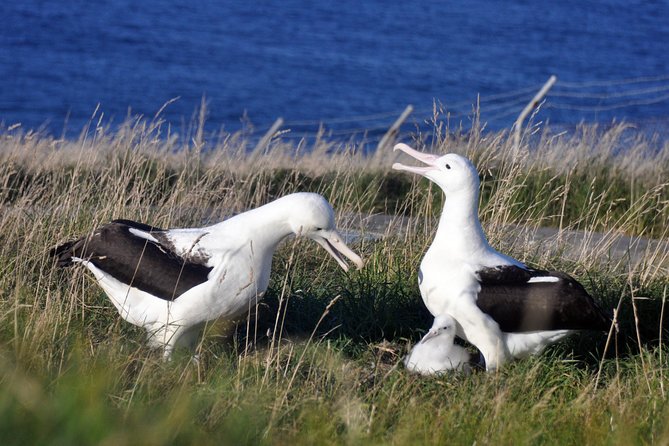
- Southern royal albatrosses at Taiaroa Head: The guided visit is the heart of the day, with a chance to see nesting birds and chicks.
- Baldwin Street in 10 minutes: You get a quick photo stop at the famously steep road, not a long climb.
- Otago Peninsula by Portobello Road and Highcliff: Scenic driving and photo stops carry you from city streets to sea views.
- Dunedin Botanic Garden: A short walk includes seasonal plants and bird aviaries.
- Local guides shape the day: Teresa, John, Asta, Scott, and others are praised for clear stories and flexible pacing.
- Six hours for $198.58: The price makes the most sense if you want city sights, coastal scenery, transport, and the albatross admission in one outing.
Why the albatross makes this Dunedin tour special
Dunedin has plenty of good city sights, but the Royal Albatross Centre gives this outing its purpose. At Taiaroa Head, the guided visit lasts about an hour and takes you to a viewing area reached by a hill walk. The center focuses on the breeding colony and the enormous seabirds that return to the peninsula.
You are not promised a wildlife performance. Albatrosses come and go on their own schedule. On a good day, you might see birds sitting on nests, chicks, or adults gliding in the wind. One especially memorable possibility is seeing a bird return to the colony and meet its partner.
The timing of the breeding season matters, and even the weather can change the experience. Some people have seen dozens of nests and new chicks. Others have had only brief sightings, with one bird appearing just as the group was leaving. That is not a flaw in the tour. It is simply the nature of wild animals.
The center also offers fine views over the Pacific, adding scenery to the bird visit. The viewing room can become crowded around the windows, so be prepared to share space and take turns. The walk to the viewing platform is uphill, a detail worth noting if you have limited stamina or balance.
More penguin and seal encounters:
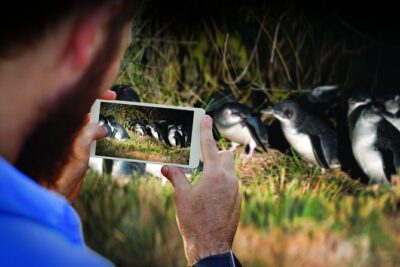
- Guided Evening Penguin Viewing Otago Peninsula, Dunedin, New Zealand
★ 5.0 · 471 reviews - Dunedin: Wildlife and Penguin Tour
★ 4.6 · 239 reviews - Otago Peninsula Wildlife Cruise with Monarch
★ 4.5 · 227 reviews
Baldwin Street, Dunedin’s quick steep-street stop

The first stop is Baldwin Street, famous as the world’s steepest street. You have about 10 minutes here, with no admission fee. That is enough time for photographs and a look at the slope, but not enough for a slow neighborhood stroll.
The short visit works well in a six-hour tour. Baldwin Street is a recognizable Dunedin landmark, yet it does not need an hour of your day. Your guide can also help put the city’s hills into context as you continue through town.
If you want to walk the full street at a leisurely pace, this tour may feel rushed. If you mainly want to see it, take a picture, and move on to the city’s buildings and peninsula scenery, the stop is well judged.
A brief botanical pause in Dunedin
At the upper Dunedin Botanic Garden, you take a stroll of about 20 minutes. The focus is on bird aviaries and plants that are in season. It is a modest stop, not a full garden visit, but it gives the day a welcome change of pace after the city drive.
This is also one of the places where a good guide can add real value. Guides such as Teresa have been praised for explaining local plants, animals, geology, and Māori use of natural resources. That kind of commentary helps turn a quick walk into more than a photo stop.
Keep your expectations in check. Twenty minutes will not cover the whole botanic garden. You will see a small portion, with the exact plant interest depending on the season.
Dunedin’s buildings and railway station
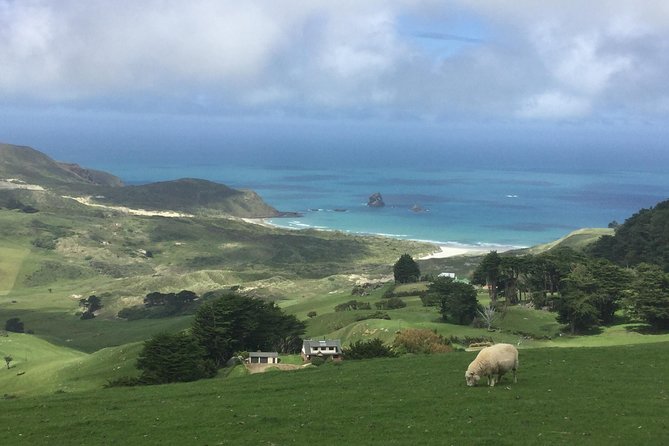
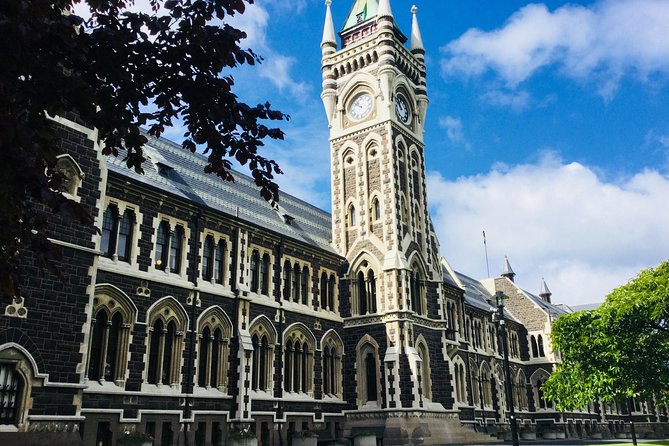
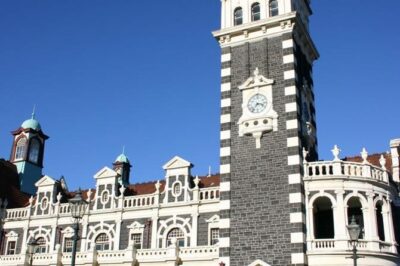
Dunedin’s architecture gets its best moment at Dunedin Railways, the city’s striking railway station. You stop for about 10 minutes, with no admission fee. The building is often photographed, and its grand exterior makes a strong contrast with the open coastal views later in the day.
The route may also include the university and other city sights, depending on the guide and the group’s interests. That flexibility is useful. Asta, for example, has been praised for adjusting the day to suit the group, while Scott is valued for safely handling Dunedin’s steep roads and pointing out viewpoints and historic buildings.
This part of the tour is an overview rather than a detailed architectural walk. You will see key places from the vehicle and make brief stops, but you should not expect extended interior visits or long time at each building.
A few more Dunedin days to compare
- Clearwater Wildlife Tours (small group 10max) Otago Peninsula
★ 5.0 · 531 reviews - Speight’s Brewery Tour & Guided Tasting
★ 5.0 · 508 reviews - Larnach Castle and Gardens Admission Ticket
★ 4.5 · 279 reviews - Dunedin Shore Excursion: Small-Group Tour of Dunedin and the Otago Peninsula
★ 4.5 · 270 reviews
Portobello Road and the first Otago Peninsula views
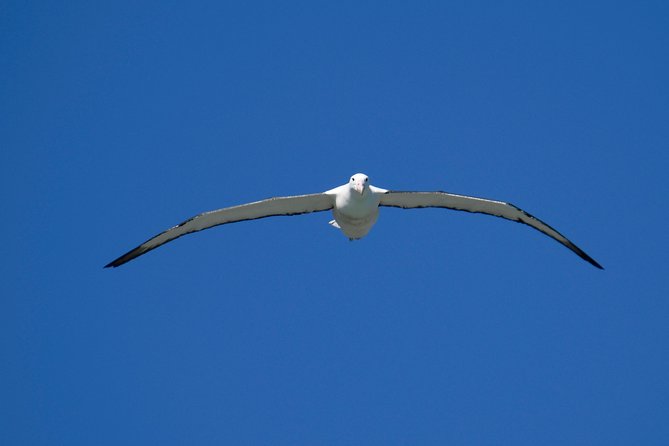
After the city portion, the tour follows Portobello Road on a scenic drive toward the peninsula. This is when the day opens up. You trade urban streets for water, hills, inlets, and broad views.
The value of a small vehicle becomes clearer here. A guide can point out features as you travel and pause at suitable viewpoints when conditions allow. Several accounts describe extra photo stops beyond the named stops, though the exact route can change with weather, traffic, timing, and group interests.
The peninsula is not simply a road between Dunedin and the albatross center. The drive is part of the attraction. Give yourself permission to enjoy the changing views instead of treating this section as transport time.
Highcliff Road and photo stops
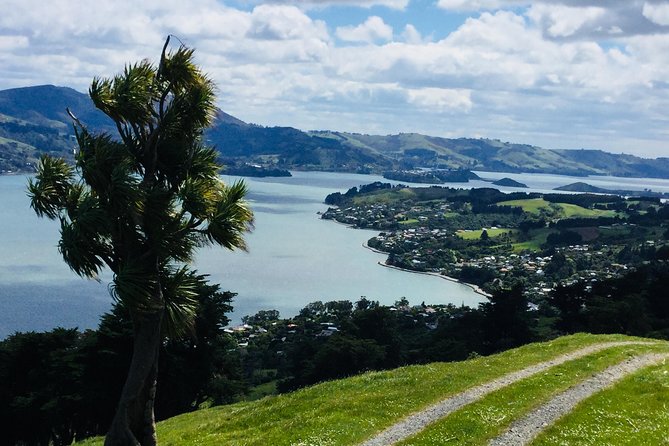
The route also includes a scenic drive via Highcliff, with photo stops along the way. This road offers some of the day’s best elevated views, looking across the peninsula and toward the sea.
Weather can reshape this section. Dunedin can be wet, cold, and windy, yet mist and changing light can still make the views memorable. A warm waterproof layer is sensible, even if the day begins pleasantly.
The tour does not list a separate lunch stop, and lunch is not included. You may have an opportunity to buy food depending on the day, but you should not count on a sit-down meal being part of the six-hour schedule. Bringing water and a snack is a practical choice.
The Royal Albatross Centre visit
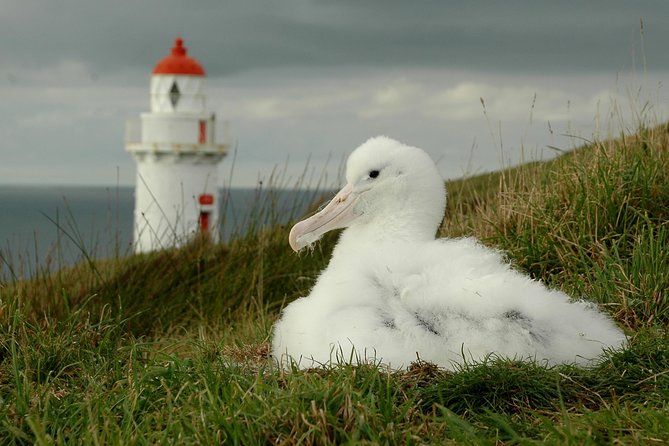
The included one-hour guided visit is the most substantial stop. It gives you a proper introduction to the albatross colony rather than leaving you to search for birds from a roadside viewpoint.
The southern royal albatross is a remarkable sight because of its size and the way it uses the wind. The center’s viewing area lets you watch the nesting grounds and the open Pacific beyond. You might see birds settled on nests, adults flying, or chicks during the nesting season.
The experience rewards patience. You may get a close view quickly, or you may need to watch quietly for movement. I would choose this tour for the chance to see a living colony in its setting, not for a guaranteed close-up encounter.
The hill to the viewing platform is the main physical challenge of the day. Most people can participate, but the supplied information specifically notes the uphill walk. If this could be difficult for you, ask about the walking conditions before booking.
What the guides add to the day
The guides are one of the strongest parts of the experience. Teresa, also called Terri or Tri in some accounts, is praised for her warmth, humor, and understanding of plants, animals, geography, history, and New Zealand culture. John is described as friendly and informative, while Asta and Scott are noted for personal attention and local knowledge.
That matters because the tour covers a lot of ground. Without explanation, Baldwin Street would be a quick novelty, the railway station a photo, and the peninsula a pretty drive. A guide connects those pieces and gives you a sense of Dunedin as a place rather than a checklist of stops.
Guides may also adjust the route. One small group was taken through inlets on the peninsula, and another had the day shaped around the group’s interests. This flexibility is a plus, though it also means your exact sequence and extra stops may not match another departure.
The guides have also handled practical problems, including a changed departure time and a missed notification. That is reassuring, especially for a cruise day, but I would still check your pickup time carefully. Cruise schedules can change, and an earlier start may be needed to fit in the full route.
Group size, vehicle comfort, and pace
The stated maximum is 18 people, which is far more personal than a large sightseeing coach. A small group also makes it easier to hear the guide, ask questions, and pause for photographs.
Still, the vehicle may be a Toyota Coaster, and one account raises a fair concern about seating. A passenger described being placed over the hump and step behind the driver on a crowded bus. The operator responded that vehicle comfort can vary by person, but the complaint is worth taking seriously.
If you have a strong seating preference, mobility concern, or need a child car seat, contact the operator before the tour. The booking information asks you to provide your child’s age if a car seat is needed. The experience is near public transport, and most people can participate, but the uphill walk remains the key physical detail.
The six-hour duration is a useful middle ground. It is long enough to combine city and peninsula sights, but short enough to fit a cruise port day in many cases. Leave room around the tour in your schedule, especially if your ship has a firm departure time.
Is $198.58 a fair price?
At $198.58 per person, this is not a bargain city shuttle. You are paying for roughly six hours of transport, a local guide, scenic driving, city stops, and admission to the guided Royal Albatross Centre visit. GST is included, while lunch is not.
The value is strongest if you want both Dunedin and the Otago Peninsula in one day. Arranging separate transport to the albatross center, finding the viewpoints, and learning the city’s story on your own could take more planning and leave you with less context.
The price is less compelling if your priority is only Baldwin Street or the railway station. Those stops are brief, and you could see city highlights more cheaply on your own. The tour earns its cost through the peninsula drive and the albatross center.
A cruise passenger may find the price easier to justify because the route is built around seeing a large portion of the area in limited port time. Just verify the departure time, since early ship schedules can affect the start.
Who should book this experience?
I would recommend it to you if you want a broad first look at Dunedin, prefer a small group, and care about wildlife as much as city sights. It suits people who like having a guide explain local nature and culture rather than simply driving from stop to stop.
It is also a good choice for families and mixed-age groups, provided everyone can manage the hill to the viewing platform. The short stops keep the day moving, while the albatross visit provides a longer period to focus on one subject.
You may want another option if you need a slow, accessible city tour, a guaranteed wildlife sighting, or a full meal break. The day covers a lot of ground, and some stops are intentionally brief.
Practical advice before you go
Dress for changeable conditions. The peninsula is exposed, and wet, chilly weather can arrive even when the city looks manageable. Comfortable shoes matter because of the botanic garden stroll and the uphill walk at the albatross center.
Bring a camera, but do not plan the whole day around perfect wildlife photographs. The birds decide the action. Your reward may be a nest, a chick, a bird gliding over the colony, or a sudden landing just as the group prepares to leave.
Ask about the vehicle and seating if comfort is important. Also confirm the start time, particularly if you are visiting from a cruise ship. Free cancellation is available up to 24 hours before the start time, but changes or cancellations inside that window are not accepted, and poor weather or insufficient bookings can lead to a new date or full refund.
Should you book the Dunedin and Albatross Guided Tour?
Book it if you want the best all-round introduction to Dunedin and the Otago Peninsula in a single half-day. The city stops are quick, but the mix of Baldwin Street, botanic gardens, railway architecture, coastal roads, viewpoints, and the Royal Albatross Centre gives you a useful sense of the region.
The strongest reason to go is the albatross colony, with the guides adding much more than simple transport. I would book after confirming the departure time and asking about seating, especially for a cruise day or anyone who finds uphill walking difficult. If you accept that wildlife is unpredictable, the $198.58 price is reasonable for the amount of ground and local context packed into six hours.
FAQ
How long does the Dunedin and Otago Peninsula tour last?
The tour lasts approximately six hours.
What is included in the price?
The price includes GST and admission to the one-hour guided visit at the Royal Albatross Centre.
Is lunch included?
No. Lunch is not included in the tour price.
How large is the tour group?
The maximum group size is 18 people.
Is the tour suitable for most people?
Most people can participate, and the tour is near public transportation. You should be aware that there is a hill to walk up to the viewing platform at the Royal Albatross Centre.
Can children use a car seat?
You should notify the operator of your child’s age if a car seat is needed.
What happens if the weather is poor?
The experience requires good weather. If it is canceled because of poor weather, you will be offered a different date or a full refund.
Newly listed around Dunedin
- Dunedin Private Fullday Tour★ 5.0 · 5 reviews
- Twilight at the Opera★ 5.0 · 5 reviews
- Shared Small Group Dunedin City and Peninsula Scenery Day Tour★ 5.0 · 5 reviews
- Dunedin to Te Anau via the Catlins One Way Small Group Tour★ 5.0 · 6 reviews
- Electric Bike Rental★ 5.0 · 6 reviews
- Private Dunedin & Otago Peninsula Day Tour Up to 4★ 5.0 · 6 reviews
- Dunedin to Queenstown One Way Tour Including Taieri Gorge Train★ 5.0 · 6 reviews
- Clearwater Private Penguin & Wildlife Tour from Port Otago (5hrs)★ 5.0 · 7 reviews
Dunedin Tours, compared.
Clearwater Wildlife Tours (small group 10max) Otago Peninsula
Read our review →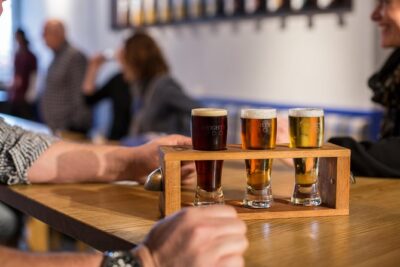
Guided Evening Penguin Viewing Otago Peninsula, Dunedin, New Zealand
Read our review →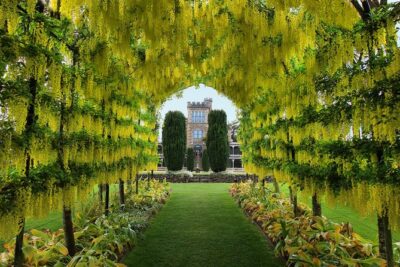
Dunedin Shore Excursion: Small-Group Tour of Dunedin and the Otago Peninsula
Read our review →
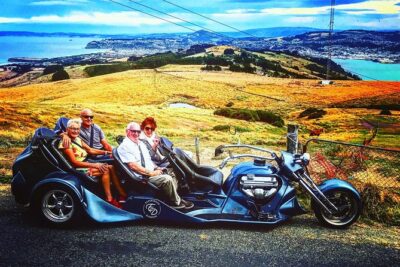
Shore Excursion: V8 Trike, Peninsula and City Tour
Read our review →Browse the lists this tour appears in