Reviewed · TOURS
Twizel: Stargazing Tour with an Astronomer and Telescope
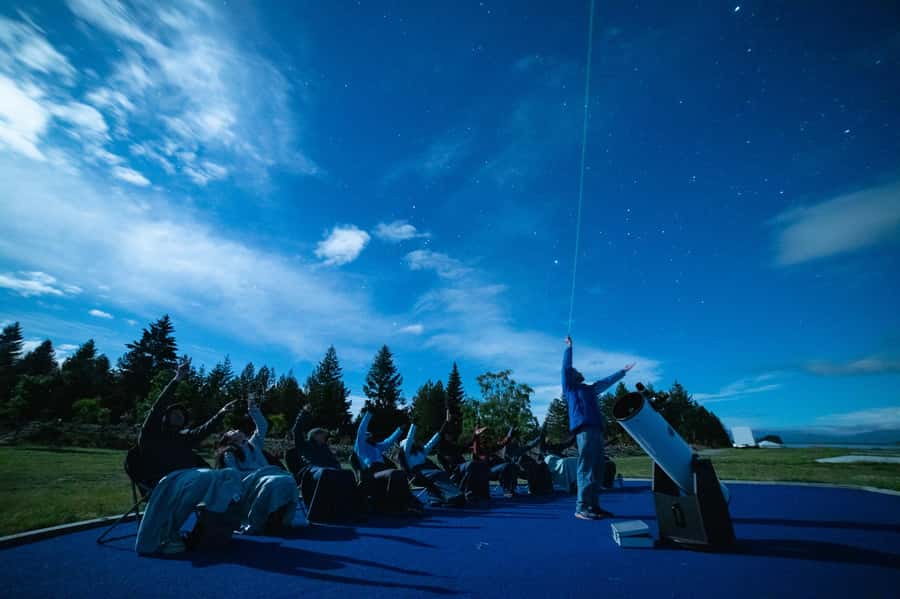
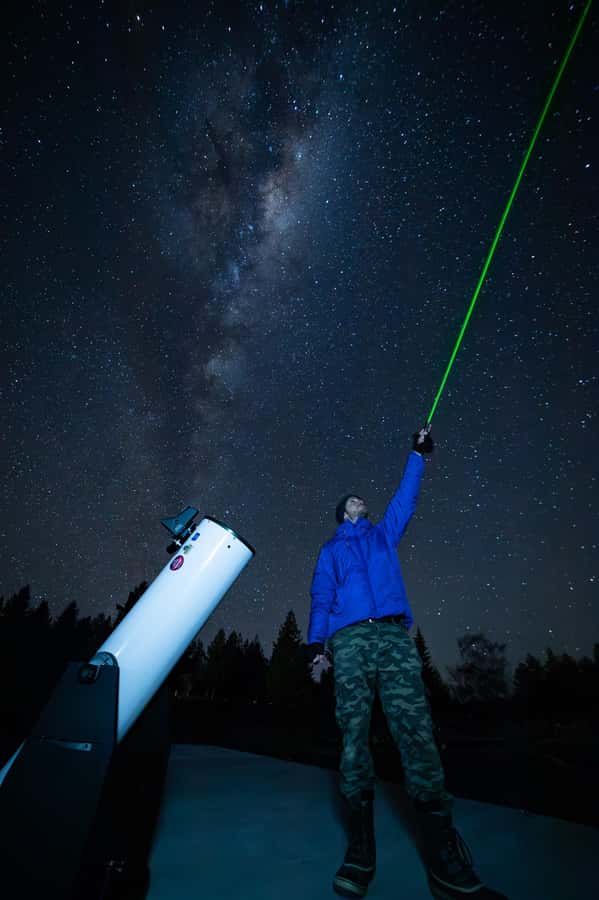
The best part of this Twizel night tour is the setting: you sit beneath one of the darkest skies on Earth, far from the glare that washes out stars in most towns and cities. Daniel, a qualified astronomer and seasoned astrophotographer, uses a laser to trace the sky, then brings selected planets, star clusters, nebulae, or galaxies into view through a powerful telescope.
I like the small group of no more than 10 people, because you get room to ask questions and a fair chance at the telescope. I also like the personal astrophoto at the end. It turns a quiet hour under the stars into a useful keepsake, not just a memory that vanishes when you drive away.
The main drawback is simple: this is an outdoor night activity, and the Mackenzie region gets cold even in summer. The tour also depends on clear weather, so you need warm layers and some flexibility in your plans.
Key Points at a Glance
- A qualified astronomer leads the tour: Daniel explains the science in plain language, from familiar constellations to distant galaxies.
- The Aoraki Mackenzie International Dark Sky Reserve matters: Low light pollution gives you a far better chance of seeing the Milky Way and faint celestial objects.
- The 75-minute format is well judged: You get a sky tour, telescope time, and a final photo without committing to a very late or lengthy outing.
- The telescope viewing changes with the season: What you see depends on which planets, nebulae, clusters, and galaxies are visible that night.
- Warm clothing is essential: Seating and blankets are provided, but you still need layers, a hat, and gloves.
- The final astrophoto adds real value: You leave with a personal picture of yourself beneath the night sky.
Why Twizel Is Such a Good Place to Watch the Stars
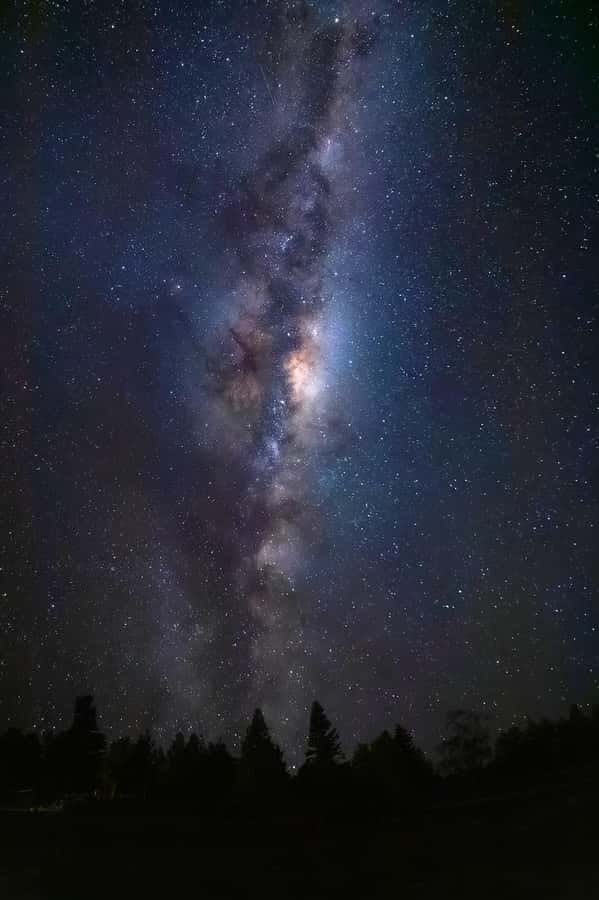
Twizel sits in the heart of the Aoraki Mackenzie International Dark Sky Reserve. That designation is not just a marketing label. It reflects an effort to control artificial light and protect the quality of the night sky.
For you, the practical result is a darker background. Bright stars are easier to pick out, the Milky Way can appear more clearly, and a telescope has a better chance of showing faint objects. A city telescope session may show the Moon or a bright planet, but a dark location gives the whole sky more depth.
The southern hemisphere also offers sights that can feel new if you normally observe from Europe, North America, or much of Asia. The exact line-up changes with the time of year, but the tour can include southern stars, planets, star clusters, nebulae, and galaxies.
I appreciate that Daniel does not treat the sky as a collection of pretty lights only. The experience also covers the cultural, scientific, and environmental importance of preserving darkness. That gives the tour a wider purpose. You are not simply looking upward for a few snapshots. You are learning why a clear night sky is worth protecting.
Other New Zealand trips that fill the same day:
- Hobbiton Movie Set: Guided Tour Ticket
★ 4.9 · 8,167 reviews - Rotorua Canopy Tours: 2.5Hour Native Forest Zipline Adventure
★ 5.0 · 4,563 reviews - Hobbiton™ Movie Set Walking Tour from Shires Rest
★ 5.0 · 3,577 reviews
Meeting Daniel at Lake Front Road
The meeting point is at the car park on the first left as you enter Lake Front Road, at 50 Kate Cameron Drive. You should arrive about five minutes before the scheduled start for check-in.
This is a simple outdoor meeting point rather than a visitor centre with extensive facilities. There are no toilets on-site, so use one before you arrive. That small detail matters, especially for families and anyone planning a full evening around the activity.
The group is limited to 10 participants. I see this as one of the strongest features of the tour. Astronomy works best when you can hear the guide clearly, ask a question without interrupting a crowd, and take your turn at the telescope without a long wait.
The activity is wheelchair accessible, although the provided information does not describe the exact surface or seating arrangement. If you need specific access details, check them when booking.
The First 40 Minutes: Finding Your Way Around the Sky
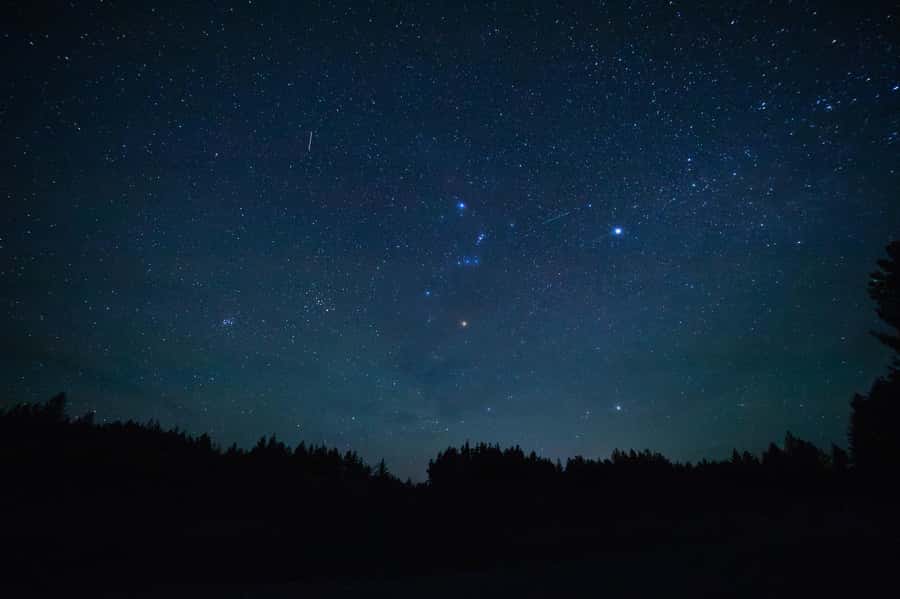
The opening part uses a laser-guided tour of the sky. Daniel points out stars, planets, and constellations that are visible that night, then explains their scientific importance.
A laser guide is especially useful if you do not already know the sky. Without one, a guide can point upward and leave you trying to guess which faint dot matters. The laser gives you a clear line to follow, helping you connect a name with an actual position overhead.
Daniel’s style, based on the experience described by participants, combines enthusiasm with simple explanations of difficult ideas. That matters because astronomy can quickly become a lesson full of terms and figures. Here, you can ask about light-years, stellar travel, planets, or galaxies and still keep track of the main idea.
You may hear about the age of light reaching your eyes and the distance involved. One useful point is that stargazing is also looking into the past. Light from distant stars began its journey long before it reached Earth, so the sky gives you a direct sense of time as well as space.
The exact objects in this first part depend on the date, season, and conditions. Reviews describe sightings including the Milky Way, Orion, Jupiter, Alpha Centauri, and Saturn. You should not treat that list as a guarantee for your own evening, but it shows the range of sights that can appear during the year.
The Telescope Session: Planets, Nebulae, and Galaxies
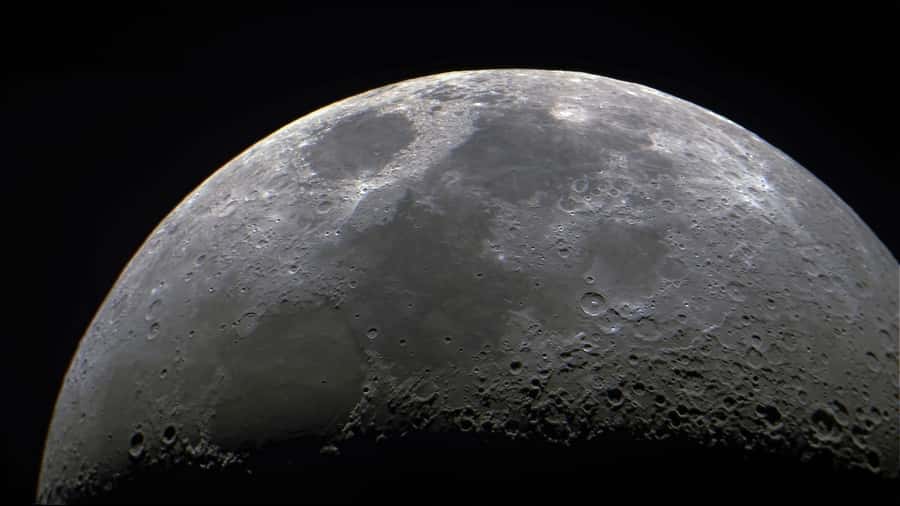
The second part moves from the broad sky to closer looks through the telescope. Daniel chooses objects based on what is visible at that time of year.
This is where the tour becomes more than a constellation talk. You might see a planet, a cluster of stars, a nebula, or a galaxy. The telescope does not simply provide a quick glance. Daniel explains what the object is and why it looks the way it does.
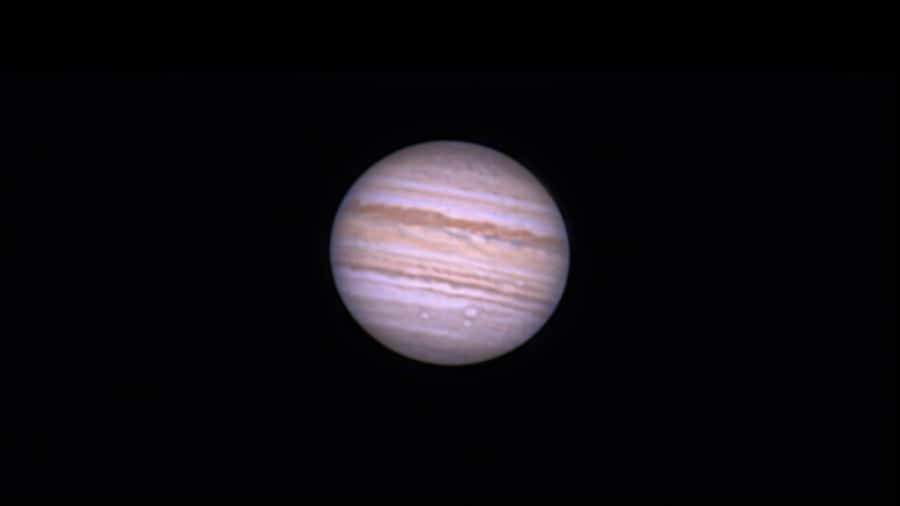
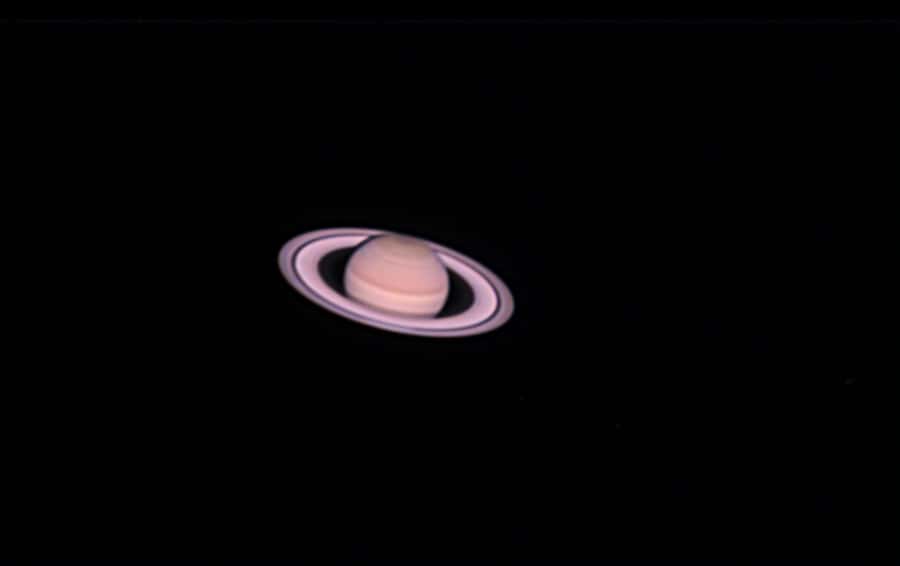
Past viewing examples include Jupiter’s bands and moons, Saturn and its rings, Alpha Centauri, the Tarantula Nebula, and the Milky Way. Some descriptions also refer to views connected with black holes and celestial travel. The precise telescope targets will change, so you should arrive with curiosity rather than a fixed checklist.
Saturn is a particularly memorable possibility. Its rings can turn a distant point of light into a recognizable world. Jupiter offers another strong contrast, with visible bands and moons when conditions allow. Fainter objects may not look like colourful photographs from a space agency, but seeing them with your own eye, with a scientific explanation beside you, is part of the point.
You will get your own turn at the telescope in this small group. The provided details do not state how long each person views through the eyepiece, so I would not expect a private observatory session. Still, a maximum of 10 people gives this format a more personal feel than a large public presentation.
Somewhere else in New Zealand entirely:
- Mitai Maori Village: Cultural Experience and Dinner Buffet
★ 4.7 · 3,575 reviews - Waiheke Island: Ferry & Hop-On Hop-Off Explorer Bus Tickets
★ 4.6 · 3,311 reviews - Kaikoura: Whale Watching Cruise
★ 4.6 · 3,089 reviews - Premium Milford Sound Small Group Tour & Cruise from Queenstown
★ 5.0 · 3,001 reviews
Comfortable Seating, Blankets, and the Mackenzie Cold
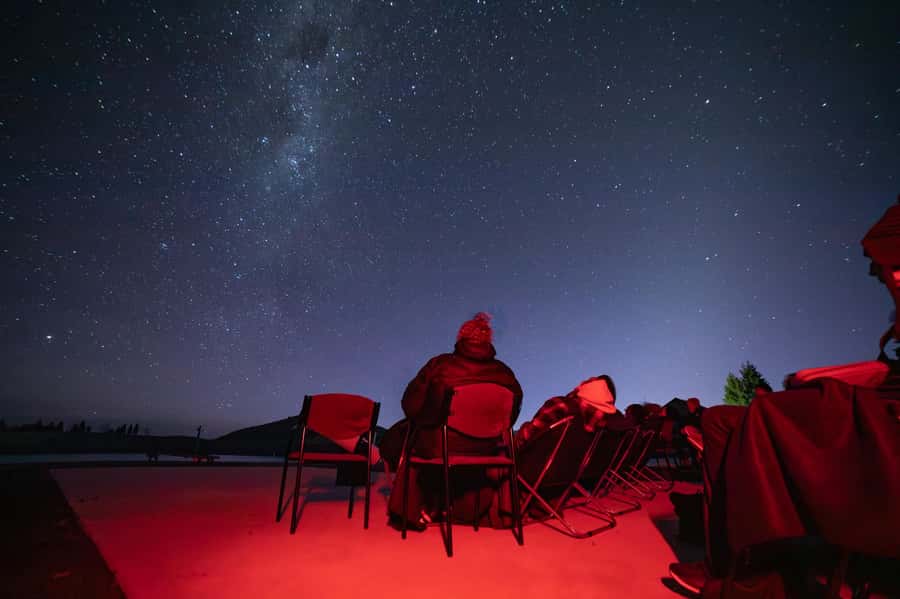
The tour provides outdoor seating and blankets. That helps, but do not mistake the blankets for a substitute for proper clothing.
Bring warm layers, a hat, and gloves. Nights in the Mackenzie region can be cold even in the middle of summer, and sitting still makes the chill more noticeable. Good clothing will let you pay attention to the sky instead of counting the minutes until you can warm up.
The calm pace is part of the appeal. You sit back, listen to the explanation, and let your eyes adjust to the darkness. This is not a noisy evening attraction with constant movement. It is better suited to you if you enjoy quiet, patience, and a slower kind of sightseeing.
Flash photography is not allowed. That rule protects everyone’s night vision. Alcohol and drugs are also prohibited, and you should not attend while intoxicated. These restrictions are sensible in a dark outdoor setting where concentration and courtesy matter.
The Personal Astrophoto at the End
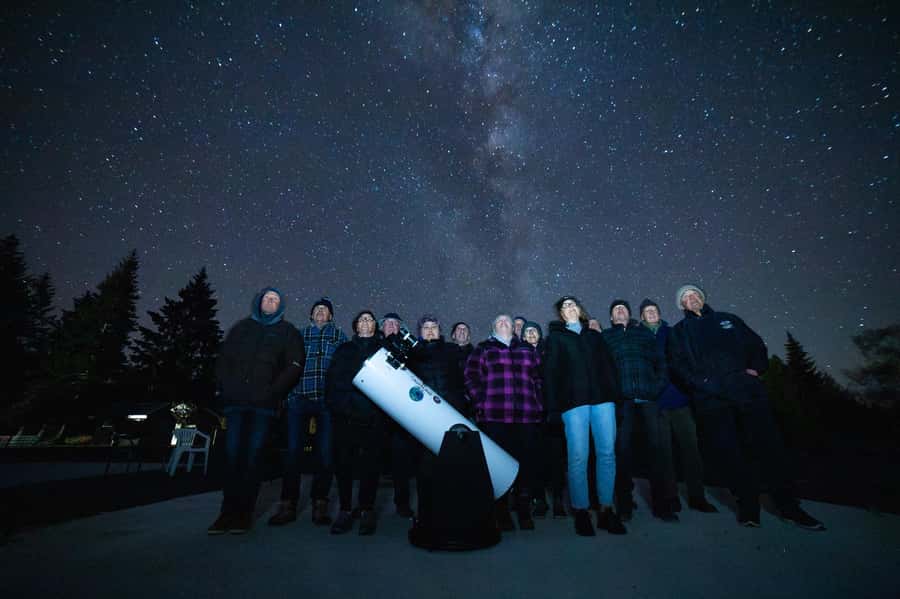
The tour finishes with a personal photograph of you under the stars. Daniel’s astrophotography background adds something special here, since a normal phone camera will struggle to show both people and a dark sky.
The photo is more than a standard group snapshot. It records the scale of the setting, with you placed beneath the night sky rather than in front of a bright sign or indoor backdrop. That makes it a useful souvenir from the Mackenzie region.
You should still keep expectations realistic. The photo depends on the weather and the available sky at the time. It is included in the experience, but the supplied details do not specify the delivery method or exact number of images. Ask for those details if the photo is a major reason for booking.
What the $59 Price Really Buys You
At $59 per person, this is priced as an accessible evening activity rather than a premium private observatory session. You receive a 75-minute guided tour, a qualified astronomer, seating, blankets, telescope use, scientific explanations, and a personal astrophoto.
The strongest value comes from the combination. You are not paying only for a place with dark skies, because you could look up for free from many spots around Twizel. You are paying for help understanding what you see, access to a powerful telescope, and a guide who can adjust the talk to the night’s conditions.
I also think the small group improves the price equation. A large outdoor talk can leave you standing at the back with little telescope time. With no more than 10 people, the experience should feel closer to a guided session than a crowd event.
The limitation is duration. Seventy-five minutes is enough for a good introduction, but not enough to cover every constellation or wait indefinitely for every possible planet. If you want a highly technical astronomy course or a long astrophotography workshop, this is not that. If you want an informative and memorable evening that fits neatly into a Twizel itinerary, the price is fair.
Weather, Seasons, and What You May Actually See
Clear conditions are required. If clouds make the sky unsuitable, the tour may be cancelled, and you will be offered a refund or a chance to reschedule.
That weather policy is important rather than disappointing. A stargazing tour cannot control cloud cover, and a dark reserve cannot help if the sky is hidden. I would avoid scheduling this on the final night of your trip if seeing the stars is a top priority. Book early enough to leave room for another attempt.
Summer does not mean warm. January and February can still bring cold nights, and the same warning applies in spring and autumn. The sky itself may be excellent in summer, but you need to dress for the temperature, not the calendar.
The best telescope targets change through the year. One visit may feature Jupiter and its moons, another Saturn and its rings, and another a nebula or star cluster. The tour is therefore better understood as a current sky experience rather than a fixed show with the same objects every evening.
Who Will Enjoy This Tour Most
I would recommend it to first-time stargazers, curious families with children aged six and older, couples looking for a peaceful evening, and anyone interested in the southern hemisphere sky.
Children may enjoy the visual side of the telescope, though the outdoor cold and quiet format require some patience. There is no option for children under six, and the activity may be less suitable for very young children who struggle to remain still in the dark.
You do not need an astronomy background. Daniel explains complicated subjects in accessible terms, and the laser guide gives you a practical way to follow along. At the same time, people already interested in astrophysics should find enough substance to keep the session worthwhile.
It is also a good choice after a day of driving around the Mackenzie region. The evening pace is gentle, and the dark sky offers something very different from daytime scenery. Just remember that you are outside, seated, and exposed to the cold for much of the 75 minutes.
Booking Details You Should Know Before You Go
The tour is conducted in English and has a live guide. It costs $59 per person and lasts 75 minutes.
You can cancel up to 24 hours before the start for a full refund. A reserve-now, pay-later option is available, which is useful when your South Island plans depend on changing weather.
Arrive five minutes early at the Lake Front Road car park. Bring warm clothing, and use the toilet before you set out. Do not bring alcohol or drugs, and keep flash photography off during the session.
The experience is weather-dependent, so check your messages before leaving for the meeting point. If the tour is cancelled, you will be contacted and offered either a refund or a new time.
Should You Book the Twizel Stargazing Tour?
Book it if you want more than a pretty night sky. The real strength here is the mix of dark reserve conditions, clear explanations, telescope viewing, and a personal photo within a compact 75-minute outing.
I would especially choose it if you are visiting Twizel and have never seen the southern sky properly. Daniel’s enthusiasm, the intimate group size, and the chance to see objects such as Jupiter, Saturn, Alpha Centauri, or the Tarantula Nebula give the evening real substance.
Skip it only if you dislike cold outdoor activities, need a guaranteed list of specific celestial objects, or want a long private astronomy session. For most people who can handle the temperature and accept the weather risk, $59 is a sensible spend for one of the Mackenzie region’s most distinctive nighttime experiences.
FAQ
Where does the Twizel stargazing tour meet?
Meet at the car park on the first left as you enter Lake Front Road, at 50 Kate Cameron Drive.
How long does the stargazing tour last?
The guided experience lasts 75 minutes.
How much does the tour cost?
The price is $59 per person.
Who leads the stargazing experience?
The tour is led by Daniel, a qualified astronomer and seasoned astrophotographer.
What can I see through the telescope?
The telescope targets depend on what is visible during your visit. Possible objects include planets, nebulae, star clusters, and galaxies. Past viewing examples include Jupiter, Saturn, Alpha Centauri, the Tarantula Nebula, and the Milky Way.
Is the tour suitable for children?
Children aged six and older can attend. The activity is not suitable for children under six.
What should I wear or bring?
Bring warm clothing, including layers, a hat, and gloves. Nights in the Mackenzie region can be cold even during summer. Blankets are provided.
What happens if the weather is cloudy?
The tour runs only in clear conditions. If weather causes cancellation, you will be notified and offered a refund or the option to reschedule.
Is the tour wheelchair accessible?
Yes, the activity is listed as wheelchair accessible. It is also conducted in English and is limited to 10 participants.
Newly listed around New Zealand
- Kumeu Winery Boutique Tour with Gourmet Lunch from Auckland★ 4.0 · 5 reviews
- Private tour – Hobbiton Movie Set Evening Banquet Return from Auckland★ 5.0 · 5 reviews
- Wellington Jewish Heritage sightseeing tour with a kosher lunch★ 5.0 · 5 reviews
- Ex Queenstown: Mavora Lakes Middle Earth Full Day Adventure★ 5.0 · 5 reviews
- Private 2 Day Tour: Hobbiton, Waitomo, Rotorua Geothermal & Hamilton Gardens★ 4.0 · 5 reviews
- Milford Sound Earnslaw Burn Helicopter Tour from Queenstown★ 5.0 · 5 reviews
- Private Auckland Luxury Tour★ 5.0 · 5 reviews
- Private Transfer From Auckland Airport To Rotorua★ 5.0 · 5 reviews
Tours, compared.
Rotorua Canopy Tours: 2.5Hour Native Forest Zipline Adventure
Read our review →
Hobbiton™ Movie Set Walking Tour from Shires Rest
Read our review →
Premium Milford Sound Small Group Tour & Cruise from Queenstown
Read our review →

Award Winning Milford Sound Full Day Tour & Cruise from Te Anau
Read our review →