
Reviewed · HISTORICAL TOURS
Bullswool Heritage Farm General Entry Ticket
Bullswool Heritage Farm turns a working farm into a hands-on slice of New Zealand life. You can hand-feed friendly animals, follow tracks through 100 acres of native bush and hill country, and see how early farming families worked before modern machinery changed everything. I like the working museums and the chance to meet rare-breed animals at close range.
I also like the easy pace. You can spend two hours here or stay longer with a picnic, rather than being pushed through a fixed tour. The main consideration is the weather: much of the experience is outdoors, and the farm may cancel in poor conditions.
Key points to know before you go
- Feed friendly animals by hand: The farm has many rare-breed animals, and the close contact is the main reason to come.
- Explore several working museums: See the Sheepshed Museum, early milking shed, working horses stable, and historic kauri and gold displays.
- Walk through native bush: The grounds cover 100 acres of hill country, with walking tracks and a native bird reserve.
- Good value for a flexible visit: The price is $11.17 per person, and you are not tied to a short, timed presentation.
- Strong choice for families: Children get dedicated play areas, wooden play equipment, and plenty of room to move.
- Plan around opening hours: Bullswool is open Tuesday through Sunday from 10 a.m. to 4 p.m.
A farm visit with more than animals
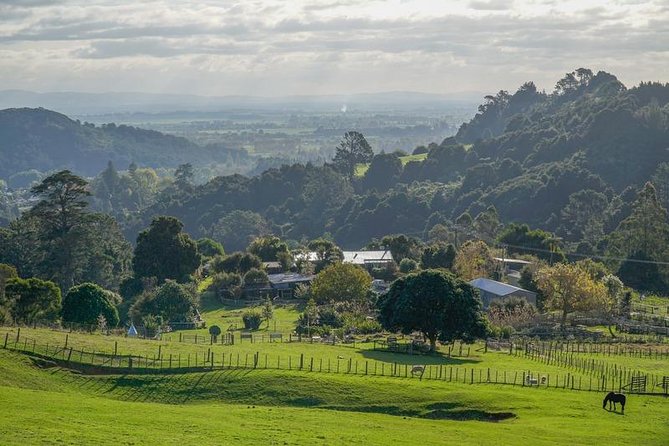
Bullswool Heritage Farm sits in the Southern Coromandel, only minutes from Karangahake Gorge and about 15 minutes from the Waihi area. That makes it an easy stop when you are driving between Auckland and Tauranga, or when you are building a day around the gorge, Waihi, and the old gold-mining country.
This is not simply a petting farm with a few animals in a paddock. The property combines a working farm, rural museums, children’s play spaces, walking tracks, conservation work, and a native bird reserve. You get a better sense of old New Zealand farming here because the displays connect directly with the land around you.
The setting does much of the work. The farm occupies mature native bush and green hill country, so you are not spending the whole visit on a flat, bare exhibition site. You move between paddocks, sheds, play areas, and bush tracks, with small discoveries along the way.
Allow at least two hours if you want to feed the animals and look through the museums. Three hours makes more sense if you have children, want to linger, or plan to stop for a picnic lunch.
More farm visits in North Island:
- Wool Sheep Farm Experience with Handmade Wool Hat in New Zealand
★ 5.0 · 9 reviews - Queenstown: Queenstown Lake Cruise and Walter Peak Farm Tour
★ 4.8 · 950 reviews - Dinner at Walter Peak High Country Farm and Cruise from Queenstown
★ 4.5 · 576 reviews
Meeting the animals at close range
The animals are the heart of Bullswool. You can hand-feed many of them, and the farm is known for friendly creatures ranging from smaller farm animals to larger ones. The close contact gives children a clear lesson in where food and wool come from, while adults get a pleasant reminder that farming is still a physical, hands-on way of life.
You should expect the animals to be eager at feeding time. That is part of the fun, but young children may need a little help and supervision around larger animals. Follow the farm’s instructions, keep food at a sensible height, and let children approach calmly rather than rushing into a paddock.
The rare breeds add interest. You are not seeing only the standard sheep and cows found on a typical farm visit. The experience gives you a chance to compare different animals and notice their size, shape, wool, and behaviour.
One review describes even the deer as an exception to the general friendliness, with a young deer acting less welcoming than the other animals. That is a useful reminder not to assume every animal will want contact. The farm setting is genuine, not a petting zoo where every creature behaves on command.
For many families, feeding the animals will take up most of the visit. It is also the part that makes the admission fee feel worthwhile. Children have something active to do, and adults are not left watching from behind a fence for the entire time.
The Sheepshed Museum and early farm life
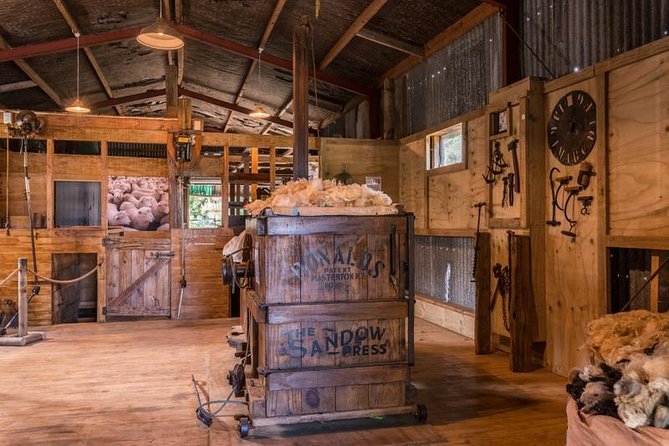
The Sheepshed Museum tells the story of New Zealand’s early farming pioneers through the buildings, equipment, and working setting of a traditional shearing operation. Sheep have played a major role in the country’s rural economy, so this is more than a collection of old tools.
The museum helps explain the work behind the wool industry. Shearing was demanding, seasonal labour, and the shed was once a central place in rural communities. You can look at the building and equipment with the surrounding farm still operating as a backdrop, which gives the display more meaning than a collection of objects in a city museum.
The early New Zealand milking shed offers another view of farm work. It shows how much effort went into daily milking before modern systems made the job faster and more mechanical. Children may not stay long in every display, but the sheds break up the animal encounters and give adults a more useful sense of rural history.
The museums are especially worthwhile if you want something beyond animal feeding. They also help on a damp or cooler day, although the overall visit still depends heavily on outdoor areas.
Working horses, kauri, and gold

Bullswool also has a Working Horses of New Zealand Stable Museum. Horses were once essential to transport, ploughing, hauling, and general farm work, and this display adds another practical layer to the story of rural life.
The Historic Kauri and Gold Museum connects the farm to the wider Coromandel region. Kauri timber and gold mining shaped communities across the North Island, and the nearby Karangahake Gorge is strongly linked with that gold-mining past. You do not need to be a history specialist to appreciate the connection. The displays give context to the roads, hills, and old industrial sites you may see during the rest of your trip.
I like the way these small museums broaden the visit. If you came mainly for the children and the animals, you can still pick up a sense of how New Zealand developed outside the major cities. If you are already planning to visit Karangahake Gorge, the farm adds a quieter rural counterpoint to the gorge’s mining remains.
Do not expect a large national museum with long interpretive galleries. These are compact, practical displays. Their value comes from the setting and the working character of the farm, not from a huge collection or elaborate presentation.
More History Tours in North Island:
- Auckland: All Blacks Experience Guided Cultural Tour
★ 4.7 · 453 reviews - All Blacks Experience: Interactive Guided Cultural Tour
★ 4.5 · 228 reviews - Olveston Historic Home Guided Tour
★ 5.0 · 205 reviews - Skippers Canyon 4WD Heritage half day Tour from Queenstown
★ 5.0 · 204 reviews
Walking tracks through bush and hill country
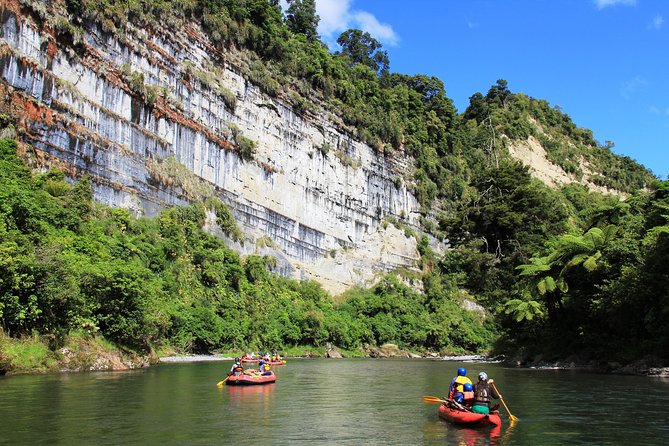
The farm’s walking tracks lead across a sizeable property of native bush and hill country. This gives you a chance to slow down after the lively animal areas and see a more natural side of the farm.
The tracks also make the visit feel less enclosed. You are not moving from one small pen to another in a tight circuit. Instead, you have room to wander and decide how much time to give each part of the property.
The ground is described as lush hill country, so you should be prepared for an outdoor walk rather than a fully flat, paved attraction. The supplied information does not specify track grades or surface conditions, so anyone with mobility concerns should check directly with Bullswool before booking.
Wear practical shoes and allow extra time if you want to explore at an easy pace. A farm visit can become tiring for small children once feeding, walking, and play all add up. The good news is that you can set your own rhythm.
The Karangahake Native Bird Reserve
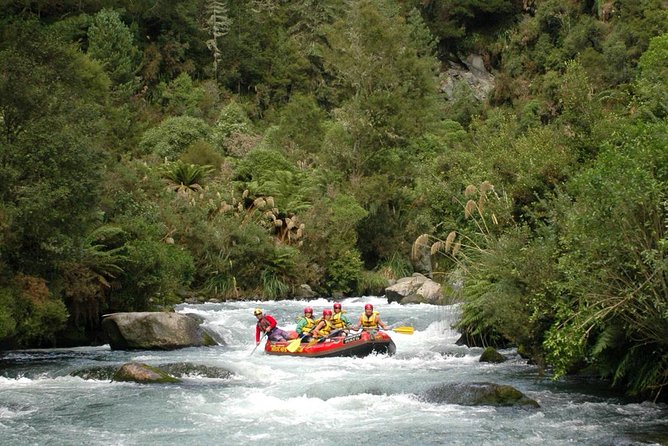
The award-winning Karangahake Native Bird Reserve adds a conservation element to the day. It gives the farm a purpose beyond entertainment and shows the value of protecting native wildlife alongside agricultural land.
The reserve is one of the more distinctive parts of the experience. Many farm attractions focus only on domestic animals, while Bullswool also gives space to New Zealand’s native birdlife. That combination suits anyone who wants a rural outing with a little more environmental meaning.
You should keep your expectations measured. The information provided does not list particular bird species or guarantee sightings, so do not book this as a dedicated birdwatching tour. Think of it as a conservation-focused section of a broader farm visit.
For children, it is a useful contrast. They can feed a sheep one minute, then learn that New Zealand’s native wildlife needs a different kind of care and protection. The change of pace keeps the day varied.
Play areas that give parents a break
Families get several children’s play areas, including wooden play equipment. A review from a family with children aged four and seven described spending hours feeding animals and using the play areas, with the equipment kept in good condition.
That detail matters. At a family attraction, play spaces are not a minor extra. They give children a way to burn off energy between the more structured parts of the visit, and they give parents a chance to sit down or watch without needing to lead every activity.
Another family described the farm as clean, tidy, and well looked after. That is important when children are climbing, running, and moving between paddocks. The farm’s appeal comes partly from its informal feel, but the grounds still need to be maintained, and the available information points to careful upkeep.
Bring food if you want to stay for a longer stretch. Families have used the farm for a picnic lunch, and a picnic can turn a quick stop into a half-day outing. The information does not give details about food outlets, so do not count on buying a full meal on site.
Why the $11.17 admission offers good value
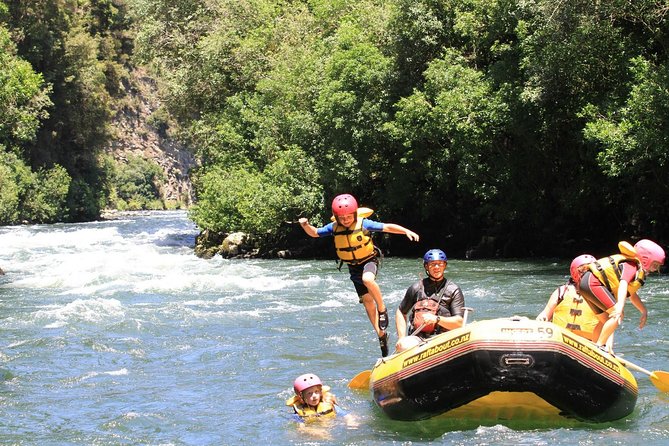
At $11.17 per person, the admission is modest for a visit that can fill two to three hours. The value is strongest if you use the whole property: feed the animals, walk the tracks, visit several displays, and give children time in the play areas.
You are paying for variety rather than a single headline attraction. A short animal encounter alone might not justify much of a drive, but Bullswool combines animals, museums, conservation, walking, and play. That mix makes it useful as a planned stop near Karangahake Gorge.
The flexible timing also helps. You are not locked into a brief presentation or a fixed departure. You can move at your own pace and stay only as long as the children remain happy or your road trip schedule allows.
The value is less convincing if you dislike animals, outdoor walking, or small rural museums. It is also not the right choice if you want a polished, highly scripted attraction with detailed interpretation at every stop. Bullswool works best because it feels personal and practical, not because it offers a large-scale production.
Opening hours, weather, and booking details
Bullswool Heritage Farm is open Tuesday through Sunday from 10 a.m. to 4 p.m. The listed operating period runs from October 12, 2019, through February 16, 2027, so check the current date and opening information when planning a future visit.
A mobile ticket makes entry simple, and confirmation is provided when you book. The experience is usually booked about 13 days ahead, which suggests that planning roughly two weeks in advance is sensible during busy holiday periods.
The farm requires good weather. If poor weather forces a cancellation, you are offered another date or a full refund. You can cancel for a full refund up to 24 hours before the start time, but changes or cancellations inside that 24-hour window are not accepted.
Service animals are allowed, and the experience is suitable for most people. Since the property includes outdoor tracks and hill country, contact the farm directly if you have specific mobility needs or require details about surfaces and access.
Who will enjoy Bullswool most
I would put families near the top of the list. Children have animals to feed, open areas to explore, museums to browse, and play equipment to use. The visit has enough variety to suit different attention spans.
Animal lovers will also get plenty from the farm, particularly if you enjoy seeing rare breeds and having direct contact with friendly animals. The experience is more satisfying than simply looking at animals from a distance.
It suits couples and solo visitors who enjoy rural history and quiet outdoor stops, too. You can take your time in the sheds, walk through the bush, and connect the farm with the wider story of Coromandel agriculture, kauri, and gold.
I would be less likely to recommend it to someone with only a few minutes to spare. The farm rewards an unhurried visit, and rushing from the entrance to the animals and back would miss much of its character.
Should you book Bullswool Heritage Farm?
Book it if you want an affordable, flexible farm visit with real contact, small museums, bush tracks, and family play spaces. The combination is unusual, and the price gives you room to stay for several hours without feeling that you must keep moving.
I would pair it with Karangahake Gorge or a Waihi-area drive, rather than making a long journey for the farm alone. Arrive early enough to enjoy the animals, allow time for the museums, and bring a picnic if you want to extend the day.
Skip it if bad weather is likely, if you need a fully indoor attraction, or if your interest is limited to major museums and formal guided tours. For everyone else, Bullswool offers a warm, hands-on look at New Zealand farm life, with enough history and conservation work to make the visit feel worthwhile.
FAQ
How much does general entry to Bullswool Heritage Farm cost?
General entry costs $11.17 per person.
How long should I allow for a visit?
Plan on approximately two to three hours. You can stay longer if you want to spend more time feeding animals, walking the tracks, using the play areas, or having a picnic lunch.
What days and times is Bullswool Heritage Farm open?
The farm is open Tuesday through Sunday from 10 a.m. to 4 p.m.
What can I see at Bullswool Heritage Farm?
You can see the Sheepshed Museum, early New Zealand milking shed display, Working Horses of New Zealand Stable Museum, Historic Kauri and Gold Museum, Karangahake Native Bird Reserve, farm animals, walking tracks, and children’s play areas.
Can I feed the animals?
Yes. Visitors can hand-feed many of the farm’s friendly animals, including rare-breed animals.
What happens if bad weather cancels the experience?
If the farm cancels because of poor weather, you will be offered a different date or a full refund. You can also cancel up to 24 hours before the start time for a full refund.
Newly listed around North Island
- Wool Sheep Farm Experience with Handmade Wool Hat in New Zealand★ 5.0 · 9 reviews
- Private tour to Cape Kidnappers Gannet Colony★ 5.0 · 10 reviews
- Cathedral Cove Dive & Snorkel- Marine Reserve specialised trips★ 5.0 · 11 reviews
- Leigh: Goat Island Clear Kayak Rental★ 4.0 · 16 reviews
- Fine Wine Tour in Napier, New Zealand★ 5.0 · 17 reviews
- Puketi Rainforest Guided Walks .This is not a Shore Excursion product .★ 5.0 · 20 reviews
- Explore the legacy of artist, ecologist, architect, visionary★ 4.5 · 23 reviews
- Rangitaiki River White Water Scenic Rafting from Rotorua★ 5.0 · 23 reviews
Historical Tours, compared.


All Blacks Experience: Interactive Guided Cultural Tour
Read our review →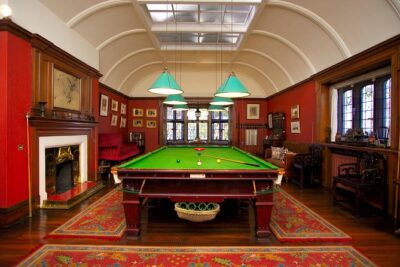
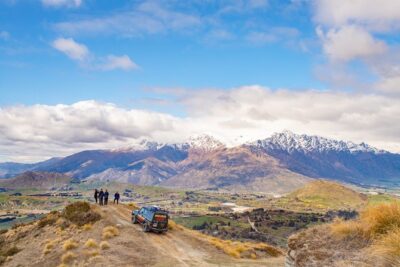
Skippers Canyon 4WD Heritage half day Tour from Queenstown
Read our review →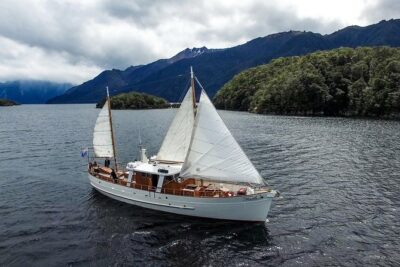
Scenic Cruise & Guided Walk on Historic Motor Yacht Lake Te Anau
Read our review →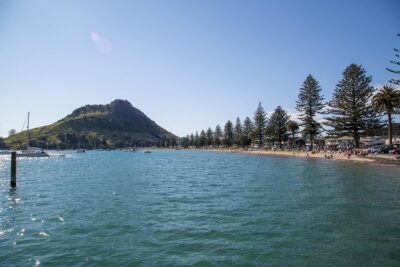
Tauranga Shore Excursion: History & Kiwifruit Tasting – 4 Hours
Read our review →
Skip the Line:WWI & WWII Combo Exhibitions at the Omaka Aviation Heritage Centre
Read our review →Scenic Cruise & Guided walk on Historic Motor Yacht Lake Te Anau
Read our review →Browse the lists this tour appears in