
Reviewed · SHORE EXCURSIONS
Puketi Rainforest Guided Walks .This is not a Shore Excursion product .
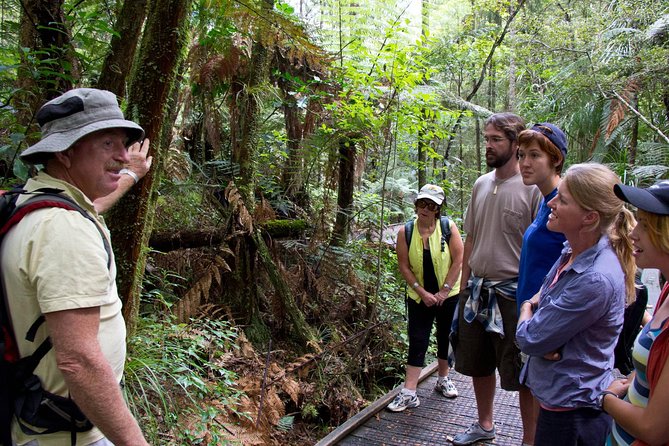
Puketi Rainforest is all about giant kauri trees, dripping subtropical forest, and the quiet pleasure of walking with someone who can explain what you are seeing. The small group, capped at six, gives the guide room to point out plants, birds, forest ecology, Maori stories, and colonial history without turning the walk into a hurried march.
I especially like the personal scale and the chance to see two of New Zealand’s largest kauri. I also like the choice of a half-day, full-day, or night walk, with tea included on the day options and lunch added to the longer outing. The main caution is simple: this is a real hike, with steep sections, and the price may feel high if you want only a short stroll through the trees.
Key things to know before you book
- The forest walk reaches two enormous kauri trees, with views into valleys filled with ancient trees.
- Groups are limited to six people, so you can ask questions and keep close to the guide.
- The half-day walk is moderately strenuous, while the full-day option requires a higher level of fitness.
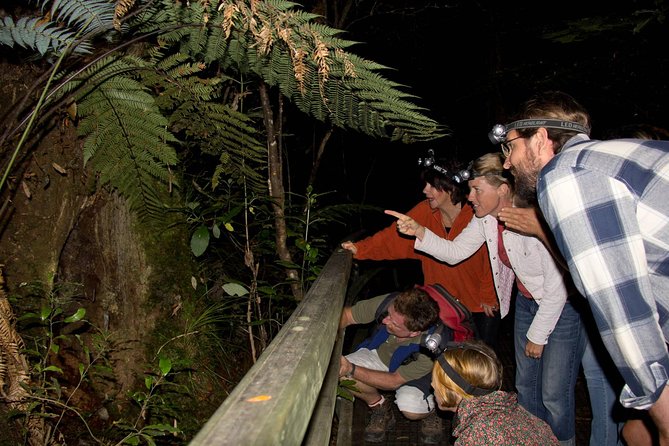
- Night walks offer a different forest, with headlamps, bats, nighttime bird calls, and a possible kiwi sighting.
- Tea is included on the day walks, and the full-day option also includes lunch.
- You meet in Okaihau and return to the same point, with no hotel pickup or drop-off.
Walking beneath Puketi’s giant kauri
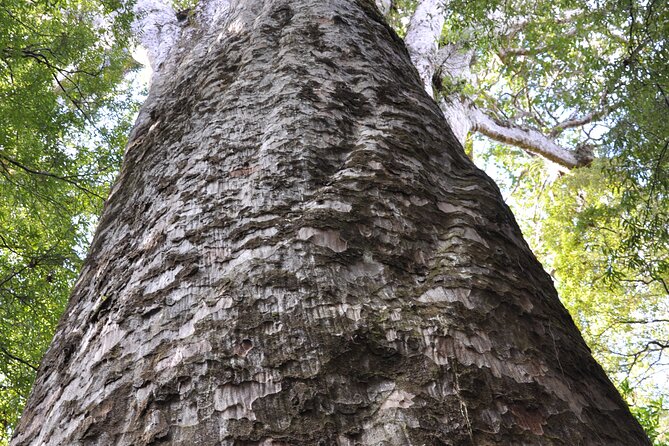
Puketi Rainforest gives you a close look at one of North Island’s most important native forests. The main draw is the kauri, a huge tree found only on New Zealand’s North Island. These trees can feel almost out of scale with the rest of the forest, their trunks rising above the boardwalk and their crowns disappearing into the canopy.
You walk on marked paths and sections of boardwalk beneath the trees. The route also includes some steep ups and downs, so this is not a flat nature path suited to every level of fitness. I would think of the half-day walk as a proper outing for a fit walker, not a casual stop between other activities.
The forest contains about 370 recorded plant species. That number matters because the walk is not simply a parade of giant trees. Your guide can help you notice the smaller plants, the changes between young and mature forest, and the way the whole system fits together.
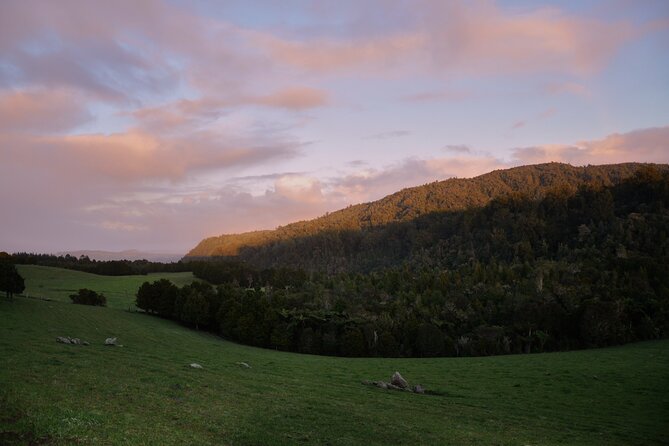
Two of the largest kauri in New Zealand are special stops along the route. You also get views across valleys filled with ancient trees. These are the moments that give the walk a sense of scale, since it is easy to focus on the path and miss how large the forest really is.
More Shore Excursions in North Island:
- Tauranga Shore Excursion: Rotorua Highlights
★ 4.5 · 427 reviews - Bay of Islands Glow Worm Caves & Scenic Shore Excursion
★ 4.5 · 317 reviews - 6.5 hour Small-Group Rotorua Naturally Shore Excursion – Tauranga
★ 4.5 · 283 reviews
A guide-led walk with room for questions
A small group can change the feel of a forest walk. With no more than six people, you are less likely to be stuck at the back of a crowd or listening to a speech meant for a busload of people. You can stop when the guide spots a bird, ask about a plant, or take a moment to look up at the canopy.
Ian is named as one of the guides, and his strong interest in environmental protection comes through in the way he explains the forest. If Ian leads your walk, you can expect plenty of attention to conservation and the lives of the plants and animals around you. Other local guides may lead the experience, but the format remains personal and guide-focused.
The best part of this style of walking is the interpretation. You learn native names for trees, how the forest changes as trees age, and how conservation work helps protect native species. You also hear Maori legends and stories connected with European colonial history, giving the forest a human story as well as a natural one.
A useful caution: some guests have found the morning walk more focused on things they would have expected to see after dark. That is a reminder to choose the right departure for your interests. If you want nocturnal wildlife, book the night option rather than assuming a daytime walk will cover the same subjects.
Waterfalls, the Puketi River, and forest sounds
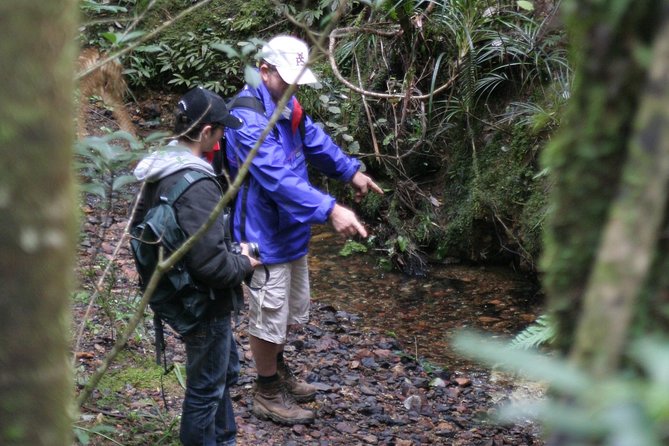
The route follows the Puketi River and passes cascading waterfalls. Their flow will vary with weather, but the combination of moving water, tall trees, and subtropical growth gives this part of the outing variety.
A rainy day is not necessarily a bad day here. Heavy rain can make the forest feel even more alive, with fuller waterfalls and wet leaves catching the light. Ponchos have been provided on at least one rainy outing, but I would still bring suitable waterproof clothing rather than depend entirely on borrowed gear.
The walk is also a good chance to slow down and listen. Your guide may point out rare endemic birds, including the reintroduced kokako. Bird sightings cannot be promised, and the forest is not a wildlife park, but a small group and a quiet pace give you a better chance to notice calls and movement.
You may also learn about conservation as you walk. The forest is protected, and the tour explains how plant communities develop from young trees to mature and established forest. That context makes the route more meaningful than simply stopping at the biggest tree and heading back.
Choosing the three-hour and six-hour walks
The half-day option lasts about three hours and includes morning or afternoon tea, depending on the departure. It is the sensible choice if you want a focused introduction to Puketi or need to fit the forest around other Bay of Islands plans.
The path still includes steep sections, so do not confuse shorter with easy. You need a medium level of fitness, good walking shoes, and enough energy for uneven ground and changes in elevation. If you are comfortable with a moderately strenuous hike, this option should give you a solid taste of the forest without taking most of your day.
The full-day walk lasts about six hours and adds lunch. It requires a higher level of fitness and gives you more time to explore the forest, hear stories, and stop for details that a shorter route might pass. The extra time is valuable if plants, ecology, and birdlife interest you more than simply seeing a kauri and taking a few photographs.
The supplied information also describes the experience as lasting approximately three to four hours, while the longer option is listed at six hours and one itinerary entry says five hours. For planning, use the selected option as your guide and confirm the exact duration and departure when booking. The full-day outing is the one that clearly includes lunch.
A few more North Island days to compare
- Hobbiton Movie Set: Guided Tour Ticket
★ 4.9 · 8,167 reviews - Hobbiton & Waitomo Caves Guided Day Trip from Auckland incl lunch
★ 5.0 · 2,677 reviews - Te Anau: Glowworm Caves Guided Tour
★ 4.6 · 2,611 reviews - Rotorua: Hell’s Gate Outdoor Mud Spa & Guided Walk
★ 4.7 · 1,140 reviews
What changes after dark
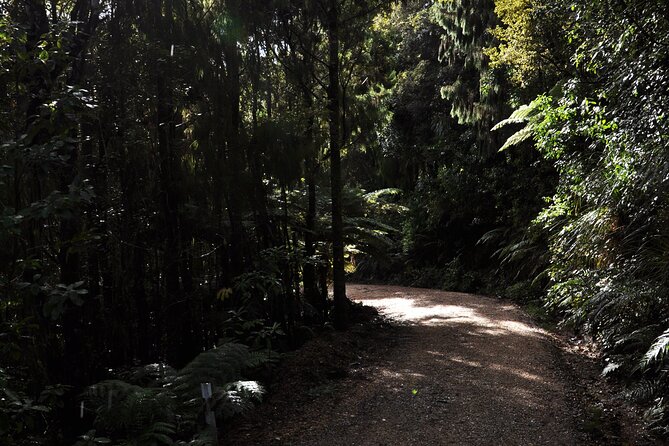
The night walk offers the most unusual version of Puketi. You use a provided headlamp and move through the forest after sunset, when the sounds and activity change.
Bats may fly overhead and feed on insects. You may hear bird calls after dusk, and you can keep watch for the kiwi, New Zealand’s famous nocturnal bird. A kiwi sighting is never guaranteed, but the possibility gives the night walk a clear purpose beyond simply repeating the daytime route in darkness.
This option suits you if you enjoy listening, waiting, and accepting that wildlife may remain unseen. It is less suitable if you mainly want broad views of the kauri or clear photographs, since darkness changes what you can see.
Night departure times vary, so confirm the start time before you make other plans. A headlamp is supplied, but you should still wear sturdy walking shoes and bring clothing suited to the conditions.
Tea, lunch, and what to carry
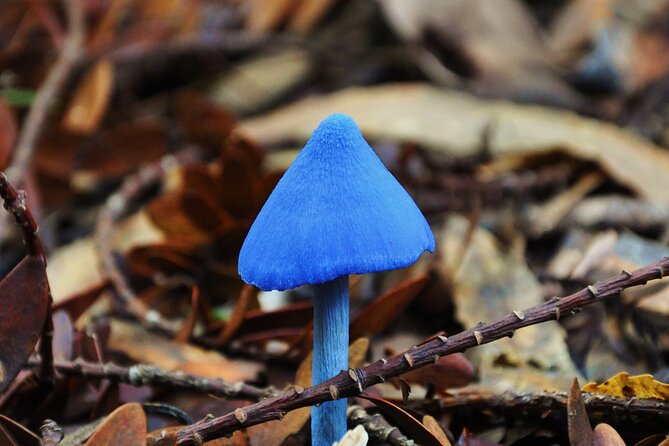
Morning tea or afternoon tea is included with the day walks. The full-day option also includes lunch, while bottled water is listed among the inclusions. Food arrangements depend on the option you choose, so check that your selected walk includes the meal you expect.
Tell the operator about dietary requirements when booking the full-day option. Food and drinks are not included beyond the stated provisions, so do not assume that every departure includes the same refreshments.
Bring:
- Good walking shoes
- Sunscreen
- A hat
- A small day pack
- Clothing suited to changing weather
- Extra water if you prefer to carry your own supply
The forest can be wet, and rain may make the path more demanding. A light waterproof layer is a sensible addition. The operator has provided ponchos during wet conditions, but your own rain gear gives you more control over comfort.
The minimum age is five. That does not mean every five-year-old will enjoy the walk, since the route has steep sections and the full-day option needs stronger fitness. Use the half-day duration and the child’s hiking ability as your guide.
Is the $83.78 price fair?
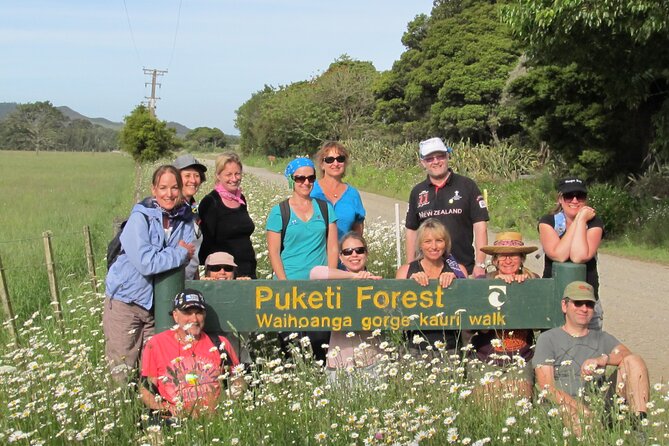
At $83.78 per person, this is not a bargain forest stroll. One fair criticism is that you are paying a substantial amount for a walk in a forest, rather than for transport, a major attraction, or a large number of included services.
The value depends on what you want from the outing. If you only need a path among trees, you may find the price hard to justify. Puketi itself is free to enter on the itinerary, and the paid element is the guide, the small group, the interpretation, refreshments on the day tours, and the structure of the experience.
I think the price makes more sense if you care about native plants, forest ecology, Maori stories, conservation, and the chance to ask questions. A guide can help you understand why one tree matters, what makes the kokako significant, and how the forest has changed over time. Without that context, the walk could feel like a pleasant but expensive hike.
The full-day option has stronger value if lunch is useful and you genuinely want several hours in the forest. The night walk also offers a different experience, rather than simply extending the daytime route. Compare the option carefully before paying, since the length and food inclusions affect the overall value.
Getting to Okaihau and planning your day
The meeting point is 476 Puketi Road, Okaihau 0475, New Zealand. You make your own way there, since hotel pickup and drop-off are not included. The activity ends back at the same meeting point.
That arrangement works best if you have your own transport or are already organizing a route through the Bay of Islands. Allow enough time to reach Okaihau and arrive ready to walk. The experience is not designed as a cruise shore excursion, so you should not treat it as a guaranteed fit with a ship schedule or expect port transfers.
A drive to the rainforest can be part of the pleasure, with attractive Bay of Islands scenery along the way, but the tour price does not cover that transportation. If you are building a full day around the outing, leave room for the walk’s actual duration, refreshments, and the return to the meeting point.
Free cancellation is available up to 24 hours before the start time. Changes or cancellations inside that window are not accepted for a refund. The tour also needs a minimum number of participants, so if the operator cancels for that reason, you are offered another date or experience, or a full refund.
Who will enjoy this walk most?
I would recommend the half-day walk to fit hikers who want a close look at kauri and native forest without giving up the rest of the day. It also suits visitors who prefer a small, quiet group and want a guide who can explain what is around them.
The full-day version is best for stronger walkers who enjoy a slower, more detailed outing. You should choose it for the extra time in the forest, not just because lunch is included. The longer route will ask more of your legs.
The night walk is the most distinctive choice for people interested in wildlife after dark. It suits you if you are patient and happy to listen for birds or watch for bats and kiwi rather than expect constant action.
I would hesitate to recommend this to anyone seeking an easy, accessible stroll, a raised viewing platform among the trees, or a tour with included transportation. The forest walk is exactly that: a guided hike on marked paths, with steep sections and a strong focus on nature.
Should you book Puketi Rainforest Guided Walks?
Book it if you want meaningful time in a protected kauri forest, prefer a group of six or fewer, and are willing to pay for an informed local guide rather than just access to a trail. The most praised parts are the guides, especially Ian, the forest knowledge, the giant kauri, and the friendly way the walk is handled even in poor weather.
Choose the half-day option for a balanced introduction. Choose the full-day walk if you are fit and want time for ecology, stories, waterfalls, and lunch. Pick the night walk if bats, nighttime calls, and a possible kiwi sighting matter more to you than daytime views.
Skip it if the price feels too high for a forest hike or if you need a flat, low-effort walk. Puketi is impressive, but the value comes from the guide and the depth of the experience, not from a large attraction or elaborate facilities.
FAQ
Where does the Puketi Rainforest walk start?
The walk starts at 476 Puketi Road, Ōkaihau 0475, New Zealand.
Where does the activity end?
The activity ends back at the meeting point.
Is hotel pickup included?
No. Hotel pickup and drop-off are not included, so you need to make your own way to the meeting point.
How long does the walk last?
The available options include a half-day walk of about three hours, a full-day walk of about six hours, and a nighttime walk. Exact times can vary, so confirm the selected option when booking.
How many people are in each group?
The group is limited to a maximum of six people.
What level of fitness do I need?
The half-day walk requires a medium level of fitness. The full-day walk requires a higher level of fitness because the route includes steep sections and is moderately strenuous.
What food is included?
Morning or afternoon tea is included with the day tour options. Lunch is included with the full-day option. Bottled water is also listed as included.
Is a headlamp provided for the night walk?
Yes. A headlamp is provided for the nighttime walk.
Can children join the walk?
Yes. The minimum age is five years, though the steep sections and fitness requirements should be considered when deciding which option suits a child.
Newly listed around North Island
- Bullswool Heritage Farm General Entry Ticket★ 5.0 · 6 reviews
- Wool Sheep Farm Experience with Handmade Wool Hat in New Zealand★ 5.0 · 9 reviews
- Private tour to Cape Kidnappers Gannet Colony★ 5.0 · 10 reviews
- Cathedral Cove Dive & Snorkel- Marine Reserve specialised trips★ 5.0 · 11 reviews
- Leigh: Goat Island Clear Kayak Rental★ 4.0 · 16 reviews
- Fine Wine Tour in Napier, New Zealand★ 5.0 · 17 reviews
- Explore the legacy of artist, ecologist, architect, visionary★ 4.5 · 23 reviews
- Rangitaiki River White Water Scenic Rafting from Rotorua★ 5.0 · 23 reviews
Shore Excursions, compared.

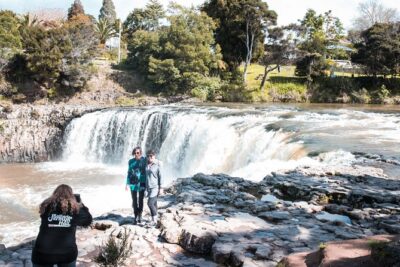
Bay of Islands Glow Worm Caves & Scenic Shore Excursion
Read our review →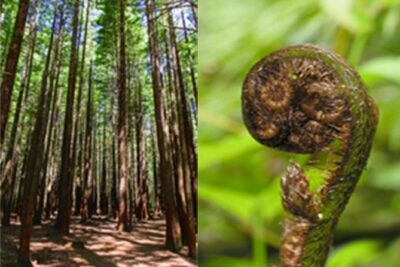
6.5 hour Small-Group Rotorua Naturally Shore Excursion – Tauranga
Read our review →
Dunedin Shore Excursion: Small-Group Tour of Dunedin and the Otago Peninsula
Read our review →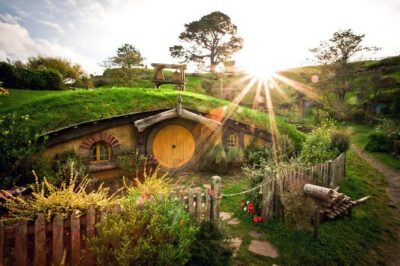
Hobbiton Movie Set Shore Excursion from Tauranga (6 Hours)
Read our review →
Akaroa Shore Excursion: Banks Peninsula and Christchurch City Sights Tour
Read our review →
Lyttelton Shore Excursion: Christchurch City Sights
Read our review →
Shore Excursion: V8 Trike, Peninsula and City Tour
Read our review →Browse the lists this tour appears in