
Reviewed · MOUNT COOK & LAKE TEKAPO TOURS
Tekapo Star Gazing Tour – Soak in the Stars
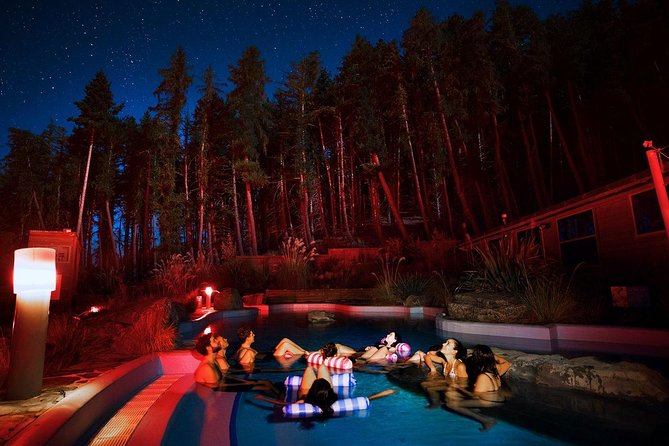
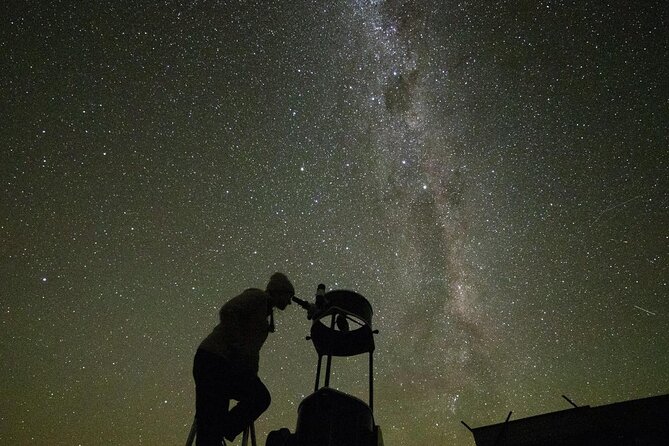
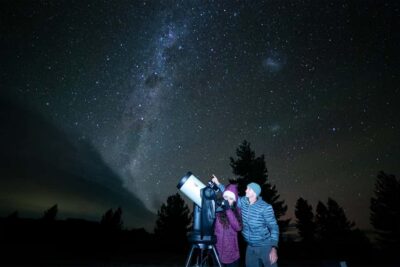
The best part of this Tekapo evening is the odd but appealing combination: a guided tour of the southern sky, followed by a soak in warm water while the stars continue overhead. At Tekapo Springs, you can learn the stories behind celestial objects, then use a floating hammock so you are not craning your neck like a confused owl.
I like the weather backup and the quieter evening access to the hot pools. If clouds roll in, the indoor presentation uses a high-definition projector, full-color satellite images, and interactive material. The catch is simple: poor weather can turn a stargazing tour into a screen-based astronomy session, and some people will not feel the $117.29 price is fair for that version.
Key points before you book
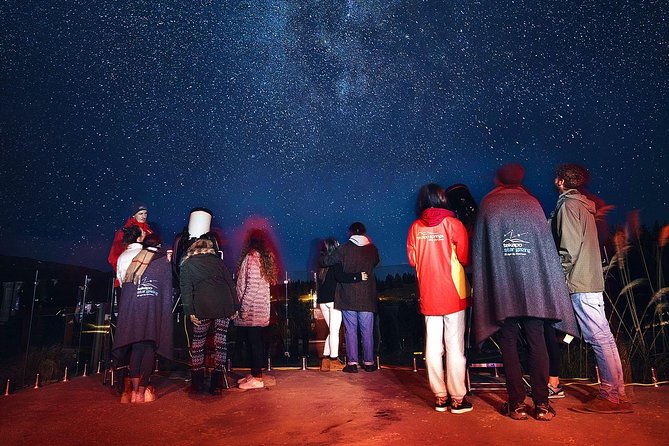
- Southern Hemisphere stars: The guide explains constellations and sky traditions that are unfamiliar to many visitors from the Northern Hemisphere.
- Hot pools after dark: Your group has evening access to Tekapo Springs, with no more than 32 people booked for the tour.
- Floating hammock included: You can watch the sky while floating, which is far kinder to your neck than standing outside for 90 minutes.
- Indoor plan for cloudy nights: The projector session covers the Aoraki Mackenzie International Dark Sky Reserve and uses satellite imagery from deep space.
- Cold-weather planning matters: A warm wool blanket is provided, but Tekapo’s alpine air can be very cold.
- Ninety minutes, two settings: The experience combines guided astronomy with pool time, rather than offering a long, technical astronomy lecture.
Why this Tekapo night feels different
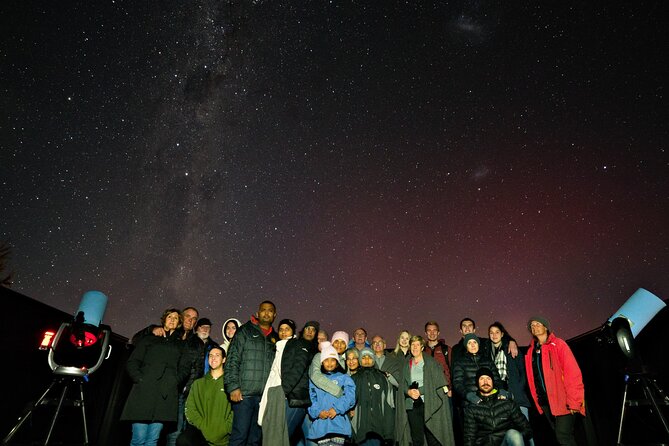
Lake Tekapo is part of the Aoraki Mackenzie International Dark Sky Reserve, so the setting gives this tour a real purpose. You are not simply being taken to a hot pool with a few stars overhead. The activity uses the region’s low-light conditions as the starting point, then adds interpretation about constellations, mythology, and Māori understanding of the night sky.
That mix suits me because astronomy is easier to appreciate when someone helps you find your bearings. The Southern Hemisphere has stars and constellations that many visitors have never seen before, and a guide can point out what your own eyes would likely miss.
The experience is also more relaxed than a standard outdoor stargazing session. You begin with the sky, then move into the warm pools, where the floating hammock lets you look upward without standing in the cold. Depending on the conditions, you may see a striking night sky, a partial display through cloud, or no visible stars at all.
That last possibility is important. The tour goes ahead if some or none of the sky is visible, using the indoor program when necessary. A full cancellation is reserved for serious conditions such as snow, extreme ice, or lightning storms. If seeing the Milky Way is your main reason for booking, choose your date with care and accept that nature gets the final word.
A few more Mount Cook & Lake Tekapo days to compare
- Lake Tekapo: Alpine Stargazing Experience with a Guide
★ 4.5 · 626 reviews - Lake Tekapo: Stargazing Experience
★ 4.9 · 607 reviews - Mount Cook: Scenic Helicopter Flight with Alpine Landing
★ 4.8 · 442 reviews
Starting at Tekapo Springs
The meeting point is Tekapo Springs at 300 Lakeside Drive, beside Lake Tekapo. The activity lasts about 1 hour and 30 minutes and ends back at the same location.
Pickup and drop-off from Lake Tekapo Township can be arranged, but only upon request and subject to availability. Do not assume it comes automatically with your booking. If you are staying in town, ask about this before the evening begins.
The group can include up to 32 people. That is not a private outing, but it is small enough for a guide to address the group directly. The size also matters once you reach the pools. You are using the facilities as an exclusive evening group rather than wandering into a normal daytime crowd.
Bring proper cold-weather clothing. Tekapo’s night air can be sharply cold, even when the afternoon felt mild. A wool blanket is supplied for the outdoor astronomy portion, but it is extra help, not a substitute for warm layers, closed shoes, and a jacket.
Swimwear, robes, and towels are available to borrow, but they are not included in the tour price as supplied items. Food and non-alcoholic drinks are not included either, though some hot drinks are provided during the experience. Alcohol cannot be brought onto the premises.
Finding southern constellations with a guide
The guided portion focuses on the meaning attached to celestial objects across different cultures. This gives the session more character than a simple list of star names. You learn not only what you are looking at, but also how people have interpreted the night sky.
The Māori understanding of the heavens is part of the indoor material, and the tour also discusses myths and legends from other cultures. That cultural angle is useful because it turns the sky into a set of stories and symbols, not just a collection of distant lights.
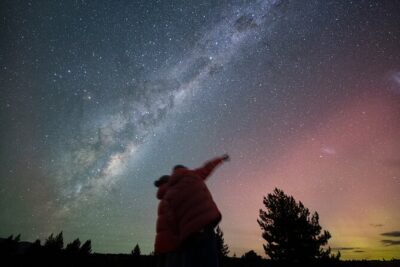
You should expect the amount of visible astronomy to depend heavily on the night. On a clear evening, the guide can point out stars and constellations directly. One strong account of the experience described seeing the Milky Way after clouds cleared, which is the kind of lucky turn that can transform the evening.
The moon can also affect what you see. A bright moon may wash out fainter stars, even when the sky is technically clear. The guide can still explain what is visible, but you should not expect every night to deliver the same spectacle.
This is a guided introduction rather than an advanced observatory session. If you already know the southern constellations well, you may find the presentation basic. If you are new to the Southern Hemisphere sky, the help is more valuable because it tells you where to look and gives meaning to the patterns.
The indoor projector is more than a consolation prize
Clouds are the biggest risk with any stargazing activity. Here, the fallback program uses a high-definition projector, full-color satellite images, interactive elements, and views of deep space. It also explains why the Aoraki Mackenzie reserve matters and connects the subject with local Māori knowledge.
This backup protects the value of the booking to a point. You still receive an educational astronomy session rather than simply being sent home. For some people, the virtual material will be a welcome addition, especially if they want a clearer look at objects that cannot be seen easily with the naked eye.
Still, do not treat the indoor option as equal to a clear night outdoors. That distinction matters. Some people have found the projector or virtual reality material disappointing when they expected actual stars, and equipment does not always create the same sense of place as standing beneath the real sky.
My advice is to book this as a combined astronomy and hot pool experience, not as a guaranteed Milky Way viewing. That mindset gives you a fairer deal on a cloudy evening. The pools remain part of the program regardless of visibility, while the indoor session gives you useful context.
Somewhere else in Mount Cook & Lake Tekapo entirely:
- Mt Cook Small Group Scenic Day Tour from Queenstown
★ 5.0 · 407 reviews - Tekapo Shuttle: Mt Cook Day Tour via Pukaki & Tasman Lake
★ 4.8 · 307 reviews - Mount Cook: Ski Plane and Helicopter Glacier Combo Flight
★ 4.6 · 271 reviews - Mount Cook: 3 Hour Heli Hike to the Tasman Glacier
★ 4.7 · 218 reviews
Warm pools, music, and a floating hammock
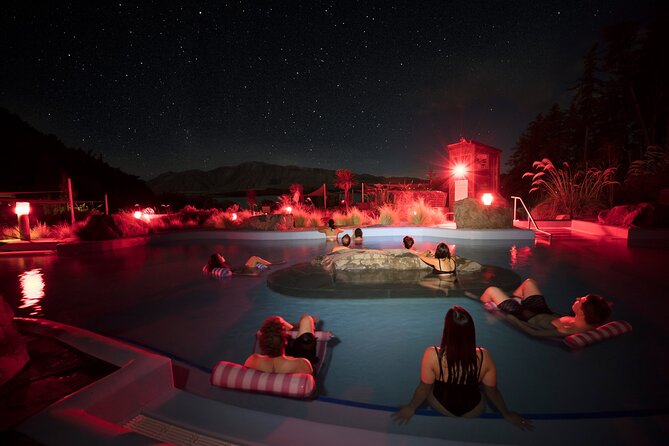
The second half takes place in the hot pools at Tekapo Springs. Evening access should feel calmer than the daytime pool experience, and the tour gives your group exclusive use of the hot pools at night.
The floating hammock is the clever feature here. Instead of standing at the edge with your head tilted back, you can lie in the water and look upward. It turns stargazing into a slow, comfortable activity, though clouds or a bright moon may still limit what you can see.
Relaxing music adds to the mood, and the pools provide showers and other useful facilities. Some hot drinks are supplied, which is welcome after time outdoors in the cold. You do not need to choose between comfort and astronomy, since the experience intentionally joins the two.
The pools also make the tour worthwhile when the sky fails. You may not get the view you hoped for, but you still receive warm water, evening access, and a more unusual setting than a regular pool visit. This is where the tour’s design works best: astronomy is the main draw, but the hot pools provide a dependable second act.
Keep your expectations measured. This is not a silent private soak for two people. A maximum of 32 people can join, so the atmosphere depends on the group. The evening setting should reduce the daytime rush, but you are still sharing the experience.
How much value do you get for $117.29?

At $117.29 per person, this is not a cheap way to look at stars. You can step outside around Lake Tekapo and see the sky without paying an admission fee. That comparison is fair, particularly on a clear night when you are comfortable identifying constellations on your own.
The price pays for more than access to darkness. It includes a professional guide, the educational presentation, evening hot pool use, a floating hammock, a warm blanket, and some hot drinks. The group is capped at 32, and the pools are reserved for the tour at night.
I see the value most clearly if you want a planned evening with several parts. You do not need to work out where to go, how to read the sky, or how to warm up afterward. The guide adds context, and the pools make the experience comfortable.
The value is weaker if you are booking only for a clear-sky photograph or a guaranteed Milky Way view. Weather, cloud, moonlight, and visibility are outside the operator’s control. If the sky is fully blocked, the indoor presentation may not feel like enough for the price.
There is also a difference between a clear night and a merely passable one. A guide can explain stars through broken cloud, but that is not the same as seeing the full sky. Check the cancellation terms before booking: you can cancel for a full refund up to 24 hours before the start time, but changes or cancellations inside that window are not refunded.
Who will enjoy this most
I would recommend the tour to couples, families with older children, and first-time visitors to New Zealand’s southern skies. The minimum age is 10, so it is not designed for very young children. Anyone who likes a calm evening with a little learning and a lot of warm water should fit the format well.
It also suits people who do not want to spend a long night outdoors. The blanket helps, but the pool portion means you are not committed to cold-weather stargazing from beginning to end.
The activity is a good choice for anyone curious about Māori sky traditions and southern constellations. You do not need prior astronomy knowledge. The guide’s job is to make the sky easier to read and to explain the stories connected with it.
I would be more cautious if you are an experienced amateur astronomer. The group format, weather backup, and introductory approach may feel limited. You might prefer to explore independently, especially if you already know the main southern constellations.
It may also disappoint if you dislike planned group activities or expect a private hot pool. The maximum group size is 32, and the evening follows a set structure. The upside is that the structure removes guesswork and keeps the night moving.
Practical details that affect your evening
The mobile ticket makes entry simple, and confirmation is sent at booking. Most people can participate, but you should dress for alpine night conditions rather than for the daytime temperature.
Bring your own swimwear if you have it, even though swimwear, robes, and towels may be available to borrow. A change of clothes will make the transition between the outdoor section and the pool easier, though the supplied information does not specify changing-room arrangements beyond showers and amenities.
Do not bring alcohol. It is not allowed on the premises. Food is not included, so eat beforehand if you need a full meal, and treat the supplied hot drinks as a small comfort rather than dinner.
The tour requires a minimum number of participants. If the operator cancels because that minimum is not reached, you are offered another date or experience, or a full refund. Poor weather cancellations caused by severe conditions also come with the choice of another date or a full refund.
For ordinary cloud, the tour generally continues with the indoor astronomy program and the hot pools. This is why the weather policy matters so much. You are not buying a promise of clear stars. You are buying an evening designed to work in more than one condition.
Should you book the Tekapo Star Gazing Tour?
Book it if you want guided southern-sky stories and a warm pool soak in one evening. The combination is unusual, the floating hammock is a smart touch, and the indoor program gives the night some purpose when clouds take over.
Skip it if you are paying mainly for guaranteed starlight or if $117.29 feels too high for a group activity with a weather-dependent centerpiece. On a cloudy night, the virtual presentation may not meet your expectations, even though the pools still go ahead.
My practical call: book on a night with a promising forecast, but keep your plans flexible. Arrive warmly dressed, ask about township pickup if you need it, and think of the experience as astronomy, culture, and hot pools rather than a guaranteed celestial show.
FAQ
Where does the Tekapo Star Gazing Tour start?
It starts at Tekapo Springs, 300 Lakeside Drive, Lake Tekapo 7945, New Zealand.
Where does the activity finish?
The activity finishes back at Tekapo Springs, the same place where it begins.
How long does the tour last?
The tour lasts approximately 1 hour and 30 minutes.
How much does the experience cost?
The listed price is $117.29 per person.
What happens if the weather is cloudy?
An indoor astronomy session takes place using a high-definition projector, full-color satellite images, interactive material, and information about the Aoraki Mackenzie International Dark Sky Reserve and Māori understanding of the night sky.
Does the tour still include the hot pools if the stars cannot be seen?
Yes. The hot pool portion goes ahead regardless of whether some or none of the night sky is visible.
What happens if severe weather cancels the tour?
For snow, extreme ice, lightning storms, or similar severe conditions, you are offered an alternative date or a full refund.
Is there a minimum age?
Yes. The minimum age to join the tour is 10 years old.
Are towels, robes, and swimwear included?
They are not included as supplied tour items, but swimwear, robes, and towels are available to borrow.
Can I cancel for a full refund?
Yes. You can cancel at least 24 hours before the experience start time for a full refund. Cancellations or changes made less than 24 hours before the start time are not refunded or accepted.
Newly listed around Mount Cook & Lake Tekapo
- Mount Cook: 20-Minute Alpine Vista Helicopter Flight★ 4.2 · 5 reviews
- Lake Tekapo to Mt Cook One-Way Small Group Tour★ 4.0 · 5 reviews
- Mount Cook: Alpine Explorer 35 Minute Flight★ 4.9 · 6 reviews
- Mount Cook: Tasman Glacier and West Coast Helicopter Flight★ 5.0 · 6 reviews
- Mount Cook Scenic 35 Minute Helicopter Flight★ 5.0 · 6 reviews
- Mt Cook: 55-Minute Scenic Flight in Helicopter or Ski Plane★ 4.1 · 6 reviews
- Mount Cook: Glentanner High Country Heli Hike★ 5.0 · 7 reviews
- Mount Cook: Tasman Glacier Helicopter Flight★ 4.3 · 7 reviews
Mount Cook & Lake Tekapo Tours, compared.
Mt Cook Small Group Scenic Day Tour from Queenstown
Read our review →
Tekapo Shuttle: Mt Cook Day Tour via Pukaki & Tasman Lake
Read our review →
Browse the lists this tour appears in