
Reviewed · STEWART ISLAND TOURS
Stewart Island: Wild Kiwi Experiences
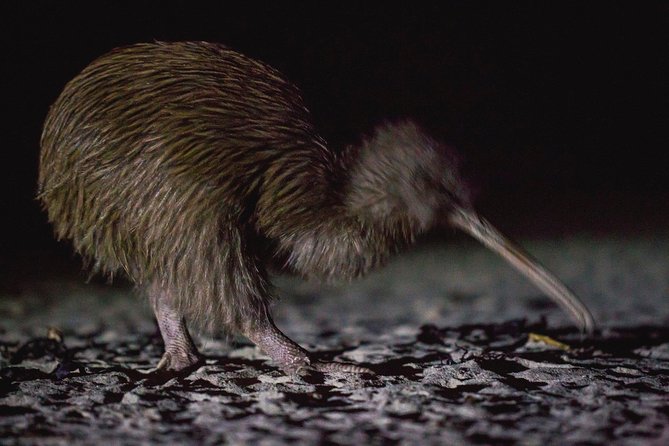
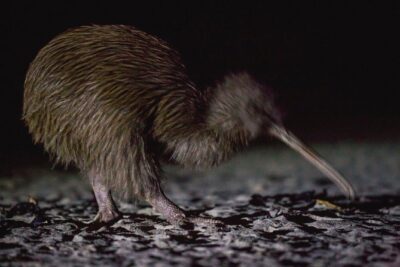
Seeing a tokoeka kiwi stepping through the forest or pecking along the beach is the heart of this Stewart Island evening. I like that the experience gives you two very different wildlife windows: a pre-sunset boat trip for seabirds and marine animals, followed by a quiet, torchlit forest walk. I also like the careful guiding, especially the way staff position the group so everyone gets a fair look.
The main catch is simple: kiwis are wild, so there is no guarantee. You may spend the walk following tracks, hearing calls, or searching without a sighting. The return is late, the boat ride depends on weather, and the muddy track calls for sturdy shoes and warm waterproof clothing.
Key points to know before you book
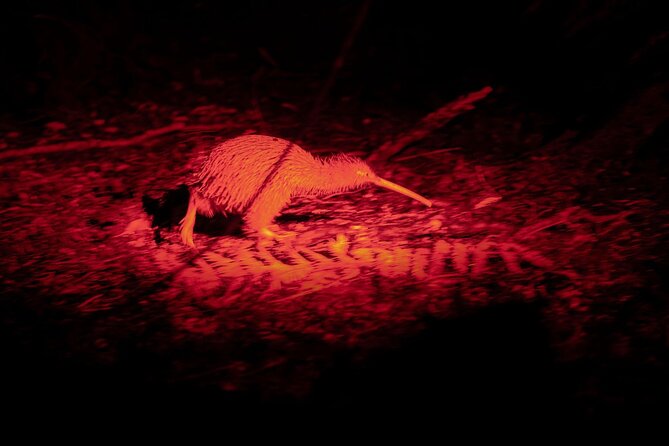
- Wild tokoeka in its own habitat: Search for southern brown kiwi at Little Glory Cove or Oneke rather than viewing birds in an enclosure.
- Two-part wildlife outing: The evening combines a marine cruise with a guided night walk, making the kiwi search only part of the experience.
- Small group of up to 10: A limited group helps guides manage torchlight, noise, and viewing positions in the forest.
- Roughly two hours on foot: Expect uneven or muddy ground and the ability to walk independently for more than 1.5 kilometers.
- A late night in Oban: The boat returns late, so you need accommodation arranged on Stewart Island for that evening.
- Conservation-minded booking: If no kiwi appears, there is no refund, but $20 per person goes toward conservation work at Little Glory Cove.
Why this kiwi search feels different
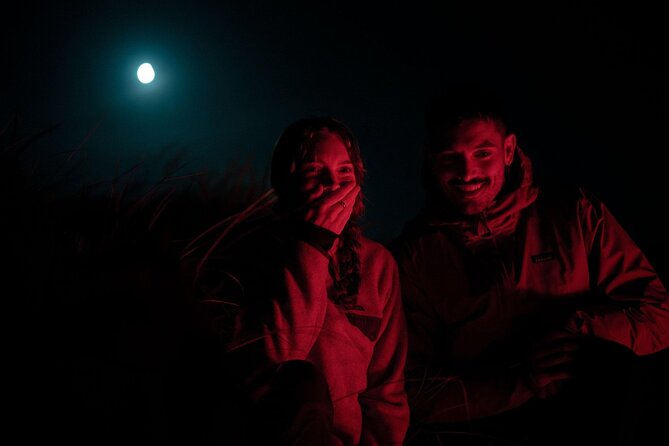
Many New Zealand kiwi experiences take place in controlled settings, where the bird is easier to find and the conditions are more predictable. This one asks you to slow down and search for a free-ranging animal in the dark. That uncertainty is not a flaw to hide. It is the central point.
The southern brown kiwi, called tokoeka, is nocturnal and often feeds quietly along the forest floor or shoreline. Your guide may spot movement before you do, notice tracks in the sand, or direct you toward a bird that you would walk past without seeing. The group uses torches carefully, and flash photography is not allowed.
That approach makes the experience feel less like a quick wildlife check and more like a lesson in watching. You learn to listen, keep still, and let the bird decide how close it wants to come. Some sightings last only a moment. Others can stretch to several minutes, with a kiwi calmly probing the ground a few feet away.
The guides also explain how to behave around the birds. This matters because a close encounter is only worthwhile if the kiwi remains undisturbed. The best sightings described during this experience came when people stayed quiet and allowed the bird to carry on feeding.
A few more New Zealand days to compare
- Stewart Island: Ulva Island Guided Wilderness Walk & Cruise
★ 4.5 · 165 reviews - Stewart Island: Village and Bays Tour
★ 4.8 · 141 reviews - Stewart Island: Village and Bays Tour
★ 5.0 · 100 reviews
The Oban departure and the ride toward the islands
You meet at the Visitor Terminal in central Oban, not at Bluff. Arrive 20 minutes before departure, with the activity starting about 1.5 hours before nightfall. The timing lets you see the coast and nearby islands before darkness takes over.
The cruise is not just a transfer to the walking site. It is a proper wildlife outing, with the skipper changing position so people on different parts of the boat get a chance to look. Binoculars may be handed out, and guides explain what you are seeing as the boat moves around the island waters.
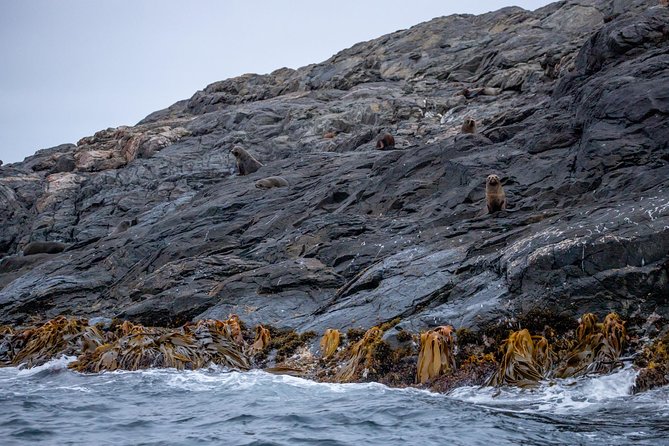
Keep watch for New Zealand fur seals, sea lions, little penguins, yellow-eyed penguins, Fiordland crested penguins, albatross, petrels, shags, and other seabirds. You may not see every species on every departure, but the range of sightings can be impressive. Several outings produced a particularly memorable mix of penguins, seals, sea lions, and albatross before the kiwi walk even began.
The boat section also gives you useful context about the coast, nearby islands, and local stories. I like this part because it helps you understand how remote the walking sites are. You are not simply being driven to a trailhead. You are reaching places that are difficult to visit independently in a short evening.
The drawback is exposure. A boat can feel cold once the sun drops, even if the afternoon was mild. Wear your warm layers from the start, and bring a windproof and waterproof jacket. The cruise is weather dependent, so rough conditions can affect the departure or route.
Little Glory Cove and the torchlit walk
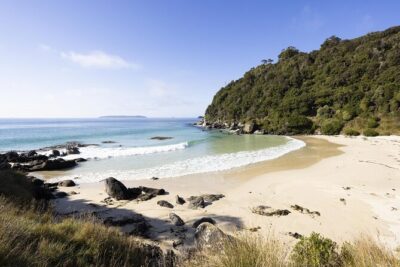
At Little Glory Cove, or at Oneke on the Wild Kiwi and Culture Encounter, the focus changes. The boat gives way to walking, and the group enters the forest with torches and a guide setting the pace.
Expect about two hours of walking in total. The track is not described as steep, but it can be uneven and muddy. You need to walk independently for more than 1.5 kilometers, and the experience is not suitable for wheelchair users or children under 15.
Good footwear is more important than fashionable footwear here. Hiking shoes or boots with dependable grip will serve you better than trainers. Rain gear is also practical, since a damp night can make the track less comfortable and muddy patches harder to avoid.
The walk can include forest and beach. The beach matters because it opens the sky above you as darkness settles. On a clear night, guides may point out constellations and the Southern Cross, and some departures have included a look through a thermal scope. The stars are a fine reward even when the kiwi stays hidden.
You should also carry insect repellent. The setting is natural and nocturnal, not a polished boardwalk with every comfort close at hand. That is part of its charm, but it means you should prepare as you would for a short wilderness walk.
How the kiwi encounter works
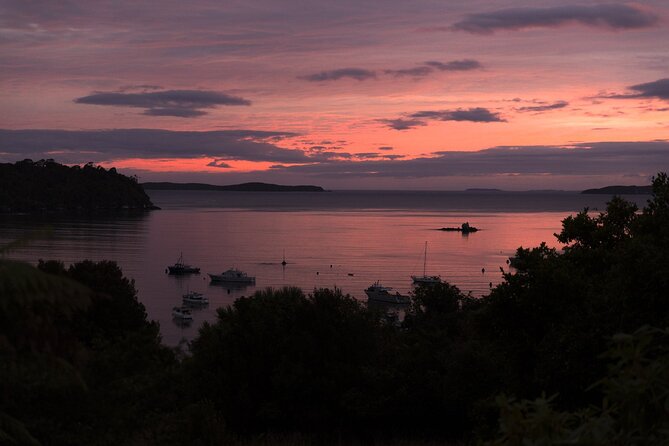
Before searching, the guides explain kiwi behavior and the rules for watching. This short talk has a practical purpose: it helps the group avoid startling the bird and reduces the chance that someone ruins a sighting by rushing forward or using a bright light.
A good guide does more than point at a kiwi. They read the group, keep people quiet, and move everyone into a position where each person can see. This was one of the most praised parts of the experience. Guides such as Natasha, Karen, Sarah, Jane, Jen, and others have been singled out for their care, enthusiasm, and ability to make the search feel shared rather than hurried.
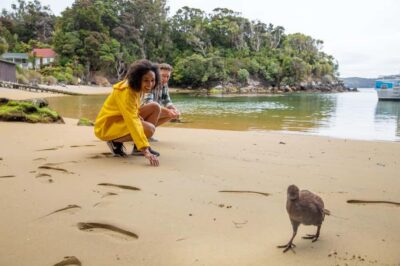
Sightings can be surprisingly close. A kiwi may wander toward the group, feed along the track, or work the edge of the beach. Some outings have seen one bird, while others have produced two, three, four, or even five. One particularly fortunate group watched a kiwi feeding nearby for more than half an hour.
Still, do not book this expecting a guaranteed photo. You could see footprints and hear a kiwi without getting a clear view. One departure produced no kiwi sighting despite a determined search, yet the forest walk, marine wildlife, and night sky still made the evening worthwhile.
There is no refund if a kiwi does not appear. Instead, $20 per person is donated to conservation projects at Little Glory Cove. That policy will not erase disappointment, but it gives the uncertainty a useful purpose. You are paying for skilled guiding, access, transport, and a genuine search, not a staged animal encounter.
Somewhere else in New Zealand entirely:
- Hobbiton Movie Set: Guided Tour Ticket
★ 4.9 · 8,167 reviews - Rotorua Canopy Tours: 2.5Hour Native Forest Zipline Adventure
★ 5.0 · 4,563 reviews - Hobbiton™ Movie Set Walking Tour from Shires Rest
★ 5.0 · 3,577 reviews - Mitai Maori Village: Cultural Experience and Dinner Buffet
★ 4.7 · 3,575 reviews
The cultural side at Oneke
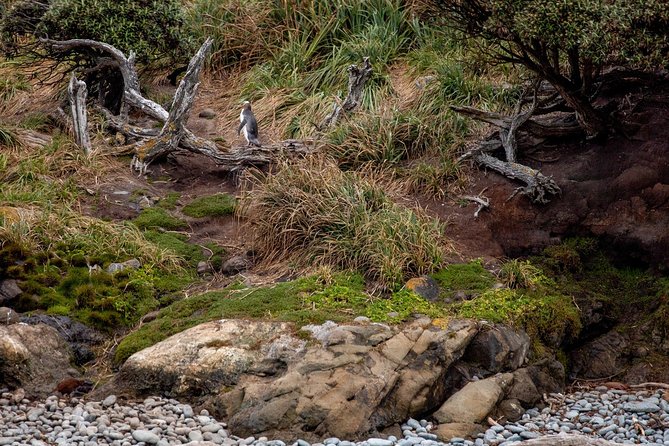
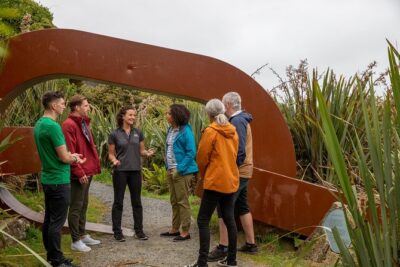
The Oneke option adds a stronger cultural element. Known as The Neck, this area connects Māori and European stories with the island’s wildlife and coastal setting. Guides share local history before the night search begins.
You may have time for a warm drink in a traditional whare, which is especially welcome after the walk or during the change from daylight to darkness. Cocoa, tea, coffee, and biscuits are included, so you do not need to pack an evening snack.
The cultural material is not a separate lecture tacked onto the end. It helps place the kiwi search in the wider story of Rakiura Stewart Island. The guides have been praised for including te reo Māori and kaupapa in a respectful, useful way, and for explaining the island with personal commitment.
Exact stops and timing can vary between the two encounter options. Check which version you are booking if the cultural setting is important to you.
The return cruise under the stars
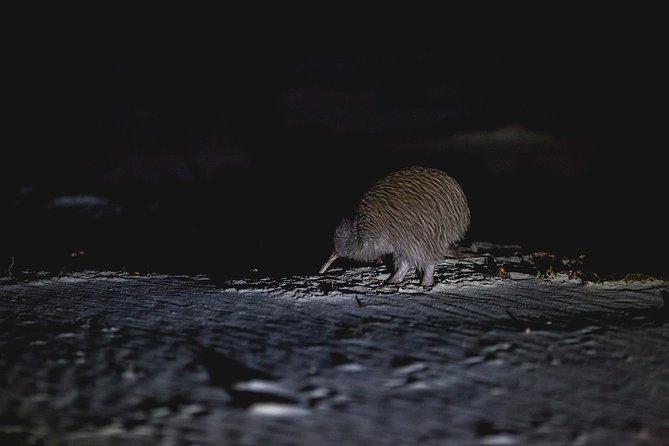
After the walk, you return to the boat and cruise back to Oban. By this point, the island is dark, and the ride feels very different from the outward journey. Instead of scanning for birds in fading daylight, you are looking at the night sky and listening to the water.
The late return is part of the experience, but it is also the biggest practical limitation. You need accommodation already arranged in Oban for that night. Do not plan a tight onward connection or assume you can continue traveling after the tour.
A clear night can add another memorable layer. The Southern Cross may be visible, and rare conditions have allowed people to glimpse the Aurora Australis. Those sightings are not promised, but the dark setting gives you a better chance to appreciate the sky than you would have in a brightly lit town.
Guides, group size, and the overall pace
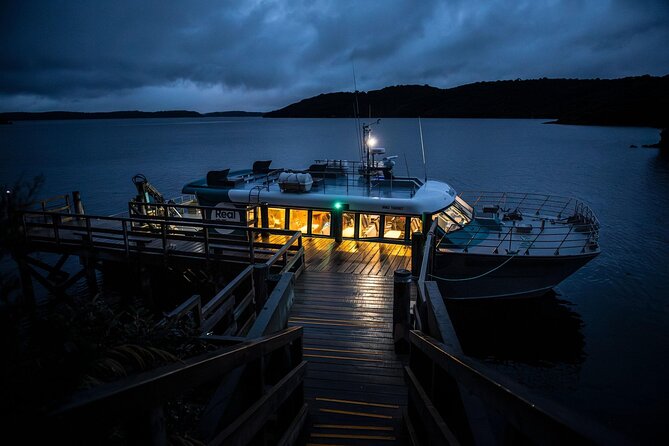
The group is limited to 10 participants, which is a sensible size for a nocturnal wildlife walk. Smaller groups would be even quieter and easier to position, and one person specifically wished for a smaller party. Still, a group of 10 is manageable when the guides are attentive.
The strongest part of the operation is the staff. Skipper Nick Marshall and guides including Natasha, Karen, Sarah, Jaq, India, Grace, Henry, Jane, and Jen have all been associated with especially warm and capable departures. The team handles the boat, the wildlife explanations, the kiwi talk, and the forest search as one connected experience.
I would pay attention to how the guides manage viewing order. The best practice is to let everyone see, not just the people at the front of the line. Staff have been praised for repositioning people, answering questions, and making sure nobody misses a bird that is feeding quietly.
The pace is active but not a race. You spend time on the water, stop for wildlife, walk through the bush, pause at the beach, and return by boat. You need patience more than athletic ability. The physical demand comes from uneven ground, darkness, mud, and several hours outdoors.
Is $154 a fair price?
At $154 per person, this is not a cheap evening. It becomes easier to justify when you separate the price into what it covers: a return boat trip, access to remote coastal areas, a specialist guide team, equipment, the night walk, hot drinks, and conservation support.
You could perhaps walk on Stewart Island without paying for a guide, but you would not have the same chance of spotting a kiwi. A trained guide can recognize tracks, calls, feeding behavior, and movement that most people would miss. The marine cruise also adds real value because it can produce a full evening of wildlife rather than a single short search.
The price makes less sense if you want a guaranteed animal sighting or dislike organized outings. The experience depends on weather, wildlife behavior, and group cooperation. But if seeing a wild kiwi matters to you, the combination of access and expertise makes the cost reasonable.
The high rating of 4.8 from 177 reviews reflects the consistency of the guiding and the number of strong wildlife encounters, but I would still read the conditions carefully. A perfect evening is possible, yet it is not promised.
What to wear and pack for Stewart Island after dark
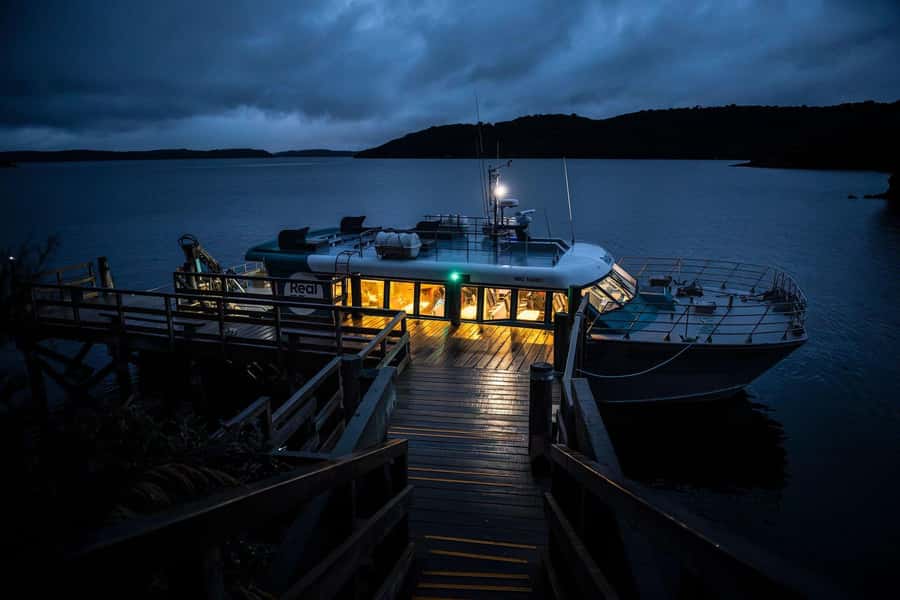
Take the practical approach. You will be outside on a boat, at the shore, and on an uneven forest track.
- Warm layers, including a fleece or wool mid-layer
- A windproof and waterproof jacket
- Hiking shoes with good grip
- Rain gear even if the forecast looks kind
- Insect repellent
- A small personal bag that does not make noise
- No camera flash
One useful tip comes from the forest itself: noisy waterproof fabric can be a problem. Gore-Tex clothing may rustle when you move your arms or reach for a camera. Keep waterproof layers nearby for the boat and rain, but if conditions allow, wear quieter clothing during the kiwi search.
You receive a torch or flashlight, so you do not need to bring your own. Use the supplied light as directed, and do not use flash photography.
Who should book this experience?
I would recommend it to people who care about seeing wildlife in natural conditions and can accept uncertainty. It is especially good for visitors who want more than a quick kiwi sighting, since the cruise, coastal stops, cultural material, stars, and forest walk all contribute to the evening.
It suits older teenagers and adults who can walk independently on uneven ground. It is not suitable for children under 15, wheelchair users, or anyone who struggles with more than 1.5 kilometers on uneven terrain.
You should also be comfortable staying quiet and patient. If you want to photograph every animal, move quickly, or leave early, this is not the right outing. The best moments come when you stop trying to force the experience and let the guides and wildlife set the pace.
Should you book the Wild Kiwi Experiences tour?
Book it if a wild tokoeka search sounds more meaningful to you than a guaranteed wildlife display. The combination of marine animals at sunset, a guided forest walk, local stories, hot drinks, and a return beneath the stars gives you a full Stewart Island evening for the price.
Do not book it solely on the promise of seeing a kiwi. You might see several, including one close to your boots, or you might see tracks and hear a bird without a clear view. I consider that risk fair because the animal is genuinely wild, the guides work hard to improve your chances, and part of the fee supports conservation when no sighting occurs.
For a prepared, patient visitor with a night on Stewart Island, this is one of the island’s strongest wildlife outings.
FAQ
Where does the Wild Kiwi Experiences tour depart from?
It departs from the Visitor Terminal in central Oban on Stewart Island. It does not depart from Bluff. You should arrive 20 minutes before the activity begins.
How long does the experience last?
The full experience lasts about four hours. It includes the boat ride, the guided wildlife search, and the return cruise to Oban.
Is seeing a kiwi guaranteed?
No. Kiwis are wild and unpredictable, so there is no guaranteed sighting and no refund if you do not see one. If no kiwi appears, $20 per person is donated to conservation work at Little Glory Cove.
How much walking is involved?
The total walking time is about two hours. You need to walk independently for more than 1.5 kilometers on ground that can be uneven and muddy.
What should I wear and bring?
Bring warm clothing, hiking shoes, rain gear, and insect repellent. A windproof and waterproof jacket is strongly recommended. Flash photography is not allowed.
Is the tour suitable for children or wheelchair users?
It is not suitable for children under 15 or wheelchair users. It is also unsuitable for anyone who has trouble walking independently on uneven ground for more than 1.5 kilometers.
Do I need accommodation after the tour?
Yes. The return to Oban is late, so you need to arrange accommodation on Stewart Island for that evening.
Newly listed around New Zealand
- Kumeu Winery Boutique Tour with Gourmet Lunch from Auckland★ 4.0 · 5 reviews
- Private tour – Hobbiton Movie Set Evening Banquet Return from Auckland★ 5.0 · 5 reviews
- Wellington Jewish Heritage sightseeing tour with a kosher lunch★ 5.0 · 5 reviews
- Ex Queenstown: Mavora Lakes Middle Earth Full Day Adventure★ 5.0 · 5 reviews
- Private 2 Day Tour: Hobbiton, Waitomo, Rotorua Geothermal & Hamilton Gardens★ 4.0 · 5 reviews
- Milford Sound Earnslaw Burn Helicopter Tour from Queenstown★ 5.0 · 5 reviews
- Private Auckland Luxury Tour★ 5.0 · 5 reviews
- Private Transfer From Auckland Airport To Rotorua★ 5.0 · 5 reviews
Stewart Island Tours, compared.
Browse the lists this tour appears in