
Reviewed · STEWART ISLAND TOURS
Stewart Island: Ulva Island Guided Wilderness Walk & Cruise
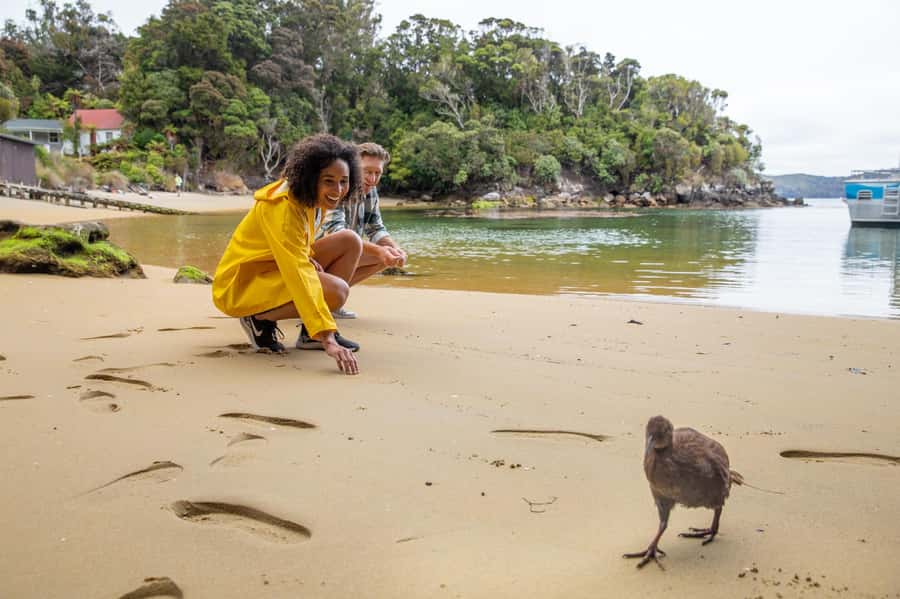
Ulva Island is the star here: a small, protected sanctuary where a slow forest walk can reveal weka, saddlebacks, yellowheads, Stewart Island robins, and kaka. The boat trip adds another layer, carrying you through Paterson Inlet past quiet bays, beaches, and coves while your guide explains Maori history, European settlement, and the wildlife around the shore.
I like the mix of easy walking and close-up nature watching, which makes this a good choice for families, older visitors, and anyone who wants help spotting birds. I also like that the guides bring real skill to the outing. Jan, Karen, Natasha, Sarah, Britney, Grace, and others have been praised for identifying bird calls and showing people plants they would likely walk past alone.
The main trade-off is time. The whole outing lasts 150 minutes, with about 1.5 hours on Ulva Island, and some people will want longer to explore. Bird sightings are never guaranteed, so this works best if you value the forest, plants, coastline, and guiding as much as your bird list.
Key points to know before you go
- Ulva Island is a protected bird sanctuary: Look for weka, robins, saddlebacks, yellowheads, kaka, and other native species.
- The walk is gentle and unhurried: It suits many fitness levels, but active hikers may find the pace too slow.
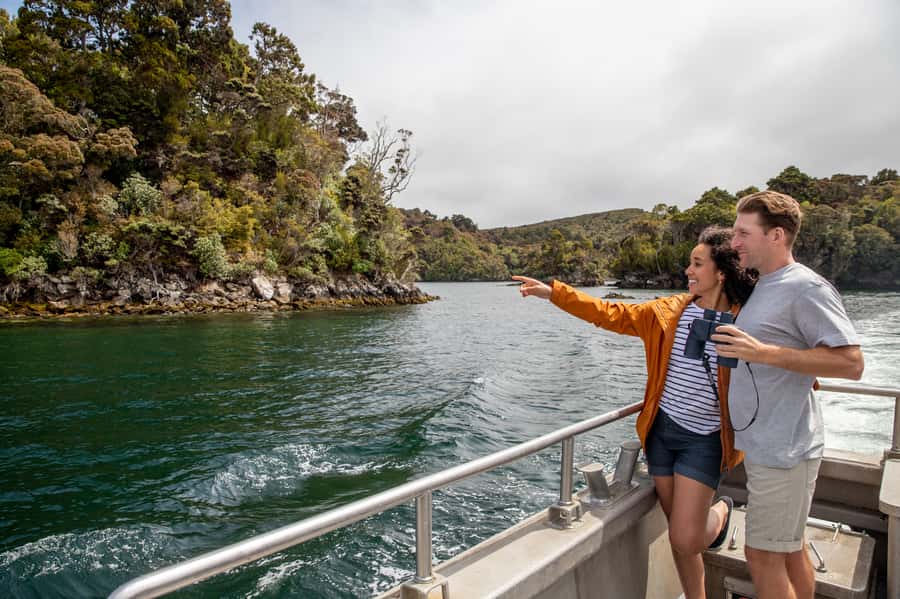
- Paterson Inlet adds a scenic boat journey: Watch for fur seals, sea lions, penguins, seabirds, dolphins, and albatross.
- Guides make the difference: Their trained ears help you locate birds by song and understand the island’s plants.
- The visit is short but focused: You get a guided introduction rather than hours of independent exploring.
- Prepare for changeable weather: Bring non-slip footwear, a waterproof jacket, warm layers, sunscreen, sunglasses, and insect repellent.
Setting out from Stewart Island’s Main Wharf
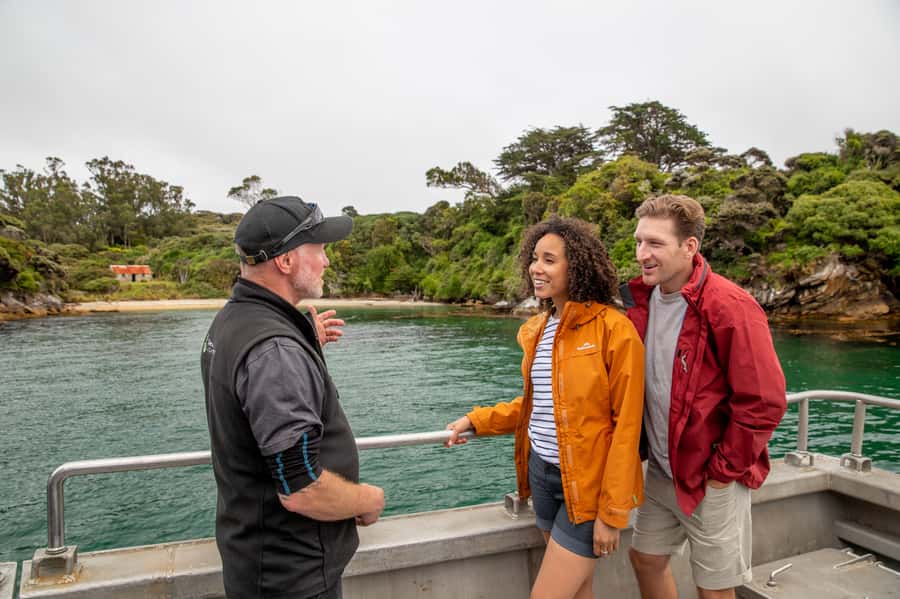
Your meeting point is the Stewart Island Visitor Terminal at the Main Wharf in Halfmoon Bay. Arrive 20 minutes before departure. That extra time matters on a short outing, since a late arrival could cut into the boat ride or delay the group.
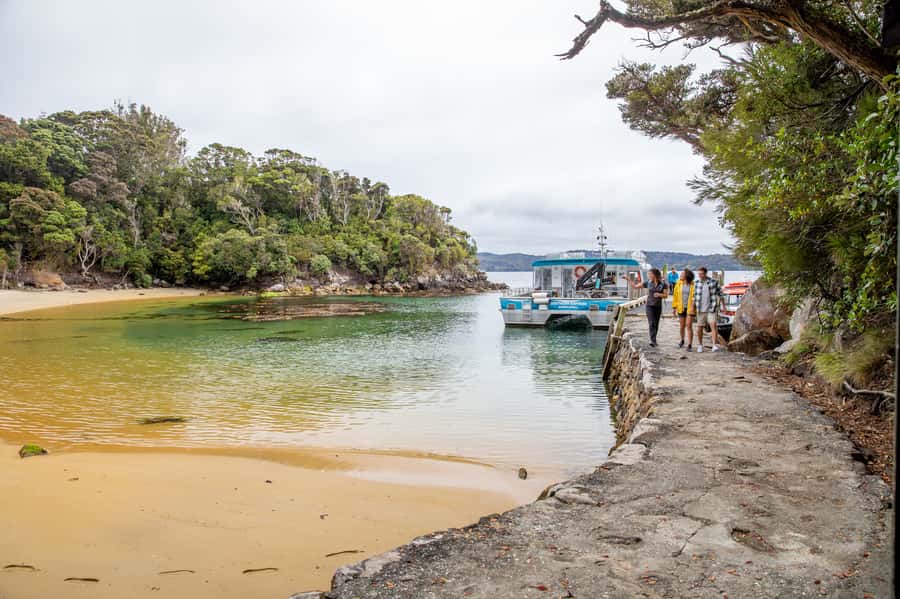
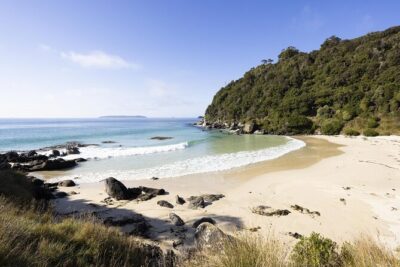
The boat carries you out from Stewart Island into Paterson Inlet. The trip is not just a transfer to Ulva Island. It is part of the experience, with views of unspoiled beaches, quiet coves, and small bays that are best appreciated from the water.
The vessel is described as a comfortable catamaran, and past outings have included a larger ferry-style boat with toilets, tea, and coffee available on board. Exact boat arrangements can vary, so I would think of the ride as a practical and scenic coastal cruise rather than a luxury sailing trip.
Keep your camera ready, but keep your expectations sensible. Paterson Inlet is a good place to look for fur seals, sea lions, penguins, seabirds, dolphins, and mollymawks. One trip produced close views of albatross near the boat, while another included dolphins and penguins. These are possible sightings, not a scheduled wildlife show.
That uncertainty is part of the appeal. You may spend one stretch of water watching birds skim the surface, then turn toward the shore for a story about a bay or settlement. The guide’s commentary helps you notice the area as more than pretty water and forest.
More national park days in New Zealand:
- From Manapouri: Doubtful Sound Wilderness Day Trip
★ 4.8 · 1,621 reviews - Jet Boat Journey through Fiordland National Park – Pure Wilderness
★ 5.0 · 678 reviews - Dart River Jet Boat and Wilderness Experience
★ 5.0 · 531 reviews
Paterson Inlet’s coves, beaches, and local stories
The inlet gives you a useful introduction to Stewart Island before you set foot on Ulva Island. You pass landmarks while hearing about early Maori history and European settlement. The best part of this commentary is its connection to the places outside the window, rather than a long lecture detached from the view.
The stories also acknowledge tangata whenua, the people of the land. That matters because Ulva Island is not only a bird sanctuary. It sits within a wider human and natural story, and the boat ride gives your guide room to explain how the inlet has been used and understood over time.
The scenery is quiet rather than dramatic in a grand, mountain-and-waterfall sense. Expect sheltered water, thick native forest, beaches, and small inlets. If you enjoy slow observation, this is a pleasant way to settle into Stewart Island. If you want constant action, the boat ride may feel leisurely.
Dress for the weather, not the forecast alone. Stewart Island can bring wind and rain, and one winter outing remained worthwhile despite forecasts of hail, thunderstorms, strong westerlies, and rain. A waterproof jacket, warm fleece or sweater, and clothing that handles damp conditions are sensible choices.
Walking into Ulva Island Wildlife Sanctuary
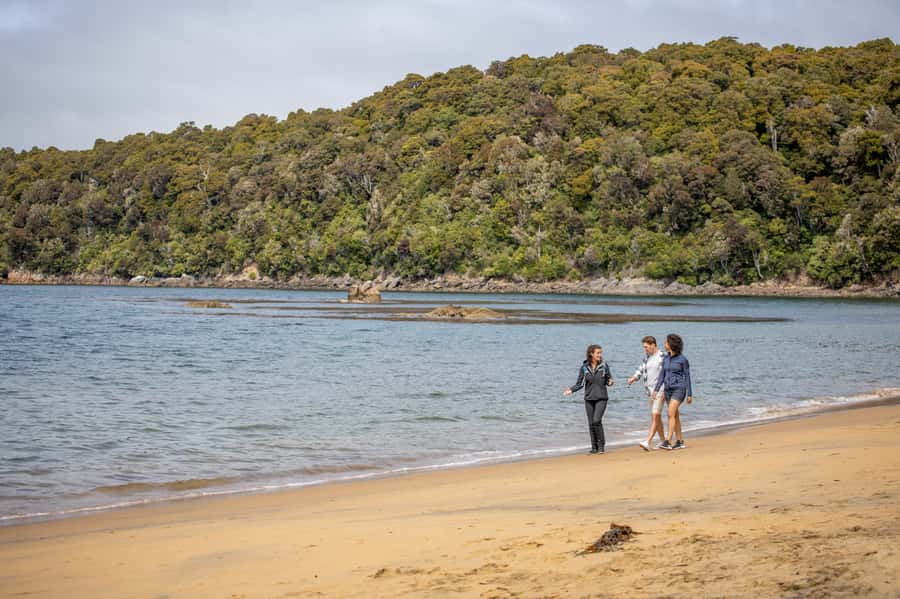
The boat stops at Ulva Island for an approximately 1.5-hour guided walk. This is a forest and beach outing, not a hard tramping route. The pace is described as easy, and it worked well for an 84-year-old participant. That makes it a good option if you want nature without committing to a demanding hike.
The walk’s real value is the guide’s attention. On your own, you might see a leafy track and hear scattered calls. With a good guide, you learn to pause, scan the branches, and connect a sound with a bird. Guides have pointed out Stewart Island robins, weka, saddlebacks, yellowheads, kaka, moorpork, and other native species.
Some guides are especially good at bird calls. Britt, Sarah, Grace, Karen, Jan, and others have been praised for hearing birds before the group sees them and directing everyone’s eyes to the right place. That skill can turn a quiet patch of bush into a series of small discoveries.
You may see birds close up, but no guide can promise a particular species. Some outings produced many birds, including an endangered type. Other walks found fewer birds but still offered excellent views of trees, shrubs, and native plants. The sanctuary is worthwhile even when the birds keep to the canopy.
A sea lion can also change the mood quickly. One group was chased along the beach by a sea lion pup, an unusual moment that also shows why you need to follow the guide’s instructions around wildlife. Keep your distance, stay together, and let the guide manage the situation.
The plants matter as much as the birds

Ulva Island is famous for its birdlife, but the forest deserves equal attention. The island protects some of New Zealand’s rare plant species, and guides explain the trees, vegetation, and forest structure along the way.
I would choose this tour partly for that reason. Birdwatching can be hit or miss, but the plants do not fly away. A strong guide can explain what you are looking at, why certain trees matter, and how the sanctuary provides a safe home for species that are harder to find elsewhere.
Several guides have been praised for this plant knowledge. Anna, for example, helped turn the walk into an introduction to the island’s flora and fauna. Other guides have drawn attention to small details that an independent walk might miss.
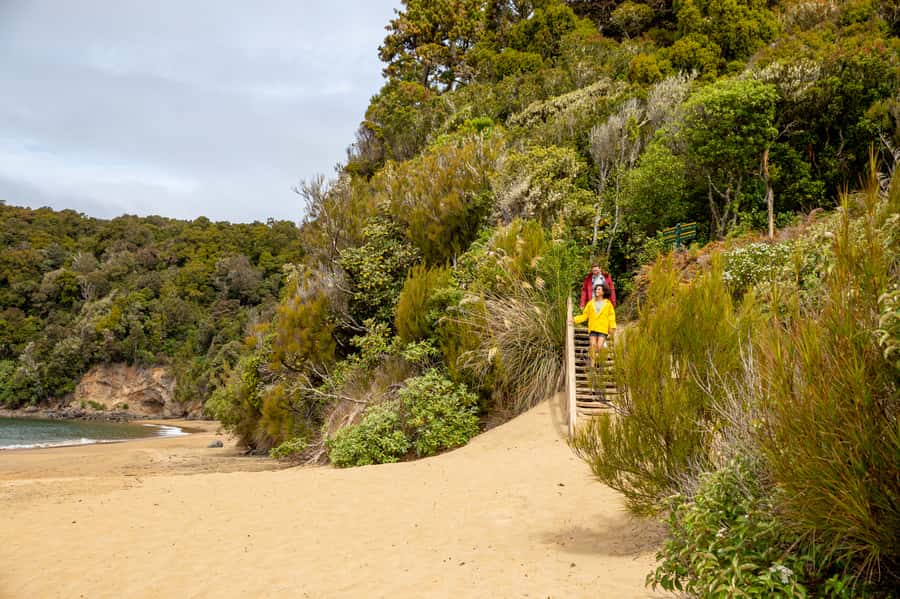
The forest is also a visual treat. Expect many shades of green, damp tracks, native trees, and the feeling of being well away from busy roads. The walk is not built around large attractions or staged encounters. Its pleasure comes from close attention to living things.
That slower style will suit you if you enjoy learning in small pieces. You may stop often to listen, look into the canopy, or examine a plant. If you want to cover every track on Ulva Island, take long photographs, or walk briskly, the guided pace may feel restrictive.
More Walking Tours in New Zealand:
- Hobbiton™ Movie Set Walking Tour from Shires Rest
★ 5.0 · 3,577 reviews - Rotorua’s Ultimate Zipline: 6 ziplines, 400 m Tandem, Cliff Walk
★ 5.0 · 2,557 reviews - Rotorua: Hell’s Gate Outdoor Mud Spa & Guided Walk
★ 4.7 · 1,140 reviews - Abel Tasman: Sea Shuttle Cruise and Walking Tour Combo
★ 4.6 · 704 reviews
How much wildlife might you see?
Wildlife is the tour’s tempting promise, but it is also the part you cannot control. The sanctuary is home to weka, bush robins, rare saddlebacks, yellowheads, kaka, and other birds. Seabirds can appear around Paterson Inlet, and marine mammals may show near the boat or shoreline.
Past sightings have included Stewart Island robins, saddlebacks, yellowheads, weka, kaka, moorpork, sea lions, dolphins, penguins, mollymawks, and a Northern Royal Albatross. That is an impressive range, but it should not become your checklist.
Bird activity changes with weather, season, noise, and simple luck. One outing saw endangered birds at close range. Another found fewer birds than hoped for, while the forest and tree commentary still made the walk worthwhile.
My advice is to bring binoculars if you have them, though they are not listed as required equipment. More important, bring patience. Stop when the guide stops, listen for calls, and look where the guide points. The best sighting may last only a few seconds.
Your camera is welcome, but avoid spending the whole walk looking through a screen. Ulva Island rewards your ears as much as your eyes. A bird call, rustling undergrowth, or sudden movement in a tree can be just as memorable as a photograph.
A guide-led walk versus going independently

You can explore Ulva Island without this guided option, but the paid walk gives you interpretation and a trained set of eyes. The guide explains the history, plants, bird calls, and animal behavior while keeping the group moving at an easy pace.
That support is especially useful if you are new to birdwatching. You do not need to know the difference between a saddleback and a yellowhead before you arrive. You also do not need to recognize native trees. The guide builds the outing around what the group actually encounters.
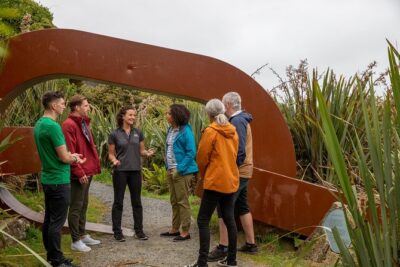
Small groups can make a big difference. One outing had just five people, creating an easy setting for questions and bird spotting. Group size is not specified for every departure, so do not assume every trip will be that intimate. Still, the guiding style is clearly intended to be personal and interactive.
The independent option may suit you better if you want more time on the island. A water taxi costs less than the guided experience according to one comparison, and an independent walk lets you set your own pace. The downside is that you give up the live commentary and the guide’s ability to identify calls and hidden wildlife.
At $86 per person, I see the price as paying for three things: the boat journey through Paterson Inlet, the return transport, and the specialist guiding on Ulva Island. It is fair value if those layers matter to you. It is less compelling if you mainly want a ride to the island and several hours to walk alone.
How the 150 minutes feel in practice

The listed duration is 150 minutes. Within that time, you cruise into Paterson Inlet, land on Ulva Island, spend about 1.5 hours walking, and then continue around the inlet before returning to the wharf.
That structure keeps the outing manageable for a half-day schedule. You get a clear taste of the sanctuary without giving up an entire day on Stewart Island. It also makes the tour easier to fit around other activities, though you should check the exact departure time before planning anything tightly afterward.
The drawback is that the island visit can feel short. If you stop for birds, plants, photographs, and questions, the 1.5 hours passes quickly. Some people would prefer to remain longer and see more of the island.
I would book this when you want a guided introduction, not a full exploration. If your main aim is to walk every path or sit quietly for hours waiting for birds, arrange more time independently if your schedule allows.
Who will enjoy this Stewart Island outing?
This tour suits you if you want:
- A gentle nature walk rather than a strenuous hike
- Help identifying native birds by sound and appearance
- A boat trip with coastal scenery and local stories
- An introduction to Maori history and European settlement
- A structured outing lasting 150 minutes
- A chance to see rare plants, native birds, seals, penguins, and seabirds
It is a particularly sensible choice for older visitors and mixed-ability groups because the pace is easy and the walk is not described as difficult. It also works well for first-time birdwatchers, families with an interest in nature, and photographers who prefer guidance over wandering alone.
You may want another option if you need a long, active walk. You may also feel the cost is high if you are content with self-guided exploration and do not need a boat commentary or specialist guide.
English is the tour language. Bring sunscreen, sunglasses, insect repellent, a camera, weather-appropriate clothing, non-slip shoes or boots, a waterproof jacket, and a warm sweater or fleece. Good footwear matters even on an easy walk, since damp conditions can make forest tracks slippery.
The activity offers free cancellation up to 24 hours before departure, with a full refund, and you can reserve now and pay later. Those policies are useful when Stewart Island weather is uncertain, though you should still check the departure conditions before leaving for the wharf.
Should you book the Ulva Island guided walk?

I would book this tour if you want the full introduction to Ulva Island, including transport, Paterson Inlet scenery, local stories, plant information, and help finding birds. The guides are the strongest part of the experience. Names such as Karen, Jan, Natasha, Sarah, Britney, Grace, Anna, and Jac appear across different outings, but the important point is the guide’s role: listening for calls, explaining the forest, and answering questions.
I would hesitate only if you want maximum time on Ulva Island or a faster walk. The 150-minute format is friendly and focused, but it cannot provide a long independent visit.
For most first-time visitors to Stewart Island, the $86 price is reasonable because you are buying more than a boat transfer. You get a carefully paced nature outing in one of New Zealand’s special bird sanctuaries. Just arrive ready for weather, accept that wildlife sightings vary, and let the guide show you what you might otherwise miss.
FAQ
Where does the Ulva Island tour meet?
Meet at the Stewart Island Visitor Terminal on the Main Wharf in Halfmoon Bay.
How long does the activity last?
The activity lasts 150 minutes. The guided walk on Ulva Island takes approximately 1.5 hours, with the rest of the time spent cruising through Paterson Inlet.
What is included in the price?
The $86 price includes the Paterson Inlet cruise, the guided walk on Ulva Island Wildlife Sanctuary, and an English-speaking specialist nature guide.
What wildlife might I see?
Possible sightings include weka, Stewart Island robins, saddlebacks, yellowheads, kaka, seals, sea lions, penguins, seabirds, dolphins, mollymawks, and albatross. Sightings depend on conditions and luck.
What should I bring?
Bring sunscreen, sunglasses, insect repellent, a camera, weather-appropriate clothing, non-slip shoes or boots, a waterproof jacket, and a warm sweater or fleece jacket.
Can I cancel or pay later?
You can cancel up to 24 hours before departure for a full refund. You can also reserve your place and pay later.
Newly listed around New Zealand
- Kumeu Winery Boutique Tour with Gourmet Lunch from Auckland★ 4.0 · 5 reviews
- Private tour – Hobbiton Movie Set Evening Banquet Return from Auckland★ 5.0 · 5 reviews
- Wellington Jewish Heritage sightseeing tour with a kosher lunch★ 5.0 · 5 reviews
- Ex Queenstown: Mavora Lakes Middle Earth Full Day Adventure★ 5.0 · 5 reviews
- Private 2 Day Tour: Hobbiton, Waitomo, Rotorua Geothermal & Hamilton Gardens★ 4.0 · 5 reviews
- Milford Sound Earnslaw Burn Helicopter Tour from Queenstown★ 5.0 · 5 reviews
- Private Auckland Luxury Tour★ 5.0 · 5 reviews
- Private Transfer From Auckland Airport To Rotorua★ 5.0 · 5 reviews
Stewart Island Tours, compared.

Browse the lists this tour appears in