
Reviewed · WILDLIFE
Willowbank Wildlife Reserve Day Entry Ticket
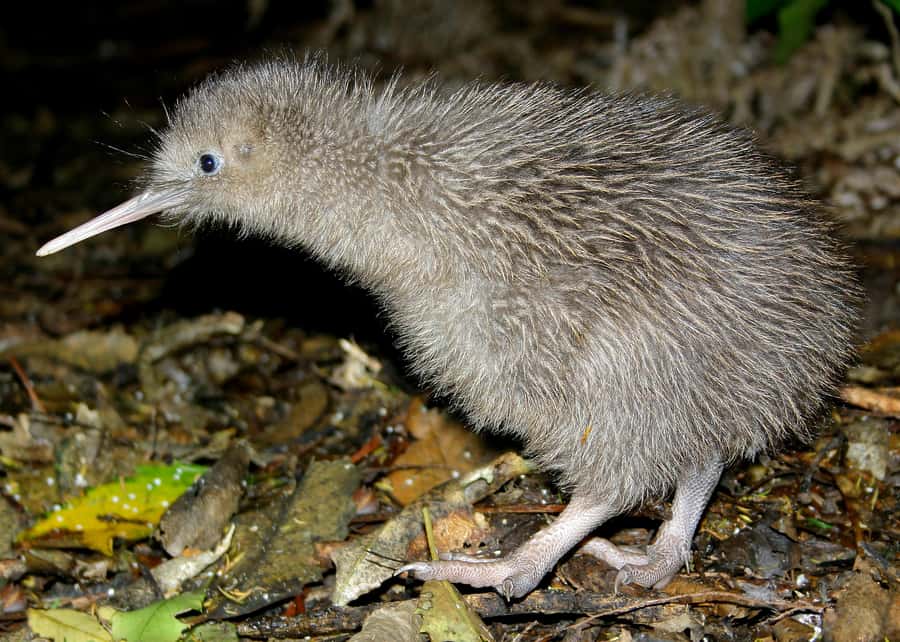
The best reason to visit Willowbank is simple: you have a strong chance to see a kiwi without glass between you and the bird. The nocturnal house is built for close viewing, and the reserve brings together New Zealand’s so-called Big 5: kea, kaka, takahe, tuatara, and kiwi.
I like the mix of rare native wildlife and easy farm fun. You can spend quiet time watching a takahe, then buy food and hand-feed deer, birds, or eels. The main drawback is timing: the kiwi house opens at 10:30 AM, so an early arrival will not give you access to every part of the reserve at once. Rain can also make the outdoor paths less pleasant.
Key points to know before you go
- Kiwi viewing without glass: The specially built nocturnal house gives you a clear chance to watch New Zealand’s national bird.
- New Zealand’s Big 5 in one visit: Look for kea, kaka, takahe, tuatara, and kiwi.
- A practical Christchurch stop: Willowbank is about five minutes from Christchurch Airport and 20 minutes from the city center.
- Hands-on farm encounters: Buy feed on site for deer, farm animals, wild eels, and birds.
- Plan for three to four hours: The reserve has more to see than a quick airport stop, with a cafe and bar for a break.
- Good for mixed-age groups: The reserve suits families and is wheelchair accessible, though sensible footwear is still useful.
Why the kiwi house makes Willowbank worth your time
Seeing a kiwi in New Zealand is not guaranteed on an ordinary walk. These birds are nocturnal, shy, and difficult to spot in the wild. At Willowbank, the nocturnal house removes much of that uncertainty. It is open from 10:30 AM each day, and kiwi viewing is included with admission.
The viewing area has no glass barrier to block your view. That matters. You can watch the bird move through its dark habitat without the glare and reflections that often spoil animal exhibits. You still need patience, since the kiwi may be moving about in low light, but this is one of the clearest ways to see one during a South Island trip.
Give the kiwi house enough time. You may need to adjust your eyes to the darkness, and the bird may not appear in the exact spot you first expect. Keep your voice low and watch for movement on the forest floor. The point is not a fast photograph. It is the chance to see a rare bird behaving in a setting designed around its needs.
If the kiwi is your main reason for visiting, arrive after 10:30 AM rather than first thing. Willowbank opens at 9:30 AM, so you can still enter early, but the reserve’s most sought-after viewing area is not open at opening time.
More Wildlife Tours in New Zealand:
- Clearwater Wildlife Tours (small group 10max) Otago Peninsula
★ 5.0 · 531 reviews - Wildlife Sea Kayaking Tour – Kaikoura
★ 5.0 · 467 reviews - Milford Sound: 2-Hour Wildlife & Nature Cruise
★ 4.6 · 418 reviews
Meeting the Big 5 of New Zealand wildlife
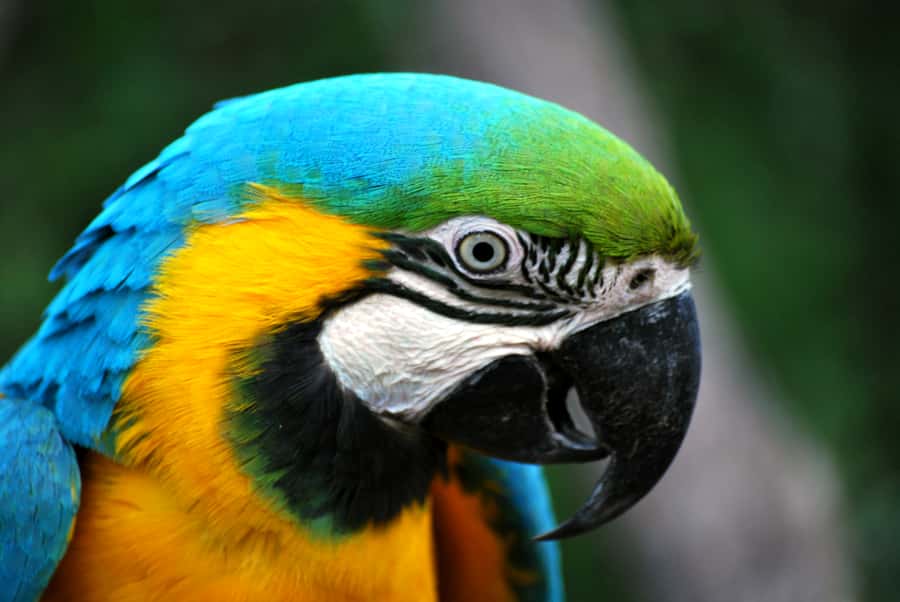
Willowbank groups several of New Zealand’s most unusual native animals in one reserve. The Big 5 here are not the lions and elephants of an African safari. They are kea, kaka, takahe, tuatara, and kiwi, each with a strong connection to New Zealand’s natural story.
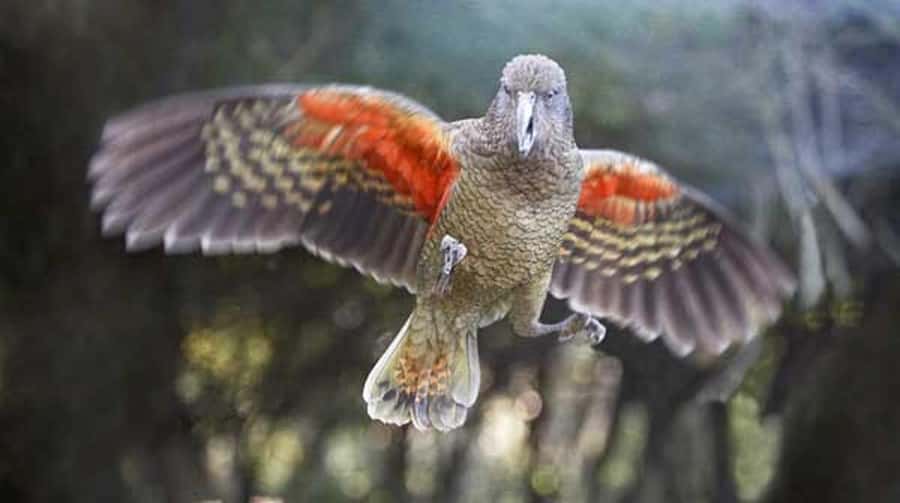
The kea is the alpine parrot, a clever and powerful bird associated with the South Island’s high country. Willowbank’s large kea enclosure lets you walk through the birds’ space rather than viewing them only from a distant platform. Take time to watch their movement and interaction. Kea are one of the reserve’s most memorable stops because they feel active, curious, and unmistakably different from ordinary parrots.
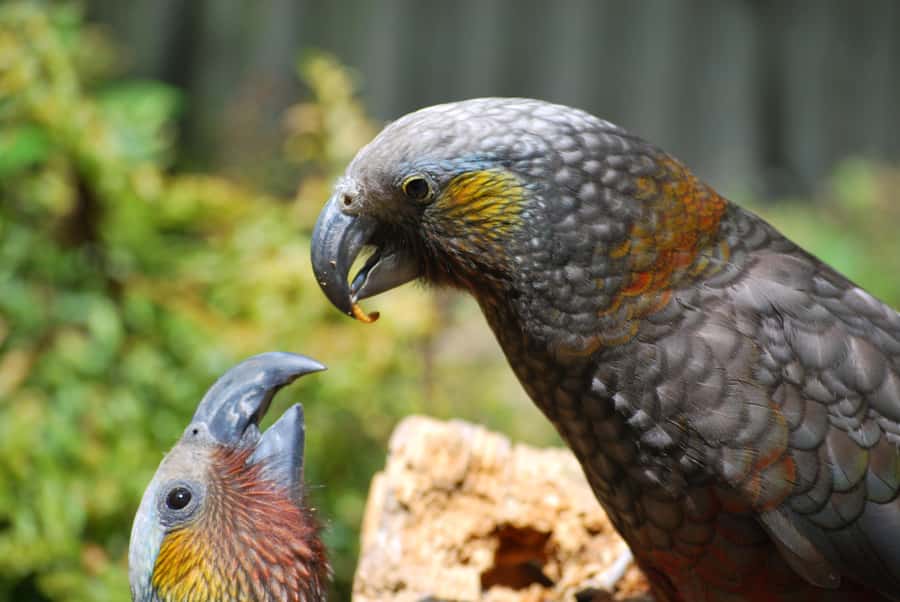
The kaka is another native parrot, but it is a forest bird rather than an alpine specialist. It is less familiar to many visitors, which makes seeing one here a useful introduction to New Zealand’s native birdlife. You can pair the kaka visit with the kea enclosure to see how varied the country’s parrot species are.
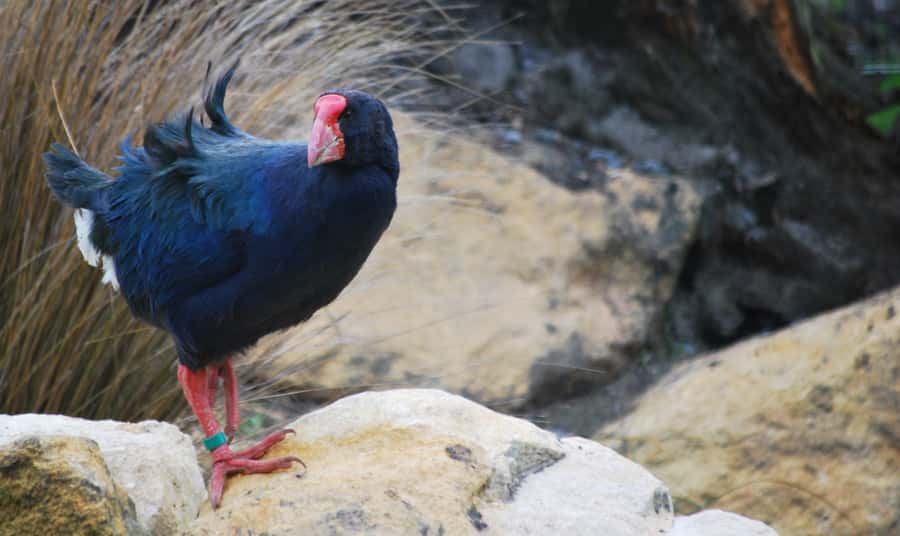
The takahe is one of the world’s rarest birds. Its size and striking appearance make it easier to notice than some of the smaller birds around the reserve, but its rarity gives the encounter extra weight. Willowbank’s conservation work is part of the visit, so you are not simply looking at an attractive bird. You are also learning why protection and breeding programs matter.
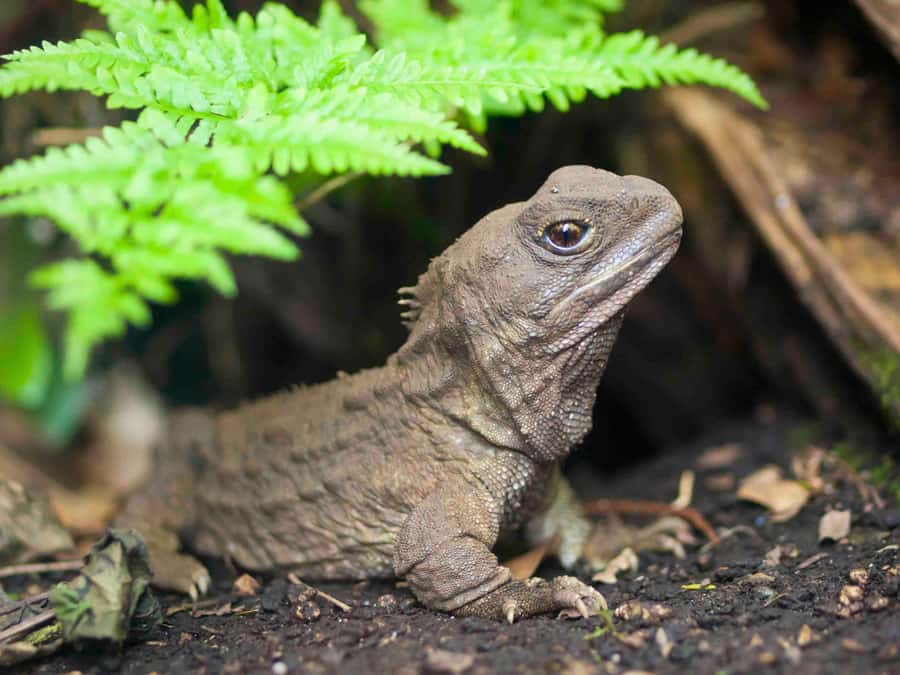
The tuatara is often described as the world’s only living dinosaur. That phrase is a little dramatic, but it points to the animal’s very old evolutionary line. Look closely and you may first see a quiet, almost still reptile. That is part of the lesson: rare wildlife is not always showy. The tuatara rewards careful observation.
Then there is the kiwi, the star of the reserve for many people. Seeing all five in one place gives your visit a clear purpose, especially if your New Zealand trip does not include time in remote forests or a dedicated conservation sanctuary.
From rare birds to deer and eels
Willowbank is not only a native bird reserve. It also has a farm section where you can get closer to familiar animals and take part in hand-feeding. Food for the farm animals, wild eels, and birds costs a small amount extra and can be purchased on the day.
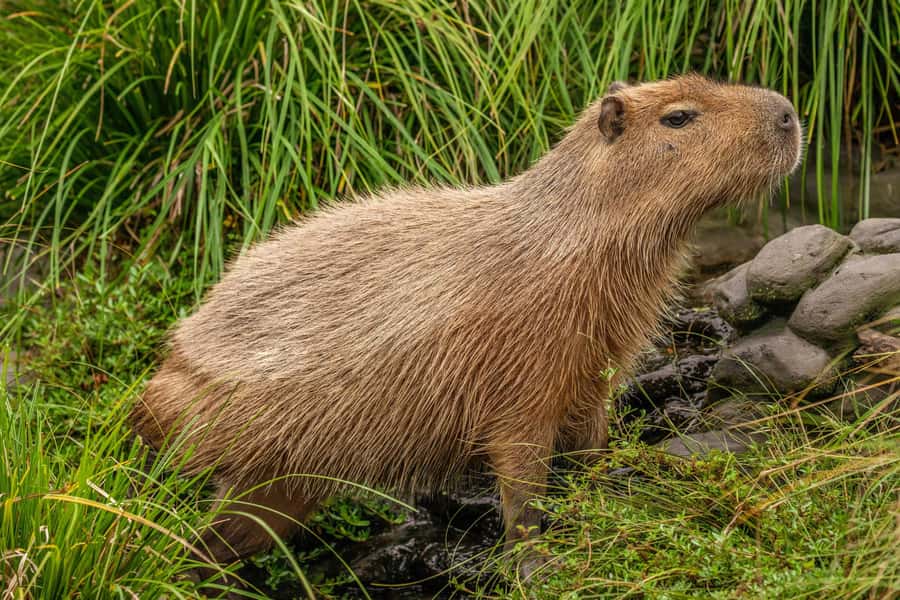
The feeding changes the pace of the visit. After concentrating on a dark kiwi enclosure or a quiet tuatara, you can head outside and interact with animals directly. Deer are a particular favorite for many people because they are gentle and approachable. You can feed them while watching how calmly they move around the paddock.
Hand-feeding is a good option for children, but it also gives adults something to do beyond taking photographs. You will need to follow the reserve’s instructions and use only the approved food. The experience is casual rather than a formal animal show, which keeps the visit relaxed.
Wild eels and birds add more variety. Feeding an eel is an unusual New Zealand memory, and it gives you a reason to slow down beside the water. If you are visiting with children, these hands-on stops can keep the day interesting when close observation of native birds starts to feel quiet.
The farm area also helps explain why Willowbank works for mixed groups. One person can focus on endangered wildlife and conservation, while another enjoys the more social animal encounters. You do not have to choose between a serious wildlife visit and a light family outing.
A walk that takes about four hours
The suggested duration is four hours, and that is a sensible amount of time if you want to see the main wildlife, visit the kiwi house, feed animals, and stop for food. Some people may finish in two or three hours, while others will want the full half-day.
Start by checking the opening time for the kiwi house. If you arrive before 10:30 AM, use the early part of your visit for the outdoor areas and other enclosures. Once the nocturnal house opens, make the kiwi your priority. This order helps you avoid building your entire visit around a viewing area that is not yet operating.
After the kiwi house, walk through the kea enclosure and visit the kaka, takahe, and tuatara. The order is flexible, and that is useful because animal activity can vary. You might find yourself spending longer than expected with one bird, especially if it is active or close to the viewing area.
Set aside time for the farm section rather than treating it as an optional extra. The small cost of feed is reasonable, and the feeding encounters are one of the easiest ways to make the visit feel personal. If you are short on time, focus first on the kiwi and Big 5, then add the farm animals if your schedule allows.
The outdoor sections are affected by weather. Rain does not cancel the visit, but it can make walking less comfortable and may reduce the pleasure of lingering outside. Wear weather-appropriate clothing and sensible shoes. The reserve is open daily from 9:30 AM to 5:00 PM, except on Christmas Day.
A few more New Zealand days to compare
- Hobbiton Movie Set: Guided Tour Ticket
★ 4.9 · 8,167 reviews - Waiheke Island: Ferry & Hop-On Hop-Off Explorer Bus Tickets
★ 4.6 · 3,311 reviews - Rotorua: Wai-O-Tapu Geothermal Park Entry Ticket
★ 4.6 · 2,601 reviews - Auckland: Hop-On Hop-Off Explorer Bus Ticket
★ 4.4 · 1,064 reviews
What the location means for your Christchurch plans
Willowbank is in Northwood, at 60 Hussey Road. It is about five minutes by car from Christchurch Airport and roughly 20 minutes from Christchurch CBD. That location makes the reserve useful at several points in a New Zealand itinerary.
You can visit after arriving in Christchurch, before a flight, or as a half-day outing from the city. The airport proximity is particularly handy if you have a late arrival, a long connection, or a few free hours before checking into your accommodation. Allow enough time for the reserve itself and your road journey. The four-hour visit is not a good fit if you need to rush straight to an airport check-in.
For a city-based stay, Willowbank gives you a change from museums and central streets without requiring a full-day drive. You can see rare native wildlife and still return to Christchurch for an evening meal.
The location does mean this is a drive-to attraction rather than a central city walk. The information provided does not specify shuttle transport, so plan to reach 60 Hussey Road independently.
The cafe, bar, and a sensible mid-visit break
The reserve has an on-site cafe and bar overlooking the deer paddock. This is useful because a wildlife park visit involves more walking and standing than the simple four-hour figure suggests. A drink or meal can give you a pause before returning to the enclosures.
The setting also lets you keep part of the reserve in view while you rest. In winter, an open fire adds comfort after time outdoors. I would use the cafe either midway through the visit or at the end, depending on your schedule.
Do not let the cafe become your first stop if the kiwi is your top goal. Visit the nocturnal house after it opens, see the key wildlife, then settle in for a break. That way, you will not spend your best viewing time indoors with food while the animals are active elsewhere.
Who will get the most from this visit
Willowbank is a strong choice for families because it combines rare animals, open-air walking, and feeding opportunities. Children aged 15 and under must be accompanied by a paying adult, so this is not an independent youth activity. The range of exhibits also helps when family members have different interests.
It suits first-time visitors to New Zealand who want to see a kiwi but do not have time for a remote wildlife trip. The guaranteed kiwi viewing is the main practical benefit. You can add an important native bird encounter to a Christchurch schedule without committing to a multi-day excursion.
Bird lovers will find the Big 5 especially appealing. The kea enclosure, kaka, takahe, and kiwi give you several native species to seek out, while the tuatara adds a reptile with a very different story.
It is also a good fit for people who prefer a flexible visit rather than a tightly timed guided tour. You choose where to linger and when to take a break. On the other hand, if you want a formal talk, a named guide, or a scheduled performance, the supplied information does not promise those features.
The reserve is wheelchair accessible, which makes it more practical for a wider range of visitors. You should still wear sensible footwear and dress for the weather, since the visit includes outdoor paths and animal areas.
Is the $21 admission good value?
At $21 per person, Willowbank offers strong value for a half-day activity. You are paying not just for one animal sighting, but for access to more than 50 wildlife species, the Big 5, the kiwi viewing facility, farm animals, and the reserve grounds.
The price becomes even easier to justify if you use the full three or four hours. A quick walk focused only on the kiwi will still give you the main benefit, but you will get better value by taking your time with the kea, kaka, takahe, tuatara, and farm section. The extra charge for animal feed is small, though it is not included in admission.
The value is also practical. Since Willowbank is close to both Christchurch Airport and the city center, you do not need to spend a full day on transport. For many itineraries, it provides one of the least complicated ways to see a kiwi.
Keep your expectations realistic. This is a wildlife reserve, not a guarantee that every animal will be active at the exact moment you arrive. The kiwi viewing is guaranteed, but the quality of each outdoor encounter can depend on weather and animal behavior.
Booking details that matter
You can cancel up to 24 hours before the visit for a full refund, and you can reserve now and pay later. Those terms are useful if your South Island plans may shift.
The reserve is open daily from 9:30 AM to 5:00 PM, with Christmas Day as the exception. Check the available start times when booking, and remember that the kiwi nocturnal house opens at 10:30 AM rather than at the reserve’s general opening time.
The activity lasts up to four hours, but you control the pace. It is wheelchair accessible. Children 15 and under need a paying adult with them.
Should you book Willowbank Wildlife Reserve?
I would book Willowbank if you want a reliable kiwi sighting near Christchurch and have at least three hours available. The combination of rare native birds, tuatara, farm animals, feeding, and a cafe gives you more variety than the low admission price suggests.
It is an especially good choice for families, first-time New Zealand visitors, bird lovers, and anyone using Christchurch Airport. Arrive after 10:30 AM if the kiwi is your main goal, allow time for the outdoor enclosures, and bring clothing suited to the weather.
Skip it only if your schedule is so tight that you can spare less than two hours, or if you want a guided, highly structured wildlife tour. For a relaxed and affordable half-day visit with one of New Zealand’s hardest-to-see birds, Willowbank earns its place on a Christchurch itinerary.
FAQ
Where is Willowbank Wildlife Reserve?
Willowbank Wildlife Reserve is at 60 Hussey Road, Northwood, Christchurch, New Zealand. It is about five minutes by car from Christchurch Airport and 20 minutes by car from Christchurch CBD.
How long should I allow for the visit?
The stated duration is four hours. You may see the main animals in less time, but allowing three to four hours gives you time for the kiwi house, native bird enclosures, farm animals, feeding, and a cafe break.
Can I see kiwi at Willowbank?
Yes. Kiwi viewing is guaranteed as part of the entry ticket. The kiwi nocturnal house opens at 10:30 AM daily and has no glass barrier between you and the viewing area.
What animals are included in New Zealand’s Big 5?
Willowbank’s Big 5 are the kea, kaka, takahe, tuatara, and kiwi. All five can be seen at the reserve.
Can I feed the animals?
Yes. Food for hand-feeding farm animals, wild eels, and birds can be purchased for a small extra cost on the day.
What are Willowbank’s opening hours?
The reserve is open daily from 9:30 AM until 5:00 PM. It is closed on Christmas Day. The kiwi nocturnal house opens at 10:30 AM.
Is Willowbank wheelchair accessible?
Yes. The activity is listed as wheelchair accessible. Sensible footwear and weather-appropriate clothing are recommended because the visit includes outdoor areas.
Do children need an adult with them?
Yes. Children aged 15 and under must be accompanied by a paying adult.
Newly listed around New Zealand
- Kumeu Winery Boutique Tour with Gourmet Lunch from Auckland★ 4.0 · 5 reviews
- Private tour – Hobbiton Movie Set Evening Banquet Return from Auckland★ 5.0 · 5 reviews
- Wellington Jewish Heritage sightseeing tour with a kosher lunch★ 5.0 · 5 reviews
- Ex Queenstown: Mavora Lakes Middle Earth Full Day Adventure★ 5.0 · 5 reviews
- Private 2 Day Tour: Hobbiton, Waitomo, Rotorua Geothermal & Hamilton Gardens★ 4.0 · 5 reviews
- Milford Sound Earnslaw Burn Helicopter Tour from Queenstown★ 5.0 · 5 reviews
- Private Auckland Luxury Tour★ 5.0 · 5 reviews
- Private Transfer From Auckland Airport To Rotorua★ 5.0 · 5 reviews
Wildlife, compared.
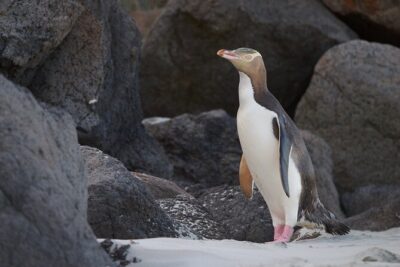
Clearwater Wildlife Tours (small group 10max) Otago Peninsula
Read our review →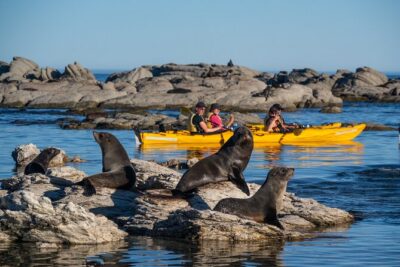
6 Ziplines, Swing-Bridges & Wildlife Encounters
Read our review →
Small Group Daytime 2-Hour Eco Wildlife Tour at Zealandia
Read our review →Browse the lists this tour appears in