

Reviewed · 1-DAY TOURS
Whangārei: Hundertwasser Art Centre: Admission for one day.
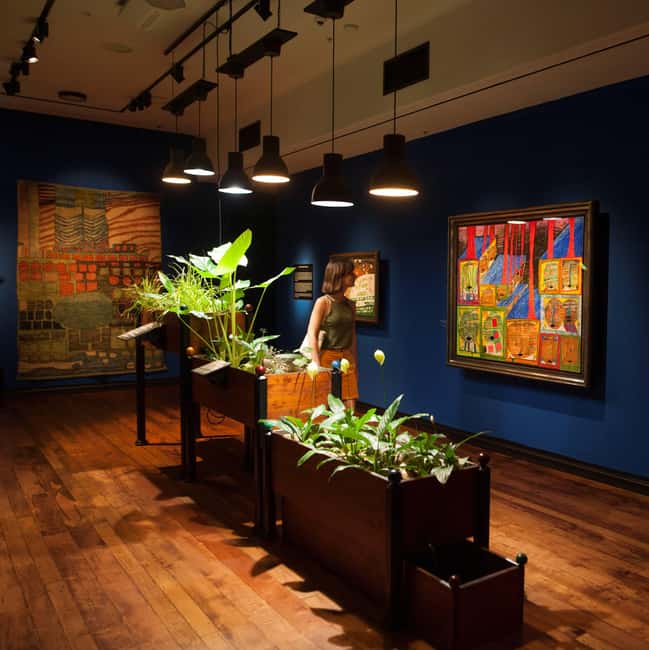
Friedensreich Hundertwasser’s final authentic building is not a quiet white-box museum. Its floors wobble, trees grow from the structure, ceramics cover the walls, and a golden cupola crowns the roof. The building itself is the first exhibit, making this a rare art visit where the architecture matters as much as the paintings.
I like the chance to see original Hundertwasser works from 1973 to 2000, including paintings, graphic art, hand-knotted rugs, and architectural models. I also like the practical one-day ticket, since you can take your time, visit the Māori gallery, climb the afforested roof, watch short films, eat at Aqua Café, and stroll around the Town Basin without rushing.
The main consideration is location. Whangārei is about two hours north of Auckland by car and about one hour south of the Bay of Islands, so this works best as part of a Northland road trip rather than a quick Auckland side trip. The guided tour costs an extra $20 per person, too, although the $15 admission ticket still covers a good deal.
Key points before you go
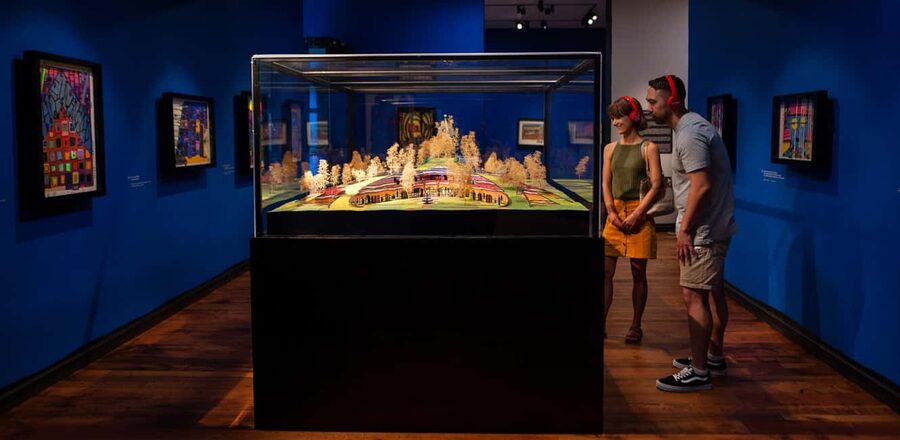
- The architecture is part of the collection: Expect uneven floors, colorful tiles, mosaics, tree tenants, and a building designed to work with nature rather than hide it.
- Original art takes center stage: The Hundertwasser 1973 to 2000 exhibition includes paintings, graphic art, rugs, and architectural models.
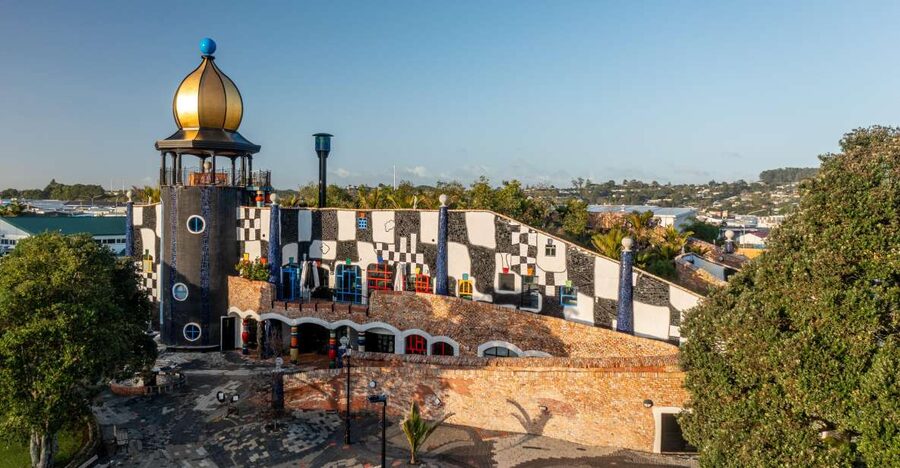
- The roof gives you a reason to look up: Walk across the award-winning Afforested Roof and climb to the golden cupola for 360-degree views over the Hātea River and Whangārei.
- Two art experiences come with one ticket: Your admission also includes Wairau Māori Art Gallery, the only public gallery in the world dedicated to contemporary Māori art.
- The $15 ticket is flexible: You can come and go throughout the day, useful if you want lunch, coffee, or time around the Town Basin.
- The guided hour adds context: Tours run Thursday through Sunday from 11:00am to noon and cost $20 extra per person.
Why Hundertwasser’s building is worth seeing
Hundertwasser was a painter, architect, ecologist, and campaigner for a closer relationship between people and nature. His ideas are not confined to wall text here. They are built into the floors, roof, windows, planting, and materials around you.
The uneven floors are an immediate example. They are not a flaw to overlook. Hundertwasser disliked rigid, machine-made uniformity and wanted buildings to feel more connected to human movement and the natural world. You may find the surfaces playful, though anyone who needs perfectly level walking areas should take care.
Look for the tree tenants, where trees form part of the architecture rather than sitting in separate planters. Mosaics, ceramic tiles, and terracotta details give the building a handmade feel. The result is busy and highly colorful, with something different appearing at every turn.
I would allow time simply to look at the structure. If you hurry straight to the gallery, you miss much of the point. The center asks you to notice how a public building can be useful, artistic, and ecological at the same time.
More day trips in New Zealand:
- Hobbiton & Waitomo Caves Guided Day Trip from Auckland incl lunch
★ 5.0 · 2,677 reviews - Queenstown: Milford Sound Coach & Cruise Full-Day Trip
★ 4.7 · 2,592 reviews - From Auckland: Hobbiton & Waitomo Caves Day Trip with Lunch
★ 4.9 · 2,505 reviews
The Hundertwasser 1973 to 2000 exhibition
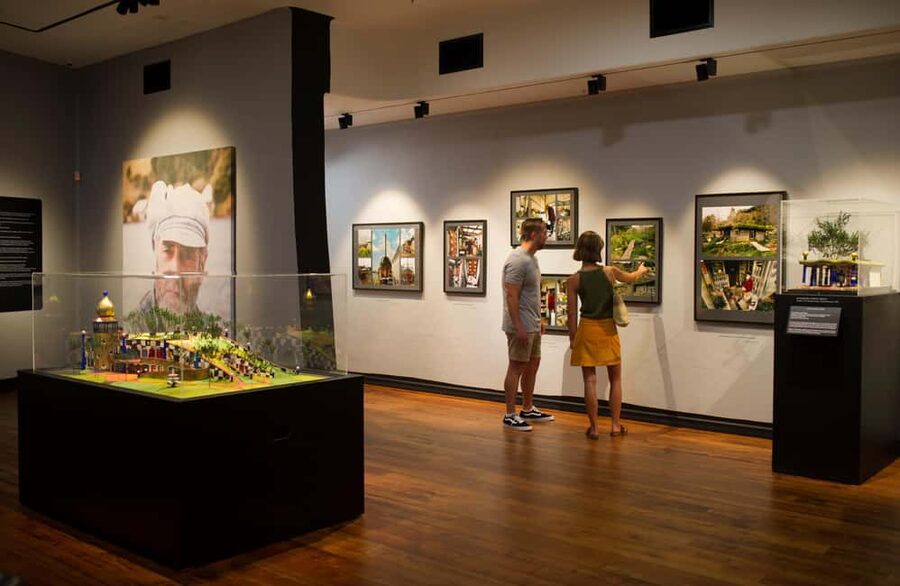
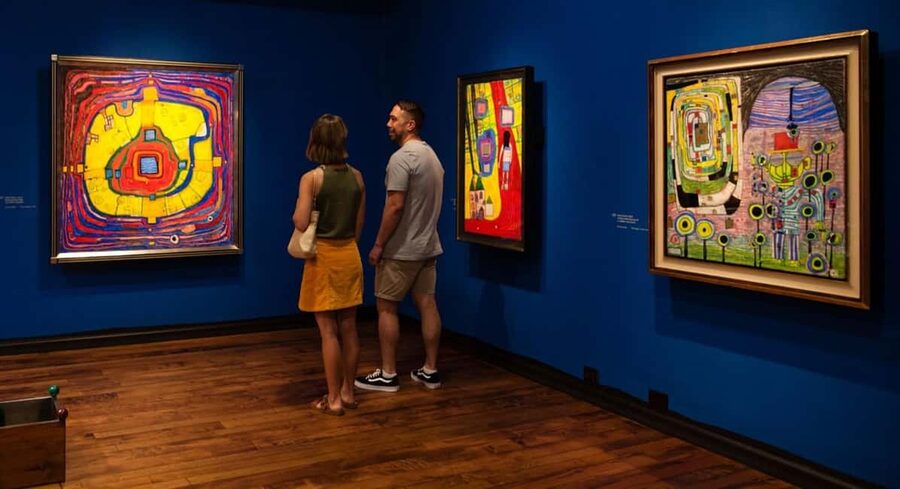
The main exhibition follows Hundertwasser’s work across several decades and explains his life, ideas, and connection with New Zealand. You will see original paintings alongside graphic art, hand-knotted rugs, and architectural models.
That range matters. Hundertwasser is often reduced to bright colors and curling lines, but the collection shows how his visual language worked across different forms. A painting may introduce an idea that appears again in a print, a rug, or a building design. The architectural models help connect the flat artwork with the three-dimensional center around you.
The exhibition also presents his ecological practices. His concern for trees, green roofs, natural forms, and less rigid urban design gives the collection a clear purpose. You are not just looking at unusual pictures. You are seeing how an artistic philosophy can shape daily surroundings.
The work is especially appealing if you enjoy art that is easy to approach without being shallow. The bold colors and strange forms make an immediate impression, while the explanatory material gives you more to consider. A short visit can work, but you will get more from it if you pause to connect the paintings with the building.
Add the one-hour guided tour if you want the story
The guided tour runs Thursday through Sunday at 11:00am and lasts one hour. You meet the guide at the Art Centre front desk. English is the stated tour language.
Admission already gives you access to the exhibitions, films, roof, Māori gallery, and other spaces, so the tour is an optional extra rather than a requirement. It costs $20 per person on top of the $15 admission.
I would choose the tour if Hundertwasser is new to you or if you want help making sense of the building’s odd details. A guide can connect his personal story, artistic work, ecological beliefs, and years in New Zealand in a way that labels alone may not. The timing also gives your visit a useful starting point.
If you prefer to read at your own pace, the self-guided visit remains worthwhile. You can arrive before or after the tour, watch the films, and return to pieces that caught your attention. Since the ticket allows you to come and go during the day, you do not have to treat the one-hour tour as your entire museum visit.
The Afforested Roof and golden cupola
The roof is one of the center’s most distinctive features. It is an award-winning Afforested Roof, designed to bring living planting into the building rather than leave the top as an unused hard surface.
You can walk across the roof and climb to the golden cupola. From the top, you get 360-degree views of the Hātea River and Whangārei. This changes the rhythm of the visit. After looking closely at art and tiles, you get open views and a chance to understand the center’s position beside the water.
Wear comfortable shoes, as advised. The building’s uneven floors and the climb to the cupola make sensible footwear more useful than fashionable footwear. Large bags and luggage are not allowed, and food and drinks cannot be brought into the center.
The roof is also where Hundertwasser’s environmental ideas become easiest to understand. Instead of treating nature as decoration placed around a building, the design gives plants a working role in the structure. That makes the roof more than a photo stop.
Somewhere else in New Zealand entirely:
- Hobbiton Movie Set: Guided Tour Ticket
★ 4.9 · 8,167 reviews - Rotorua Canopy Tours: 2.5Hour Native Forest Zipline Adventure
★ 5.0 · 4,563 reviews - Hobbiton™ Movie Set Walking Tour from Shires Rest
★ 5.0 · 3,577 reviews - Mitai Maori Village: Cultural Experience and Dinner Buffet
★ 4.7 · 3,575 reviews
Wairau Māori Art Gallery adds a second viewpoint
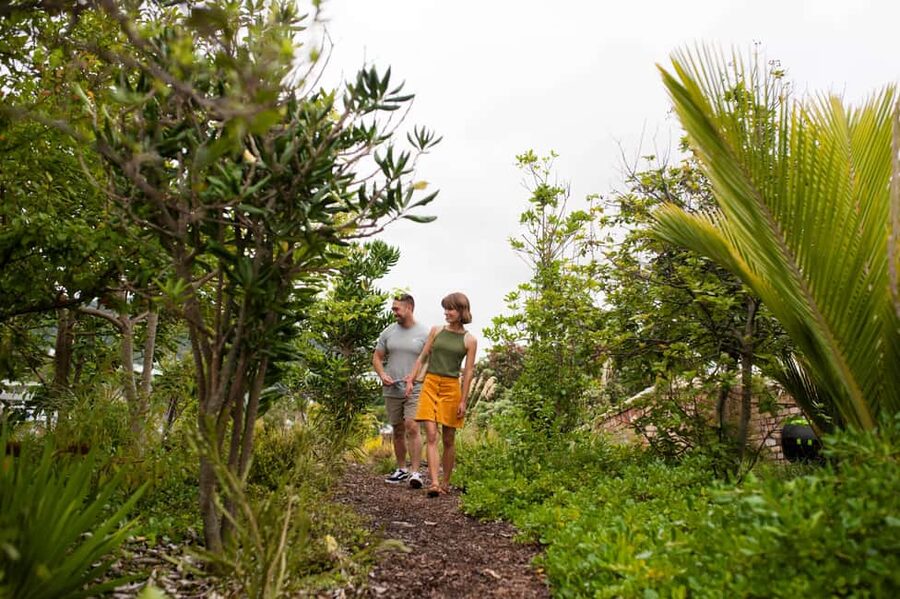
Your Art Centre admission includes Wairau Māori Art Gallery, which is not part of the guided Hundertwasser tour. It is the only public art gallery in the world dedicated to showing contemporary Māori art.
The gallery presents changing exhibitions focused on Indigenous themes and histories. This gives your visit a useful contrast. Hundertwasser’s work explores ecology, human-made spaces, and his relationship with New Zealand, while the Māori gallery brings contemporary Māori voices and subjects into the same cultural visit.
Do not treat this as a small extra to rush through. The changing exhibitions mean the content will vary, and the gallery gives the Art Centre more breadth than a single-artist museum. If you are interested in art, identity, place, and the way ideas are expressed through objects, allow a separate block of time for it.
The two galleries also make the $15 admission easier to justify. You are not paying only to see one room of Hundertwasser paintings. You are getting access to two distinct art programs, the building, the roof, the films, and the museum shop.
Short films, applied art, and the MuseumShop
A small film theatre shows short films continuously on Hundertwasser’s art, architecture, and way of life. This is useful if you want a quick introduction before entering the galleries or need a quieter break from reading.
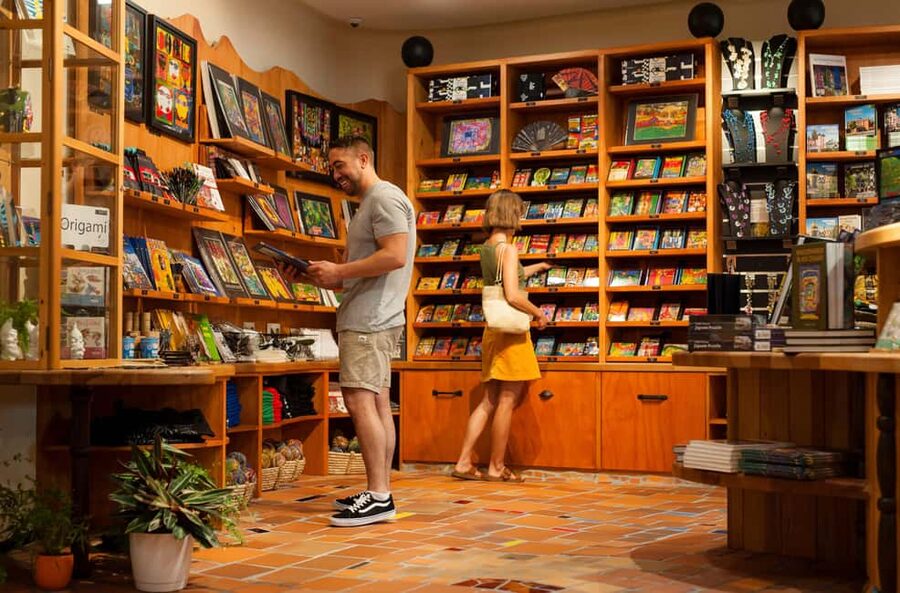
The MuseumShop has a large selection of applied art and gifts. You might find Hundertwasser-designed porcelain, limited-edition authentic fine art prints, objects imported from Europe, books, and high-quality Māori art products.
This is a good stop for context as well as shopping. Applied art helps show how Hundertwasser’s designs moved beyond gallery walls into objects used and displayed in everyday life. Prices will vary, so you can browse without assuming that the shop is limited to inexpensive souvenirs.
If you want a lasting reminder of the visit, the range is more interesting than a standard attraction shop. The Māori art products and books also give the center a stronger local connection than a shop focused only on European material.
Aqua Café and the Hātea River setting
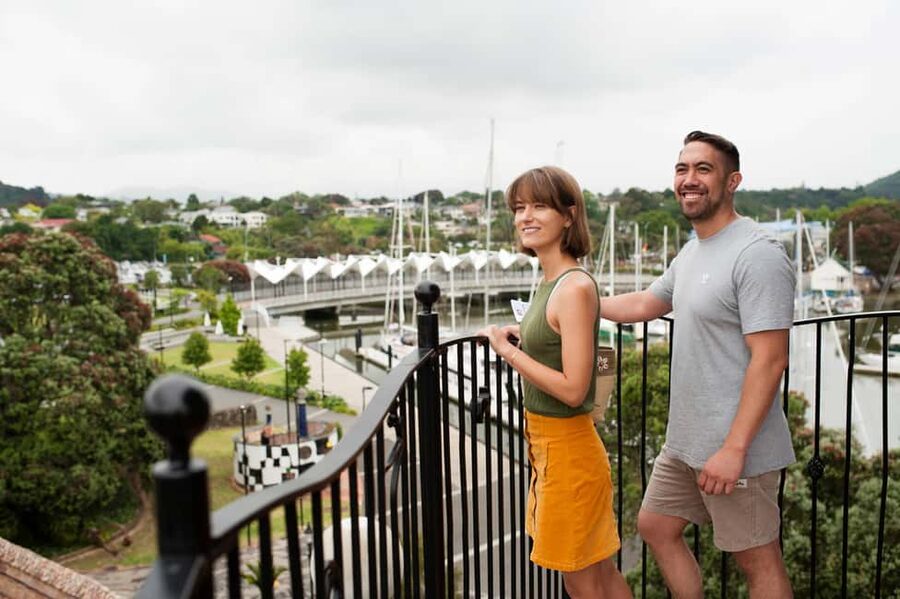
Aqua Café-Restaurant sits on site with views across the marina and the Hātea River. It serves brunch, lunch, and dinner most days, along with pastries each day.
This makes the come-and-go ticket especially useful. You can spend time inside, stop for coffee or food, walk around the Town Basin, and return to the Art Centre later. That is a better plan than trying to see every room in one hurried circuit.
Food and drinks are not included, and you cannot bring them into the Art Centre. Plan to use the café or eat elsewhere around the Town Basin rather than arriving with a packed meal.
The river setting also helps place the building within Whangārei. You get art, architecture, water views, and nearby galleries in one compact area. The center is not an isolated museum that requires a separate day of sightseeing.
How to plan your day in Whangārei
The ticket is valid for one day and allows you to come and go. I would begin at the Art Centre so you can see the main galleries while your attention is fresh.
If you are visiting Thursday through Sunday, consider joining the 11:00am guided tour first. It runs from 11:00am to noon, then you can revisit the galleries with the story in mind. If your schedule does not fit that time, the films and exhibition displays still provide a self-guided introduction.
After the tour or first gallery visit, go up to the Afforested Roof and cupola. The views give you a break from the indoor displays, and the roof is easier to appreciate after you have learned something about Hundertwasser’s ecological approach.
Next, set aside time for Wairau Māori Art Gallery. Finish with Aqua Café, the MuseumShop, or a walk through the Town Basin’s art and craft galleries. Because the ticket permits re-entry during the day, you can split the visit into manageable sections.
A full day is not required if you are focused only on Hundertwasser. A few hours may be enough for the main exhibition, roof, and films. But if you want both galleries, lunch, the shop, and the nearby Town Basin, the all-day format gives you much more breathing room.
Price, access, and who will enjoy it
At $15 per person, admission offers good value for an art and architecture stop. The price includes the Hundertwasser exhibition, Wairau Māori Art Gallery, roof access, films, the building itself, and the ability to return during the day.
The guided tour changes the calculation. Adding $20 per person makes the total $35, but the extra cost may be worthwhile if you want a clear explanation of Hundertwasser’s life, ideas, and New Zealand connection. For art lovers, first-time visitors, and people who enjoy architecture, I think the tour is the stronger option.
Families and casual sightseers can also enjoy the center because the building is visually direct. You do not need specialist art training to notice the crooked floors, tiles, trees, and bright forms. The main drawback is that the style may feel too busy if you prefer calm, minimal galleries.
The Art Centre is wheelchair accessible, though the uneven design remains part of the building’s character. Comfortable shoes are sensible for everyone. The center is in Whangārei, roughly two hours by car from Auckland and about one hour south of the Bay of Islands, so check your driving plan before booking.
The activity has a 4.9 rating from 14 reviews. The strongest praise centers on the impressive paintings and colorful museum experience, which fits the visit well: the original works make the center worthwhile, while the architecture makes it memorable.
Should you book the Hundertwasser Art Centre?
Book it if you are driving through Whangārei, heading to or from the Bay of Islands, or planning a Northland art and culture day. It is especially suited to anyone who likes original artwork, unusual buildings, ecological design, contemporary Māori art, and places where the setting matters as much as the display.
The $15 admission is easy to recommend because it covers several separate elements rather than a single gallery. Add the guided tour if you want the ideas explained clearly, and allow extra time for the roof, café, Wairau Māori Art Gallery, and Town Basin.
Skip it only if you are making a very tight Auckland day trip or have little interest in art and architecture. For most Northland visitors with a few hours in Whangārei, this is a distinctive stop with real substance, not just a colorful photo opportunity.
FAQ
How much does admission to the Hundertwasser Art Centre cost?
Admission costs $15 per person. A guided tour costs an additional $20 per person.
How long is the admission ticket valid?
The ticket provides access for one day and allows you to come and go throughout that day.
When does the guided tour run?
One-hour guided tours run Thursday through Sunday from 11:00am to 12:00pm.
Is the guided tour included in admission?
No. The guided tour is an optional extra and costs $20 per person in addition to the $15 admission.
What is included with the admission ticket?
Admission includes the Hundertwasser 1973 to 2000 exhibition, Wairau Māori Art Gallery, the Afforested Roof and golden cupola, short films, the Art Centre building, and access to return during the day.
Is the Hundertwasser Art Centre wheelchair accessible?
Yes, the Art Centre is wheelchair accessible.
How far is the Art Centre from Auckland and the Bay of Islands?
The Art Centre is approximately a two-hour drive north of Auckland and about a one-hour drive south of the Bay of Islands.
Newly listed around New Zealand
- Kumeu Winery Boutique Tour with Gourmet Lunch from Auckland★ 4.0 · 5 reviews
- Private tour – Hobbiton Movie Set Evening Banquet Return from Auckland★ 5.0 · 5 reviews
- Wellington Jewish Heritage sightseeing tour with a kosher lunch★ 5.0 · 5 reviews
- Ex Queenstown: Mavora Lakes Middle Earth Full Day Adventure★ 5.0 · 5 reviews
- Private 2 Day Tour: Hobbiton, Waitomo, Rotorua Geothermal & Hamilton Gardens★ 4.0 · 5 reviews
- Milford Sound Earnslaw Burn Helicopter Tour from Queenstown★ 5.0 · 5 reviews
- Private Auckland Luxury Tour★ 5.0 · 5 reviews
- Private Transfer From Auckland Airport To Rotorua★ 5.0 · 5 reviews
1-Day Tours, compared.
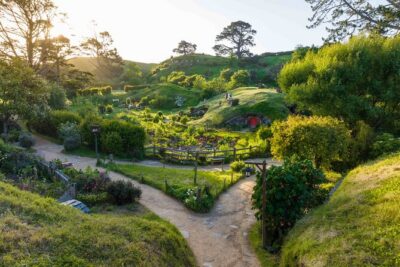
Hobbiton & Waitomo Caves Guided Day Trip from Auckland incl lunch
Read our review →
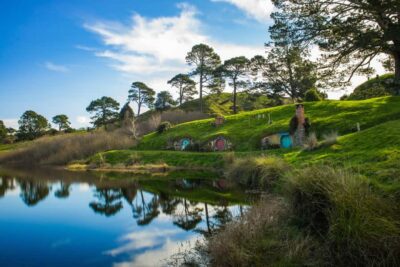
Hobbiton & Waitomo Caves Day Trip with Lunch
Read our review →
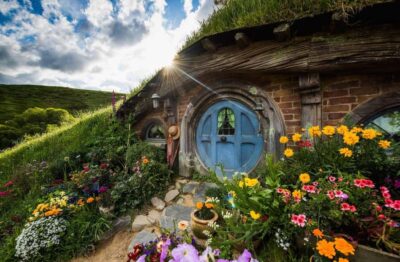
Hobbiton Movie Set Day Trip with Festive Lunch
Read our review →
Browse the lists this tour appears in