
Reviewed · AKAROA TOURS
Night Awe – Stargazing tour in Akaroa
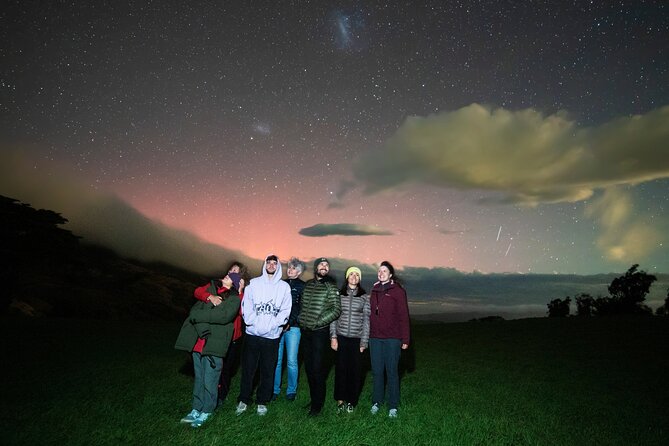
Akaroa’s dark skies give this tour its real magic. In about 90 minutes, astronomer Luca guides you from naked-eye stars to planets, nebulae, and far-off galaxies, using both a powerful 10-inch Dobsonian telescope and a smart telescope that creates live astrophotos.
I like the small maximum of 10 people, which leaves room for questions and gives the evening a personal feel. I also like the two kinds of souvenirs: instant images of deep-sky objects and a personalized photo of you beneath the stars.
The main catch is the weather. This is an outdoor astronomy experience, so clouds can cancel the evening or force a change of date. Bring warm layers, even though blankets and a hot drink are provided.
Key points to know before booking
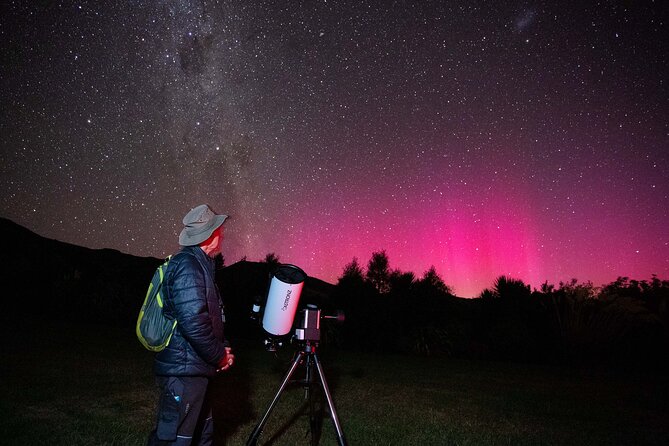
- Luca leads the evening with clear, personal explanations, including easy ways to understand the vast distances in space.
- Two telescopes give you two different views: the Dobsonian is made for direct viewing, while the ZWO Seestar S50 produces live digital images.
- The group is capped at 10 people, a useful size for asking questions without losing the quiet feel of the night.
- You receive digital souvenirs, including instant nebula and deep-sky photos and a personal night-sky portrait sent the next day.
- The meeting point is Akaroa Heritage Park, at 280 Long Bay Road, only minutes from town.
- A hot coffee or tea and cozy blankets are included, but clear weather is essential for the tour to work.
Why Akaroa’s night sky is the main attraction
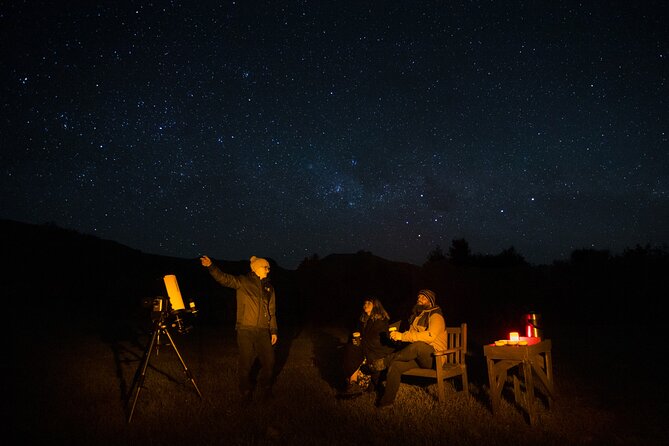
The first thing to understand is that this is not simply a short look through a telescope. The setting does much of the work. Akaroa offers a break from strong city lighting, giving you a better chance to see the Southern Hemisphere sky with your own eyes before the equipment brings distant objects closer.
That order matters. Luca begins with the naked-eye sky, helping you notice the broad shape of the heavens rather than immediately placing your eye against an eyepiece. You first get a sense of the stars as a whole, then move toward particular constellations, planets, and other objects.
I find this approach more rewarding than a gadget-first presentation. A telescope can show you a nebula, but it helps to understand where it sits in the sky and how to find it again. Luca’s role is to connect those views with explanations, examples, and answers to your questions.
No prior astronomy knowledge is needed. You do not need to know the names of constellations or understand the difference between a galaxy and a nebula before arriving. The tour is designed to start with basic observation and build from there.
More evening outings in Akaroa:
- Akaroa: Pohatu Little Penguins 3-Hour Evening Experience
★ 4.8 · 119 reviews - Oamaru: Penguins Evening Viewing Ticket
★ 4.5 · 682 reviews - Guided Evening Penguin Viewing Otago Peninsula, Dunedin, New Zealand
★ 5.0 · 471 reviews
Starting at Akaroa Heritage Park
You meet at Akaroa Heritage Park, 280 Long Bay Road, Akaroa 7583. The tour begins and ends at this same point, and private transportation is not included, so you need to arrange your own way there.
The location is convenient if you are already in Akaroa, since it is described as only minutes from town. Still, this is one detail worth checking before booking: the meeting point is not a pickup service. Plan to reach the park independently and allow enough time to arrive before the scheduled start.
Once the session begins, Luca takes you through the night sky with binoculars and telescopes. The 90-minute duration is long enough to cover several types of objects without turning the evening into a full-night commitment. That makes it easy to fit around dinner or another Akaroa activity.
A small group also changes the mood. With no more than 10 people, you should have a better chance to hear explanations clearly and ask questions. The atmosphere is less like a large presentation and more like a guided conversation under the stars.
Moving from naked-eye stars to telescope views
The natural progression is one of the tour’s strongest features. You begin by looking up without equipment. That simple step can be surprisingly important, since it gives your eyes a chance to adjust to the darkness and helps you see the sky as a place rather than a collection of isolated telescope targets.
Luca then brings in binoculars and the 10-inch Dobsonian telescope. A Dobsonian is designed to gather a great deal of light, which is useful when viewing faint objects in a dark setting. Here, the value is not only technical. The telescope lets you see details that would be hard or impossible to pick out with your eyes alone.
The exact objects available will depend on the night and the position of the sky. The tour description specifically mentions the Milky Way, planets, nebulae, and distant galaxies. On a clear night, there are plenty of possible targets, so the program can respond to what is visible rather than follow a rigid list.
That flexibility is good for repeat visitors, too. The sky changes with the season, and no single session can cover everything. Even if you already know a little about astronomy, you may find new targets or gain a better sense of how objects relate to one another.
What the 10-inch Dobsonian adds
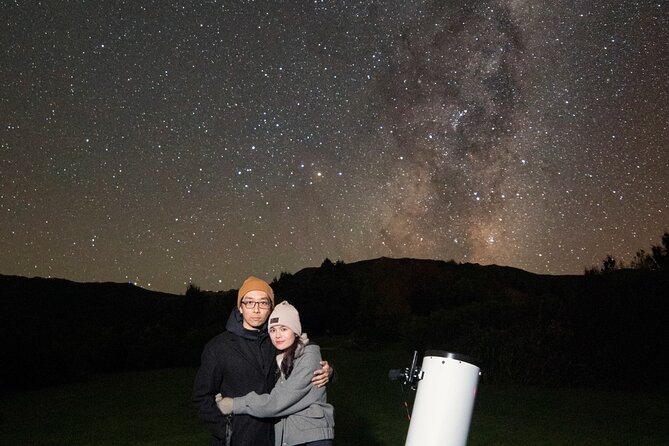
The 10-inch Dobsonian is the traditional observing tool in this experience. You look through it directly, which gives the session a more hands-on, old-school astronomy feel. The image is not a polished screen presentation. You are using your own eyes to view an object gathered through the telescope.
That distinction is worth keeping in mind. Direct telescope viewing can be subtle. A nebula or galaxy may not look like the richly colored image you have seen in a book or on social media. Its appeal comes from knowing that the faint shape in front of you is actual light from an immense distance away.
Luca helps bridge that gap with explanations. His examples about distance make very large numbers easier to picture, and his enthusiasm keeps the subject from feeling like a science lesson. The strongest part of this format is the combination of simple language and real equipment.
If you want a fast succession of dramatic, colorful images, the Dobsonian alone may feel understated. If you like the idea of seeing distant objects with your own eyes, it becomes one of the most meaningful parts of the evening.
A few more Akaroa days to compare
- Akaroa Dolphins ~ Harbour Nature Cruise
★ 5.0 · 2,143 reviews - Akaroa: Dolphin Nature Cruise
★ 4.9 · 440 reviews - Akaroa Harbour Nature Cruise
★ 5.0 · 332 reviews - Swimming with Wild Dolphins in Akaroa
★ 4.5 · 261 reviews
How the ZWO Seestar S50 changes the view
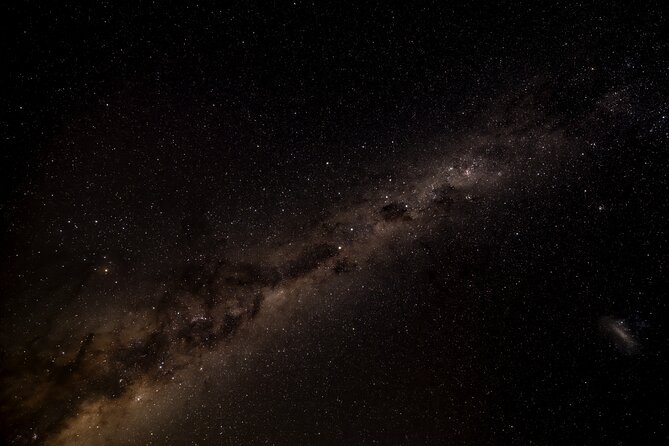
The ZWO Seestar S50 smart telescope offers a different way to experience the sky. It captures live images of nebulae and other deep-sky objects and makes those images available for instant sharing.
This is useful because some objects are difficult to appreciate through a conventional eyepiece. The smart telescope gathers and processes light to produce a clearer digital view. You can see the object on screen and receive a digital photo that is ready for social media.
I like this pairing of equipment. The Dobsonian gives you a direct visual encounter, while the Seestar S50 shows what modern amateur astronomy can do with compact digital tools. One is personal and immediate. The other provides a record you can keep and share.
The instant images also solve a common problem with stargazing: the best sight often lasts only as long as your eye is at the telescope. With a digital image, you can take something home from the session right away. The photo is not a substitute for standing beneath the sky, but it helps preserve the moment.
The personalized photo arrives the next day
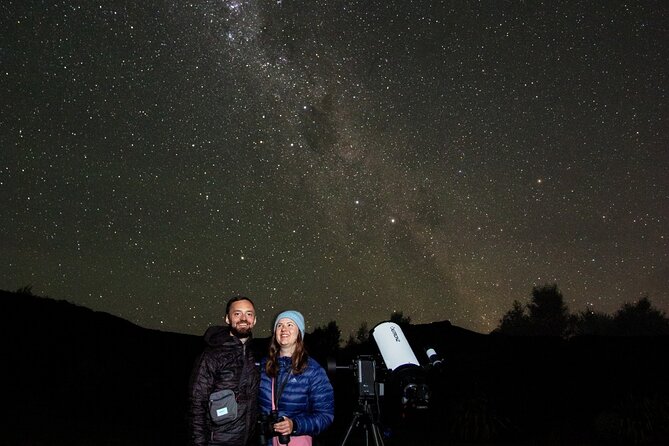
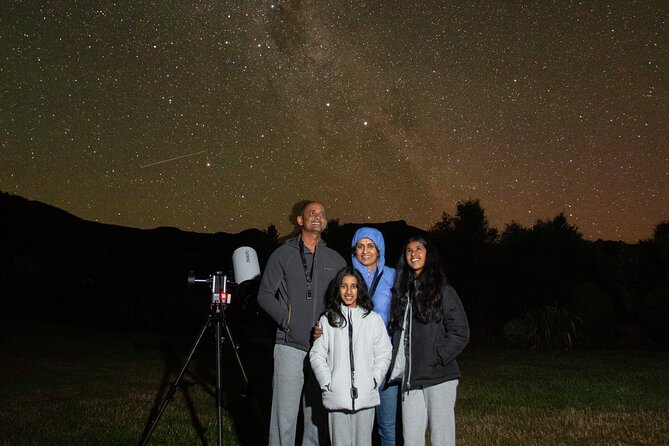
Along with the live images of nebulae and deep-sky objects, you receive a personalized digital souvenir photo under the night sky. It can include you or your group, and it is sent the next day.
This is a thoughtful addition for couples, families, and small groups. It gives you a proper keepsake rather than leaving you to take a dark, blurry phone picture on your own. The next-day delivery also means you do not need to wait for a physical print or carry anything during the rest of your trip.
The photo is a digital souvenir, not a printed item, so keep that in mind if you prefer something tangible. Still, it is easy to save, send, or post, and it adds a personal touch to a tour that could otherwise be mostly about looking through equipment.
Luca’s guiding style and the human side of astronomy
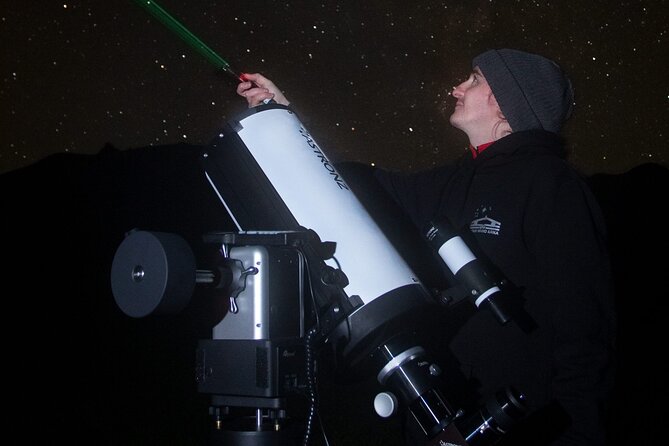
A telescope can be impressive, but the guide determines how accessible the evening feels. Luca is described as enthusiastic about constellations and planets, and he explains ideas with examples that relate to familiar distances. That is especially helpful when the subject turns to the scale of the universe.
You can ask questions during the session, and no background in astronomy is expected. I would make use of that freedom rather than saving every question for later. Stargazing becomes more memorable when you connect what you see with something you were curious about.
The tone also suits people who might otherwise feel out of place at an astronomy event. You are not expected to identify stars, use technical terms, or arrive with a detailed understanding of the Southern Hemisphere sky. Luca’s job is to guide you from what you can see to what it means.
At the same time, the experience is not only for beginners. Anyone who enjoys planets, constellations, and space photography can get something from the equipment and the changing list of possible targets.
Warm drinks, blankets, and the practical comfort factor
Akaroa’s night air can feel cool, and you will be standing or sitting outside while waiting for your turn at the equipment. The included blankets and complimentary coffee or tea are more than decorative extras. They make it easier to stay focused on the sky instead of thinking about cold hands and shoulders.
You should still dress for an outdoor night. The supplied information confirms blankets and a hot drink, but it does not promise a particular seating arrangement or a fully sheltered viewing area. Warm clothing remains the sensible choice.
The hot drink also helps the 90-minute format feel complete. You get time to look, listen, ask questions, and warm up without needing to rush. If you dislike being outdoors after dark or become uncomfortable in cool conditions, this may not be your ideal activity, even with the added comforts.
Is NZ$67.64 good value?
At NZ$67.64 per person, the price is reasonable for a small-group astronomy session that includes an expert guide, two telescopes, hot drinks, blankets, and digital photos. The group limit matters here. You are not paying only for access to a telescope. You are paying for instruction and time with equipment in a dark-sky setting.
The two photo features also add value. The Seestar S50 provides instant images of deep-sky objects, while the personalized group photo arrives the following day. Those extras make the cost easier to justify if you want a souvenir as well as an evening activity.
The value is strongest for people who care about the experience itself. If you only want a quick look at the Moon or a single planet, a dedicated 90-minute tour may be more than you need. If you are curious about the Southern Hemisphere sky and want guidance, the price covers a well-rounded session.
Since private transportation is not included, factor in your own cost and time for reaching Akaroa Heritage Park. The meeting point is near town, but you still need to get there independently.
Weather is the one condition you cannot ignore
Clear skies are essential. Clouds can block the stars, planets, and faint objects that make the evening worthwhile. If poor weather prevents the tour from running, you are offered a different date or a full refund.
You can also cancel for a full refund if you do so at least 24 hours before the start time. Cancellations made inside that window are not refunded, and changes at that point are not accepted. Since weather is central to the activity, check the forecast before your final cancellation deadline.
I would avoid booking this as the one fixed highlight of a tightly packed schedule unless you have room to move it. A flexible evening gives you a better chance of fitting the tour around changing conditions.
Who will enjoy Night Awe most?
I would recommend this experience to:
- First-time stargazers who want clear explanations without needing prior study.
- Couples and small groups who would like a personalized photo under the stars.
- Families and adults interested in planets, galaxies, and the Milky Way.
- Amateur astronomy fans who want to compare direct telescope viewing with live digital astrophotography.
- Anyone looking for a quiet evening activity close to Akaroa rather than a large organized excursion.
The format may be less suitable if you need guaranteed sights regardless of weather, dislike outdoor activities at night, or want transportation included. The exact objects you see can also vary, so you should book for the guided sky-watching experience rather than one specific planet or nebula.
Most people can participate, and service animals are allowed. The group is limited to 10 people, which helps keep the session manageable.
Should you book this Akaroa stargazing tour?
Book it if you want more than a quick look at the stars. Luca’s personal explanations, the small group, the 10-inch Dobsonian, and the Seestar S50 create a good balance between classic astronomy and modern imaging.
The best reason to choose it is the combination of seeing the sky directly and taking home digital images. Just arrive prepared for an outdoor night, arrange your own transport to Akaroa Heritage Park, and keep your schedule flexible in case clouds require a new date.
FAQ
Where does the Akaroa stargazing tour begin?
The tour begins at Akaroa Heritage Park, 280 Long Bay Road, Akaroa 7583, New Zealand.
Where does the tour finish?
The experience ends back at the Akaroa Heritage Park meeting point.
How long does the tour last?
The stargazing session lasts approximately 1 hour and 30 minutes.
Who leads the stargazing experience?
The tour is led by Luca, an expert astronomer who explains constellations, planets, and other sights in the Southern Hemisphere sky.
What telescopes are included?
You use a 10-inch Dobsonian telescope for direct visual observation and a ZWO Seestar S50 smart telescope for live astrophotography.
Are photos included?
Yes. You receive instant digital photos of nebulae and other deep-sky objects. A personalized digital photo of you or your group beneath the night sky is sent the next day.
Is a hot drink included?
Yes. Complimentary coffee or tea and cozy blankets are included.
What happens if the weather is poor?
If poor weather causes the tour to be canceled, you are offered another date or a full refund. You can also cancel at least 24 hours before the start time for a full refund.
Newly listed around Akaroa
- Solar Explorer in Akaroa – Sun-Viewing Tour with Telescopes★ 5.0 · 5 reviews
- Discover Akaroa: Self Guided Audio Tour★ 4.0 · 6 reviews
- Akaroa Explorer: Guided Electric Mountain Bike Tour★ 4.7 · 9 reviews
- Akaroa Nature and History Private Tour – The 7th Generation★ 5.0 · 10 reviews
- Akaroa Shore Excursion: Akaroa Harbour and Sheep Farm Local Tour★ 4.5 · 11 reviews
- Akaroa Shore Excursion: Banks Peninsula, Christchurch City and Giants House Tour★ 3.5 · 14 reviews
- Akaroa: Stargazing Tour with 2 Telescopes & Souvenir Photos★ 5.0 · 17 reviews
- Akaroa Explorer- Guided Electric Bike Tour in Akaroa★ 5.0 · 18 reviews
Akaroa Tours, compared.
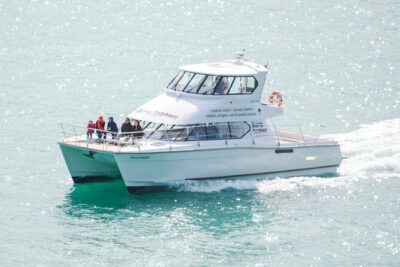



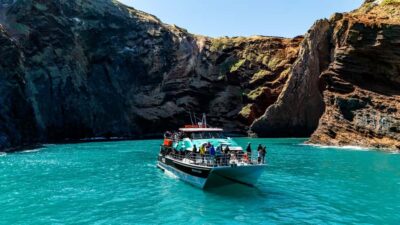
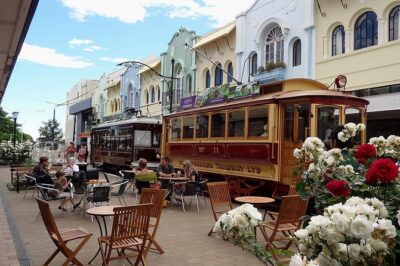
Akaroa Shore Excursion: Banks Peninsula and Christchurch City Sights Tour
Read our review →
Shore Excursion Guided Sea Kayaking through Akaroa Marine Reserve
Read our review →
Akaroa Shore Excursion: Banks Peninsula, Christchurch City Tour and the International Antarctic Centre
Read our review →Browse the lists this tour appears in