
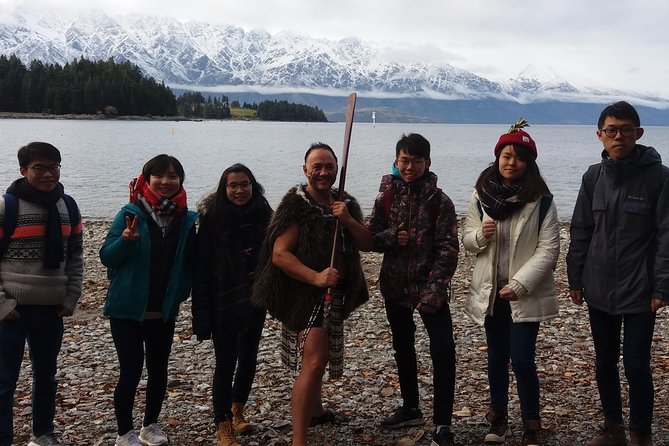
Reviewed · WANAKA TOURS
Māori Whakatau Welcome
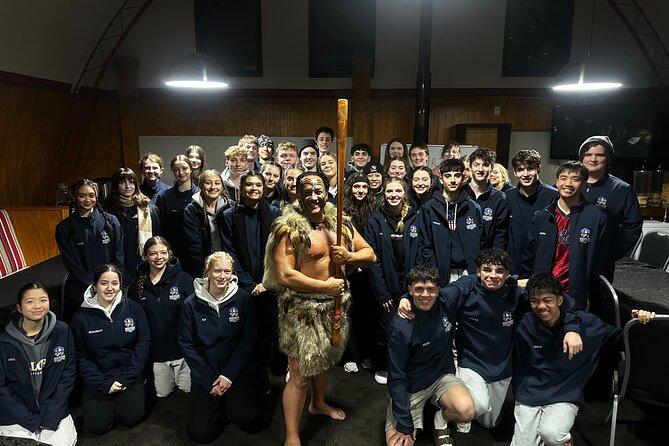
The most memorable part of this experience is the pōwhiri, a formal Māori welcome that begins with a wero, or challenge, from a warrior carrying a taiaha. You are not simply watching a cultural show. You are being received onto Otago land through a ceremony built around respect, hospitality, and connection.
I like two things right away: the setting beside Lake Wanaka gives the welcome a strong sense of place, and the 45-minute format fits neatly into a busy holiday. Joe is described as warm and helpful, and children enjoyed the experience too. One point to check before booking is the souvenir carving: the description suggests one may be taken home, but the inclusions state that an authentic Māori bone carving is not included.
Key points to know
- A real pōwhiri format: Expect a wero challenge, mihi whakatau welcome speech, and other key parts of a Māori welcome.
- Lake Wanaka setting: The experience connects cultural ideas to Otago and its natural surroundings.
- Joe leads the welcome: The available feedback specifically praises Joe’s helpful manner and ability to involve children.
- Short and easy to fit in: The session lasts about 45 minutes, with a listed 9:30 a.m. start and morning or afternoon options.
- Queenstown may be possible: The pōwhiri can be arranged in Queenstown or Wanaka, but you should email ahead with your preferred location.
- Check the carving cost: The Māori bone carving and WanaHaka tea towel are listed as extras, not included in the basic price.
A Māori welcome beside Lake Wanaka
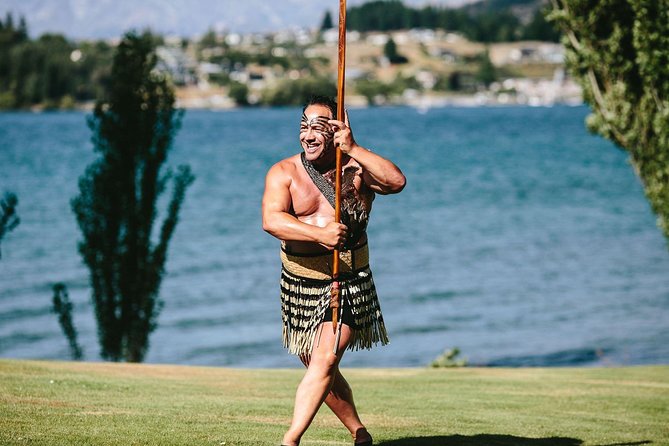
A pōwhiri is more than a greeting. In Māori culture, it is a way to receive people arriving on whenua, or land, and to move from being strangers toward a relationship of mutual respect.
That gives this experience a different feel from a museum display or a short cultural performance. You hear about Māori customs, but you also take part in the structure of a welcome. The ceremony includes the wero, a challenge traditionally used to assess visitors and establish their intentions, followed by the spoken elements of the pōwhiri.
The setting matters. Lake Wanaka gives the experience a clear connection to Otago rather than making it feel like a generic cultural presentation that could happen anywhere. The focus is on both people and place, with the WanaHaka team explaining the ideas of manaakitanga, or hospitality, and kaitiakitanga, or guardianship of the land.
I like that these two ideas give you something practical to listen for. Manaakitanga helps explain how Māori hospitality works, while kaitiakitanga points to the responsibility of caring for the land. You leave with more than a few unfamiliar words. You have a framework for understanding why land, community, and welcome are closely linked.
More Maori Experiences in Wanaka:
- ‘Express’ Wine Tour & Māori Culture Wānaka
★ 5.0 · 85 reviews - Wine Tour & Maori Culture Wanaka
★ 5.0 · 81 reviews - Mitai Maori Village: Cultural Experience and Dinner Buffet
★ 4.7 · 3,575 reviews
The wero begins the 45-minute ceremony
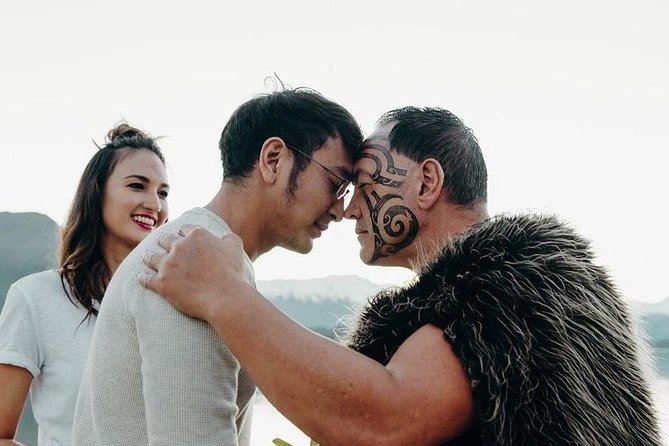
The welcome starts with a Māori warrior and taiaha. This part is called the wero, or challenge. It can look dramatic, but its purpose is not simply entertainment. It forms the opening step in the process of receiving visitors.
You should expect to pay attention to the guide’s instructions and to the ceremonial sequence. The experience is designed to move through the key parts of a pōwhiri, so it is best approached with respect rather than as a photo stop.
After the challenge, the welcome continues through the mihi whakatau, a formal speech of greeting. The exact words and actions may vary, but the central idea is clear: you are being acknowledged as someone arriving in a place with its own people, stories, and responsibilities.
The full session lasts around 40 minutes to one hour, with the itinerary listing 45 minutes. That is enough time for a meaningful introduction without asking you to give up half a day. I would place it early in a New Zealand holiday, especially if you want cultural context before visiting more of Otago.
One family specifically found the experience useful at the start of a New Zealand trip, and the children enjoyed it. That makes sense. A short welcome early in your visit can help you notice Māori names, customs, and ideas of place as you continue through the country.
What the welcome teaches about manaakitanga
Manaakitanga is often translated as hospitality, but here it carries a wider sense of showing care, respect, and generosity toward others. It is one of the two cultural ideas WanaHaka wants you to connect with during the session.
You are not expected to master Māori vocabulary in 45 minutes. The value is in hearing the words used within a ceremony and understanding why they matter. A guidebook can define manaakitanga, but a pōwhiri shows how hospitality can be expressed through formal welcome, speech, gesture, and shared attention.
The tone appears to be accessible rather than academic. Joe is singled out as helpful, which is important in a ceremony that may be unfamiliar to many people. You want a guide who can explain what is happening without flattening it into a list of customs, and the available feedback suggests Joe does that well.
Families should find the structure manageable. Children aged 16 and under receive a discounted rate, and children were specifically included in the positive feedback. Still, parents should prepare younger children to listen and follow directions during the wero and formal welcome.
Kaitiakitanga connects the people and the land
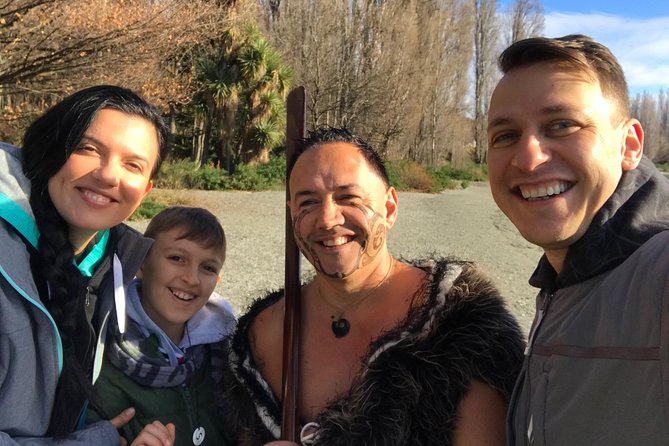
The second central idea is kaitiakitanga, the guardianship of the land. This is where the Lake Wanaka setting becomes especially useful.
The experience does not treat the lake as a pretty background only. It links the surrounding place to the responsibilities of local iwi, or tribe, and to the idea that people act as kaitiaki, or custodians. You learn that a welcome is connected to the land where it takes place.
This is a valuable distinction. You are not being given a broad, interchangeable introduction to Māori culture. The stated aim is to connect you with local Māori traditions and with the people responsible for caring for Otago’s whenua.
The information provided does not spell out every local story or name the specific iwi involved, so I would not book this expecting a long history lecture. Instead, think of it as a focused cultural welcome with an emphasis on values, ceremony, and place.
A few more Wanaka days to compare
- Wildwire Wanaka- Level 2 (4 Hours)
★ 5.0 · 467 reviews - Bike the Wanaka and Hawea Trails
★ 5.0 · 346 reviews - Lake Wanaka Happy Hour Cruise
★ 4.6 · 313 reviews - Small Group Jet Boat Adventure on the Clutha River from Wanaka
★ 5.0 · 302 reviews
Lake Wanaka or Queenstown?
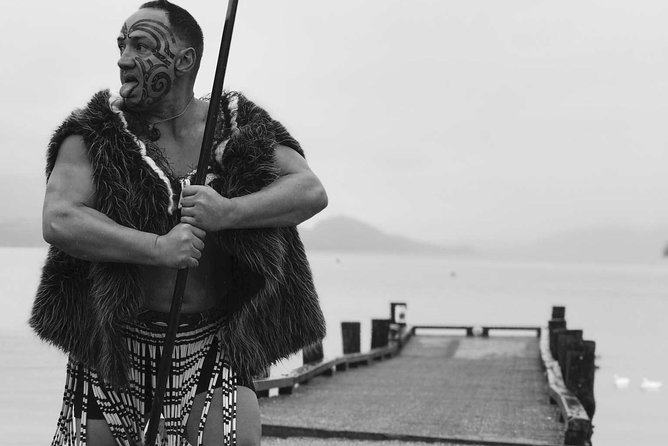
The experience is presented primarily around Lake Wanaka, but it can also be done in Queenstown. If location matters to you, email before booking and state your preferred town.
That small step is worth taking. Wanaka and Queenstown are separate bases, and choosing the wrong location could create an avoidable scheduling problem. The session includes private transportation, but the supplied details do not explain the exact pickup arrangement or how far that transport extends.
The listed start time is 9:30 a.m. The description also says you can choose a morning or afternoon pōwhiri, so confirm the available time when you book. A morning session can work well before a day around the lake, while an afternoon option may suit you better if you are arriving from another activity.
Because the ceremony ends back at the meeting point, you do not need to plan for a separate final drop-off location. Allow extra time around the 45-minute activity if you have a tight connection or a separate scheduled tour.
What is included, and what costs extra?
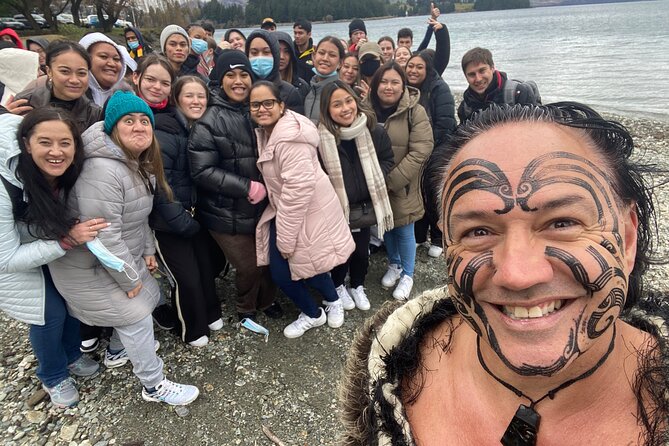
The price is listed at $31.03 per person. For that amount, I see the value in the guided ceremony, the cultural explanation, the Lake Wanaka setting, and the included private transportation.
This is not a full-day cultural program. You are paying for a concentrated welcome, not meals, extensive sightseeing, or a long series of demonstrations. If you want a brief but meaningful introduction that fits around other plans, the price is reasonable.
The souvenir details need careful attention. The highlights say you can take an authentic Māori bone carving home to remember the pōwhiri. However, the inclusion section lists the authentic Māori bone carving as not included, along with a WanaHaka tea towel souvenir. Souvenir photos are also available to purchase.
I would ask the operator exactly what the carving costs and whether it is made during the experience or purchased separately. Do not assume it is part of the $31.03 price. That clarification is especially important if the carving is a major reason you are booking.
A small group, with room for family participation
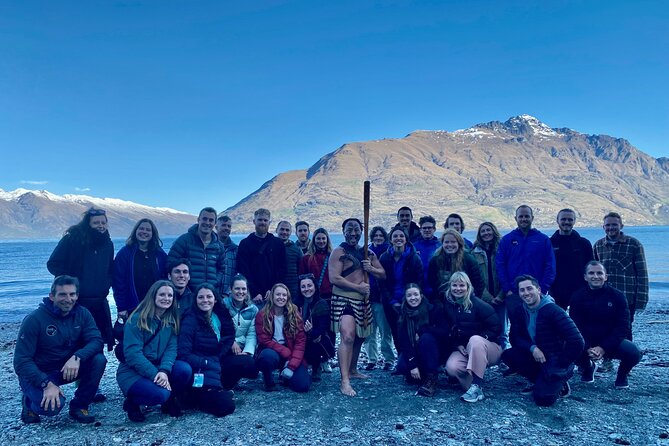
The maximum group size is 30 people. That is not a private one-family ceremony, but it is also not a huge coach-group production. The size should allow the guide to address the group while keeping the welcome visible and easy to follow.
Private transportation is included, though the available details do not describe the vehicle or the exact transfer route. You should confirm meeting instructions after booking, even though confirmation is issued at the time of booking.
Children must be accompanied by an adult. Most people can participate, and service animals are allowed. The activity requires good weather, so a cancellation caused by poor conditions may lead to a new date or a full refund.
The ceremony itself may ask for quiet attention and respect, but there is no stated fitness requirement. If you have mobility concerns, contact the provider before booking so you can confirm the meeting area and access arrangements.
Why this works well at the start of a New Zealand trip
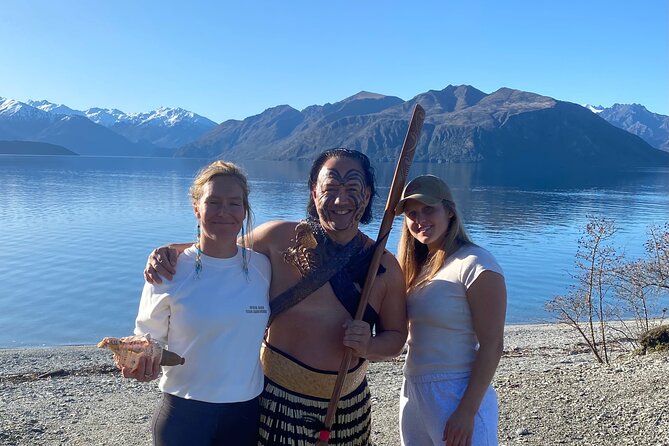
I would schedule this early in your visit rather than leave it until the final day. The available feedback specifically points to its value at the start of a New Zealand trip, and the reason is practical.
After the pōwhiri, Māori terms such as iwi, whenua, manaakitanga, and kaitiakitanga will have a human setting attached to them. You may hear or see these ideas again in museums, signs, guided walks, and other cultural encounters. Having this first introduction can help you listen with more understanding.
The experience also gives families a shared starting point. Children may remember the warrior and taiaha, while adults may take away the ideas about hospitality and care for the land. That mix makes it more useful than a talk aimed only at specialists.
It is also short enough that you do not need to build your entire day around it. Forty-five minutes can fit before lunch, after breakfast, or between other Wanaka plans.
Who should book this pōwhiri?
This is a good choice for you if you want:
- A respectful introduction to Māori culture in Otago
- A formal welcome rather than a general museum visit
- An activity suitable for adults and children
- A short session that fits into a Wanaka or Queenstown itinerary
- Cultural context tied to the local place
- A chance to hear directly about hospitality and guardianship
You may want something else if you are seeking a long cultural workshop, a detailed tribal history, or a full-day program. The supplied information supports a focused welcome, not an extended course.
You should also think about your interest in ceremonial experiences. The wero and mihi whakatau are meaningful parts of Māori culture, so this is not the right setting for noisy sightseeing or casual drop-in behavior. Come ready to listen, follow guidance, and treat the ceremony as a welcome rather than a stage show.
Booking advice, timing, and cancellation
The experience is commonly booked well ahead, with an average booking time of 137 days in advance. That suggests you should reserve early if your New Zealand dates are fixed, particularly if you need a specific morning or afternoon session.
The mobile ticket is convenient, and confirmation arrives when you book. Children aged 16 and under receive a reduced price, but an adult must accompany them.
Free cancellation is available up to 24 hours before the local start time. Changes or cancellations inside that 24-hour window are not accepted for a refund. The operator may also cancel if weather is poor or if the minimum number of participants is not reached. In those cases, you can choose a different date or experience, or receive a full refund.
Should you book the Māori Whakatau Welcome?
I would book this if you want a short, place-based introduction to Māori culture and you are willing to take part with respect. The wero, formal welcome speech, Lake Wanaka setting, and focus on manaakitanga and kaitiakitanga give the session more substance than a simple greeting or photo opportunity.
The strongest reasons to choose it are its manageable length, family-friendly format, and the personal guidance from Joe. The main caution is the conflicting information about the Māori bone carving. Confirm that cost before booking, and confirm whether your session will be in Wanaka or Queenstown.
For a first cultural experience in New Zealand, this makes a sensible opening activity. It gives you useful context, asks for less than an hour, and connects the welcome to the land beneath your feet.
FAQ
How long does the Māori Whakatau Welcome last?
The experience lasts approximately 40 minutes to one hour. The listed itinerary gives a duration of 45 minutes.
Where does the experience take place?
It is described as taking place on the shores of Lake Wanaka. The pōwhiri can also be arranged in Queenstown, but you should email ahead to request your preferred location.
What time does the experience start?
The listed start time is 9:30 a.m. The experience also offers morning or afternoon pōwhiri options, so confirm the available time when booking.
What happens during the pōwhiri?
The welcome includes a wero, or challenge, from a Māori warrior with a taiaha, followed by key elements of the pōwhiri and a mihi whakatau, or welcome speech.
Is transportation included?
Yes. Private transportation is included, and the activity ends back at the meeting point.
Are children allowed to participate?
Yes. Children aged 16 and under receive a discounted rate, and children must be accompanied by an adult.
Is the Māori bone carving included in the price?
The supplied details list the authentic Māori bone carving as not included, along with the WanaHaka tea towel. Ask the provider about the carving price before booking.
Newly listed around Wanaka
- Riverside Electric Bike Tour★ 5.0 · 5 reviews
- Wanaka: Waterfall Climb and Canyon Tour★ 5.0 · 6 reviews
- Wanaka: Scenic Hot Air Balloon Flight★ 4.7 · 6 reviews
- Wanaka Easy Ebike Tour★ 5.0 · 7 reviews
- From Wanaka: Milford Sound Flight with Landing & Glaciers★ 4.4 · 7 reviews
- Lake Wānaka: 3 hour Fishing Adventure by Boat★ 4.9 · 7 reviews
- Rob Roy Glacier Guided Walk★ 5.0 · 8 reviews
- Wānaka: Scenic Helicopter Flight Wānaka Max★ 5.0 · 11 reviews
Wanaka Tours, compared.

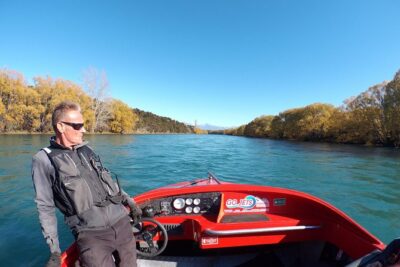
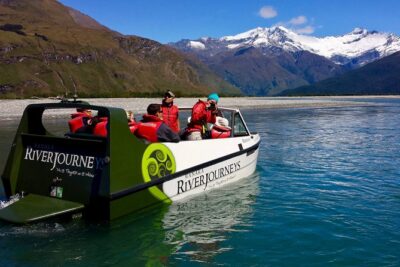
Small Group Jet Boat Adventure on the Clutha River from Wanaka
Read our review →

Browse the lists this tour appears in