
Reviewed · WINE TOURS
Gibbston Valley Wines – Cave Tour
New Zealand’s largest wine cave is the star here. At a steady 14°C, the cave offers a cool, atmospheric break from Central Otago’s mountain country, with three Gibbston Valley wines poured along the way. You also see the first vines planted by founder Alan Brady in 1983.
I like the compact format and the clear local focus. You get a short introduction to Gibbston wine, a look inside an unusual cellar, and three tastings without giving up half a day. The main drawback is the pace: 30 minutes can pass quickly, especially if you want a long chat about each wine or time to linger over the setting.
Key points at a glance
- New Zealand’s largest wine cave: The cellar gives this short tasting a setting you will not find at every winery.
- Three current-release wines: Tastings are included, with Gibbston Valley’s pinot noir central to the regional story.
- Alan Brady’s 1983 vines: Your host points out the first vines planted in the region by the winery’s founder.
- A steady 14°C inside: Bring a light layer if cool indoor spaces bother you.
- A 30-minute core experience: This suits a packed Queenstown or Central Otago day better than a long winery visit.
- Small groups, up to 20 people: The maximum group size allows the host to keep the tour fairly personal.
Entering the Gibbston Valley wine cave
Gibbston Valley calls itself the Valley of the Vines, and the setting explains why. Vineyards occupy the space between rugged mountains and the Kawarau River gorge, making the approach part of the Central Otago story before you even taste anything.
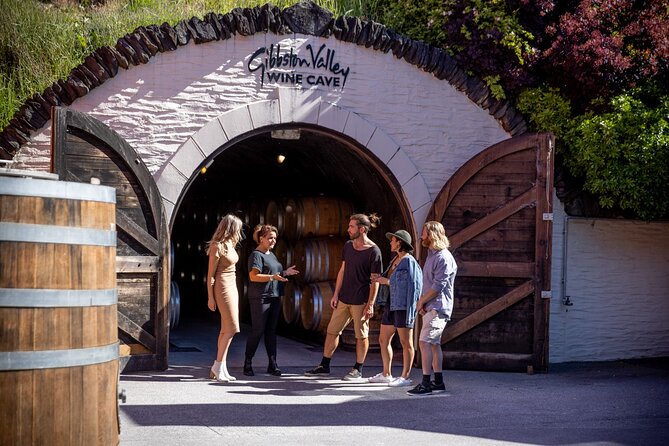
The tour takes place at Gibbston Valley Winery and Restaurant on State Highway 6, at 1820 State Highway 6, Queenstown 9371. You meet there, visit the cave, and finish back at the same point. That simple arrangement matters if you are building a day around Queenstown, nearby vineyards, or the Central Otago wine route.
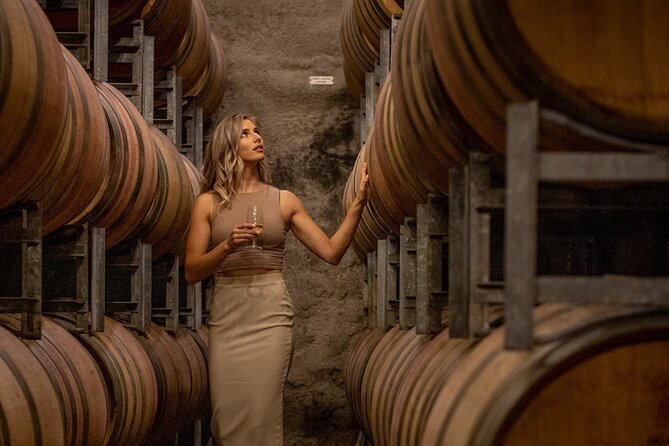
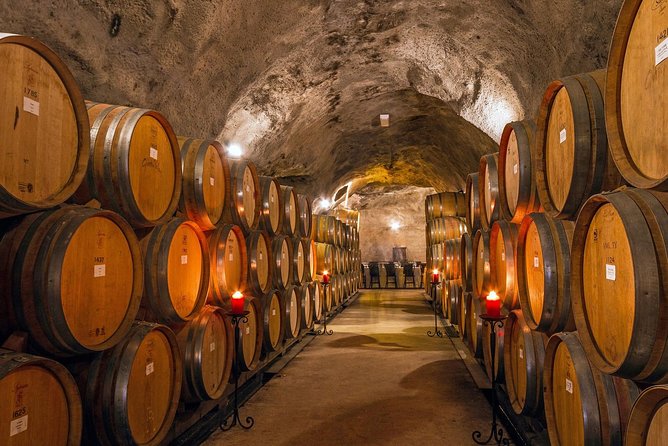
Inside, the cave gives the tour its sense of place. Many winery tastings happen in polished rooms with bottles lined up on shelves. Here, you get a cellar with a consistent temperature of about 14°C. That cool air is practical for wine storage, but it also makes the visit feel different from a standard tasting room stop.
I would not expect a sprawling underground complex or a long cellar walk. The cave visit is part of a short, guided introduction. Its value comes from the setting and the explanation, not from distance covered.
More Wine Tours in New Zealand:
- Waiheke island Wine Tours – PREMIUM wine tasting MAX 11 clients !
★ 5.0 · 1,378 reviews - Boutique Wine Tour – visit Central Otago, 4 Wineries & Lunch
★ 5.0 · 673 reviews - Award Winning Premium Wine Tour Queenstown Tasting at 4 Wineries
★ 5.0 · 632 reviews
Why Gibbston is known for pinot noir
Central Otago is especially known for pinot noir, and Gibbston Valley gives you a direct introduction to that reputation. The tour places local wine in its geographic setting, with the gorge, mountains, and vineyards all tied into the explanation.
You are not simply handed three glasses and left to guess what makes the area special. Your Cellar Door host explains the local wine industry and the beginnings of the vineyard. That context helps you understand why a region with rugged surroundings and a relatively young wine story has become closely associated with pinot noir.
The winery’s first vines were planted in 1983 by Alan Brady, the founder and wine pioneer behind Gibbston Valley. Seeing those original vines gives the stop a useful human scale. Central Otago wine is not presented as an ancient tradition. It is a comparatively recent experiment that grew into a major part of the region’s identity.
That detail is worth listening for. It turns the tasting from a product sample into a short lesson in how a wine area develops. You see where the story began, then taste what the winery is producing now.
The three-wine tasting
Three tastings are included in the tour. The wines come from Gibbston Valley’s current releases, so the exact selection can change. That is useful if you want to compare what the winery is pouring now, but it means you should not book expecting a fixed list of labels.
The tasting is brief rather than a full wine education session. You will have enough time to sample the wines and hear the basic explanation, but the 30-minute schedule leaves limited room for lengthy questions. If wine is your main reason for visiting, ask your host about the wines as they are poured and make the most of the conversation.
The tasting also gives you a chance to place local pinot noir beside other current releases. The information supplied does not promise three pinot noirs, so you should think of the tasting as a snapshot of the winery’s present range, with the region’s signature grape as an important part of the background.
One useful point from the experience is that a small group can change the feel of the visit. The maximum is 20 people, but a group may be much smaller. One particularly small group had only four people, which allowed the host to make the visit more personal and add a few extra tastings. That is not guaranteed, but it shows why the actual group size can matter more than the posted maximum.
The original 1983 vines and Alan Brady’s story
The stop at the first vines is one of the most meaningful parts of the visit. These were planted in 1983 by Alan Brady, making them a physical link to the start of the local wine industry.
You do not need to be a wine expert to appreciate this. A first vineyard tells you something about risk, timing, and place. Someone had to decide that grapes could thrive here before Central Otago had the wine reputation it has today.
The host uses the vines to explain the early story of Gibbston Valley and the wider region. This is where the tour gains substance. Without that stop, the cave could feel like a pleasant cellar with a few samples. With it, you get a clearer idea of how the winery and the region grew together.
The information does not specify how long you spend beside the original vines, so keep your expectations sensible. This is a concise introduction, not a full historical presentation. Still, for a half-hour activity, the combination of original vines, cave, and tasting covers the essential points well.
Somewhere else in New Zealand entirely:
- Hobbiton Movie Set: Guided Tour Ticket
★ 4.9 · 8,167 reviews - Rotorua Canopy Tours: 2.5Hour Native Forest Zipline Adventure
★ 5.0 · 4,563 reviews - Hobbiton™ Movie Set Walking Tour from Shires Rest
★ 5.0 · 3,577 reviews - Mitai Maori Village: Cultural Experience and Dinner Buffet
★ 4.7 · 3,575 reviews
A compact tour with a cool indoor pause
The steady cave temperature is one of the more practical details. At about 14°C, the cellar is a comfortable retreat on a warm day and a cool place to spend time if you arrive in colder weather. I would carry a light layer, especially if you are sensitive to cool indoor rooms.
That temperature also helps explain why caves work well for wine storage. You get a simple, physical example of cellar conditions rather than only hearing about them. The cave’s atmosphere is part of the appeal, but it has a job to do as well.
The short length makes this activity easy to add to a larger day. You can visit the winery, take the tour, taste three wines, and return to the meeting point without committing to a long guided program. It works well for people who want a taste of Gibbston Valley but still plan to see more of the Queenstown and Central Otago area.
The trade-off is equally clear. If you want a leisurely tasting with time to compare aromas, discuss winemaking, and ask detailed questions, this may feel rushed. One person described the visit as a short trip to the cellar with wine tasting and local industry history. That is a fair way to set your expectations.
What the winery stop adds beyond the cave
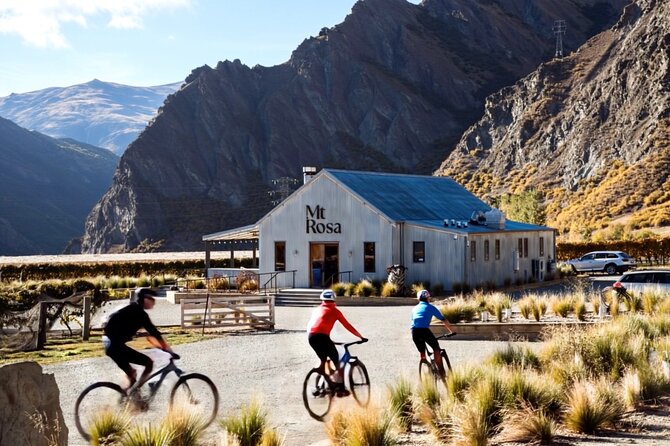
The meeting point is Gibbston Valley Winery and Restaurant, not an isolated cave entrance. The property also has a separate cheese shop and restaurant, along with a casual dining area. These details make the stop more useful if you want to combine the tour with food or browse beyond the tasting.
Do not assume every part of the wider property is included in the tour price. The included experience is the cave visit and three wine tastings. Food, cheese, and any purchases are separate considerations unless stated otherwise.
That layout can work in your favor. A short tour may leave you with time to look around the winery site afterward. It also gives you a place to continue the wine theme if the tasting leaves you wanting more. At the same time, the activity itself does not promise a full meal, a cheese pairing, or an extended cellar-door session.
If you are choosing between a short winery stop and a longer vineyard tour, this option favors convenience. You get a focused introduction rather than a full day built around wine.
Is $17.38 good value?
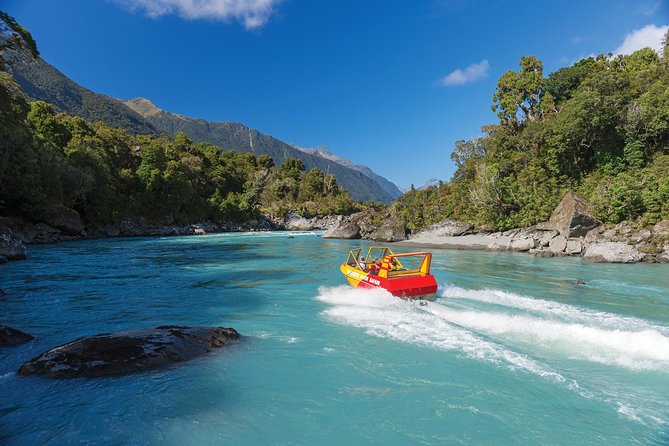
At $17.38 per person, the price is reasonable for a guided cave visit with three wine tastings. You are paying for more than three small pours. The fee also covers the host’s explanation, the cave setting, and the connection to Alan Brady’s original 1983 vines.
The value depends on how much time you want. For a 30-minute activity, the cost is easy to justify if you are already in the Gibbston Valley area and want a specific, low-commitment attraction. It is less compelling if you are making a long detour only for a very short tasting.
I like the fact that the price keeps the decision simple. You do not need to book a lengthy wine package to see the cave and sample current releases. The experience gives you a basic understanding of Central Otago wine without asking for a major time or financial commitment.
Wine prices and releases can change, so treat the three pours as an introduction rather than a complete survey of Gibbston Valley’s cellar. If you find a bottle or style you like, the winery setting gives you a natural place to learn more or buy something separately.
Who will enjoy this 30-minute experience?
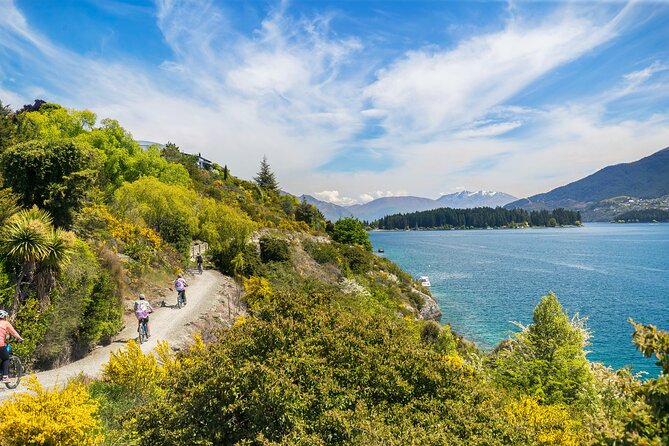
I would choose this tour if you want a short, focused winery visit with a distinct setting. It suits couples, small groups, and first-time visitors who want a taste of the area without making wine the only activity of the day.
It also works for people who prefer a clear itinerary. You meet at the winery, enter the cave, hear the local story, taste three wines, and return to the meeting point. There is little uncertainty about the basic structure.
Wine fans may enjoy it as a quick look at a well-known local producer, especially if they are already touring Central Otago vineyards. The 14°C cave and the 1983 vines give the stop enough character to avoid feeling like a generic tasting room visit.
Families and mixed-interest groups may find the length helpful. Not everyone has the patience for a long wine lecture, and this tour keeps the central explanation brief. Service animals are allowed, and most people can take part. The maximum group size is 20.
I would choose something longer if your main goal is detailed wine instruction, a broad tasting flight, or an extended food pairing. The information provided does not include a full meal, a fixed wine list, or a lengthy cellar walk.
Practical details before you book
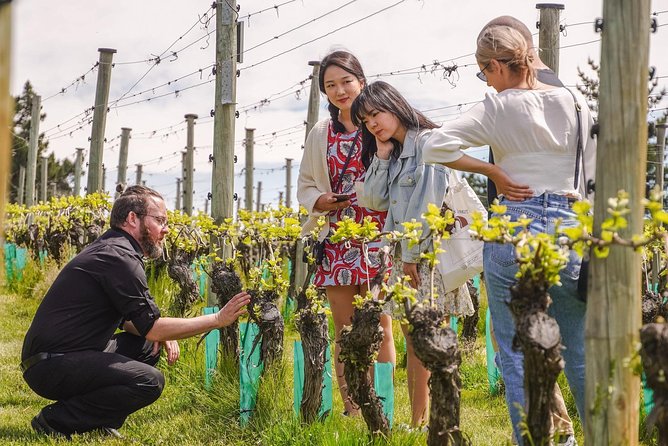
Your confirmation arrives at booking, and mobile tickets are supported. That saves you from needing a printed voucher, though you should still have the booking available on your phone when you arrive.
The start and finish point is Gibbston Valley Winery and Restaurant, 1820 State Highway 6, Queenstown 9371, New Zealand. There is no separate ending location, so plan your next stop from the winery.
The core tour lasts about 30 minutes. One timetable reference lists a two-hour stop with admission noted separately, but the detailed tour description identifies the cave visit and tasting as a 30-minute activity. I would plan around the 30-minute guided portion and allow extra time only if you want to visit the wider winery, cheese shop, or dining areas.
Free cancellation is available if you cancel at least 24 hours before the scheduled start time. Cancellations made inside that window are not refunded, and late changes are not accepted. The cut-off uses local time.
My verdict on the cave tour
Book this if you want an easy introduction to Gibbston Valley wine, a memorable cellar setting, and three included tastings at a modest price. The strongest parts are the cave’s steady 14°C temperature, the local pinot noir connection, and the chance to see the first vines planted by Alan Brady in 1983.
Go in expecting a concise visit, not a major wine course. The 30-minute format is the central strength for a busy day, but it is also the main limitation for serious wine enthusiasts. If you want a quick taste of the region with a bit of local story attached, this is a sensible Queenstown-area stop.
FAQ
Where does the Gibbston Valley Wines Cave Tour start?
The tour starts at Gibbston Valley Winery and Restaurant, 1820 State Highway 6, Queenstown 9371, New Zealand.
Where does the tour finish?
The activity ends back at the meeting point, Gibbston Valley Winery and Restaurant.
How long does the cave tour last?
The guided cave visit lasts approximately 30 minutes.
How many wines are included?
The tour includes three tastings of Gibbston Valley’s current-release wines.
Will I visit a real wine cave?
Yes. The experience includes a visit inside New Zealand’s largest wine cave.
What type of wine is Gibbston Valley known for?
Gibbston and the wider Central Otago region are well known for pinot noir.
Will I see the first Gibbston Valley vines?
Yes. The host takes you to the region’s first vines, planted by founder Alan Brady in 1983.
How large can the tour group be?
The activity has a maximum group size of 20 people.
Is a mobile ticket accepted?
Yes. The experience includes a mobile ticket, and booking confirmation is provided at the time of booking.
Can I cancel for a full refund?
Yes, if you cancel at least 24 hours before the experience start time. Cancellations made less than 24 hours in advance are not refunded.
Newly listed around New Zealand
- Kumeu Winery Boutique Tour with Gourmet Lunch from Auckland★ 4.0 · 5 reviews
- Private tour – Hobbiton Movie Set Evening Banquet Return from Auckland★ 5.0 · 5 reviews
- Wellington Jewish Heritage sightseeing tour with a kosher lunch★ 5.0 · 5 reviews
- Ex Queenstown: Mavora Lakes Middle Earth Full Day Adventure★ 5.0 · 5 reviews
- Private 2 Day Tour: Hobbiton, Waitomo, Rotorua Geothermal & Hamilton Gardens★ 4.0 · 5 reviews
- Milford Sound Earnslaw Burn Helicopter Tour from Queenstown★ 5.0 · 5 reviews
- Private Auckland Luxury Tour★ 5.0 · 5 reviews
- Private Transfer From Auckland Airport To Rotorua★ 5.0 · 5 reviews
Wine Tours, compared.
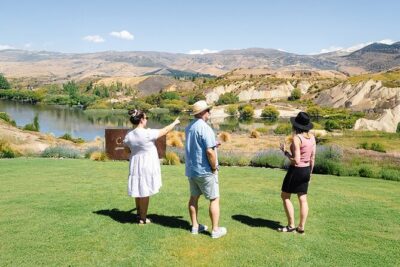
Boutique Wine Tour – visit Central Otago, 4 Wineries & Lunch
Read our review →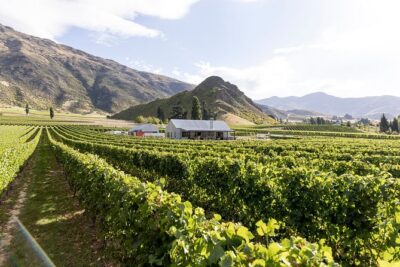
Award Winning Premium Wine Tour Queenstown Tasting at 4 Wineries
Read our review →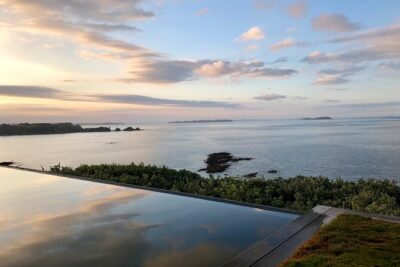
Waiheke Island Premium Wine Tour with Tastings
Read our review →
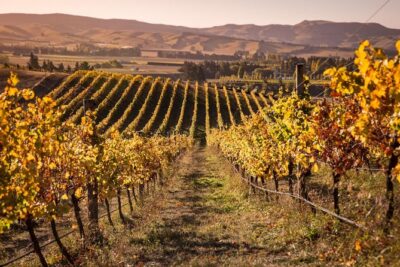
Waipara Wine Tour from Christchurch – including Lunch & Tastings
Read our review →
Half Day Martinborough Winery Tour from Wellington
Read our review →
Beyond the Vines – Full-Day Marlborough Wine Tasting Tour
Read our review →
Browse the lists this tour appears in