
Reviewed · AUCKLAND TOURS
Auckland (Tawharanui): Wild Kiwi Bird Spotting Encounter
A wild kiwi encounter is less a quick animal sighting than a quiet night hunt. At Tāwharanui Regional Park, you move slowly through native bush, listening for calls and watching for a small, fast bird that may appear for only a few seconds. Seeing a kiwi in its natural habitat is the clear prize, but the dark coast and open sky make the whole night worthwhile.
I like the skilled guides, including Legend, Chris, Millie, Lucas, and Sean, who mix bird knowledge with stories about plants, insects, Māori culture, and the stars. I also like the patient pace, which lets you hear ruru calls and notice the park after dark. The catch is simple: kiwi are wild animals, so sightings are never guaranteed, and the search can feel slow if you expect a fast-moving tour.
Key points to know before you book
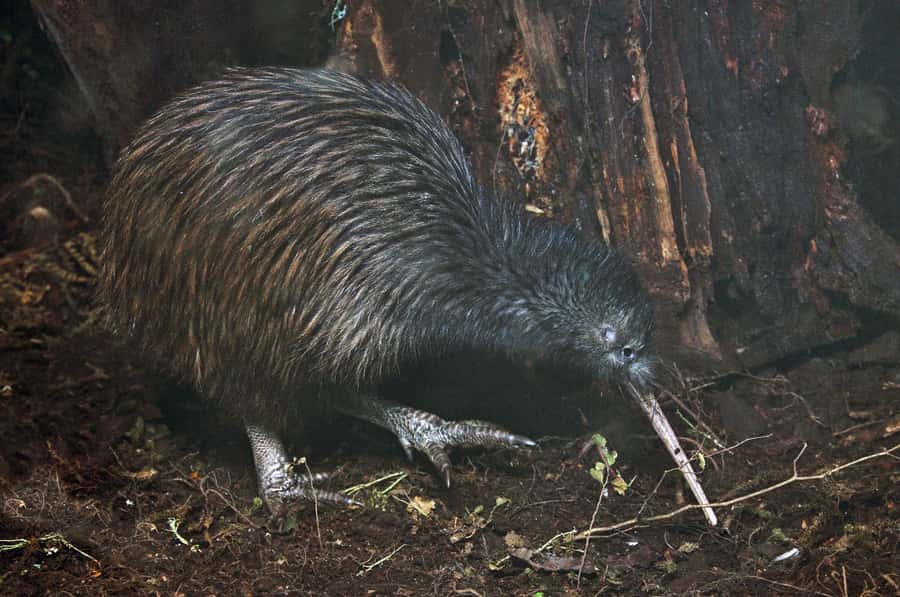
- Wild kiwi, not a captive display: You search for North Island brown kiwi in their protected home.
- A patient two-hour night walk: Slow steps, quiet listening, and careful torch use are part of the experience.
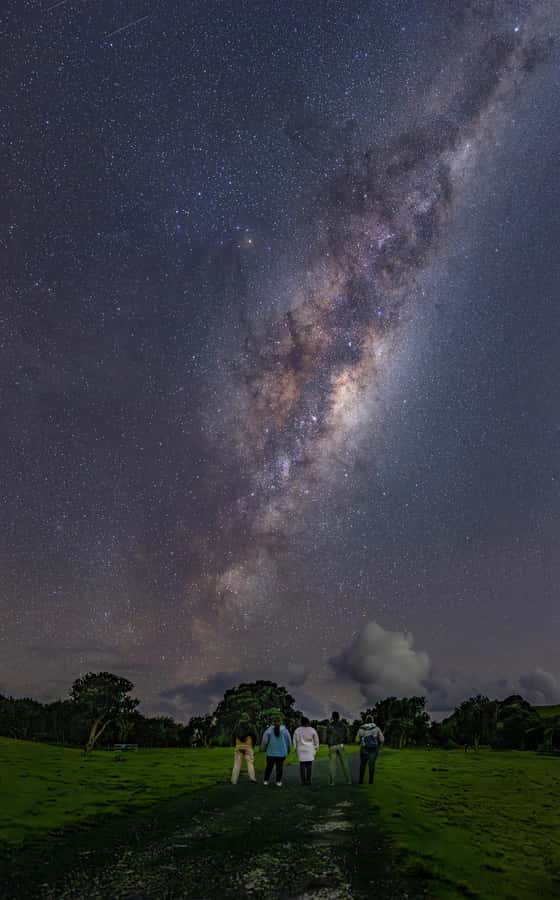
- Dark coastal skies: Clear conditions can reveal planets, constellations, and Southern Hemisphere stars through supplied equipment.
- Bioluminescence is possible, not promised: Blue light along the shore depends on natural conditions.
- Transport can be added: You meet at the end of Takatu Road, but an Auckland pickup is available as an added option.
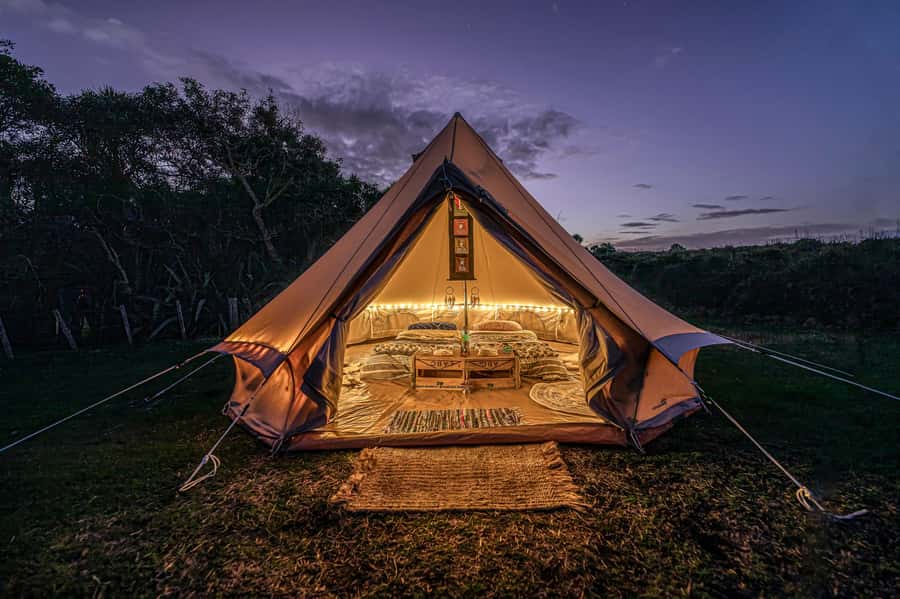
- Glamping changes the outing: An overnight stay can be selected, but campsite booking and fees are not included in the basic price.
Why Tāwharanui is a strong setting for kiwi spotting
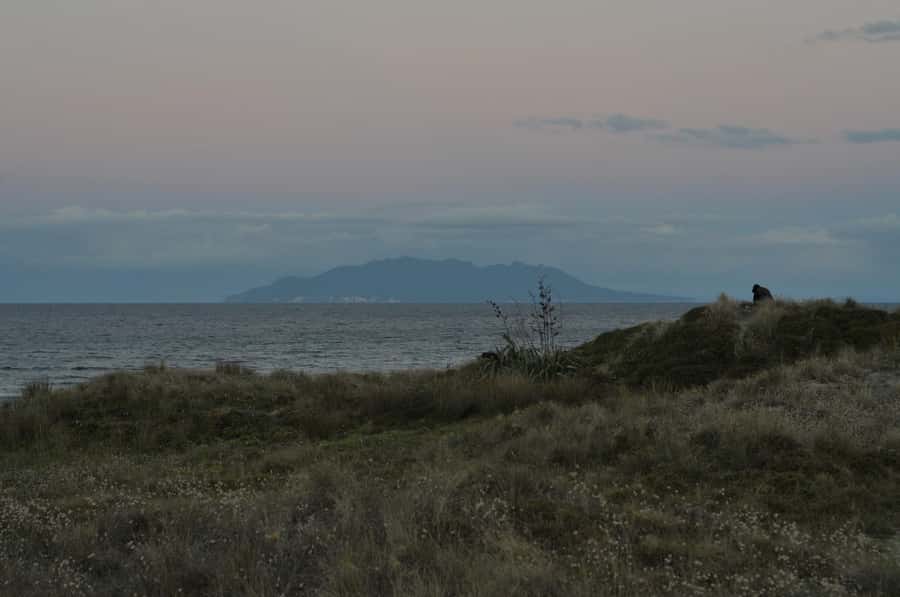
Tāwharanui Regional Park sits a scenic drive north of Auckland, at the end of Takatu Road. Its protected native bush, open areas, coastline, and distance from city lights create the right setting for a nocturnal wildlife walk.
The park matters because the night is not treated as empty time between daytime activities. Once the sun fades, different birds, insects, and shoreline life become active. Your guide helps you read these changes instead of simply leading you from one viewing point to another.
The North Island brown kiwi is the main attraction. This flightless, nocturnal bird is famously hard to spot without help. It moves quickly, blends into dark surroundings, and may be heard before it is seen. A guide who knows the usual signs and habitats gives you a far better chance than walking alone with a torch.
That advantage is important, but it does not turn the outing into a sure thing. The guides can improve your odds, not control the birds. Some nights produce only a few sightings. Other groups have seen six, seven, eight, or more, with unusually lucky outings reaching into the teens. You should book for the quality of the search and the setting, not a promised number.
More penguin and seal encounters:
- Private tour from Auckland – Waitomo Glowworm Caves, Zealong Tea & Kiwi Bird
★ 5.0 · 20 reviews - Oamaru: Penguins Evening Viewing Ticket
★ 4.5 · 682 reviews - Guided Evening Penguin Viewing Otago Peninsula, Dunedin, New Zealand
★ 5.0 · 471 reviews
Meeting by the public bathrooms at Takatu Road
The meeting point is near the public bathrooms at the end of Takatu Road, inside Tāwharanui Regional Park. This is practical once you know the park, but it is not a city-center meeting point. If you are driving, allow time to reach the park and find the end of the road before darkness.
Transport from Auckland can be added at checkout. This is worth considering if you do not have a car, especially because the activity finishes late. One group returned around 2 a.m. after using the transport option, and the driver made sure they reached their accommodation safely.
At the start, you meet the guide and any other people in your small group. Private or small-group formats are available. The guide explains the plan, safety points, and the need for quiet behavior around wildlife.
That short briefing sets the tone. This is not a noisy nature show, and you should expect to lower your voice, walk carefully, and avoid shining lights directly at animals. The more considerate the group, the better the chance of seeing natural behavior.
The first hour: slow steps through the night bush
The kiwi search begins as daylight slips away. Your guide leads you through native bush and open habitats, using tracking skills and local knowledge to work out where birds may be active.
You may listen for kiwi calls, watch the edge of the track, or pause when the guide notices movement. The supplied torches and headlamps help you see the path, while other equipment is used to assist with spotting. One group described having personal torches and headlamps, plus a thermal device used to help locate birds.
Do not expect a constant stream of commentary. The quiet is part of the method. A kiwi can be close by, but talking, rushing, or waving a bright light can spoil the moment for everyone.
This is also where the guides earn their fee. Legend is repeatedly praised for his ability to find birds and explain their habitat. Chris, Millie, Lucas, and Sean are also named as capable and engaging guides. Their styles differ, with some being more talkative and others quieter, but the strongest feature is their passion for the subject.
You may learn about kiwi behavior, threats, nesting, habitat needs, and conservation work as you walk. The talk can also range to local plants used as medicine, insects, other birds, and Māori stories. That wider focus helps if the kiwi keep out of sight for a while.
The pace may test young children or anyone expecting a brisk hike. A nine-year-old loved the experience, and an 11-year-old took part in a family group with two older adults. Still, you should prepare children for waiting and quiet observation rather than a guaranteed close-up encounter.
What seeing a kiwi in the wild really feels like
When a kiwi appears, the moment can be brief and slightly chaotic. These birds are quick, low to the ground, and difficult to follow in poor light. You might get a clear view, or you might see movement and lose the bird almost at once.
Several outings produced memorable sightings: a baby kiwi, a male and female together, and one bird that paused long enough for photographs. One group saw four or five birds after a slow start. Another saw two, while other nights brought six, seven, or more.
Those different results tell you what to expect. The number of birds is luck shaped by weather, season, group behavior, and the animals themselves. The guide may see more than you do, simply because trained eyes pick up movement faster.
Photography is also uncertain. You should not count on sharp images, and you should follow the guide’s instructions around light and distance. The experience is strongest when you treat the sighting as a wildlife encounter, not a photo stop.
I would book this for anyone who values seeing an animal where it lives. If you need a guaranteed view, a zoo or wildlife center is a safer choice. If you want the thrill of hearing a bird in the dark and then catching sight of it in the bush, this is far more rewarding.
A few more Auckland days to compare
- Waiheke Island: Ferry & Hop-On Hop-Off Explorer Bus Tickets
★ 4.6 · 3,311 reviews - Hobbiton & Waitomo Caves Guided Day Trip from Auckland incl lunch
★ 5.0 · 2,677 reviews - From Auckland: Hobbiton & Waitomo Caves Day Trip with Lunch
★ 4.9 · 2,505 reviews - Auckland Dolphin and Whale Watching Eco-Safari Cruise
★ 4.5 · 1,790 reviews
The second part: stars, planets, and Māori astronomy
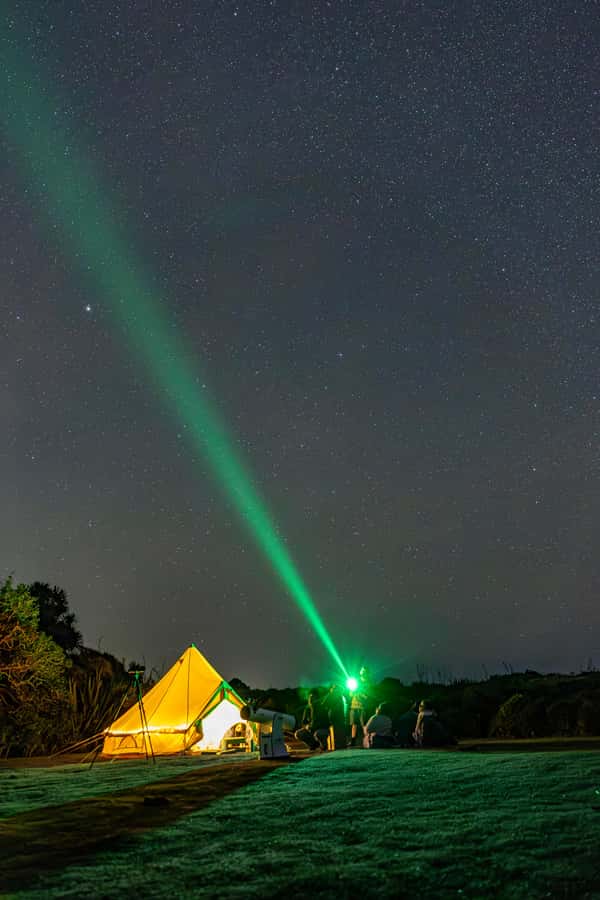
Once darkness is complete, the sky becomes part of the tour. Tāwharanui is far enough from Auckland’s lights to offer notably dark conditions, especially along the coast.
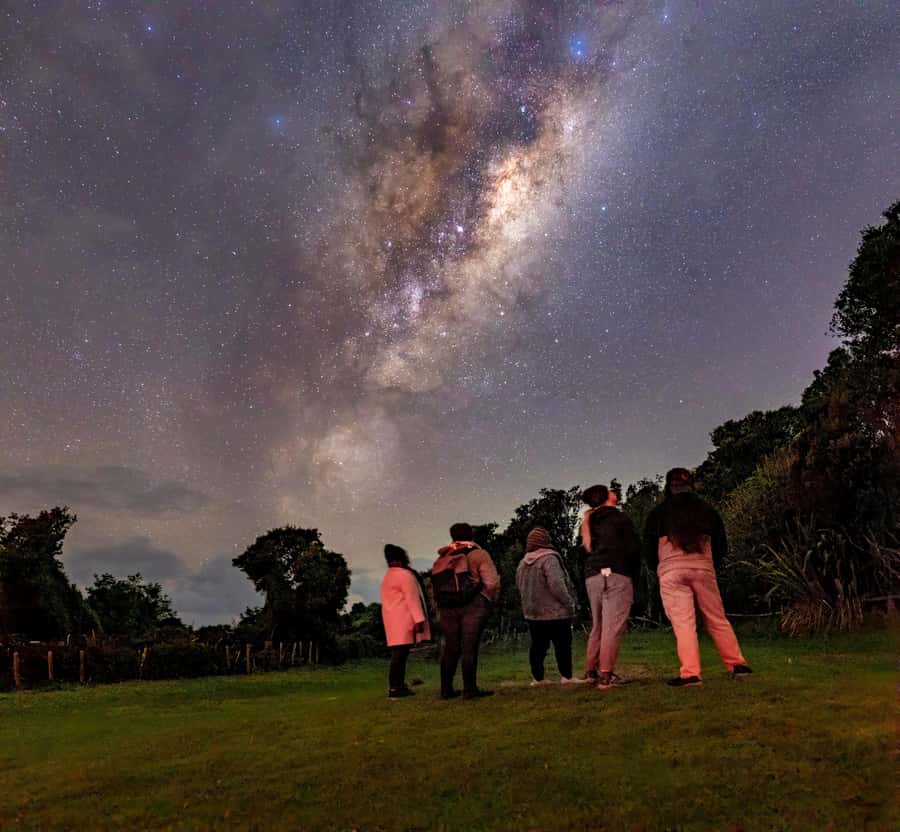
On clear nights, the guide uses stargazing equipment to show stars, planets, and constellations. Past outings have included views of Venus, Jupiter, Saturn, the Moon, and its craters through a telescope. Binoculars and a telescope are included, so you do not need to bring your own gear.
The guide also explains Southern Hemisphere features and Māori astronomy. This gives the stargazing a stronger local connection than a generic lesson about planets. You learn how the sky can be read through science, navigation, and cultural stories.
Cloud is the main spoiler. One outing had no stargazing because the sky was fully overcast, so the group spent all its time looking for kiwi instead. Partial cloud does not always end the astronomy portion, since a good guide may still find visible stars or planets, but you should regard the sky show as weather dependent.
The timing can also vary. The activity is advertised as two hours, while the route information describes a longer night program and optional overnight arrangements. Confirm the exact start and finish time when booking, particularly if you have a late transfer, dinner plan, or early departure the next morning.
Blue shoreline light when nature cooperates
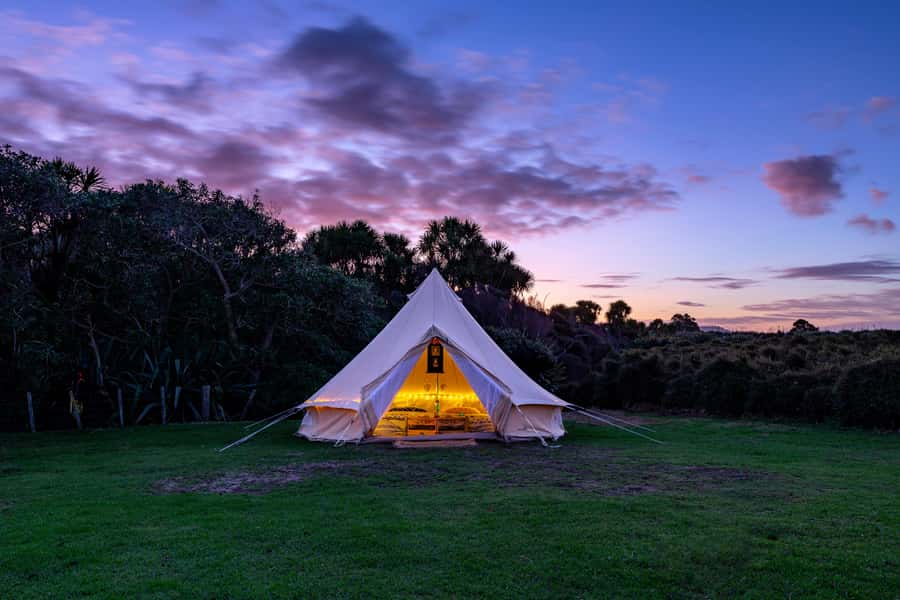
Some outings may include a look for bioluminescence near the shoreline or in shallow water. When conditions are right, movement in sand or water can trigger a soft blue glow from microscopic organisms.
This is a lovely possible extra, but it is not a scheduled guarantee. The guide can explain the science and help you understand what you are seeing, yet no one can promise a glowing shoreline on your date.
I would treat bioluminescence as a bonus rather than a reason to book. The kiwi search and dark sky are the reliable themes of the experience. If blue light appears, it adds another small surprise to a night already built around hidden life.
The optional glamping night and practical costs
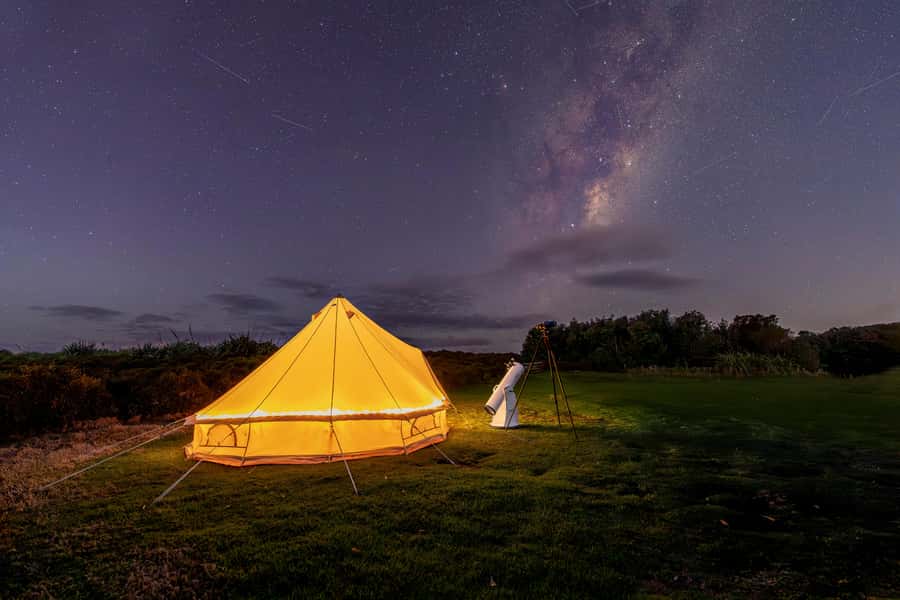
The basic price is $89 per person for the activity. At that rate, you receive a guide plus kiwi-spotting and stargazing equipment. For a small-group wildlife outing near Auckland, the value depends on how much you want expert help and how strongly you care about seeing kiwi in the wild.
The guide is doing more than pointing at animals. You get local interpretation, tracking help, night-sky instruction, and equipment that would be costly or inconvenient to assemble for one evening. The value is strongest when you are visiting Auckland without much time for independent wildlife planning.
Food and drinks are extra. Bring water, and do not assume refreshments are part of the standard price. One outing included hot chocolate prepared by a guide, but you should not treat that as a guaranteed inclusion.
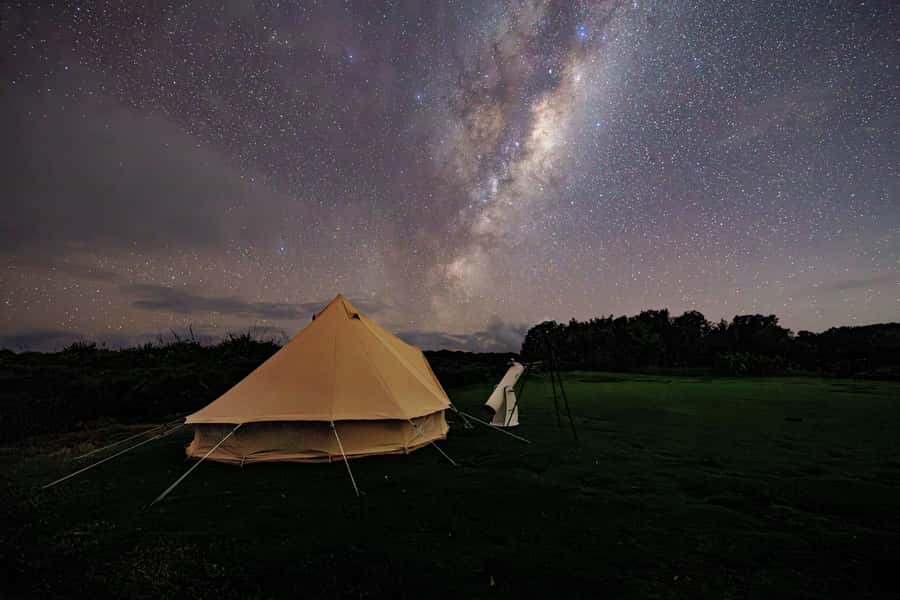
A glamping stay can be selected. The setup may include a tent, blankets, foam mattresses, small snacks, and basic necessities, based on the option described by one overnight party. However, campsite booking and fees are not included in the base activity, so check the final cost carefully.
The overnight option makes sense if you want to avoid a late drive back to Auckland or turn the outing into a longer park visit. It is less useful if you already have a nearby place to stay and prefer a simple two-hour activity.
What to wear for a dark coastal night
Wear comfortable shoes with enough support for a slow walk through bush and open areas. Bring warm clothing even in summer, since the temperature can drop after sunset and coastal air can feel cold.
Winter outings have been described as chilly, including one successful night in July. Cloud, rain, or wind can also change how comfortable you feel while standing still and waiting for birds. A warm layer is more useful here than fashionable clothing.
Bring water. Pack as lightly as you can, since you may be using a torch or headlamp and need to keep your hands free. Follow the guide’s direction on lighting, noise, and where to stand.
The activity is in English. Private and small-group options are available, which can help if you want a quieter outing or have a family group with different walking speeds.
Who will get the most from this encounter
I would recommend this to bird lovers, nature photographers who can accept imperfect photos, families with patient children, and anyone who has always wanted to see a kiwi outside a captive setting.
It suits people who enjoy learning along the way. The guides discuss kiwi, other nocturnal creatures, plants, conservation, Māori stories, and astronomy, so the evening does not depend on one sighting alone.
It is also a strong choice for visitors without a car if the Auckland transport add-on fits your plans. The return can be very late, so transport may be more than a convenience.
I would hesitate if you dislike darkness, standing quietly, uneven outdoor walking, or uncertain wildlife results. The tour does not promise a guaranteed kiwi, clear sky, or bioluminescence. You need to be comfortable with nature setting the timetable.
Cancellation is free up to 24 hours before the activity, and you can reserve now and pay later. Those terms help if your Auckland schedule depends on weather or transport, though they do not change the wild nature of the sighting.
Should you book the $89 night walk?
Book it if a wild North Island brown kiwi is high on your New Zealand wish list and you can give the search your patience. The strongest part is not just the bird count. It is the hush of the bush, the sudden movement at the edge of the track, the ruru calls, and the sense that the park belongs to its nighttime residents.
The guides are the main reason this works. Legend, Chris, Millie, Lucas, Sean, and the other team members bring tracking skill, humor, and useful local knowledge. Clear skies can add planets and Māori star stories, while a lucky shoreline may glow blue.
Just keep your expectations honest. You may see one kiwi, several, or none. Clouds may cancel the astronomy portion, and the walk can feel slow. For the right person, those limits are part of the bargain. At $89, I think it is a fair choice for a rare, carefully guided encounter close enough to Auckland for a practical day or night out.
FAQ
Where does the kiwi spotting experience meet?
You meet near the public bathrooms at the end of Takatu Road in Tāwharanui Regional Park.
How long does the experience last?
The advertised activity duration is two hours. Check the available start times and confirm the schedule if you select the optional overnight stay or transport.
Is transport from Auckland included?
Transport is not included in the basic price, but it can be added at checkout. The regular meeting point is inside Tāwharanui Regional Park.
Is seeing a kiwi guaranteed?
No. Kiwi are wild animals, and sightings depend on conditions and wildlife activity. Guides use tracking methods to improve your chance, but the birds may remain hidden.
What should I bring?
Bring comfortable shoes, warm clothing, and water. Warm layers are especially useful after sunset and during winter outings.
Is the glamping stay included?
Glamping is included only if you select that option. Campsite booking and fees are not included in the basic activity price, and extra food and drinks are also not included.
Newly listed around Auckland
- Kumeu Winery Boutique Tour with Gourmet Lunch from Auckland★ 4.0 · 5 reviews
- Private tour – Hobbiton Movie Set Evening Banquet Return from Auckland★ 5.0 · 5 reviews
- Private 2 Day Tour: Hobbiton, Waitomo, Rotorua Geothermal & Hamilton Gardens★ 4.0 · 5 reviews
- Private Transfer From Auckland Airport To Rotorua★ 5.0 · 5 reviews
- Private Auckland Luxury Tour★ 5.0 · 5 reviews
- Auckland City Halfday Tour★ 5.0 · 5 reviews
- Ex Auckland: TE PUIA Geothermal, Redwood & Blue Springs★ 4.4 · 5 reviews
- Private 2 Hour Surf Lesson★ 5.0 · 5 reviews
Auckland Tours, compared.
Hobbiton & Waitomo Caves Guided Day Trip from Auckland incl lunch
Read our review →
Hobbiton & Waitomo Caves Day Trip with Lunch
Read our review →
Auckland Dolphin and Whale Watching Eco-Safari Cruise
Read our review →
Hobbiton Movie Set Day Trip with Festive Lunch
Read our review →
Hobbiton & Waitomo Caves Small-Group Tour W Lunch from Auckland
Read our review →
Half-day Discover Auckland City Sightseeing Tour
Read our review →
Whale and Dolphin Watching Half-Day Eco Cruise
Read our review →
Browse the lists this tour appears in