
Reviewed · AUCKLAND TOURS
Auckland: Maritime Museum Entry Ticket
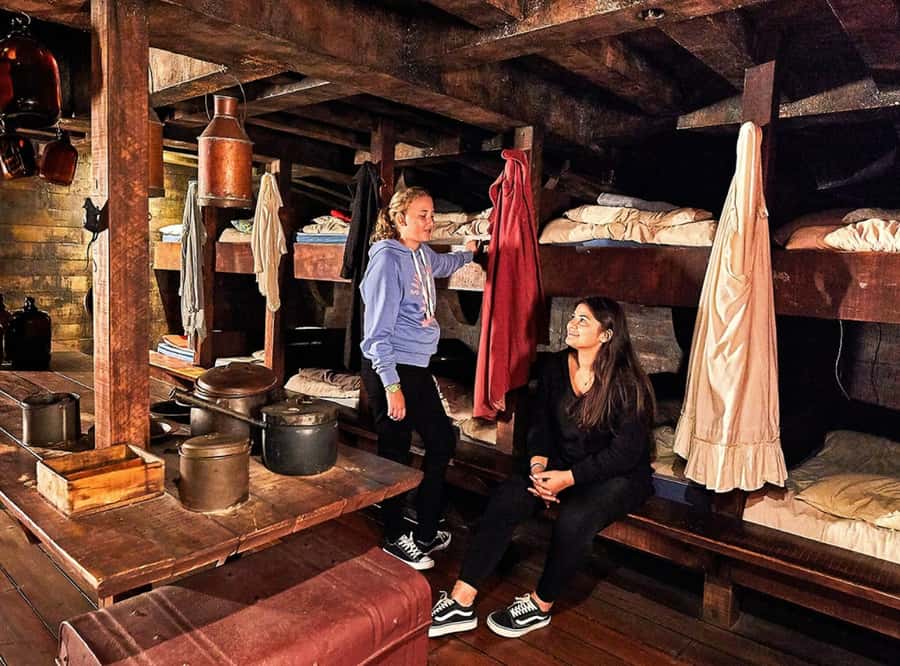
New Zealand’s Maritime Museum makes the ocean feel like the main character in the country’s story. Inside Auckland’s Viaduct Harbour, you’ll follow Pacific migration, Maori traditions, Western shipping, trade, immigration, leisure, and America’s Cup yacht design through exhibits that mix objects, personal stories, and hands-on displays.
I like the wide historical sweep and the way the museum links ordinary lives to the sea. I also like the easy half-day format: at $14 per person, it gives you a useful Auckland activity without taking over your whole day.
The main consideration is time. You can spend 1 to 3 hours here, but visitors who want to read every panel and study the full collection may need to choose their priorities. The museum closes at 5 PM, with last entry at 4 PM, so a late arrival limits your visit.
Key points to know before you go
- Pacific migration comes first in the wider story: See how ocean travel shaped New Zealand long before modern ships and yachts.
- Maori and Western maritime traditions share the stage: The museum gives you more than a shipping display.
- America’s Cup design adds a modern edge: Yacht innovation shows how sailing became both sport and engineering.
- Viaduct Harbour is the meeting point: Go directly to the museum and show your voucher at the ticket counter.
- Plan on 1 to 3 hours: That is enough for a focused visit, though a careful reader may want longer.
- The ticket is wheelchair accessible: Children must stay with a supervising adult, and unaccompanied minors are not allowed.
Auckland’s ocean story begins at Viaduct Harbour
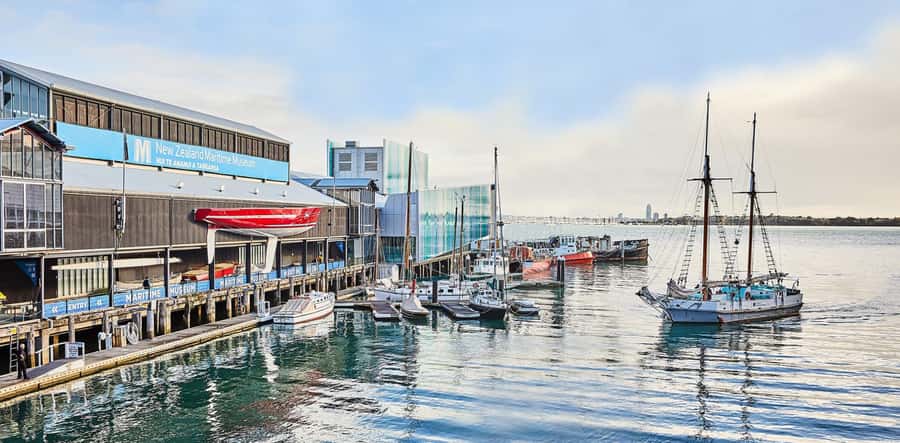
The New Zealand Maritime Museum sits at Auckland Viaduct Harbour, a fitting address for a museum about a country surrounded by water. You do not need hotel pickup or a guided transfer. Simply make your way to the museum and present your voucher at the ticket counter.
That simple setup is part of the appeal. You can fit the museum around lunch, a walk by the harbour, or another Auckland plan instead of committing to a fixed group schedule. The admission is valid for one day, and the listed price is $14 per person.
The setting also gives the visit a useful sense of place. You are not studying the sea from an inland gallery. You are visiting beside Auckland’s waterfront, where the city’s relationship with boats and harbour life is close at hand.
The museum is open from 10 AM to 5 PM every day except December 25. Last entry is at 4 PM. I would arrive by early afternoon at the latest if you want a relaxed visit, especially if you plan to spend close to three hours with the displays.
More museums and galleries in Auckland:
- Auckland War Memorial Museum Entry Ticket
★ 4.5 · 293 reviews - Explore gardens & galleries filled with incredible art, Matakana
★ 5.0 · 186 reviews - Skip the Line: Auckland Museum General Admission Ticket
★ 4.5 · 183 reviews
Start with Pacific migration and Maori traditions
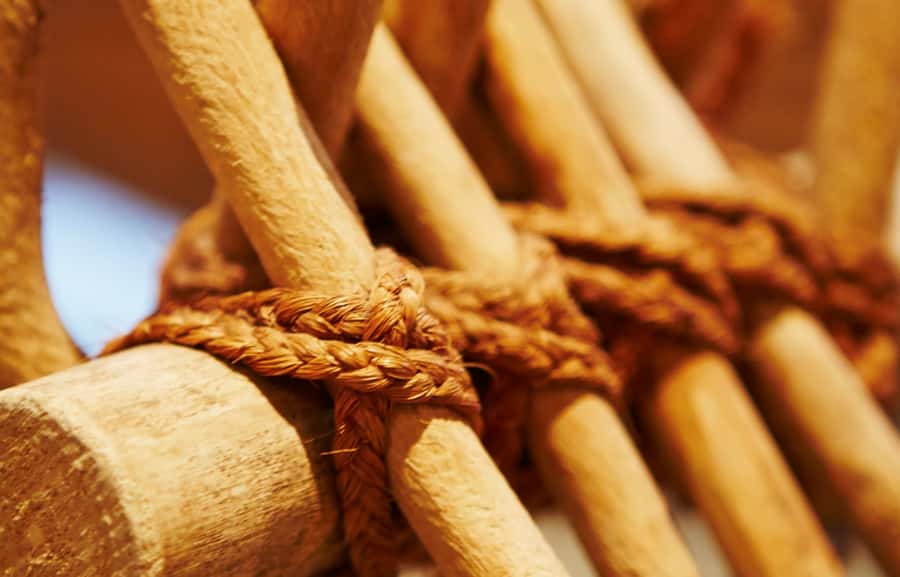
One of the most important parts of the museum’s story is the movement of people across the Pacific. New Zealand’s maritime past did not begin with European shipping. Ocean travel was central to Pacific migration, and the museum uses that history to set the stage for everything that follows.
You can expect displays that connect the sea with Maori traditions and settlement. This gives the museum a stronger cultural frame than a collection devoted only to ships, trade routes, or famous races. The ocean appears not just as a route for cargo, but as a place of skill, memory, identity, and survival.
I find this opening perspective valuable because it prevents the visit from becoming a narrow account of Western exploration. It places New Zealand within the Pacific and shows why ocean knowledge matters so much to the country.
The information provided does not specify the exact order of every gallery, so you should think of the museum as a collection of connected themes rather than a fixed guided itinerary. Take time with the sections that explain people and traditions. They help you understand why later displays about immigration, shipping, and technology matter.
See how the ocean shaped immigration and trade
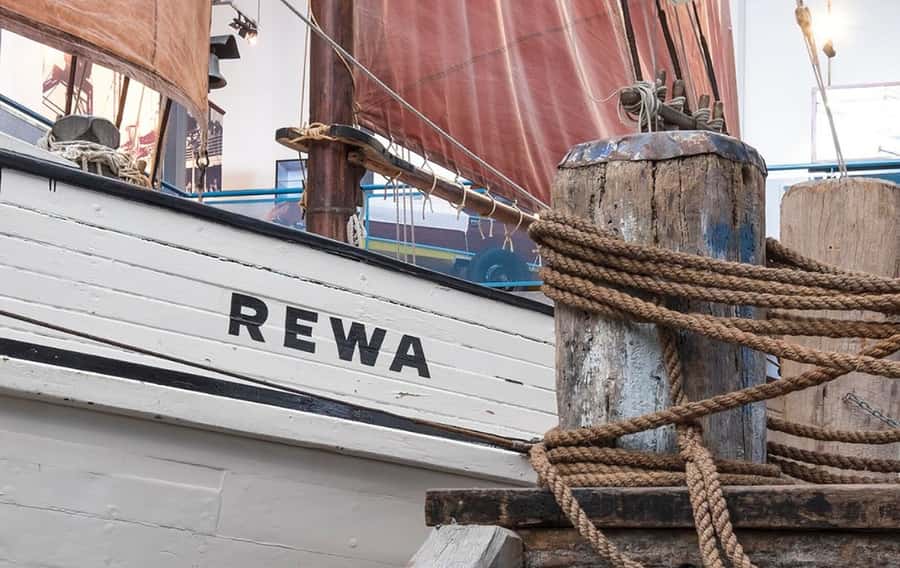
From Pacific movement, the story broadens to immigration and commerce. New Zealand’s relationship with the sea affected who arrived, how goods moved, and how the country connected with the wider world.
The museum’s heritage collection helps put those changes into human terms. Artifacts and personal stories show that maritime history is not only about vessels. It is also about families, work, movement, opportunity, and the systems that allowed a distant island nation to trade and grow.
For you, this section may be most rewarding if you enjoy social history. The exhibits connect large forces, such as immigration and trade, with the people who experienced them. You can consider how a journey across the ocean changes when it is made for settlement, business, exploration, or leisure.
This is also where the museum’s broad scope pays off. A ship can be treated as an object of design, but it can also be a workplace, a lifeline, or a means of changing countries. The museum encourages you to make those connections instead of viewing each display in isolation.
Hands-on displays keep the visit from feeling like a lecture
The museum includes interactive experiences and hands-on displays, which should help families and younger visitors stay involved. The exact activities are not specified, so I would not plan around a particular simulator or demonstration. Still, the mix of objects, stories, and practical displays gives the visit more variety than a room full of labels.
This matters because maritime subjects can become technical quickly. You may enjoy ship design, but not every member of your group will want to read long explanations about it. Interactive elements offer another way into the subject.
Families should note one clear rule: all children must be accompanied by a supervising adult at all times. Unaccompanied minors are not allowed. That makes this an adult-supervised museum visit, not a place where children can be sent off on their own while adults browse elsewhere.
Comfortable shoes are a sensible choice. You may spend much of the visit standing and walking between displays, and the recommended visit length is 1 to 3 hours. Bring a camera if you want to record objects or design details, subject to the museum’s own photography rules.
A few more Auckland days to compare
- Waiheke Island: Ferry & Hop-On Hop-Off Explorer Bus Tickets
★ 4.6 · 3,311 reviews - Hobbiton & Waitomo Caves Guided Day Trip from Auckland incl lunch
★ 5.0 · 2,677 reviews - From Auckland: Hobbiton & Waitomo Caves Day Trip with Lunch
★ 4.9 · 2,505 reviews - Auckland Dolphin and Whale Watching Eco-Safari Cruise
★ 4.5 · 1,790 reviews
America’s Cup design brings the story up to date
The museum does not stop with early voyages and traditional maritime life. Its exhibitions also cover modern yacht design and the America’s Cup, one of New Zealand’s best-known links to international sailing.
This section gives the visit a change of pace. You move from migration, heritage, and shipping into innovation, competition, and design. It shows that the ocean continues to shape New Zealand through engineering and sport, not just through settlement and trade.
You do not need to be an avid sailor to get something from this part. Yacht design offers a clear example of how maritime culture meets technology. The America’s Cup connection also explains why sailing remains a visible part of New Zealand’s public identity.
Timing can add an unexpected bonus. A February 2026 visit coincided with the ITM New Zealand Sail Grand Prix, giving one visitor a lively view of the race from the museum’s Viaduct Harbour location. That event will not be taking place on every visit, so treat it as a possible extra rather than a guaranteed feature. Still, the waterfront setting makes the museum a sensible stop when a major sailing event is happening nearby.
A collection that works for history and design fans
The museum houses one of New Zealand’s important heritage collections. That makes it a good fit for anyone who likes objects with a clear connection to place and use.
History fans can focus on migration, shipping, trade, and personal stories. Design enthusiasts can pay closer attention to yacht development and maritime innovation. Families can use the interactive displays to break up the reading. The museum’s strength is this range, though it also means the experience may feel broad rather than tightly focused.
I would not expect a single dramatic centerpiece to carry the whole visit. The value comes from the way the subjects work together. Pacific travel explains settlement. Shipping explains trade. Personal stories explain the human cost and benefit of movement. Yacht design shows that the relationship with the ocean is still changing.
One visitor described the museum as offering a useful perspective on both Maori traditions and Western shipping. That is a good way to approach the experience: not as a single national story told from one viewpoint, but as a look at several maritime traditions that shaped New Zealand.
How long should you spend inside?
For a quick introduction, allow about an hour. You can see the main themes, sample the hands-on displays, and get a sense of the collection without trying to read everything.
Two hours is a better target for most people. It gives you time for Pacific migration, Maori traditions, Western shipping, trade, and the America’s Cup material. It also leaves room to pause at artifacts and personal stories instead of rushing from room to room.
Three hours suits careful readers and anyone with a strong interest in ships, design, or social history. At that point, you may need to manage your energy. Comfortable shoes will help, and a short break outside at Viaduct Harbour can reset the visit.
The ticket is described as a one-day experience, but the practical visit is a museum session rather than an all-day guided program. You can arrive during opening hours, yet the 4 PM last entry makes a late start less useful.
Is $14 good value in Auckland?
At $14 per person, the museum is a reasonably priced cultural stop, especially if you want something more substantial than a quick waterfront walk. The visit can fill 1 to 3 hours, and its subjects range from ancient Pacific movement to modern yacht design.
The value is strongest when you enjoy museums that connect objects to wider questions. You are not paying only to look at boats. You are also getting stories about immigration, trade, innovation, leisure, culture, and the ways people have depended on the sea.
The price may feel less worthwhile if you want a short, highly focused attraction with one famous object or a live demonstration. The museum’s material covers a lot of ground, so the payoff depends on your willingness to read, compare, and follow several threads.
Food and drinks are not included. There is also no hotel pickup or drop-off, so add your own transport and meal plans. Because the ticket is flexible and cancellation is allowed up to 24 hours before the visit for a full refund, it works well for a changeable Auckland schedule. You can also reserve now and pay later, which keeps the booking from locking up your money immediately.
Practical details for families and access needs
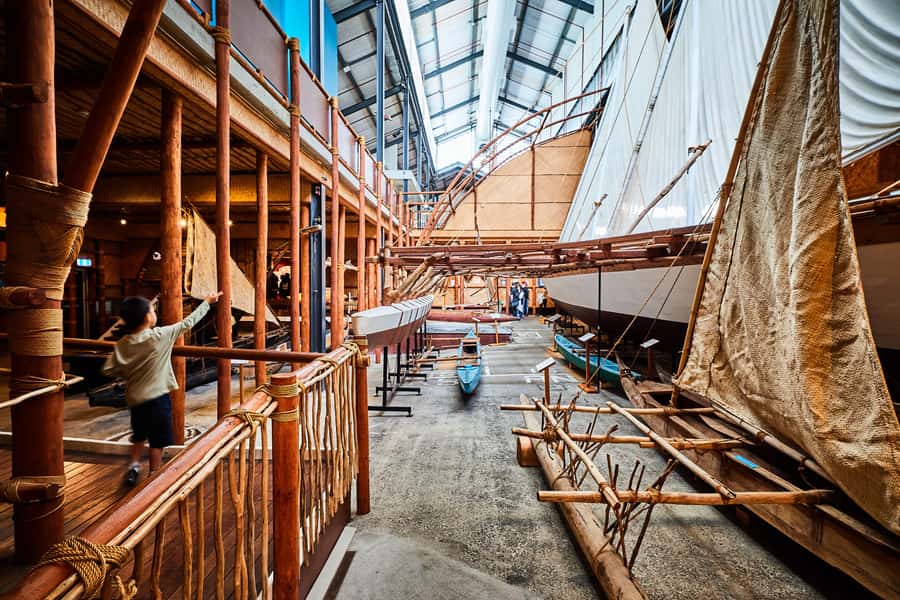
The museum is wheelchair accessible, an important point for visitors who need step-free access. The information provided does not specify every accessible facility, so contact the museum directly if you need details about seating, restrooms, or particular gallery arrangements.
English is the listed language for the host or greeter. The exhibits may contain visual and hands-on material, but you should plan on English for the main visitor information.
Bring a passport or ID card, especially if your booking instructions require identification. A student card is also listed among the useful items to bring, so students should carry it if they want to confirm eligibility for any applicable arrangement.
You can bring a camera, and comfortable shoes are recommended. Food and drinks are not part of the admission, so plan those separately. Most important for families, children need an adult with them at all times.
Who will get the most from this museum?
I would recommend it to first-time Auckland visitors who want cultural context without giving up an entire day. It is also a good choice for anyone interested in Maori traditions, Pacific migration, shipping, immigration, trade, maritime technology, or the America’s Cup.
Families can use the hands-on elements to make the visit more active. History buffs will appreciate the personal stories and heritage objects. Design fans may prefer the yacht material and modern innovation. Even if your group has mixed interests, the range of subjects makes it possible for each person to find an entry point.
I would be more cautious if your main goal is a guided boat ride, a live sailing lesson, or a museum with a single tightly defined topic. This admission gives you access to exhibitions, not hotel transport, food, or a named personal guide. The host or greeter language is English, and no individual guide is identified.
Should you book the New Zealand Maritime Museum?
Book it if you want a flexible, affordable Auckland stop that explains how the sea shaped New Zealand from Pacific migration to modern yacht racing. The combination of Maori and Western maritime perspectives is a major reason to go, and the America’s Cup material gives the visit a modern finish.
Skip it if you have only a few minutes at the waterfront or want an activity built around sailing on the water. For most people, though, the $14 admission and 1 to 3 hour visit make this an easy addition to an Auckland day. Arrive before 4 PM, allow at least two hours if you enjoy reading, and give the museum your full attention rather than treating it as a quick rainy-day filler.
FAQ
Where is the New Zealand Maritime Museum located?
It is at Auckland Viaduct Harbour on New Zealand’s North Island.
How much does admission cost?
The listed price is $14 per person.
How long does the ticket remain valid?
The activity is described as a one-day experience. You should check availability for the available starting times.
How much time should I allow for the museum?
The recommended visit length is 1 to 3 hours.
What are the museum’s opening hours?
The museum is open from 10 AM to 5 PM. Last entry is at 4 PM.
Is the museum open every day?
It is open every day except December 25.
What does the ticket include?
The ticket includes entry to the New Zealand Maritime Museum.
Is hotel pickup included?
No. Hotel pickup and drop-off are not included, so you must make your own way to the museum.
Is the museum wheelchair accessible?
Yes, the activity is listed as wheelchair accessible.
Can children visit without an adult?
No. All children must be accompanied by a supervising adult, and unaccompanied minors are not allowed.
Newly listed around Auckland
- Kumeu Winery Boutique Tour with Gourmet Lunch from Auckland★ 4.0 · 5 reviews
- Private tour – Hobbiton Movie Set Evening Banquet Return from Auckland★ 5.0 · 5 reviews
- Private 2 Day Tour: Hobbiton, Waitomo, Rotorua Geothermal & Hamilton Gardens★ 4.0 · 5 reviews
- Private Auckland Luxury Tour★ 5.0 · 5 reviews
- Private Transfer From Auckland Airport To Rotorua★ 5.0 · 5 reviews
- Auckland City Halfday Tour★ 5.0 · 5 reviews
- Ex Auckland: TE PUIA Geothermal, Redwood & Blue Springs★ 4.4 · 5 reviews
- Private 2 Hour Surf Lesson★ 5.0 · 5 reviews
Auckland Tours, compared.

Hobbiton & Waitomo Caves Guided Day Trip from Auckland incl lunch
Read our review →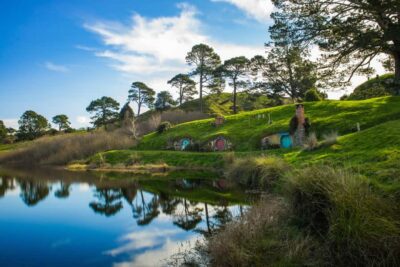
Hobbiton & Waitomo Caves Day Trip with Lunch
Read our review →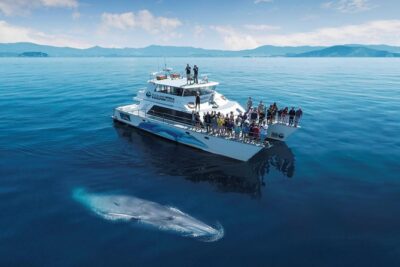
Auckland Dolphin and Whale Watching Eco-Safari Cruise
Read our review →
Hobbiton Movie Set Day Trip with Festive Lunch
Read our review →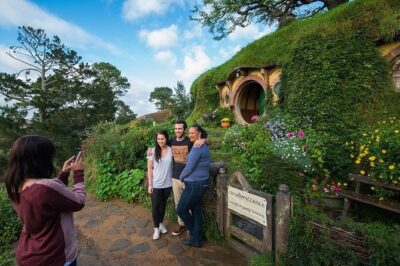
Hobbiton & Waitomo Caves Small-Group Tour W Lunch from Auckland
Read our review →
Half-day Discover Auckland City Sightseeing Tour
Read our review →
Whale and Dolphin Watching Half-Day Eco Cruise
Read our review →
Browse the lists this tour appears in