
Reviewed · HIKING & TREKKING
Tongariro Alpine Crossing: Premium Guided Hike
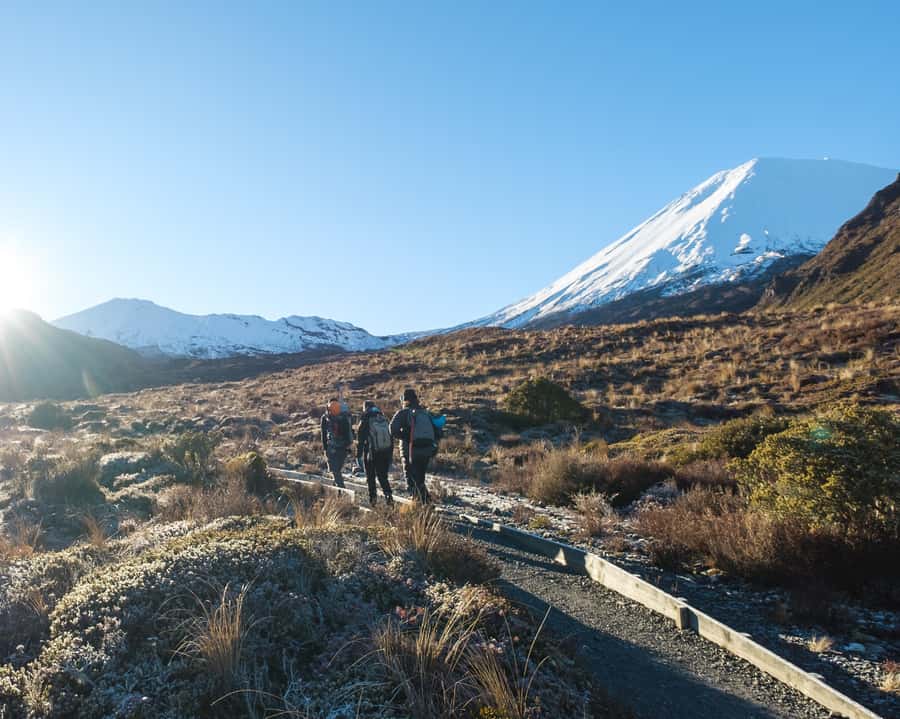
The Tongariro Alpine Crossing takes you through one of New Zealand’s wildest volcanic settings in a single day. You’ll walk between Mt Ngauruhoe and Mt Tongariro, pass red craters and mineral-stained lakes, and finish with a long descent through native bush. The scenery is spectacular, but this is a serious hike, not a casual nature walk.
I like the small-group support and route flexibility, especially when the weather turns rough or crowds build up. I also like that the guides bring practical mountain skills: Evan’s guide supplied electrolyte gels during severe leg cramps, while another guide helped an exhausted first-time hiker with snacks and walking advice. The main drawback is simple: the full crossing is never guaranteed. Wind, snow, ice, avalanches, poor visibility, or a struggling group can change the route.
Key points to know before booking
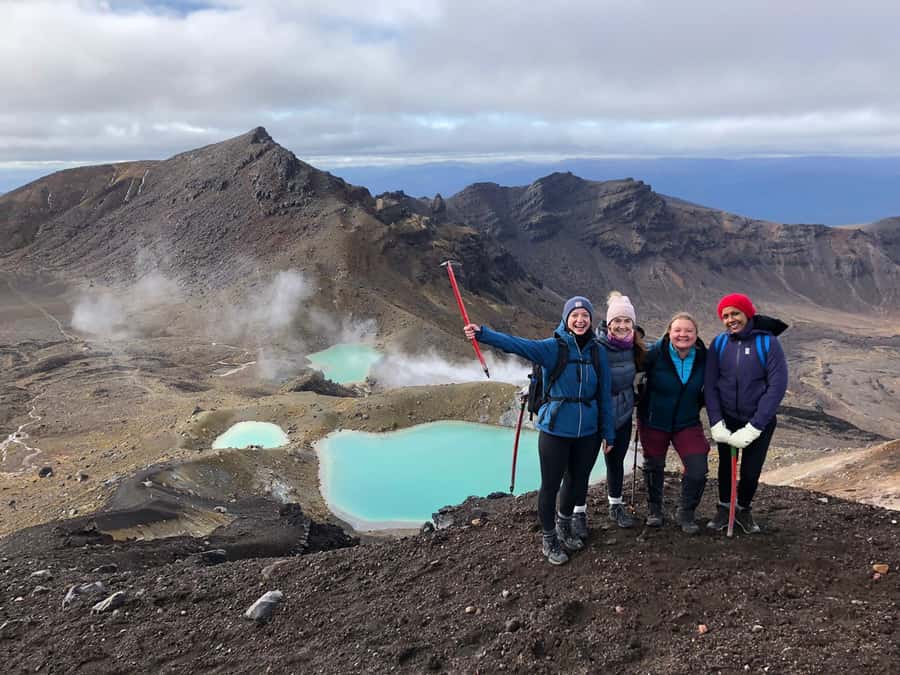
- Volcanic sights: Expect red craters, scoured lava rock, mineral colours, springs, Emerald Lakes, and Blue Lake.
- A demanding 8-hour walk: You need a reasonable fitness level, even though no alpine experience is required.
- Guides make a real difference: Adrift guides provide pacing, safety help, route choices, and winter tuition.
- Weather controls the day: A summer forecast can change quickly, and winter conditions may bring snow, ice, or whiteout views.
- Winter equipment is available: Crampons and ice axes are supplied when needed, with clothing and footwear hire valued at $60.
- Transport starts at National Park: Meet at Adrift Tongariro, 53 Carroll Street. Transfers from Taupo, Turangi, and Whakapapa cost extra.
Why this crossing is worth your time
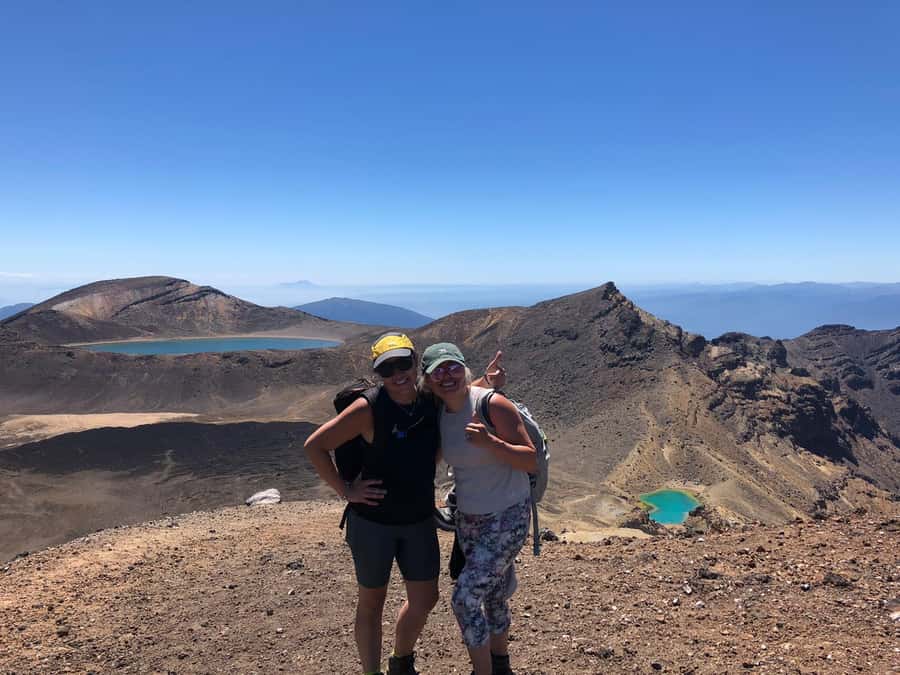
The Tongariro Alpine Crossing is famous for good reason. It gives you a concentrated dose of volcanic scenery without requiring a multi-day expedition. In a single outing, you move from native bush into open alpine country, cross old volcanic debris, climb toward crater rims, and look down on intensely coloured lakes.
I love how quickly the scenery changes. The route is not just a long walk toward one viewpoint. It is a series of different volcanic rooms, each with its own colour and texture. You might see red rock around the craters, pale mineral deposits, black volcanic stone, steaming or spring-fed areas, and lakes coloured by minerals released from the Earth.
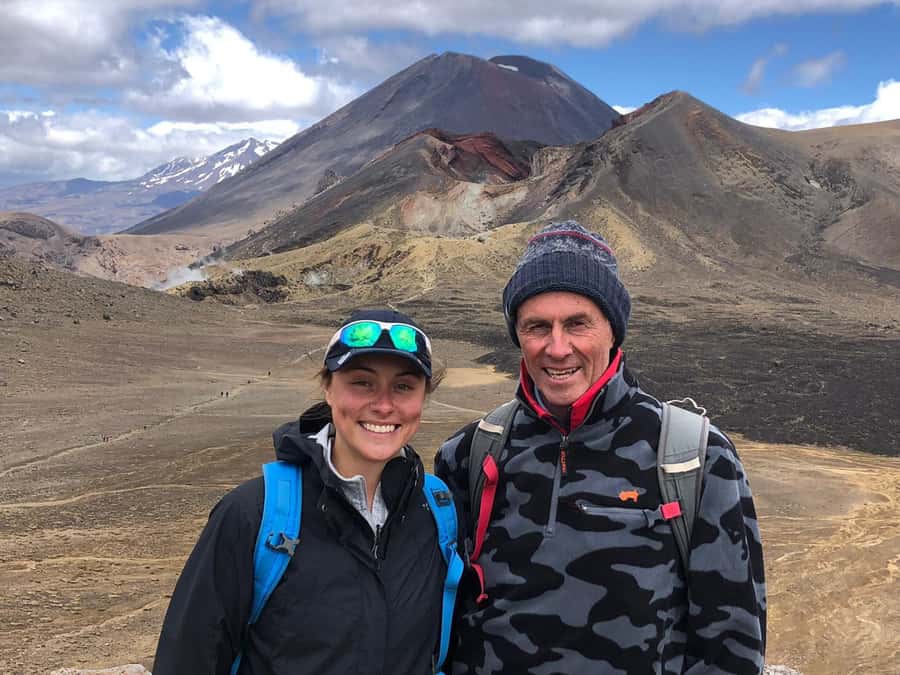
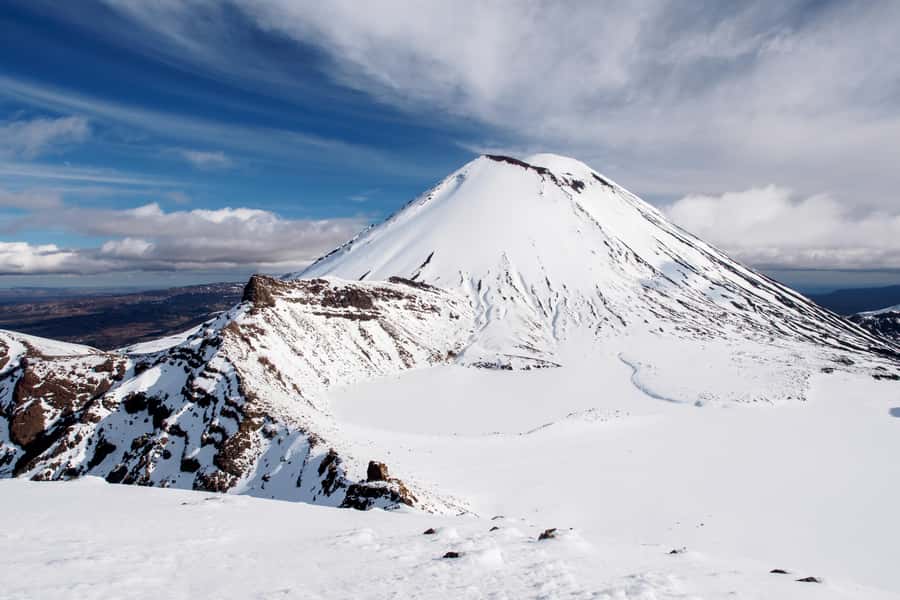
Mt Ngauruhoe is the cone often linked with Mt Doom from The Lord of the Rings. The mountain adds drama even when you do not care about the films. Mt Tongariro provides the broader volcanic setting, while Mt Ruapehu appears as another major peak in the wider view when visibility allows.
The guided format is especially valuable here because the mountain can change character in minutes. A clear morning may become cold, wet, windy, or snowy higher up. Your guide can adjust the pace and route, explain where conditions are safest, and decide when the group should turn back or avoid a more exposed section.
More Hiking Tours in New Zealand:
- Franz Josef Glacier Heli-Hike
★ 4.5 · 618 reviews - Heli Hike Fox Glacier
★ 5.0 · 563 reviews - Queen Charlotte Track: Cruise & Self-Guided Hike from Picton
★ 4.8 · 383 reviews
From 53 Carroll Street to the trailhead
Your day begins at the Adrift Tongariro base and shop at 53 Carroll Street in National Park. The included van ride to the crossing takes about 25 minutes, followed by roughly eight hours on foot, then another 25-minute ride back to the base.
That setup keeps the morning straightforward. You do not need to sort out the activity transport yourself after arriving at the base. The return to the same location also makes it easier to collect hired clothing or footwear and leave extra items behind.
You will need to arrange your own way to National Park. Transfers from Taupo CBD, Turangi, and Whakapapa Village are available for an added charge, with a minimum of two people. If you are staying elsewhere, check the pickup options before booking.
Bring your own packed lunch and snacks. Food is not included, and this is too long and strenuous a walk to rely on a late meal. Carry 1 to 2 litres of water, along with personal medication and food that you can eat without stopping for long.
The first climb into Tongariro’s volcanic country
The walk begins in native bush before moving into more open terrain. That change is part of the appeal. You start among New Zealand vegetation, then gradually lose the shelter of the trees as the route enters the exposed volcanic zone.
The early section is a good time to settle into your pace. Tell the guide if you are worried about your fitness or if you are already finding the climb difficult. The company says there are route and pacing options to discuss, and the guides have shown that they pay attention when someone is struggling.
Do not mistake the lack of required alpine experience for a low fitness requirement. You do not need to know how to use crampons before arriving, but you do need to be ready for a long day on uneven ground with sustained climbs and descents.
A first-time hiker described the walk as especially difficult on the way down. That is useful advice. Many people focus on reaching the high point, but the descent can be hard on tired thighs, knees, and feet. Walking poles can help, and they may also reduce strain when the surface becomes loose or steep.
Red Crater and the high alpine section
The upper crossing is where the scenery becomes most dramatic. You move through volcanic terrain shaped by different periods of activity, with craters that vary in colour, size, and form.
Red Crater is the visual star for many people. Its strong colour comes from mineral deposits and altered volcanic rock. The contrast between the red crater walls, dark rock, and open sky makes this section feel unlike a typical mountain trail.
This is also where weather matters most. Strong wind can make exposed sections uncomfortable or unsafe. One person specifically warned that a gorge crossing may not be possible because wind can become powerful, and you may not know the final decision until you reach the area.
That uncertainty is part of the crossing. You are not buying a guaranteed checklist of viewpoints. You are booking a guided attempt at a mountain route, with safety decisions made according to the conditions on that particular day.
In poor weather, the views may disappear behind cloud or falling snow. A winter outing can become a white world with limited visibility, yet still offer a memorable alpine experience. One August group described a perfect white view and a well-organized trail, while another winter group could not complete the entire walk because of conditions and the pace of the party.
A few more New Zealand days to compare
- Hobbiton Movie Set: Guided Tour Ticket
★ 4.9 · 8,167 reviews - Hobbiton & Waitomo Caves Guided Day Trip from Auckland incl lunch
★ 5.0 · 2,677 reviews - Te Anau: Glowworm Caves Guided Tour
★ 4.6 · 2,611 reviews - Rotorua: Hell’s Gate Outdoor Mud Spa & Guided Walk
★ 4.7 · 1,140 reviews
Emerald Lakes and Blue Lake
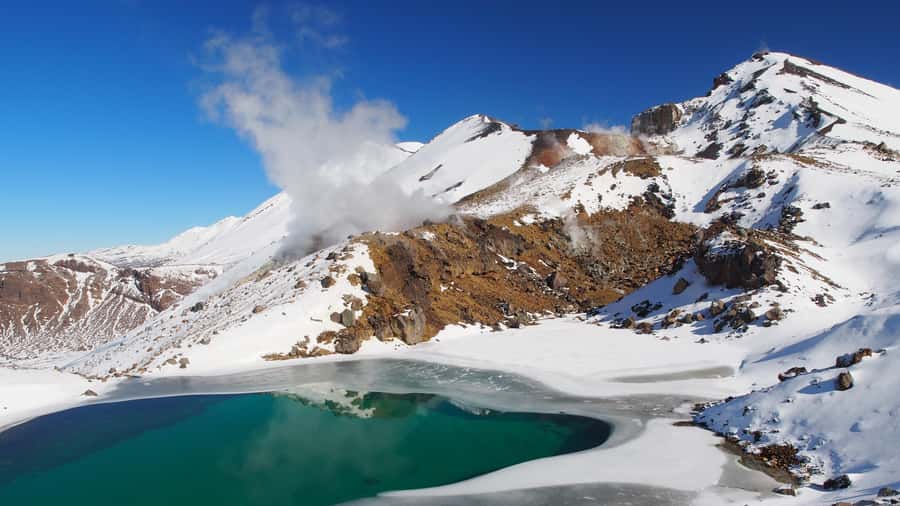
The Emerald Lakes are among the most recognizable sights on the crossing. Their bright colour comes from minerals in the volcanic setting, not from tropical water or planted scenery. The lakes sit among dark rock and open mountain slopes, so the contrast is striking even on a cloudy day.
Blue Lake offers another change in colour and mood. The route links these lakes with craters, springs, and rough volcanic ground, giving you a clear sense of how active geological forces have shaped the area over time.
You should keep expectations realistic. The lakes may be partly hidden by mist, snow, or cloud, and conditions may prevent the group from reaching every planned viewpoint. Maria’s experience is a useful reminder that the setting can remain impressive in bad weather, but you need layers and patience.
Your guide can also use alternative paths to reduce time in the busiest areas while preserving the key sights. That will not turn the crossing into a private wilderness walk, but it can make the day feel less like a queue on the most popular sections.
The long descent through native bush
After the high volcanic country, the route eventually drops toward the Ketetahi end when conditions, time, and group ability allow. The descent changes the physical challenge. You leave the stark open slopes and return toward New Zealand native bush, but tired legs make every downhill step count.
Reaching Ketetahi is not promised. The guide may shorten or alter the route because of weather, avalanche risk, ice, hypothermia, or the condition of the group. A modified walk is not automatically a poor day. It may be the correct decision when finishing the entire route would put someone at risk.
This is one reason I would choose a guided trip over going alone if I were unfamiliar with the crossing or visiting in winter. The guide can help judge when effort is normal and when it is becoming unsafe. They can also help with pacing and basic problems such as cramps, fatigue, or nausea.
One March outing had to be changed because of terrible weather and a participant becoming ill. The guide arranged a pickup, and Robin drove the person back to their accommodation. That kind of response matters more than a polished viewpoint when a long mountain day goes wrong.
What the guides add to the day
The strongest reason to pay for this experience is the human support. The guides do more than lead from the front. They explain the volcanic setting, watch the group, suggest rest stops, and help you manage the physical demands.
Names that appear in the experience record include Stu, Stuart, Hiro, Hannah, Kayla, Ty, and Kenny. Their individual styles may differ, but the pattern is clear: the service is built around practical help and local interpretation.
Ty was particularly appreciated for sharing Māori culture as part of the day. That adds meaning beyond identifying craters and lakes. Ask your guide questions, especially during easier stretches, because the walk gives you time to connect the geology with the people and traditions of the region.
Kenny has experience in park rescue work, which is reassuring in severe conditions. Still, a guide’s experience does not make extreme weather harmless. One group continued during a blizzard warning, finished in a little over six hours, and found the day intense. They were supplied with extra layers and crampons, but still became soaked despite rain gear.
That story is a warning, not a recommendation. If conditions look dangerous, do not assume the tour should proceed simply because a guide is experienced. Ask what route is planned and what the turnaround rules are.
Summer and winter require different preparation
Summer is warmer, but it is not reliably warm at altitude. Bring a light top plus two warm layers, such as wool, merino, thermal fabric, fleece, or a softshell. Add a waterproof raincoat, hiking shoes or boots, walking trousers, sunscreen, sunglasses, and a sun hat.
Winter requires more insulation and better protection. Bring thermal longs or walking trousers with over-trousers, three warm upper layers, a waterproof raincoat, warm hat, and gloves. The company supplies crampons and ice axes if winter conditions require them, with instruction provided on the day.
You can hire personal equipment, footwear, and clothing at the Adrift base. The tour includes $60 of clothing and footwear hire, which improves the value if you are not carrying suitable gear around New Zealand. Ask about fit before setting off, since cold feet or poorly fitting boots can turn a hard walk into a miserable one.
Use a daypack with enough room for layers, water, lunch, snacks, rain gear, and medication. Quick-dry and breathable clothing are sensible choices. Insect repellent is also listed among the recommended items, though your main concern on an exposed day may be wind, rain, sun, or cold.
Is $254 a fair price?
At $254 per person, this is not a budget hike. The price includes the guide, transport between the Adrift base and activity, winter crampons and ice axes when needed, and $60 of clothing and footwear hire.
The value depends on what you need. If you already have mountain clothing, know the route, and feel comfortable making your own safety decisions, a self-guided option may cost less. But you would be taking responsibility for weather judgment, navigation, pacing, and handling problems without a guide.
For a visitor without alpine experience, the price buys more than transport and company. It buys instruction, local route judgment, and support if fatigue, cramps, nausea, or changing conditions affect the day. Evan’s group benefited from quick help when severe quad cramps began, including electrolyte gels, sugar gummies, and advice on walking technique.
The price is also easier to justify in winter or uncertain weather. That does not guarantee a successful crossing, and it does not guarantee the Ketetahi finish. It does give you a better chance of making a sound decision when the mountain does not match the forecast.
Who should book this guided hike?
I would recommend it to adults and teenagers aged 12 or older who want to tackle the Tongariro Alpine Crossing but prefer support on a serious day hike. It suits people with a reasonable fitness level, even if they have never used crampons or walked in an alpine environment.
It is a good fit if you value explanations about Māori culture, volcanic features, and local conditions. It is also useful if your equipment is limited, since clothing and footwear can be hired and winter gear is supplied when required.
You should think twice if you want a guaranteed full crossing, a relaxed stroll, or a fixed timetable. The route can be modified, the final end point is not promised, and the walk may feel very hard, especially during the descent.
Children under 12 cannot join. If you are travelling alone, you can still book, as the operator generally meets its minimum numbers, particularly on good-weather days.
Cancellation is free up to 14 days before the activity for a full refund. Check the available start times when booking, since the total outing lasts about nine hours.
My verdict on the Tongariro Alpine Crossing
Book this guided hike if the volcanic scenery matters more to you than having total control over the route. The strongest parts are the striking craters and lakes, the changing native bush and alpine zones, and the guides’ calm help when someone falls behind or becomes unwell.
Go in with the right mindset. You are not guaranteed perfect views, a full crossing, or easy conditions. You are paying for a well-supported attempt at one of New Zealand’s great day walks, with safety taking priority over a finish-line photograph.
Bring serious layers, food, water, and realistic expectations about your fitness. On a clear day, the red craters and Emerald Lakes can make the effort feel fully worthwhile. On a rough day, the guide’s judgment and care may be the most valuable part of the experience.
FAQ
How long does the Tongariro Alpine Crossing experience last?
The full activity lasts about nine hours. This includes around 25 minutes of transport each way and approximately eight hours of guided walking and sightseeing.
Where do I meet the guide?
Meet at Adrift Tongariro Base and Shop, 53 Carroll Street, National Park 3948, New Zealand.
Is transport included?
Transport between the Adrift Tongariro base and the activity is included. Return transfers from Taupo CBD, Turangi, and Whakapapa Village are available for an additional charge, with a minimum of two people.
Do I need alpine experience?
No alpine experience is required. The guide provides training and tuition on the day, but you still need a reasonable level of fitness for the long walk.
Is the full crossing guaranteed?
No. Reaching the Ketetahi end is not guaranteed. The guide considers weather, avalanche danger, ice, hypothermia, and the condition of the group when choosing the route.
Are crampons and ice axes included?
Crampons and ice axes are supplied by Adrift Tongariro when winter conditions require them. Instruction is provided on the day.
Is lunch included?
No. You must bring your own packed lunch, snacks, and 1 to 2 litres of water.
Can children join the hike?
Children under 12 years old are not suitable for this activity. Participants aged 12 and above need a reasonable fitness level.
Newly listed around New Zealand
- Kumeu Winery Boutique Tour with Gourmet Lunch from Auckland★ 4.0 · 5 reviews
- Private tour – Hobbiton Movie Set Evening Banquet Return from Auckland★ 5.0 · 5 reviews
- Wellington Jewish Heritage sightseeing tour with a kosher lunch★ 5.0 · 5 reviews
- Ex Queenstown: Mavora Lakes Middle Earth Full Day Adventure★ 5.0 · 5 reviews
- Private 2 Day Tour: Hobbiton, Waitomo, Rotorua Geothermal & Hamilton Gardens★ 4.0 · 5 reviews
- Milford Sound Earnslaw Burn Helicopter Tour from Queenstown★ 5.0 · 5 reviews
- Private Auckland Luxury Tour★ 5.0 · 5 reviews
- Private Transfer From Auckland Airport To Rotorua★ 5.0 · 5 reviews
Hiking & Trekking, compared.
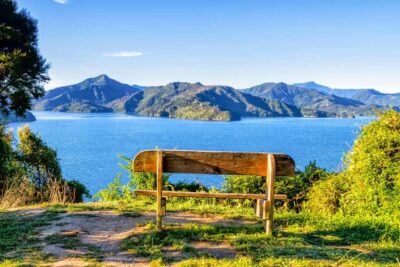
Queen Charlotte Track: Cruise & Self-Guided Hike from Picton
Read our review →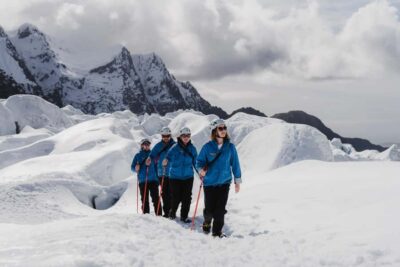
2.5 Hour Glacier Hike with Helicopter Transfer
Read our review →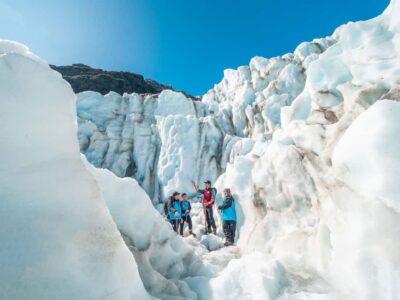
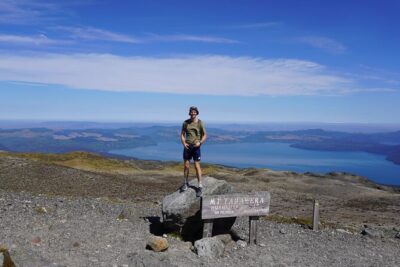
Rotorua Hiking: Mt Tarawera Guided Volcanic Crater Experience
Read our review →
Cardrona High Country Pub Trail Horse Riding Trek (Intermediate+)
Read our review →
Volcanic Valley Self Guided Walking and Hiking at Waimangu
Read our review →Browse the lists this tour appears in