
Reviewed · PENGUIN & WILDLIFE ENCOUNTERS
Oamaru: Penguins Evening Viewing Ticket
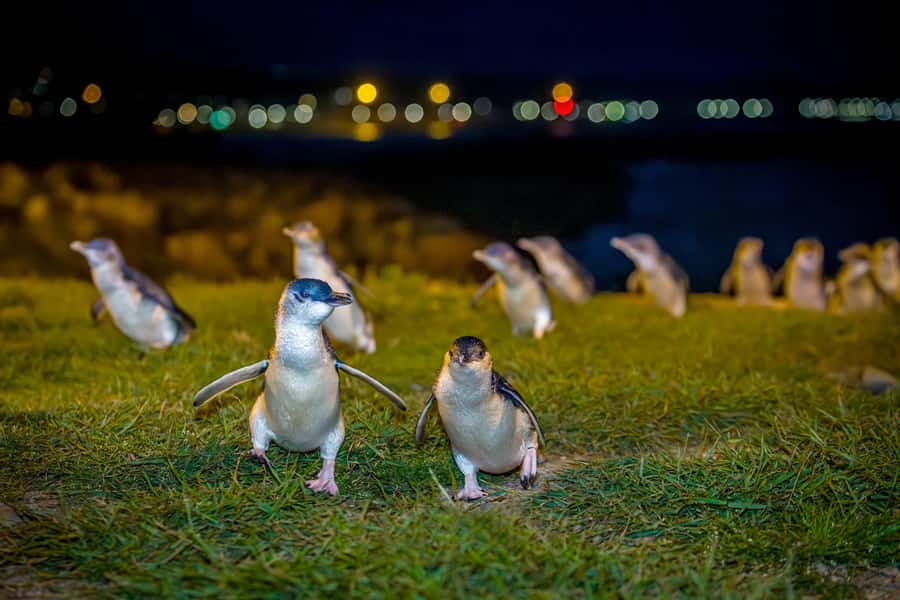
The best part comes after sunset, when tiny blue penguins appear from the sea in little groups and hurry up the beach toward their nests. I like the close viewing distance, often just 10 to 15 metres, and the calm, firm guidance that protects the birds from noise and bright screens.
I also like that the $28 ticket helps fund penguin research and conservation rather than offering a wildlife encounter with no wider purpose. The catch is simple: you cannot take photos or video, and the evening can be very cold, especially while you sit still waiting for the birds.
Key points to know before you book
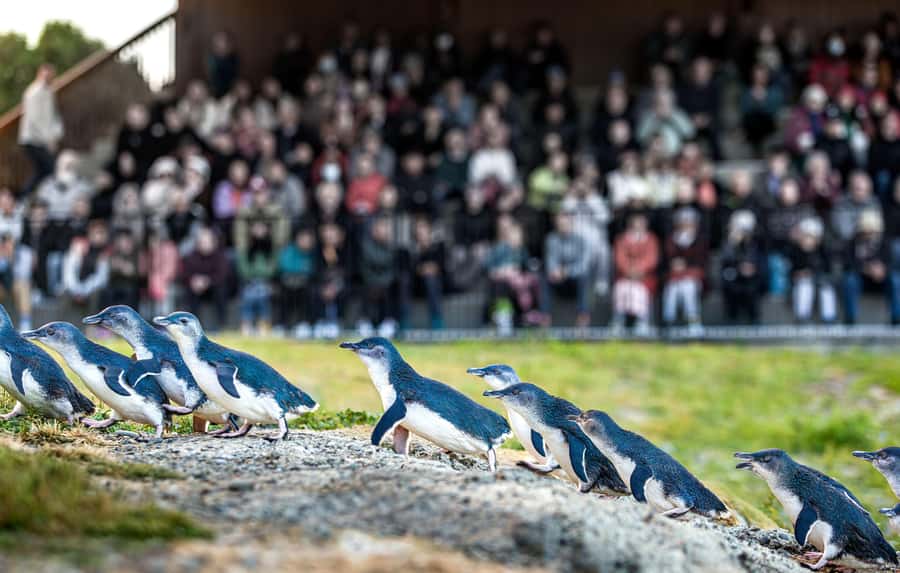
- Penguins arrive after dark: Summer arrivals can be as late as 9 PM, while winter birds may come home around 5:30 PM.
- Numbers change with the season: You might see fewer than 30 penguins in winter or more than 200 in summer, with some evenings reaching 400 or more.
- The standard view is still close: General admission places you about 10 to 15 metres from the route to the nesting area.
- Silence matters: Phones, cameras, flash, and video are forbidden because light and noise can disturb the penguins.
- Seals may steal the show: New Zealand fur seals and Otago shags are possible extras around the waterfront.
- Premium seating is a separate consideration: Some people find the upgrade worthwhile for a closer angle and access through the nesting area afterward.
The evening begins at Ōamaru’s waterfront
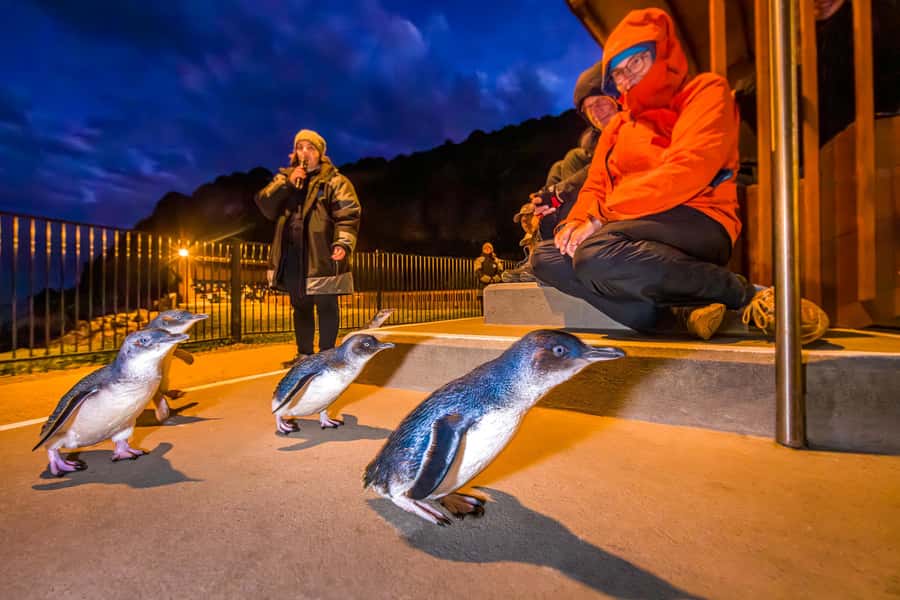
You meet at the Ōamaru Blue Penguin Colony on Waterfront Road, in South Hill, about 10 minutes before your scheduled start. The setting is the old waterfront area, with the sea directly beside the colony and the penguins’ route leading from the beach toward their nesting boxes.
Check in with the colony team, then follow them to your assigned seating area. The experience lasts about 90 minutes, but the timing depends on nature. The penguins do not punch a clock, so the wait may feel longer on a quiet winter evening and pass quickly when groups begin arriving.
I would get there early enough to look around the Discovery Centre before taking your seat. The small exhibition area helps explain what you are about to see, and it gives you something useful to do before the main event begins.
The centre and viewing area are wheelchair accessible. The activity is offered with live commentary in English and Chinese, which helps if your group includes people who are more comfortable in either language.
More penguin and seal encounters:
- Guided Evening Penguin Viewing Otago Peninsula, Dunedin, New Zealand
★ 5.0 · 471 reviews - Dunedin: Wildlife and Penguin Tour
★ 4.6 · 239 reviews - Otago Peninsula Wildlife Cruise with Monarch
★ 4.5 · 227 reviews
Waiting for the first blue heads
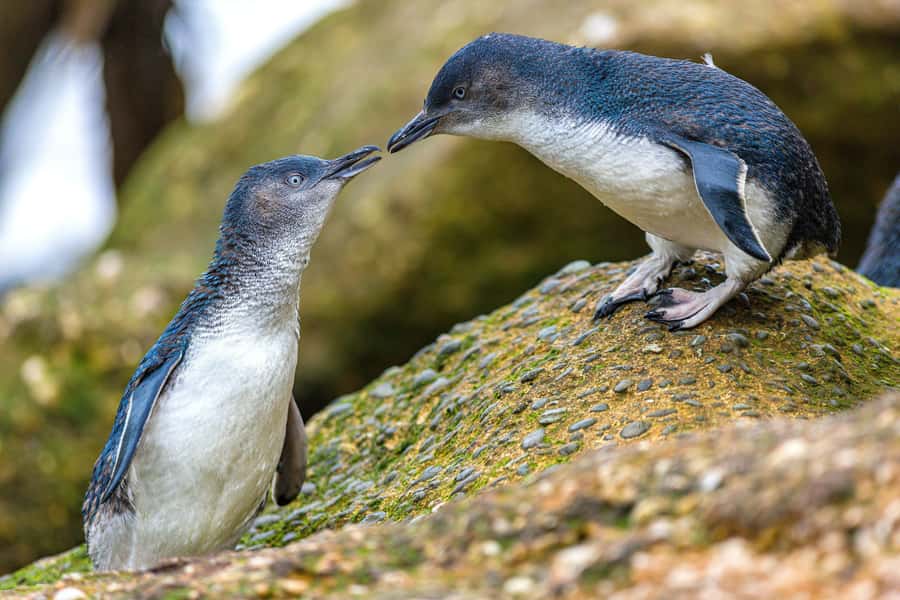
The little blue penguin, also called the blue penguin, is the world’s smallest penguin. Here, you watch wild birds return from a day at sea rather than seeing animals brought out for inspection.
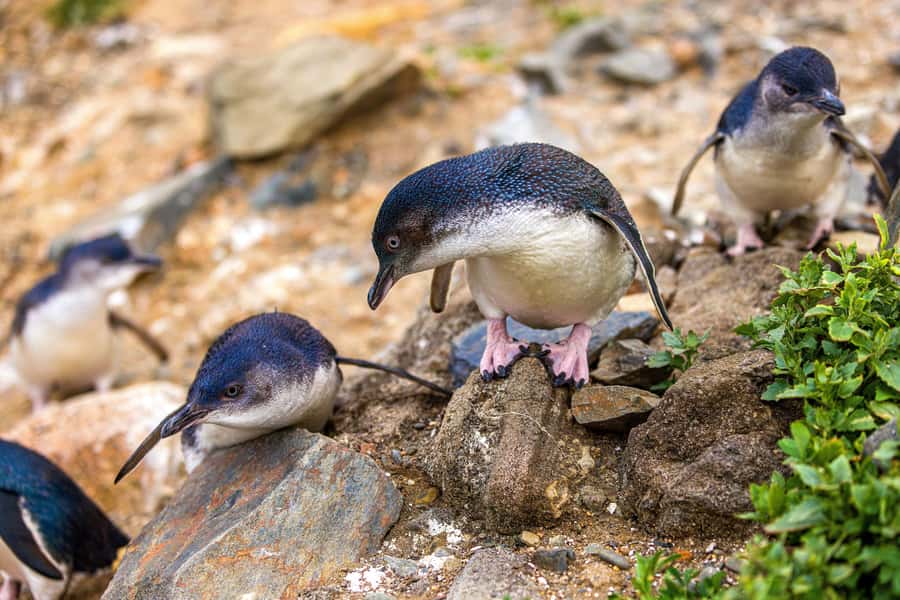
That difference matters. The colony has built nesting boxes and viewing areas around an existing penguin route, but the birds still choose when to arrive and how they move. You may see a few birds pause at the edge of the beach, gather into a group, then make a quick run toward the colony. Sometimes one bird leads and the rest follow. Sometimes they stop, look around, and wait.
The guides explain the birds’ biology, ecology, breeding habits, and daily routine while you wait. They also describe the colony’s conservation work and why protecting these small seabirds matters in New Zealand.
The commentary is one of the main reasons the ticket offers more than simply standing near the waterfront. You learn what the birds are doing, why they travel in groups, and how the nesting area is managed. On one evening, a guide named Jude spent extra time answering questions and explaining the penguins as people moved through the nesting area afterward.
The quality of the sound system can vary from seat to seat. Some people have found the microphone unclear or wanted more facts, so sitting near the centre may help you hear the commentary better.
The penguins make their run to the nesting boxes
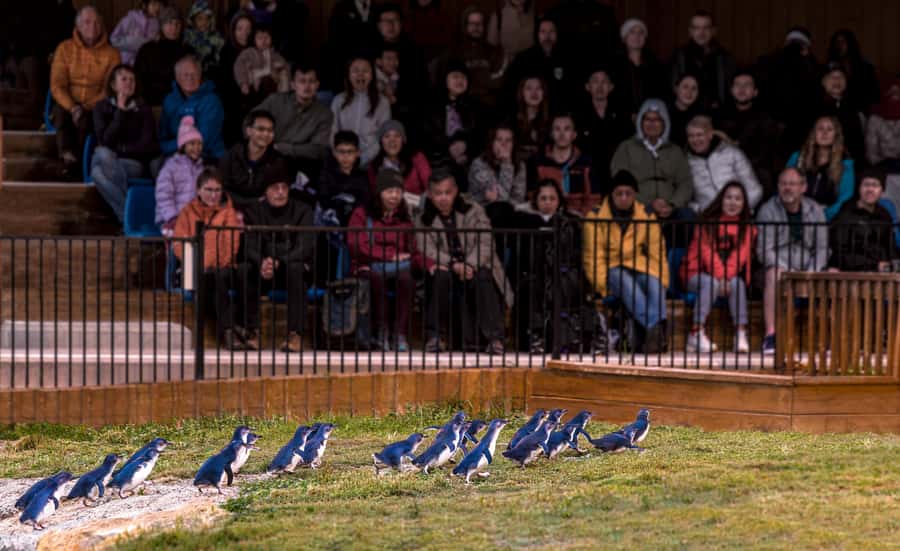
Once the penguins begin coming ashore, the mood changes. The guides lower their voices, and the audience is expected to stay seated and quiet. The birds come up the beach, use a stony ramp, and cross toward the colony.
You may see them scoot, waddle, pause, preen, or hurry through the route. They are surprisingly small, so the first sight can be easy to miss if you are looking in the wrong direction. Keep your eyes on the beach and the ramp rather than expecting a grand entrance.
The general admission area is roughly 10 to 15 metres from the route. That is close enough for a clear view, but not so close that you are standing among the birds. A group can pass directly in front of the central seating area, while another may use a slightly different path. Your view depends partly on where the birds choose to go.
Penguin numbers vary sharply. Winter can bring fewer than 30 arrivals, while summer may bring more than 200. Recent evenings have produced groups of about 100, 150, 230, 300, 330, 410, and even more. Those figures are a useful guide, not a promise. The number of birds depends on the season and the night.
This uncertainty is part of the value and part of the risk. If you need a guaranteed large wildlife spectacle, this is not the right kind of outing. If you can accept a natural event that changes from night to night, the wait becomes part of the experience.
Why the no-camera rule is important
Photography and video are strictly forbidden. You cannot use a camera or phone in the seating area, and flash or screen light is harmful to the penguins’ eyes.
This rule frustrates some people, especially when a penguin walks unusually close. I think it also improves the evening. You are not watching through a phone held above someone’s head, and the birds are not facing a row of glowing screens as they try to reach their nests.
The staff actively enforce the rule. They also remind everyone to remain seated and quiet. That can feel strict, but the instructions are central to the colony’s work. A few noisy people can interrupt a group of penguins, causing them to stop or change direction.
You should explain this to children before booking. Small children may find it hard to sit quietly in the cold while waiting for wildlife to appear. Parents may need to leave early if children become upset or restless.
More evening outings in New Zealand:
- Tauranga: Evening Glowworm Kayak Tour
★ 5.0 · 311 reviews - Auckland: Night Kayak Tour in Glowing Bioluminescent Waters
★ 4.9 · 259 reviews - Tauranga: Evening Glowworm Kayak Tour
★ 4.8 · 206 reviews - Te Puia: Te Pō Evening Hāngī Buffet and Cultural Experience
★ 4.7 · 189 reviews
Seals and seabirds add a second wildlife show
The penguins are the main event, but the waterfront can hold other wildlife. New Zealand fur seals may rest near the entrance or on nearby rocks. A seal lying beside the penguin route can create an unexpected pause, with the birds stopping to decide if it is safe to pass.
That moment shows the value of watching rather than rushing. The penguins may freeze, stare at the seal, and then follow the first brave bird once it moves through. You might also see Otago shags on a nearby wharf, along with other seabirds.
There is no guarantee of seals or shags, and the guides cannot arrange their appearance. Still, keep looking around the water and rocks while you wait. The extra wildlife makes the setting feel like a working coastal habitat, not simply a stage for the penguin arrival.
Standard admission or premium seating
The ticket described here is the general admission evening viewing ticket. Its viewing distance is already fairly close, and you can see a large number of penguins from the standard stands when the birds choose that route.
Premium seating costs extra, and the supplied details do not give the upgrade price. Several people found it worthwhile because it offered a closer view and, at the end, a chance to walk through the nesting area on the way out. That walkway can put you near the nesting boxes, where you may see and hear penguins settling in.
There is a trade-off. One person found the premium viewing angle less useful for seeing the birds climb up the rocks, even though the penguins were closer afterward. Premium does not guarantee the best view of every part of the route.
For a first visit, I would consider the upgrade if you care deeply about wildlife, want the shortest practical viewing distance, or value the walk through the colony. Standard admission is a sensible choice if you are watching your budget or travelling with a larger group.
The cold is the main practical challenge
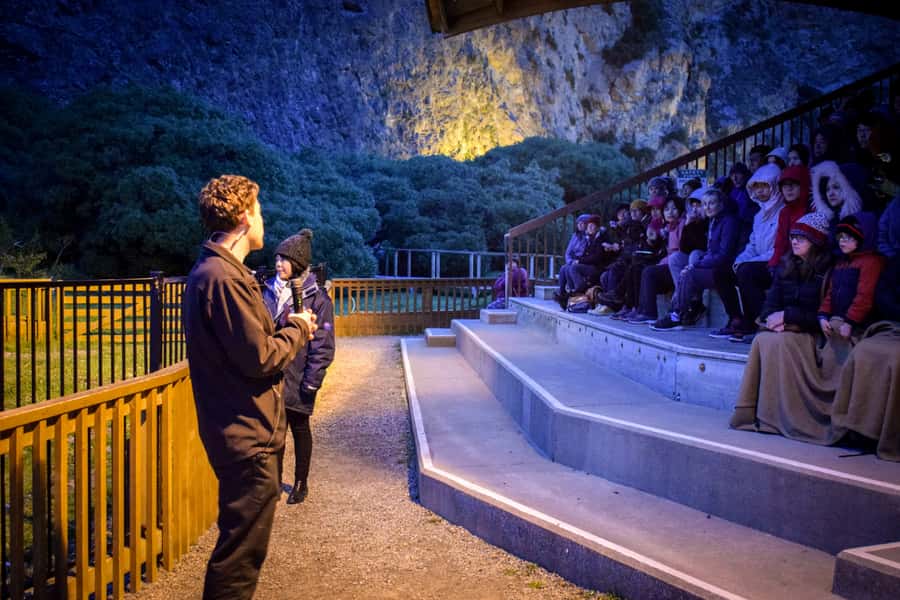
The viewing area is outdoors, and Oamaru can feel very cold after sunset. You may sit still for a long time before the main groups arrive, so a light jacket is not enough for many evenings.
Bring:
- A warm jacket
- Long pants
- Enclosed shoes
- A woolly hat or other warm hat
- Extra warm layers for children and older adults
Shelter from rain may be available in the seating area, but shelter does not remove the sea chill. Wet weather can make the wait harder, even when hundreds of penguins appear. Dress for the waiting time, not just the few minutes when the birds pass by.
The timing also affects your evening plans. In summer, the penguins may not arrive until around 9 PM. In winter, they can come home as early as 5:30 PM. Check the starting time carefully and avoid booking a restaurant or transport connection too tightly around the 90-minute visit.
Food and drinks are not included, so eat beforehand or plan something afterward. The ticket covers the general admission viewing and the local expert commentary.
Conservation gives the $28 ticket extra value
At $28 per person, this is not the cheapest way to spend an evening, but the price includes more than a seat near a beach. Each admission helps support the colony’s conservation and research work.
That funding matters because the experience depends on protecting the habitat and controlling human behaviour around the birds. The nesting boxes, managed viewing areas, guides, and quiet rules all help keep the penguin return compatible with public access.
The conservation role also changes how I judge the no-photo rule. You are being asked to give up a souvenir in order to reduce disturbance. Your payment supports the work, and your behaviour is part of that support.
The value will feel strongest if you want both wildlife and context. If you only want a quick glimpse of a penguin, the 90-minute wait may seem excessive. If you want to understand the colony and see the birds at close range without interfering, the cost is fair.
Is this a good evening for families and older visitors?
I would recommend the experience to adults, wildlife lovers, photographers who can accept leaving the camera behind, and anyone spending an evening in Oamaru. It also suits visitors who want an activity that supports local conservation rather than a purely commercial attraction.
Families can enjoy it, but I would think carefully about children’s ages and patience. The penguins are small, the waiting is quiet, and the evening may be cold. A child who expects a fast animal show may become bored before the birds arrive.
The wheelchair-accessible setup makes the activity workable for people with mobility needs. One family group that included an elderly person with mobility issues still had excellent views. Contact the provider if you need specific seating information, but the stated activity is wheelchair accessible.
The live commentary is useful for mixed-language groups because it is available in English and Chinese. If hearing is a concern, tell the team when you arrive. The staff have adapted the introduction and explanations for visitors who are deaf, which can make a real difference.
Cancellation and booking flexibility
You can cancel up to 24 hours before the experience for a full refund. You can also reserve now and pay later, which helps if your New Zealand route is still changing.
Arrive 10 minutes before your scheduled time. Bring no camera or phone into the seating area, and do not count on taking a quick picture when the birds appear. The staff will enforce the rule.
Should you book the Ōamaru penguin viewing?
I would book it if seeing wild little blue penguins is high on your South Island list and you can handle a cold, quiet wait. The strongest reasons are the close general admission view, excellent conservation purpose, and the chance of seeing a large group return from sea.
Choose standard admission for solid value. Consider premium seating if you want a closer angle and hope to walk through the nesting area afterward, but remember that no seat controls the penguins’ route.
Bring serious warm clothing, arrive early for the Discovery Centre, and prepare children for the no-phone, stay-quiet rules. If you do that, the sight of dozens or hundreds of tiny birds racing home can be a memorable Oamaru evening.
FAQ
Where does the penguin viewing take place?
It takes place at Ōamaru Blue Penguin Colony, Waterfront Road, South Hill, Oamaru 9400, New Zealand.
How long does the experience last?
The evening viewing lasts about 90 minutes.
How much does the general admission ticket cost?
The ticket costs $28 per person.
How close can I get to the penguins?
The general admission viewing area is about 10 to 15 metres from the route the penguins use to reach their nesting area.
Can I take photos or videos?
No. Photography and video are strictly prohibited, including phone use in the seating area. Flash and light can harm the penguins’ eyes.
What should I wear?
Bring warm clothing, including a jacket, long pants, enclosed footwear, and a warm hat. Evenings can be very cold, particularly when you are sitting still.
When do the penguins arrive?
Arrival times change with the season. In summer, they may arrive as late as 9 PM. In winter, they may return as early as 5:30 PM.
How many penguins will I see?
Numbers vary. Winter arrivals can be under 30, while summer evenings can bring more than 200. Some evenings have recorded more than 400 penguins.
Are food and drinks included?
No. Food and drinks are not included in the ticket.
Is the viewing area wheelchair accessible?
Yes. The activity is listed as wheelchair accessible.
What languages are available for the commentary?
Live commentary is available in English and Chinese.
Can I cancel my booking?
Yes. You can cancel up to 24 hours in advance for a full refund. You can also reserve now and pay later.
Newly listed around New Zealand
- Kumeu Winery Boutique Tour with Gourmet Lunch from Auckland★ 4.0 · 5 reviews
- Private tour – Hobbiton Movie Set Evening Banquet Return from Auckland★ 5.0 · 5 reviews
- Wellington Jewish Heritage sightseeing tour with a kosher lunch★ 5.0 · 5 reviews
- Ex Queenstown: Mavora Lakes Middle Earth Full Day Adventure★ 5.0 · 5 reviews
- Private 2 Day Tour: Hobbiton, Waitomo, Rotorua Geothermal & Hamilton Gardens★ 4.0 · 5 reviews
- Milford Sound Earnslaw Burn Helicopter Tour from Queenstown★ 5.0 · 5 reviews
- Private Auckland Luxury Tour★ 5.0 · 5 reviews
- Private Transfer From Auckland Airport To Rotorua★ 5.0 · 5 reviews
Penguin & Wildlife Encounters, compared.
Guided Evening Penguin Viewing Otago Peninsula, Dunedin, New Zealand
Read our review →
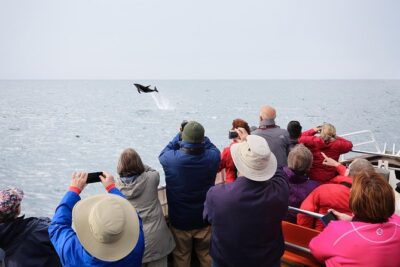
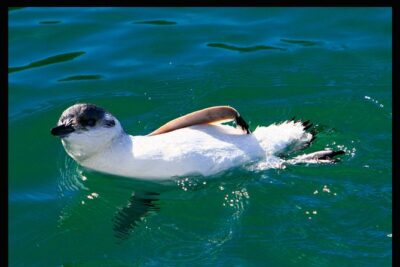
Albatross, seals, and sea birds-Wildlife Cruise
Read our review →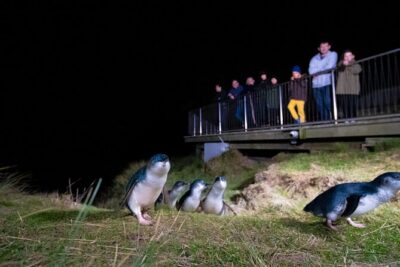
Otago Peninsula In-Depth Tour & Blue Penguins Pukekura Experience
Read our review →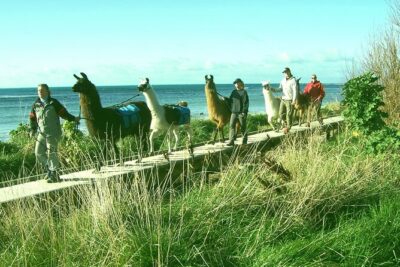
Llama Trek (Half-day) – Kaikoura Bay, Beaches & Seal Colony
Read our review →
Pohatu Penguins Scenic Nature 2-Hour or 4-Hour Tour
Read our review →
Pohatu Little Penguins 3-Hour Evening Experience
Read our review →Browse the lists this tour appears in