
Reviewed · HELICOPTER TOURS
Mount Cook: 3-Hour Tasman Glacier Helicopter Ride and Hike
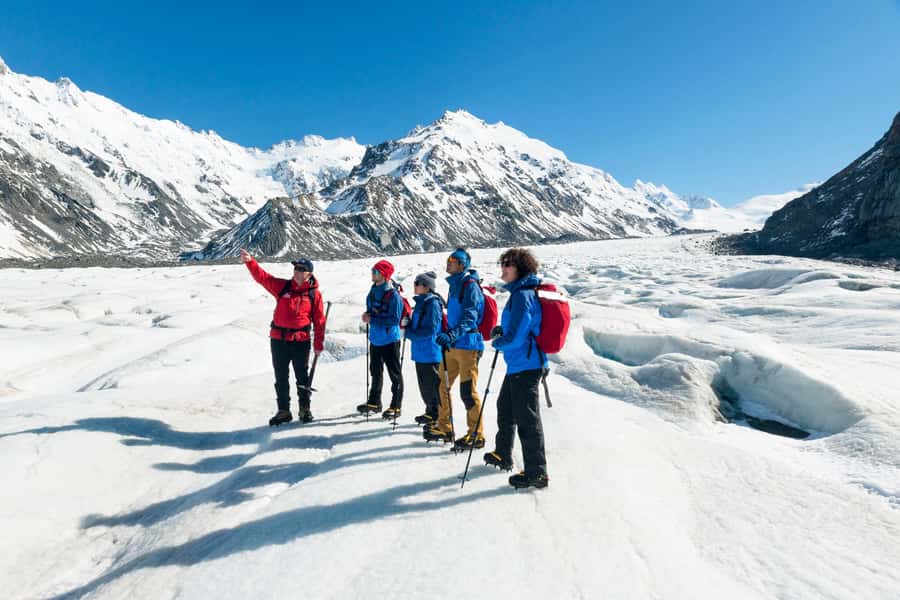
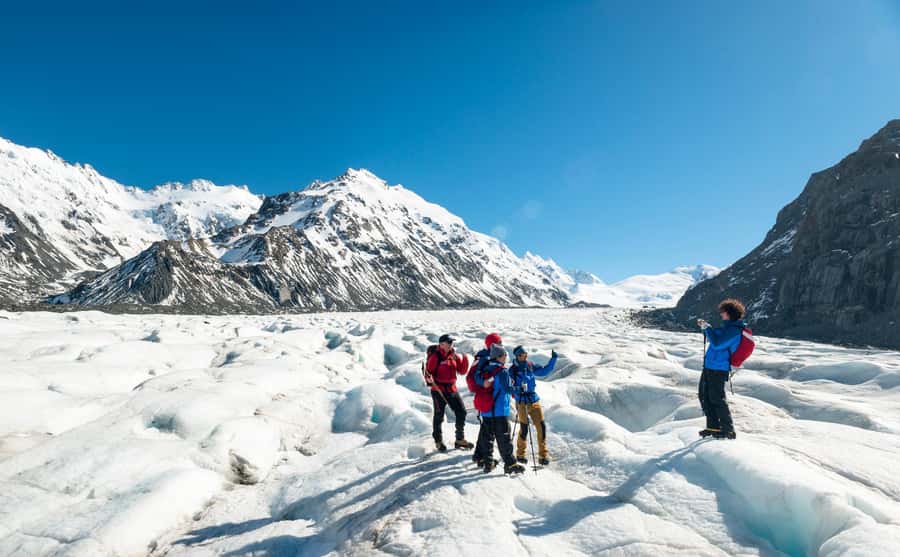
Tasman Glacier is best seen from two angles: high above it in a helicopter, then at boot level, where the ice cracks, shifts, and forms blue caves and tunnels. This three-hour trip gives you both, with up to two hours on New Zealand’s biggest glacier and fine views of Aoraki/Mount Cook along the way.
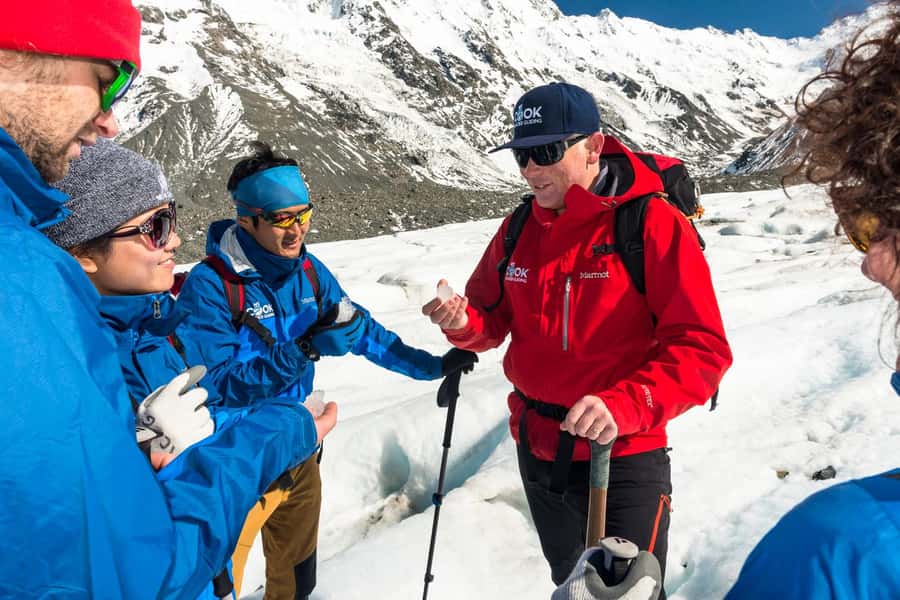
I like the small group, limited to 11 people, and the fact that the company supplies serious cold-weather gear rather than leaving you to guess what to pack. I also like the guides’ personal touch. Hunter, Tori, Anna, Rich, and others have helped solo visitors with photos, adjusted the walk for different abilities, and explained the ice as they went.
The catch is the price: $537 per person is a major spend, and the weather can cancel the whole outing. One slow or careless person can also hold up the group, and one group reported missing a cave walk because of delays.
Key points at a glance
- Two helicopter flights: Fly from Mount Cook Airport to the glacier and return by air, with mountain and glacier views in both directions.
- Up to two hours on Tasman Glacier: Walk with a guide across changing ice, with possible access to caves, tunnels, moulins, and blue ice formations.
- Aoraki/Mount Cook from the air: The flights provide the best chance to appreciate the scale of New Zealand’s highest mountain and nearby glaciers.
- Equipment is supplied: Leather boots, wool socks, crampons, a walking pole, and a waterproof jacket are included.
- Small group format: The group is limited to 11 people, allowing guides to help with gear, photos, questions, and different walking speeds.
- Weather matters: Alpine conditions can change quickly, so keep flexibility in your Mount Cook plans.
Two hours on Tasman Glacier, not just a flyover
Many scenic flights let you admire a glacier through a window and then return to the airport. This trip gives you time to stand on the ice and inspect it properly. That changes the experience from a scenic ride into a guided mountain outing.
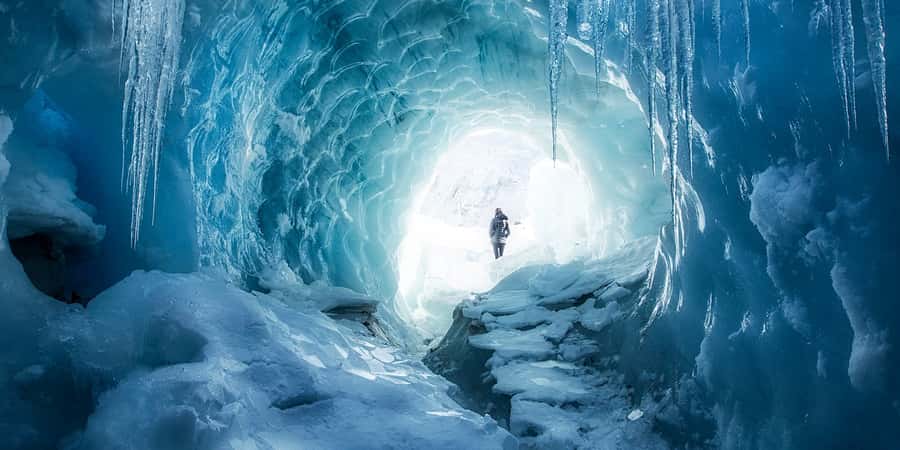
Your guide leads you over a route that changes as the glacier moves. The ice may reveal blue tunnels, small caves, moulins, crevasses, ridges, and other formations. A moulin is a shaft or channel where meltwater travels down through the glacier. You might walk into one, look down into an opening, or squeeze through a passage, depending on the conditions that day.
The route is not a fixed nature trail. The glacier is constantly shifting, so guides look for safe and interesting features during each visit. That is a strength, but it also means you should not book this expecting one guaranteed cave or exact photo stop. The glacier decides what is available.
The walk is guided and supported with crampons, boots, and a walking pole. You are not expected to find your own way across the ice. Guides cut steps where needed and manage the group around changing formations. Reviews of guides such as Hunter, Anna, Rich, Jimmy, and Tori repeatedly point to clear explanations, calm safety management, and help with photos.
More Hiking Tours in New Zealand:
- Franz Josef Glacier Heli-Hike
★ 4.5 · 618 reviews - Heli Hike Fox Glacier
★ 5.0 · 563 reviews - Queen Charlotte Track: Cruise & Self-Guided Hike from Picton
★ 4.8 · 383 reviews
What happens at Mount Cook Airport
You meet inside the Mount Cook Airport terminal at the Mt Cook Glacier Guiding desk. The airport is the starting point for the whole experience, so arrive ready to spend time getting fitted out and listening carefully.
The briefing takes about 45 minutes. That may sound long for a three-hour activity, but it is useful preparation for a helicopter landing and a walk over moving ice. Staff explain the plan, safety rules, and equipment before you head outside. One particularly positive feature is the range of supplied clothing. Along with the listed boots, socks, crampons, walking pole, and waterproof jacket, visitors have also been given access to items such as raincoats, backpacks, and warm outer layers when needed.
Bring warm clothing, sunglasses, and a hat. The supplied gear helps, but it should not replace your own base layers and warm clothes. Food and drinks are not included, so eat beforehand and bring anything you need if permitted by the operator’s current instructions.
The two departure choices are 8:45 AM and 10:45 AM. The earlier start gives you more room in the day if weather causes a delay or if you have other Mount Cook plans afterward. The later slot may suit a slower morning, but a weather interruption can leave less time to rearrange your day.
The first 15-minute helicopter flight
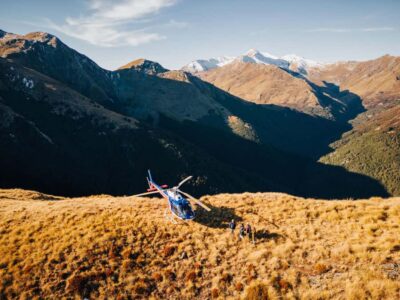
After the briefing, the first helicopter flight takes about 15 minutes. It carries you from Mount Cook Airport to a remote landing point on Tasman Glacier.
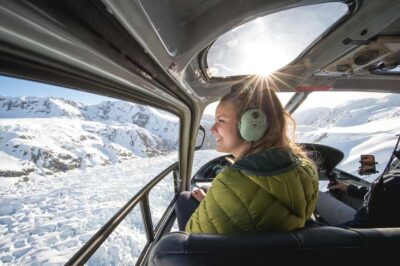
This is not simply transport. The flight is one of the main reasons to book this trip. You see the glacier’s folds, ridges, and ice fields from above, along with the mountains around Aoraki/Mount Cook. Several pilots have been praised for pointing out landmarks and making passengers feel safe, while clear, calm days have produced especially smooth flights and wide views.
Helicopter seating can matter. The aircraft is small, and group arrangements vary. One booking group reported that everyone had a window at some point, while another noted that the front seats had a better view and cost extra. Do not assume every seat offers the same outlook. If a preferred seat upgrade is available, ask about it before booking.
Weather has the final word. Low cloud, wind, or poor visibility can stop the helicopter from flying. This is not a minor inconvenience: the helicopter is your only practical way onto the remote section of glacier used for the walk. Keep your schedule loose, especially if you are visiting Mount Cook for only one day.
Walking across the changing ice
Once you land, the guide helps the group prepare. You put on the leather boots and crampons, take a walking pole, and add a waterproof jacket or other supplied layer if required. Crampons give your boots grip on hard ice, but they do not make the walk effortless.
The pace is guided rather than athletic. Reviews describe the activity as manageable for a range of skill levels, but the operator does not recommend it for people with limited mobility, and it is not suitable for children under nine. You need to be comfortable walking on uneven ground, stepping carefully, and following instructions around ice formations.
The guide’s job is more than pointing at scenery. Guides cut steps, choose the safest route, monitor the group, and decide which formations can be approached. Conditions can change during the two-hour visit. A tunnel that was safe on one day may have shifted or disappeared by the next.
This is where a small group earns its keep. With no more than 11 participants, a guide has a better chance of checking crampons, answering questions, and helping people who need a slower pace. Guides have also taken photos for solo visitors and organized group photos at good spots. If you want photographs, ask early. The guide may be carrying equipment and managing safety, so photo stops need to fit the day’s route.
More helicopter flights over New Zealand:
- Franz Josef Glacier: Helicopter Flight & Alpine Landing
★ 4.8 · 619 reviews - Franz Josef: 35min Helicopter Trip over Two Glaciers
★ 4.8 · 451 reviews - Mount Cook: Scenic Helicopter Flight with Alpine Landing
★ 4.8 · 442 reviews - Franz Josef & Fox Glaciers Helicopter Flight & Snow Landing
★ 4.7 · 342 reviews
Blue caves, moulins, and the sound of moving ice
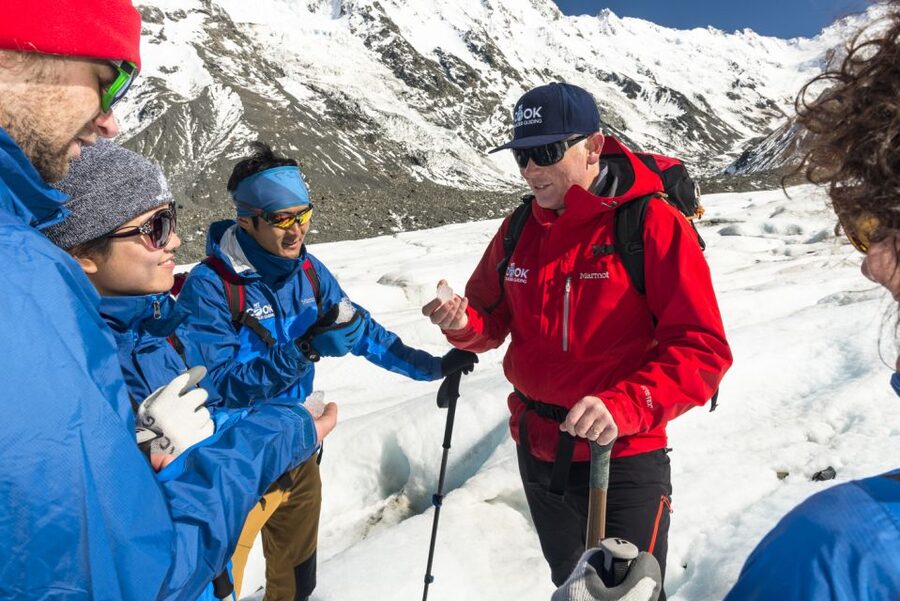
The most memorable part may be the color. Dense glacier ice can glow blue, especially inside caves and tunnels. The shade changes with the ice, light, weather, and the shape of each opening. You may see a freshly formed passage, a blue wall, a waterfall beside a cave, or a moulin where meltwater has cut down into the glacier.
Some people have crawled through formations or stepped into an ice opening. That sounds dramatic, but the actual route depends on the guide’s judgment and the glacier’s condition. You should never treat an opening as a challenge to conquer. Follow the guide’s instructions, stay with the group, and accept that a particular cave may be off limits.
One especially appealing detail is the chance to hear the glacier. Ice can crack, groan, and shift in the quiet. From a distance, a glacier can look frozen in place. On foot, you get a better sense that it is moving and changing. You might also see distant avalanches on mountain slopes, as some groups have, but those sightings are incidental and cannot be promised.
The guides add much of the meaning here. Hunter has been praised for explaining geology and taking group photos. Anna has helped solo visitors and adjusted to different needs. Tori has been singled out for clear briefings and thoughtful care. Rich and Jimmy have taken groups through changing tunnels and caves when conditions allowed. The guide you get will shape how much you learn, so ask questions about the ice, the mountains, and the route.
The return flight and a short airport break
After up to two hours on the glacier, you fly back to the Mount Cook area. The return flight takes about 15 minutes and provides another view of the ice from above. This second flight is valuable because you see the glacier after understanding it at ground level. Ridges and channels that looked abstract on the way out may make more sense once you have walked among them.
The itinerary allows about 10 minutes for a break after returning to Mount Cook, before you finish back at the airport. The overall duration is about three hours, but treat that as an operating time rather than a guarantee. Weather, loading, equipment, and group pace can affect the schedule.
If you have a tight connection, a dinner reservation, or another paid activity immediately afterward, leave a generous buffer. Weather delays may mean rebooking for the afternoon or the next day. That flexibility has helped some people salvage the experience after a cancellation, but it can be difficult if your New Zealand route is tightly packed.
Is the $537 price fair?
At $537, this is an expensive Mount Cook activity. You are paying for two helicopter flights, a specialist guide, glacier access, safety equipment, and a small group rather than simply paying for an hour in the air.
I think the value is strongest if you want a real glacier experience rather than a scenic flight alone. The walk can last up to two hours, and the guide may lead you through caves, tunnels, and moulins that you cannot see from an aircraft. The included boots, crampons, socks, waterproof jacket, and walking pole also reduce the cost and hassle of assembling suitable equipment.
The value is weaker if you mainly want a quick aerial view of Aoraki/Mount Cook. A flight-only option may suit you better, though no alternative price is provided here for a direct comparison. You also need to accept that bad weather can prevent the trip from running, even after you have set aside the money and time.
One other value issue is group behavior. A careful, prompt group can cover more interesting ice. A group slowed by repeated photo sessions or people ignoring instructions may lose time. One person’s account described missing a planned cave walk because the group moved too slowly. That is not a normal outcome, but it is a fair reminder that this is a shared outing.
Free cancellation up to 24 hours before departure and reserve-now, pay-later booking make it easier to keep plans flexible. Still, you should not rely on those options to solve every weather problem at the last minute. Check the current booking terms and keep an extra day in the area if this is a top priority.
Who will enjoy this heli hike most?
I would choose this for an adult or older child who wants an active, unusual Mount Cook experience and is comfortable with uncertainty. It suits photographers, mountain lovers, first-time glacier visitors, and anyone who values a guide-led outing over an independent walk.
It is also a good choice for solo visitors. Guides have regularly helped solo participants with photos, and the small group makes it easier to meet people without joining a large coach outing.
You do not need to be an expert hiker, but you do need reasonable mobility and a willingness to walk carefully on ice. The activity is not suitable for children under nine or people with mobility impairments. If you dislike helicopters, enclosed spaces, cold weather, or changing plans, this may not be your best use of $537.
The trip is conducted in English. Ask questions during the walk. The guides have been praised for explaining both the natural setting and the geological story, and the experience is much better when you understand what you are seeing.
Practical advice before you book
Plan this as a highlight, not as a small gap between fixed commitments. The 8:45 AM departure is the safer choice if you want more flexibility later in the day, while the 10:45 AM option may work better if you are staying nearby and prefer a later start.
Wear warm clothing even if the forecast looks pleasant. Add sunglasses and a hat, and remember that food and drinks are not supplied. The operator provides key technical equipment, but your own clothing still matters.
Listen closely during the briefing and on the ice. The rules are there because the glacier changes, not because the staff want to limit your fun. Stay with the group, keep your crampons secure, and let the guide decide which cave, moulin, or tunnel is safe.
Finally, accept that every departure will be different. One group may see several ice caves and a waterfall. Another may find a different route or spend more time around open formations. That variety is part of visiting a living glacier, but it also means the advertised highlights are possibilities rather than promises.
Should you book the Tasman Glacier heli hike?
Book it if walking on glacier ice is high on your New Zealand wish list and you can afford the cost without squeezing the rest of your trip. The combination of two scenic flights, Aoraki/Mount Cook views, supplied gear, and up to two hours on Tasman Glacier offers far more substance than a short sightseeing flight.
I would give it a miss if your schedule cannot absorb a weather delay, if you have limited mobility, or if $537 feels too uncomfortable for an activity that may be cancelled by conditions. For everyone else, this is one of the strongest ways to experience the Tasman Glacier: not just from above, but carefully and memorably at ice level.
FAQ
Where does the Tasman Glacier heli hike start?
The tour starts inside the terminal at Mount Cook Airport. Look for the Mt Cook Glacier Guiding desk.
How long does the experience last?
The stated duration is three hours. The planned schedule includes a 45-minute safety briefing, two 15-minute helicopter flights, up to two hours on Tasman Glacier, and about 10 minutes of break time.
What departure times are available?
The available time slots are 8:45 AM and 10:45 AM. You should check availability for your chosen date.
Is the helicopter flight included?
Yes. Two scenic helicopter flights are included, one to the glacier and one back to the Mount Cook area.
How long do you spend on Tasman Glacier?
You can spend up to two hours on the ice, weather permitting. The exact route and formations available can change because the glacier is constantly changing.
What equipment is provided?
The tour includes leather boots, woolen socks, crampons, a walking pole, and a waterproof jacket. Additional items such as raincoats or backpacks may also be available from the provider.
What should I bring?
Bring warm clothing, sunglasses, and a hat. Food and drinks are not included.
Is the activity suitable for children?
Children under nine cannot take part. The trip is also not recommended for people with limited mobility and is not suitable for people with mobility impairments.
What happens if the weather is poor?
The activity is weather dependent, so flights and the glacier walk may be cancelled or changed. The booking terms allow free cancellation up to 24 hours in advance for a full refund, and reserve-now, pay-later booking is available.
More three hour outings in New Zealand
- Queenstown: 3-Hour Zipline Adventure with 6-Lines
★ 4.8 · 485 reviews - Fox Glacier: Up to 3 Hours Hike with Helicopter Transfer
★ 4.9 · 309 reviews - Mount Cook: 3 Hour Heli Hike to the Tasman Glacier
★ 4.7 · 218 reviews - Discover Wellington 3 hour City Tour
★ 5.0 · 213 reviews
Newly listed around New Zealand
- Kumeu Winery Boutique Tour with Gourmet Lunch from Auckland★ 4.0 · 5 reviews
- Private tour – Hobbiton Movie Set Evening Banquet Return from Auckland★ 5.0 · 5 reviews
- Wellington Jewish Heritage sightseeing tour with a kosher lunch★ 5.0 · 5 reviews
- Ex Queenstown: Mavora Lakes Middle Earth Full Day Adventure★ 5.0 · 5 reviews
- Private 2 Day Tour: Hobbiton, Waitomo, Rotorua Geothermal & Hamilton Gardens★ 4.0 · 5 reviews
- Milford Sound Earnslaw Burn Helicopter Tour from Queenstown★ 5.0 · 5 reviews
- Private Auckland Luxury Tour★ 5.0 · 5 reviews
- Private Transfer From Auckland Airport To Rotorua★ 5.0 · 5 reviews
Helicopter Tours, compared.
Franz Josef Glacier: Helicopter Flight & Alpine Landing
Read our review →
Franz Josef & Fox Glaciers Helicopter Flight & Snow Landing
Read our review →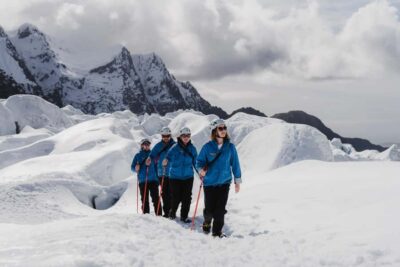
2.5 Hour Glacier Hike with Helicopter Transfer
Read our review →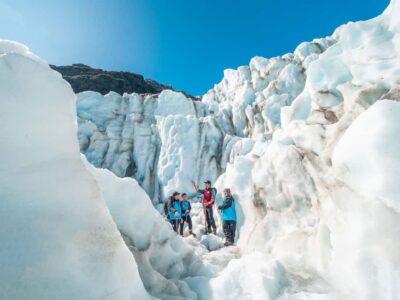
Pilot’s Choice Helicopter Tour & Alpine Landing
Read our review →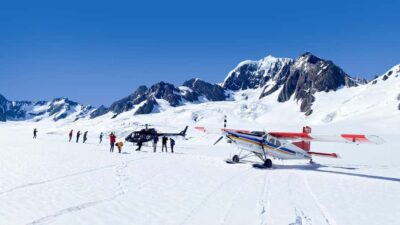
Browse the lists this tour appears in