
Reviewed · WANAKA TOURS
Wanaka: 4-Hour Intermediate Waterfall Cable Climb
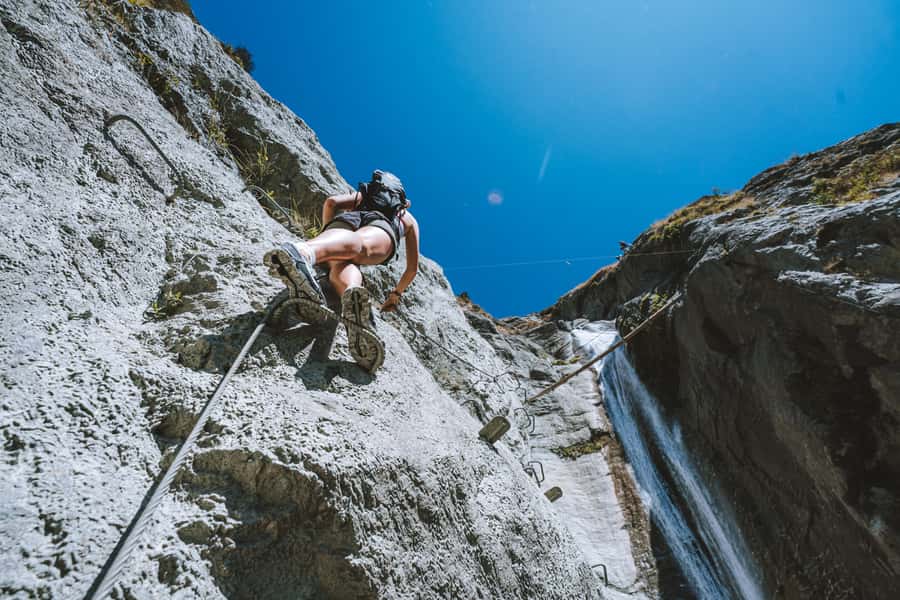
The world’s highest waterfall cable climb is not a gentle sightseeing walk. At Twin Falls, you use fixed cables, iron rungs, pegs, ladders, and suspension bridges to climb 320 meters beside falling water. The route gives you big views over Lake Wanaka’s mountains and farmland, plus a close look at pools and cascades that ordinary footpaths cannot reach.
I like the small groups of no more than five people per guide, and I like the useful practice climb at the base before the real ascent begins. Guides such as Ollie, Sarah, Ryan, Tongi, Blair, Dolce, and Connor have been praised for patience, clear help, and a strong focus on safety.
The main drawback is simple: this is almost continuous climbing, not a hike broken up by long easy walks. If heights make you panic, or if you cannot repeatedly clip yourself into the cable system, choose a less exposed activity. The route is thrilling, but it asks for calm attention and full body mobility.
Key points to know before climbing
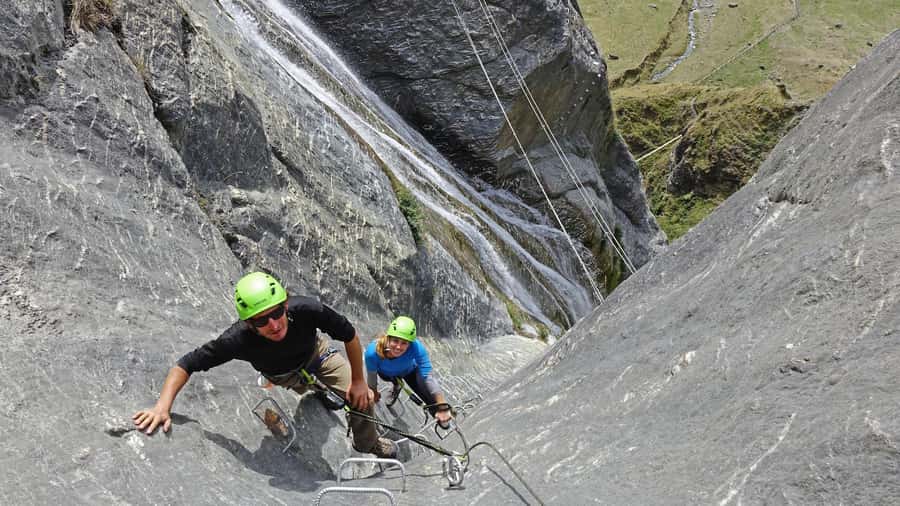
- 320 meters of vertical climbing: You ascend beside waterfalls using cables, pegs, iron rungs, ladders, and bridges.
- A proper practice session first: Your guide gives a safety briefing and leads an introductory climb before the intermediate route.
- Small groups matter: Each guide takes no more than five people, allowing close support on exposed sections.
- Lunch beside a 60-meter waterfall: At the top, you can eat, rest, admire the views, and take a quick swim.
- The descent takes about 45 minutes: The climb is the main physical effort, but returning downhill still requires care.
- Bring water and outdoor clothing: Water is not supplied, and you should expect wet rock, changing weather, and active movement.
Climbing beside Twin Falls near Wanaka
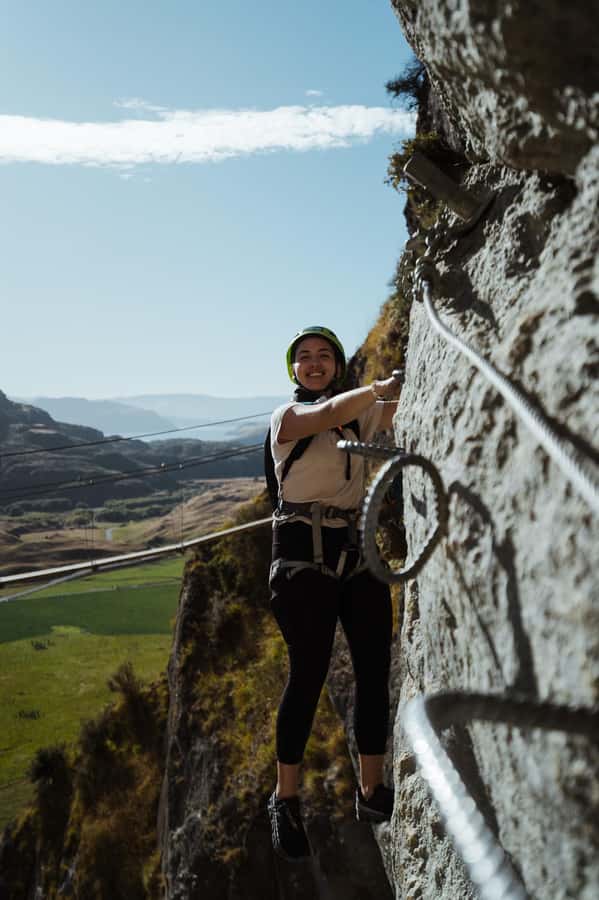
Wildwire Wanaka operates this four-hour adventure at Twin Falls, about 20 minutes west of Wanaka along Wanaka-Mt Aspiring Road. You follow the lake toward Treble Cone Ski Field and Mount Aspiring National Park, then pull off immediately after a cattle stop, in front of two waterfalls.
Look for the locked farm gate and the activity provider’s sign. If you reach the ski field road or the gravel road, you have gone too far. This is a self-drive meeting point, so allow time to find it rather than arriving at the last minute.
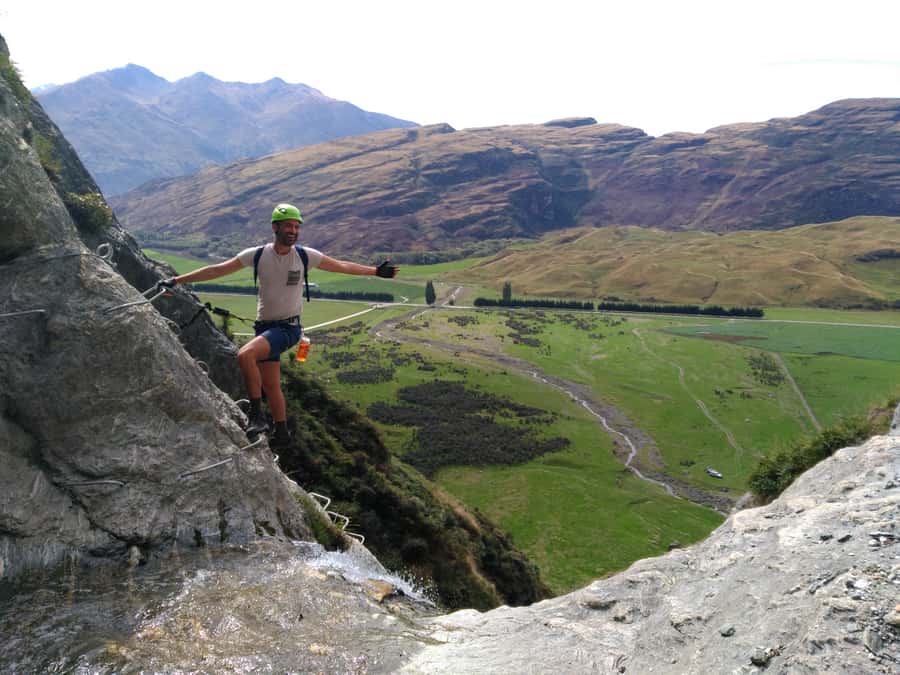
The setting does much of the work before you put on a harness. Water drops through the cliffs, and the views open across farmland, lakes, and the mountains around Wanaka. You are close enough to the falls to feel that this is a real mountain route, not simply a scenic platform with a few steps.
That setting also explains why clothing matters. You should bring comfortable shoes, proper hiking shoes, swimwear, outdoor clothing, and layers suited to the weather. A waterfall route can be wet and cool even when Wanaka feels warm.
A few more Wanaka days to compare
- Wildwire Wanaka- Level 2 (4 Hours)
★ 5.0 · 467 reviews - Bike the Wanaka and Hawea Trails
★ 5.0 · 346 reviews - Lake Wanaka Happy Hour Cruise
★ 4.6 · 313 reviews
The briefing and practice climb
The tour begins with a safety briefing. You receive a helmet and harness, then learn how to use the fixed climbing system on a short practice route at the waterfall base.
This is the part that makes the activity accessible to people who have never done a via ferrata. You do not need previous climbing experience, but you do need to listen closely and become comfortable managing the system yourself.
Your guide will assist you, but you remain responsible for hooking yourself into the cable as you move. That detail matters. The equipment provides protection, but it does not turn the route into a hands-free ride. You must stay focused, especially when moving between cable sections or approaching a bridge.
The initial practice climb lets you test your balance, grip, and reaction to exposure. It is also a useful moment to decide how you feel about the route. Some people find the physical work manageable but need time to settle their nerves. That is normal, but panic on an exposed section is a serious concern.
What the 320-meter ascent feels like
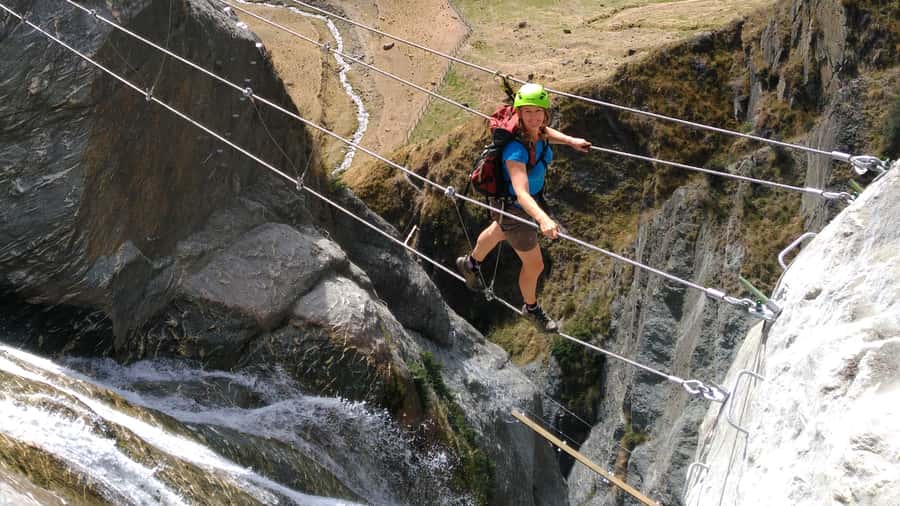
Once you leave the practice area, the intermediate route takes you up 320 meters of vertical cliffs. You climb with the waterfall close by, using iron rungs, pegs, ladders, and fixed cables.
This is not a standard trail with occasional scrambling. The climb is the main event. Cheryl’s account is useful here: she found the full four hours demanding because she had hoped for more hiking between the climbing sections. If you prefer a route with frequent flat stretches, this may feel repetitive or strenuous.
On the other hand, the steady climb gives the activity its unusual character. You are not just looking at a waterfall from below. You work your way alongside it, gaining height and changing views with every section. The route includes blue pools, cliff faces, and small waterfalls, so the scenery keeps shifting even when the movement pattern remains similar.
Your guide controls the pace for the group and can offer encouragement or help with technique. The small group limit is a real advantage. Five people per guide means you are not lost in a large line, and the guide can keep an eye on each person’s progress.
Past participants have specifically praised the patience of guides including Ryan, Sarah, Brandon, Nolan, and the teams led by Tongi and Blair. That does not remove the challenge, but it makes a difference when you are tired or uncertain about the next move.
Suspension bridges and exposed views
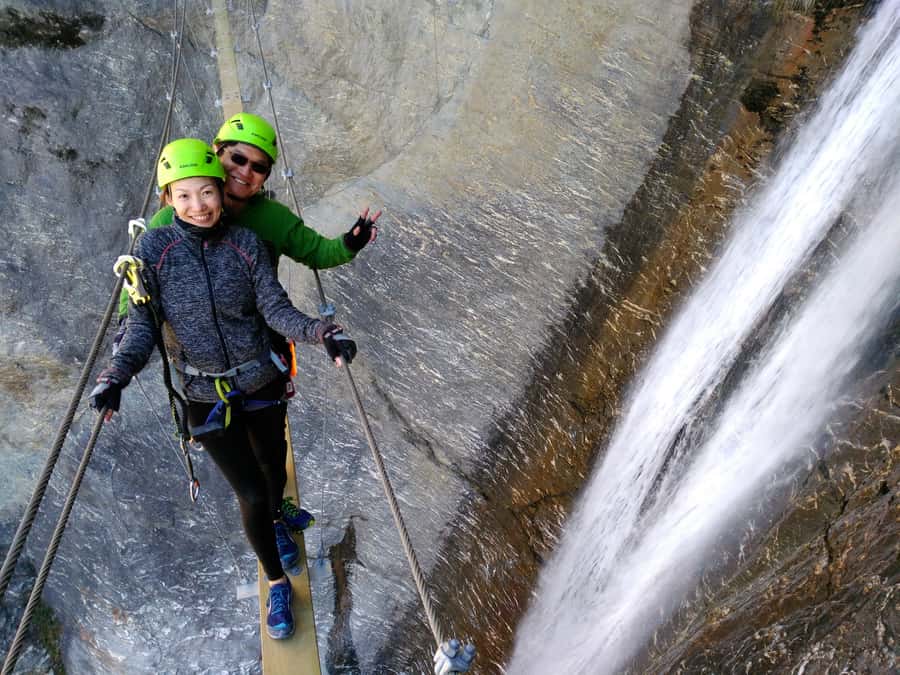
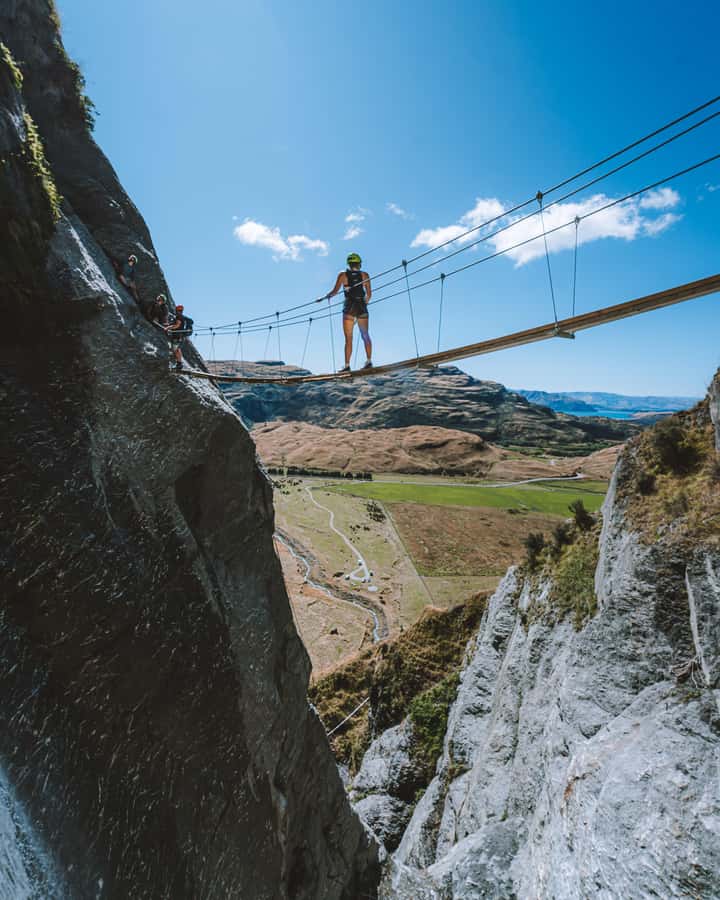
The suspension bridges are among the most memorable parts of the route. You cross above pools and beside the rushing water, with cliffs and open air below.
The bridge next to a large cascading waterfall is a natural photo stop. It gives you the sort of perspective that is hard to find on a normal walk, though taking photos requires care. Your hands and attention are often needed for the climbing system, and wet conditions can make handling a phone awkward.
The exposure is also the feature that can make or break the day for you. The route is designed to be safe with the supplied equipment and guide support, but safe does not mean sheltered. You will feel height. Ann-Sophie’s practical warning is worth taking seriously: if you are afraid of heights but can remain calm, you may manage well; if you tend to panic, this is not the right activity.
If you bring a camera, you do so at your own risk. A GoPro attached to your person is recommended. One useful approach is to carry a phone in a waterproof bag clipped to your pack, as one group did, rather than holding it loose near the waterfall.
Guides also take photos during the activity and email them afterward. That is helpful because you can concentrate on the climb instead of trying to document every section yourself.
Somewhere else in Wanaka entirely:
- Small Group Jet Boat Adventure on the Clutha River from Wanaka
★ 5.0 · 302 reviews - Wanaka: Water Taxi & Mou Waho Island Tour
★ 4.8 · 299 reviews - Jet Boat and Wilderness Walk Tour from Wanaka
★ 5.0 · 259 reviews - Wanaka: Tandem Skydive Experience
★ 4.8 · 252 reviews
Lunch at the 60-meter waterfall
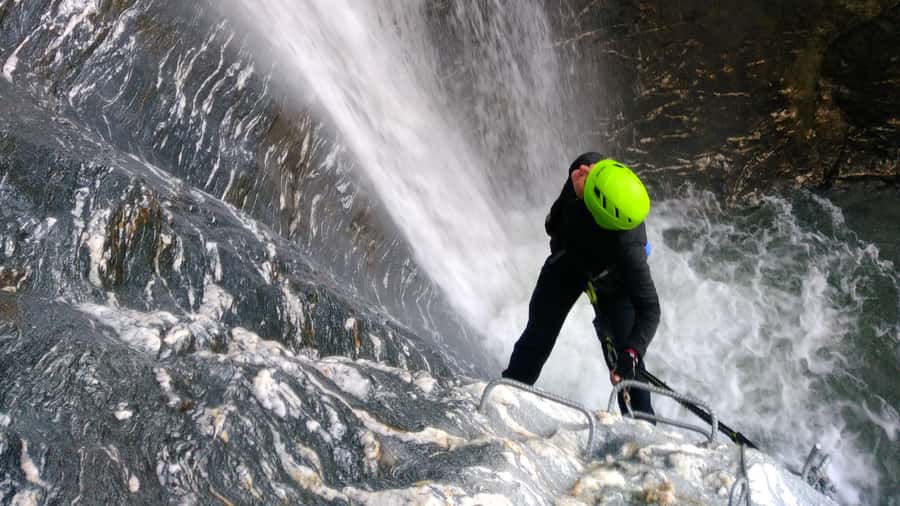
At the summit, the route reaches the base of a 60-meter waterfall. This is where the experience changes pace. You can sit down for lunch, take in the mountain and farmland views, and let your arms and legs recover.
Lunch is included in the $224 price, which improves the value of the outing. This is a four-hour guided activity requiring specialist equipment, instruction, and a small guide-to-climber ratio, so the cost is not comparable to a basic half-day walk. You are paying for access to a purpose-built route and the support needed to use it.
The food has been a bright spot for several people, but you should still bring your own water bottle because water is not included. A small amount of personal food may also be sensible if you know you need more than a standard included lunch, though the provided details do not specify the menu.
A quick swim is possible at the waterfall base. Bring swimwear if that appeals to you, but do not treat the swim as the central purpose of the stop. The main value is the chance to rest beside the falls in a place reached by climbing rather than by road or a regular trail.
The 45-minute return to the starting point
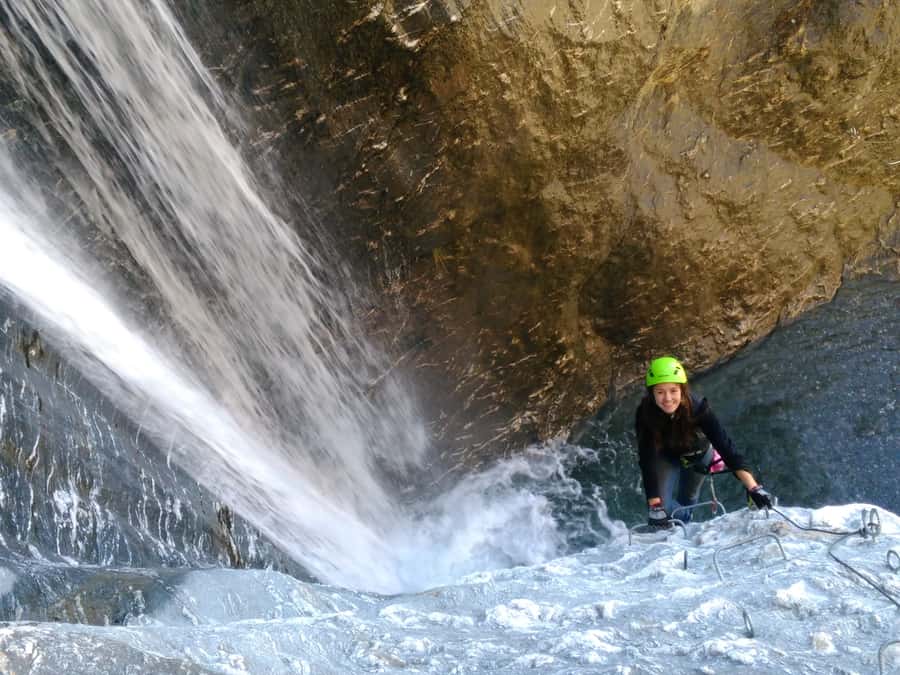
After lunch and the optional swim, you descend to the starting point. The descent takes about 45 minutes, making it much shorter than the climb.
Downhill movement can feel easier because you have finished the main ascent, but exposed descents still call for care. You continue using the route and safety system, and tired legs may make rungs and ladders feel less comfortable than they did at the start.
The total duration is four hours, including the briefing, practice climb, ascent, lunch, and descent. It is wise to keep the rest of your day flexible. The activity is not a quick add-on before a tightly scheduled afternoon plan.
Is $224 good value?
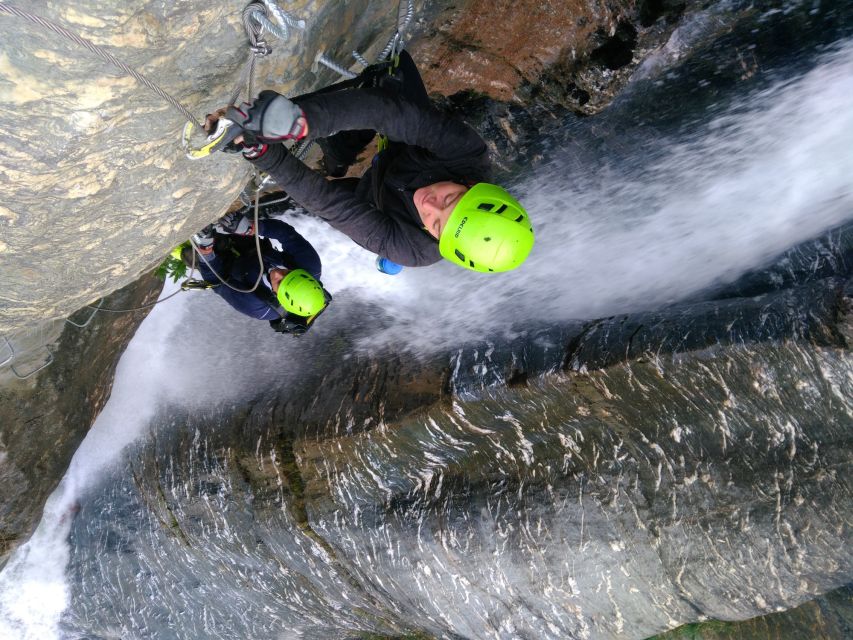
At $224 per person, this is a premium Wanaka activity. I think the price makes sense if you specifically want a guided via ferrata and a serious waterfall climb, rather than simply a viewpoint or short nature walk.
The fee includes an expert English-speaking guide, helmet and harness equipment, safety instruction, the introductory climb, lunch, and the guided route. The group size is capped at five people per guide, which is valuable on an exposed technical route.
You are also paying for access to a route that uses fixed cables, ironwork, suspension bridges, and ladders to reach places that would otherwise be difficult or impossible for most people. That is a different product from an ordinary hike.
The value is weaker if you are unsure about heights, dislike repeated climbing, or mainly want a relaxed waterfall visit. In that case, $224 buys a lot of intensity for an activity you may not enjoy. The best comparison is not with a walk, but with other specialist outdoor adventures in the Wanaka area.
The booking terms add some useful flexibility. You can reserve now and pay later, and cancellation is free up to 24 hours before the activity for a full refund. Starting times vary, so you need to check availability for your date.
Who should book this climb?
You should consider it if you have moderate fitness and enjoy physical challenges with a clear goal. You do not need climbing experience, and the introductory training makes the first steps less mysterious.
It also works well for families with older children and teenagers who meet the requirements. Participants must be at least 10 years old, weigh at least 40 kilograms, and have full body mobility. One group included a 13-year-old along with people aged 17 to 45, and the guides took time to explain the system clearly.
Older adults can also manage the route if they are comfortable with climbing and have the needed mobility. A couple in their later years completed it without problems, with their guide offering support along the way.
You should skip it if you are pregnant, under 40 kilograms, unable to move freely, or uncomfortable with the idea of handling your own safety connection above a waterfall. A moderate fitness level is the stated minimum, but the height and exposure may be more important than raw strength.
Practical ways to prepare
Wear shoes with good grip and clothing that can handle outdoor conditions. Hiking shoes are recommended, and swimwear is useful if you want to use the pool at the top.
Bring a full water bottle. This is the most important packing omission because water is not included. Sunscreen is also sensible, especially during the open sections and lunch stop.
Leave items you do not need in the storage area at the waterfall base. For valuables and cameras, use secure waterproof storage. A GoPro fixed to your body is more practical than a loose camera, and your guide may take additional photos during the climb.
Most of all, prepare for exposure rather than technical difficulty. The guides teach you the climbing method, but you still need to stay calm, watch your connections, and keep moving carefully. The fear often comes from the height, not from complicated climbing moves.
Should you book Wildwire Wanaka?
Book this if you want one of Wanaka’s most unusual active outings and like the idea of earning your waterfall views. The route combines a demanding 320-meter climb, suspension bridges, pools, lunch beside a 60-meter fall, and broad views over the surrounding mountains and farmland.
I would choose it for a physically capable visitor who wants a memorable challenge and does not mind being exposed. The small groups, practice climb, and consistently praised guides make the $224 easier to justify.
I would not book it as a casual sightseeing tour. The climbing is continuous enough to tire you, and height anxiety can turn the most scenic sections into stressful ones. If you can stay composed, follow instructions, and accept four hours of active movement, this is a strong choice for a big Wanaka day.
FAQ
How long does the waterfall cable climb take?
The activity lasts four hours. This includes the safety briefing, practice climb, 320-meter ascent, lunch stop, optional swim, and approximately 45-minute descent.
Do I need previous climbing experience?
No. Previous climbing experience is not required. Your guide provides a safety briefing, equipment, and an introductory training climb before you begin the intermediate route.
How high is the climb?
The route climbs 320 meters up vertical cliffs. At the summit, you reach the base of a 60-meter waterfall.
What equipment is provided?
The activity includes climbing safety equipment, including a helmet and harness, along with the safety briefing and practice climb.
What should I bring?
Bring comfortable shoes or hiking shoes, swimwear, weather-appropriate outdoor clothing, and a water bottle. Water is not included. Cameras can be brought at your own risk, and a GoPro attached to your person is recommended.
Who cannot take part?
The activity is not suitable for children under 10, pregnant women, or people weighing under 40 kilograms. You also need full body mobility and a moderate level of fitness.
Newly listed around Wanaka
- Riverside Electric Bike Tour★ 5.0 · 5 reviews
- Wanaka: Waterfall Climb and Canyon Tour★ 5.0 · 6 reviews
- Wanaka: Scenic Hot Air Balloon Flight★ 4.7 · 6 reviews
- Wanaka Easy Ebike Tour★ 5.0 · 7 reviews
- From Wanaka: Milford Sound Flight with Landing & Glaciers★ 4.4 · 7 reviews
- Lake Wānaka: 3 hour Fishing Adventure by Boat★ 4.9 · 7 reviews
- Rob Roy Glacier Guided Walk★ 5.0 · 8 reviews
- Wānaka: Scenic Helicopter Flight Wānaka Max★ 5.0 · 11 reviews
Wanaka Tours, compared.

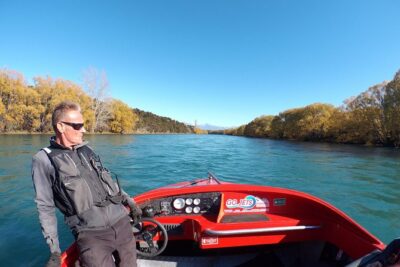
Small Group Jet Boat Adventure on the Clutha River from Wanaka
Read our review →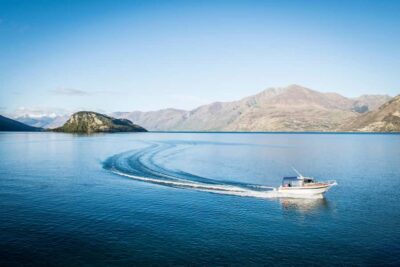
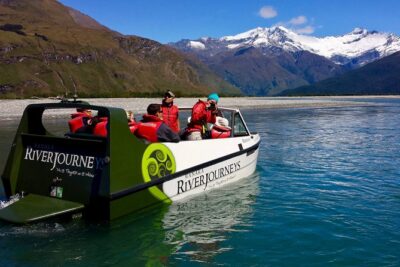

Browse the lists this tour appears in