
Reviewed · AKAROA TOURS
Shamarra Alpaca Farm Tours
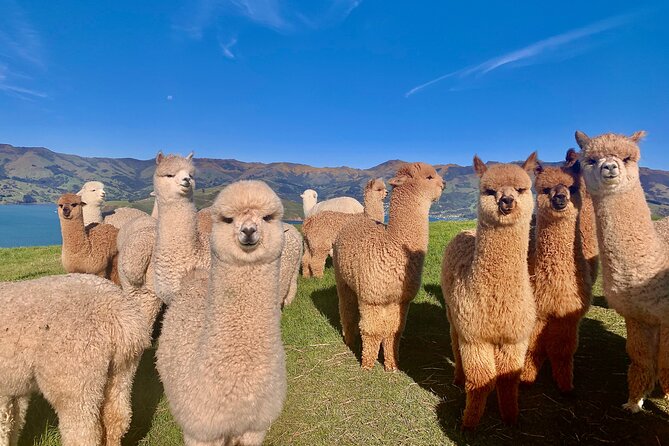
Shamarra Alpacas gives you something better than a quick animal photo stop: real time beside the alpacas. On the slopes above Akaroa Harbour, you move through areas for petting, seeing young animals, and feeding them grass from bowls. The farm’s 170 alpacas, including Rising Sun, the resident male star, make this a lively hour for families and animal lovers.
I like the beautiful harbour views and the warm, practical guides who explain how alpacas differ from llamas, how their fleece comes in different colors, and how to approach them respectfully. I also like the sensible one-hour length. The main catch is transport. You must drive yourself or arrange a taxi or private transfer in advance, since reaching the farm without a car can be difficult.
Key points to know before you go
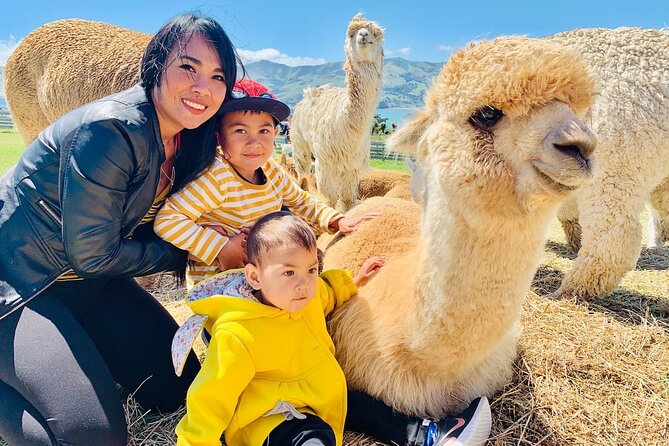
- Three hands-on areas: Pet alpacas, see the young animals, then feed them grass from bowls.
- Akaroa Harbour views: The farm sits above the harbour, with volcanic hills and valleys all around.
- Guides who involve you: Jean and other staff explain alpaca care, behavior, fleece, breeding, and the difference between males and females.
- Useful one-hour visit: The schedule is short enough for children and cruise port days, but still includes feeding and photographs.
- Rain plans matter: Raincoats have been provided during wet visits, but the farm may cancel in poor weather.
- Transport is your responsibility: Self-drive is simplest. Taxis and private operators should be booked before arrival.
Meeting alpacas above Akaroa Harbour
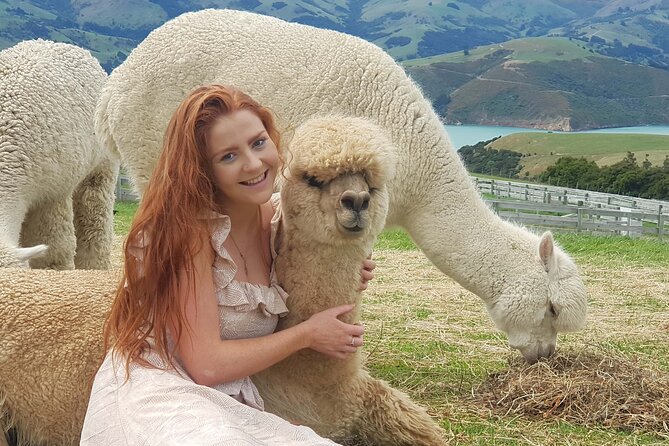
Akaroa is built around a dramatic volcanic harbour, and Shamarra Alpacas takes full advantage of its setting. The farm is on the hills above the water, with views toward the harbour, rolling slopes, and craggy volcanic peaks. You get animals in the foreground and a memorable New Zealand setting behind them, which is a fine combination for photographs.
The farm is just over an hour from Christchurch Central, about 73 kilometres away, and roughly 20 minutes from Akaroa village. That makes it an easy addition to a day in Akaroa, but not a casual walk-up stop from the town. Plan the drive carefully, especially if you have a fixed departure time.
You are not simply given a field and told to look around. The visit is organized into several areas, with staff explaining how to interact safely and politely with the alpacas. That guidance matters. Alpacas are gentle-looking, but they are still animals with their own habits and boundaries. Staff can show you where particular alpacas like to be touched and how to offer food without crowding them.
More farm visits in Akaroa:
- Akaroa Shore Excursion: Akaroa Harbour and Sheep Farm Local Tour
★ 4.5 · 11 reviews - Queenstown: Queenstown Lake Cruise and Walter Peak Farm Tour
★ 4.8 · 950 reviews - Dinner at Walter Peak High Country Farm and Cruise from Queenstown
★ 4.5 · 576 reviews
Three stages of close contact
The first part focuses on meeting the alpacas at close range. You can pet them, take pictures, and learn about their temperaments. Some are more eager for attention than others, so the pleasure comes from noticing their individual personalities rather than treating the herd like a row of photo props.
The second area is for seeing newborn or young alpacas. This can be especially appealing if you are visiting with children. Very young animals may not be available for touching, and that is the right call. The rules protect both the babies and their mothers, so listen carefully to the guide before reaching out.
The final area is feeding time. You receive grass in bowls and can offer it to the alpacas at close range. Alpacas are enthusiastic eaters, and feeding gives you an easy way to interact with them without chasing or grabbing. Keep your movements calm and let the animal come to you.
Some visits have included chances to feed younger alpacas, while newborn animals may be view-only. The exact contact can depend on the animals’ age and welfare needs on the day. You should expect interaction, but not assume every alpaca will be available for a cuddle.
What the guides explain in one hour
The staff make the short visit useful by mixing facts with direct contact. You can learn about alpaca life, care, mating cycles, fleece colors, temperament, and the differences between males and females. The talk also covers spitting, which is a subject children tend to remember, and the basic rules for respectful handling.
Jean is one guide specifically praised for making the feeding section fun and clear. Another guide identified only as I was described as especially effective at explaining the animals and keeping the visit moving. Staff also point out the individual sweet spots where particular alpacas enjoy being stroked.
Rising Sun, the farm’s male star, may get special attention. Learning the names and traits of individual animals helps you see the herd as more than a collection of similar faces. It also makes the farm’s animal care feel personal and hands-on.
The hour can pass quickly. One account of the visit found the staff rushed the ending slightly, so I would arrive ready to start rather than using the first few minutes to get organized. If you want plenty of photos, take them as you go instead of waiting until the final minutes.
Why the scenery adds real value
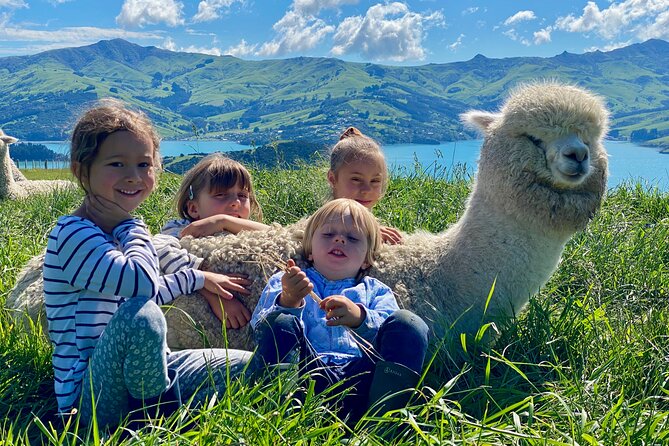
Plenty of animal farms offer close contact, but the setting here changes the feel of the visit. From the hillside, you can look across Akaroa Harbour and the surrounding volcanic country while an alpaca stands in front of you. The views give children something to notice between animal encounters and give adults a reason to linger after the feeding.
The scenery changes through the year, and the farm is open in every season. The alpacas remain the main attraction, but the light, weather, and vegetation will vary. For photographs, a clear day should give you the best harbour views, while a damp day can still work if you bring suitable layers and accept a more weather-shaped visit.
Rain does not automatically ruin the outing. Raincoats have been supplied during wet visits, and the staff continue with the educational side of the tour when conditions allow. Still, this is an outdoor farm experience, not an indoor attraction. The operator requires good weather and may offer another date or a full refund if poor conditions force a cancellation.
A few more Akaroa days to compare
- Akaroa Dolphins ~ Harbour Nature Cruise
★ 5.0 · 2,143 reviews - Akaroa: Dolphin Nature Cruise
★ 4.9 · 440 reviews - Akaroa Harbour Nature Cruise
★ 5.0 · 332 reviews - Swimming with Wild Dolphins in Akaroa
★ 4.5 · 261 reviews
Planning the drive from Christchurch or Akaroa
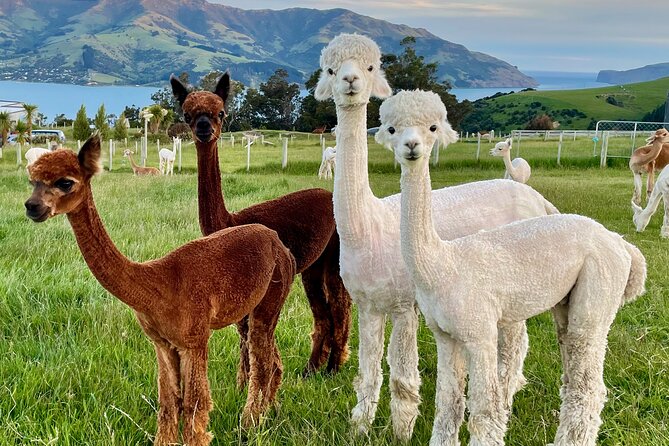
If you are based in Christchurch, allow more than the one-hour farm visit itself. The drive is listed as just over an hour each way, so the outing works best as part of a wider Banks Peninsula day rather than a quick city-side activity.
From Akaroa, the farm is about a 20-minute trip. That makes it easy to pair with the village’s historic buildings, waterfront, culture, and cafes. You can visit the farm first and then spend time in Akaroa, or schedule the alpacas between other activities. Leave enough room for road conditions and photographs, since the visit may run close to its planned hour.
Transport is the biggest practical issue. The admission price does not include a transfer. If you drive, the arrangement is simple. If you arrive by cruise ship or without a rental car, contact Shamarra Alpacas or a local operator before the day of your visit.
Private transfer options listed for arrivals through Lyttelton include Jeeves Tours, Private Tours, ChauffeurNZ, Big T Tours, and Steve’s Shuttle. If you arrive into Akaroa, local options include Danny’s Taxis and Akaroa Taxis Ltd. Availability can change, so confirm directly rather than assuming a taxi will be waiting in town.
Do not rely on Uber or a last-minute taxi search. A failed transport plan can mean missing the farm entirely, and changing or refunding a booking may depend on the booking company’s rules. If you are on a cruise schedule, arrange the vehicle before you arrive and allow a generous buffer for the return journey.
Is $38.26 good value?
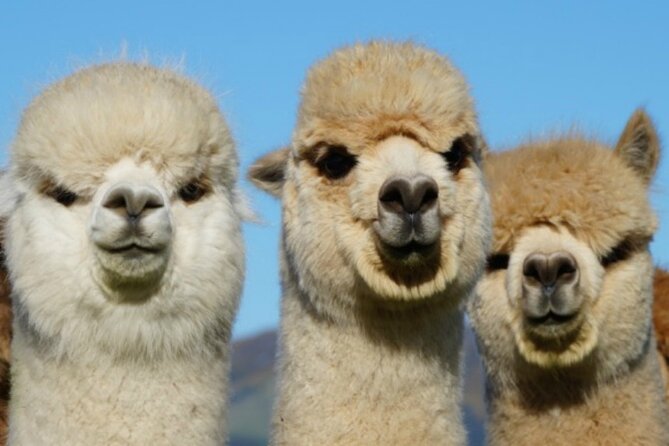
At $38.26 per person, the price is fair if you want a proper hands-on animal visit rather than a quick look at alpacas from behind a fence. Admission includes the farm visit and the guided interaction, with enough time for petting, feeding, photographs, and an introduction to alpaca care.
The one-hour format helps the value. You are not paying for a full-day farm program, but you also are not spending half a day on a single animal activity. Families can fit it into an Akaroa outing, and adults who are simply curious about alpacas get a focused introduction without committing to a long tour.
The price feels less attractive if you must add a costly private transfer from a cruise port. That is not a fault with the alpacas, but it affects your actual budget. If you already have a car, the calculation is much better. If you need transport, compare the combined fare with other Akaroa activities before booking.
A small farm shop adds a pleasant finish. You might find alpaca socks and other goods, along with homemade biscuits and light refreshments on some visits. These extras are not the main reason to book, but they make the hour feel complete.
Family appeal and animal welfare
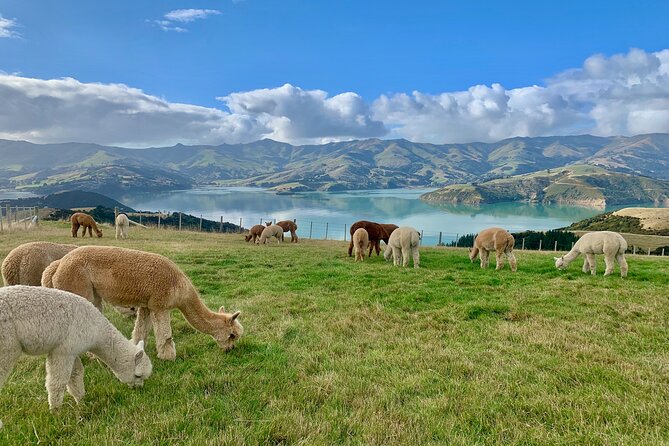
This is a strong choice for families because the activity is clear and varied. Children can pet the alpacas, watch the babies, help with feeding, and take pictures. Adults get the scenery and the explanation of how the animals are cared for.
The visit also suits people who have never encountered an alpaca. You learn how they differ from llamas, how their fleece varies, and how their behavior works before being encouraged to interact. That is more useful than simply being told to hold out food.
Animal-loving adults should enjoy it too. The appeal is not limited to cuddling. You can observe the animals’ social behavior, notice differences in size and coloring, and hear about the work involved in raising them. The staff’s enthusiasm is part of the experience, especially when they describe individual alpacas and their favorite places to be touched.
The farm’s rules around newborns are worth respecting. You may see a baby only a few hours old, but very young animals are not necessarily available for petting. That boundary is a good sign. The best farm visit lets you interact while keeping the animals’ needs first.
Making the most of your photographs
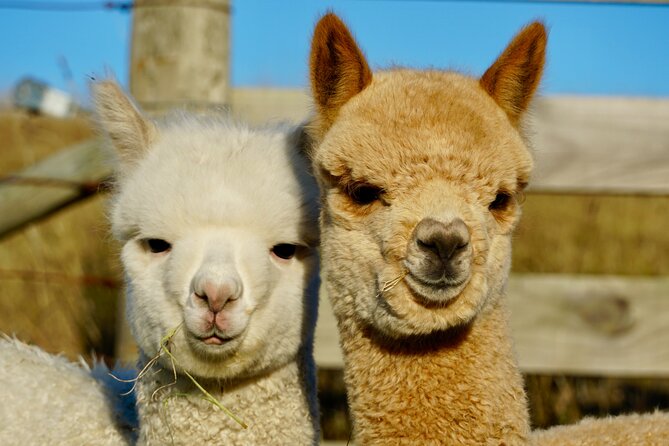
You will probably take many pictures here. The combination of soft, expressive alpaca faces and Akaroa Harbour makes the farm unusually photogenic. Let the guide control the interaction first, then take your close-up shots when the animal is calm.
Avoid crowding around one alpaca or chasing one that moves away. Offer the grass as instructed and wait for the animal to approach. This gives you better photographs and a calmer encounter.
It is also worth taking a few photographs without an alpaca in the frame. The harbour, volcanic hills, and open farm setting explain why this location is special. If the weather turns gray, use the animals’ faces and fleece colors for close shots, then save wider views for any clear breaks.
Bring a phone with enough storage. The feeding section alone can produce a surprising number of similar pictures, and children may want to photograph every alpaca they meet.
Weather, timing, and what to expect
The farm operates year-round, but conditions can change the day. Wear shoes and clothing suitable for an outdoor farm visit, and be ready for wind or rain on the exposed hillside. Raincoats may be available, but you should not treat that as a substitute for checking the forecast.
Confirmation is provided at booking. The standard visit lasts about one hour, which includes the introduction, animal contact, feeding, and time in the different areas. The schedule is manageable for most ages, and the activity is described as suitable for most people.
Arrive with your transport settled and your camera ready. The staff may keep the group moving so each area gets its proper time. That organization is useful, but it also means you should not expect an unstructured afternoon wandering around the property.
Free cancellation is available if you cancel at least 24 hours before the start time. Changes made inside that window are not accepted, and late cancellations are not refunded. If poor weather causes the operator to cancel, you can choose another date or receive a full refund.
Who should book Shamarra Alpacas?
I would book this if you are spending time in Akaroa, enjoy animals, and want a short activity with a strong sense of place. It is especially good for families, first-time alpaca encounters, photographers, and anyone looking for something gentler than a fast-moving adventure.
It is also a good fit for a day trip from Christchurch if you are already visiting Banks Peninsula. The farm combines easily with Akaroa’s historic seaside setting, though you need to account for the driving time.
I would pause if you have no car and have not arranged a transfer. The farm is not an easy last-minute taxi outing, and the admission ticket does not solve the transport problem. I would also reconsider if you want a long, private animal session, since the visit is a shared, carefully timed one-hour program.
Should you book this alpaca farm visit?
Yes, if the animals and setting appeal to you. The best parts are the close contact, feeding session, friendly instruction, and harbour views, all packed into a manageable hour. The farm delivers more than a photo stop without asking you to spend a full day there.
Book with transport already arranged, especially if you are coming from a cruise port. With that detail handled, Shamarra Alpacas is an easy recommendation for a cheerful Akaroa stop that works across generations and leaves you with both useful facts and a large collection of alpaca photographs.
FAQ
Where is Shamarra Alpacas located?
Shamarra Alpacas is in Akaroa, on the slopes above Akaroa Harbour. It is about 20 minutes from the historic seaside village of Akaroa.
How far is the farm from Christchurch?
The farm is just over an hour’s drive from Christchurch Central, approximately 73 kilometres away.
How long does the visit take?
Allow about one hour for the farm visit.
Is transport included?
No. You must drive yourself or contact Shamarra Alpacas directly about transport providers.
Can I visit from a cruise ship?
You can, but you must arrange transport in advance. Options differ depending on whether your ship arrives at Lyttelton or Akaroa.
Can I feed the alpacas?
Yes. The visit includes a feeding section where you are given grass in bowls for the alpacas.
Can I pet the alpacas?
Yes. Petting and close interaction are part of the visit, although newborn alpacas may not be available to touch.
Is the farm suitable for children?
Yes. The activity is family-friendly, and both children and adults can learn about, pet, feed, and photograph the alpacas.
Is the farm open all year?
Yes. Shamarra Alpacas is open year-round, with scenery that changes through the seasons.
What happens if the weather is poor?
The experience requires good weather. If the operator cancels because of poor conditions, you will be offered another date or a full refund.
Newly listed around Akaroa
- Solar Explorer in Akaroa – Sun-Viewing Tour with Telescopes★ 5.0 · 5 reviews
- Discover Akaroa: Self Guided Audio Tour★ 4.0 · 6 reviews
- Akaroa Explorer: Guided Electric Mountain Bike Tour★ 4.7 · 9 reviews
- Akaroa Nature and History Private Tour – The 7th Generation★ 5.0 · 10 reviews
- Akaroa Shore Excursion: Akaroa Harbour and Sheep Farm Local Tour★ 4.5 · 11 reviews
- Akaroa Shore Excursion: Banks Peninsula, Christchurch City and Giants House Tour★ 3.5 · 14 reviews
- Akaroa: Stargazing Tour with 2 Telescopes & Souvenir Photos★ 5.0 · 17 reviews
- Akaroa Explorer- Guided Electric Bike Tour in Akaroa★ 5.0 · 18 reviews
Akaroa Tours, compared.
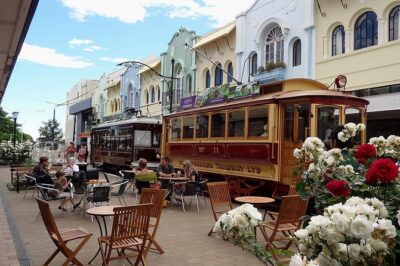
Akaroa Shore Excursion: Banks Peninsula and Christchurch City Sights Tour
Read our review →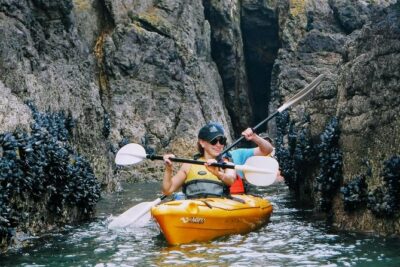
Shore Excursion Guided Sea Kayaking through Akaroa Marine Reserve
Read our review →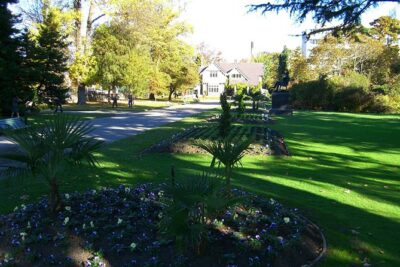
Akaroa Shore Excursion: Banks Peninsula, Christchurch City Tour and the International Antarctic Centre
Read our review →Browse the lists this tour appears in