
Reviewed · MARLBOROUGH TOURS
Blenheim: Omaka Aviation Heritage Centre Admission Ticket
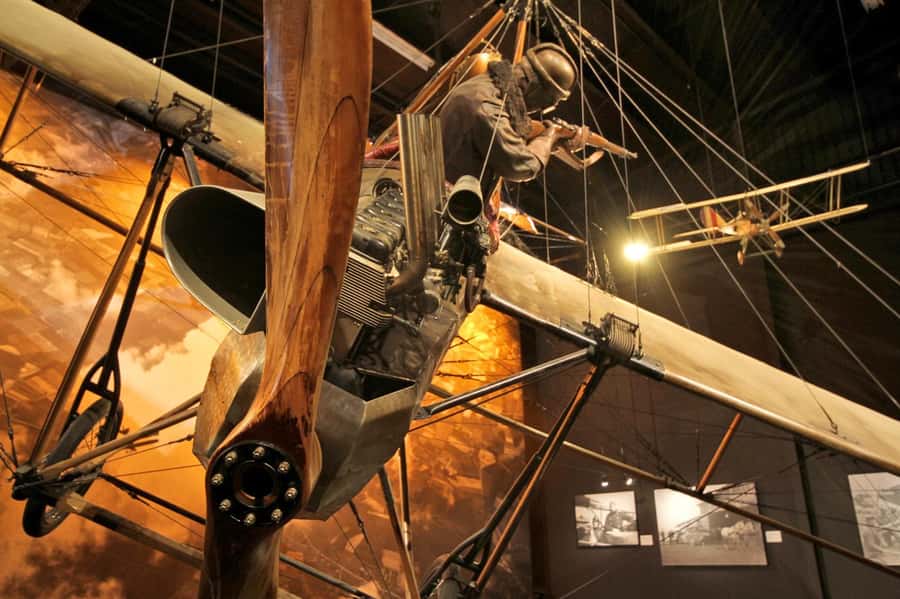
The most striking thing about Omaka Aviation Heritage Centre is the way it puts aircraft inside the human story of war. You do not simply look at old machines behind glass. You see flying machines, dramatic scenes, personal stories, and wartime objects arranged to show what aviation meant during WWI and WWII.
I like the rare aircraft and memorabilia, especially the original De Havilland Mosquito and Griffon-powered Mk.XIVe Spitfire. I also like the cinematic presentation of the Knights of the Sky exhibition, created with WingNut Films and Wētā Workshop. The main drawback is simple: if you want to see both exhibitions properly, you need to give the centre a good part of your day.
Key Points
- Two separate aviation stories: Choose the WWI exhibition, the WWII exhibition, or admission to both.
- Sir Peter Jackson’s WWI collection: Knights of the Sky presents aircraft and artifacts linked to aviation’s early wartime development.
- Film-quality presentation: WingNut Films sets and Wētā Workshop figures give the WWI exhibit a strong sense of place.
- Major WWII aircraft: Dangerous Skies includes an original De Havilland Mosquito and a Griffon-powered Mk.XIVe Spitfire.
- Good value for aviation fans: The listed price is $14 per person, with one-day admission.
- Easy practical setup: The centre is open seven days a week from 9 am, with last admission one hour before closing.
Why Omaka Tells More Than an Aircraft Story
Aviation museums can sometimes become rows of impressive machines with labels that are easy to skim. Omaka takes a different route. Its purpose is to show how quickly aviation developed during the two World Wars, and what that development meant for the people who flew, maintained, and faced these aircraft.
That human focus matters. A plane is impressive on its own, but it becomes more meaningful when you understand its role in a dangerous new form of warfare. At Omaka, the aircraft are placed alongside wartime artifacts and stories of courage and tragedy.
I would recommend this centre even if you are only mildly interested in aviation. The displays are designed to explain the aircraft’s capabilities in the context of war, so you are not expected to arrive knowing the difference between every fighter, bomber, and reconnaissance machine.
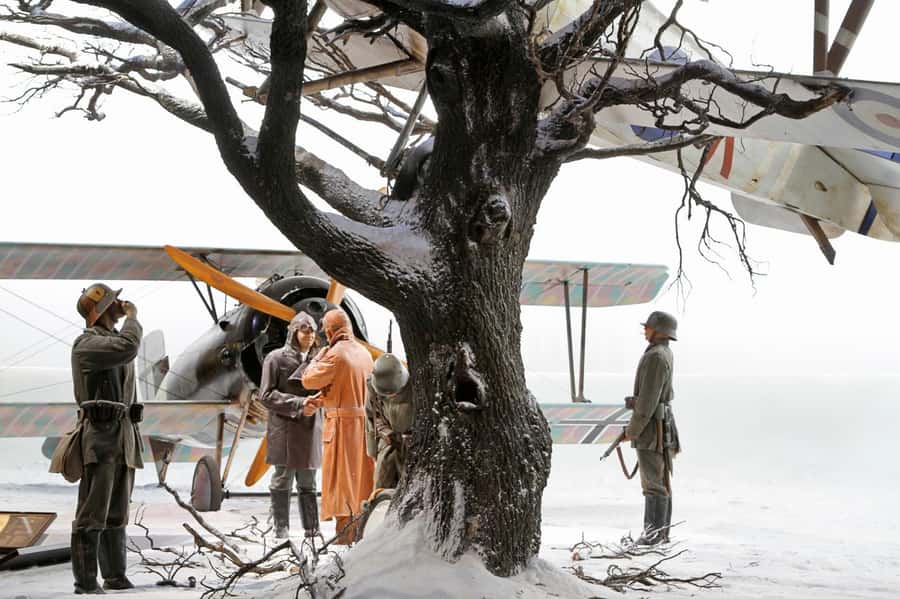
The centre also has strong appeal for film fans. The WWI exhibition was brought to life with sets by WingNut Films, the production company associated with Sir Peter Jackson, and figures made by Wētā Workshop. This gives the presentation a dramatic quality without losing its museum purpose.
More History Tours in Blenheim:
- Skip the Line:WWI & WWII Combo Exhibitions at the Omaka Aviation Heritage Centre
★ 5.0 · 86 reviews - Skip the Line: Dangerous Skies WWII Exhibition – Omaka Aviation Heritage Centre
★ 4.5 · 25 reviews - Auckland: All Blacks Experience Guided Cultural Tour
★ 4.7 · 453 reviews
Start With Knights of the Sky and the First World War
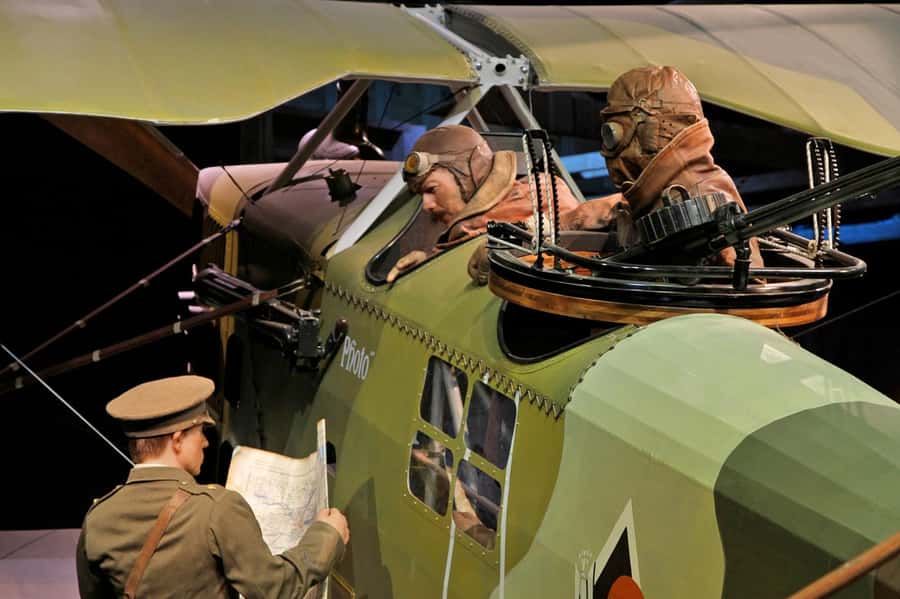
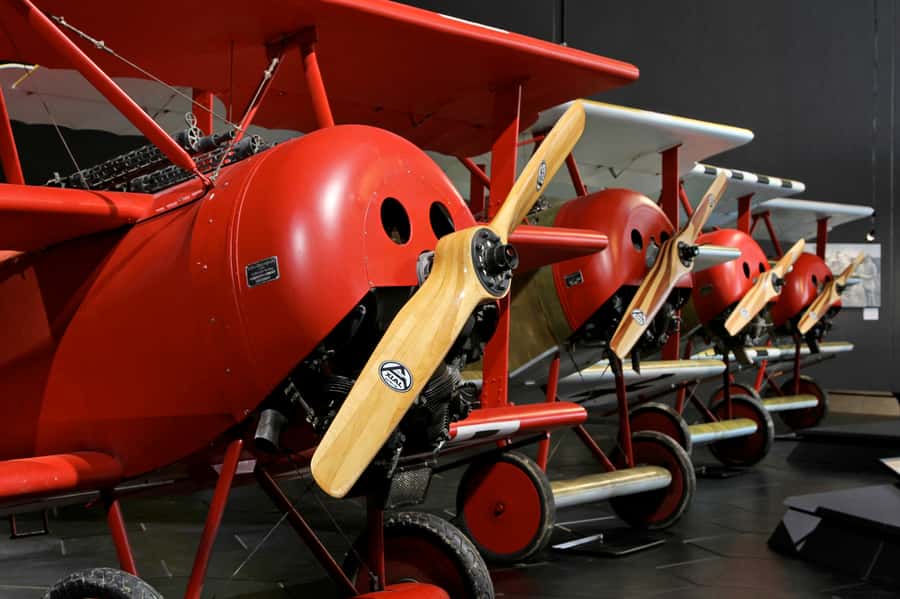
The original exhibition, Knights of the Sky, focuses on WWI aviation and the rapid development of flying machines during the Great War. This is the section to choose if your main interest is early military aviation, biplanes, pioneering pilots, and the difficult conditions of the first air war.
The exhibition features aircraft and artifacts from Sir Peter Jackson’s collection. That makes the display especially useful for anyone who wants to see rare material connected with the period, not only read a general account of aviation history.
The sets are a major part of the experience. WingNut Films created scenes that place the aircraft and objects in a wartime setting, while Wētā Workshop produced the mannequins. You can expect a more theatrical presentation than in a basic hangar display.
That approach has two advantages. First, it gives you a clear sense of scale and setting. Second, it helps younger visitors and casual museumgoers understand what they are looking at. You can connect a machine to the people who used it, rather than treating it as a technical object with no wider story.
The trade-off is that the exhibit may feel intense or dramatic if you prefer a quiet, highly technical museum. Omaka is interested in people and conflict as much as engineering. I see that as a strength, but it is worth knowing before you go.
Continue to Dangerous Skies in World War II
Dangerous Skies carries the story into WWII. Its material reaches across the British Isles, the forests of Germany, the defence of Russia, and the hot jungles of the Pacific. These settings show how widely air power was used and how different the conditions could be from one theatre of war to another.
The exhibition presents stories of courage and tragedy. I find that framing useful because WWII aviation is often reduced to famous aircraft and famous battles. Omaka gives you a broader picture, with attention to the people caught up in the conflict as well as the machines.
Two aircraft deserve special attention. The original De Havilland Mosquito is one of the centre’s major attractions, as is the Griffon-powered Mk.XIVe Spitfire. For many people, these alone will justify choosing the WWII exhibition if time is short.
The Mosquito and Spitfire also help explain different sides of wartime aviation. You can look closely at the aircraft themselves and then consider how design, speed, power, and range affected military decisions. The point is not simply that these were famous planes. It is that their capabilities mattered in real operations.
If you only have time for one exhibit, your choice should depend on your interests. Pick Knights of the Sky for WWI aviation, early development, and the large-scale cinematic scenes. Pick Dangerous Skies for WWII stories and the chance to see the Mosquito and Spitfire.
Give Both Exhibitions the Time They Deserve
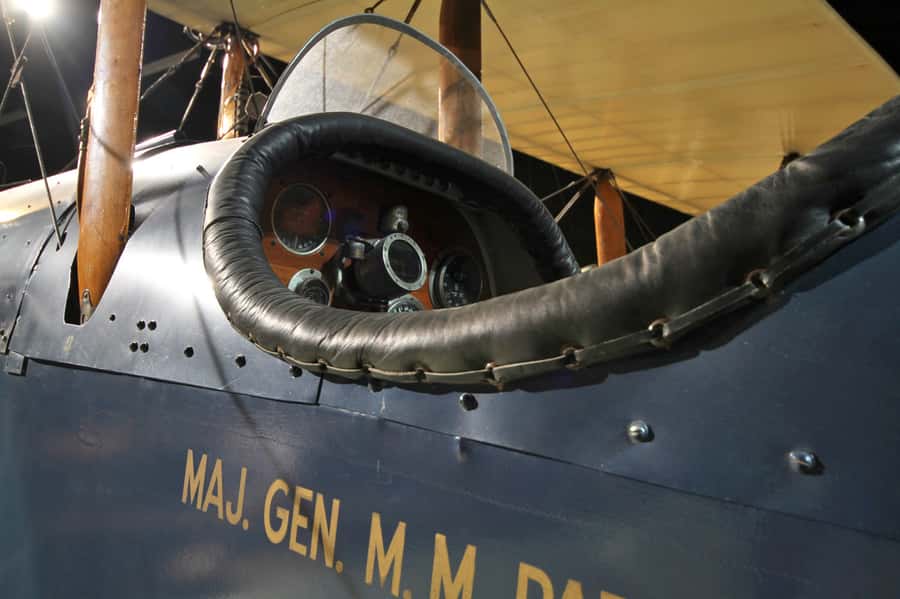
Admission can cover the WWI exhibition, the WWII exhibition, or both, depending on the option selected. If your schedule allows, I would choose both. The two sections work better together because you can see the changes in aircraft and air warfare across both conflicts.
A one-day ticket gives you flexibility rather than forcing a tightly timed visit. The centre is open seven days a week from 9 am, and last admission is one hour before closing. Check the current opening hours before setting out, then plan enough time to look at the aircraft, read the stories, and absorb the presentation.
Do not treat the museum as a quick photo stop. The machines may catch your eye immediately, but the context is where much of the value lies. Give yourself time to connect the artifacts, sets, and personal stories.
The listed price is $14 per person. That is a modest admission cost for two substantial exhibitions, particularly if you choose the combined option. I would call it good value for anyone with an interest in military history, aircraft, engineering, or film production.
The value is less clear if you are passing through Blenheim with only a few spare minutes. In that case, choose one exhibition rather than rushing through both. A shorter, focused visit is better than trying to cover the entire centre at speed.
A few more Blenheim days to compare
- Self-Guided Wine Tours by Bike with Lorelle & Greg
★ 5.0 · 304 reviews - Full Day Winemakers Tour in Marlborough
★ 5.0 · 285 reviews - Marlborough: Full-Day Self-Guided Biking Wine Tour
★ 4.7 · 221 reviews - Self-Guided Biking Wine Tour (full day) in the Marlborough Region.
★ 5.0 · 206 reviews
What Makes the Presentation So Effective
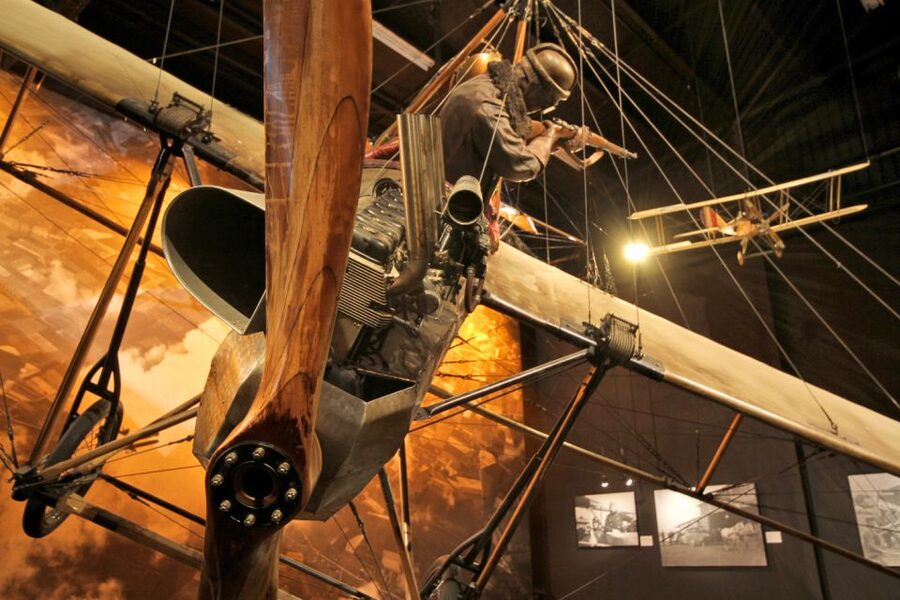
Omaka’s display style gives it a strong sense of drama, but the drama serves a practical purpose. It helps you understand the conditions around the aircraft. A plane shown in isolation can be hard to place. A plane shown with period objects, figures, and a carefully built setting has more meaning.
The use of Wētā Workshop figures is particularly important in the WWI section. Mannequins can sometimes feel like decoration, but here they help create a human scale. You can picture the people connected to the machines and the difficult decisions behind wartime flying.
The WingNut Films sets add another layer. They make the exhibition feel like a carefully constructed story, while the aircraft and memorabilia provide the real objects at its centre. I like that balance. You get the visual impact of a film set without losing the substance of a heritage collection.
The same approach makes Omaka accessible to mixed groups. One person in your party may arrive for the aircraft, another for the war stories, and another for the film connection. The centre gives each of you a reason to pay attention.
The displays are in English, and the host or greeter is English-speaking. If English is not your first language, allow extra time to read the material and consider which sections matter most to you.
The Most Praised Part: Aircraft, Memorabilia, and Personal Stories
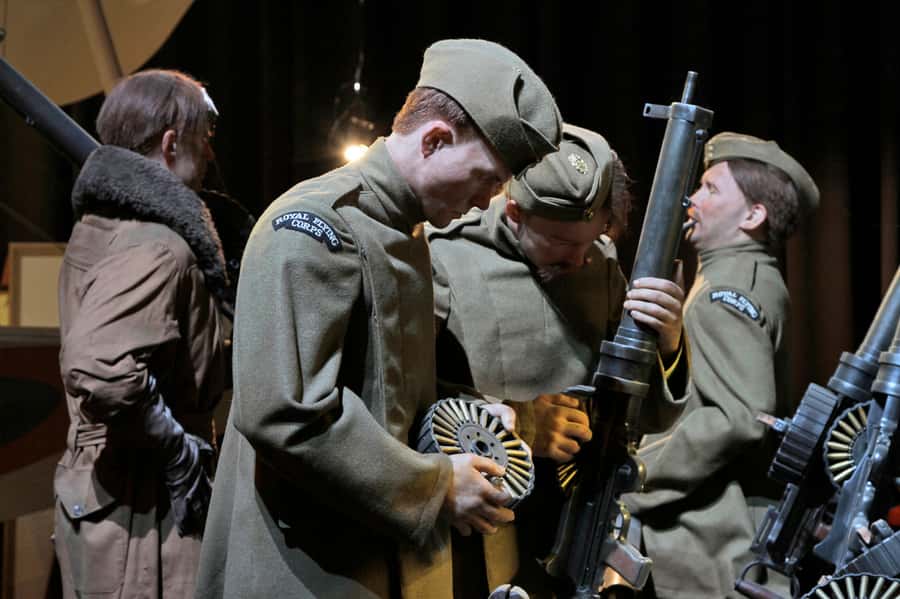
The strongest praise for Omaka centres on three things: the aircraft collection, the wartime memorabilia, and the people who bring the subject to life. The centre is run by staff with a clear passion for the material, and that matters in a museum where technical details can otherwise become dry.
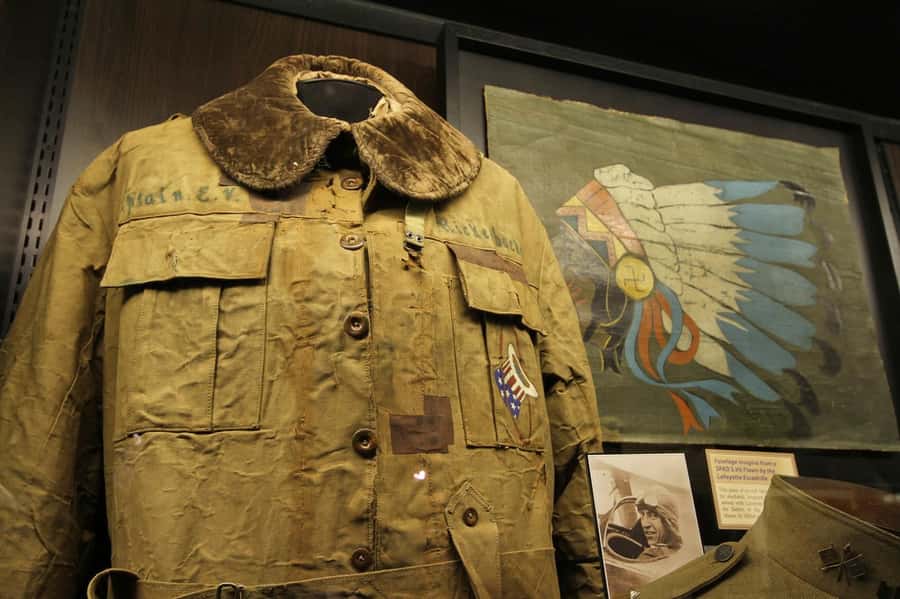
I would pay close attention to the smaller objects as well as the large aircraft. Rare memorabilia can show the everyday side of wartime aviation, while the aircraft explain the scale and technical ambition of the period.
The stories of men and women are another reason not to rush. Aviation development is not only a story of faster engines and better weapons. It is also a story of training, bravery, loss, duty, and survival.
That personal angle helps keep the experience grounded. You can admire the engineering while remembering that these machines were built and flown in a very real war.
The centre has earned a 4.9 rating from 31 bookings, with especially strong praise for its displays, aircraft, history, and overall presentation. I would treat that as a useful signal that Omaka delivers more than a basic collection of planes, though your experience will depend on how much time and attention you give the exhibits.
Who Will Enjoy Omaka Most
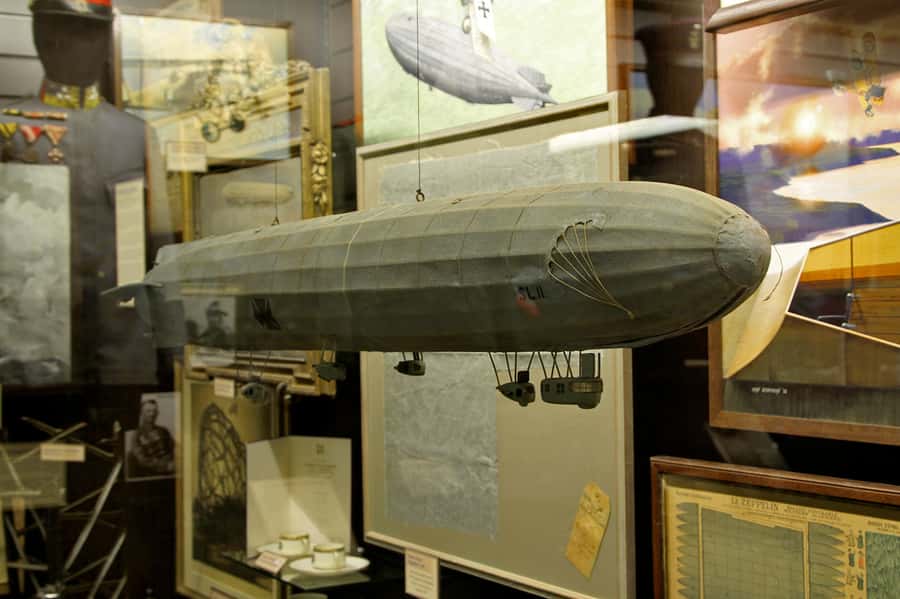
I would recommend Omaka to:
- Anyone interested in WWI or WWII aviation
- Families looking for a museum with strong visual displays
- Film fans interested in WingNut Films and Wētā Workshop
- Visitors who enjoy military history presented through personal stories
- Aircraft enthusiasts who want to see a De Havilland Mosquito and Spitfire
- People with limited time who want a focused Blenheim attraction
You do not need to be an expert. The exhibitions are built to give you context, and the dramatic settings make the material approachable.
I would be more cautious if you dislike war museums, aircraft displays, or emotionally serious historical material. Omaka presents courage and tragedy, not just polished machines. The subject matter can be heavy, even when the presentation is visually impressive.
The centre is wheelchair accessible, which makes it a practical choice for many visitors. Transportation is not included, so you need to arrange your own way to the centre in the Blenheim area.
Booking, Timing, and Practical Details
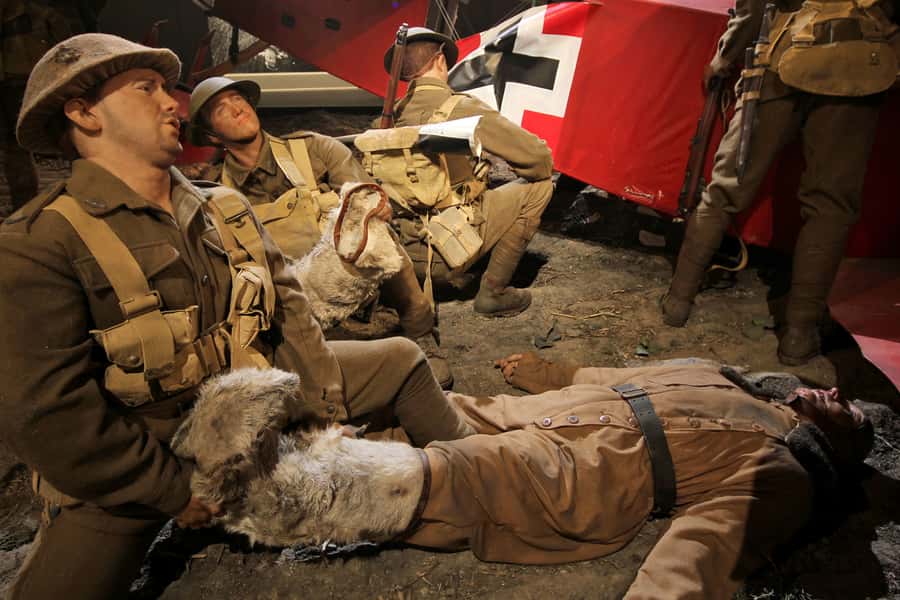
You exchange your voucher at the ticket counter. Admission is valid for one day, and the centre operates seven days a week from 9 am. Last admission is one hour before closing, so avoid arriving late if you want to see both sections.
The booking option allows you to reserve now and pay later, which can help if your South Island plans are still shifting. You can also cancel up to 24 hours in advance for a full refund.
I would check the selected admission option carefully before booking. The choices may cover the WWI exhibition, the WWII exhibition, or both. If your main reason for going is to see the Mosquito and Spitfire, confirm that Dangerous Skies is included.
For a relaxed visit, I would arrive with enough time before the last admission period. Even if you move quickly through labels, the two exhibitions contain enough material to reward a slower pace.
Should You Book the Omaka Aviation Heritage Centre?
Yes, if you want a museum that connects aircraft with the people and conflicts behind them. The $14 price is reasonable, the aircraft are memorable, and the WWI presentation has an unusual film-quality setting created with major New Zealand production names.
Choose both exhibitions if you can spare the time. Choose Knights of the Sky if WWI aviation and early aircraft interest you most. Choose Dangerous Skies if WWII aircraft and the Mosquito and Spitfire are your priority.
I would skip it only if your Blenheim schedule is extremely tight or if military aviation is not your subject. For everyone else, Omaka offers a focused, thoughtful, and visually powerful stop that gives the machines a human story.
FAQ
Where is the Omaka Aviation Heritage Centre?
The centre is in Blenheim on New Zealand’s South Island.
How much does admission cost?
The listed price is $14 per person. The final cost depends on whether you select the WWI exhibition, the WWII exhibition, or both.
How long is the ticket valid?
Admission is valid for one day.
What exhibitions can I visit?
You can choose admission to the WWI Knights of the Sky exhibition, the WWII Dangerous Skies exhibition, or both, depending on the option selected.
What is included with admission?
Your selected ticket includes admission to the WWI exhibition, the WWII exhibition, or both. Transportation is not included.
What can I see in Knights of the Sky?
Knights of the Sky focuses on WWI aviation, aircraft, artifacts from Sir Peter Jackson’s collection, and dramatic sets created by WingNut Films with figures by Wētā Workshop.
What can I see in Dangerous Skies?
Dangerous Skies presents aviation stories from WWII and includes an original De Havilland Mosquito and a Griffon-powered Mk.XIVe Spitfire.
What time does the centre open?
The centre is open seven days a week from 9 am. Last admission is one hour before closing.
Is the centre wheelchair accessible?
Yes, the Omaka Aviation Heritage Centre is wheelchair accessible.
Can I cancel my booking?
Yes. You can cancel up to 24 hours in advance for a full refund. The reserve now and pay later option is also available.
Newly listed around Blenheim
- Progressive Wine & Gourmet Trail from Blenheim or Picton★ 4.8 · 6 reviews
- Marlborough: Half Day Blenheim Wine Tour – Eating & Sipping★ 4.1 · 7 reviews
- Private Driving Wine Tour (full day) in the Marlborough Region★ 5.0 · 7 reviews
- Picton & Blenheim Scenic Tour★ 5.0 · 9 reviews
- Full-Day Wine Gourmet and Scenic Delight Tour of Marlborough from Picton★ 5.0 · 9 reviews
- Marlborough Wine Tour – Afternoon Sippers of Wine Only 4hrs★ 5.0 · 15 reviews
- Marlborough Classic Wine Tasting Tour.★ 5.0 · 15 reviews
- Gourmet Gold Wine Tour: Indulge in Cloudy Bay’s finest wines★ 5.0 · 16 reviews
Marlborough Tours, compared.
Queen Charlotte Sound Mail Boat Cruise from Picton
Read our review →
Beyond the Vines – Full-Day Marlborough Wine Tasting Tour
Read our review →
Coastal Pacific Train Journey from Picton to Christchurch
Read our review →

Self-Guided Wine Tours by Bike with Lorelle & Greg
Read our review →


Marlborough Sounds and Ship Cove Cruise from Picton
Read our review →Browse the lists this tour appears in