Reviewed · QUEENSTOWN TOURS
Kiwi Park Admission Ticket
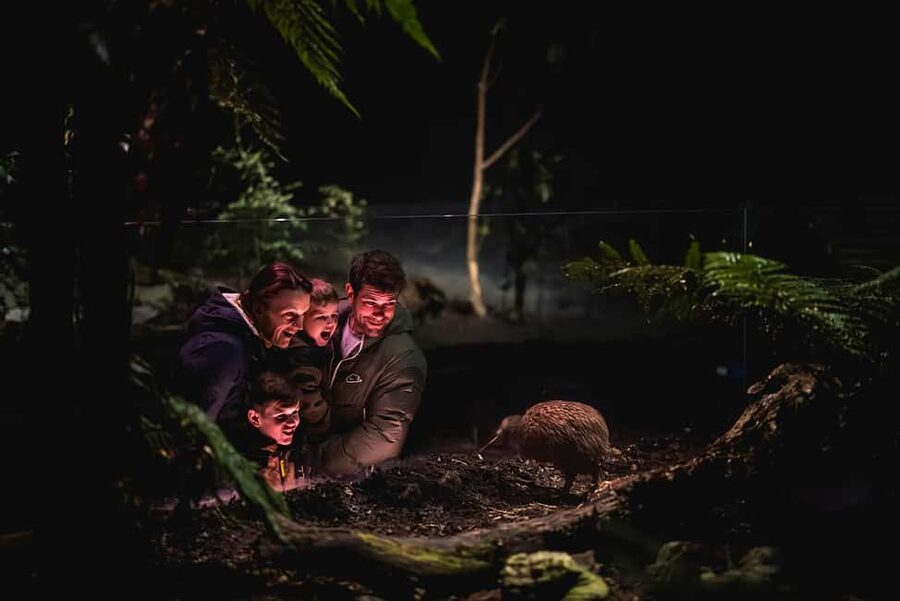
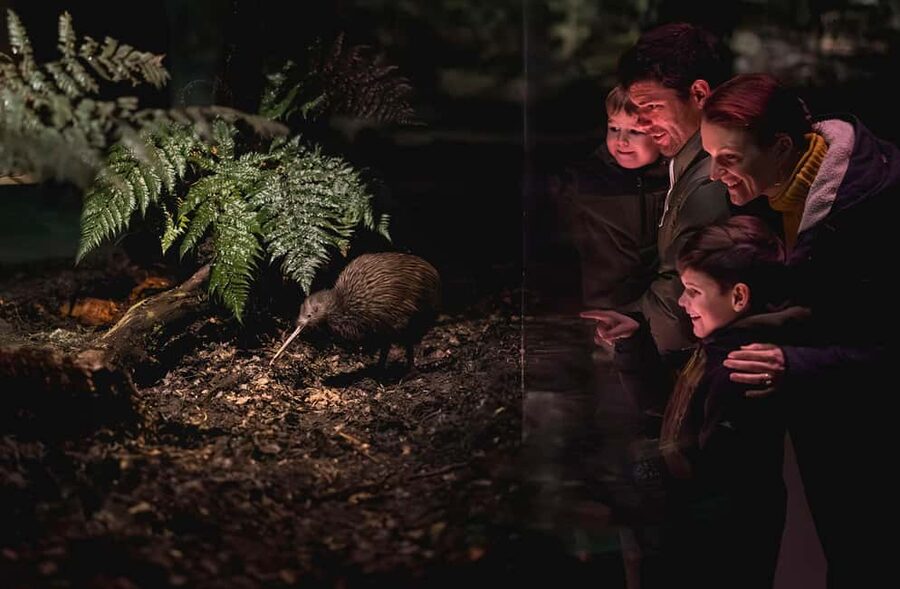
Seeing a kiwi in the dark is the main event here. At Queenstown’s Kiwi Park, the specially designed nocturnal house gives you a real chance to watch New Zealand’s shy national bird moving through its habitat, and the park guarantees a sighting. Once your eyes adjust, look for a kiwi investigating its enclosure, playing with objects, or quietly probing the ground.
I like the passionate wildlife talks and the chance to support a working conservation center rather than simply look at animals behind glass. I also like the easy, self-guided format: you can use the map and audio tour in English, Chinese, French, German, or Japanese, then fit the 30-minute conservation show around your own pace.
The main drawback is size. Five acres makes this a manageable one-to-two-hour stop, not an all-day zoo, and some reptiles may be hard to spot because their carefully built habitats include plenty of cover. Photography is also forbidden inside the Kiwi House, so this is an experience you will need to remember without your camera.
Key points to know before you go
- Guaranteed kiwi sighting: The nocturnal house is the park’s strongest reason to visit, with scheduled kiwi encounters throughout the day.
- Two scheduled wildlife experiences: Plan around the 30-minute Conservation Show and a Kiwi Encounter, rather than arriving just before closing.
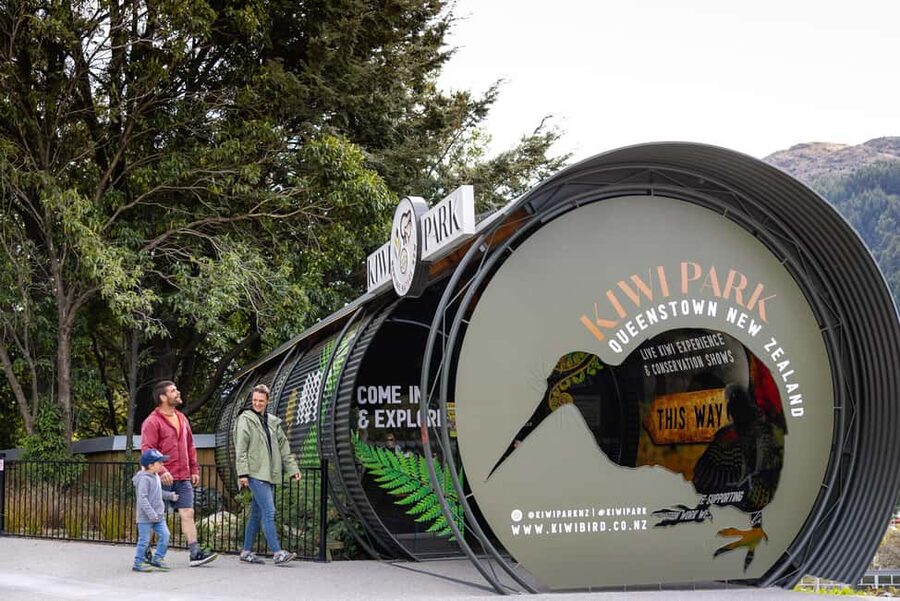
- Five acres in central Queenstown: Walk through the tunnel on Upper Brecon Street to reach reception, with no transport from town required.
- A conservation-first visit: Talks cover endangered species, introduced rats and possums, extinct birds, and captive breeding work.
- Useful extras included: Your ticket covers the audio tour, park map, Honeybee Centre, kiwi viewing, and conservation show.
- Good value for a short stop: At $35 per person, the ticket works best for families, wildlife fans, and anyone wanting a quieter break from Queenstown’s adventure activities.
The kiwi house is the reason to make time for this park
New Zealand’s kiwi is nocturnal, shy, and difficult to see in the wild. Even on a long South Island trip, you may not get a clear look at one. Kiwi Park solves that problem with a darkened house designed for kiwi viewing, giving you a much better chance to watch the birds behaving naturally.
You should allow a few minutes for your eyes to adjust. The house will feel very dark at first, and rushing through it defeats the purpose. Move slowly, listen for movement, and watch the edges of the habitat rather than expecting a kiwi to pose in the middle.
The park guarantees sightings, but that does not mean the bird will stand still under a spotlight. The pleasure is in catching it moving through the shadows, using its long bill, or investigating a tube and other objects. One especially memorable kind of moment is seeing a kiwi play, since it makes the bird feel like a living animal rather than a national symbol on a souvenir.
Photography is not allowed in the Kiwi House. That rule may disappoint anyone hoping for a close-up image, but it helps keep the room dark and limits disturbance. Bring your attention instead of your camera, and you will get more from the encounter.
Kiwi Encounters run several times daily. From October through May, listed times are 10am, 11am, 12:15pm, 1pm, 2:15pm, 3pm, 4:15pm, and 5pm. From May through September, the listed times are 10am, 11am, 12:15pm, 1pm, 2pm, 3:45pm, and 4:30pm.
The published schedules overlap in May, so check the current times when you book if your visit falls near the seasonal change. This matters because the kiwi house is the one part of the park you should not accidentally miss.
A few more Queenstown days to compare
- Queenstown: Walter Peak Gourmet BBQ & Lake Whakatipu Cruise
★ 4.8 · 2,713 reviews - Queenstown: Milford Sound Coach & Cruise Full-Day Trip
★ 4.7 · 2,592 reviews - Shotover River Extreme Jet Boat Ride in Queenstown
★ 5.0 · 2,540 reviews
The Conservation Show adds meaning to the visit
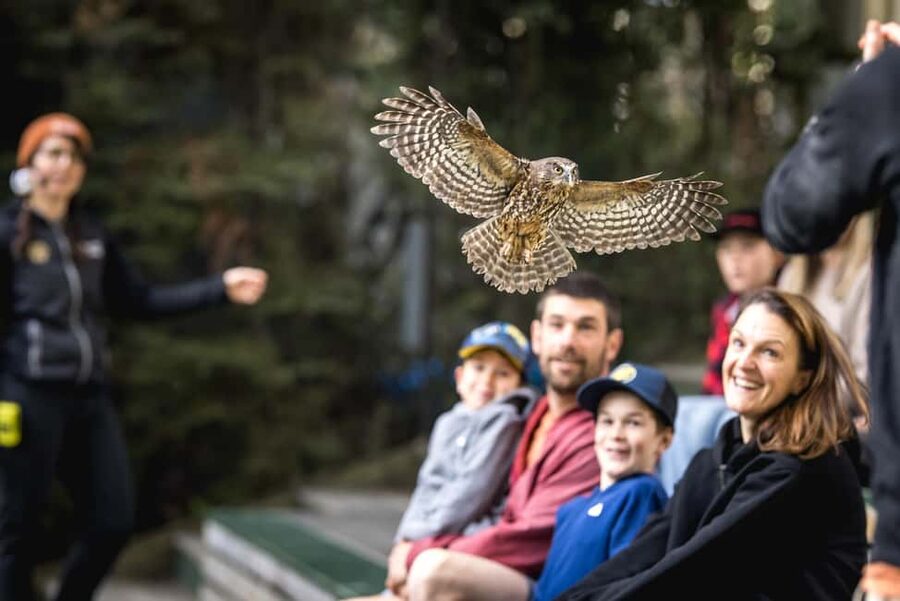
The 30-minute Conservation Show is more than a standard animal presentation. It uses free-flying birds and other native wildlife to explain what makes New Zealand’s species unusual, why so many are at risk, and what conservation work is trying to repair.
The format keeps the lesson lively. You get close to the animals while the wildlife team explains their behavior and the threats they face. The show is designed to make you laugh as well as think, which helps children stay with the subject without turning the visit into a classroom lecture.
The conservation story is important here. New Zealand’s native birds evolved in isolation, and many had little protection from introduced predators. The park’s talks explain the damage caused by rats, possums, and other pests brought by European settlement, along with the extinction of bird species and the pressure still facing those that remain.
You also learn about species that were once close to disappearing and are now part of captive breeding programs. That gives the park a useful role beyond entertainment. Your admission helps support a family-owned center devoted to saving native wildlife, and the displays connect individual animals with wider protection work.
Show times change by season. From October through May, the Conservation Show is scheduled for 11:30am, 1:30pm, and 3:30pm. From May through September, it runs at 11:30am and 3pm.
Try to arrange your visit around both a Kiwi Encounter and the Conservation Show. If you simply walk in at an unscheduled time, you can still see the park, but the talks provide much of the useful context and are among the best parts of the ticket.
A self-guided route lets you set the pace
The park gives you a complimentary map and audio tour, so you are not tied to a group or a fixed walking order. I like this setup because you can spend more time at the kiwi house, move quickly past a quiet enclosure, or pause when a bird is active.
The audio guide is available in English, Chinese, French, German, and Japanese. The host and greeter service is in English, but the recorded tour makes the park easier to follow for many international visitors.
Use the map first to note the next Kiwi Encounter and Conservation Show. Then explore the five acres between those times. The park is compact enough for a relaxed walk, and the ticket is valid for one day, so you do not need to force every stop into a hurried circuit.
Expect a mix of native flora, birds, reptiles, and conservation displays. The setting is not meant to imitate a huge city zoo. Its appeal is the chance to see New Zealand species in one focused place, with staff explanations that link the animals to the country’s conservation problems.
Some creatures may be difficult to find. Reptile habitats are well furnished, but the extra hiding places can mean you see little movement. That is a fair trade for habitats that give animals cover, though it can frustrate children expecting every enclosure to produce an instant sighting.
A little patience helps. Look carefully, listen to the audio guide, and ask yourself what the habitat is designed to provide for the animal, not just how quickly you can spot it. The kiwi house remains the reliable highlight, while the reptile section is better treated as a patient search.
Native birds and reptiles give the park its local character
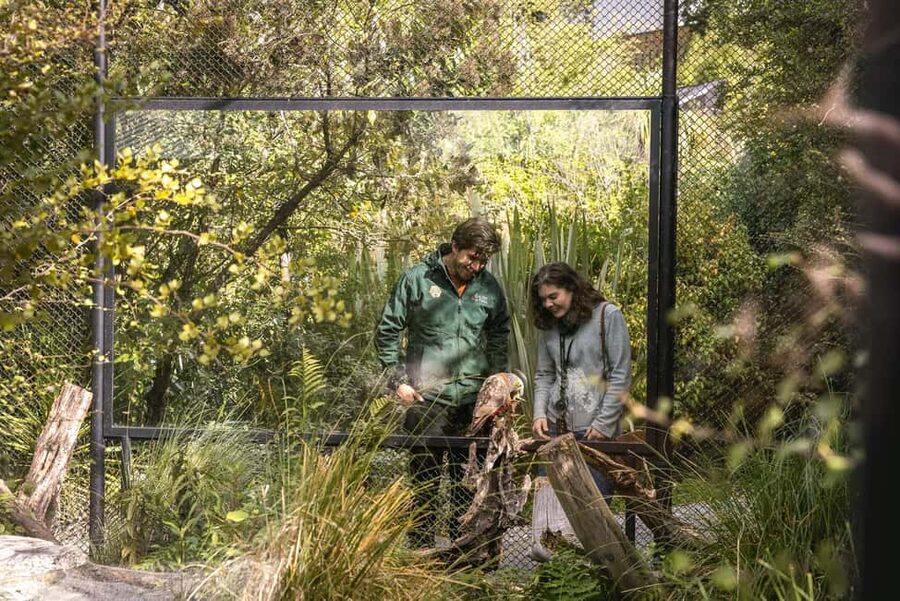
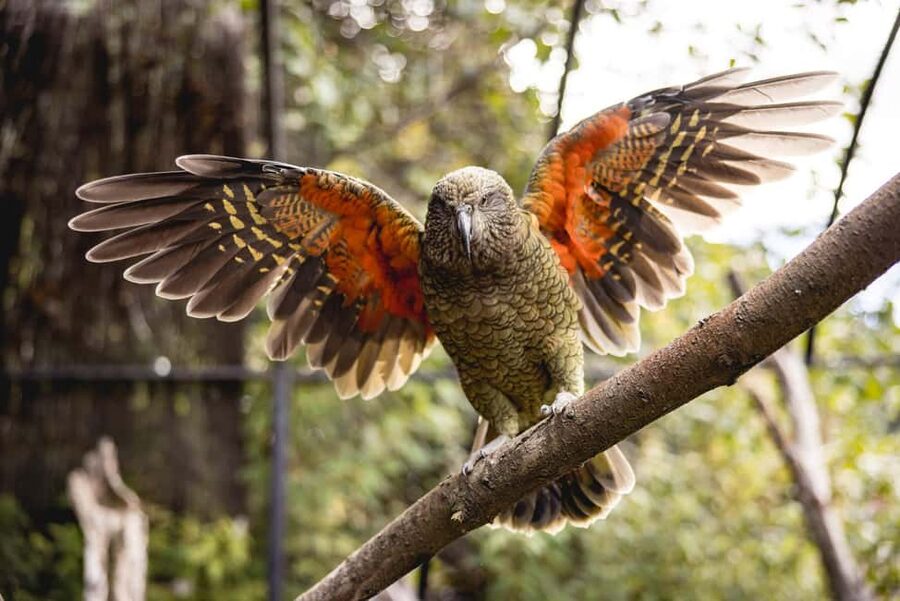
Kiwi Park focuses on New Zealand wildlife, so the collection feels tied to the country rather than assembled as a general animal display. You may see native birds along with tuatara and ruru, New Zealand’s native owl.
The tuatara is a particularly worthwhile sight. It is not simply another lizard-like reptile, and seeing one gives you a connection to an ancient branch of New Zealand wildlife. The ruru adds another local species to the visit, especially when paired with the park’s wider explanation of nocturnal and threatened birds.
The park’s birds are one reason the visit feels rewarding even after your kiwi encounter. You can slow down among the enclosures and notice differences in size, color, calls, and behavior. The setting also includes native plants, so the walk has more of a sanctuary feel than a row of unrelated exhibits.
Still, keep expectations realistic. This is a small wildlife center, and the number of animals you see actively moving will depend on the time of day and the species. The reward is focus and access to local wildlife, not the scale of a major zoological park.
Somewhere else in Queenstown entirely:
- Small Group, Award Winning Milford Sound Day Experience & Cruise
★ 5.0 · 2,416 reviews - Milford Sound Fly-Cruise-Fly Tour from Queenstown
★ 5.0 · 1,792 reviews - Queenstown: Shotover River and Kawarau River Jet Boat Ride
★ 4.7 · 1,682 reviews - From Queenstown: Milford Sound Full-Day Trip by Plane & Boat
★ 4.9 · 1,558 reviews
The Honeybee Centre is a smart extra stop
The Honeybee Centre gives the visit a change of pace. A see-through hive lets you watch the bees at work, and complimentary honey tasting introduces different flavors, grades, and combinations of New Zealand honey.
This stop is especially useful for families because it turns a familiar food into a short nature lesson. You can connect the movement inside the hive with the honey on the tasting table, then continue through the park without adding another fee.
The tasting is included, but food and drink beyond the included honey experience cost extra. If you are planning a full day around Queenstown, treat the park as a wildlife stop rather than assuming your ticket covers a meal.
The Honeybee Centre also broadens the conservation message. The park is not only about rare birds and reptiles. It shows a working natural process that you can watch at close range, which makes the visit feel varied despite the park’s compact size.
How to plan a one-to-two-hour visit

Most people can walk through Kiwi Park in about one to two hours, depending on how long they spend with the animals and whether they attend the show. I would allow closer to two hours if you want the audio tour, a careful kiwi viewing, the Conservation Show, and the Honeybee Centre.
The most efficient plan is simple:
- Enter and collect the audio tour and map.
- Check the next Kiwi Encounter and Conservation Show.
- Walk through the nearby displays while you wait.
- Attend the Conservation Show.
- Visit the kiwi house at a scheduled time.
- Finish with the Honeybee Centre and any enclosures you passed earlier.
Do not leave the kiwi viewing until the last few minutes. The park is open for one day of validity, but the encounter times are fixed, and seasonal schedules differ.
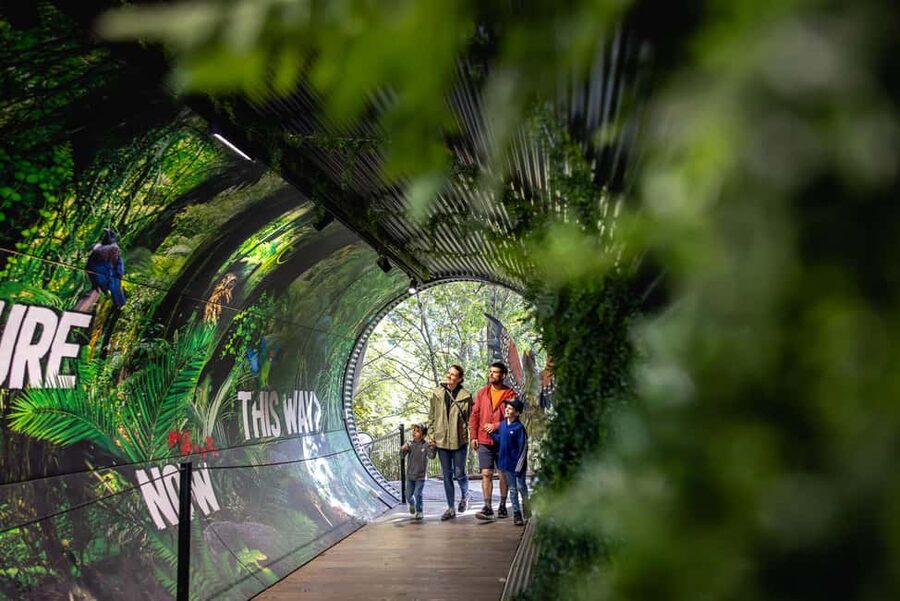
The park is on Upper Brecon Street in the heart of Queenstown. Look for the large tunnel marked Kiwi Park, then walk through it to reception. This central location makes it easy to add before or after other Queenstown plans, and you do not need to build a separate transport day around it.
The site is wheelchair accessible. The host or greeter service is in English, while the audio tour offers the five listed language choices. Those details make the visit fairly flexible for mixed-age and mixed-language groups.
Is $35 a fair price?
Admission costs $35 per person. That is not a bargain if you are looking for a large zoo with hours of rides, feeding sessions, and dozens of major exhibits. It is reasonable if you value a guaranteed kiwi sighting, a scheduled conservation presentation, and a chance to support a local wildlife center.
The ticket includes the park, audio tour, map, Kiwi Encounters, Conservation Show, Honeybee Centre, and honey tasting. You are paying for more than a walk through enclosures, although the main value depends on using the scheduled experiences.
I would compare it with the cost of other Queenstown activities. Jet boats, lake cruises, and day trips to Milford Sound take far more time and usually cost much more. Kiwi Park is a shorter, calmer outing that can fill a spare part of the day without committing you to a full-day excursion.
For families, the price can work well because the show, kiwi house, reptiles, birds, and honey tasting offer several different points of interest. For a solo visitor who only wants one quick look at a kiwi, the price may feel higher, but the conservation context and included audio tour improve the value.
You can cancel up to 24 hours ahead for a full refund. That is useful if your Queenstown schedule depends on weather or other outdoor plans, though you should still check availability and starting times before setting your day.
Who will enjoy Kiwi Park most?
I would recommend this experience to anyone who wants to see a kiwi but does not have time for a remote wildlife trip. The guaranteed sighting removes much of the uncertainty, while the nocturnal setting gives you a better look than you are likely to get by chance in the wild.
Families should find the mix of a live show, birds, reptiles, tuatara, ruru, and honey tasting easy to handle. The compact grounds help if younger children tire quickly, and the audio guide lets adults add more detail without forcing everyone to move at the same speed.
Wildlife fans will appreciate the conservation material. The park explains extinct birds, introduced predators, and captive breeding programs in a way that connects individual animals with New Zealand’s wider environmental story.
You may want to skip it if your main aim is photography. The no-camera rule inside the Kiwi House removes the chance for the close-up image many people hope to take, and some reptiles may stay hidden.
You might also find the park too small if you are expecting a full-day attraction. The visit is best treated as a focused Queenstown activity lasting roughly one to two hours, with the option to linger longer around the scheduled presentations.
Should you book this Queenstown wildlife experience?
Book Kiwi Park if seeing a kiwi is high on your list, you want a central Queenstown activity, or you prefer your wildlife visit to include conservation information. The guaranteed sighting, strong keeper presentations, multilingual audio tour, and included honey center make the $35 ticket a solid choice for a short visit.
Plan carefully around the show times, arrive with patience for the dark kiwi house, and leave your camera outside that enclosure. If you do those three things, the park offers a useful and memorable look at New Zealand wildlife without taking over your whole day.
FAQ
Is a kiwi sighting guaranteed at Kiwi Park?
Yes. Kiwi Park states that kiwi sightings are guaranteed in its specially designed nocturnal house.
How long is the visit?
The park is valid for one day, but a typical visit takes about one to two hours, depending on how much time you spend with the displays, audio tour, kiwi viewing, and shows.
What is included in the $35 admission?
Admission includes access to the park, the self-guided audio tour, Kiwi Encounters, the Conservation Show, and the Honeybee Centre.
Is photography allowed inside the Kiwi House?
No. Photography is not permitted inside the Kiwi House.
What languages are available for the audio guide?
The audio guide is available in Chinese, English, French, German, and Japanese.
Where is Kiwi Park located?
Kiwi Park is on Upper Brecon Street in Queenstown. Walk through the large tunnel marked Kiwi Park until you reach reception.
Newly listed around Queenstown
- Ex Queenstown: Mavora Lakes Middle Earth Full Day Adventure★ 5.0 · 5 reviews
- Milford Sound Earnslaw Burn Helicopter Tour from Queenstown★ 5.0 · 5 reviews
- Queenstown: Walter Peak Farm Tour and Lake Cruise★ 5.0 · 5 reviews
- From Queenstown: Guided Gin Tour with Tastings★ 4.8 · 5 reviews
- Queenstown: 2.5 Hour Flight to Fiordland’s Iconic Locations★ 5.0 · 5 reviews
- Queenstown: Shotover River Rafting & Skippers Canyon Tour★ 5.0 · 5 reviews
- Queenstown Hop-on Hop-off Evening Beer Tour★ 5.0 · 5 reviews
- Queenstown: Remarakbles Helicopter Tour with Alpine Landing★ 4.6 · 5 reviews
Queenstown Tours, compared.
Walter Peak Gourmet BBQ & Lake Whakatipu Cruise
Read our review →

Shotover River Extreme Jet Boat Ride in Queenstown
Read our review →
Small Group, Award Winning Milford Sound Day Experience & Cruise
Read our review →
Shotover River and Kawarau River Jet Boat Ride
Read our review →